 English
 Español
 Français
 Deutsch
 Português (Brasil)
 Русский
 العربية
 Tiếng Việt
 ไทย
 Bahasa Indonesia

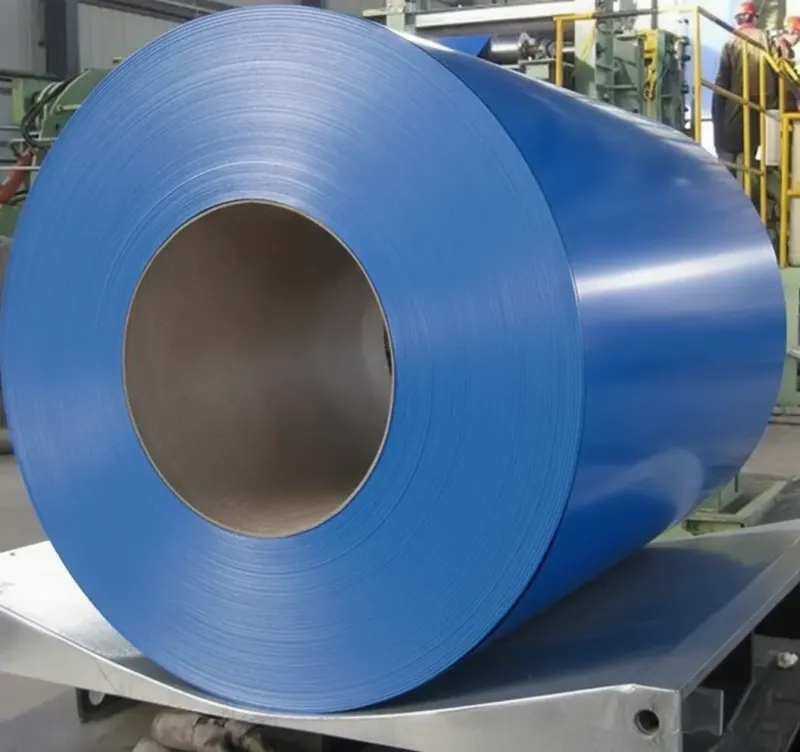
อลูมิเนียมคอยล์เคลือบสีสำเร็จรูปสำหรับงานหลังคาและการหุ้มผนัง
 China
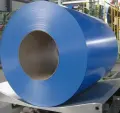
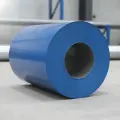
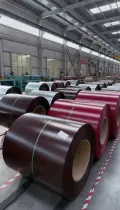
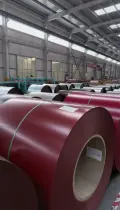
ความสามารถในการสั่งทำของซัพพลายเออร์
- สั่งทำตามแบบ
- สั่งทำตามตัวอย่าง
- สั่งทำได้ทั้งหมด
ปริมาณสั่งซื้อขั้นต่ำ: 1 ตัน
ค่าขนส่งรวม: ตกลงกันภายหลัง
- ระยะเวลาผลิต:
- ยืนยันพร้อมใบเสนอราคา
- บรรจุภัณฑ์:
- บรรจุมาตรฐานสำหรับส่งออก
- สินค้าตัวอย่าง:
- ขอได้ตามต้องการ
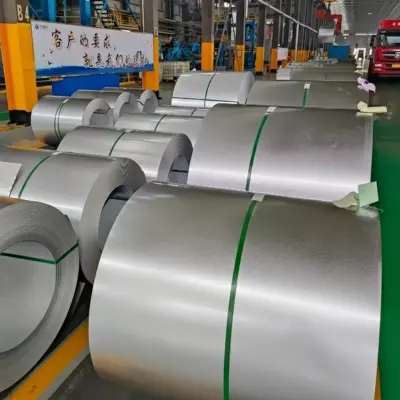
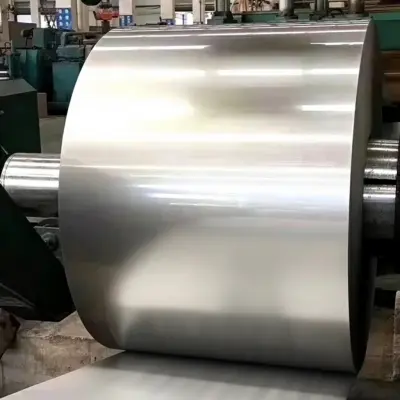
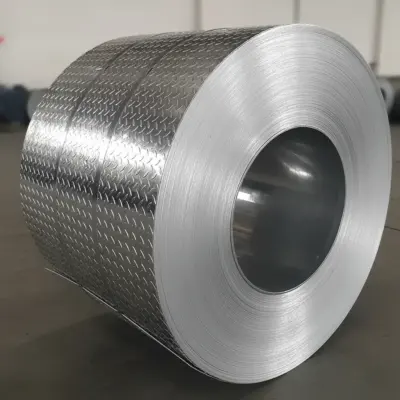
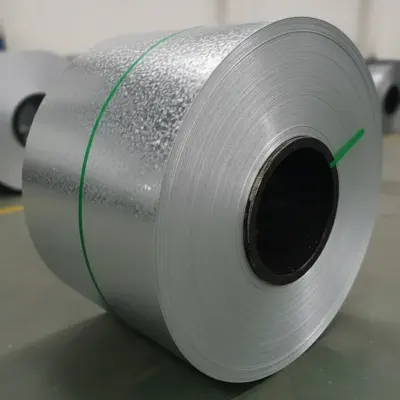
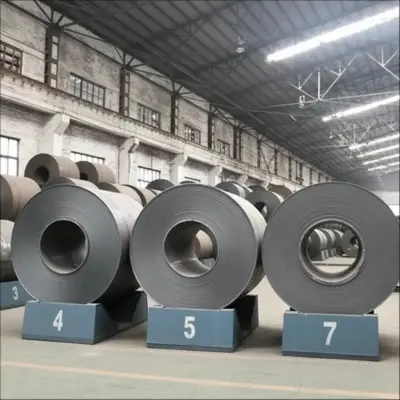
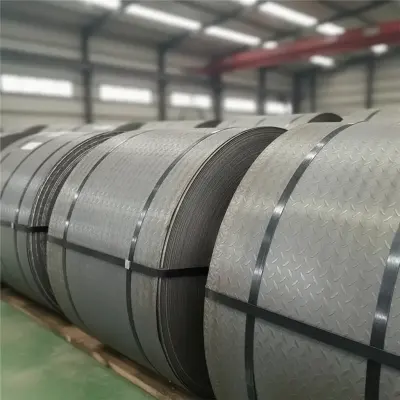
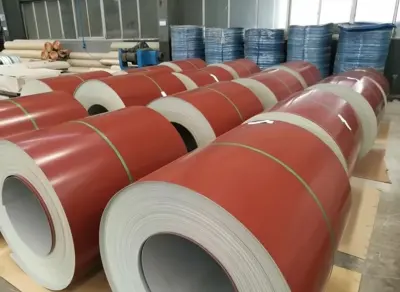
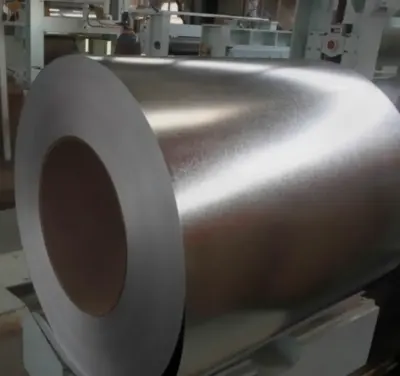
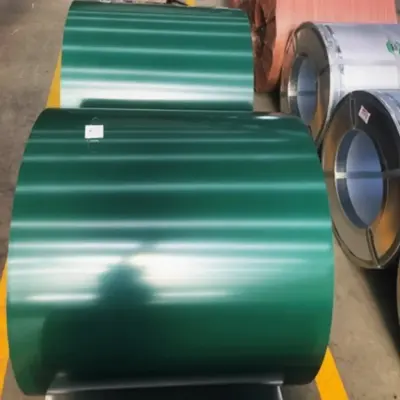
รายละเอียดสินค้า
ข้อกำหนดทางเทคนิคของขดลวดอะลูมิเนียมเคลือบสี
| คุณสมบัติ | พารามิเตอร์ | คำอธิบาย |
|---|---|---|
| ชื่อผลิตภัณฑ์ | Prepainted Aluminum Coil | ขดอะลูมิเนียมเคลือบสีจากโรงงาน สำหรับงานก่อสร้าง ขนส่ง ป้ายโฆษณา เครื่องใช้ไฟฟ้า และงานผลิตทั่วไป |
| เกรดวัสดุ | AA 1050, 1060, 1100, 3003, 3004, 3105, 5005, 5052 | อาจจัดหาเกรดเทียบเท่าระดับสากลภายใต้การกำหนด EN AW, JIS หรือ GB ตามโลหะผสมและเทมเปอร์ที่เลือก |
| การรับรองมาตรฐาน | ASTM B209; EN 485; JIS H 4000; GB/T 3880 | แผ่นและขดอะลูมิเนียมฐานผลิตตามข้อกำหนดด้านขนาด องค์ประกอบทางเคมี และสมบัติทางกลที่เกี่ยวข้อง |
| องค์ประกอบทางเคมี | AA3003: Mn 1.00–1.50%, Cu 0.05–0.20%, Fe ≤0.70%, Si ≤0.60%, Zn ≤0.10%, Al ส่วนที่เหลือ | องค์ประกอบตัวแทนของ AA3003; ขีดจำกัดที่แน่นอนขึ้นอยู่กับโลหะผสมที่สั่งและมาตรฐานที่ใช้บังคับ |
| เทมเปอร์ | O, H12, H14, H16, H18, H24, H26, H28, H32, H34 | เทมเปอร์เลือกตามข้อกำหนดด้านการขึ้นรูป ความแข็งแรง และการใช้งานปลายทาง |
| ระบบเคลือบ | PE, HDPE, SMP, PVDF หรือ FEVE | การเลือกเคลือบขึ้นอยู่กับความต้านทานสภาพอากาศ ความสามารถในการขึ้นรูป สภาพแวดล้อมการใช้งาน และความทนทานที่คาดหวัง |
| ความหนาเคลือบสี | สีทับหน้า 15–35 μm; สีทาหลัง 5–15 μm | ความหนาฟิล์มแห้งสามารถปรับแต่งได้ตามระบบเคลือบและการใช้งาน |
| ความต้านทานแรงดึง | AA3003-H14: ประมาณ 145–185 MPa | ช่วงตัวแทนตาม ASTM B209; ความแข็งแรงจริงแตกต่างกันตามโลหะผสม เทมเปอร์ และความหนา |
| ความต้านทานแรงคราก | AA3003-H14: ≥125 MPa | ค่าต่ำสุดทั่วไปของกำลังครากที่ 0.2% ภายใต้ ASTM B209 ขึ้นอยู่กับความหนาที่สั่งและข้อกำหนด |
| การยืดตัว | AA3003-H14: โดยทั่วไป ≥2–5% | การยืดตัวขั้นต่ำจะแตกต่างกันไปตามความหนาของชิ้นงานทดสอบและทิศทางการทดสอบภายใต้มาตรฐานวัสดุที่ใช้บังคับ |
| ความหนาของคอยล์ | 0.20–3.00 mm | อาจมีความหนาอื่นๆ ให้เลือก ขึ้นอยู่กับโลหะผสม สภาพการอบชุบ ระบบเคลือบผิว และขีดความสามารถในการผลิต |
| ความกว้างของคอยล์ | 20–1600 mm | สามารถจัดส่งความกว้างมาตรฐานจากโรงรีดหรือความกว้างที่ตัดอย่างแม่นยำได้ |
| ขนาดของคอยล์ | เส้นผ่านศูนย์กลางภายใน 150 mm, 305 mm, 405 mm หรือ 505 mm | น้ำหนักคอยล์และเส้นผ่านศูนย์กลางภายนอกผลิตตามข้อกำหนดด้านการขนย้ายและการแปรรูป |
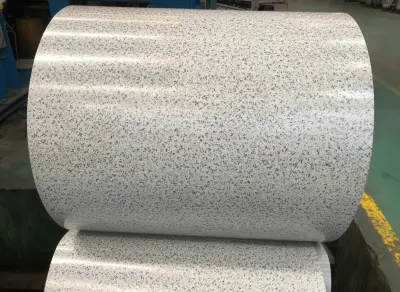
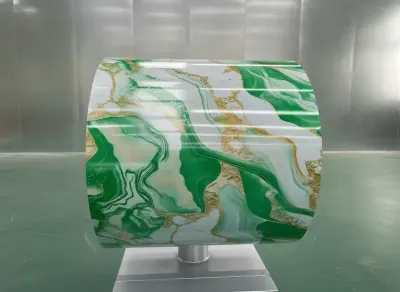
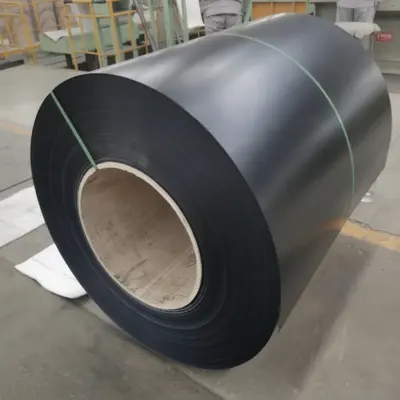
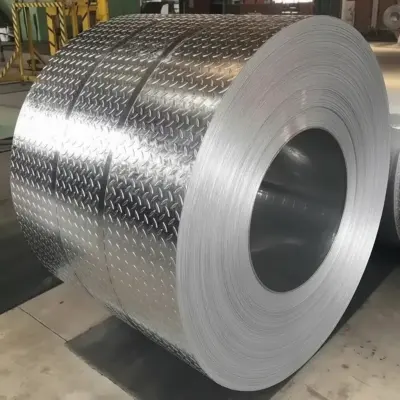
| ผิวสำเร็จ | เรียบ ด้าน มันเงาสูง นูน ขัด หรือลายไม้ | สามารถเลือก Appearance ของพื้นผิวสำหรับงานตกแต่งและงานใช้งานจริง |
| สีและความเงา | สี RAL หรือสีตามสั่ง; ความเงา 10–90 GU | สีและความเงาจะถูกจับคู่กับตัวอย่างหรือข้อมูลอ้างอิงสีที่ตกลงกันภายในค่าความคลาดเคลื่อนที่กำหนด |
| การใช้งาน | หลังคา ผนัง clad เพดาน รางน้ำ บานเกล็ด ป้ายโฆษณา แผงเครื่องใช้ไฟฟ้า และชิ้นส่วนยานยนต์ | เหมาะสำหรับการขึ้นรูปด้วยลูกกลิ้ง การดัด การปั๊ม การตัด และกระบวนการผลิตอื่นๆ |
| บรรจุภัณฑ์ | บรรจุภัณฑ์คอยล์ระดับส่งออกที่ทนทานต่อการขนส่งทางทะเล | โดยทั่วไปประกอบด้วยฟิล์มหรือกระดาษป้องกัน ชั้นกันความชื้น ตัวป้องกันขอบ สายรัดโลหะ และพาเลทไม้หรือแท่นรอง |
| MOQ | โดยทั่วไป 3–5 เมตริกตันต่อข้อกำหนด | ปริมาณการสั่งซื้อขั้นต่ำขึ้นอยู่กับโลหะผสม สภาพการอบชุบ ความหนา ความกว้าง สี และระบบเคลือบผิว |
Prepainted Aluminum Coil for Roofing and Cladding Supply
Prepainted Aluminum Coil is a factory-coated aluminum strip designed for roofing, wall cladding, rainwater systems, ceilings, signage, and fabricated architectural components. It serves overseas roofing manufacturers, metal service centers, building-material distributors, façade contractors, and OEM fabricators that require consistent color, corrosion resistance, and reliable forming performance. Compared with post-painting fabricated parts, continuous coil coating provides controlled film thickness, repeatable appearance, and efficient high-volume processing. Buyers can specify the substrate alloy, temper, dimensions, coating system, color, gloss, and surface protection according to the forming method, service environment, and project specification.
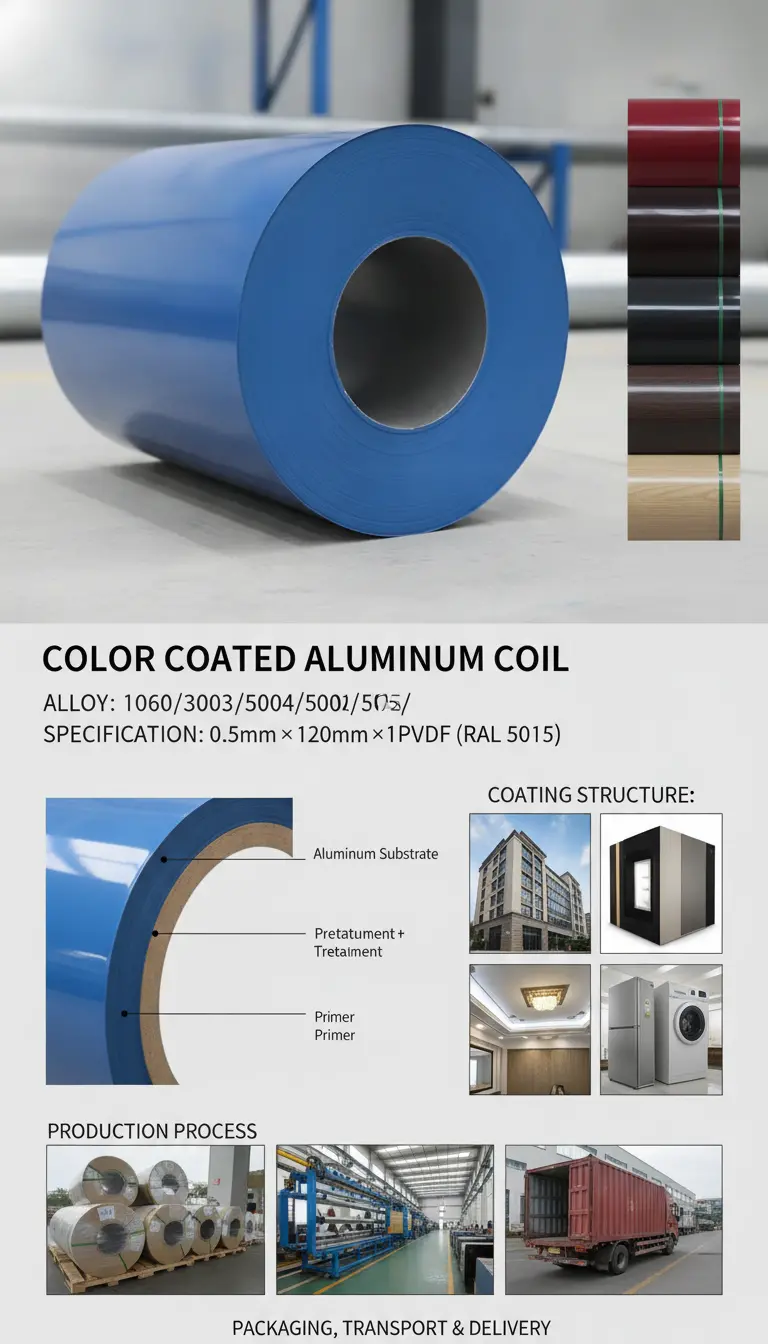
Prepainted Aluminum Coil Product Overview
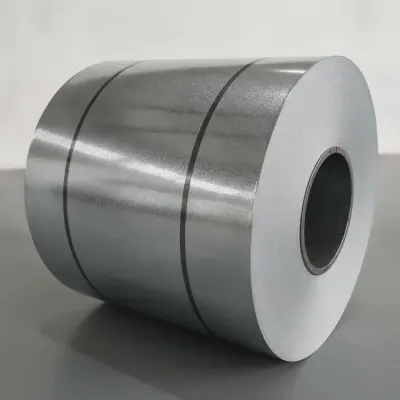
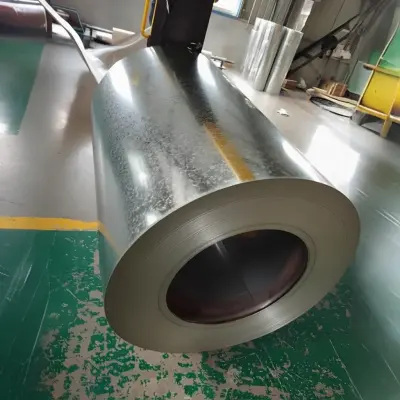
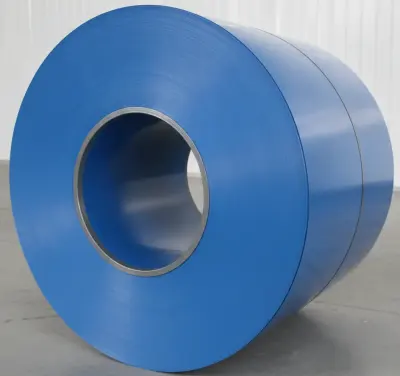
Prepainted Aluminum Coil consists of an aluminum alloy substrate that is cleaned, chemically pretreated, primed, and finished on a continuous coating line. The topcoat provides the required color and weathering performance, while the reverse side may receive a backing coat selected for adhesion, corrosion protection, or downstream lamination.
Common substrate families include commercially pure aluminum, aluminum-manganese alloys, and aluminum-magnesium alloys. The appropriate alloy and temper depend on the required strength, bending radius, roll-forming behavior, and corrosion conditions. Grades often considered for coated coil applications include 1xxx, 3xxx, and 5xxx series alloys, but final availability and suitability should be confirmed against the buyer’s technical specification.
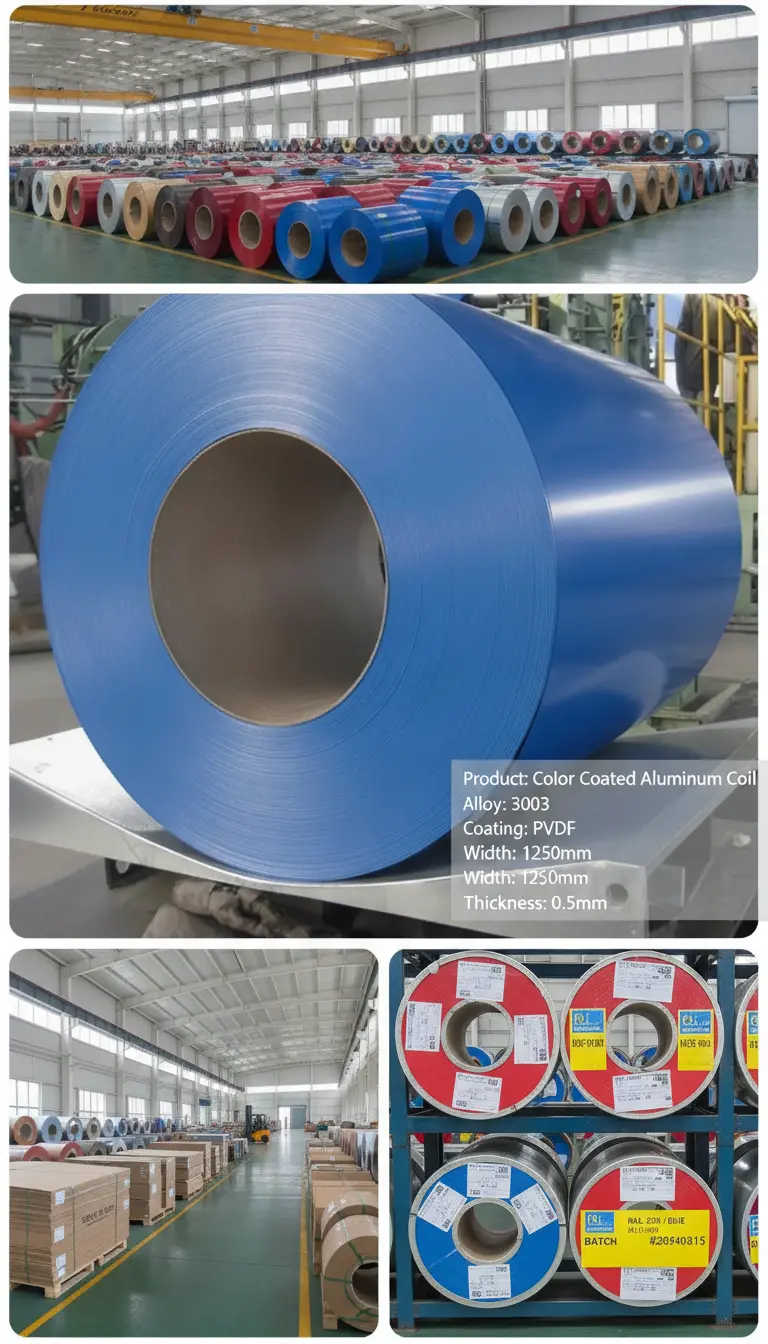
Typical paint systems include polyester, silicone-modified polyester, polyurethane, and fluoropolymer-based coatings. Standard polyester is frequently selected for general-purpose interior or exterior components, while more durable coating systems may be specified for façades, coastal projects, industrial atmospheres, or buildings requiring longer color and gloss retention. Coating selection should be based on test requirements and exposure conditions rather than color alone.
Key advantages include a low weight-to-area ratio, corrosion resistance, formability, broad color availability, and compatibility with roll forming, bending, stamping, slitting, and profiling. Aluminum is also recyclable, making coated aluminum coil relevant to projects where material recovery and lower structural dead load are important considerations.
Prepainted Aluminum Coil Specifications & Standards
Prepainted Aluminum Coil specifications should define both the metal substrate and the organic coating. Purchase orders normally state alloy, temper, thickness, width, coil inside diameter, coil weight, paint type, color reference, gloss, coating configuration, protective film, dimensional tolerances, and testing requirements. Dimensions are customized within the manufacturing capability agreed during quotation.
| Specification Item | Available or Typical Options | Procurement Note |
|---|---|---|
| Substrate | 1xxx, 3xxx, or 5xxx series aluminum alloy | Confirm grade according to forming and strength requirements |
| Temper | Soft, work-hardened, or stabilized tempers | Specify the exact temper designation on the purchase order |
| Thickness | Produced to agreed dimensional range | State whether thickness refers to base metal or total coated thickness |
| Width | Slit or mill-width coil | Include width tolerance and edge condition |
| Coating | Polyester, modified polyester, polyurethane, or fluoropolymer system | Select according to environment and warranty requirements |
| Color and Gloss | RAL reference, customer sample, or agreed color standard | Define acceptable color difference and gloss range |
| Surface Protection | Without film or with removable protective film | Confirm film type, peel direction, and removal period |
| Packaging | Eye-to-sky or eye-to-wall, subject to agreement | Match packaging to unloading equipment and transport route |
Relevant substrate standards include ASTM B209/B209M for aluminum and aluminum-alloy sheet and plate, EN 485-2 for mechanical properties, EN 485-4 for dimensional tolerances of cold-rolled products, JIS H 4000 for aluminum and aluminum-alloy sheets and strips, and GB/T 3880 series for wrought aluminum and aluminum-alloy plates, sheets, and strips. Coil-coated products may be specified with reference to EN 1396, which addresses coil-coated aluminum sheet and strip for general applications.
Coating verification can include ASTM D3359 for adhesion by tape test, ASTM D523 for specular gloss, ASTM D2244 for instrumental color evaluation, and ASTM B117 for salt-spray exposure when required by the contract. Test duration and acceptance criteria must be stated separately because the test standard itself does not automatically define project-specific performance.
Prepainted Aluminum Coil Applications
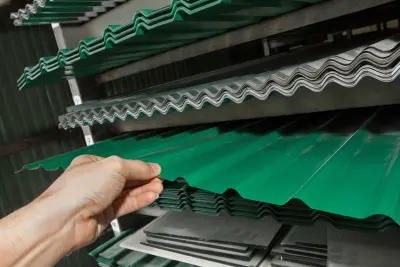
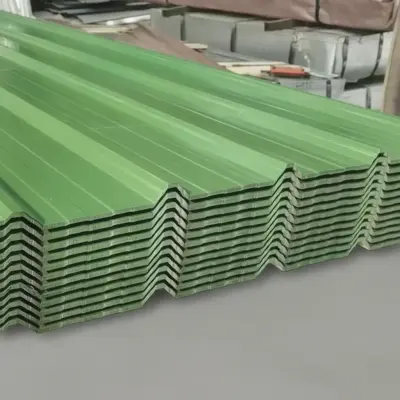
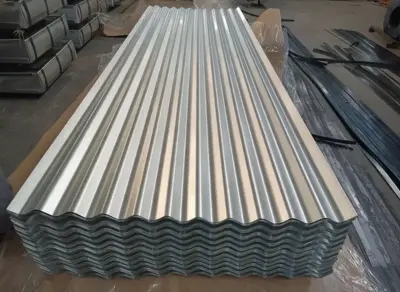
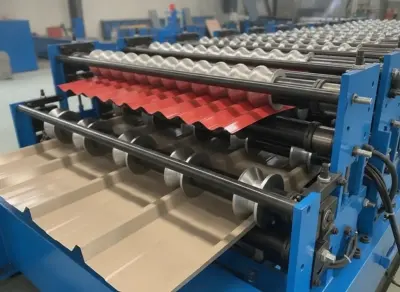
Roofing and rainwater systems: The material is roll formed into standing-seam roofing, corrugated panels, gutters, downpipes, ridge caps, and flashing. Low mass helps simplify handling, while the specified coating protects the exposed surface.
Exterior wall cladding: Prepainted Aluminum Coil is used for profiled wall sheets, composite panel skins, façade cassettes, soffits, and decorative trim. For prominent elevations, buyers should define batch consistency, color tolerance, gloss, and coating durability.
Interior architectural products: Ceiling panels, linear strips, partitions, access panels, and decorative components benefit from consistent factory-applied finishes and efficient fabrication.
Signage and transport components: Coated coil can be converted into sign blanks, equipment covers, vehicle body trim, and lightweight enclosures. The chosen temper must tolerate punching and bending without unacceptable cracking.
Industrial fabrication: Appliance parts, housings, duct covers, and general sheet-metal components use prefinished coil to reduce downstream painting operations. Buyers planning deep drawing or tight-radius bending should request forming trials before approving mass production.
How to Choose Prepainted Aluminum Coil: Buying Guide
Define the end use first. Inform the supplier whether the coil will be used for roofing, façade panels, gutters, ceilings, signage, or industrial parts. Exposure to ultraviolet radiation, salt, humidity, chemicals, and temperature cycling affects the appropriate alloy and coating system.
Specify dimensions precisely. State alloy, temper, base-metal thickness, width, tolerances, coil inside diameter, maximum outside diameter, and acceptable coil weight. Also identify the required edge condition and whether the material will be slit before shipment. This prevents mismatches with decoilers and roll-forming lines.
Control coating and appearance. Provide a recognized color reference or an approved physical sample. For appearance-critical projects, specify topcoat and back-coat requirements, gloss range, color-difference limits, surface texture, and protective film. Samples should be approved under agreed lighting conditions because perceived color can change with light source and viewing angle.
Request relevant documentation. Depending on the order, buyers may request a mill test certificate for the substrate, coating inspection results, dimensional reports, certificate of origin, packing list, and third-party inspection. Do not assume every document or certification is included; list required documents in the inquiry and purchase contract.
Confirm MOQ and production planning. Minimum order quantity depends on alloy, width, color, coating system, slitting arrangement, and whether the finish is a standard production item. Custom colors can require separate paint preparation and production scheduling. Ask the supplier to distinguish manufacturing lead time from ocean freight time.
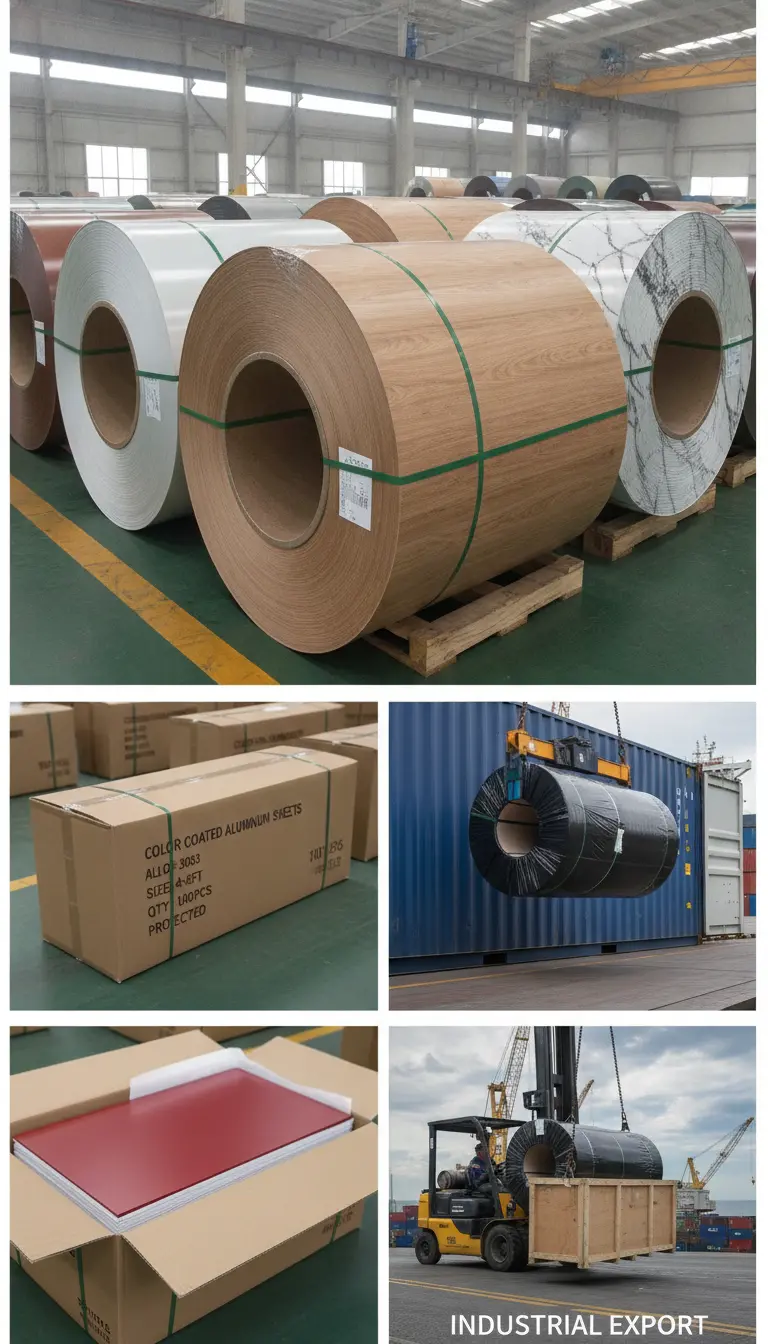
Review logistics before ordering. Confirm Incoterms, loading method, container restrictions, moisture protection, coil orientation, pallet construction, and destination handling equipment. Export packaging should protect edges and prevent coil movement or water ingress. For mixed specifications, request a coil-by-coil packing list and clear identification labels.
Frequently Asked Questions About Prepainted Aluminum Coil
Q: What is the difference between prepainted aluminum coil and prepainted steel coil?
A: Aluminum is lighter and forms a stable oxide layer that supports corrosion resistance, while steel generally offers greater stiffness at the same thickness and usually relies more heavily on metallic and organic coatings for protection. The correct material depends on structural design, forming process, exposure environment, budget, and required service life.
Q: Which aluminum alloy should I choose for roofing or cladding?
A: Alloy selection depends on strength, formability, panel profile, wind-load design, and environmental exposure. 3xxx series alloys are commonly considered for formed building products, while other alloy families may be selected for specific fabrication or corrosion requirements. The project engineer’s specification should take priority over a general recommendation.
Q: Which coating is suitable for exterior use?
A: Polyester systems may suit general exterior applications, while modified or fluoropolymer systems may be specified where enhanced weathering, color retention, or chemical resistance is required. Climate, orientation, proximity to the coast, expected service period, and maintenance conditions should be reviewed before selection.
Q: Can you match a RAL color or physical sample?
A: Color matching can generally be discussed using a RAL reference or customer-approved sample. Buyers should also define gloss and acceptable color variation. Final approval should be based on a coated production sample because substrate, paint chemistry, gloss, and surface texture influence visual appearance.
Q: What certifications and test reports can be supplied?
A: Documentation depends on the agreed standard and order scope. It may include substrate certificates, dimensional inspection, coating adhesion, gloss, color, or corrosion-test reports. Specify required standards, test methods, inspection agency, and certificate format before contract confirmation.
Q: What is the minimum order quantity?
A: MOQ varies with alloy, temper, width, coating type, color, and production schedule. Standard colors and dimensions may have different minimums from customized finishes. Send a complete specification to receive an order-specific MOQ rather than relying on a generic figure.
Q: What payment methods are available for international orders?
A: Payment terms are agreed according to order value, production customization, destination, and commercial assessment. Common international arrangements may include bank transfer or letter of credit, subject to contract approval. Buyers should confirm currency, deposit requirements, banking charges, and document conditions before ordering.
Q: How long does production and delivery take?
A: Lead time depends on raw-material availability, paint preparation, color approval, coating-line scheduling, slitting, inspection, and packaging. Shipping time depends on the agreed Incoterm, route, and destination. Request separate estimates for sample approval, production, and international transit.
Send your required alloy, temper, thickness, width, color, coating system, coil dimensions, quantity, destination, and applicable standard to request a quotation for Prepainted Aluminum Coil. Drawings, project specifications, and approved color samples will help us assess manufacturability, documentation, packaging, and delivery requirements accurately. Contact us to discuss your roofing, cladding, or fabrication supply program.
คะแนน & รีวิว

รู้จักซัพพลายเออร์ของคุณ
ความสามารถในการสั่งทำของซัพพลายเออร์
- สั่งทำตามแบบ
- สั่งทำตามตัวอย่าง
- สั่งทำได้ทั้งหมด
ปริมาณสั่งซื้อขั้นต่ำ: 1 ตัน
ค่าขนส่งรวม: ตกลงกันภายหลัง
- ระยะเวลาผลิต:
- ยืนยันพร้อมใบเสนอราคา
- บรรจุภัณฑ์:
- บรรจุมาตรฐานสำหรับส่งออก
- สินค้าตัวอย่าง:
- ขอได้ตามต้องการ