 English
 Español
 Français
 Deutsch
 Português (Brasil)
 Русский
 العربية
 Tiếng Việt
 ไทย
 Bahasa Indonesia

โซลูชันไฟเบอร์เฉพาะทางสำหรับการตรวจจับเพื่อการใช้งานในอุตสาหกรรม

 China



ความสามารถในการสั่งทำของซัพพลายเออร์
- สั่งทำตามแบบ
- สั่งทำตามตัวอย่าง
- สั่งทำได้ทั้งหมด
ปริมาณสั่งซื้อขั้นต่ำ: 1 กิโลเมตร
ค่าขนส่งรวม: ตกลงกันภายหลัง
- ระยะเวลาผลิต:
- ยืนยันพร้อมใบเสนอราคา
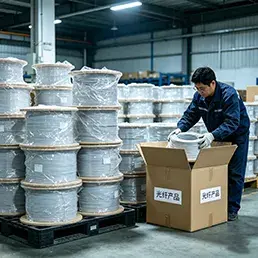
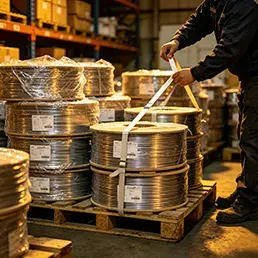
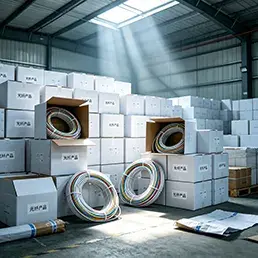
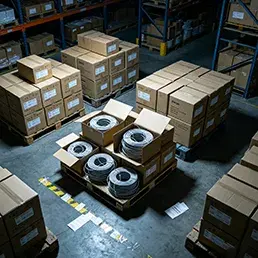
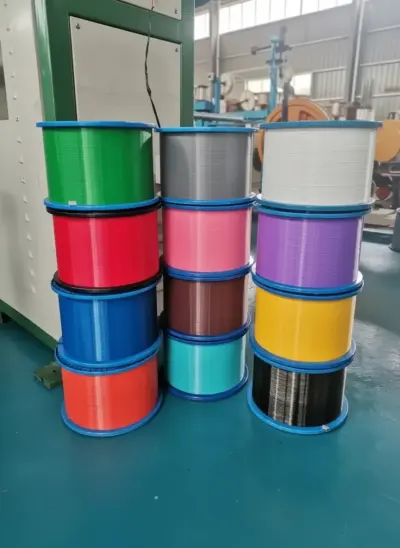
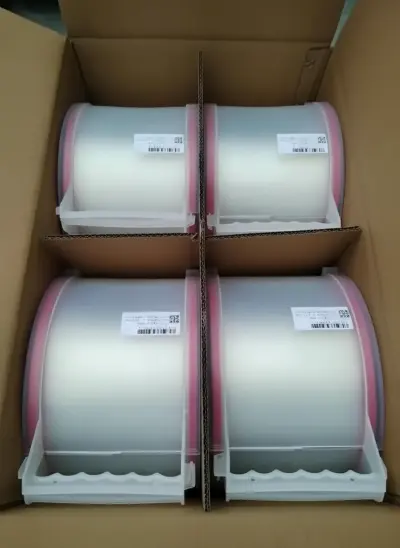
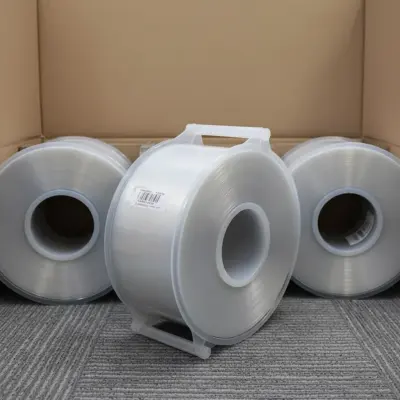
- บรรจุภัณฑ์:
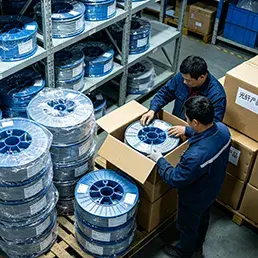
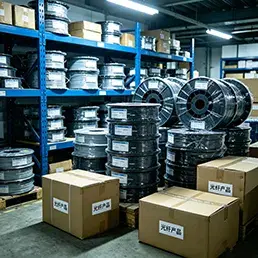
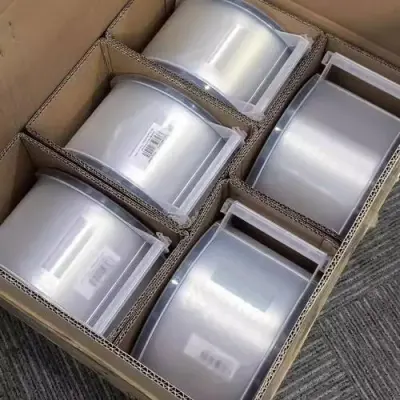
- บรรจุมาตรฐานสำหรับส่งออก
- สินค้าตัวอย่าง:
- ขอได้ตามต้องการ
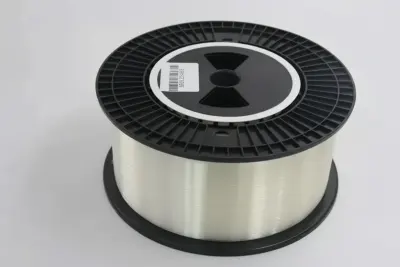
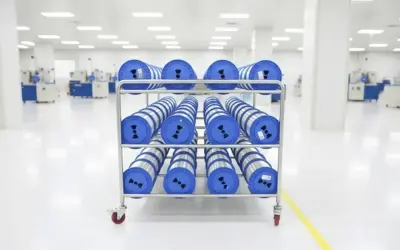
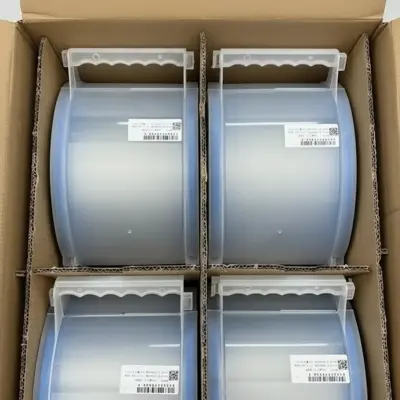
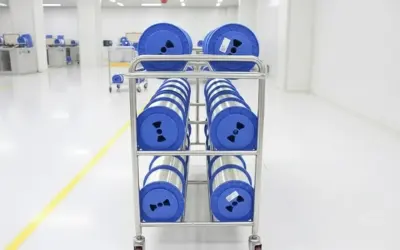
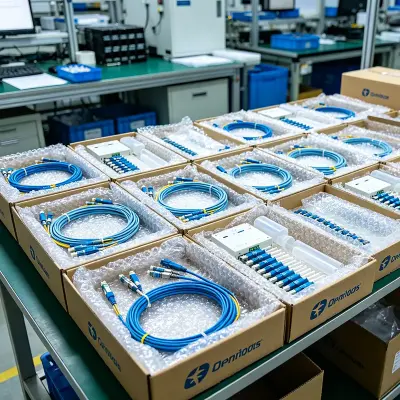
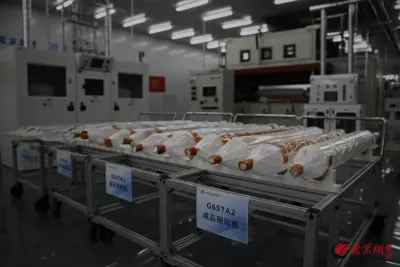
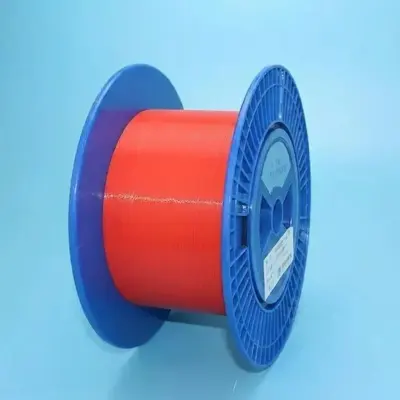
รายละเอียดสินค้า
ข้อกำหนดทางเทคนิคของเส้นใยเฉพาะทางสำหรับการตรวจจับ
| คุณสมบัติ | พารามิเตอร์ | คำอธิบาย |
|---|---|---|
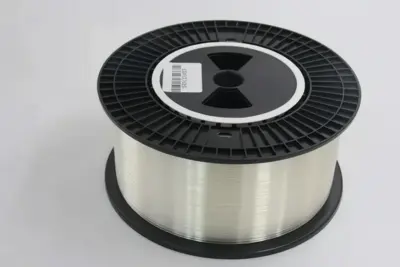
| ชื่อผลิตภัณฑ์ไฟเบอร์ออปติก | ไฟเบอร์เฉพาะทางสำหรับการตรวจจับ | ไฟเบอร์ออปติกประสิทธิภาพสูงที่ออกแบบมาสำหรับการใช้งานด้านการตรวจจับแบบกระจายและแบบจุด |
| เกรดไฟเบอร์และการจำแนกตาม ITU-T | เกรดสำหรับการตรวจจับ / ITU-T G.657.A2 / คลาสการตรวจจับแบบกำหนดเอง | ออกแบบสำหรับการตรวจจับความเครียด อุณหภูมิ และเสียง; เป็นไปตามมาตรฐาน ITU-T ที่เกี่ยวข้อง |
| ช่วงเส้นผ่านศูนย์กลางแกนและเปลือก | แกน: 4–62.5 μm; เปลือก: 80–125 μm ±1 μm | สามารถกำหนดรูปทรงได้ตามต้องการเพื่อให้เหมาะกับข้อกำหนดของระบบตรวจจับ DAS, DTS และ FBG |
| ค่าสัมประสิทธิ์การลดทอนที่ 1310 nm | ≤ 0.35 dB/km | การส่งสัญญาณสูญเสียน้อยที่หน้าต่าง 1310 nm สำหรับลิงก์ตรวจจับระยะสั้นถึงปานกลาง |
| ค่าสัมประสิทธิ์การลดทอนที่ 1550 nm | ≤ 0.20 dB/km | การลดทอนต่ำมากที่ 1550 nm สำหรับการติดตั้งระบบตรวจจับแบบกระจายระยะไกล |
| ประสิทธิภาพการสูญเสียจากการดัดโค้งขนาดใหญ่ | ≤ 0.10 dB/รอบ ที่ R = 15 mm (1550 nm) | สารเคลือบที่ไวต่อการดัดโค้งน้อยลงช่วยให้สัญญาณเสถียรในการติดตั้งระบบตรวจจับที่ต้องเดินสายในพื้นที่แคบ |
| ค่าสัมประสิทธิ์การกระจายตัวเชิงสี | ≤ 3.5 ps/(nm·km) ที่ 1310 nm; ≤ 18 ps/(nm·km) ที่ 1550 nm | โปรไฟล์การกระจายตัวต่ำช่วยรักษาความสมบูรณ์ของสัญญาณตลอดแบนด์วิดท์การวัดของระบบตรวจจับ |
| รูรับแสงเชิงตัวเลข (NA) | 0.12–0.22 NA (รุ่นโหมดเดี่ยวถึงมัลติโหมด) | NA ที่ปรับให้เหมาะสมสำหรับการเชื่อมต่อแสงอย่างมีประสิทธิภาพในระบบตรวจจับ FBG, Brillouin และ Raman |
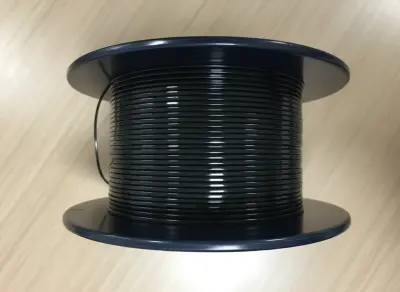
| เส้นผ่านศูนย์กลางและวัสดุเคลือบ | สารเคลือบชั้นนอก: 245 μm ±5 μm; ตัวเลือกเคลือบอะคริเลต / โพลีอิไมด์ / คาร์บอน | มีสารเคลือบโพลีอิไมด์และคาร์บอนสำหรับสภาพแวดล้อมการตรวจจับที่อุณหภูมิสูง (สูงถึง 300 °C) |
| อัตราการผ่านคุณภาพระดับแบตช์ | ≥ 99.5% | การตรวจสอบคุณภาพแบบอินไลน์ที่เข้มงวดช่วยให้มั่นใจในประสิทธิภาพทางแสงและเชิงกลที่สม่ำเสมอในแต่ละแบตช์ |
| มาตรฐานสภาพแวดล้อมการผลิต | ห้องสะอาด ISO Class 5 (ISO 14644-1) | การผลิตในห้องสะอาดที่ควบคุมสภาพแวดล้อมช่วยลดการปนเปื้อนและรับประกันความแม่นยำของรูปทรงเส้นใย |
| แหล่งวัตถุดิบหลัก | ซิลิกาสังเคราะห์ความบริสุทธิ์สูง (SiO₂ ≥ 99.999%); กระบวนการ PCVD / OVD / VAD | วัสดุพรีฟอร์มเกรดพรีเมียมจัดหาจากซัพพลายเออร์ที่ได้รับการรับรองเพื่อความสม่ำเสมอระดับเซนซิง |
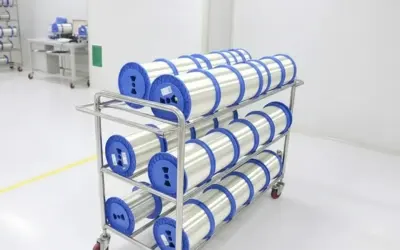
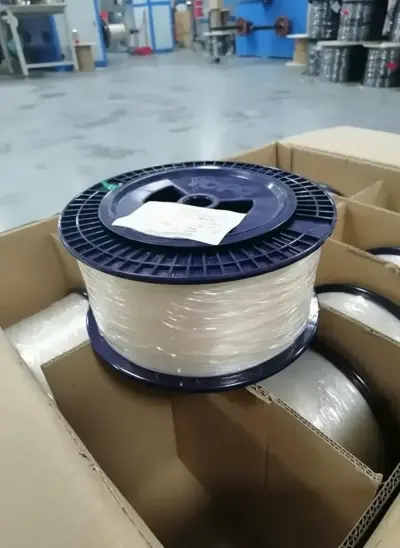
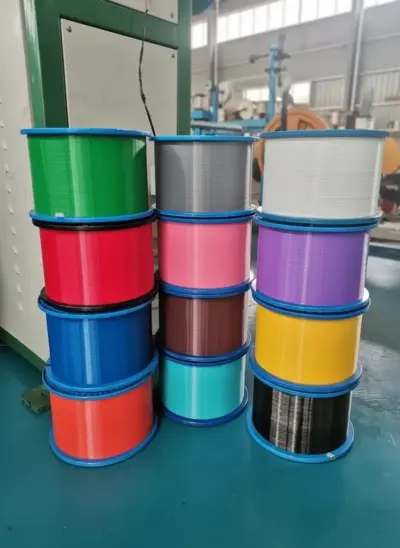
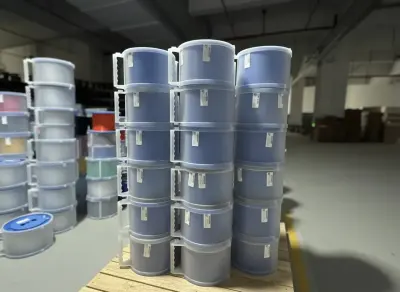
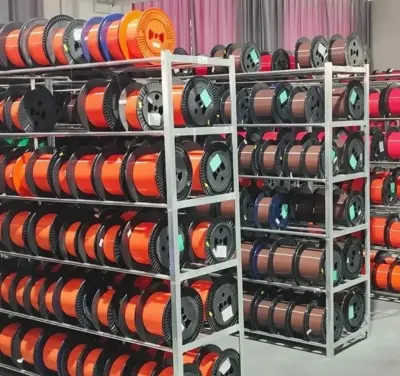
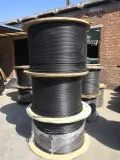
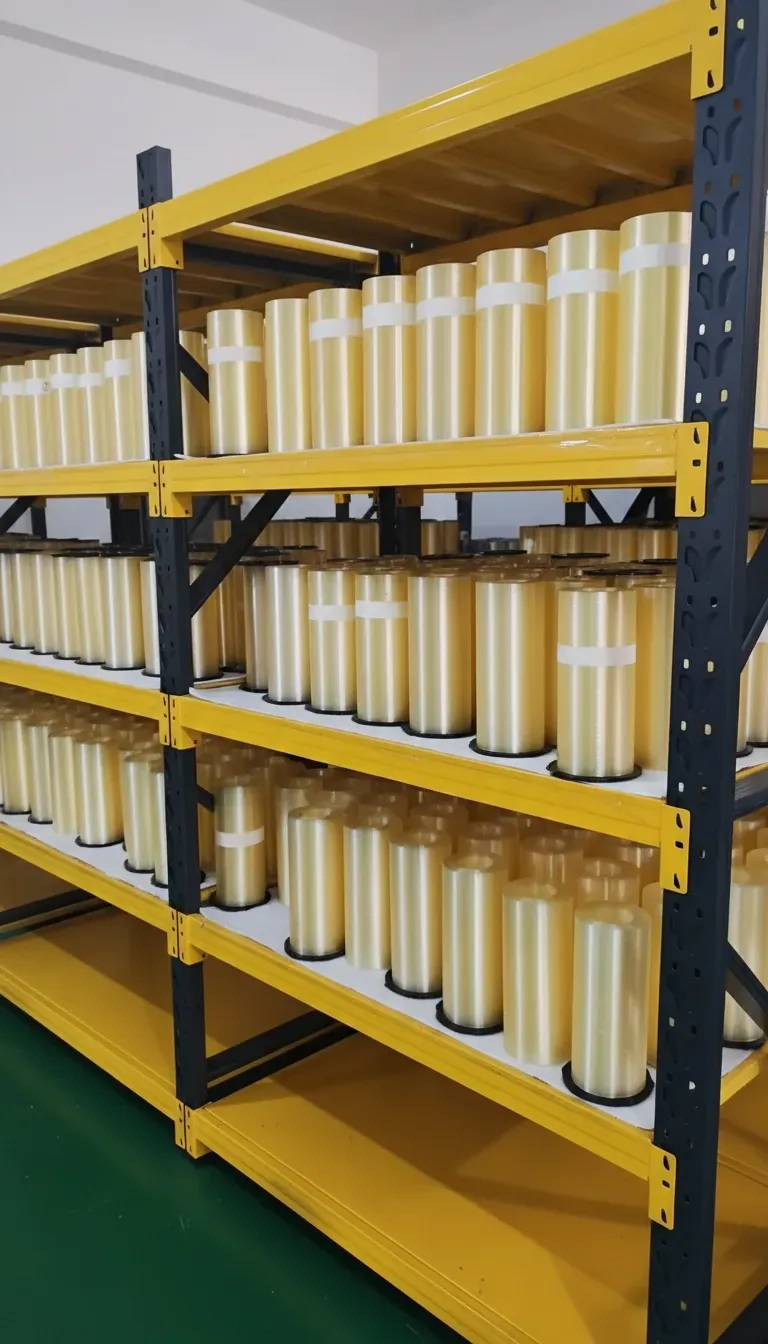
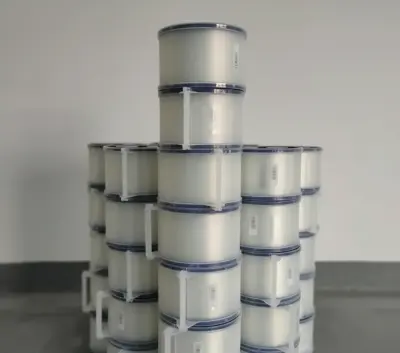
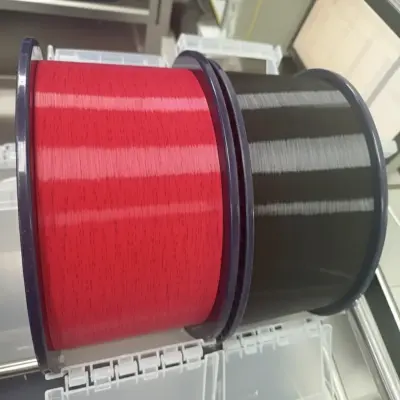
| ข้อกำหนดการบรรจุ | รีลไม้ / บ๊อบบินพลาสติก; 1 กม., 2 กม., 5 กม., 10 กม. ต่อสปูล | สามารถกำหนดความยาวสปูลตามต้องการ; บรรจุภัณฑ์ซีลป้องกันความชื้นเพื่อปกป้องระหว่างการขนส่ง |
| เงื่อนไขการจัดเก็บ | อุณหภูมิ: -20 °C ถึง +60 °C; ความชื้น: ≤ 85% RH (ไม่กลั่นตัว) | จัดเก็บให้ห่างจากแสงแดดโดยตรงและสารเคมีกัดกร่อน; เก็บในบรรจุภัณฑ์ซีลเดิม |
| อายุการเก็บรักษาที่มีผล | ≥ 5 ปี ภายใต้เงื่อนไขการจัดเก็บที่แนะนำ | พารามิเตอร์ทางแสงและเชิงกลยังคงอยู่ในข้อกำหนดตลอดอายุการเก็บรักษาที่ระบุ |
| สถานการณ์การใช้งาน | DAS (Distributed Acoustic Sensing), DTS (Distributed Temperature Sensing), เซ็นเซอร์ FBG, การตรวจสอบสุขภาพโครงสร้าง, การตรวจสอบท่อน้ำมันและก๊าซ, ความปลอดภัยรอบพื้นที่ | เหมาะสำหรับโครงสร้างพื้นฐานพลเรือน พลังงาน การบินและอวกาศ และเครือข่ายเซนซิง IoT ทางอุตสาหกรรม |
| การปฏิบัติตามข้อกำหนดและการรับรอง | ITU-T G.652D / G.657A2; IEC 60793-2; RoHS 2.0; เป็นไปตาม REACH | การรับรองที่ได้รับการยอมรับในระดับสากลช่วยรับประกันความปลอดภัยของผลิตภัณฑ์และการปฏิบัติตามข้อกำหนดการค้าข้ามพรมแดน |
| ปริมาณการสั่งซื้อขั้นต่ำ (MOQ) | 10 กม. (มาตรฐาน); 1 กม. (สั่งซื้อตัวอย่าง) | รับสั่งซื้อตัวอย่างสำหรับการทดสอบคุณสมบัติ; มีราคาตามปริมาณสำหรับการสั่งซื้อเกิน 100 กม. |
| กำลังการผลิตต่อเดือน | ≥ 500,000 km/เดือน | ความสามารถในการผลิตขนาดใหญ่รองรับความต้องการของโครงการโครงสร้างพื้นฐานด้านเซนเซอร์ทั่วโลก |
Sensing Specialty Fiber Solutions For Industrial Use
Sensing specialty fiber has established itself as a cornerstone technology in modern industrial monitoring, structural health assessment, and precision measurement systems worldwide. These advanced optical fibers are engineered to detect and transmit physical, chemical, and environmental signals with exceptional accuracy, making them indispensable across sectors such as oil and gas, civil infrastructure, aerospace, power grids, and smart manufacturing. As industries increasingly demand real-time data acquisition and predictive maintenance capabilities, sensing specialty fiber delivers the reliability and sensitivity required to meet stringent operational standards. With growing deployment in distributed temperature sensing (DTS), distributed acoustic sensing (DAS), and fiber Bragg grating (FBG) systems, these fibers represent a high-value investment for engineers and procurement professionals seeking long-term performance in harsh and demanding environments. Their unique ability to function as both the sensing element and the signal transmission medium provides a distinct advantage over conventional electronic sensor networks.
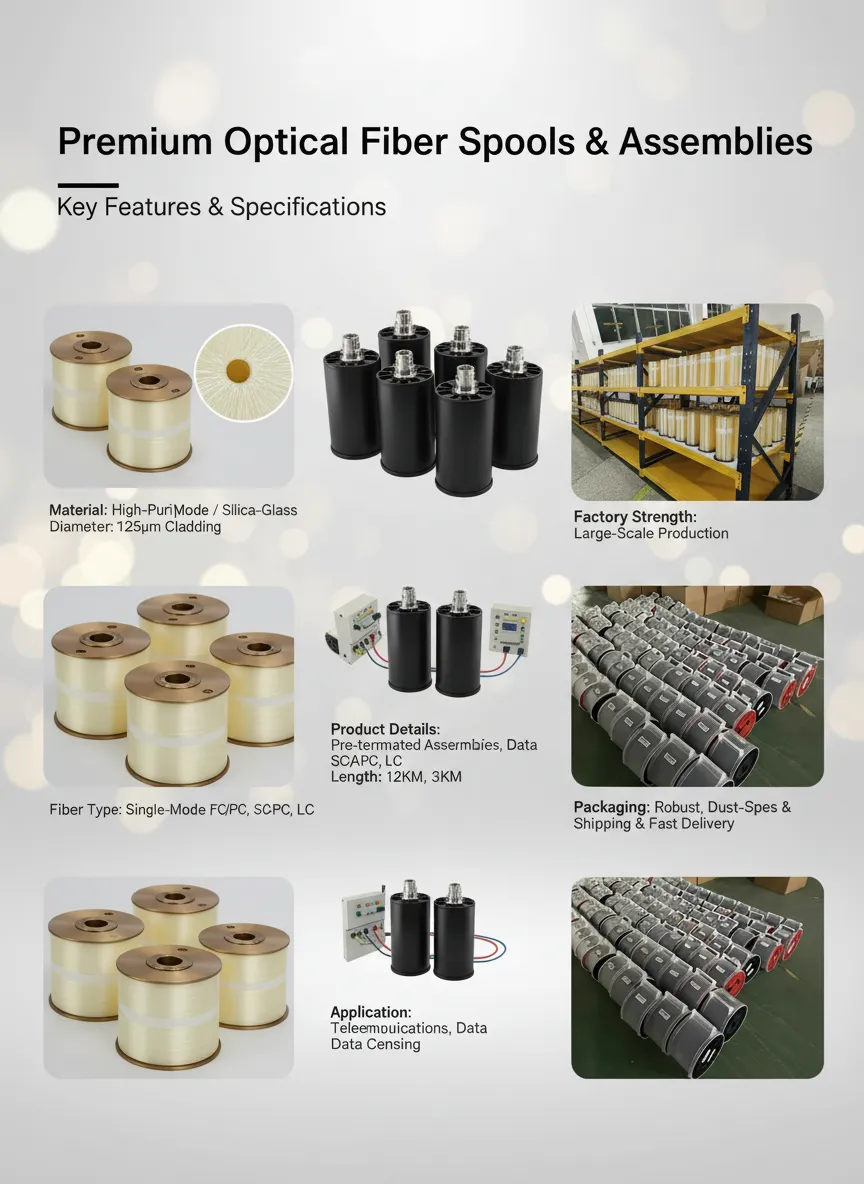
What is Sensing Specialty Fiber?
Sensing specialty fiber refers to a category of purpose-engineered optical fiber designed not merely for data transmission but primarily for the detection of physical parameters such as temperature, strain, pressure, vibration, and chemical composition. Unlike standard telecommunications fiber, these fibers feature customized refractive index profiles, dopant compositions, and geometric structures that enhance their sensitivity to external stimuli. They conform to international standards including IEC 60793 and ITU-T G-series guidelines, ensuring cross-platform compatibility and measurement reliability in both laboratory and field deployments.
Sensing Specialty Fiber Manufacturing and Production Process
The production of sensing specialty fiber begins with high-purity silica preform fabrication using modified chemical vapor deposition (MCVD) or outside vapor deposition (OVD) processes conducted in ISO-classified cleanroom environments. Precise dopant introduction—using germanium, erbium, or rare-earth elements—defines the fiber's sensing characteristics. The drawing tower process maintains tight dimensional tolerances, with real-time diameter monitoring ensuring core/cladding geometry consistency. Each production batch undergoes rigorous quality control per IEC 60793-1 standards, including proof testing, attenuation measurement, and environmental stress screening before shipment.
Sensing Specialty Fiber Technical Specifications
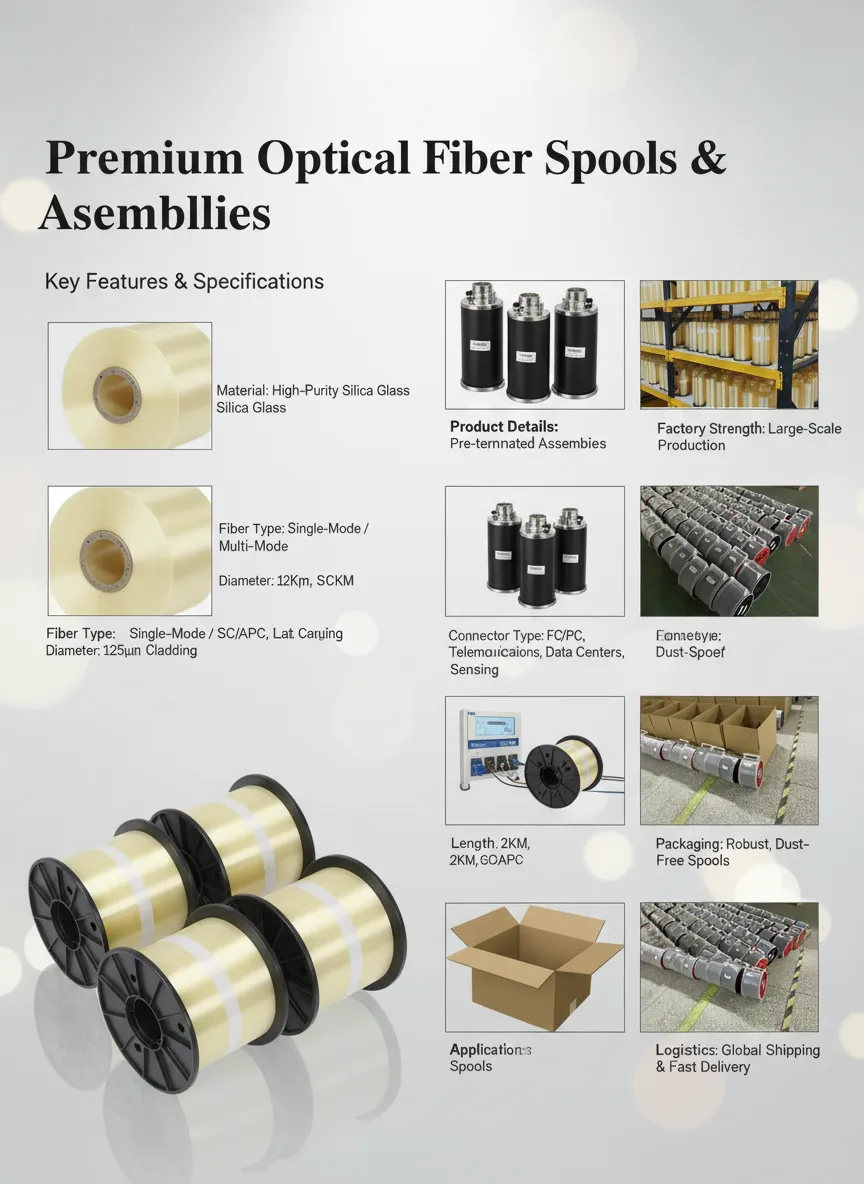
Our sensing specialty fiber portfolio covers a broad range of configurations to address diverse industrial applications. Standard single-mode variants feature a core diameter of 8–10 µm with a cladding diameter of 125 ± 0.7 µm. Attenuation performance is ≤0.35 dB/km at 1310 nm and ≤0.20 dB/km at 1550 nm. FBG-optimized fiber exhibits a photosensitivity enhancement factor exceeding 10× standard values through hydrogen loading. Polarization-maintaining sensing fiber achieves a beat length of ≤2.0 mm at 633 nm. Operating temperature range spans −40°C to +300°C for high-temperature variants, with a tensile proof strength of ≥100 kpsi. Coating options include dual-layer acrylate, polyimide, and carbon-hermetic finishes for corrosive or high-humidity environments.
Get a Competitive Quote for Sensing Specialty Fiber
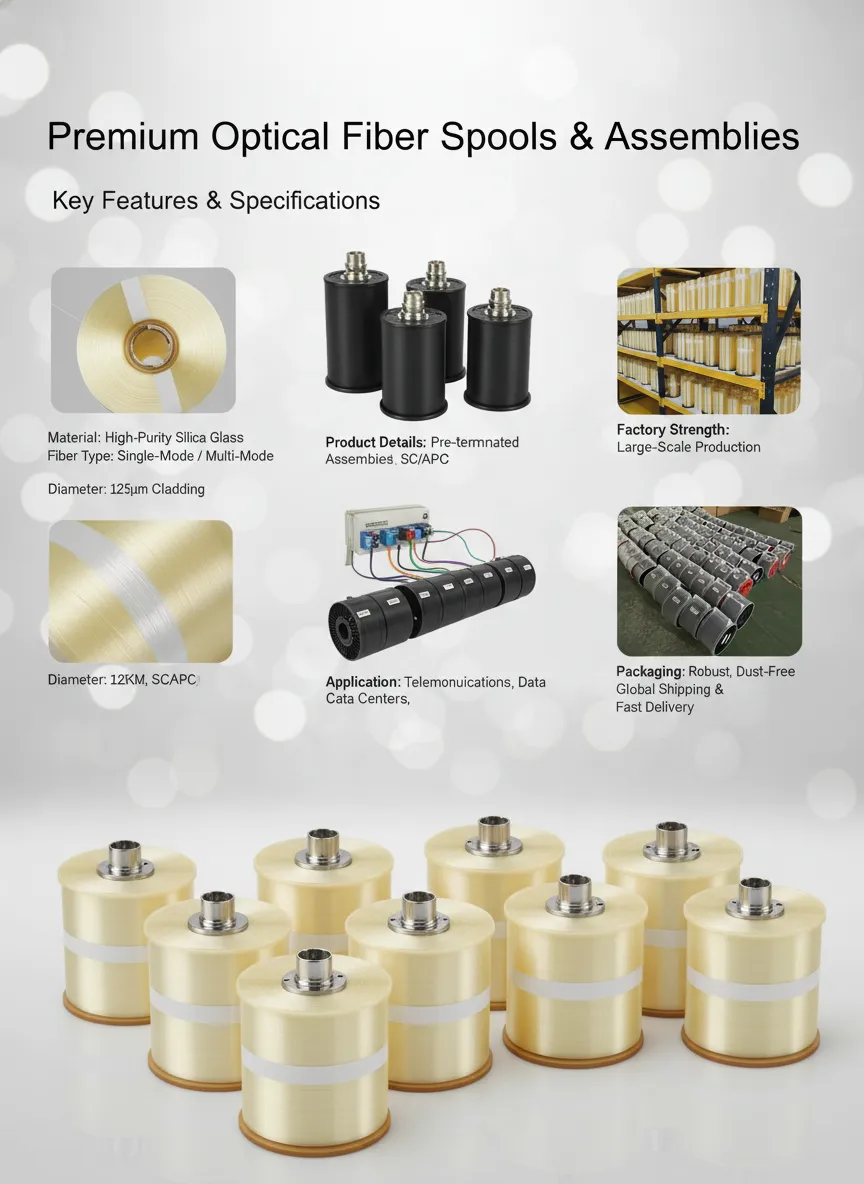
Partner with us for reliable, competitively priced sensing specialty fiber backed by end-to-end logistics support and certified compliance documentation. We offer flexible wholesale pricing for bulk orders, expedited international shipping, and full RoHS and REACH certification packages to streamline your procurement process. Our technical team is ready to match the right fiber solution to your application requirements.
- 24/7 expert optical communication engineer support
- Full ITU-T, ISO, RoHS compliance guarantee for all batches
- Exclusive wholesale discounts for bulk telecom, FTTH and data center orders
- Complete technical data sheets and on-site deployment guidance included
Contact us today to get your free quote and full specification sheet within 24 hours!