 English
 Español
 Français
 Deutsch
 Português (Brasil)
 Русский
 العربية

Sensing Specialty Fiber Solutions For Industrial Use

 China



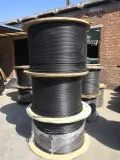
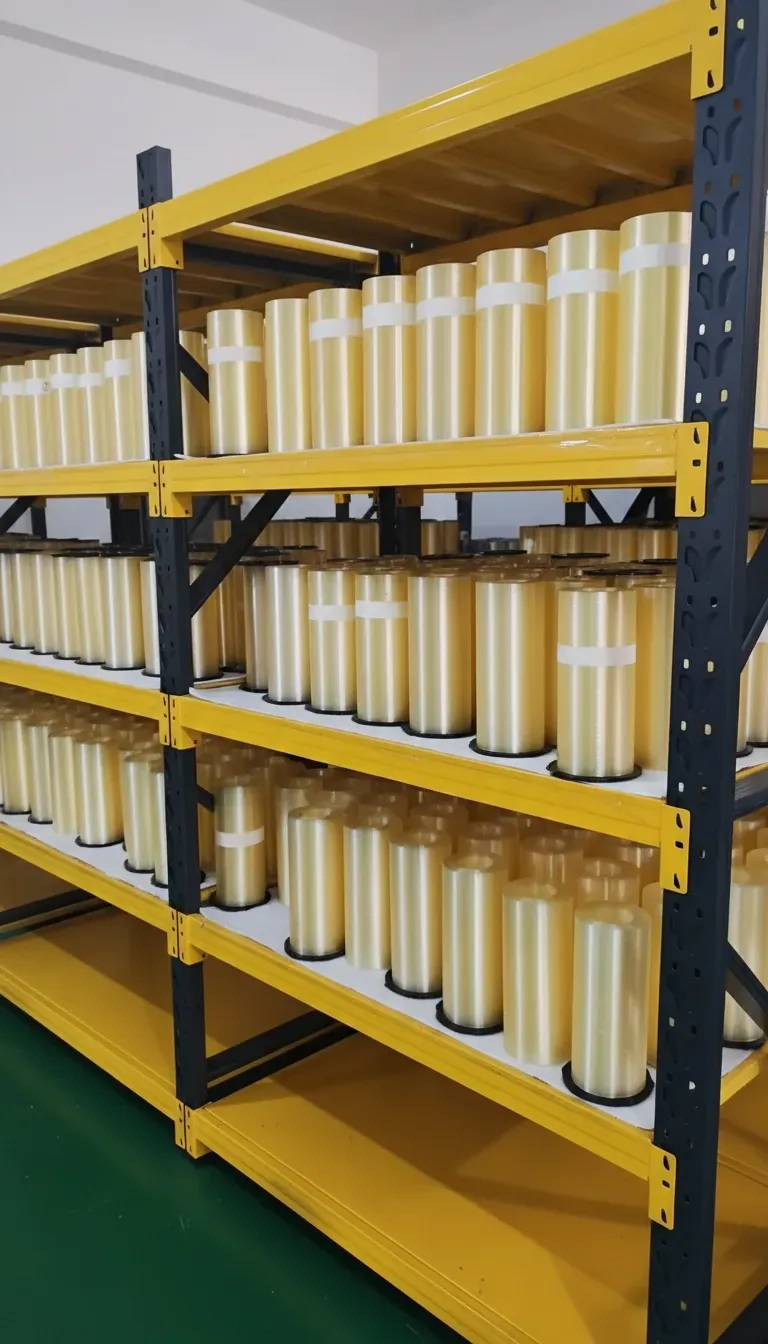
Supplier's customization ability
- Drawing-based customization
- Sample-based customization
- Full customization
Minimum order quantity: 1 kilometers
Shipping total: To be negotiated
- Lead time:
- confirmed with the quotation
- Packaging:
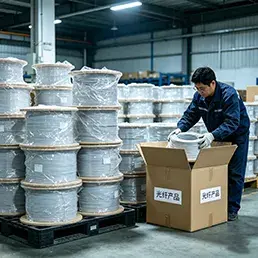
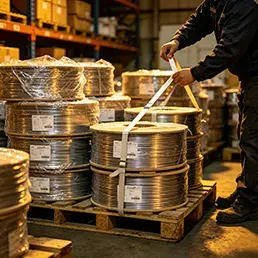
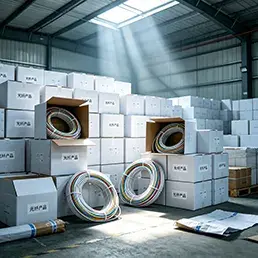
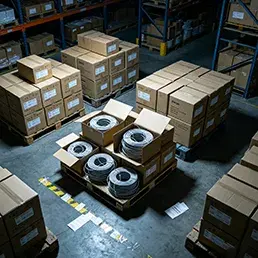
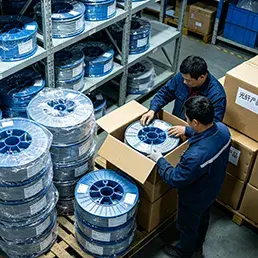
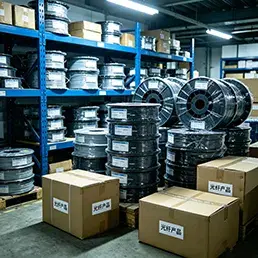
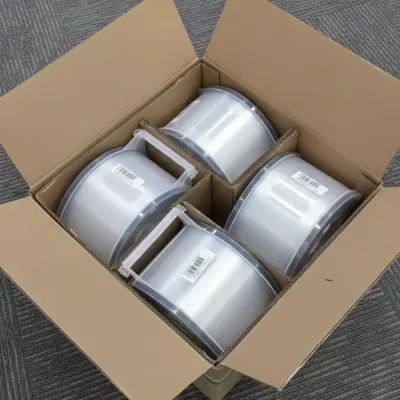
- standard export packing
- Samples:
- available on request
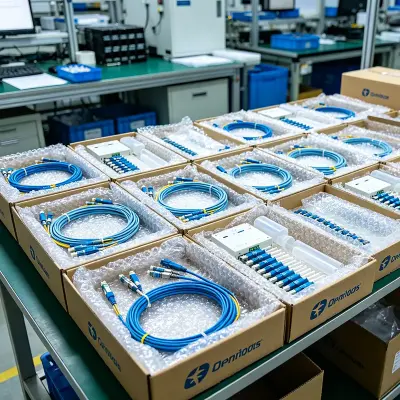
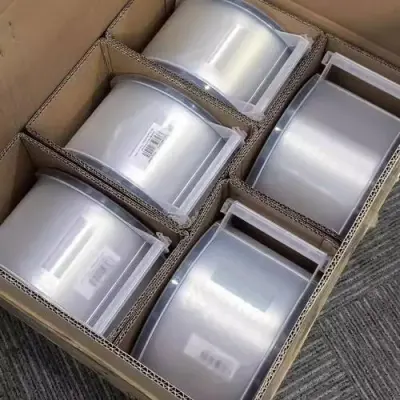
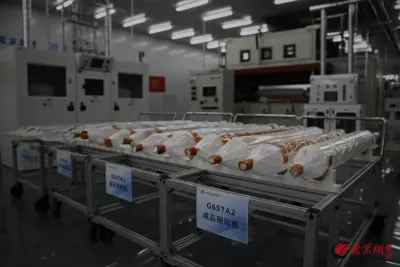
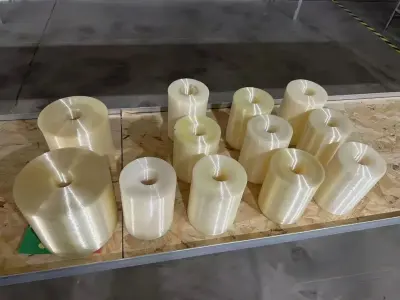
Product details
Technical Specifications of Sensing Specialty Fiber
| Property | Parameter | Description |
|---|---|---|
| Optical Fiber Product Name | Sensing Specialty Fiber | High-performance optical fiber engineered for distributed and point sensing applications |
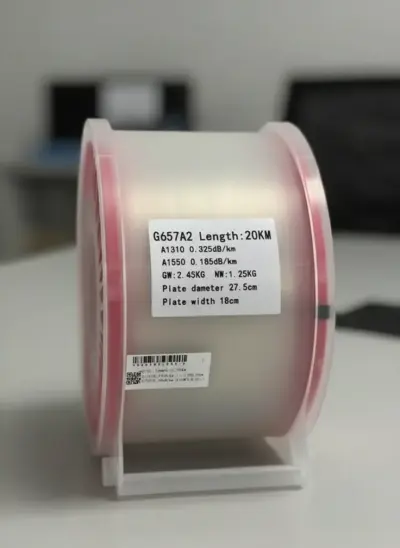
| Fiber Grade & ITU-T Classification | Sensing Grade / ITU-T G.657.A2 / Custom Sensing Class | Designed for strain, temperature, and acoustic sensing; compliant with applicable ITU-T standards |
| Core & Cladding Diameter Range | Core: 4–62.5 μm; Cladding: 80–125 μm ±1 μm | Customizable geometry to suit DAS, DTS, and FBG sensing system requirements |
| Attenuation Coefficient at 1310 nm | ≤ 0.35 dB/km | Low-loss transmission at 1310 nm window for short-to-medium range sensing links |
| Attenuation Coefficient at 1550 nm | ≤ 0.20 dB/km | Ultra-low attenuation at 1550 nm for long-distance distributed sensing deployments |
| Macrobending Loss Performance | ≤ 0.10 dB/turn at R = 15 mm (1550 nm) | Enhanced bend-insensitive coating ensures stable signal in tight-routing sensing installations |
| Chromatic Dispersion Coefficient | ≤ 3.5 ps/(nm·km) at 1310 nm; ≤ 18 ps/(nm·km) at 1550 nm | Low dispersion profile maintains signal integrity across sensing measurement bandwidth |
| Numerical Aperture (NA) | 0.12–0.22 NA (single-mode to multimode variants) | Optimized NA for efficient light coupling in FBG, Brillouin, and Raman sensing systems |
| Coating Diameter & Material | Outer coating: 245 μm ±5 μm; Acrylate / Polyimide / Carbon-coated options | Polyimide and carbon coatings available for high-temperature (up to 300 °C) sensing environments |
| Batch Qualification Rate | ≥ 99.5% | Stringent in-line quality inspection ensures consistent optical and mechanical performance per batch |
| Manufacturing Environment Standards | ISO Class 5 (ISO 14644-1) Cleanroom | Controlled cleanroom manufacturing minimizes contamination and ensures fiber geometry precision |
| Core Raw Material Source | High-purity synthetic silica (SiO₂ ≥ 99.999%); PCVD / OVD / VAD process | Premium-grade preform materials sourced from certified suppliers for sensing-grade consistency |
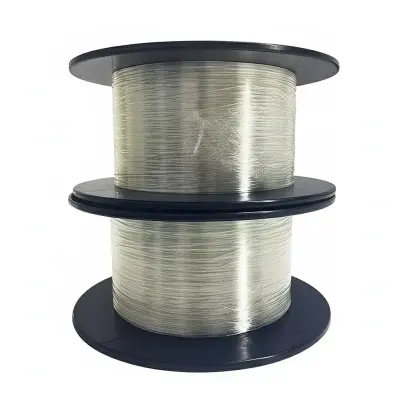
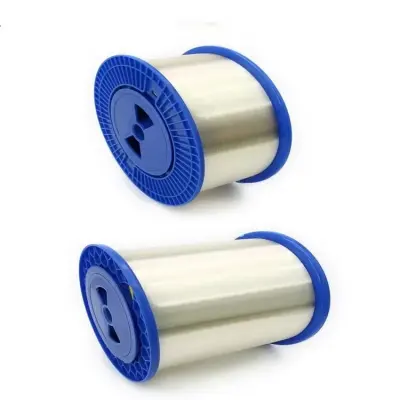
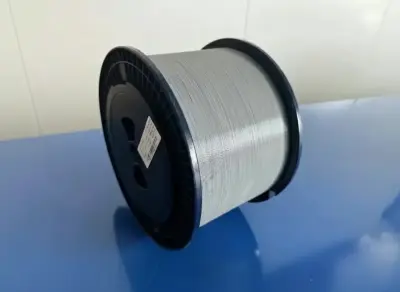
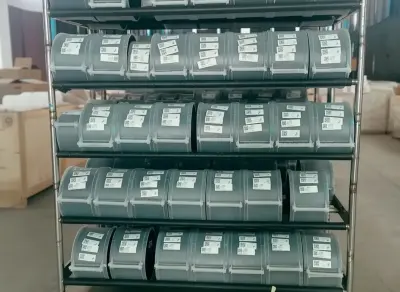
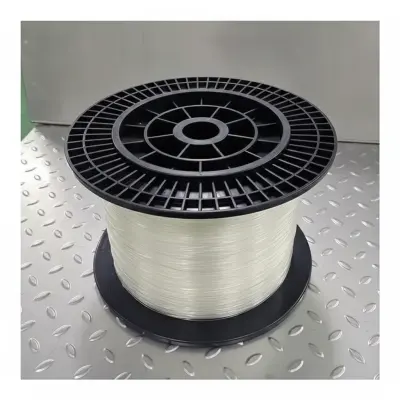
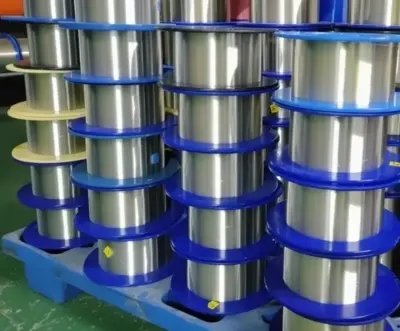
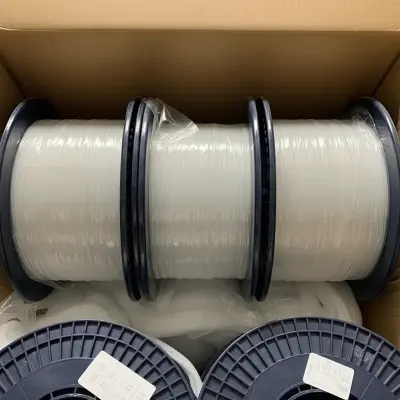
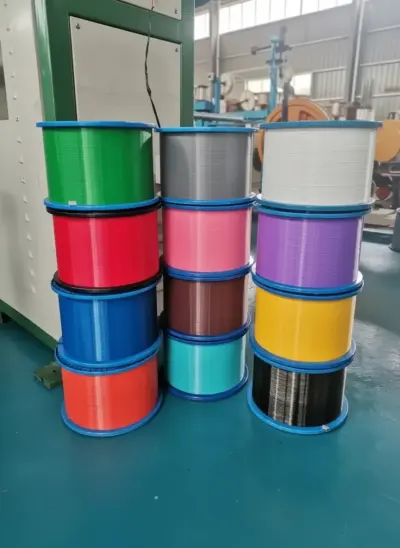
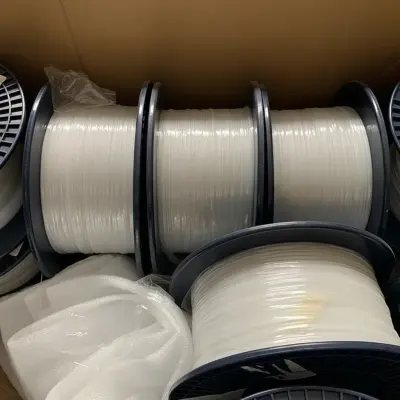
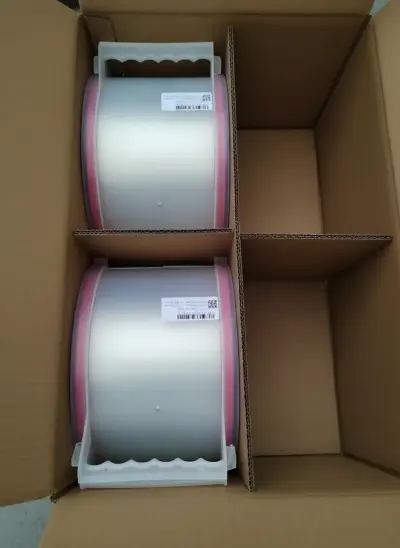
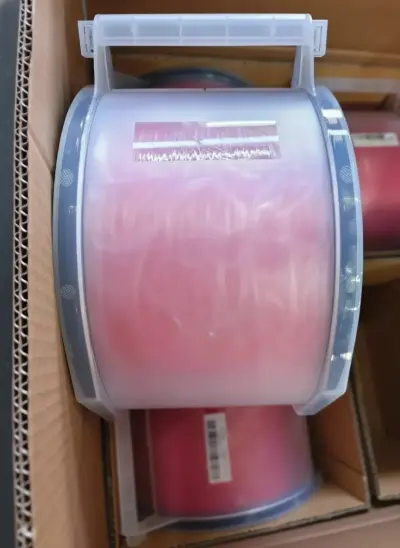
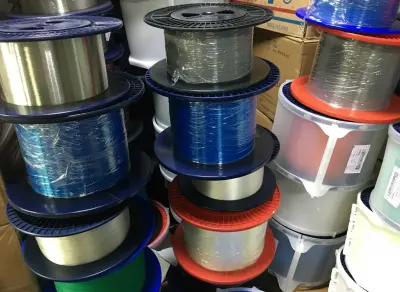
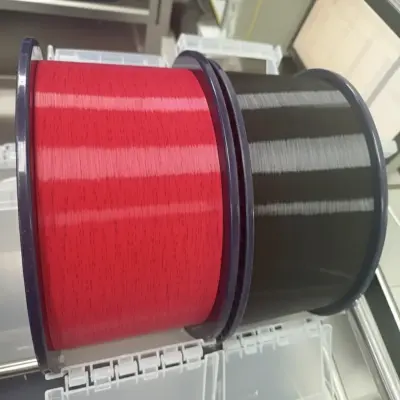
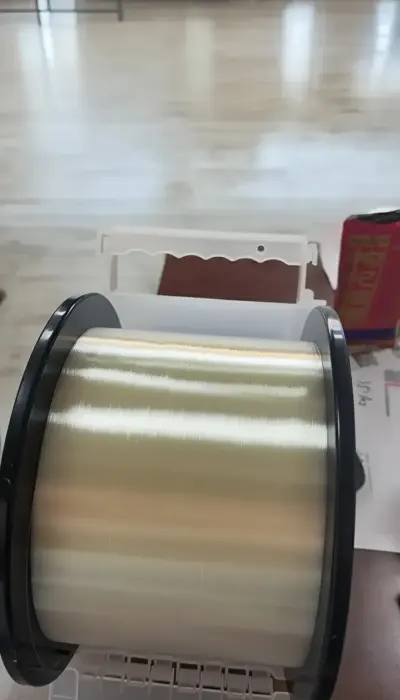
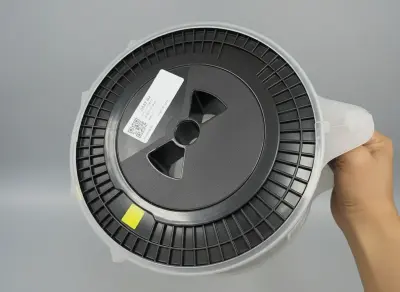
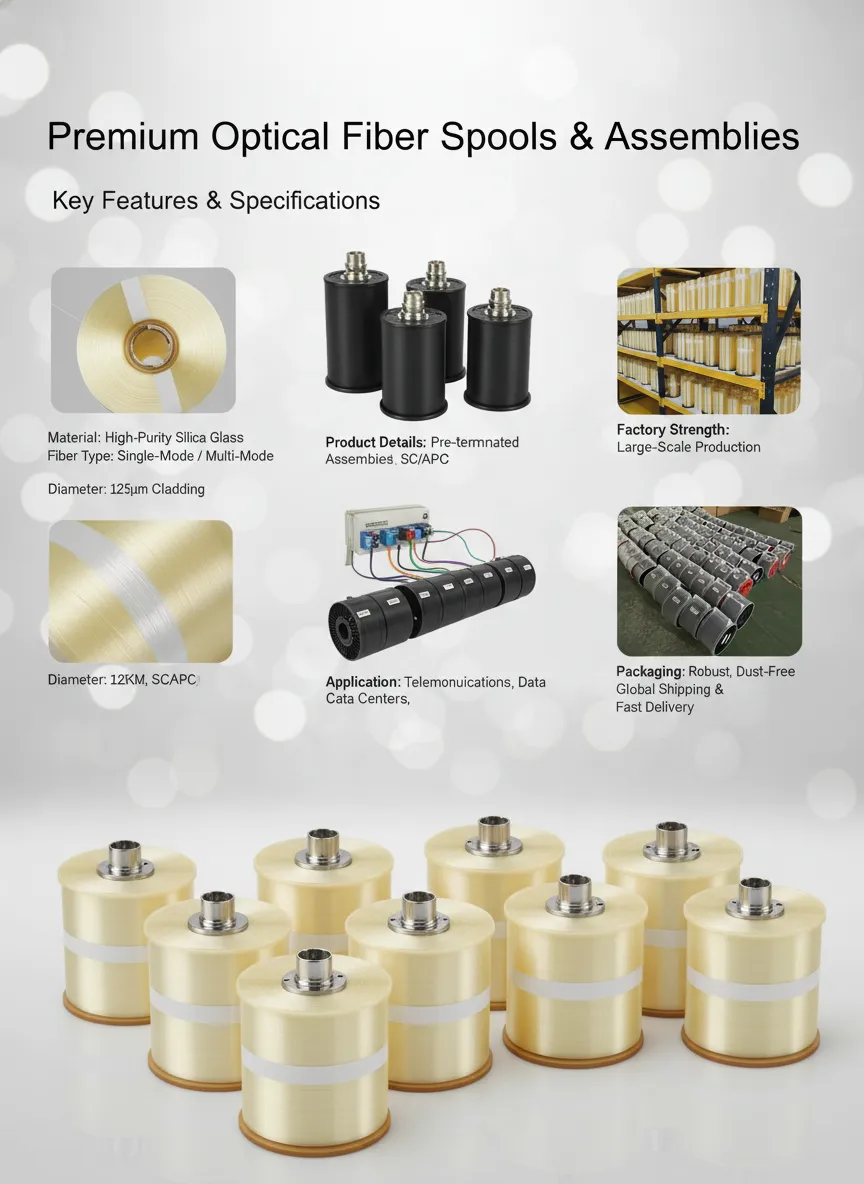
| Packaging Specification | Wooden reel / Plastic bobbin; 1 km, 2 km, 5 km, 10 km per spool | Custom spool lengths available; sealed moisture-barrier packaging for transit protection |
| Storage Conditions | Temperature: -20 °C to +60 °C; Humidity: ≤ 85% RH (non-condensing) | Store away from direct sunlight and corrosive chemicals; keep in original sealed packaging |
| Valid Shelf Life | ≥ 5 years under recommended storage conditions | Optical and mechanical parameters remain within specification throughout stated shelf life |
| Application Scenarios | DAS (Distributed Acoustic Sensing), DTS (Distributed Temperature Sensing), FBG sensors, structural health monitoring, oil & gas pipeline monitoring, perimeter security | Suitable for civil infrastructure, energy, aerospace, and industrial IoT sensing networks |
| Compliance & Certification | ITU-T G.652D / G.657A2; IEC 60793-2; RoHS 2.0; REACH compliant | Internationally recognized certifications ensuring product safety and cross-border trade compliance |
| Minimum Order Quantity (MOQ) | 10 km (standard); 1 km (sample order) | Sample orders accepted for qualification testing; volume pricing available above 100 km |
| Monthly Supply Capacity | ≥ 500,000 km/month | Large-scale production capability supports global sensing infrastructure project demands |
Sensing Specialty Fiber Solutions For Industrial Use
Sensing specialty fiber has established itself as a cornerstone technology in modern industrial monitoring, structural health assessment, and precision measurement systems worldwide. These advanced optical fibers are engineered to detect and transmit physical, chemical, and environmental signals with exceptional accuracy, making them indispensable across sectors such as oil and gas, civil infrastructure, aerospace, power grids, and smart manufacturing. As industries increasingly demand real-time data acquisition and predictive maintenance capabilities, sensing specialty fiber delivers the reliability and sensitivity required to meet stringent operational standards. With growing deployment in distributed temperature sensing (DTS), distributed acoustic sensing (DAS), and fiber Bragg grating (FBG) systems, these fibers represent a high-value investment for engineers and procurement professionals seeking long-term performance in harsh and demanding environments. Their unique ability to function as both the sensing element and the signal transmission medium provides a distinct advantage over conventional electronic sensor networks.
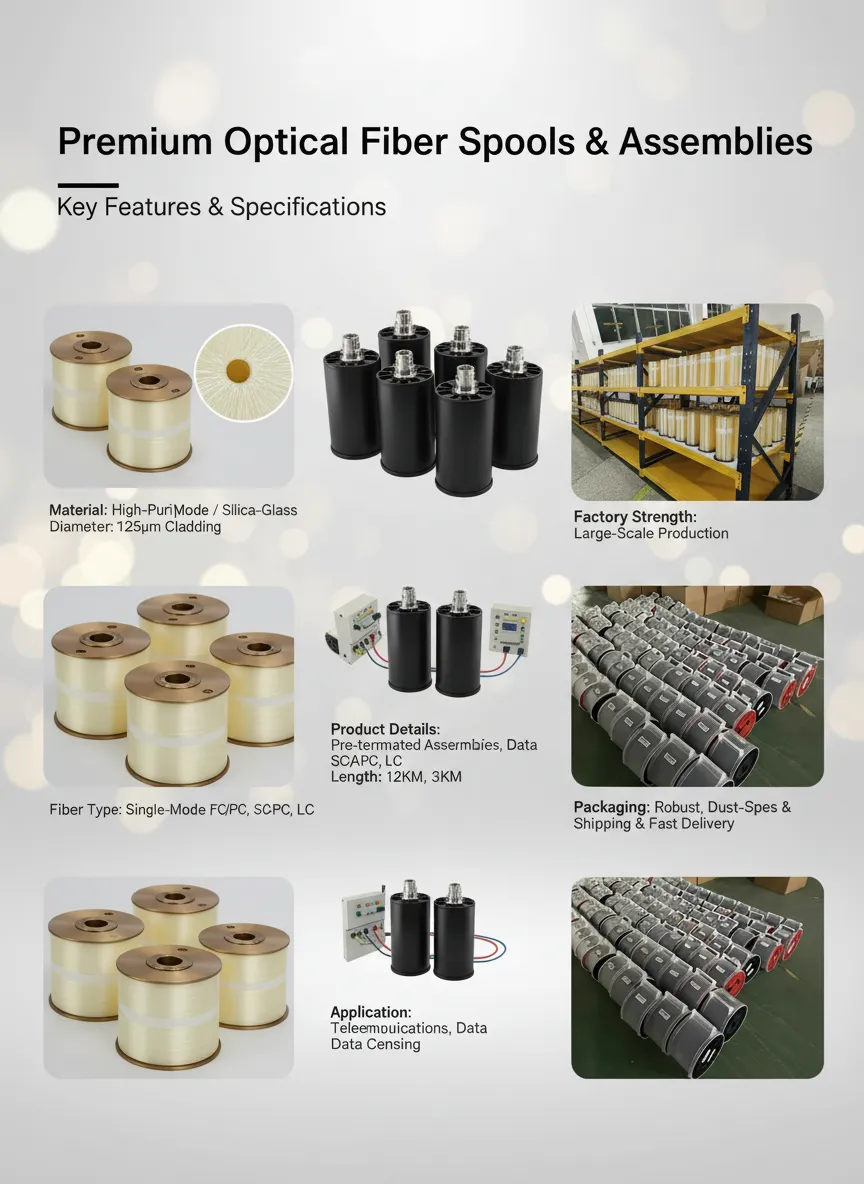
What is Sensing Specialty Fiber?
Sensing specialty fiber refers to a category of purpose-engineered optical fiber designed not merely for data transmission but primarily for the detection of physical parameters such as temperature, strain, pressure, vibration, and chemical composition. Unlike standard telecommunications fiber, these fibers feature customized refractive index profiles, dopant compositions, and geometric structures that enhance their sensitivity to external stimuli. They conform to international standards including IEC 60793 and ITU-T G-series guidelines, ensuring cross-platform compatibility and measurement reliability in both laboratory and field deployments.
Sensing Specialty Fiber Manufacturing and Production Process
The production of sensing specialty fiber begins with high-purity silica preform fabrication using modified chemical vapor deposition (MCVD) or outside vapor deposition (OVD) processes conducted in ISO-classified cleanroom environments. Precise dopant introduction—using germanium, erbium, or rare-earth elements—defines the fiber's sensing characteristics. The drawing tower process maintains tight dimensional tolerances, with real-time diameter monitoring ensuring core/cladding geometry consistency. Each production batch undergoes rigorous quality control per IEC 60793-1 standards, including proof testing, attenuation measurement, and environmental stress screening before shipment.
Sensing Specialty Fiber Technical Specifications
Our sensing specialty fiber portfolio covers a broad range of configurations to address diverse industrial applications. Standard single-mode variants feature a core diameter of 8–10 µm with a cladding diameter of 125 ± 0.7 µm. Attenuation performance is ≤0.35 dB/km at 1310 nm and ≤0.20 dB/km at 1550 nm. FBG-optimized fiber exhibits a photosensitivity enhancement factor exceeding 10× standard values through hydrogen loading. Polarization-maintaining sensing fiber achieves a beat length of ≤2.0 mm at 633 nm. Operating temperature range spans −40°C to +300°C for high-temperature variants, with a tensile proof strength of ≥100 kpsi. Coating options include dual-layer acrylate, polyimide, and carbon-hermetic finishes for corrosive or high-humidity environments.
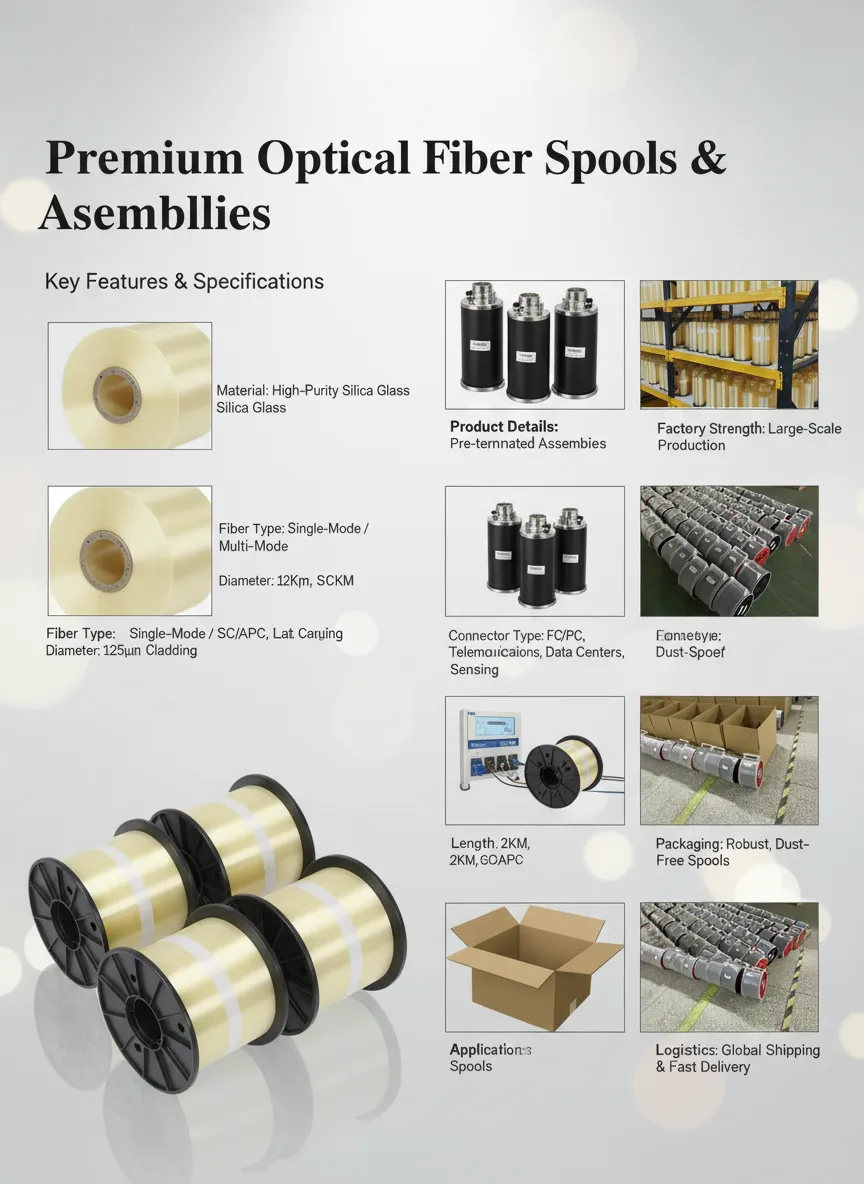
Get a Competitive Quote for Sensing Specialty Fiber
Partner with us for reliable, competitively priced sensing specialty fiber backed by end-to-end logistics support and certified compliance documentation. We offer flexible wholesale pricing for bulk orders, expedited international shipping, and full RoHS and REACH certification packages to streamline your procurement process. Our technical team is ready to match the right fiber solution to your application requirements.
- 24/7 expert optical communication engineer support
- Full ITU-T, ISO, RoHS compliance guarantee for all batches
- Exclusive wholesale discounts for bulk telecom, FTTH and data center orders
- Complete technical data sheets and on-site deployment guidance included
Contact us today to get your free quote and full specification sheet within 24 hours!