 English
 Español
 Français
 Deutsch
 Português (Brasil)
 Русский
 العربية
 Tiếng Việt
 ไทย
 Bahasa Indonesia

เหล็กเคลือบสีพิมพ์สำหรับโซลูชันอาคารที่ทนทาน
 China

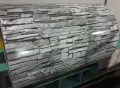

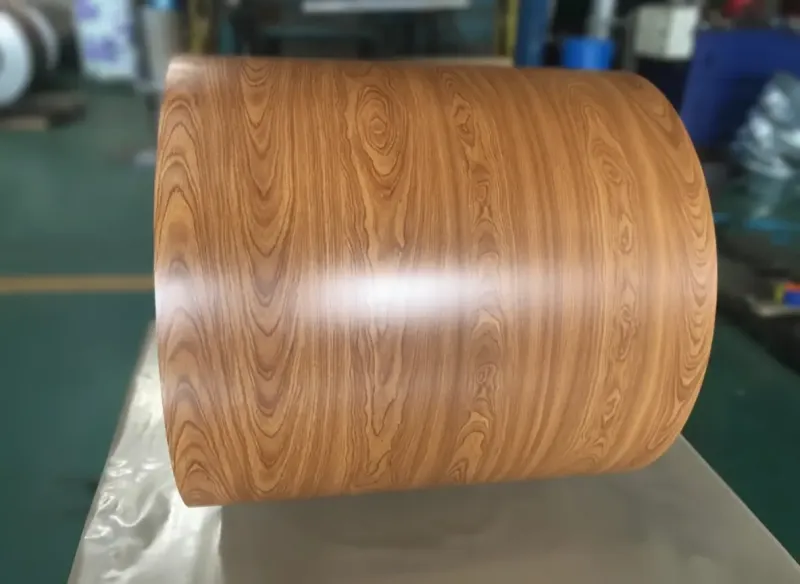
ความสามารถในการสั่งทำของซัพพลายเออร์
- สั่งทำตามแบบ
- สั่งทำตามตัวอย่าง
- สั่งทำได้ทั้งหมด
ปริมาณสั่งซื้อขั้นต่ำ: 1 ตัน
ค่าขนส่งรวม: ตกลงกันภายหลัง
- ระยะเวลาผลิต:
- ยืนยันพร้อมใบเสนอราคา
- บรรจุภัณฑ์:
- บรรจุมาตรฐานสำหรับส่งออก
- สินค้าตัวอย่าง:
- ขอได้ตามต้องการ
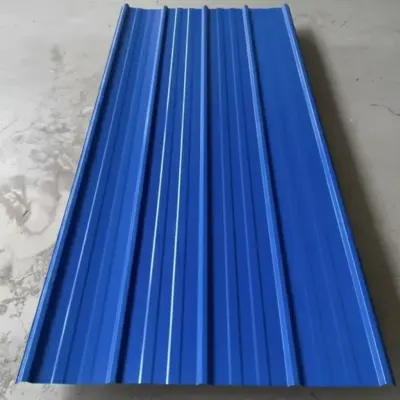
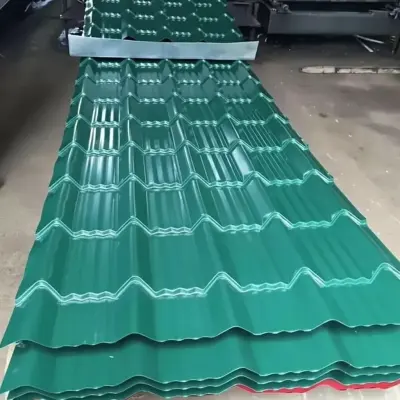
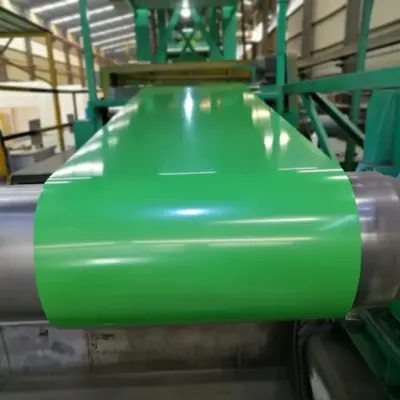
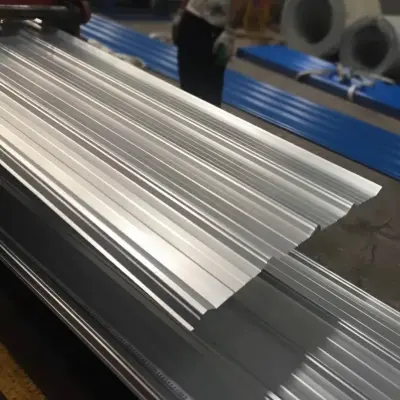
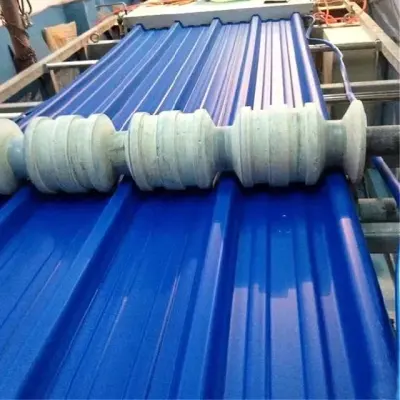
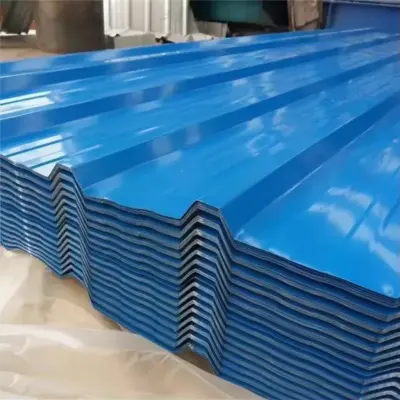
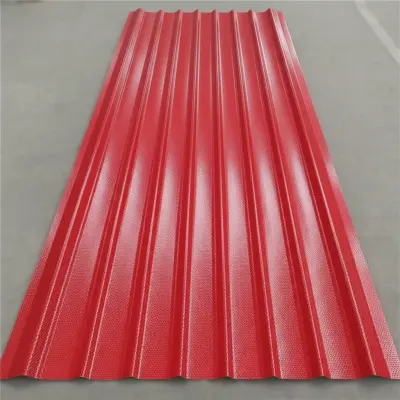
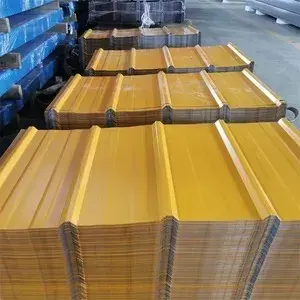
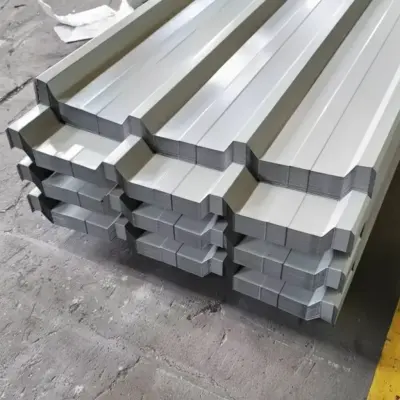
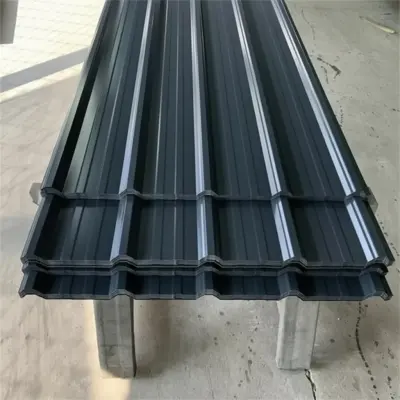
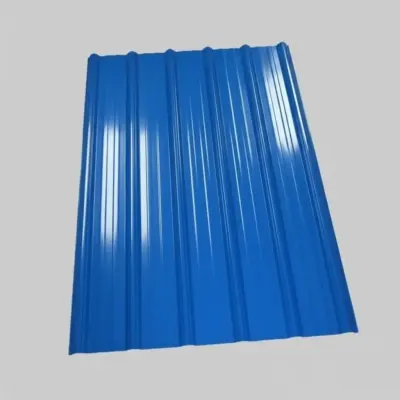
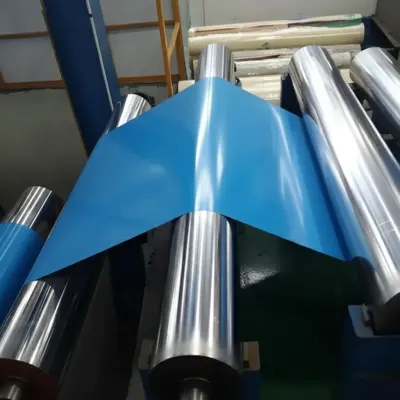
รายละเอียดสินค้า
ข้อกำหนดทางเทคนิคของเหล็กเคลือบสีพิมพ์
| คุณสมบัติ | พารามิเตอร์ | คำอธิบาย |
|---|---|---|
| ชื่อผลิตภัณฑ์ | เหล็กเคลือบสีพิมพ์ลาย | เหล็กเคลือบสีตกแต่งสำเร็จรูปพร้อมลวดลายพิมพ์และชั้นเคลือบใสป้องกันด้านบน |
| รูปแบบผลิตภัณฑ์ | คอยล์ แผ่น แถบ หรือคอยล์ตัดแถบ | จัดส่งในรูปแบบแผ่นเรียบหรือม้วนตามข้อกำหนดการผลิต |
| เกรดวัสดุ | DX51D+Z, SGCC, CS Type B หรือวัสดุฐานคุณภาพเชิงพาณิชย์ที่เทียบเท่า | การกำหนดเกรดทั่วไปภายใต้ EN 10346, JIS G 3302 และ ASTM A653/A653M; เกรดที่เทียบเท่าเป็นการประมาณและต้องยืนยันกับคุณสมบัติทางกลที่ต้องการ |
| การปฏิบัติตามมาตรฐาน | ASTM A755/A755M, EN 10169, JIS G 3312, GB/T 12754 | มาตรฐานที่ใช้บังคับสำหรับผลิตภัณฑ์เหล็กเคลือบโลหะเคลือบสีสำเร็จรูป; มาตรฐานวัสดุฐานอาจรวมถึง ASTM A653/A653M, EN 10346, JIS G 3302 หรือ GB/T 2518 |
| องค์ประกอบทางเคมี | C ≤ 0.18%, Mn ≤ 1.20%, P ≤ 0.12%, S ≤ 0.045%; Si, Cr, Ni และ Mo ควบคุมโดยเกรดวัสดุฐานที่สั่ง | ค่าสูงสุดตัวแทนสำหรับวัสดุฐานขึ้นรูปคาร์บอนต่ำทั่วไป; องค์ประกอบสุดท้ายเป็นไปตามมาตรฐานเหล็กกล้าฐานที่เลือกและใบรับรองโรงงาน |
| ความต้านทานแรงดึง | 270–500 MPa โดยทั่วไปสำหรับเกรดขึ้นรูป; ≥ 360 MPa สำหรับ S280GD | ค่าตัวแทนขึ้นอยู่กับเกรดที่สั่ง; ความต้านทานแรงดึงขั้นต่ำของ S280GD กำหนดภายใต้ EN 10346 |
| ความแข็งแรงคราก | 140–300 MPa โดยทั่วไปสำหรับเกรดขึ้นรูป; ≥ 280 MPa สำหรับ S280GD | ความแข็งแรงครากหรือความแข็งแรงพิสูจน์ที่ 0.2% ขึ้นอยู่กับการกำหนดวัสดุฐาน ความหนา และมาตรฐานที่ใช้บังคับ |
| การยืดตัว | ≥ 18% โดยทั่วไป | วัดตามความยาวเกจที่กำหนด; ค่าขั้นต่ำที่แน่นอนขึ้นอยู่กับเกรด ความหนา ทิศทางของชิ้นทดสอบ และมาตรฐานการทดสอบ |
| ช่วงความหนา | 0.20–1.50 mm | ช่วงความหนาสำเร็จรูปที่มักจัดส่งสำหรับหลังคาตกแต่ง ผนังหุ้ม เครื่องใช้ไฟฟ้า และผลิตภัณฑ์ภายในอาคาร |
| ความกว้างและความยาว | ความกว้าง: 600–1,500 mm; ความยาวแผ่น: 1,000–6,000 mm | การจัดส่งแบบคอยล์เป็นแบบต่อเนื่อง; ความกว้างตัดและขนาดตัดตามความยาวสามารถจัดหาได้ตามข้อตกลง |
| การเคลือบโลหะ | สังกะสี: 30–275 g/m²; Al-Zn: 30–185 g/m² | มวลเคลือบรวมทั้งสองด้าน; ชนิดและมวลของการเคลือบเลือกตามสภาพแวดล้อมการกัดกร่อนที่ใช้งาน |
| ระบบสี | PE, SMP, HDP หรือ PVDF; สีทับหน้า 15–35 μm, สีทับหลัง 5–15 μm | สีรองพื้น ชั้นตกแต่งพิมพ์ และเคลือบป้องกันใสสามารถกำหนดค่าได้ตามความทนทานที่ต้องการ |
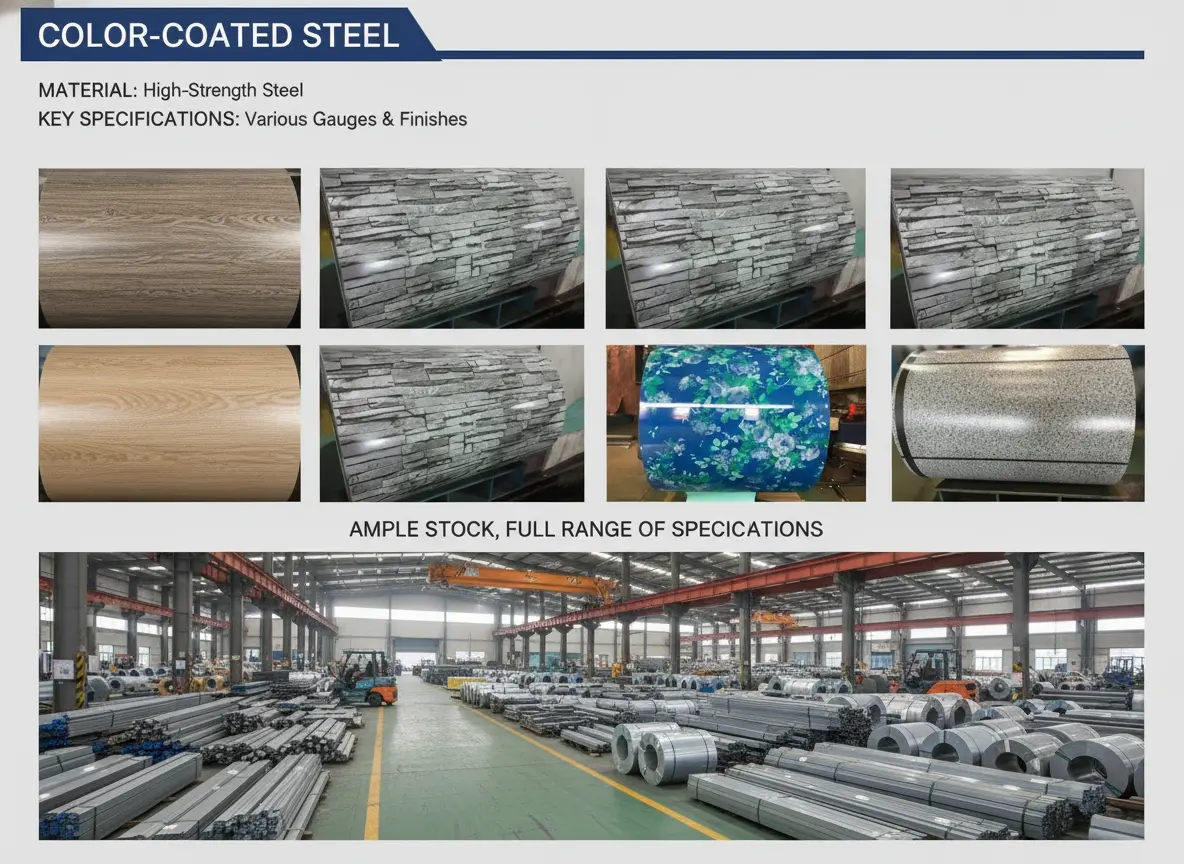
| ลวดลายพิมพ์ | ลายไม้ ลายหิน ลายหินอ่อน ลายอิฐ ลายพราง ลายดอกไม้ หรือดีไซน์ตามสั่ง | ระยะซ้ำลาย ความเงา ค่าความคลาดเคลื่อนสี และพื้นผิวemboss ตกลงก่อนการผลิต |
| ผิวสำเร็จ | เงา ด้าน มีพื้นผิว emboss หรือเคลือบแลคเกอร์ใสป้องกัน | สามารถติดฟิล์มป้องกันชั่วคราว 30–80 μm เพื่อลดความเสียหายจากการขนย้ายและการแปรรูป |
| ตัวเลือกประสิทธิภาพ | ต้านการกัดกร่อน ต้าน UV ต้านคราบ ต้านรอยขีดข่วน และต้านสารเคมี | ระดับประสิทธิภาพขึ้นอยู่กับการปรับสภาพเบื้องต้น การเคลือบโลหะ เรซินสี ความหนาเคลือบ และสภาพการสัมผัส |
| การใช้งาน | หลังคา ผนังหุ้ม เพดาน ประตู ตู้ เครื่องใช้ไฟฟ้า และผนังกั้นตกแต่ง | เหมาะสำหรับการรีดขึ้นรูป การดัด การตัด การปั๊ม และการแปรรูปโลหะแผ่นทั่วไป |
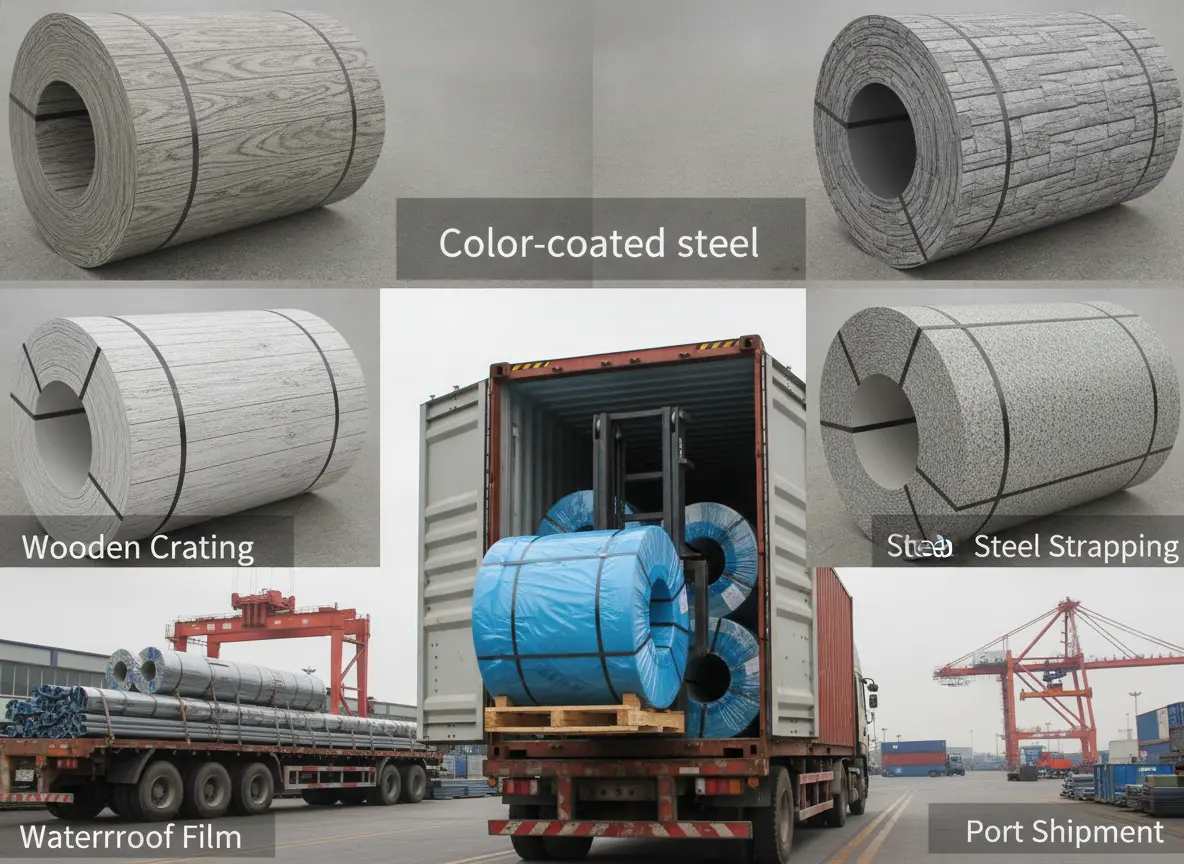
| บรรจุภัณฑ์ | บรรจุภัณฑ์คอยล์หรือแผ่นระดับส่งออกที่ทนทานต่อการขนส่งทางทะเล | กระดาษกันความชื้น ฟิล์มป้องกัน ตัวป้องกันขอบ สายรัดเหล็ก และห่อหุ้มด้านนอกด้วยโลหะตามต้องการ |
| MOQ | โดยทั่วไป 3–25 เมตริกตันต่อแบบและข้อกำหนด | ปริมาณการสั่งซื้อขั้นต่ำจะแตกต่างกันไปตามเกรดของวัสดุฐาน ขนาด ระบบเคลือบ และการออกแบบลายพิมพ์เฉพาะ |
Printed Color Coated Steel
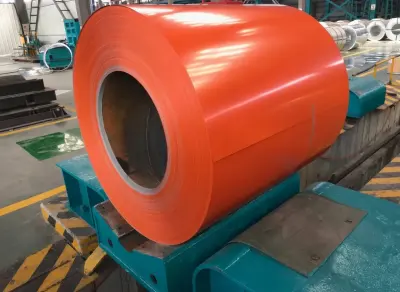
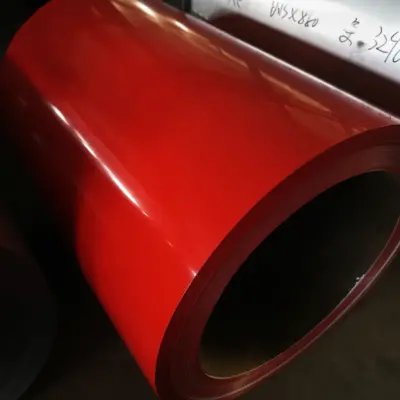
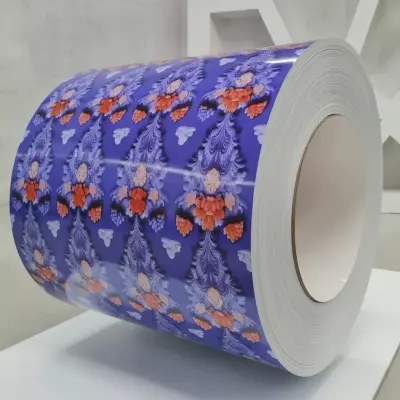
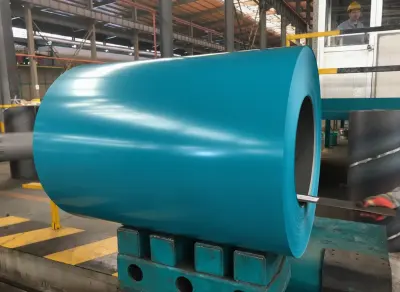
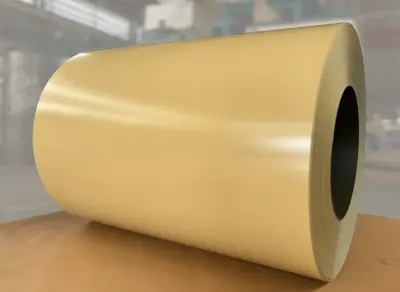
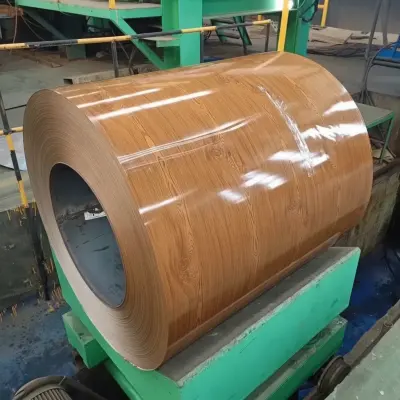
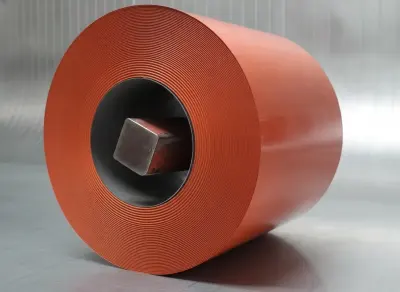
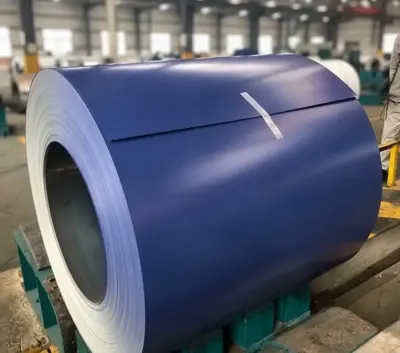
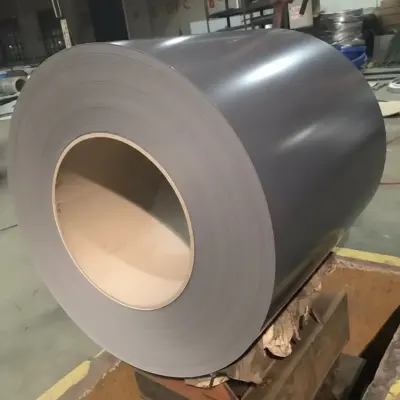
Printed Color Coated Steel combines a metallic steel substrate with a protective organic coating and a decorative printed surface, giving building products both structural practicality and a controlled architectural appearance. It is designed for overseas importers, roofing and cladding manufacturers, construction material distributors, prefabricated building suppliers, and project contractors that need repeatable patterns, corrosion resistance, and efficient fabrication. Depending on the substrate grade, coating system, surface finish, and printing method, printed color coated steel can reproduce wood grain, stone texture, brick effects, solid colors, or custom graphics. The material supports roll forming, profiling, cutting, and other downstream processes when the selected specification is matched to the application.
Product Overview
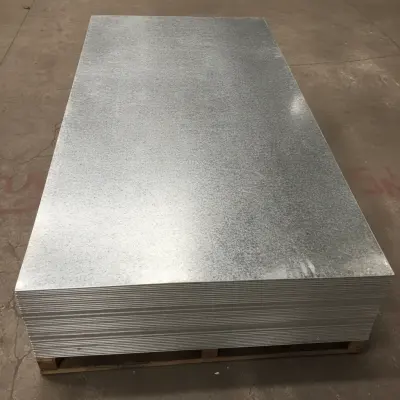
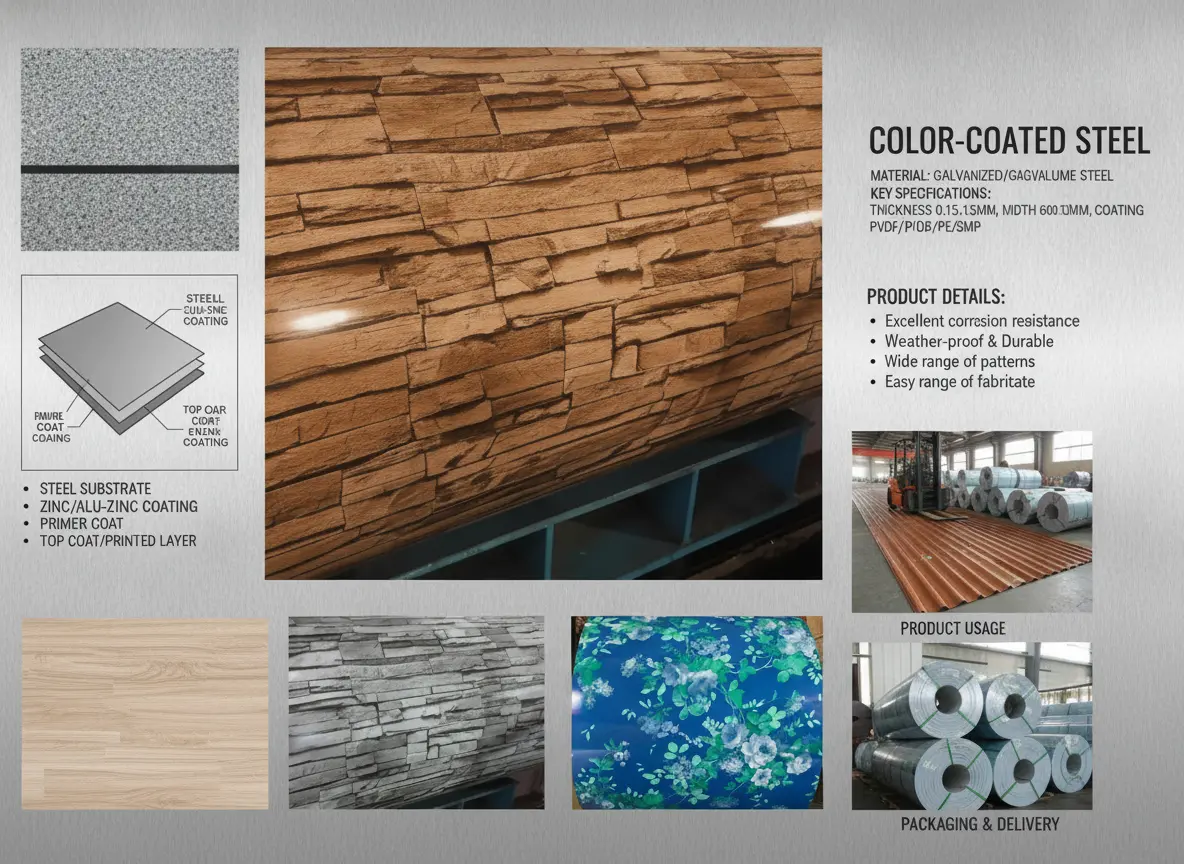
Printed color coated steel is typically produced by applying a metallic coating to a flat steel strip, adding a chemical pretreatment and primer, applying a base coat, and then printing a decorative pattern before the final protective finish is applied. The result is a coil or sheet product intended for conversion into roofing panels, wall cladding, ceiling systems, doors, partition panels, and other building components.
The steel substrate may be hot-dip galvanized or hot-dip aluminum-zinc coated, depending on the required corrosion environment, forming performance, and cost target. Common coating families include polyester, silicone-modified polyester, high-durability polyester, polyurethane, and fluoropolymer systems. The correct coating should be selected according to exposure, color-retention requirements, forming conditions, and the expected service environment rather than appearance alone.
Key product characteristics include:
- Decorative flexibility: wood, marble, stone, brick, textile, geometric, and customized visual effects may be available subject to production capability and artwork approval.
- Corrosion protection: the metallic coating, pretreatment, primer, and topcoat work as a multi-layer protection system.
- Efficient fabrication: coil-fed material can be slit, cut, roll formed, stamped, or profiled using suitable equipment and processing controls.
- Consistent appearance: controlled printing and color matching help maintain visual consistency across a project or production batch.
- Lower maintenance demand: a factory-applied coating can reduce the need for site painting, although cleaning and inspection remain necessary.
Specifications & Standards for Printed Color Coated Steel
There is no single universal specification for every printed color coated steel order. The purchase specification normally combines the steel substrate standard, metallic coating designation, organic coating system, dimensions, surface appearance, and inspection requirements. The following standards are commonly relevant, but the applicable standard should be confirmed against the destination market and project documents.
| Item | Common reference | What it covers |
|---|---|---|
| Cold-reduced steel with metallic coating | ASTM A653/A653M | Hot-dip zinc-coated steel sheet and related coating designations. |
| Aluminum-zinc coated steel | ASTM A792/A792M | Steel sheet coated by the hot-dip process with an aluminum-zinc alloy. |
| Prepainted steel sheet and strip | ASTM A755/A755M | Requirements and guidance for metallic-coated steel sheet with a factory-applied organic coating. |
| Continuously hot-dip coated flat products | EN 10346 | European requirements for steel flat products with metallic coatings. |
| Organic coated steel flat products | EN 10169 | Performance principles and requirements for continuously organic-coated steel products. |
| Prepainted steel sheet and strip | JIS G3322 | Japanese requirements for prepainted hot-dip coated steel sheet and strip. |
| Color coated steel sheet and strip | GB/T 12754 | Chinese requirements for continuously color-coated steel sheet and strip. |
Typical order parameters include nominal thickness, coil or sheet width, coil weight, yield strength, tensile strength, elongation, metallic coating mass, paint film thickness, surface finish, color reference, pattern repeat, and dimensional tolerance. Exact values depend on the selected grade and applicable standard. A purchaser should request a technical datasheet rather than assume that one strength or coating class applies to all printed products.
| Specification field | Procurement consideration |
|---|---|
| Steel grade | Choose based on roll-forming, bending, stamping, or structural requirements. |
| Metallic coating | Confirm zinc or aluminum-zinc type, coating designation, and required corrosion performance. |
| Organic coating | Specify resin family, nominal film thickness, gloss, color, and expected exposure. |
| Printed pattern | Approve artwork, color reference, grain direction, pattern repeat, and acceptable variation. |
| Dimensions and tolerance | Match thickness and width to the profiling line, panel design, and installation method. |
| Inspection documents | Define certificates, test reports, coating inspection, packaging records, and traceability needs. |
Applications of Printed Color Coated Steel
Printed color coated steel is used where a metal panel must provide a controlled decorative finish as well as practical weather protection. Typical applications include:
- Architectural roofing and wall cladding: Printed wood, stone, or solid-color finishes can support residential, commercial, agricultural, and light industrial building designs.
- Prefabricated and modular buildings: Factory-produced panels benefit from coil-based processing, repeatable dimensions, and reduced on-site finishing work.
- Interior ceiling and partition systems: Coated steel can be formed into ceiling panels, wall partitions, and decorative interior components where cleanability and appearance matter.
- Doors, gates, and enclosure panels: Printed surfaces can provide a coordinated appearance for garage doors, service doors, fencing elements, and equipment enclosures.
- Commercial and retail projects: Custom patterns or branded colors may be specified for façade accents, canopies, and architectural feature panels.
Before use in aggressive industrial, marine, or high-humidity environments, the buyer should verify the coating system, edge protection, installation details, and applicable corrosion classification. A decorative pattern does not by itself determine long-term durability.
How to Choose / Buying Guide for Printed Color Coated Steel
1. Start with the finished component
Define whether the material will become a roof panel, wall panel, sandwich panel, ceiling tile, door skin, or another product. The forming radius, profile depth, back-coating requirement, and handling process may differ significantly between applications.
2. Select the substrate and metallic coating
Galvanized steel and aluminum-zinc coated steel are not interchangeable in every application. Consider the exposure environment, expected forming operation, cut-edge treatment, panel design, and project specification. Ask the supplier to state the coating designation and testing basis clearly.
3. Specify the paint and print system
Provide the desired color reference, gloss level, pattern, pattern direction, repeat size, and resin requirement. If the project requires color matching, approve a physical sample or signed color standard before mass production. Also confirm whether the same appearance is required on the reverse side.
4. Confirm certificates and quality controls
For international procurement, request the applicable mill certificate, coating or paint test report, dimensional inspection report, and packing list. Depending on the project, buyers may also require third-party inspection, traceability by coil number, or documentation aligned with ASTM, EN, JIS, or GB/T requirements.
5. Plan MOQ, lead time, and logistics
Minimum order quantity and production lead time depend on the substrate, width, color, pattern, coating system, and whether a new artwork or production setup is needed. These commercial details must be confirmed in the quotation. Discuss coil weight, container loading, moisture protection, edge protection, and unloading equipment before placing the order.
6. Protect the material after delivery
Printed coated steel should be stored in a dry, ventilated location and protected from water entrapment, condensation, impact, and contamination. Follow the supplier’s recommendations for storage duration, film removal, cutting, and installation. Poor storage can damage a suitable coating system before fabrication begins.
Frequently Asked Questions
Q: What is the difference between printed color coated steel and ordinary painted steel?
A: Ordinary color coated steel normally has a uniform solid-color finish, while printed color coated steel adds a decorative image or pattern over a base-coated surface. Both depend on the substrate, metallic coating, resin system, and production controls for performance.
Q: Can printed color coated steel be used for roofing and exterior walls?
A: Yes, it is commonly processed into roofing and wall-cladding panels. The selected steel grade, metallic coating, paint system, profile design, fasteners, and installation details must be suitable for the project’s exposure conditions.
Q: Which standards can be used for international purchasing?
A: Possible references include ASTM A755/A755M for organic-coated metallic-coated steel, ASTM A653/A653M for galvanized steel, ASTM A792/A792M for aluminum-zinc coated steel, EN 10169 and EN 10346, JIS G3322, and GB/T 12754. The correct standard depends on the substrate and destination-market requirements.
Q: Can the supplier match a custom wood, marble, or stone pattern?
A: Custom patterns may be possible, subject to printing equipment, artwork quality, pattern repeat, color references, and minimum production requirements. Buyers should approve samples and confirm acceptable color and pattern variation before ordering.
Q: What is the minimum order quantity for printed color coated steel?
A: MOQ is not universal. It may vary with thickness, width, substrate, coating, color, pattern, and production setup. Request a project-specific quotation that states MOQ, available trial quantity, and whether mixed specifications can be combined.
Q: What payment terms and documents are available?
A: Payment terms depend on the supplier, order value, and commercial agreement. Common arrangements may include an advance payment with the balance against shipping documents, but the exact terms should be agreed in the sales contract. Confirm the invoice, packing list, certificate, inspection report, and shipping documents required for customs clearance.
Q: How long is the delivery lead time?
A: Lead time depends on raw material availability, pattern approval, production capacity, order quantity, and export arrangements. A reliable quotation should separate manufacturing time from transit time and identify when the schedule begins.
Send your required substrate, dimensions, coating system, pattern, annual volume, destination, and applicable standard to request a tailored quotation for printed color coated steel. Ask for a datasheet, sample approval plan, inspection documents, packaging proposal, MOQ, and estimated production schedule before placing your order.
คะแนน & รีวิว

รู้จักซัพพลายเออร์ของคุณ
ความสามารถในการสั่งทำของซัพพลายเออร์
- สั่งทำตามแบบ
- สั่งทำตามตัวอย่าง
- สั่งทำได้ทั้งหมด
ปริมาณสั่งซื้อขั้นต่ำ: 1 ตัน
ค่าขนส่งรวม: ตกลงกันภายหลัง
- ระยะเวลาผลิต:
- ยืนยันพร้อมใบเสนอราคา
- บรรจุภัณฑ์:
- บรรจุมาตรฐานสำหรับส่งออก
- สินค้าตัวอย่าง:
- ขอได้ตามต้องการ