 English
 Español
 Français
 Deutsch
 Português (Brasil)
 Русский
 العربية

Printed Color Coated Steel For Durable Building Solutions
 China


Supplier's customization ability
- Drawing-based customization
- Sample-based customization
- Full customization
Minimum order quantity: 1 ton
Shipping total: To be negotiated
- Lead time:
- confirmed with the quotation
- Packaging:
- standard export packing
- Samples:
- available on request
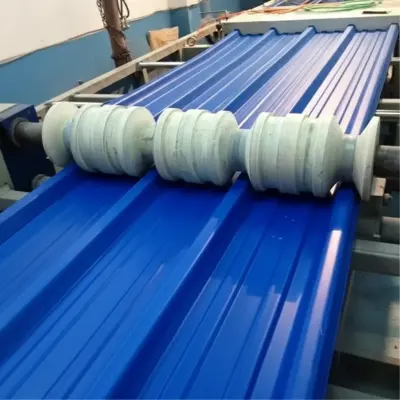
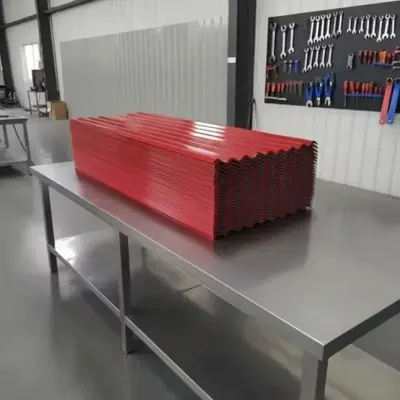
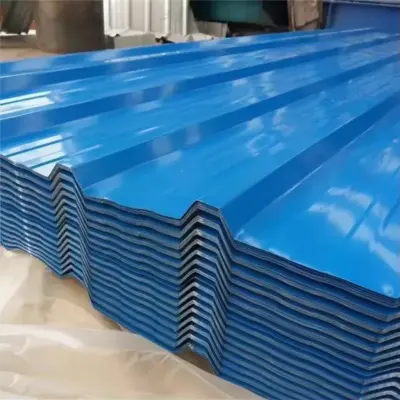
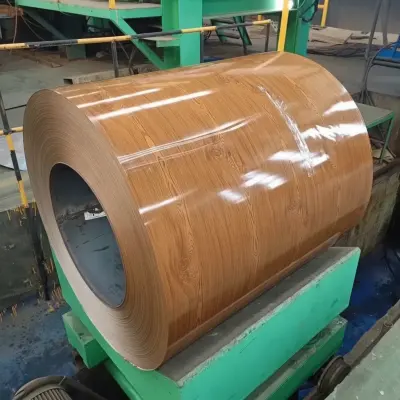
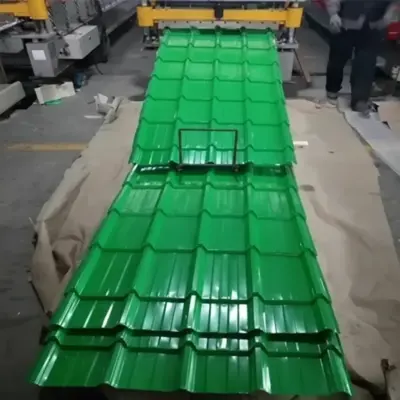
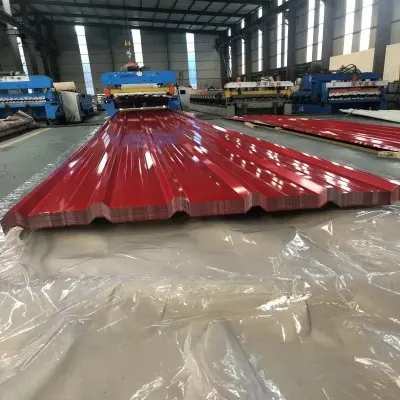
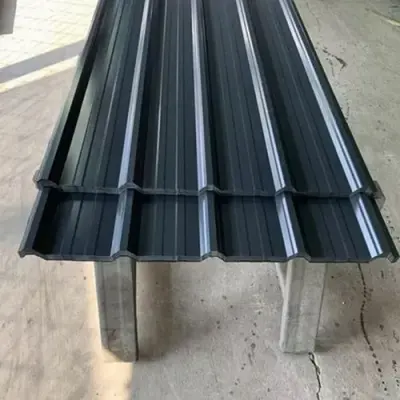
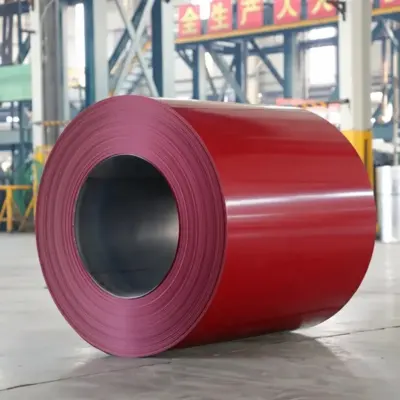
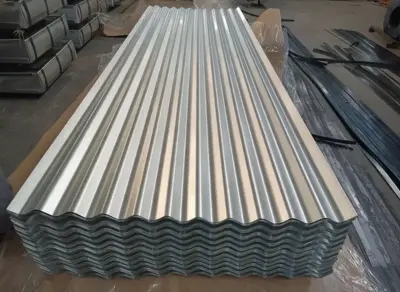
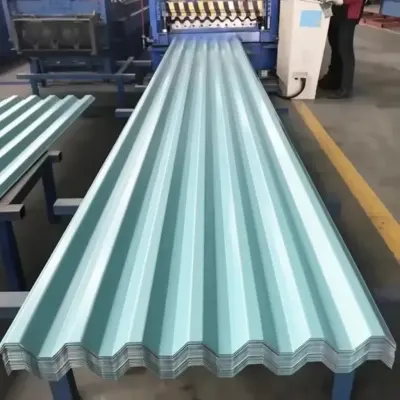
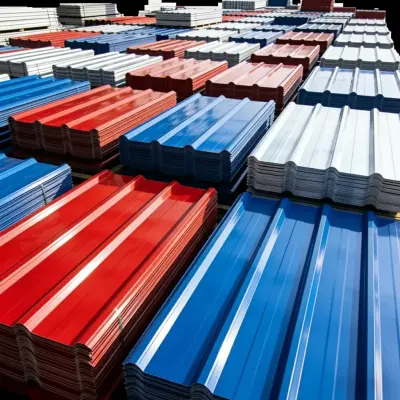
Product details
Technical Specifications of Printed Color Coated Steel
| Property | Parameter | Description |
|---|---|---|
| Product Name | Printed Color Coated Steel | Decorative prepainted steel with printed patterns and a protective clear topcoat. |
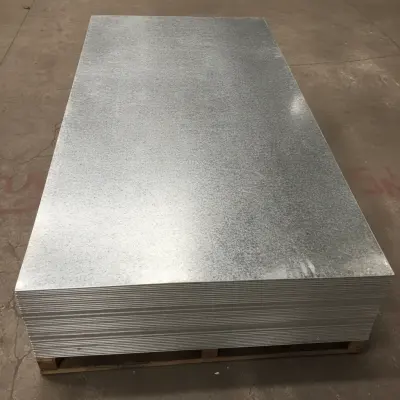
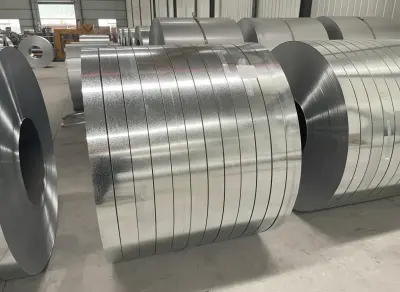
| Product Form | Coil, sheet, strip, or slit coil | Supplied in flat or coiled form according to fabrication requirements. |
| Material Grade | DX51D+Z, SGCC, CS Type B, or equivalent commercial-quality substrate | Common grade designations under EN 10346, JIS G 3302, and ASTM A653/A653M; equivalents are approximate and must be confirmed against required mechanical properties. |
| Standard Compliance | ASTM A755/A755M, EN 10169, JIS G 3312, GB/T 12754 | Applicable standards for prepainted metallic-coated steel products; substrate standards may include ASTM A653/A653M, EN 10346, JIS G 3302, or GB/T 2518. |
| Chemical Composition | C ≤ 0.18%, Mn ≤ 1.20%, P ≤ 0.12%, S ≤ 0.045%; Si, Cr, Ni, and Mo controlled by ordered substrate grade | Representative maximum values for a common low-carbon forming substrate; final composition follows the selected base-steel standard and mill certificate. |
| Tensile Strength | 270–500 MPa typical for forming grades; ≥ 360 MPa for S280GD | Representative values subject to ordered grade; S280GD minimum tensile strength is specified under EN 10346. |
| Yield Strength | 140–300 MPa typical for forming grades; ≥ 280 MPa for S280GD | Yield or 0.2% proof strength depends on substrate designation, thickness, and applicable standard. |
| Elongation | ≥ 18% typical | Measured on the specified gauge length; exact minimum depends on grade, thickness, specimen orientation, and test standard. |
| Thickness Range | 0.20–1.50 mm | Finished thickness range commonly supplied for decorative roofing, cladding, appliances, and interior products. |
| Width and Length | Width: 600–1,500 mm; sheet length: 1,000–6,000 mm | Coil supply is continuous; slit widths and cut-to-length dimensions are available by agreement. |
| Metallic Coating | Zinc: 30–275 g/m²; Al-Zn: 30–185 g/m² | Total coating mass on both sides; coating type and mass are selected for the intended corrosion environment. |
| Paint System | PE, SMP, HDP, or PVDF; topcoat 15–35 μm, back coat 5–15 μm | Primer, printed decorative layer, and clear protective coating can be configured for required durability. |
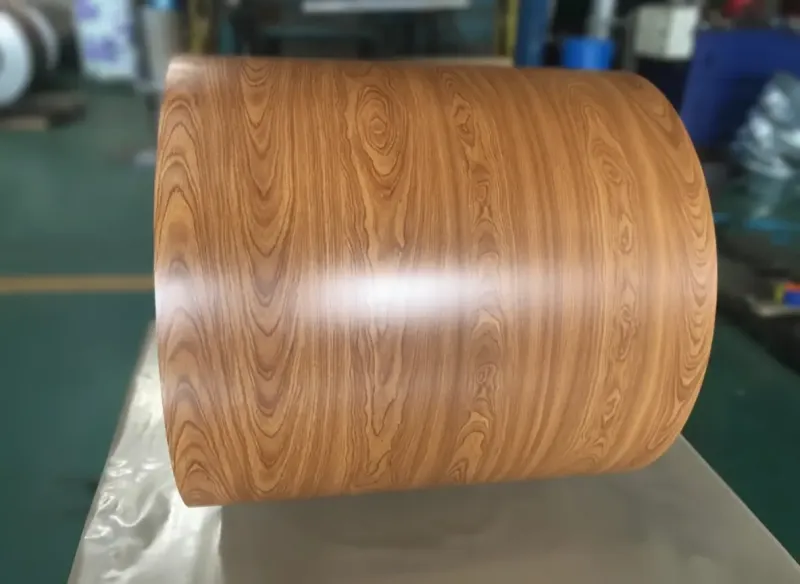
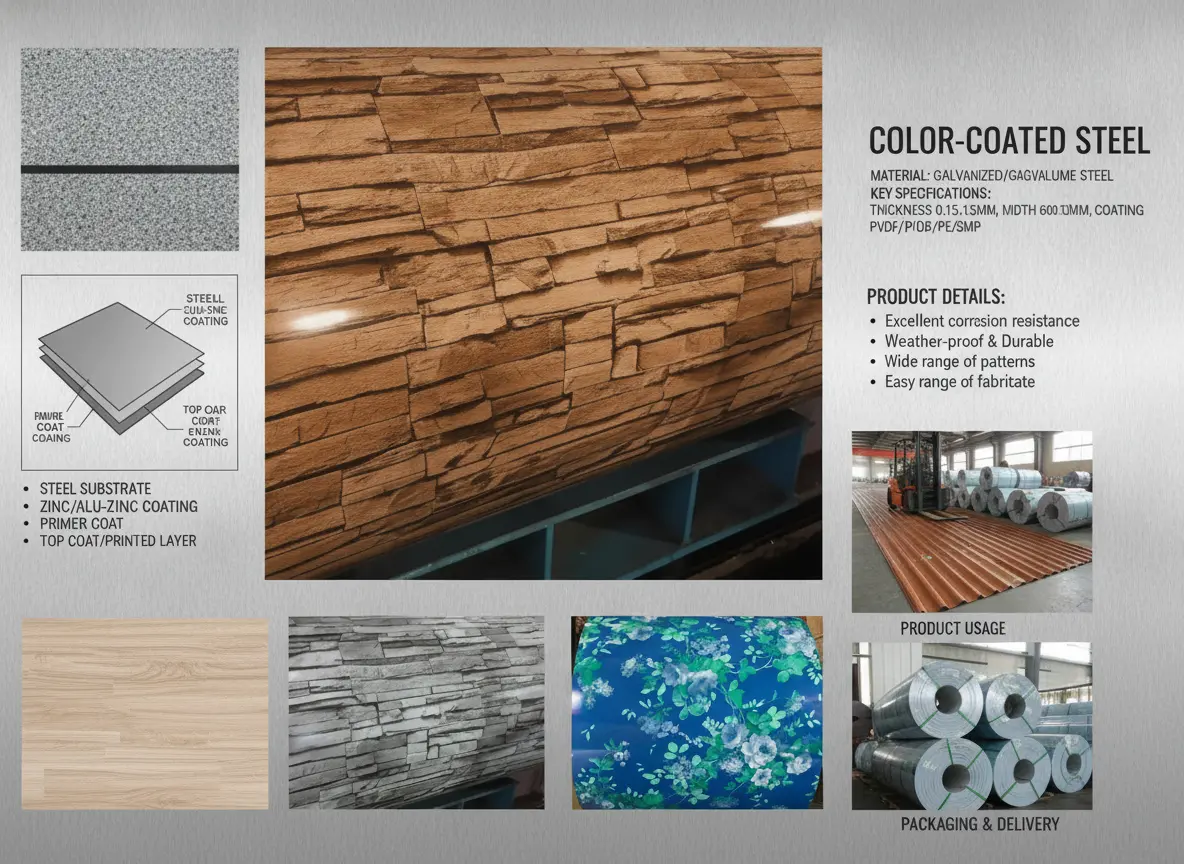
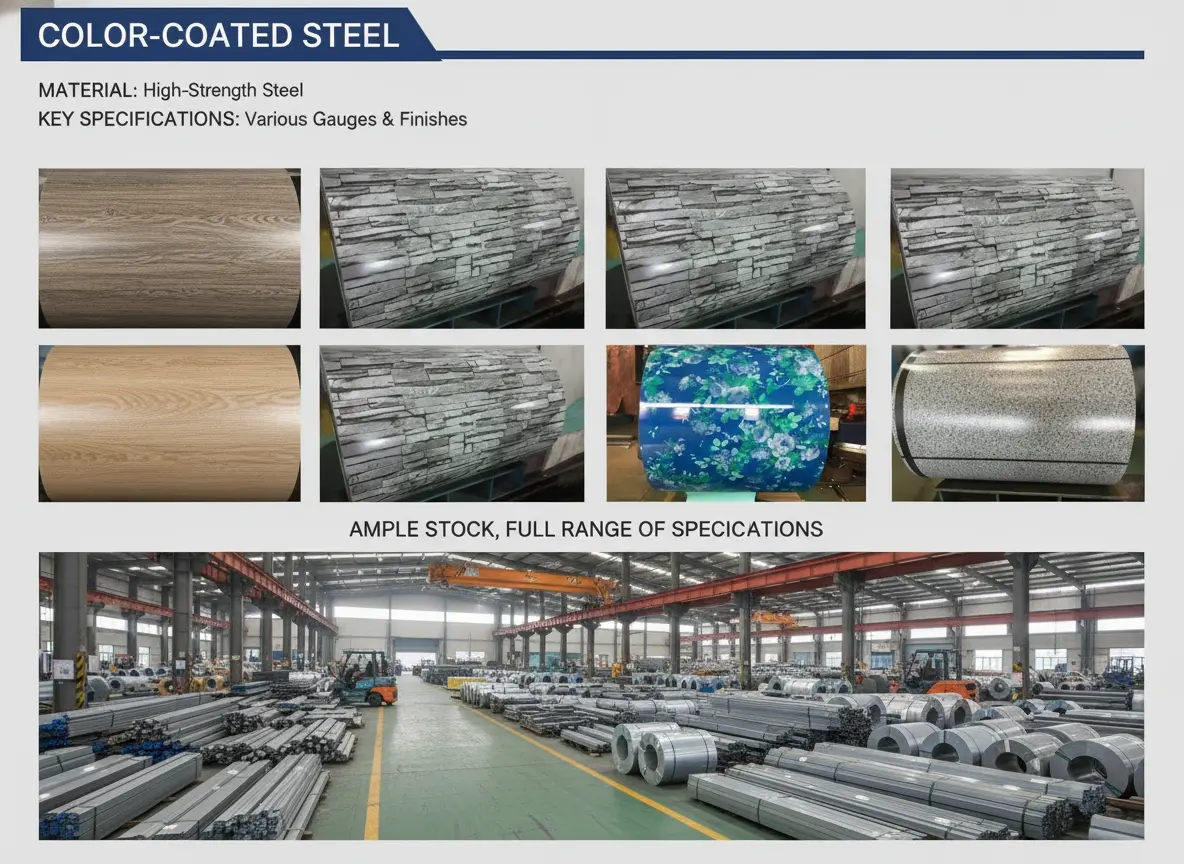
| Printed Pattern | Wood grain, stone, marble, brick, camouflage, floral, or custom design | Pattern repeat, gloss, color tolerance, and embossing texture are agreed before production. |
| Surface Finish | Glossy, matte, textured, embossed, or clear-lacquer protected | Temporary protective film of 30–80 μm can be applied to reduce handling and fabrication damage. |
| Performance Options | Corrosion, UV, stain, scratch, and chemical resistance | Performance level depends on pretreatment, metallic coating, paint resin, coating thickness, and exposure conditions. |
| Application | Roofing, wall cladding, ceilings, doors, cabinets, appliance panels, and decorative partitions | Suitable for roll forming, bending, cutting, stamping, and general sheet-metal fabrication. |
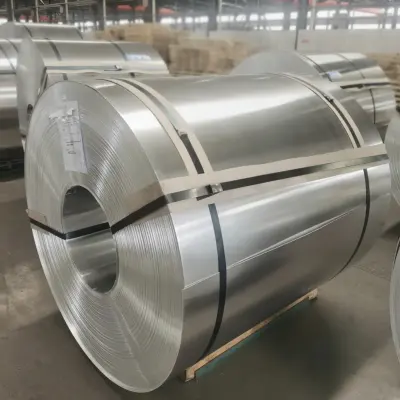
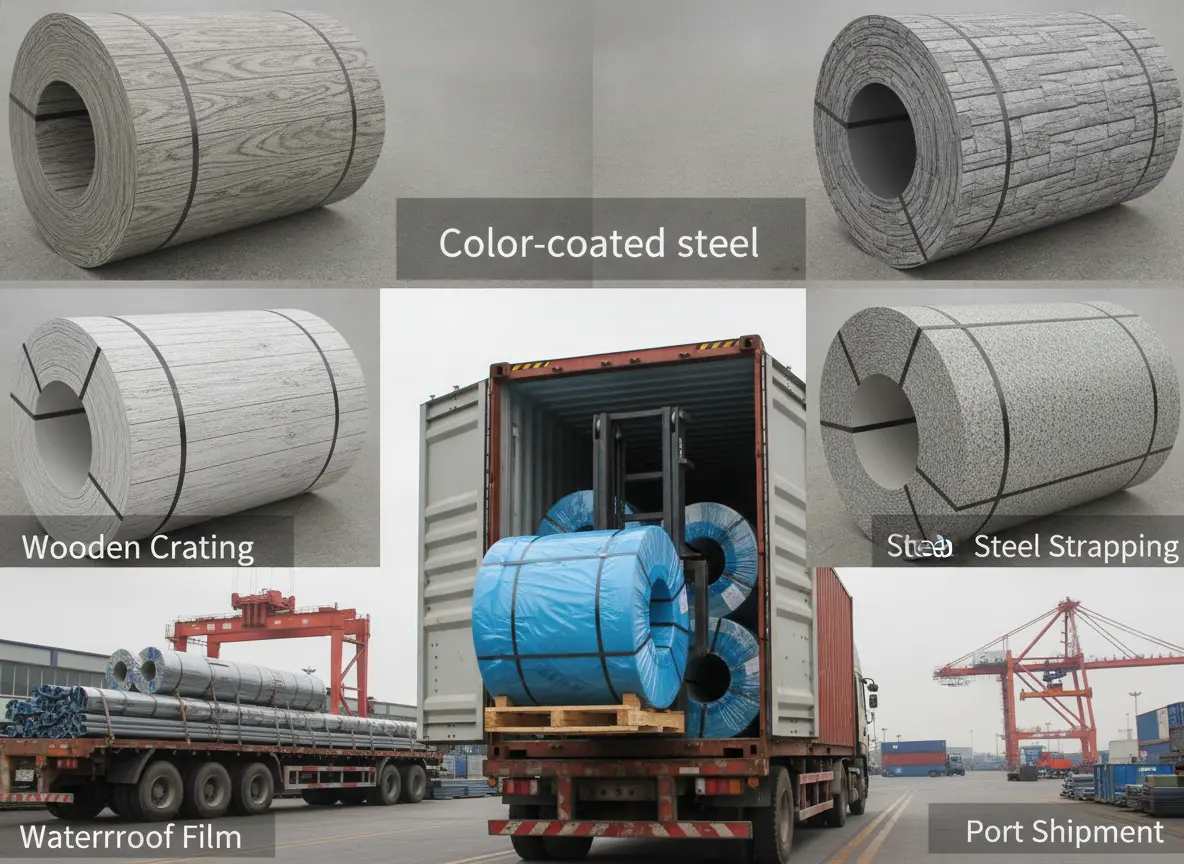
| Packaging | Export-grade seaworthy coil or sheet packaging | Moisture-resistant paper, protective film, edge guards, steel straps, and metal outer wrapping as required. |
| MOQ | Typically 3–25 metric tons per pattern and specification | Minimum order quantity varies with substrate grade, dimensions, coating system, and custom print design. |
Printed Color Coated Steel
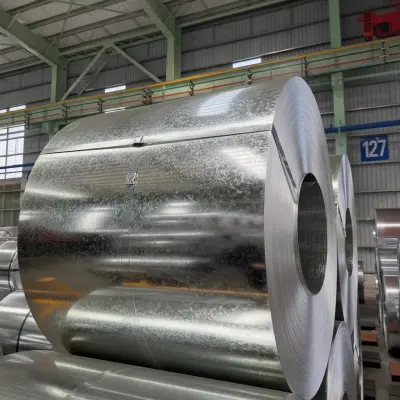
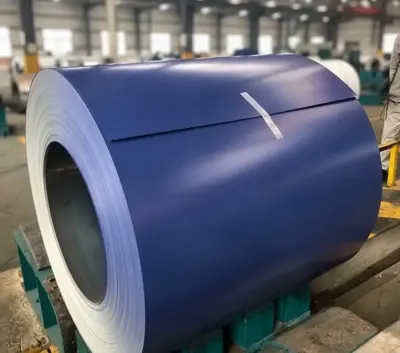
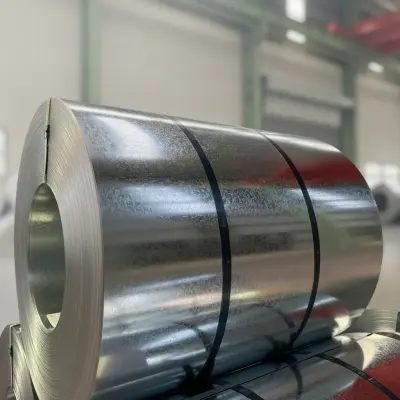
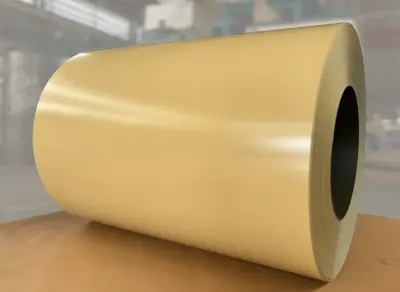
Printed Color Coated Steel combines a metallic steel substrate with a protective organic coating and a decorative printed surface, giving building products both structural practicality and a controlled architectural appearance. It is designed for overseas importers, roofing and cladding manufacturers, construction material distributors, prefabricated building suppliers, and project contractors that need repeatable patterns, corrosion resistance, and efficient fabrication. Depending on the substrate grade, coating system, surface finish, and printing method, printed color coated steel can reproduce wood grain, stone texture, brick effects, solid colors, or custom graphics. The material supports roll forming, profiling, cutting, and other downstream processes when the selected specification is matched to the application.
Product Overview
Printed color coated steel is typically produced by applying a metallic coating to a flat steel strip, adding a chemical pretreatment and primer, applying a base coat, and then printing a decorative pattern before the final protective finish is applied. The result is a coil or sheet product intended for conversion into roofing panels, wall cladding, ceiling systems, doors, partition panels, and other building components.
The steel substrate may be hot-dip galvanized or hot-dip aluminum-zinc coated, depending on the required corrosion environment, forming performance, and cost target. Common coating families include polyester, silicone-modified polyester, high-durability polyester, polyurethane, and fluoropolymer systems. The correct coating should be selected according to exposure, color-retention requirements, forming conditions, and the expected service environment rather than appearance alone.
Key product characteristics include:
- Decorative flexibility: wood, marble, stone, brick, textile, geometric, and customized visual effects may be available subject to production capability and artwork approval.
- Corrosion protection: the metallic coating, pretreatment, primer, and topcoat work as a multi-layer protection system.
- Efficient fabrication: coil-fed material can be slit, cut, roll formed, stamped, or profiled using suitable equipment and processing controls.
- Consistent appearance: controlled printing and color matching help maintain visual consistency across a project or production batch.
- Lower maintenance demand: a factory-applied coating can reduce the need for site painting, although cleaning and inspection remain necessary.
For related material selection, buyers may also compare [[INTERNAL_LINK]] and [[INTERNAL_LINK]] before finalizing the substrate and coating system.
Specifications & Standards for Printed Color Coated Steel
There is no single universal specification for every printed color coated steel order. The purchase specification normally combines the steel substrate standard, metallic coating designation, organic coating system, dimensions, surface appearance, and inspection requirements. The following standards are commonly relevant, but the applicable standard should be confirmed against the destination market and project documents.
| Item | Common reference | What it covers |
|---|---|---|
| Cold-reduced steel with metallic coating | ASTM A653/A653M | Hot-dip zinc-coated steel sheet and related coating designations. |
| Aluminum-zinc coated steel | ASTM A792/A792M | Steel sheet coated by the hot-dip process with an aluminum-zinc alloy. |
| Prepainted steel sheet and strip | ASTM A755/A755M | Requirements and guidance for metallic-coated steel sheet with a factory-applied organic coating. |
| Continuously hot-dip coated flat products | EN 10346 | European requirements for steel flat products with metallic coatings. |
| Organic coated steel flat products | EN 10169 | Performance principles and requirements for continuously organic-coated steel products. |
| Prepainted steel sheet and strip | JIS G3322 | Japanese requirements for prepainted hot-dip coated steel sheet and strip. |
| Color coated steel sheet and strip | GB/T 12754 | Chinese requirements for continuously color-coated steel sheet and strip. |
Typical order parameters include nominal thickness, coil or sheet width, coil weight, yield strength, tensile strength, elongation, metallic coating mass, paint film thickness, surface finish, color reference, pattern repeat, and dimensional tolerance. Exact values depend on the selected grade and applicable standard. A purchaser should request a technical datasheet rather than assume that one strength or coating class applies to all printed products.
| Specification field | Procurement consideration |
|---|---|
| Steel grade | Choose based on roll-forming, bending, stamping, or structural requirements. |
| Metallic coating | Confirm zinc or aluminum-zinc type, coating designation, and required corrosion performance. |
| Organic coating | Specify resin family, nominal film thickness, gloss, color, and expected exposure. |
| Printed pattern | Approve artwork, color reference, grain direction, pattern repeat, and acceptable variation. |
| Dimensions and tolerance | Match thickness and width to the profiling line, panel design, and installation method. |
| Inspection documents | Define certificates, test reports, coating inspection, packaging records, and traceability needs. |
For a complete comparison, review [[INTERNAL_LINK]], [[INTERNAL_LINK]], and [[INTERNAL_LINK]] to understand how substrate and coating choices affect fabrication and service conditions.
Applications of Printed Color Coated Steel
Printed color coated steel is used where a metal panel must provide a controlled decorative finish as well as practical weather protection. Typical applications include:
- Architectural roofing and wall cladding: Printed wood, stone, or solid-color finishes can support residential, commercial, agricultural, and light industrial building designs.
- Prefabricated and modular buildings: Factory-produced panels benefit from coil-based processing, repeatable dimensions, and reduced on-site finishing work.
- Interior ceiling and partition systems: Coated steel can be formed into ceiling panels, wall partitions, and decorative interior components where cleanability and appearance matter.
- Doors, gates, and enclosure panels: Printed surfaces can provide a coordinated appearance for garage doors, service doors, fencing elements, and equipment enclosures.
- Commercial and retail projects: Custom patterns or branded colors may be specified for façade accents, canopies, and architectural feature panels.
Before use in aggressive industrial, marine, or high-humidity environments, the buyer should verify the coating system, edge protection, installation details, and applicable corrosion classification. A decorative pattern does not by itself determine long-term durability.
How to Choose / Buying Guide for Printed Color Coated Steel
1. Start with the finished component
Define whether the material will become a roof panel, wall panel, sandwich panel, ceiling tile, door skin, or another product. The forming radius, profile depth, back-coating requirement, and handling process may differ significantly between applications.
2. Select the substrate and metallic coating
Galvanized steel and aluminum-zinc coated steel are not interchangeable in every application. Consider the exposure environment, expected forming operation, cut-edge treatment, panel design, and project specification. Ask the supplier to state the coating designation and testing basis clearly.
3. Specify the paint and print system
Provide the desired color reference, gloss level, pattern, pattern direction, repeat size, and resin requirement. If the project requires color matching, approve a physical sample or signed color standard before mass production. Also confirm whether the same appearance is required on the reverse side.
4. Confirm certificates and quality controls
For international procurement, request the applicable mill certificate, coating or paint test report, dimensional inspection report, and packing list. Depending on the project, buyers may also require third-party inspection, traceability by coil number, or documentation aligned with ASTM, EN, JIS, or GB/T requirements.
5. Plan MOQ, lead time, and logistics
Minimum order quantity and production lead time depend on the substrate, width, color, pattern, coating system, and whether a new artwork or production setup is needed. These commercial details must be confirmed in the quotation. Discuss coil weight, container loading, moisture protection, edge protection, and unloading equipment before placing the order. For export planning, compare [[INTERNAL_LINK]] and [[INTERNAL_LINK]] with the supplier’s proposed packing method.
6. Protect the material after delivery
Printed coated steel should be stored in a dry, ventilated location and protected from water entrapment, condensation, impact, and contamination. Follow the supplier’s recommendations for storage duration, film removal, cutting, and installation. Poor storage can damage a suitable coating system before fabrication begins.
Frequently Asked Questions
Q: What is the difference between printed color coated steel and ordinary painted steel?
A: Ordinary color coated steel normally has a uniform solid-color finish, while printed color coated steel adds a decorative image or pattern over a base-coated surface. Both depend on the substrate, metallic coating, resin system, and production controls for performance.
Q: Can printed color coated steel be used for roofing and exterior walls?
A: Yes, it is commonly processed into roofing and wall-cladding panels. The selected steel grade, metallic coating, paint system, profile design, fasteners, and installation details must be suitable for the project’s exposure conditions.
Q: Which standards can be used for international purchasing?
A: Possible references include ASTM A755/A755M for organic-coated metallic-coated steel, ASTM A653/A653M for galvanized steel, ASTM A792/A792M for aluminum-zinc coated steel, EN 10169 and EN 10346, JIS G3322, and GB/T 12754. The correct standard depends on the substrate and destination-market requirements.
Q: Can the supplier match a custom wood, marble, or stone pattern?
A: Custom patterns may be possible, subject to printing equipment, artwork quality, pattern repeat, color references, and minimum production requirements. Buyers should approve samples and confirm acceptable color and pattern variation before ordering.
Q: What is the minimum order quantity for printed color coated steel?
A: MOQ is not universal. It may vary with thickness, width, substrate, coating, color, pattern, and production setup. Request a project-specific quotation that states MOQ, available trial quantity, and whether mixed specifications can be combined.
Q: What payment terms and documents are available?
A: Payment terms depend on the supplier, order value, and commercial agreement. Common arrangements may include an advance payment with the balance against shipping documents, but the exact terms should be agreed in the sales contract. Confirm the invoice, packing list, certificate, inspection report, and shipping documents required for customs clearance.
Q: How long is the delivery lead time?
A: Lead time depends on raw material availability, pattern approval, production capacity, order quantity, and export arrangements. A reliable quotation should separate manufacturing time from transit time and identify when the schedule begins.
Send your required substrate, dimensions, coating system, pattern, annual volume, destination, and applicable standard to request a tailored quotation for printed color coated steel. Ask for a datasheet, sample approval plan, inspection documents, packaging proposal, MOQ, and estimated production schedule before placing your order.
Ratings & Reviews

Know your supplier
Supplier's customization ability
- Drawing-based customization
- Sample-based customization
- Full customization
Minimum order quantity: 1 ton
Shipping total: To be negotiated
- Lead time:
- confirmed with the quotation
- Packaging:
- standard export packing
- Samples:
- available on request