 English
  Español
  Français
  Deutsch
  Português (Brasil)
  Русский
  العربية
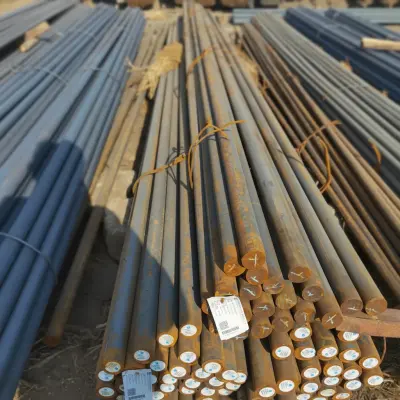
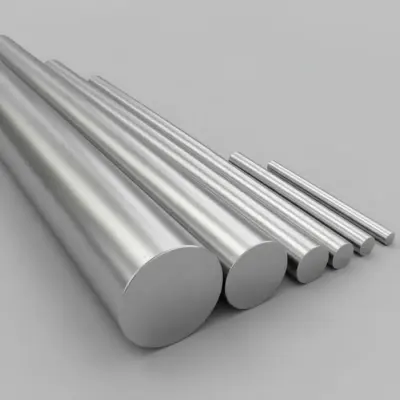
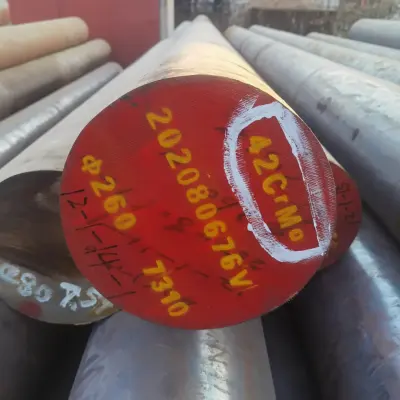
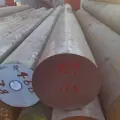
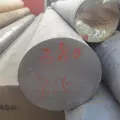
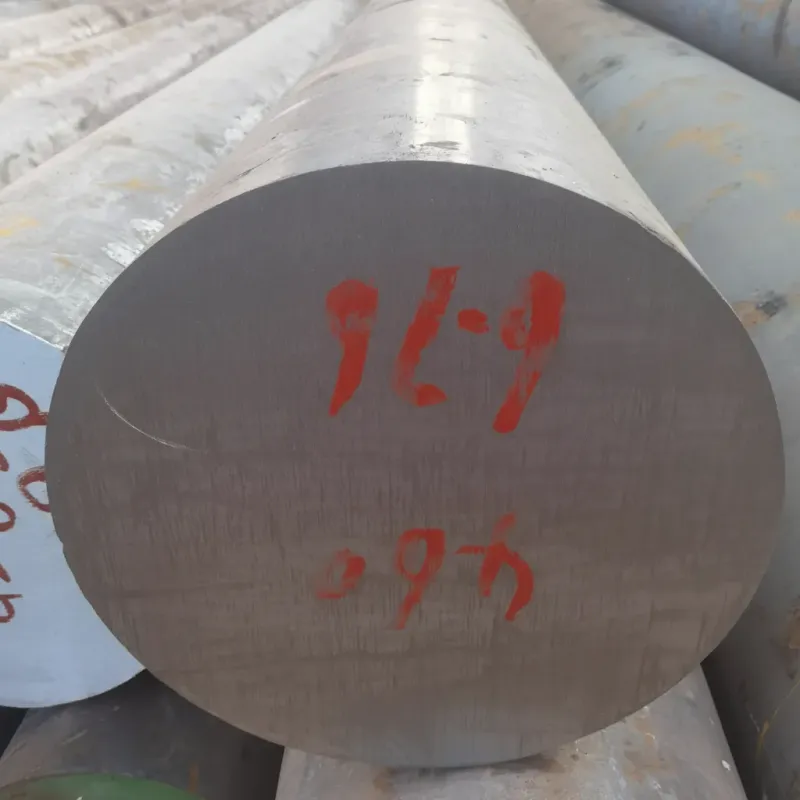
Cr12MoV Tool Steel Bar - High Carbon Chromium Molybdenum Vanadium Alloy

 China
China


Supplier's customization ability
- Drawing-based customization
- Sample-based customization
- Full customization
Minimum order quantity: 1 ton
Shipping total: To be negotiated
- Lead time:
- confirmed with the quotation
- Packaging:
- standard export packing
- Samples:
- available on request
Product details
Technical Specifications of Cr12MoV Tool Steel Bar
| Property | Parameter | Description |
|---|---|---|
| Product Name | Cr12MoV Tool Steel Bar | Cold work die steel with high hardenability and wear resistance |
| Material Grade | Cr12MoV / AISI D2 / EN 1.2379 / JIS SKD11 | International grade equivalents |
| Standard Compliance | GB/T 1299, ASTM A681, JIS G4404 | Meets major international tool steel standards |
| Carbon (C) | 1.45-1.70% | High carbon content for hardness and wear resistance |
| Chromium (Cr) | 11.0-13.0% | Provides hardenability and corrosion resistance |
| Molybdenum (Mo) | 0.40-0.60% | Enhances toughness and temper resistance |
| Vanadium (V) | 0.15-0.30% | Refines grain structure and improves wear resistance |
| Silicon (Si) | ≤0.40% | Deoxidizer and strengthener |
| Manganese (Mn) | ≤0.60% | Improves hardenability |
| Hardness (Annealed) | ≤255 HBW | Brinell hardness in annealed condition |
| Hardness (Quenched) | 58-62 HRC | Rockwell hardness after heat treatment |
| Tensile Strength | ≥1800 MPa | Minimum tensile strength after quenching |
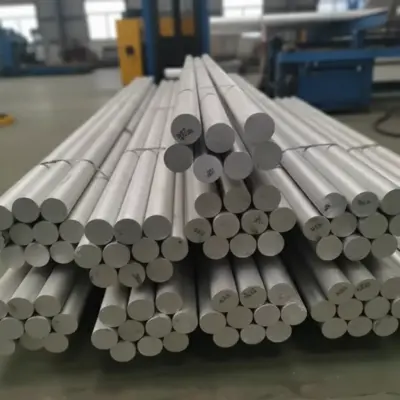
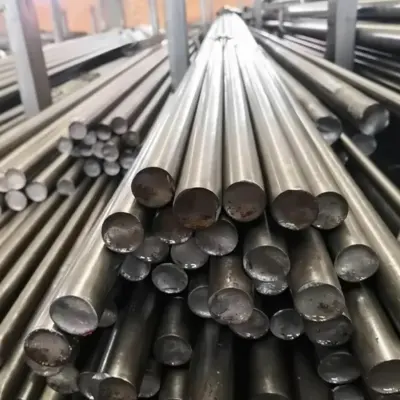
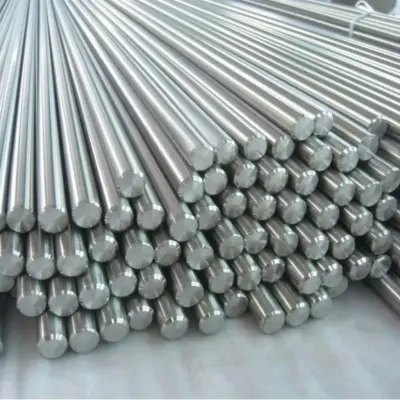
| Diameter Range | 6 - 300 mm | Available round bar diameter options |
| Length | 3000 - 6000 mm or custom | Standard and custom lengths available |
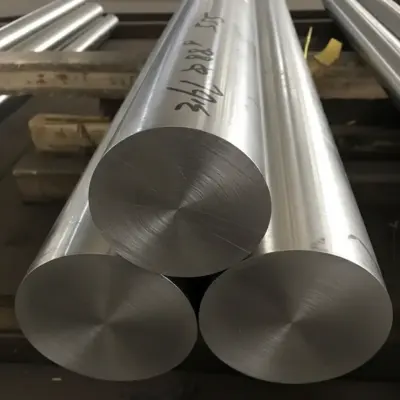
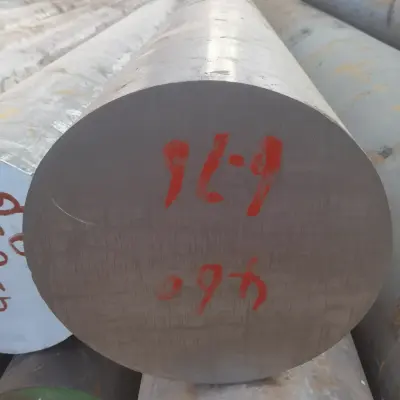
| Surface Finish | Black, Peeled, Ground, Polished | Multiple surface treatment options |
| Application | Cold stamping dies, cutting tools, punches, shearing blades | Typical application industries |
| Heat Treatment | Quenching 1000-1040°C, Tempering 150-200°C | Recommended heat treatment process |
| Certification | EN 10204 3.1, ISO 9001, Material Test Certificate | Quality certifications provided |
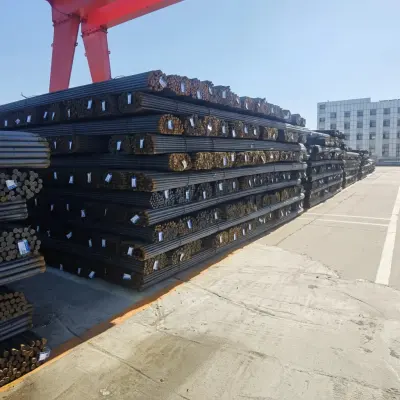
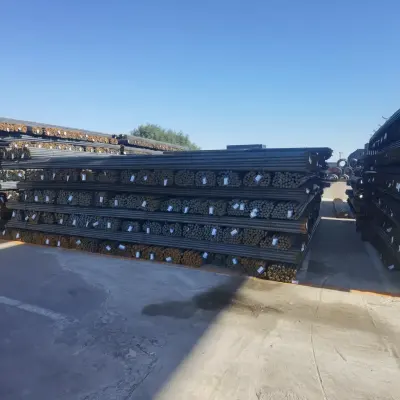
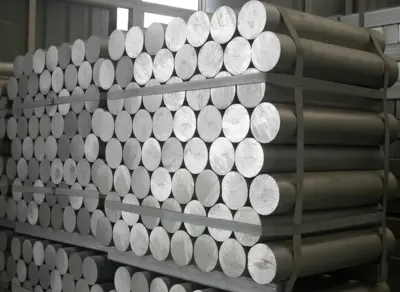
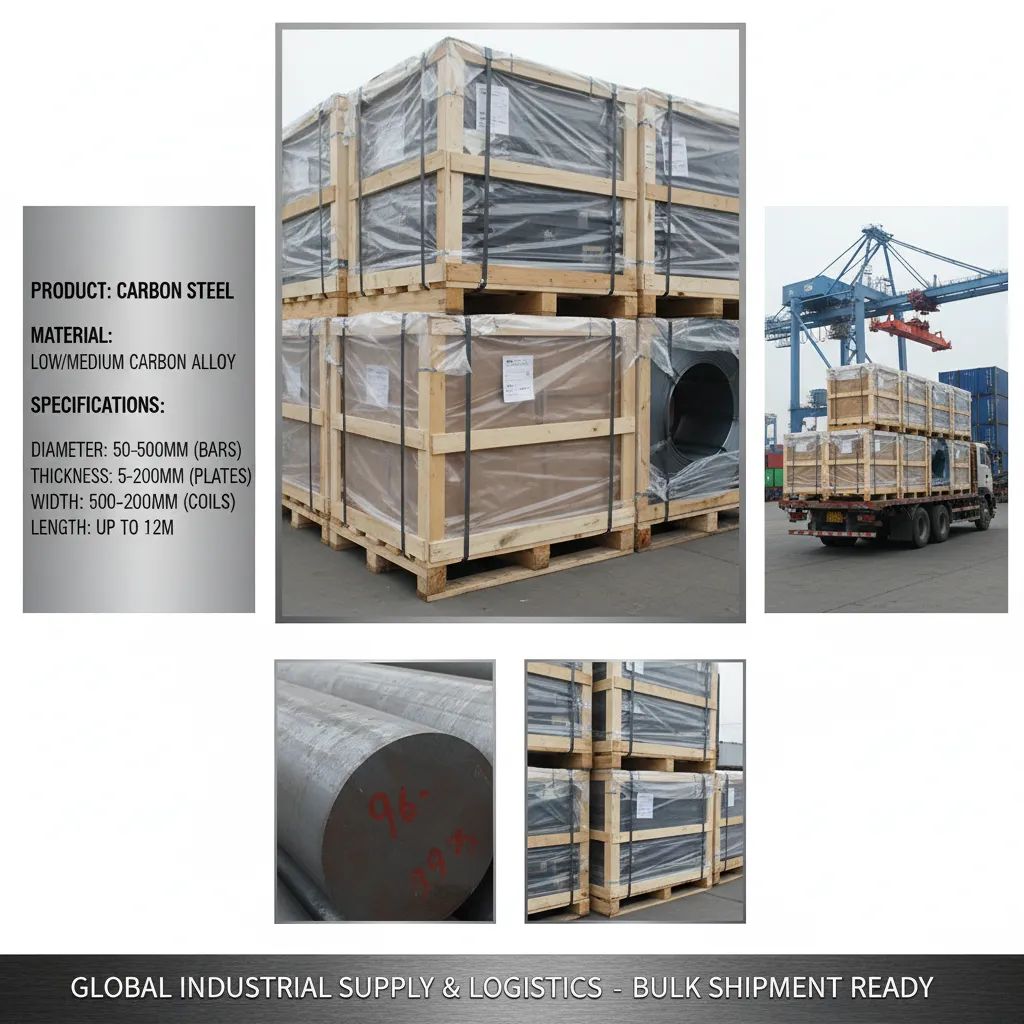
| Packaging | Bundled with steel strips, wooden case for export | Standard export packaging |
| MOQ | 500 kg | Minimum order quantity |
Cr12MoV Tool Steel Bar - High Carbon Chromium Molybdenum Vanadium Alloy
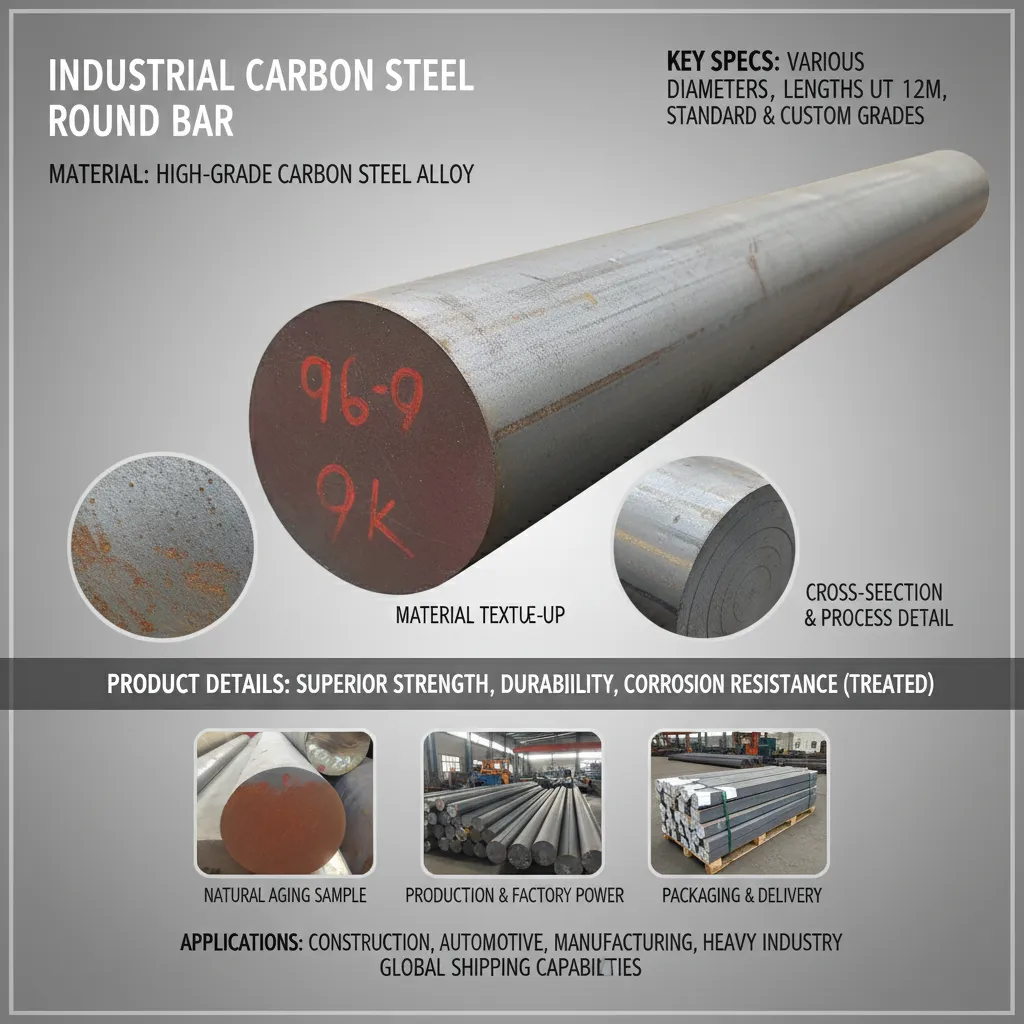
Cr12MoV tool steel bar represents a premium-grade cold work die steel that finds extensive application in precision tooling and mold manufacturing industries. This high-carbon, high-chromium alloy, enhanced with molybdenum and vanadium, delivers exceptional wear resistance and dimensional stability under demanding operational conditions. Engineered for manufacturers requiring superior hardenability and edge retention, Cr12MoV serves critical roles in stamping dies, cutting tools, and precision molds where extended service life directly impacts production economics.
What is Cr12MoV Tool Steel Bar?
Cr12MoV tool steel bar is a cold work die steel characterized by its carbon content of 1.45-1.70%, chromium content of 11.00-13.00%, molybdenum addition of 0.40-0.60%, and vanadium reinforcement of 0.15-0.30%. This alloy composition provides outstanding resistance to abrasive wear while maintaining adequate toughness for complex die geometries, manufactured according to GB/T 1299 standards with equivalent designations including AISI D2 and JIS SKD11.
Cr12MoV Tool Steel Bar Technical Specifications
The material exhibits a density of 7.70 g/cm³ at 20°C, with hardness capabilities reaching 58-62 HRC after proper heat treatment at austenitizing temperatures of 1020-1050°C. Tempering protocols typically employ dual cycles at 500-550°C to achieve optimal balance between hardness retention and dimensional stability, with thermal expansion coefficient of 11.5 × 10⁻⁶/°C measured between 20-300°C per ASTM E228 methodology.
Key Performance Characteristics
Superior Wear Resistance Properties
The high chromium carbide content delivers exceptional resistance to abrasive wear, extending die life by 200-300% compared to conventional carbon tool steels in blanking and forming operations. Molybdenum additions enhance secondary hardening response, while vanadium contributes fine MC-type carbides that resist particle detachment under sliding contact conditions.
Dimensional Stability During Heat Treatment
Cr12MoV demonstrates minimal distortion characteristics with linear dimensional changes limited to 0.03-0.05% during complete hardening cycles. This stability stems from balanced carbide distribution and controlled austenite grain size, making it the preferred choice for precision molds requiring tolerances within ±0.01mm after thermal processing.
Machinability and Grinding Characteristics
In annealed condition (hardness ≤255 HBW), the material exhibits satisfactory machinability with recommended cutting speeds of 15-25 m/min using carbide tooling. Post-hardening grinding operations achieve surface finishes of Ra 0.2-0.4 μm using aluminum oxide wheels, though electrical discharge machining is commonly employed for complex cavity geometries.
Industrial Applications
Cold Stamping and Blanking Dies
Extensively employed for manufacturing progressive dies, compound dies, and transfer dies processing materials up to 3mm thickness. The combination of wear resistance and compressive strength of 2800-3200 MPa supports production runs exceeding 500,000 strokes in automotive component manufacturing.
Precision Cutting Tools
Utilized in production of shear blades, slitting knives, and circular cutters where edge retention directly impacts cutting quality. Vanadium carbides maintain cutting edge geometry during extended service, reducing resharpening frequency by 40-60% versus conventional high-speed steels.
Plastic Injection Molds
Selected for mold cavities processing glass-fiber reinforced thermoplastics and abrasive-filled compounds. The material withstands injection pressures up to 180 MPa while maintaining cavity dimensions within ±0.02mm over production cycles exceeding 1 million shots.
Heat Treatment Processing Guidelines
Annealing Protocol
Stress relief annealing conducted at 840-860°C with furnace cooling at rates not exceeding 20°C/hour achieves uniform hardness of 207-241 HBW. This condition optimizes machinability while providing adequate toughness for rough machining operations prior to final heat treatment.
Hardening and Tempering Procedures
Austenitizing performed at 1020-1050°C with holding times of 15-25 minutes per 25mm section thickness, followed by oil quenching to achieve martensitic transformation. Double tempering cycles at 500-550°C for 2 hours each stabilize retained austenite content below 5%, ensuring dimensional predictability during service.
Quality Assurance and Testing
Material verification includes optical emission spectroscopy per ASTM E415 for chemical composition confirmation, ultrasonic testing according to ASTM A388 for internal soundness verification, and microstructure evaluation per ASTM E407 to assess carbide distribution uniformity. Mechanical property validation encompasses Rockwell hardness testing per ASTM E18 and impact toughness evaluation using unnotched Charpy specimens at room temperature.
Frequently Asked Questions
What is the minimum order quantity (MOQ)?
Standard minimum order quantity is established at 500 kg per specification to ensure economical processing through controlled heat treatment batches. Custom sizes and specific mechanical property requirements may require adjusted minimums of 1000 kg to accommodate specialized manufacturing protocols and quality verification procedures.
Do you provide material test certificates?
Comprehensive mill test certificates are supplied with each shipment, documenting chemical composition analysis per heat number, mechanical property verification including hardness and grain size measurements, and dimensional inspection reports. Third-party certification through accredited laboratories is available upon request for critical applications requiring independent verification per ASTM A1058 standards.
What is the typical delivery time?
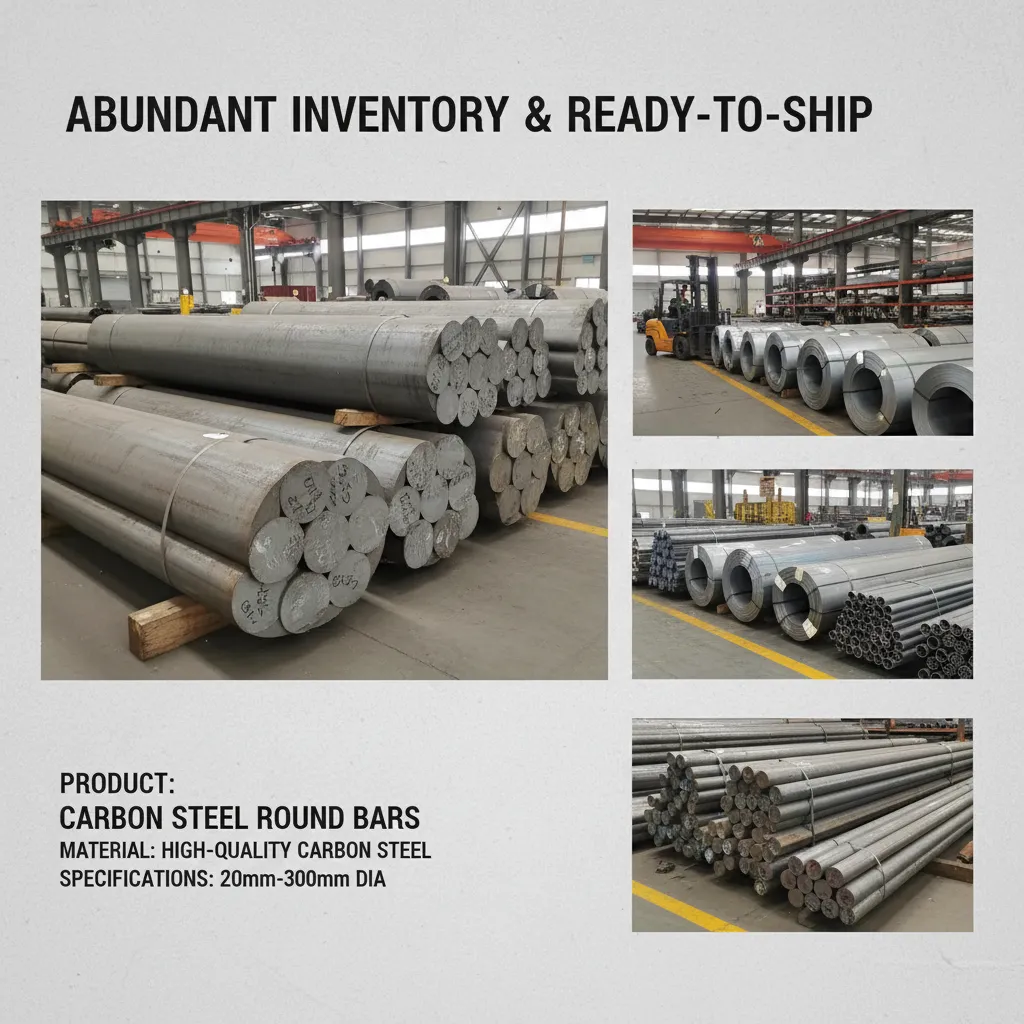
Standard round bar inventory in diameters from 16mm to 300mm ships within 15-20 business days from order confirmation. Custom sizes requiring specific heat treatment conditions or non-standard dimensional tolerances typically require 35-45 days to accommodate manufacturing scheduling and quality assurance protocols.
Can you cut to custom sizes?
Precision cutting services are available with tolerances of ±0.5mm for lengths up to 6000mm, utilizing abrasive cut-off methods that minimize heat-affected zones. Surface decarburization is controlled below 0.1mm depth through optimized cutting parameters, with additional centerless grinding services offered to achieve diameter tolerances of ±0.02mm for critical applications.
Get a Competitive Quote for Cr12MoV Tool Steel Bar
Contact our technical sales team for mill-direct pricing on Cr12MoV tool steel bar tailored to your specific application requirements. We provide comprehensive material selection support, heat treatment recommendations, and supply chain solutions backed by ISO 9001:2015 certified quality management systems. Request your detailed quotation today to discover how our expertise in cold work tool steels can optimize your manufacturing operations.
Ratings & Reviews

Know your supplier
Supplier's customization ability
- Drawing-based customization
- Sample-based customization
- Full customization
Minimum order quantity: 1 ton
Shipping total: To be negotiated
- Lead time:
- confirmed with the quotation
- Packaging:
- standard export packing
- Samples:
- available on request