 English
  Español
  Français
  Deutsch
  Português (Brasil)
  Русский
  العربية
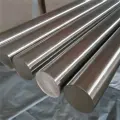
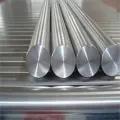
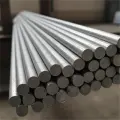
GCr15 Bearing Steel Bar - High-Carbon Chrome Alloy Round Bar for Precision Bearings

 China
China
Supplier's customization ability
- Drawing-based customization
- Sample-based customization
- Full customization
Minimum order quantity: 1 ton
Shipping total: To be negotiated
- Lead time:
- confirmed with the quotation
- Packaging:
- standard export packing
- Samples:
- available on request
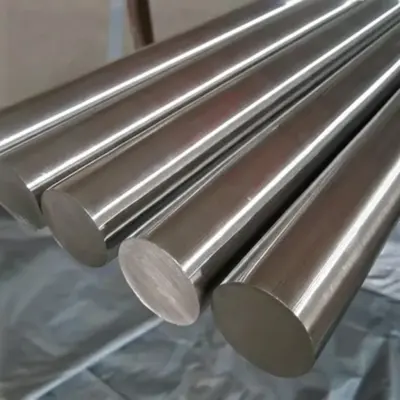
Product details
Technical Specifications of GCr15 Bearing Steel Bar
| Property | Parameter | Description |
|---|---|---|
| Product Name | GCr15 Bearing Steel Bar | High-carbon chromium bearing steel for precision applications |
| Material Grade | GCr15 / SAE 52100 / EN 100Cr6 / JIS SUJ2 | International grade equivalents |
| Standard Compliance | GB/T 18254, ASTM A295, EN 10084, JIS G4805 | Meets major international bearing steel standards |
| Carbon (C) | 0.95-1.05% | High carbon content for hardness and wear resistance |
| Chromium (Cr) | 1.40-1.65% | Enhances hardenability and wear resistance |
| Manganese (Mn) | 0.25-0.45% | Improves strength and hardenability |
| Silicon (Si) | 0.15-0.35% | Deoxidizer and strengthener |
| Phosphorus (P) | ≤0.025% | Controlled for improved toughness |
| Sulfur (S) | ≤0.020% | Low sulfur for better fatigue resistance |
| Tensile Strength | ≥600 MPa (annealed) | Minimum tensile strength in annealed condition |
| Hardness (Annealed) | ≤241 HBW | Brinell hardness in annealed state |
| Hardness (Quenched & Tempered) | 60-65 HRC | Rockwell hardness after heat treatment |
| Diameter Range | 10mm - 200mm | Available round bar diameter options |
| Length | 3m - 12m or custom | Standard and custom lengths available |
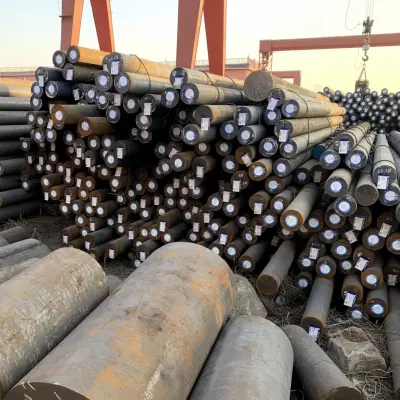
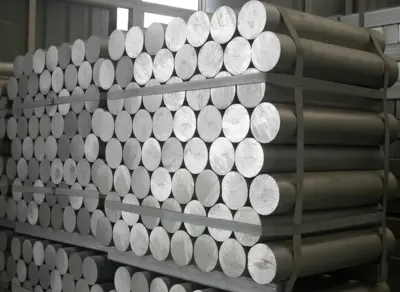
| Surface Finish | Black, Peeled, Polished, Ground | Multiple surface treatment options |
| Application | Ball bearings, roller bearings, precision machinery parts | Typical application industries |
| Heat Treatment | Annealed, Quenched & Tempered | Available delivery conditions |
| Certification | ISO 9001, EN 10204 3.1, Material Test Report | Quality certifications provided |
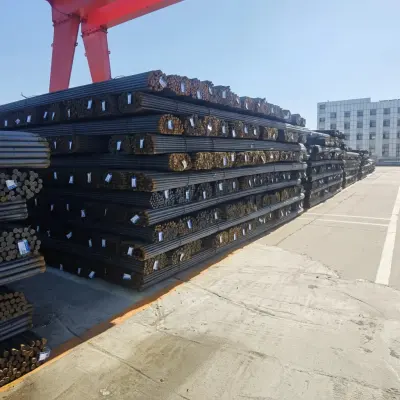
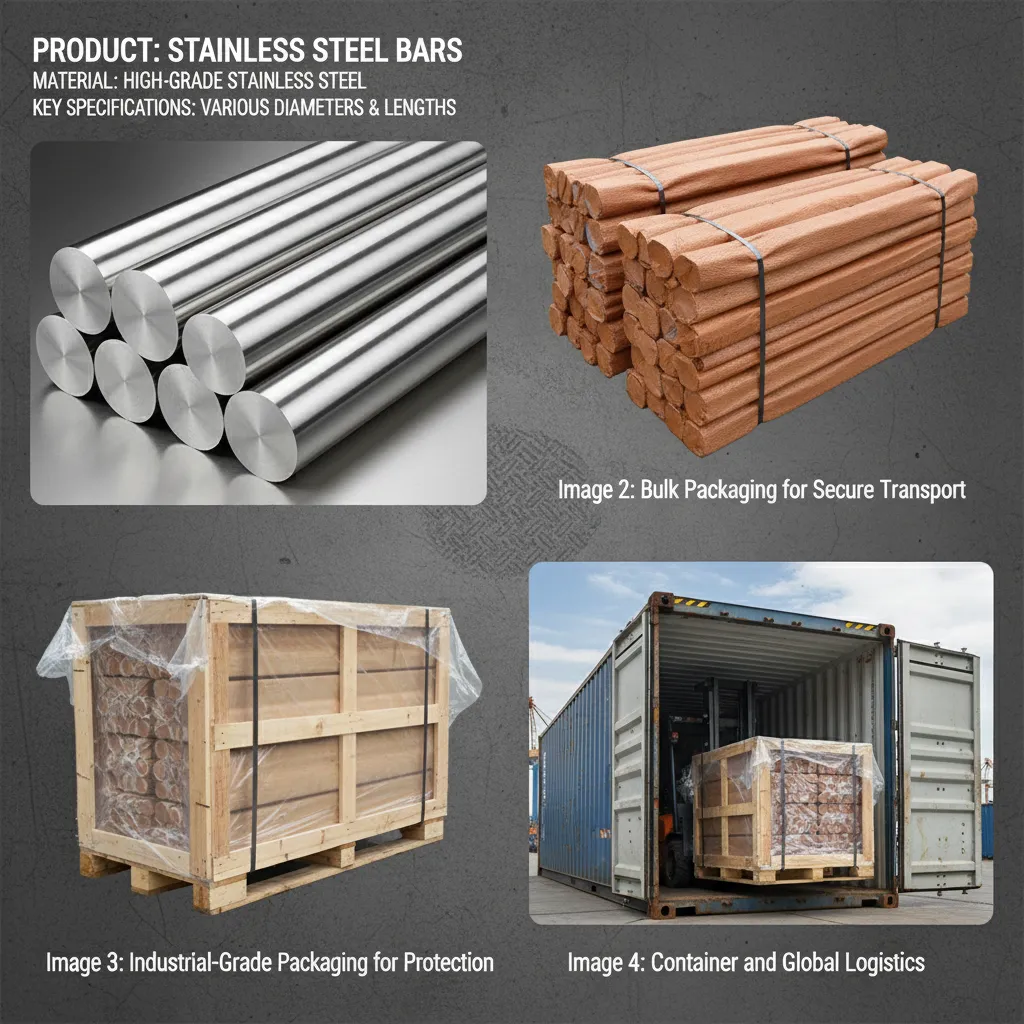
| Packaging | Bundled with steel straps, waterproof wrapping | Standard export packaging |
| MOQ | 5 tons | Minimum order quantity |
GCr15 Bearing Steel Bar - High-Carbon Chrome Alloy Round Bar for Precision Bearings
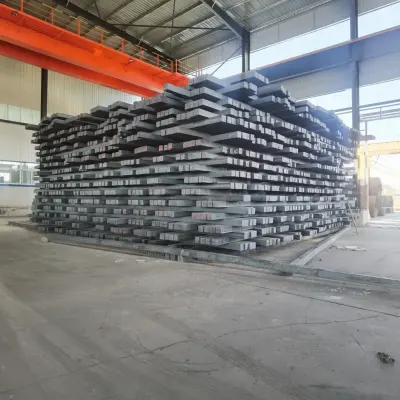
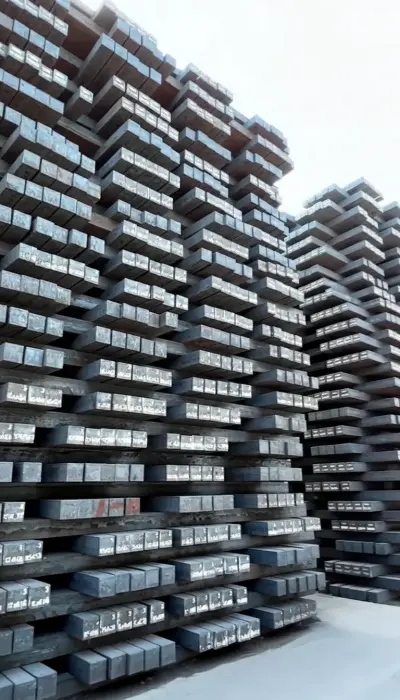
GCr15 bearing steel bar represents a specialized high-carbon chromium alloy engineered specifically for manufacturing precision rolling bearings and critical rotating components. This premium-grade steel delivers exceptional hardness of 60-65 HRC after heat treatment, superior wear resistance, and dimensional stability under cyclic loading conditions. Widely employed across automotive, aerospace, industrial machinery, and power transmission sectors, GCr15 serves as the preferred material choice for manufacturers requiring reliable bearing performance in demanding operational environments.
What is GCr15 Bearing Steel Bar?
GCr15 bearing steel bar is a through-hardening chromium alloy steel containing approximately 0.95-1.05% carbon and 1.40-1.65% chromium, conforming to GB/T 18254 Chinese national standard (equivalent to AISI 52100, DIN 100Cr6, and JIS SUJ2). The controlled chemical composition enables formation of fine carbide structures during spheroidizing annealing, which subsequently transform into uniform martensitic microstructures during quenching and tempering processes, achieving exceptional surface hardness while maintaining adequate core toughness for bearing applications.
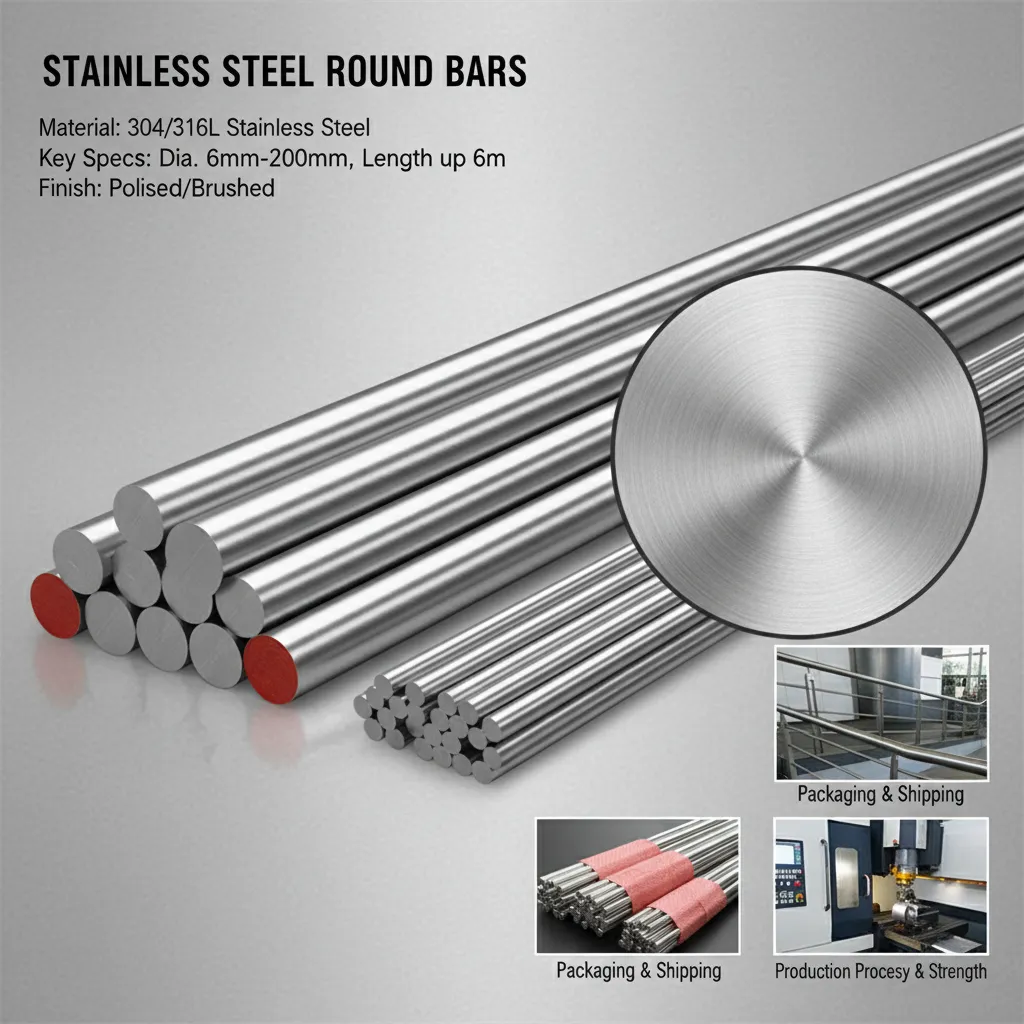
GCr15 Bearing Steel Bar Technical Specifications
Chemical composition strictly adheres to GB/T 18254-2016 requirements: Carbon 0.95-1.05%, Chromium 1.40-1.65%, Manganese 0.25-0.45%, Silicon 0.15-0.35%, Phosphorus ≤0.025%, Sulfur ≤0.020%, and Copper ≤0.25%. Mechanical properties after proper heat treatment include tensile strength of 600-750 MPa minimum, yield strength exceeding 355 MPa, and elongation of 10% minimum per ASTM A295-14 Section 7.3. Density measures 7.81 g/cm³ at ambient temperature, with thermal conductivity of 46.6 W/(m·K) at 20°C.
Manufacturing Process and Quality Control
Production involves electric arc furnace melting followed by ladle refining and vacuum degassing to minimize non-metallic inclusions below Grade 1.0 per ASTM E45 Method A. Continuous casting billets undergo multi-pass hot rolling at controlled temperatures between 1050-1150°C, followed by controlled cooling and spheroidizing annealing at 780-820°C for 15-20 hours. Surface decarburization depth is strictly limited to 0.3mm maximum per GB/T 224-2008, verified through metallographic examination on every production lot.
Heat Treatment Characteristics
GCr15 bearing steel bar demonstrates excellent hardenability with critical diameter exceeding 80mm in oil quenching conditions. Recommended heat treatment cycle includes preheating at 600-650°C, austenitizing at 830-860°C with 20-30 minutes soaking time, oil quenching to achieve martensitic transformation, followed by tempering at 150-180°C for 2-3 hours to attain working hardness of 60-65 HRC. Retained austenite content after proper heat treatment remains below 8% per SAE J1268 requirements, ensuring dimensional stability during service.
Applications in Bearing Manufacturing
This high-carbon chrome alloy finds extensive application in producing inner rings, outer rings, and rolling elements for ball bearings, cylindrical roller bearings, tapered roller bearings, and spherical roller bearings across size ranges from miniature precision bearings (bore diameter 1mm) to large industrial bearings (outer diameter 2000mm). The material serves critical roles in automotive wheel hubs, transmission systems, electric motor shafts, railway axle boxes, wind turbine main bearings, and machine tool spindles where contact fatigue life exceeding 10⁷ stress cycles is mandatory.
Surface Finishing Options
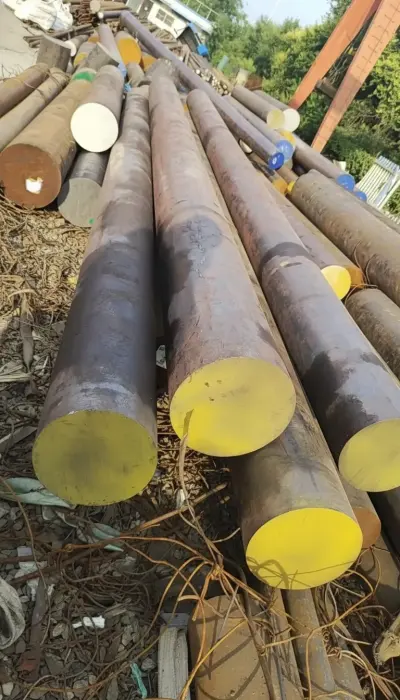
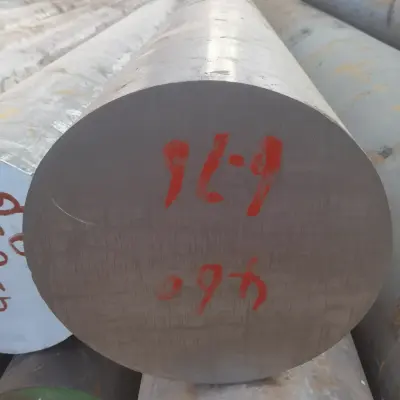
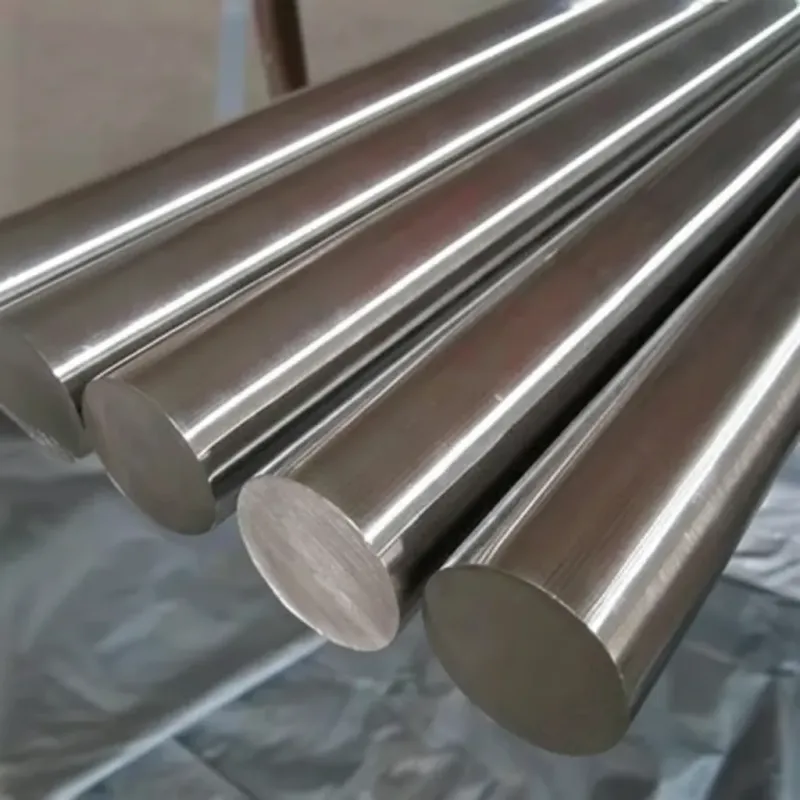
GCr15 bearing steel bars are commonly supplied in black surface (hot-rolled), peeled surface (mechanically descaled), or precision ground surface conditions depending on subsequent manufacturing requirements. Peeled bars offer diameter tolerance of h9-h11 with surface roughness Ra 3.2-6.3μm, suitable for direct machining applications. Precision ground bars achieve h6-h8 tolerance and Ra 0.4-1.6μm surface finish, eliminating preliminary turning operations in high-volume bearing production environments.
Comparison with Alternative Bearing Steels
Compared to case-hardening steels like 20CrMo or 8620H, GCr15 provides superior contact fatigue resistance and eliminates carburizing processes, reducing manufacturing cycle time by 40-60%. Against through-hardening alternatives such as 9Cr18 or 440C stainless bearing steels, GCr15 delivers 15-25% higher toughness at equivalent hardness levels, improving resistance to shock loading and edge stress concentrations. For applications requiring corrosion resistance, stainless bearing grades like AISI 440C present viable alternatives despite 20-30% higher material costs.
Quality Certifications and Testing
Reputable suppliers provide material test certificates per EN 10204 Type 3.1 documenting chemical analysis via optical emission spectrometry, tensile testing per ASTM A370, hardness verification using Rockwell C scale, and ultrasonic inspection per ASTM A388 Practice E to detect internal discontinuities exceeding 1.5mm equivalent flat-bottom hole size. Metallographic examination confirms grain size of ASTM 8-10, carbide distribution rating, and decarburization depth compliance with specification limits.
Frequently Asked Questions
What is the minimum order quantity for GCr15 bearing steel bars?
Minimum order quantities typically range from 5-10 metric tons for standard diameter sizes (20-100mm), while special dimensions or precision ground bars may require 10-20 ton minimums due to dedicated production setup requirements. Some stockists offer smaller quantities of 1-2 tons from inventory for commonly used sizes, though premium pricing of 8-12% above mill-direct rates generally applies.
Do you provide material test certificates with chemical and mechanical analysis?
Yes, comprehensive material test certificates conforming to EN 10204 Type 3.1 are provided with every shipment, documenting heat number traceability, chemical composition analysis by certified laboratories, tensile strength and yield strength values, hardness measurements, and ultrasonic inspection results. Certificates include test specimen identification, testing equipment calibration dates, and authorized quality inspector signatures per ISO/IEC 17025 accreditation requirements.
What is the typical delivery time for standard size bearing steel bars?
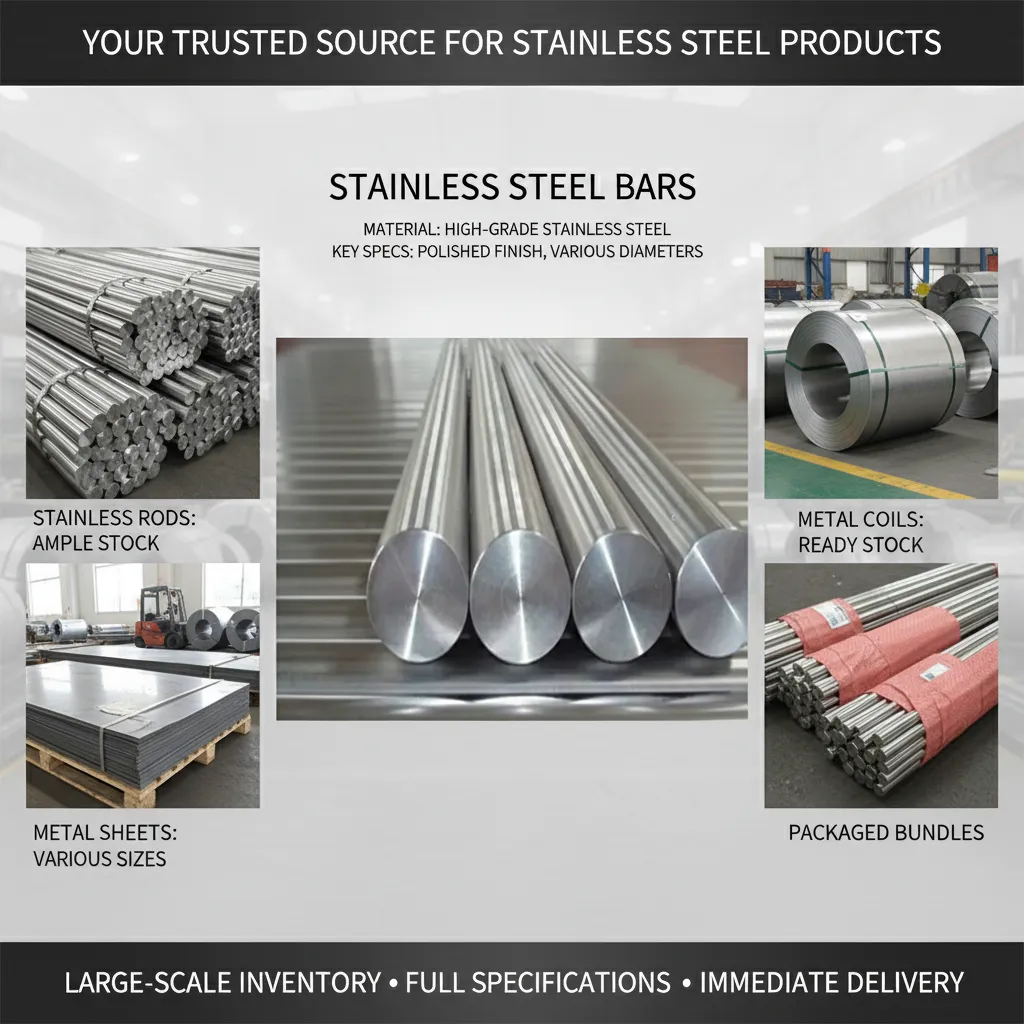
Delivery schedules vary based on order specifications: standard hot-rolled sizes (diameter 20-100mm) from existing mill inventory ship within 15-25 days after order confirmation, while peeled or precision ground bars require 30-45 days including processing time. Custom diameter sizes or special length requirements may extend lead times to 45-60 days depending on production queue and heat treatment capacity availability at manufacturing facilities.
Can you cut GCr15 bearing steel bars to custom lengths?
Custom cutting services are available with saw-cut tolerances of ±5mm for lengths up to 6000mm, utilizing carbide-tipped band saws or abrasive cut-off machines to minimize material waste and end-face deformation. Precision cutting to ±1mm tolerance using CNC sawing equipment can be arranged for high-volume orders exceeding 20 tons, with additional processing fees of $0.15-0.25 per cut depending on bar diameter and cutting complexity.
Get a Competitive Quote for GCr15 Bearing Steel Bar
Request factory-direct pricing for GCr15 bearing steel bars tailored to your specific diameter, length, surface finish, and volume requirements. Our technical sales team provides comprehensive material selection guidance, heat treatment recommendations, and logistics solutions for both domestic and international shipments. Contact us with your detailed specifications to receive a formal quotation within 24 hours, including material certifications, delivery schedules, and payment terms suitable for your procurement process.
Ratings & Reviews

Know your supplier
Supplier's customization ability
- Drawing-based customization
- Sample-based customization
- Full customization
Minimum order quantity: 1 ton
Shipping total: To be negotiated
- Lead time:
- confirmed with the quotation
- Packaging:
- standard export packing
- Samples:
- available on request