 English
  Español
  Français
  Deutsch
  Português (Brasil)
  Русский
  العربية
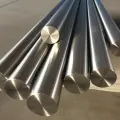
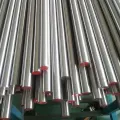
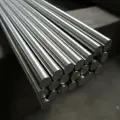
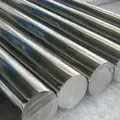
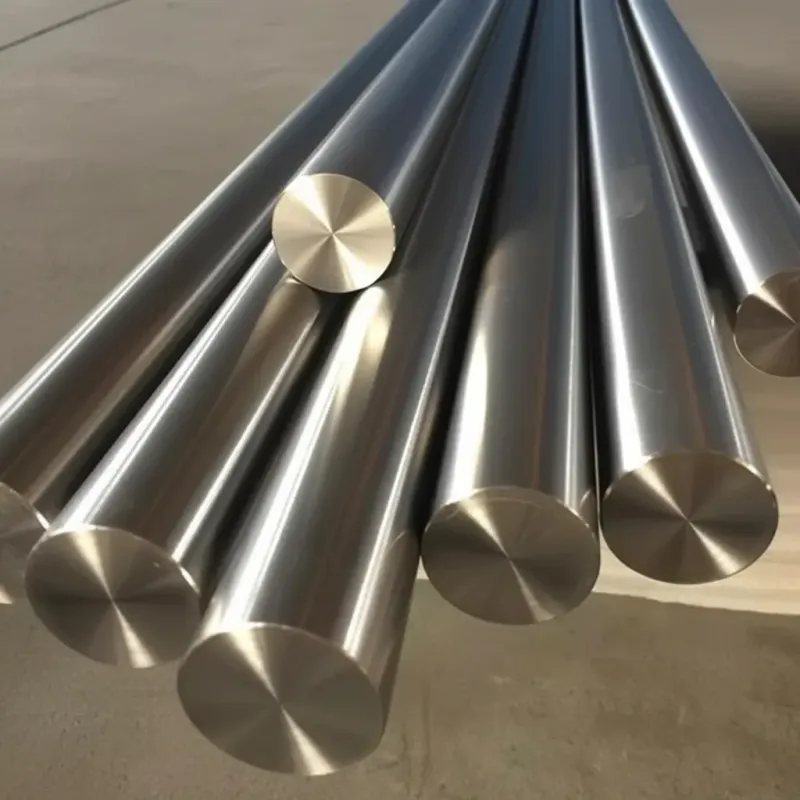
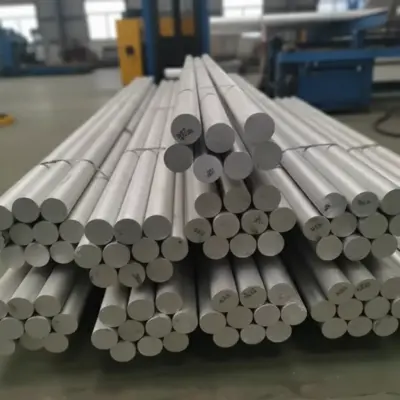
304 Stainless Steel Bar - AISI 304 Round/Square/Flat Bar for Industrial Use

 China
China
Supplier's customization ability
- Drawing-based customization
- Sample-based customization
- Full customization
Minimum order quantity: 1 ton
Shipping total: To be negotiated
- Lead time:
- confirmed with the quotation
- Packaging:
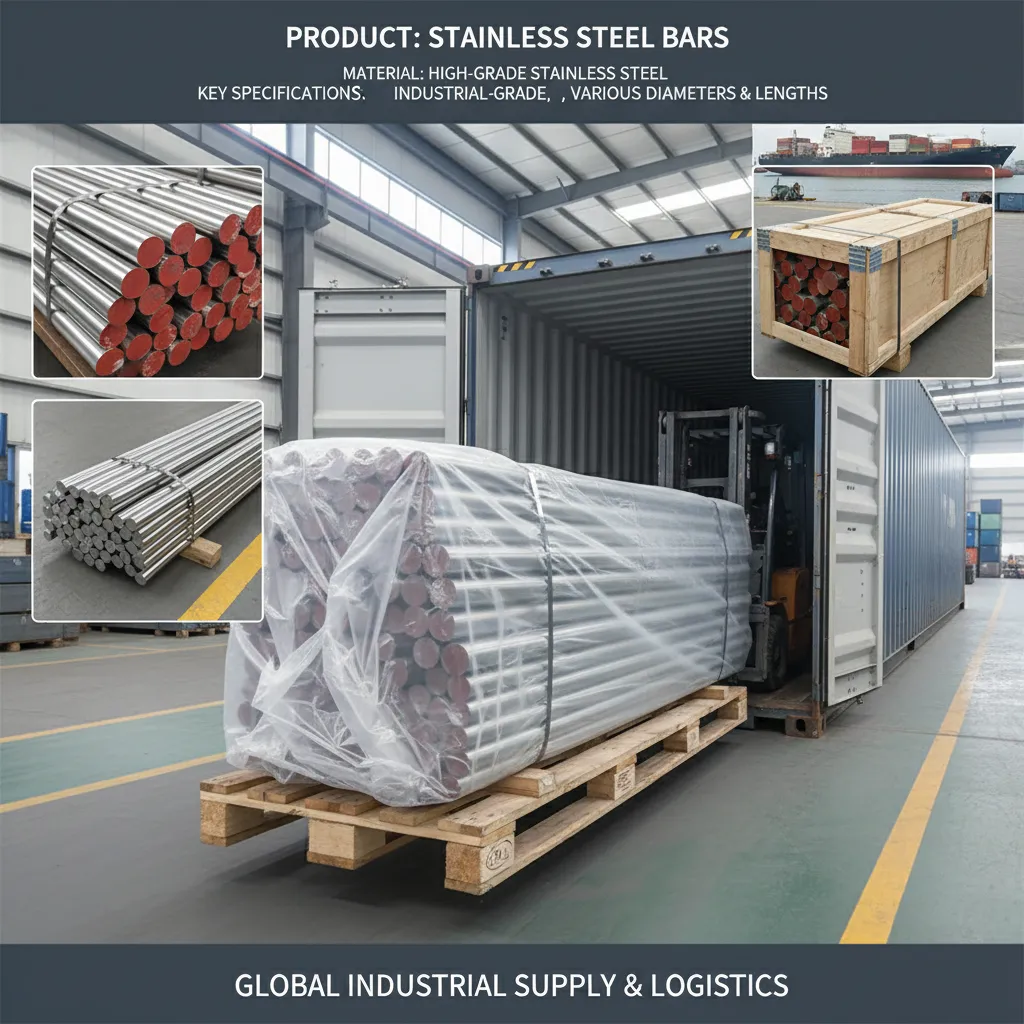
- standard export packing
- Samples:
- available on request
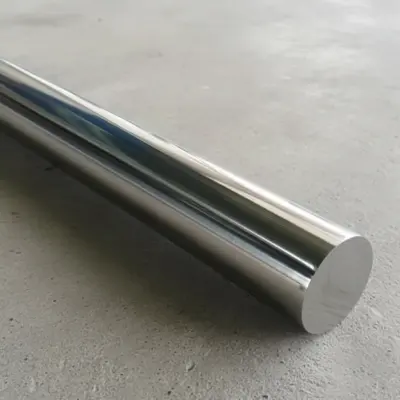
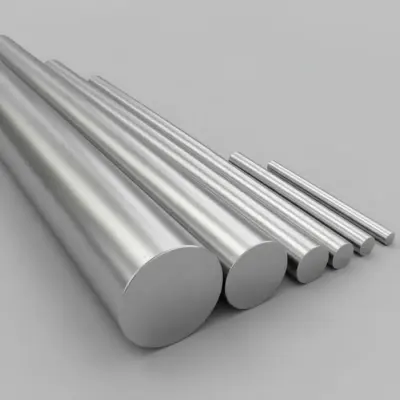
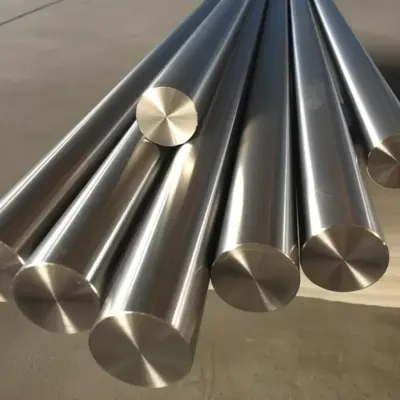
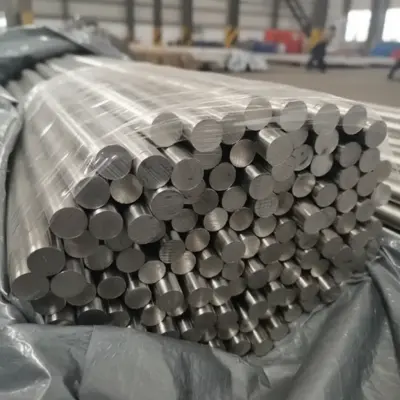
Product details
Technical Specifications of 304 Stainless Steel Bar
| Property | Parameter | Description |
|---|---|---|
| Product Name | 304 Stainless Steel Bar | Austenitic chromium-nickel stainless steel bar |
| Material Grade | 304 / AISI 304 / EN 1.4301 / UNS S30400 | International grade equivalents |
| Standard Compliance | ASTM A276, ASTM A479, EN 10088-3, JIS G4303 | Meets major international standards |
| Carbon (C) | ≤0.08% | Carbon content for strength and corrosion resistance |
| Chromium (Cr) | 18.0-20.0% | Provides excellent corrosion resistance |
| Nickel (Ni) | 8.0-10.5% | Enhances ductility and toughness |
| Manganese (Mn) | ≤2.0% | Improves workability and strength |
| Silicon (Si) | ≤1.0% | Deoxidizer and strengthener |
| Phosphorus (P) | ≤0.045% | Controlled for improved ductility |
| Sulfur (S) | ≤0.030% | Low sulfur for better corrosion resistance |
| Tensile Strength | ≥515 MPa | Minimum tensile strength per ASTM A276 |
| Yield Strength | ≥205 MPa | Minimum yield strength at 0.2% offset |
| Elongation | ≥40% | Ductility in 50mm gauge length |
| Hardness | ≤201 HBW / ≤92 HRB | Maximum hardness values |
| Diameter Range | 3mm - 500mm | Available round bar diameter options |
| Length | 3m - 6m or custom | Standard and custom lengths available |
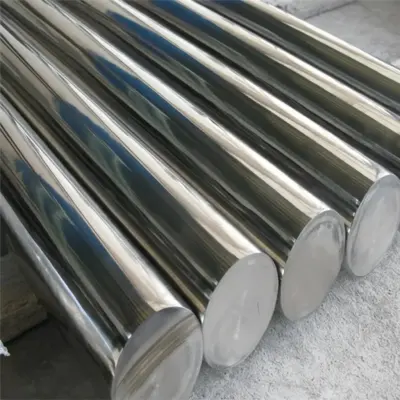
| Surface Finish | Black, Peeled, Polished, Bright | Multiple surface treatment options |
| Application | Food processing, chemical equipment, architectural, medical devices | Typical application industries |
| Certification | EN 10204 3.1, ISO 9001, ASTM | Quality certifications provided |
| MOQ | 1 ton | Minimum order quantity |
304 Stainless Steel Bar - AISI 304 Round/Square/Flat Bar for Industrial Use
304 stainless steel bar represents one of the most versatile austenitic chromium-nickel alloys available in today's industrial marketplace. This premium-grade material finds extensive application across food processing, architectural projects, chemical equipment, and general fabrication sectors due to its exceptional balance of corrosion resistance, formability, and cost-effectiveness. Manufactured to strict compliance with ASTM A276/A276M standards, our 304 bars serve engineers, fabricators, and procurement professionals seeking reliable material solutions for non-marine environments.
What is 304 Stainless Steel Bar?
304 stainless steel bar is an austenitic alloy containing 18-20% chromium and 8-10.5% nickel, with carbon content limited to 0.08% maximum per ASTM A240 specifications. This composition provides superior resistance to oxidation and maintains structural integrity across temperatures ranging from cryogenic conditions to 870°C intermittent service.
304 Stainless Steel Bar Technical Specifications
Our AISI 304 bars conform to multiple international standards including ASTM A276, EN 10088-3:2014, and JIS G4303. Typical mechanical properties include minimum tensile strength of 515 MPa, yield strength of 205 MPa, and elongation of 40% in 50mm gauge length. Density measures 7.93 g/cm³ at 20°C with thermal conductivity of 16.2 W/m·K.
Available Forms and Dimensions
We stock 304 stainless steel bars in three primary configurations to meet diverse manufacturing requirements:
Round Bar Specifications
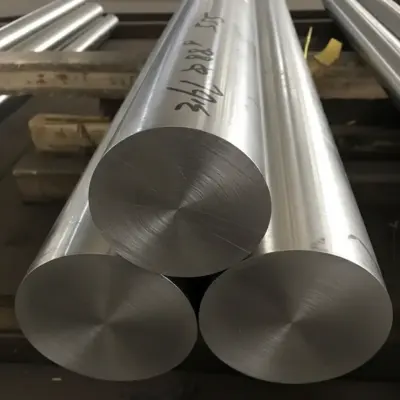
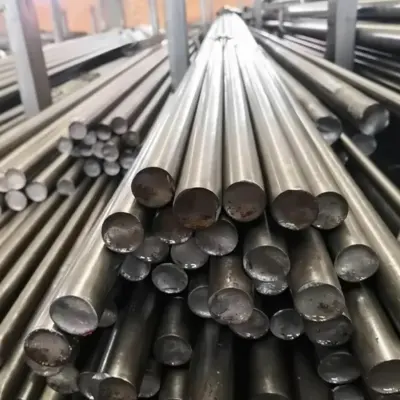
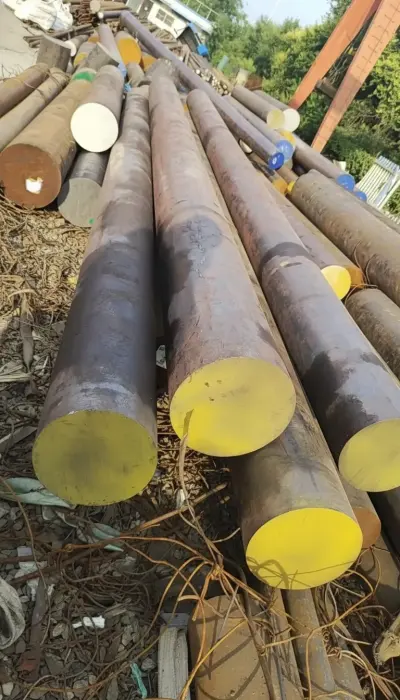
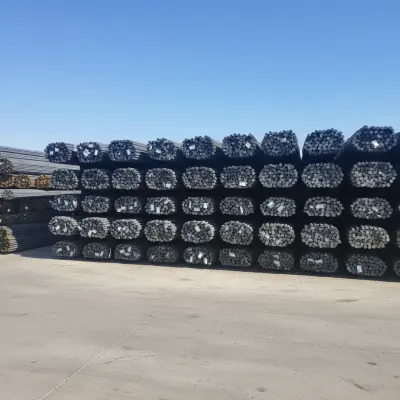
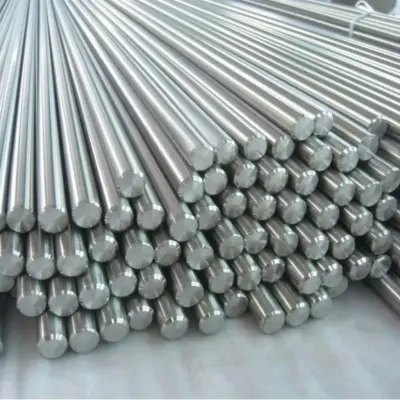
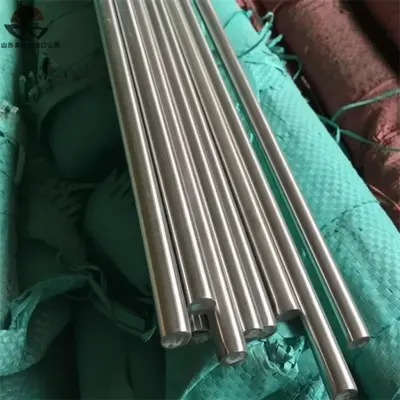
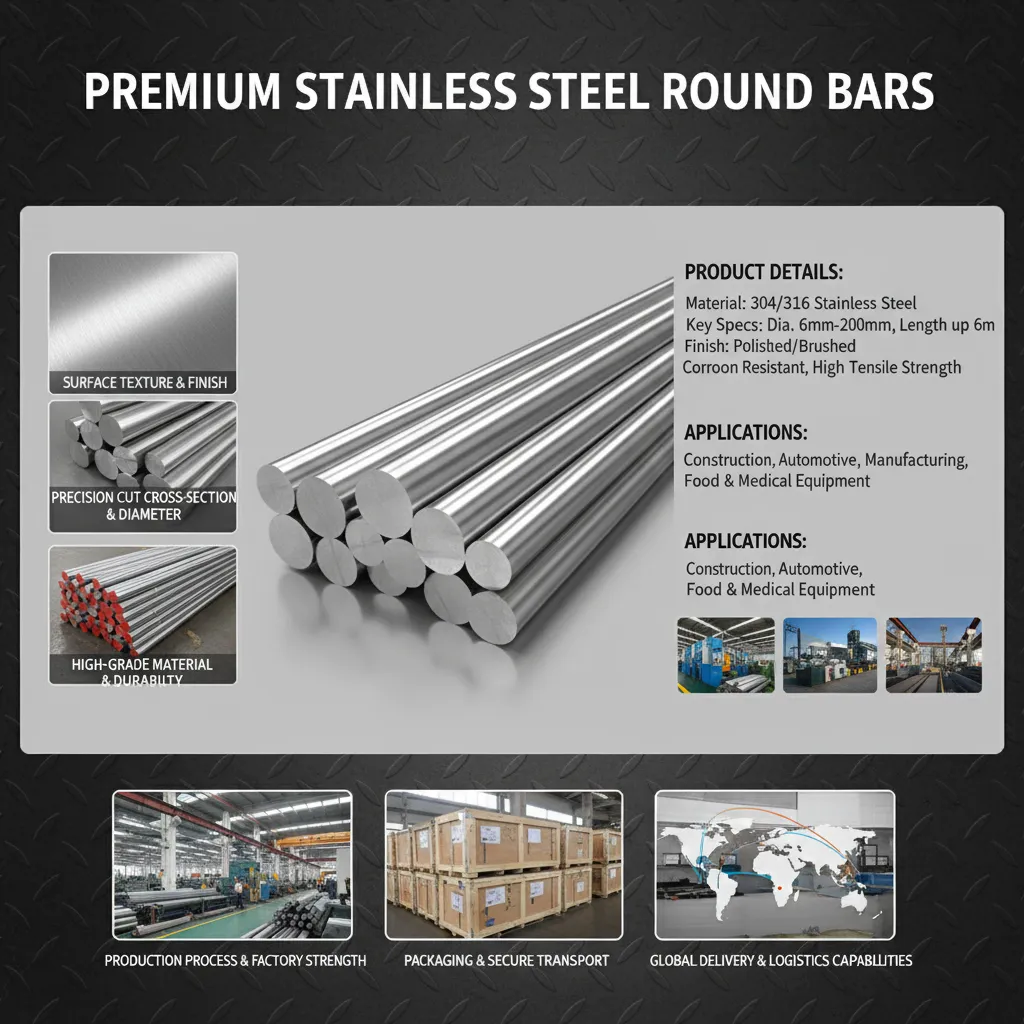
Round bars are available in diameters from 6mm to 300mm with standard lengths of 3000mm and 6000mm. Hot-rolled rounds comply with ASTM A276 tolerance class 1, while cold-drawn versions meet tighter h9 tolerance for precision machining applications requiring minimal material removal.
Square and Flat Bar Options
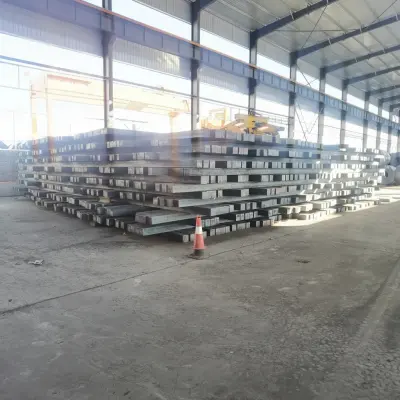
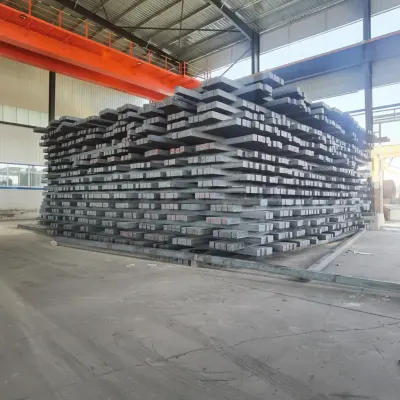
Square bars range from 10mm × 10mm to 100mm × 100mm cross-sections. Flat bar dimensions span 20mm × 3mm up to 150mm × 12mm, manufactured via hot rolling per EN 10058 dimensional standards. Surface finishes include mill finish, pickled-passivated, and precision ground for critical tolerance applications.
Key Performance Characteristics
The 304 grade delivers outstanding anti-corrosion properties in atmospheric environments and mildly corrosive media. Its chromium-nickel matrix forms a self-healing passive oxide layer that regenerates when mechanically damaged, providing long-term protection without surface coatings.
Fabrication Advantages
This austenitic alloy demonstrates excellent cold forming characteristics with work hardening rates suitable for deep drawing and bending operations. Welding can be accomplished using GTAW, GMAW, and SMAW processes without preheating, though filler metal AWS ER308L is recommended to maintain corrosion resistance in welded joints per AWS A5.9 specifications.
Machinability Considerations
While 304 exhibits lower machinability ratings compared to free-machining grades, proper tooling selection and cutting parameters yield satisfactory results. Carbide tools with positive rake angles and sulfur-based cutting fluids optimize chip formation and surface finish quality during turning and milling operations.
Industry Applications
Food processing facilities utilize 304 bars for equipment frames, conveyor components, and sanitary piping systems due to FDA compliance and ease of cleaning. Architectural applications include handrails, structural supports, and decorative elements where aesthetic appearance complements functional requirements. Chemical plants employ this grade for tanks, valves, and process equipment handling non-chloride solutions at moderate temperatures.
Quality Assurance and Certifications
Every production lot undergoes spectrometric analysis to verify chemical composition within ASTM tolerances. Mechanical testing includes tensile specimens tested per ASTM E8 methodology with documented results. Mill test certificates per EN 10204 Type 3.1 accompany all shipments, providing full traceability to heat numbers and production records.
Frequently Asked Questions
What is the minimum order quantity (MOQ)?
Our standard MOQ is 500 kilograms per specification to maintain competitive mill-direct pricing. However, we accommodate smaller quantities for prototyping and sampling purposes with adjusted pricing structures. Mixed-size orders meeting the aggregate weight threshold qualify for volume rates.
Do you provide material test certificates?
Yes, comprehensive mill test certificates conforming to EN 10204 Type 3.1 standards accompany every shipment. These documents include chemical composition analysis, mechanical property test results, heat treatment records, and dimensional inspection reports. Digital copies are available upon request for quality management systems integration.
What is the typical delivery time?
Stock sizes ship within 5-7 business days from order confirmation. Custom dimensions requiring mill production follow a 4-6 week lead time depending on rolling schedules and finishing requirements. Expedited processing is available for urgent projects with applicable premium charges.
Can you cut to custom sizes?
Our precision cutting services include sawing to length with tolerances of ±1mm, surface grinding for flatness specifications, and CNC machining for complex geometries. Custom cutting incurs additional charges based on material waste factors and processing time. Technical drawings in STEP or DXF formats facilitate accurate quotations.
Get a Competitive Quote for 304 Stainless Steel Bar
Request your customized quotation today by providing specifications including dimensions, quantity, surface finish requirements, and delivery location. Our technical sales team responds within 24 hours with detailed pricing, availability confirmation, and application support. Contact us now to discuss how our factory-direct 304 stainless steel bars can optimize your project requirements while maintaining cost-effective procurement strategies.
Ratings & Reviews

Know your supplier
Supplier's customization ability
- Drawing-based customization
- Sample-based customization
- Full customization
Minimum order quantity: 1 ton
Shipping total: To be negotiated
- Lead time:
- confirmed with the quotation
- Packaging:
- standard export packing
- Samples:
- available on request