 English
  Español
  Français
  Deutsch
  Português (Brasil)
  Русский
  العربية
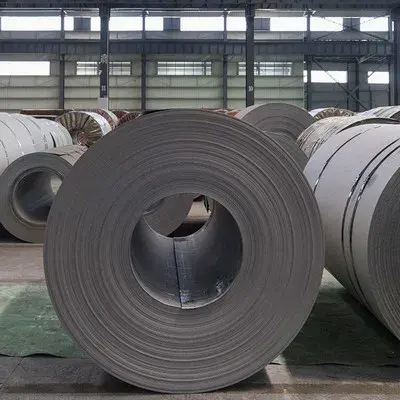
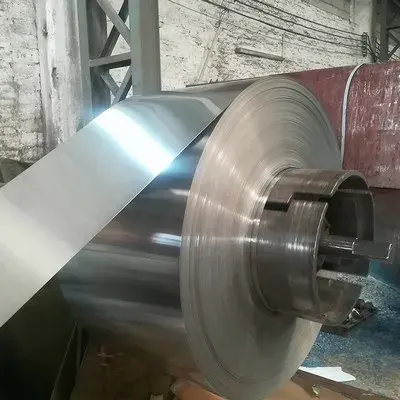
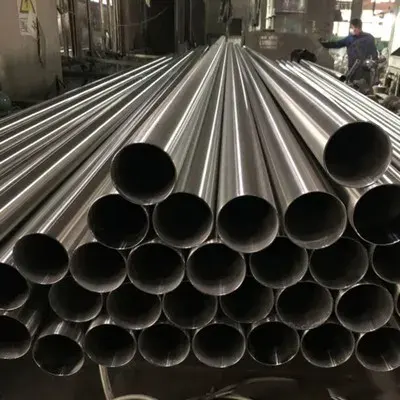
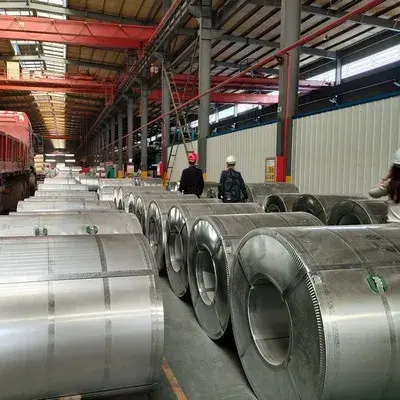
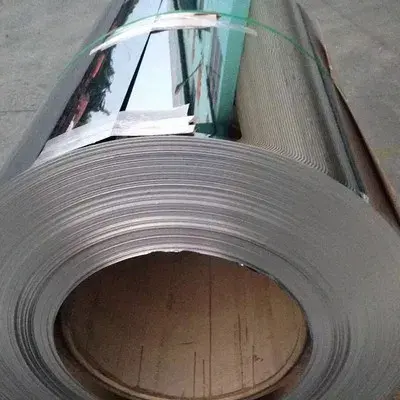
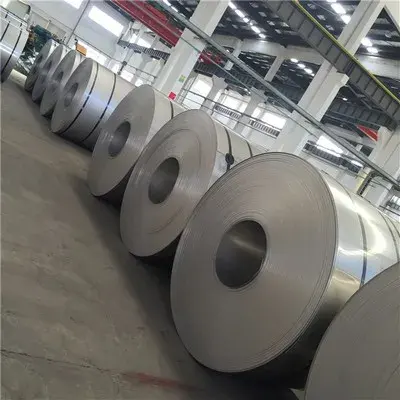
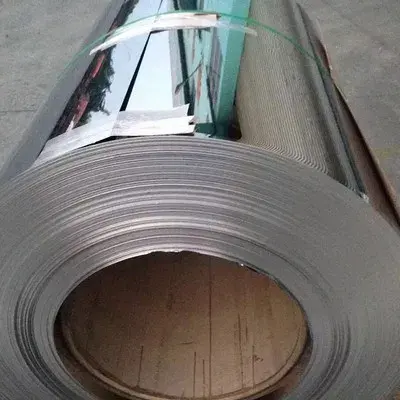
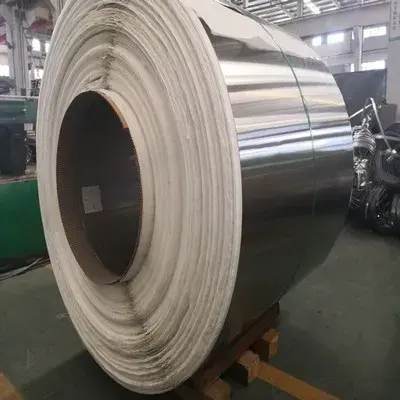
430 2b stainless steel coil

 China
China




Supplier's customization ability
- Drawing-based customization
- Sample-based customization
- Full customization
Minimum order quantity: 1 ton
Shipping total: To be negotiated
- Lead time:
- confirmed with the quotation
- Packaging:
- standard export packing
- Samples:
- available on request
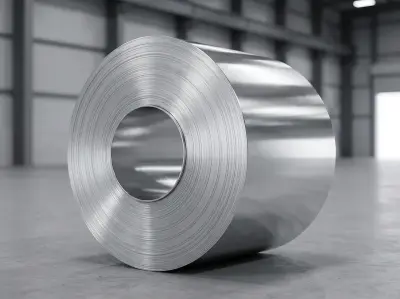
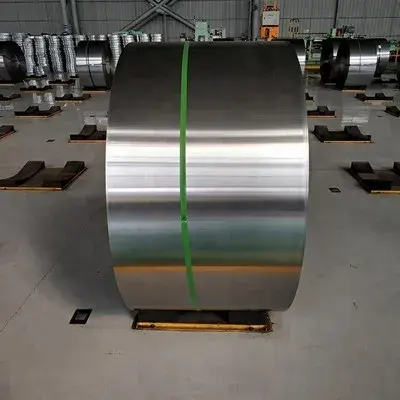
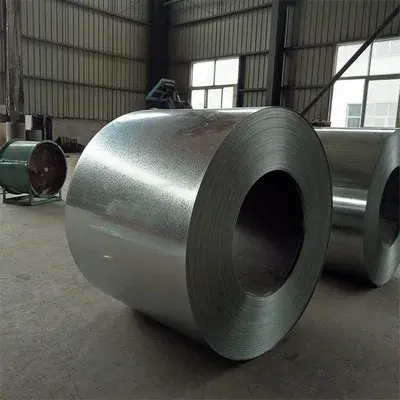
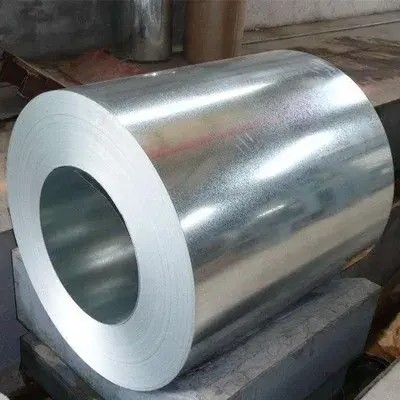
Product details
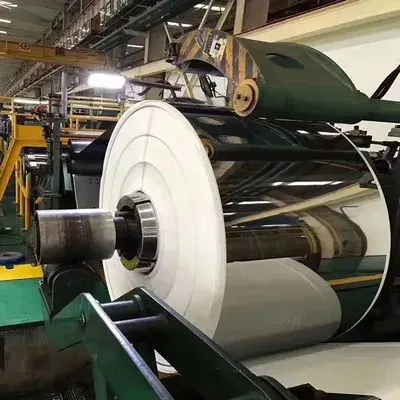
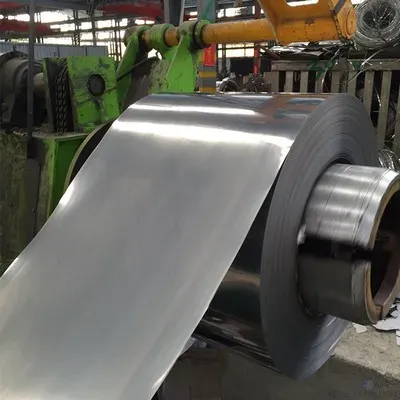
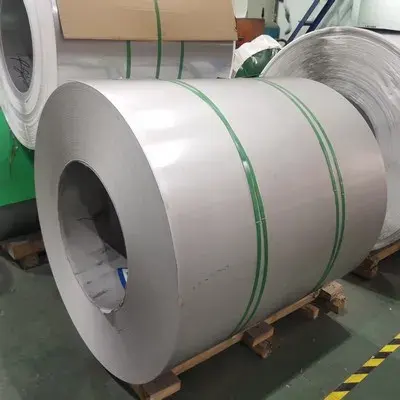
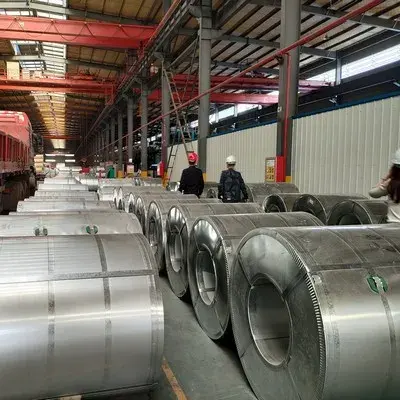
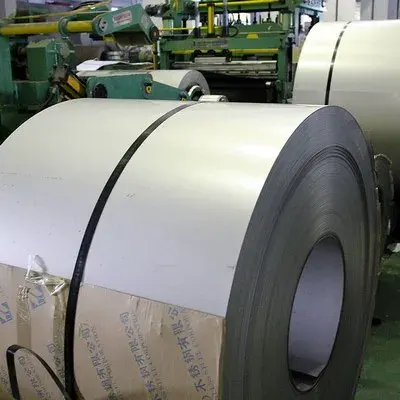
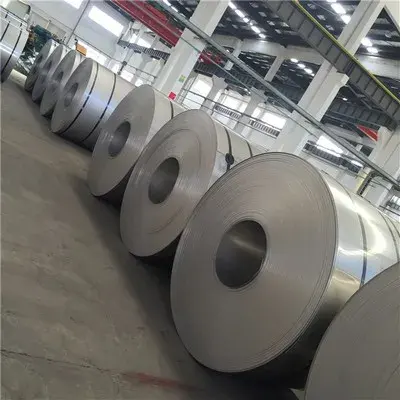
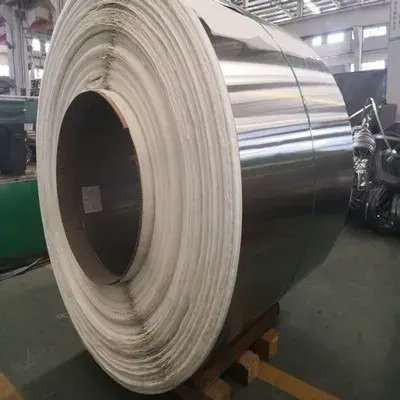
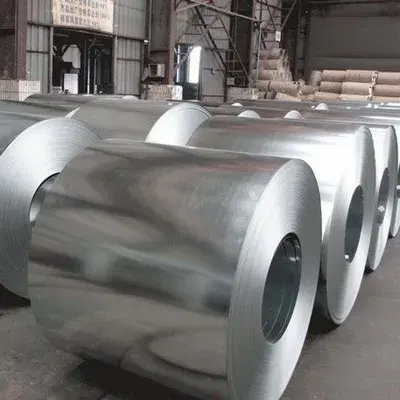
430 2B Stainless Steel Coil Introduction
Precise Chemical Composition and Technical Specifications of 430 2B Stainless Steel Coil
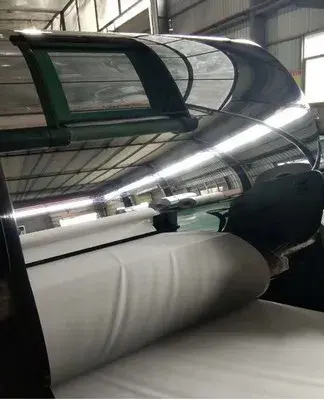
430 2B stainless steel coil represents a cost-effective ferritic-grade material engineered with 16-18% chromium content, minimal nickel composition, and carefully controlled carbon levels delivering optimal balance between corrosion resistance and manufacturing economy. The 2B surface finish applied to 430 stainless steel coil is achieved through cold rolling followed by controlled annealing in a protective atmosphere, producing a smooth, bright, reflective surface ideal for aesthetic and functional applications. Standard thickness specifications for 430 2B stainless steel coil range from 0.3 mm to 3.0 mm with widths between 1000-1500 mm, accommodating diverse manufacturing requirements from precision stamping to decorative architectural components. Available dimensional tolerances for 430 2B stainless steel coil typically maintain ±0.05 mm thickness variation and ±3 mm width deviation, ensuring consistent processing characteristics in high-speed production environments. Multiple finish options complement the standard 430 2B stainless steel coil offering, including custom surface treatments and specialized widths up to 1800 mm supporting specialized manufacturing applications and reducing secondary processing requirements.
Superior Material Properties and Performance Advantages of 430 2B Stainless Steel Coil
430 2B stainless steel coil delivers moderate corrosion resistance suitable for indoor applications, decorative elements, and environments with typical atmospheric moisture exposure, providing reliable durability without requiring specialized protective coatings. The ferritic microstructure of 430 stainless steel coil imparts excellent thermal conductivity and magnetic properties, making it exceptionally suitable for HVAC systems, heating equipment, and thermal applications requiring efficient heat transfer. Mechanical properties of 430 2B stainless steel coil include tensile strength approximately 450-600 MPa, yield strength near 205-310 MPa, and elongation around 22-30%, ensuring reliable structural performance across diverse industrial and decorative applications. The bright 2B surface finish on 430 stainless steel coil enhances corrosion resistance through optimized oxide layer formation during controlled annealing, while simultaneously providing superior aesthetic appeal for premium consumer applications. Superior formability and machinability characteristics enable 430 2B stainless steel coil to be precision stamped, deep drawn, and fabricated into complex geometries with minimal material waste and excellent surface quality maintenance throughout production cycles.
Versatile Industry Applications and Market Solutions with 430 2B Stainless Steel Coil
430 2B stainless steel coil is the preferred material for automotive manufacturers producing trim components, decorative panels, and protective shields where aesthetic finish quality combined with cost-effectiveness justifies specification selection. Kitchen appliance manufacturers extensively specify 430 stainless steel coil for refrigerator bodies, dishwasher panels, oven housings, and range hoods, leveraging the attractive 2B finish and competitive material pricing. Architectural and construction applications benefit significantly from 430 2B stainless steel coil's superior surface finish for building facades, interior trim elements, guardrails, and decorative features supporting visual sophistication and maintenance-free durability. HVAC system manufacturers and industrial equipment producers depend on 430 stainless steel coil for components requiring reliable thermal stability, excellent heat transfer properties, and corrosion resistance in controlled indoor environments. Electrical and electronics industries utilize 430 2B stainless steel coil for precision stampings, electromagnetic shielding components, and decorative housings supporting high-speed manufacturing and consistent quality standards. Food processing equipment manufacturers employ 430 stainless steel coil for non-contact surfaces and supporting structural elements where hygienic properties and durable performance optimize equipment reliability and longevity.
430 2B Stainless Steel Coil Attributes
| Attribute | Parameter | Description |
|---|---|---|
| Product Definition | 430 2b stainless steel coil | A ferritic stainless steel coil made from grade 430 stainless steel with a 2B finish—cold-rolled, bright, reflective surface. |
| Grade Designation | 430 (also 1.4016 or X6Cr17) | Commonly used ferritic stainless steel with minimum 16% chromium content for corrosion resistance. |
| Thickness Range | 0.1 mm – 3.0 mm (customizable) | Typical thickness range for various fabrication and mechanical applications. |
| Width Range | 1000 mm – 1500 mm (customizable) | Standard coil widths adaptable for different manufacturing needs. |
| Coil Internal Diameter | 508 mm or 610 mm | Standard diameters to fit common coil handling and processing equipment. |
| Coil Weight | 2 – 5 metric tons | Typical coil weight range for ease of handling and transport. |
| Tensile Strength | 450 – 600 MPa (depending on thickness) | Tensile strength range indicating good mechanical strength suitable for medium-load applications. |
| Yield Strength | 205 – 345 MPa (depending on thickness) | Yield strength indicating resistance to deformation under stress. |
| Elongation | 22 – 30% (depending on thickness) | Ductility to allow bending and forming in fabrication processes. |
| Hardness | HB 200 – 230 (Brinell hardness) | Surface hardness that balances durability and formability. |
| Density | Approximately 7.7 – 7.8 g/cm³ | Comparable to other ferritic stainless steels; lighter than many austenitic grades. |
| Melting Point | 1425 – 1510°C | High melting point indicating thermal stability for various industrial uses. |
| Electrical Conductivity | Moderate | Suitable for applications requiring moderate electrical conductivity. |
| Thermal Conductivity | Relatively low compared to other metals | Important for heat transfer characteristics in industrial environments. |
| Magnetic Properties | Ferritic and exhibits magnetic properties | Magnetic behavior typical of ferritic stainless steels, useful in detection or magnetic applications. |
| Surface Roughness (Ra) | ≥ 0.05 µm | Smooth surface finish suitable for visible and functional applications. |
| Standards Compliance | ASTM A240, ASME SA240, JIS G4305, GB/T 4237 | Meets major international standards ensuring quality and interchangeability. |
| Corrosion Resistance | Good atmospheric and mild chemical resistance | Suitable for kitchen appliances, automotive trim, and some industrial environments. |
| Typical Applications | Kitchen appliances, automotive trim, decorative components | Widely used in applications needing corrosion resistance and moderate mechanical strength with attractive finish. |
Ratings & Reviews
No reviews yet
Know your supplier
Company video
After more than a decade of continuous investment and innovation, Feihong Steel Co., Ltd. has now developed into a leading enterprise in the industry with a complete industrial chain, a wide range of product specifications, prompt supply, excellent product quality, strong industry influence and good social reputation. Currently, our products are mainly sold to the eastern region of China and over 40 countries and regions, such as Southeast Asia, South Asia, West Asia, Eastern Europe, South America, etc. Our stainless steel series products have consistently ranked among the top in China for many years.
Supplier's customization ability
- Drawing-based customization
- Sample-based customization
- Full customization
Minimum order quantity: 1 ton
Shipping total: To be negotiated
- Lead time:
- confirmed with the quotation
- Packaging:
- standard export packing
- Samples:
- available on request