 English
  Español
  Français
  Deutsch
  Português (Brasil)
  Русский
  العربية
Galvanized Steel Coil vs Galvalume Coil - Key Differences & Applications

 China
China
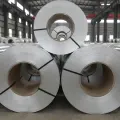
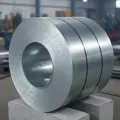
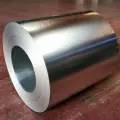
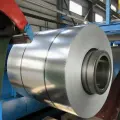
Supplier's customization ability
- Drawing-based customization
- Sample-based customization
- Full customization
Minimum order quantity: 1 ton
Shipping total: To be negotiated
- Lead time:
- confirmed with the quotation
- Packaging:
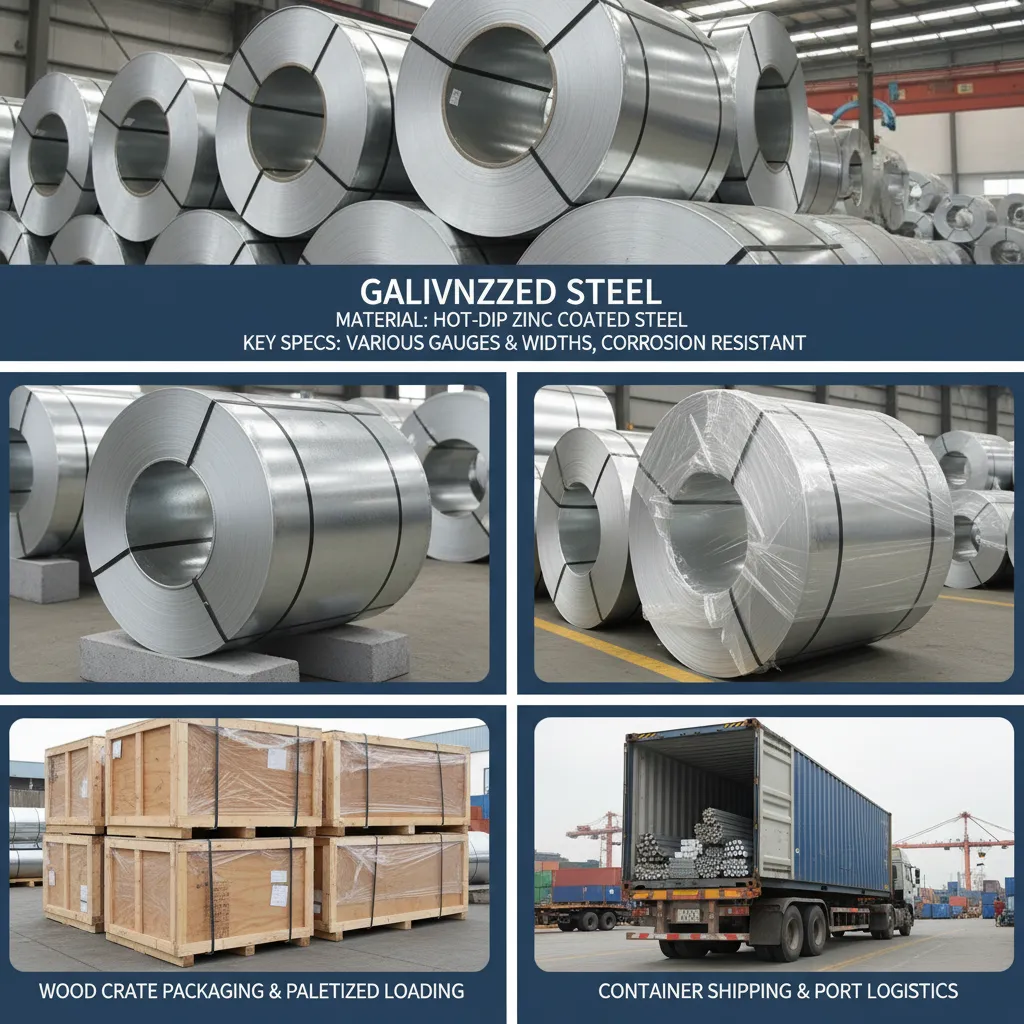
- standard export packing
- Samples:
- available on request
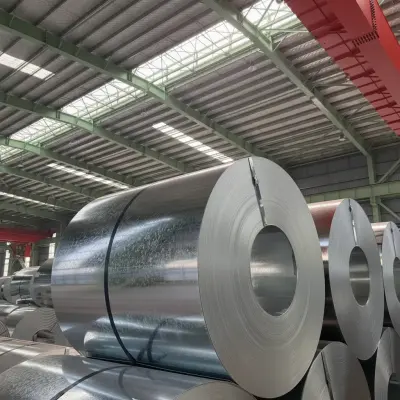
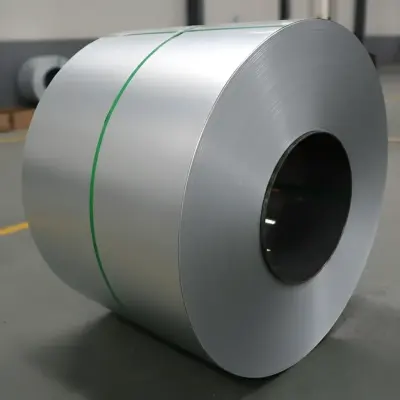
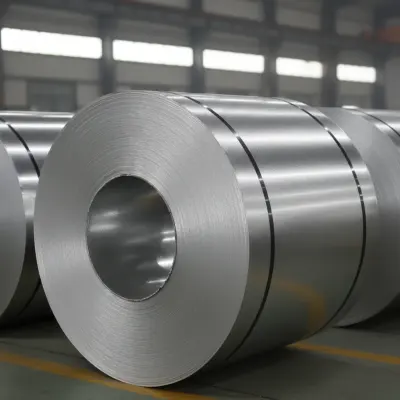
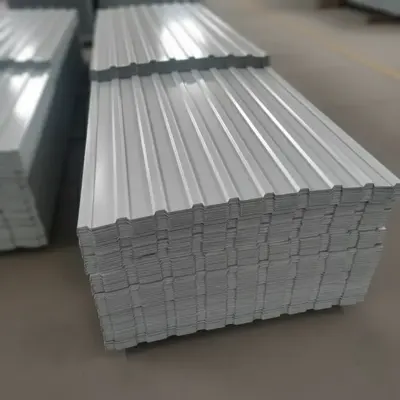
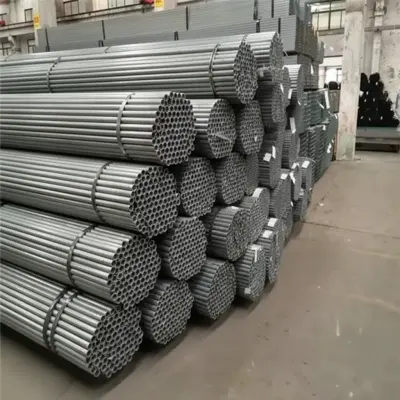
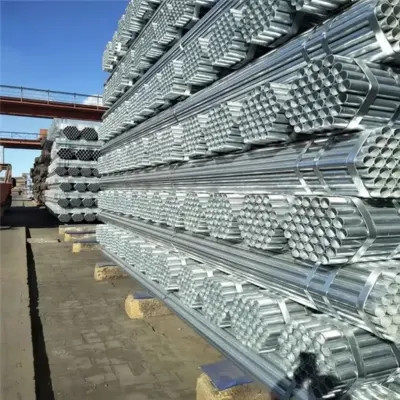
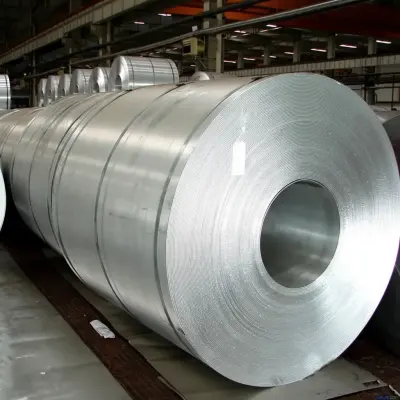
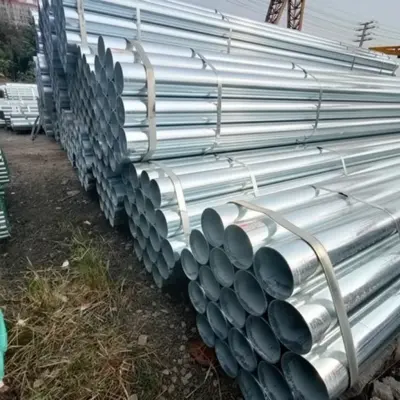
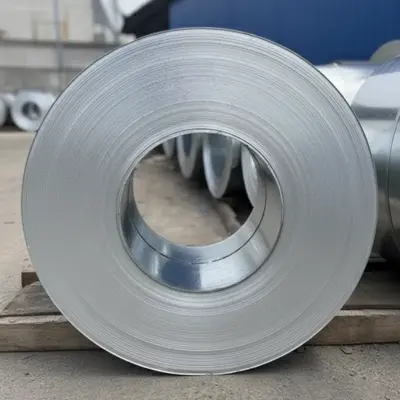
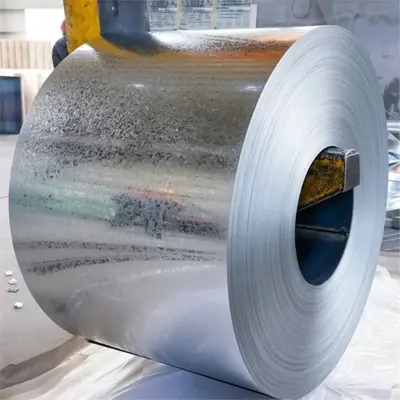
Product details
Comparison of Galvanized Steel Coil vs Galvalume Coil
| Property | Galvanized Steel Coil (GI) | Galvalume Coil (GL) |
|---|---|---|
| Product Name | Hot-Dip Galvanized Steel Coil | Galvalume Steel Coil (Zincalume) |
| Coating Composition | 100% Zinc (Zn) | 55% Aluminum + 43.4% Zinc + 1.6% Silicon |
| Coating Standards | ASTM A653, EN 10346, JIS G3302 | ASTM A792, EN 10215, JIS G3321 |
| Coating Weight Range | 60-275 g/m² (Z60-Z275) | AZ50-AZ185 (50-185 g/m²) |
| Base Material | Cold-rolled steel (SPCC, SGCC) | Cold-rolled steel (SPCC, SGLCC) |
| Thickness Range | 0.12 - 4.0 mm | 0.15 - 2.0 mm |
| Width Range | 600 - 1500 mm | 600 - 1250 mm |
| Corrosion Resistance | Good (3-5 years coastal, 20+ years inland) | Excellent (5-10 years coastal, 25+ years inland) |
| Heat Resistance | Up to 200°C (oxidation starts at 225°C) | Up to 315°C (excellent heat reflection) |
| Surface Finish | Regular spangle, minimized spangle, zero spangle | Regular spangle, smooth finish |
| Formability | Excellent (easy bending and stamping) | Good (requires careful handling) |
| Weldability | Good (standard welding techniques) | Fair (requires special electrodes) |
| Cost Level | Lower (standard market price) | 15-30% higher than GI |
| Typical Applications | Roofing, HVAC ducts, automotive parts, appliances | Metal roofing, cladding, agricultural buildings |
| Service Life | 10-25 years (depending on environment) | 20-40 years (superior longevity) |
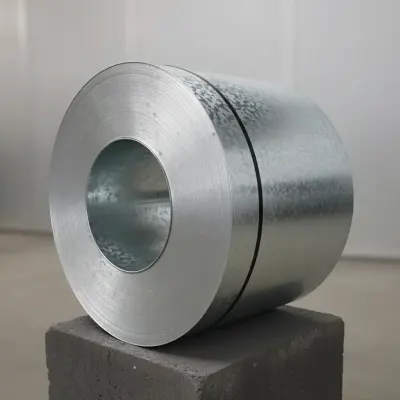
| Coating Appearance | Bright metallic silver (spangle pattern) | Matte silver-gray (uniform appearance) |
| UV Resistance | Fair (requires paint for UV protection) | Excellent (aluminum provides natural UV barrier) |
| Certification | ISO 9001, ASTM A653, SGS | ISO 9001, ASTM A792, SGS |
| MOQ | 25 tons | 25 tons |
Galvanized Steel Coil vs Galvalume Coil - Key Differences & Applications
Galvanized steel coil vs galvalume coil represents a critical material selection decision for construction, automotive, and industrial applications. Both zinc-based coated steel products offer superior corrosion protection compared to bare steel, yet their distinct coating compositions—pure zinc for galvanized versus aluminum-zinc alloy for galvalume—result in significantly different performance characteristics, service life expectations, and cost-effectiveness profiles. Understanding these differences enables engineers and procurement specialists to optimize material selection for specific environmental conditions and operational requirements.
What is Galvanized Steel Coil vs Galvalume Coil?
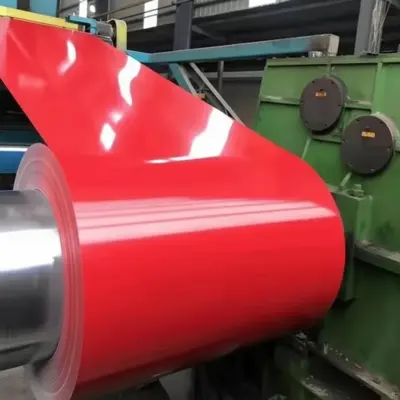
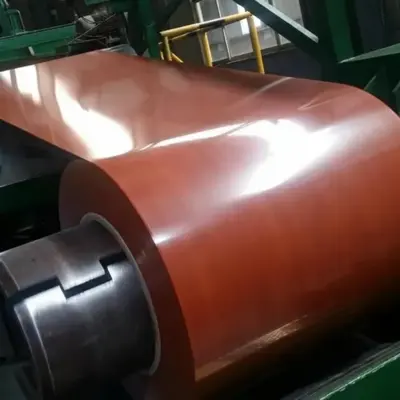
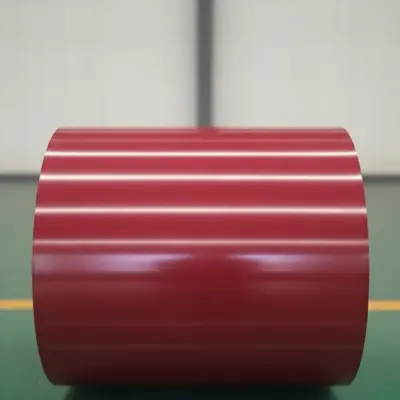
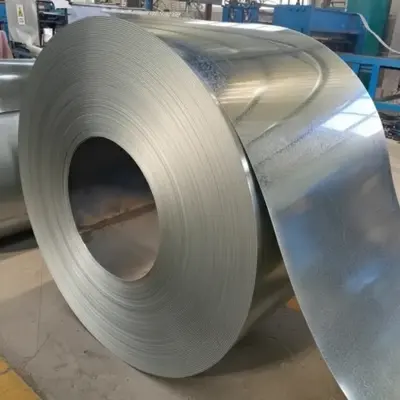
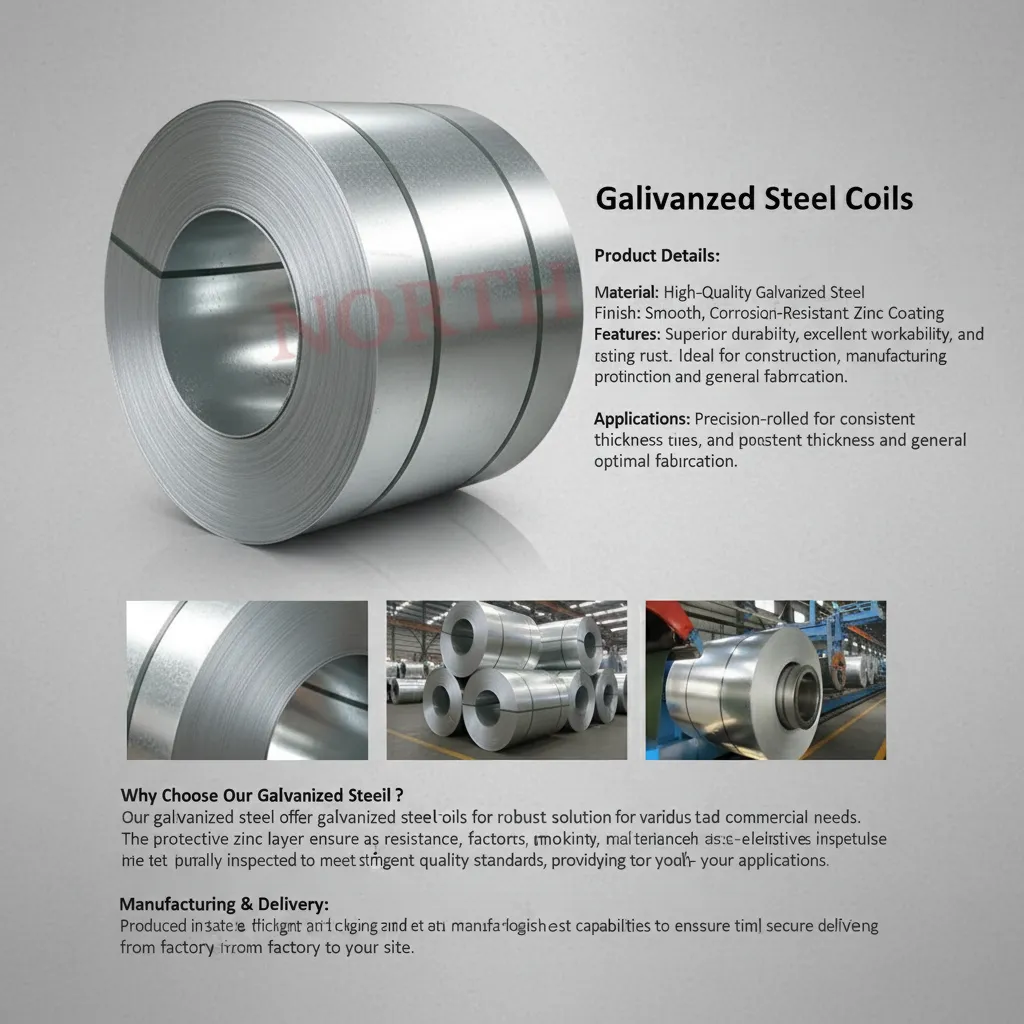
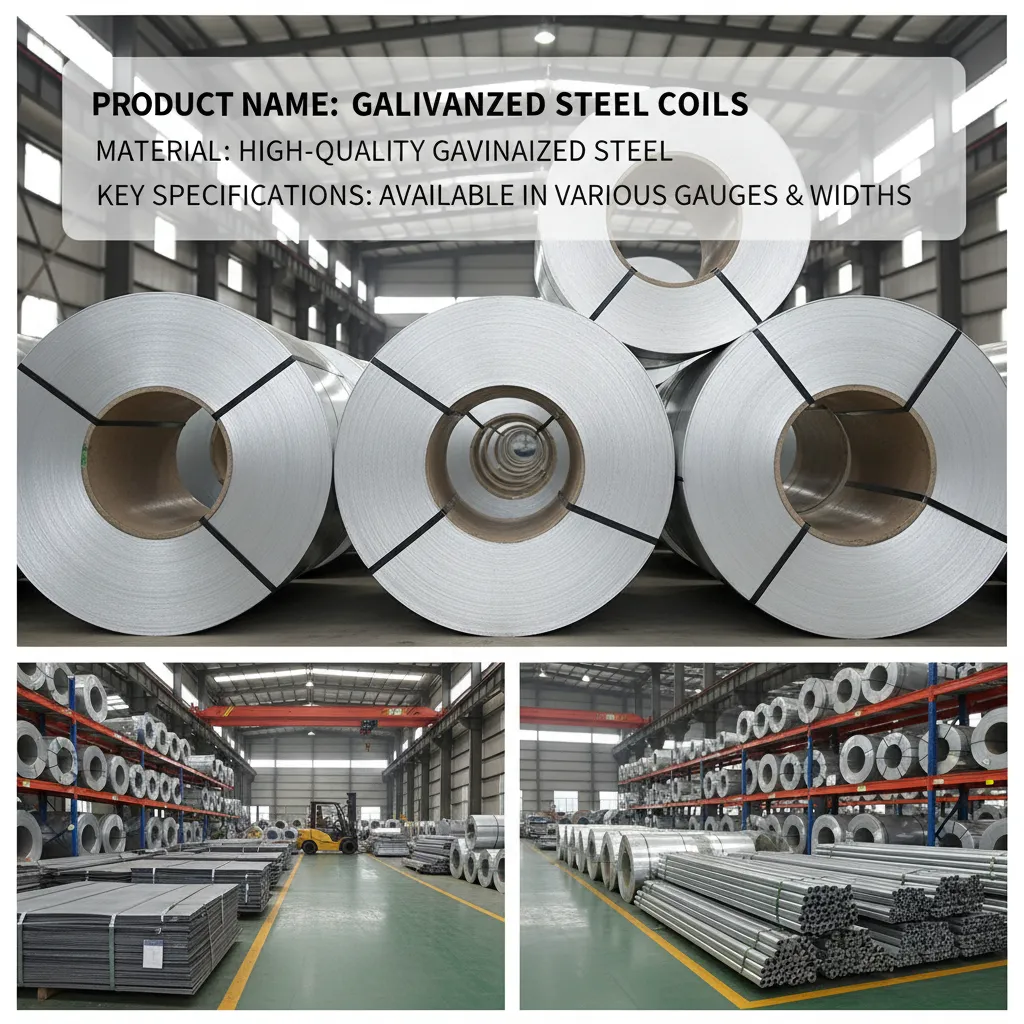
Galvanized steel coil features a protective zinc coating applied through hot-dip galvanizing per ASTM A653/A653M standards, providing sacrificial corrosion protection. Galvalume coil, manufactured according to ASTM A792/A792M specifications, employs a 55% aluminum-43.4% zinc-1.6% silicon alloy coating that combines aluminum's barrier protection with zinc's galvanic properties, delivering extended service life in atmospheric exposure conditions.
Coating Composition and Structure
The fundamental difference lies in metallurgical composition. Galvanized coatings consist of 99% pure zinc applied at typical coating weights of Z275 (275 g/m²) to Z600 (600 g/m²). Galvalume's aluminum-zinc alloy forms a multi-layer structure: an outer aluminum-rich layer providing barrier protection, an intermediate alloy layer, and a zinc-rich inner layer offering galvanic protection. This hybrid architecture accounts for galvalume's 2-4 times longer service life in rural and suburban environments compared to equivalent-weight galvanized coatings.
Corrosion Resistance Performance
Galvanized steel coil demonstrates exceptional performance in industrial and marine environments where zinc's sacrificial protection excels. The coating corrodes preferentially to protect the base steel, with typical corrosion rates of 3-5 micrometers per year in moderate atmospheric conditions. Galvalume coil exhibits superior resistance in rural, suburban, and coastal atmospheric exposure, with corrosion rates of 1-2 micrometers per year. However, galvalume shows reduced performance in environments with sustained moisture contact or where cut edges remain exposed, as the aluminum-rich coating provides limited galvanic protection compared to pure zinc.
Application Suitability Analysis
Galvanized steel coil finds extensive application in structural components, automotive chassis parts, HVAC ductwork, and electrical conduit where fabrication involves welding, forming, and cutting. The zinc coating's excellent weldability and formability make it the preferred choice for complex manufacturing processes. Galvalume coil serves critical roles in roofing systems, wall cladding, agricultural buildings, and architectural applications where long-term atmospheric exposure occurs. Its heat reflectivity (aluminum content reflects 60-70% of solar radiation) provides additional thermal performance benefits for roofing applications in hot climates.
Cost-Effectiveness Comparison
Initial material costs for galvalume coil typically exceed galvanized steel coil by 15-25% due to aluminum content and more complex coating processes. However, lifecycle cost analysis reveals galvalume's superior value proposition for atmospheric exposure applications. With service life expectations of 25-30 years versus 15-20 years for equivalent galvanized coatings in typical environments, galvalume delivers lower total cost of ownership when maintenance, replacement, and downtime costs factor into the evaluation. For applications requiring frequent replacement or where initial capital costs dominate decision criteria, galvanized steel coil offers competitive mill-direct pricing advantages.
Galvanized Steel Coil vs Galvalume Coil Technical Specifications
Galvanized coil complies with ASTM A653/A653M with coating designations from G30 (0.30 oz/ft² or 90 g/m²) to G235 (2.35 oz/ft² or 715 g/m²), while galvalume follows ASTM A792/A792M with standard coating weights of AZ50 (0.50 oz/ft² or 150 g/m²) to AZ185 (1.85 oz/ft² or 550 g/m²). Base steel thickness ranges from 0.15mm to 3.0mm for both products, with yield strengths from 230 MPa to 550 MPa depending on steel grade selection.
Frequently Asked Questions
What is the minimum order quantity (MOQ)?
Standard MOQ for both galvanized steel coil and galvalume coil is 25 metric tons per specification, though smaller trial orders of 10-15 tons may be accommodated for new customer qualification. Mixed container loads combining different coating weights or widths require 5-ton minimum per item to maintain mill-direct pricing efficiency.
Do you provide material test certificates?
Comprehensive mill test certificates (MTC) per EN 10204 Type 3.1 accompany all shipments, documenting chemical composition per heat analysis, mechanical properties including yield strength and tensile strength, coating weight verification, and dimensional tolerances. Third-party inspection arrangements through SGS, Bureau Veritas, or Intertek can be coordinated at customer request.
What is the typical delivery time?
Standard production lead time for galvanized steel coil and galvalume coil ranges from 25-35 days from order confirmation, depending on coating specification and mill production schedule. Expedited processing reducing lead time to 15-20 days may be available for premium-tier pricing. Sea freight transit adds 20-45 days depending on destination port.
Can you cut to custom sizes?
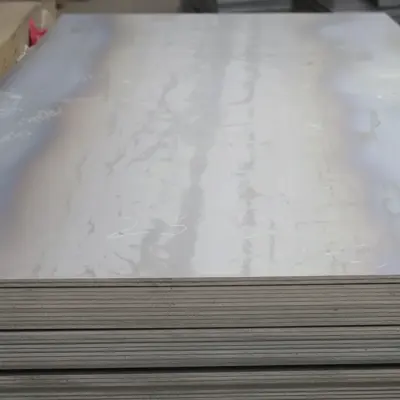
Slitting services accommodate custom width requirements from 600mm to 1,500mm with ±2mm tolerance. Cut-to-length processing provides sheets from 1,000mm to 6,000mm length with ±5mm tolerance. Minimum processing quantities apply: 5 tons for slitting, 3 tons for cut-to-length. Edge conditioning options include deburred, rounded, or mill edge finishes.
Get a Competitive Quote for Galvanized Steel Coil vs Galvalume Coil
Our technical sales team provides factory-competitive pricing for both galvanized steel coil and galvalume coil with transparent cost breakdowns including base steel, coating premiums, and processing charges. Request detailed quotations specifying coating designation, steel grade, dimensions, and annual volume requirements to receive optimized pricing structures. Value-added services including just-in-time delivery scheduling, consignment inventory programs, and technical application support ensure your material selection delivers optimal performance and cost-effectiveness for your specific operational requirements.
Ratings & Reviews

Know your supplier
Supplier's customization ability
- Drawing-based customization
- Sample-based customization
- Full customization
Minimum order quantity: 1 ton
Shipping total: To be negotiated
- Lead time:
- confirmed with the quotation
- Packaging:
- standard export packing
- Samples:
- available on request