 English
  Español
  Français
  Deutsch
  Português (Brasil)
  Русский
  العربية
310s Stainless Steel Coil - High-Temperature Resistant Austenitic Alloy

 China
China
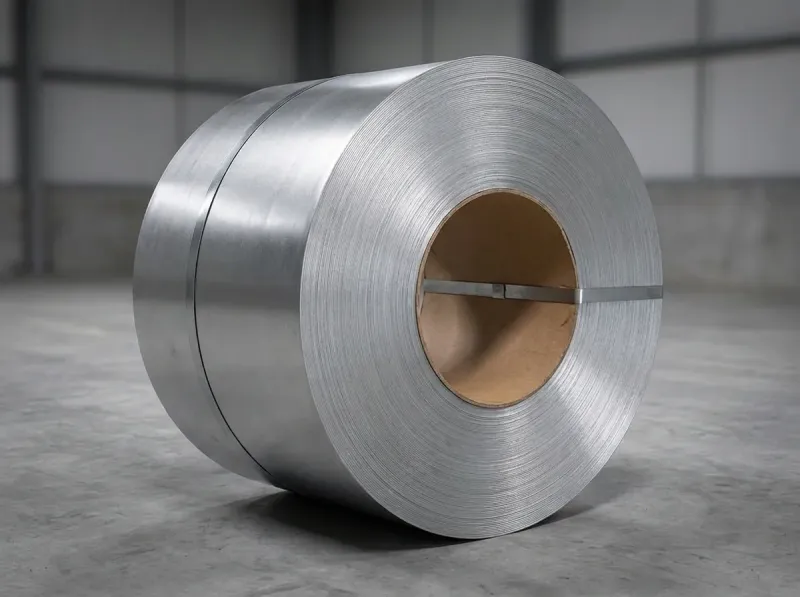
Supplier's customization ability
- Drawing-based customization
- Sample-based customization
- Full customization
Minimum order quantity: 1 ton
Shipping total: To be negotiated
- Lead time:
- confirmed with the quotation
- Packaging:
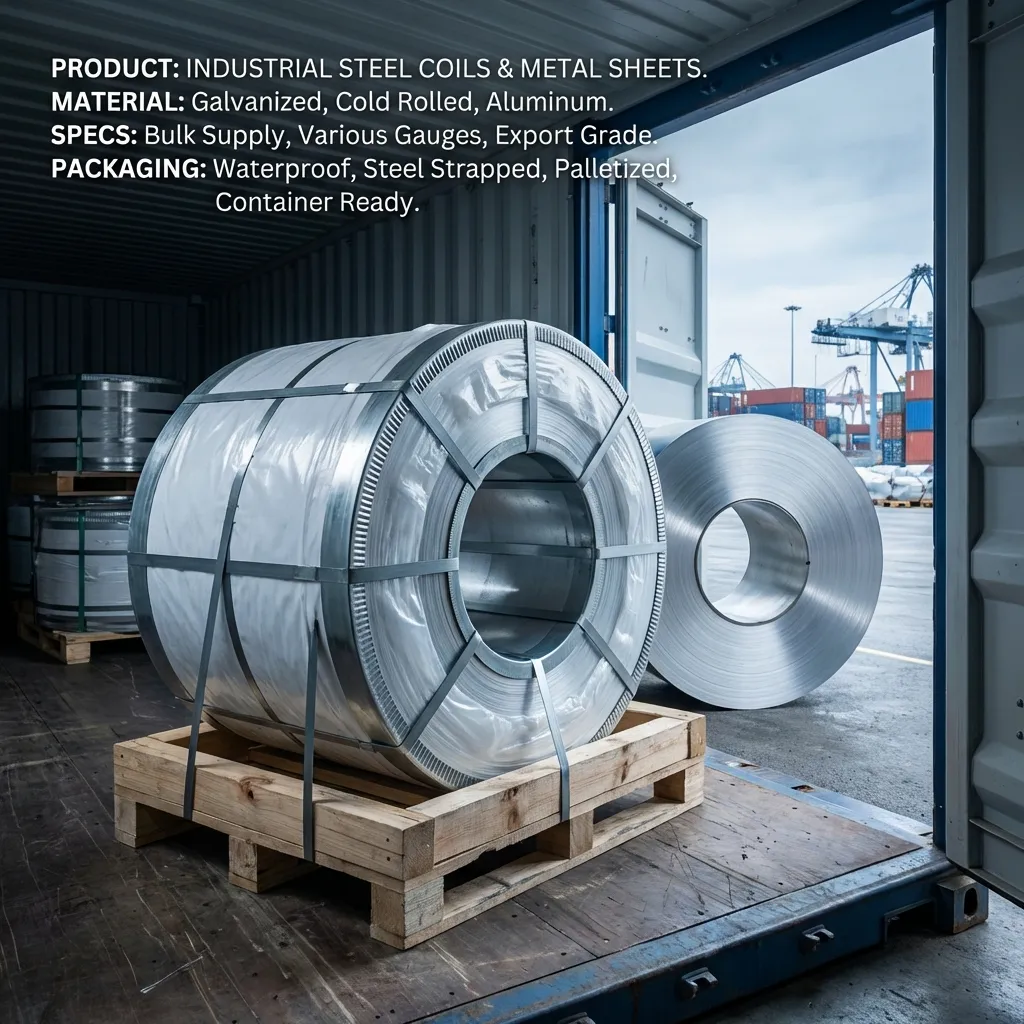
- standard export packing
- Samples:
- available on request
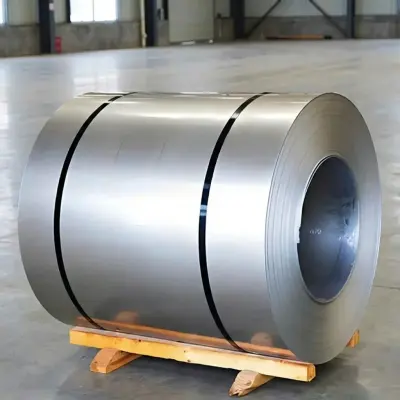
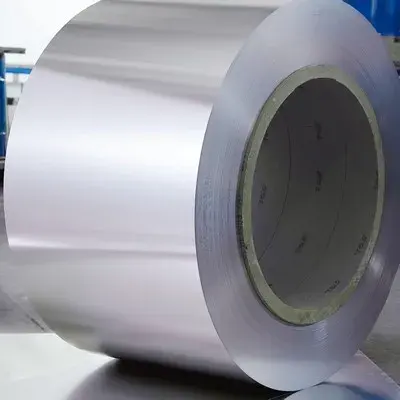
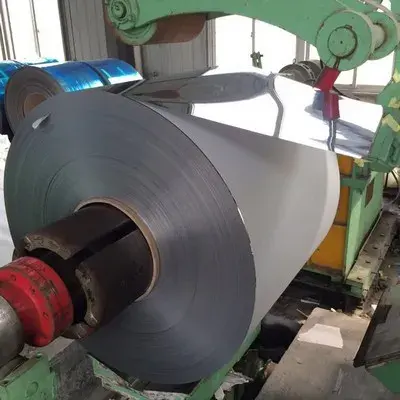
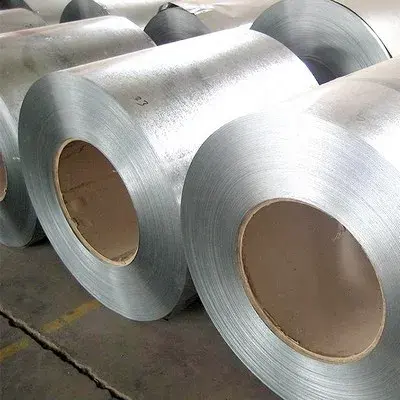
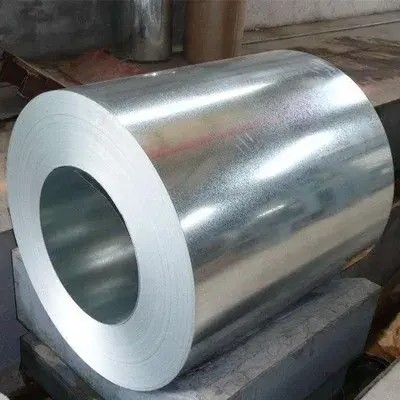
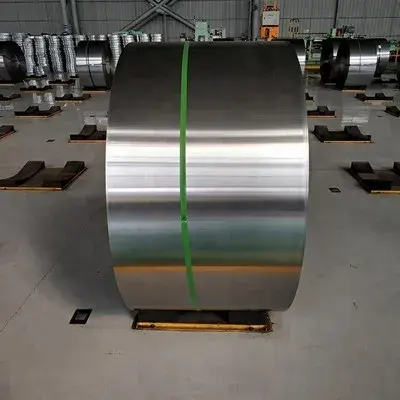
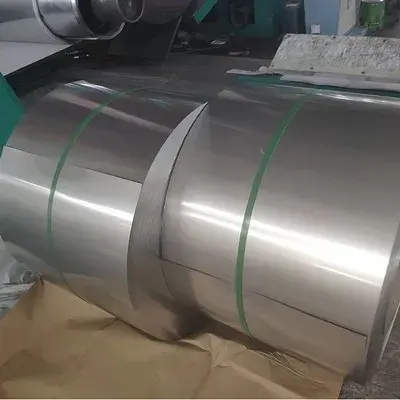
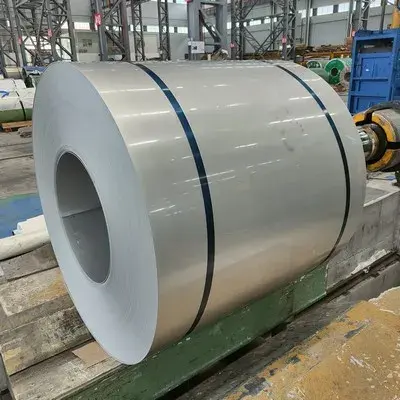
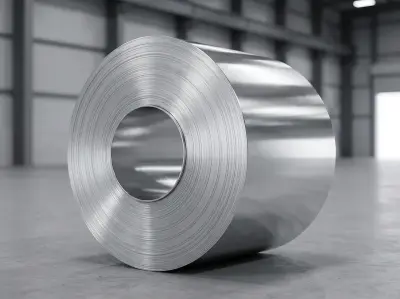
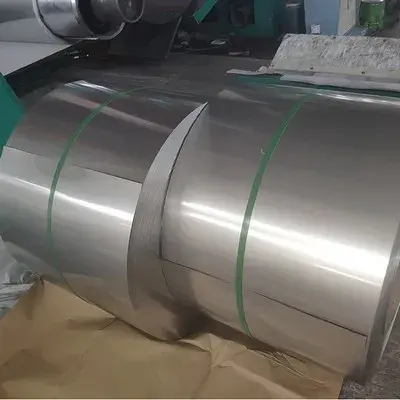
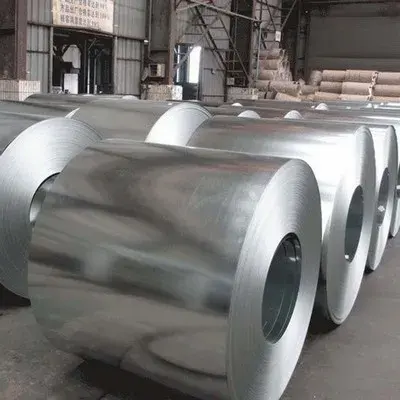
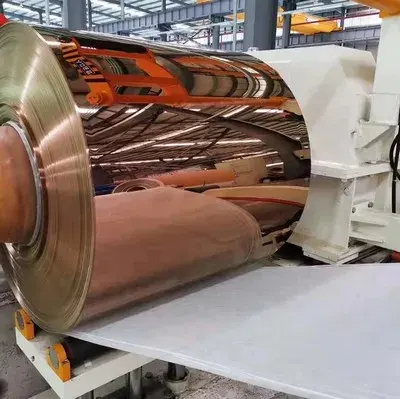
Product details
Technical Specifications of 310S Stainless Steel Coil
| Property | Parameter | Description |
|---|---|---|
| Product Name | 310S Stainless Steel Coil | Heat-resistant austenitic stainless steel coil |
| Material Grade | 310S / EN 1.4845 / UNS S31008 | International grade equivalents |
| Standard Compliance | ASTM A240, EN 10088-2, JIS G4304 | Meets major international standards |
| Carbon (C) | ≤0.08% | Carbon content for high-temperature stability |
| Chromium (Cr) | 24.0-26.0% | High chromium for oxidation resistance |
| Nickel (Ni) | 19.0-22.0% | High nickel for heat resistance and stability |
| Manganese (Mn) | ≤2.0% | Improves hot working properties |
| Silicon (Si) | ≤1.5% | Enhances oxidation resistance |
| Tensile Strength | ≥515 MPa | Minimum tensile strength per ASTM A240 |
| Yield Strength | ≥205 MPa | Minimum yield strength at room temperature |
| Elongation | ≥40% | Ductility in 50mm gauge length |
| Thickness Range | 0.3 - 6.0 mm | Available coil thickness options |
| Width Range | 1000 - 2000 mm | Standard coil widths |
| Surface Finish | 2B, BA, No.4, HL | Multiple surface treatment options |
| Heat Resistance | Up to 1150°C | Excellent high-temperature oxidation resistance |
| Application | Furnaces, heat exchangers, kilns, petrochemical equipment | Typical high-temperature applications |
| Certification | EN 10204 3.1, ISO 9001, ASTM | Quality certifications provided |
| Packaging | Steel pallet, waterproof paper, steel strapping | Standard export packaging |
| MOQ | 1 ton | Minimum order quantity |
310s Stainless Steel Coil - High-Temperature Resistant Austenitic Alloy
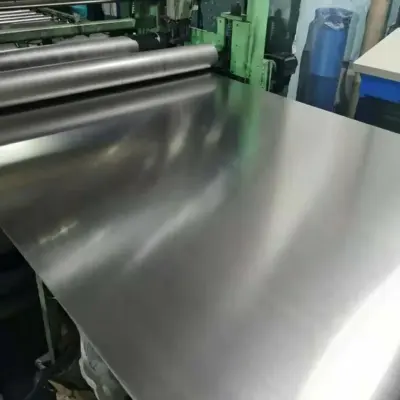
310s stainless steel coil represents a premium-grade austenitic chromium-nickel alloy specifically engineered for exceptional high-temperature service and superior oxidation resistance. With elevated chromium (24-26%) and nickel (19-22%) content, this heat-resistant material serves critical roles in furnace components, heat exchangers, and thermal processing equipment where sustained exposure to temperatures up to 1150°C is required. Manufacturing facilities, petrochemical plants, and industrial heat treatment operations rely on 310s coil for applications demanding both structural integrity and corrosion resistance under extreme thermal cycling conditions.
What is 310s Stainless Steel Coil?
310s stainless steel coil is an austenitic chromium-nickel alloy conforming to ASTM A240/A240M standards, characterized by its low carbon content (0.08% maximum) and high alloy composition. The "S" designation indicates the low-carbon variant, which provides enhanced resistance to intergranular corrosion and improved weldability compared to standard 310 grade. This material maintains face-centered cubic crystal structure across its service temperature range, delivering consistent mechanical properties and dimensional stability. The coil form factor enables efficient fabrication into heat shields, radiant tubes, combustion chambers, and other components requiring formability combined with extreme temperature capability.
310s Stainless Steel Coil Technical Specifications
The chemical composition comprises 24.0-26.0% chromium, 19.0-22.0% nickel, 2.0% manganese maximum, 1.5% silicon maximum, and iron balance per ASTM A240 Section 6. Carbon content is restricted to 0.08% maximum to minimize carbide precipitation during elevated temperature exposure. At room temperature, the material exhibits a minimum tensile strength of 515 MPa, yield strength of 205 MPa, and elongation of 40% in 50mm gauge length. Density measures 7.98 g/cm³ at 20°C. Thermal conductivity at 100°C is 14.2 W/m·K, while the coefficient of thermal expansion between 0-100°C is 14.4 μm/m·°C. The alloy demonstrates exceptional scaling resistance with maximum service temperature of 1150°C in intermittent operation and 1040°C for continuous exposure according to EN 10088-2:2014 guidelines.
Key Advantages of 310s Stainless Steel Coil
310s coil delivers outstanding resistance to oxidation and carburization in high-temperature atmospheres, maintaining protective chromium oxide surface layers that prevent substrate degradation. The elevated nickel content provides superior resistance to reducing environments and sulfur-containing gases compared to lower-alloy grades. Low carbon specification eliminates sensitization concerns during welding and thermal processing, ensuring consistent corrosion resistance across heat-affected zones. The austenitic structure retains ductility and toughness even after extended high-temperature service, facilitating field repairs and modifications. Excellent thermal fatigue resistance accommodates repeated heating and cooling cycles without cracking or dimensional distortion. The coil format enables cost-effective fabrication through standard forming, rolling, and welding processes while minimizing material waste.
Manufacturing Standards and Quality Certifications
Production adheres to ASTM A240/A240M-20a specifications for chromium and chromium-nickel stainless steel plate, sheet, and strip for pressure vessels and general applications. Material complies with EN 10088-2:2014 European standards for stainless steels technical delivery conditions for sheet/plate and strip of corrosion resisting steels. Japanese Industrial Standard JIS G4304 requirements are met for hot-rolled stainless steel plate, sheet and strip. Each coil receives mill test certificate per EN 10204 Type 3.1, documenting chemical analysis via optical emission spectrometry, mechanical properties from tensile testing, and dimensional verification. Ultrasonic testing confirms internal soundness, while surface inspection ensures freedom from detrimental defects exceeding acceptance criteria defined in ASTM A480/A480M.
Common Applications and Industry Uses
Thermal Processing Equipment
310s stainless steel coil finds extensive application in furnace construction including retorts, muffles, radiant tubes, and burner components for heat treatment operations. The material's resistance to cyclic oxidation makes it the preferred choice for annealing boxes, carburizing fixtures, and sintering trays operating between 900-1100°C. Kilns for ceramic, glass, and refractory production utilize 310s for structural supports, conveyor belts, and protective shielding.
Petrochemical and Refining Infrastructure
Reformer tubes, cracking coils, and catalyst support grids fabricated from 310s coil withstand corrosive hydrocarbons and sulfur compounds at elevated temperatures. Heat recovery steam generators, waste heat boilers, and flue gas desulfurization systems employ this grade for components exposed to alternating oxidizing and reducing conditions. Thermal oxidizers and incinerators benefit from 310s's resistance to chlorine and sulfur-bearing combustion products.
Power Generation Components
Superheater tubes, reheater assemblies, and steam piping in coal-fired and biomass power plants utilize 310s for sustained service above 650°C. Gas turbine combustion chambers, transition pieces, and exhaust components leverage the alloy's creep resistance and thermal stability. Nuclear facility off-gas systems and high-temperature ventilation ducts specify 310s for radiation-resistant, high-temperature performance.
Specialized Industrial Applications
Aerospace manufacturers employ 310s coil for jet engine afterburner components, thrust reversers, and exhaust nozzles requiring oxidation resistance above 1000°C. Chemical processing equipment including retorts, reaction vessels, and catalyst regeneration systems benefit from the material's resistance to carburization and metal dusting. Food processing ovens, bakery equipment, and industrial dryers use 310s for conveyor systems and heating elements operating in high-temperature oxidizing atmospheres.
Fabrication and Processing Capabilities
Forming and Bending Operations
310s stainless steel coil accommodates cold forming operations including roll forming, press braking, and stretch forming with appropriate tooling and bend radii. Minimum inside bend radius of 2-3 times material thickness prevents surface cracking while maintaining mechanical properties. Annealing at 1040-1150°C followed by rapid cooling restores ductility after extensive cold work. Hot forming between 1150-900°C enables tighter radii and reduced forming loads for complex geometries.
Welding Procedures and Considerations
Gas tungsten arc welding (GTAW) with ER310 filler metal produces high-quality joints with corrosion resistance matching base material. Shielded metal arc welding (SMAW) using E310-16 electrodes suits field fabrication and repair applications. Preheat is typically unnecessary, but interpass temperature should not exceed 150°C to prevent excessive grain growth. Post-weld heat treatment is generally not required due to low carbon content, though stress relief at 870-900°C may benefit highly restrained assemblies. Argon backing gas prevents oxidation on root passes for critical pressure-containing applications.
Machining and Surface Finishing
Machining 310s requires rigid setups, sharp tooling with positive rake angles, and adequate cutting fluid to manage work hardening characteristics. Turning operations employ carbide inserts at cutting speeds of 60-90 m/min with feeds of 0.15-0.30 mm/rev. Drilling utilizes high-speed steel or cobalt alloy bits with reduced speeds and increased feed rates compared to carbon steel. Surface finishing options include mechanical polishing to 2B, BA, or mirror finishes, electropolishing for enhanced corrosion resistance, and passivation per ASTM A380 to remove free iron and optimize passive film formation.
Material Comparison and Grade Selection
310s vs 304 Stainless Steel
While 304 serves general-purpose applications up to 400°C intermittently, 310s provides superior high-temperature strength and oxidation resistance for continuous service exceeding 900°C. The higher chromium and nickel content in 310s delivers enhanced resistance to carburizing and sulfidizing environments. Cost-effective 304 suits moderate-temperature applications, whereas 310s justifies premium pricing for extreme thermal conditions requiring extended service life.
310s vs 321 Stainless Steel
321 grade incorporates titanium stabilization to prevent intergranular corrosion in the 425-815°C range, making it suitable for aircraft exhaust systems and expansion joints. However, 310s outperforms 321 above 900°C with better scaling resistance and creep strength. For applications below 800°C requiring intergranular corrosion resistance, 321 offers comparable performance at lower material cost. Above 900°C, 310s becomes the technically superior choice despite higher initial investment.
310s vs 2205 Duplex Stainless Steel
2205 duplex grade provides exceptional strength and chloride stress corrosion cracking resistance for ambient to moderate temperature applications in marine and chemical processing environments. The ferritic-austenitic microstructure limits maximum service temperature to approximately 300°C, beyond which sigma phase precipitation degrades properties. For high-temperature oxidizing service, 310s austenitic structure maintains stability and mechanical properties where duplex grades cannot function. Conversely, 2205 excels in high-chloride, moderate-temperature applications where 310s offers no particular advantage.
Inventory Specifications and Available Dimensions
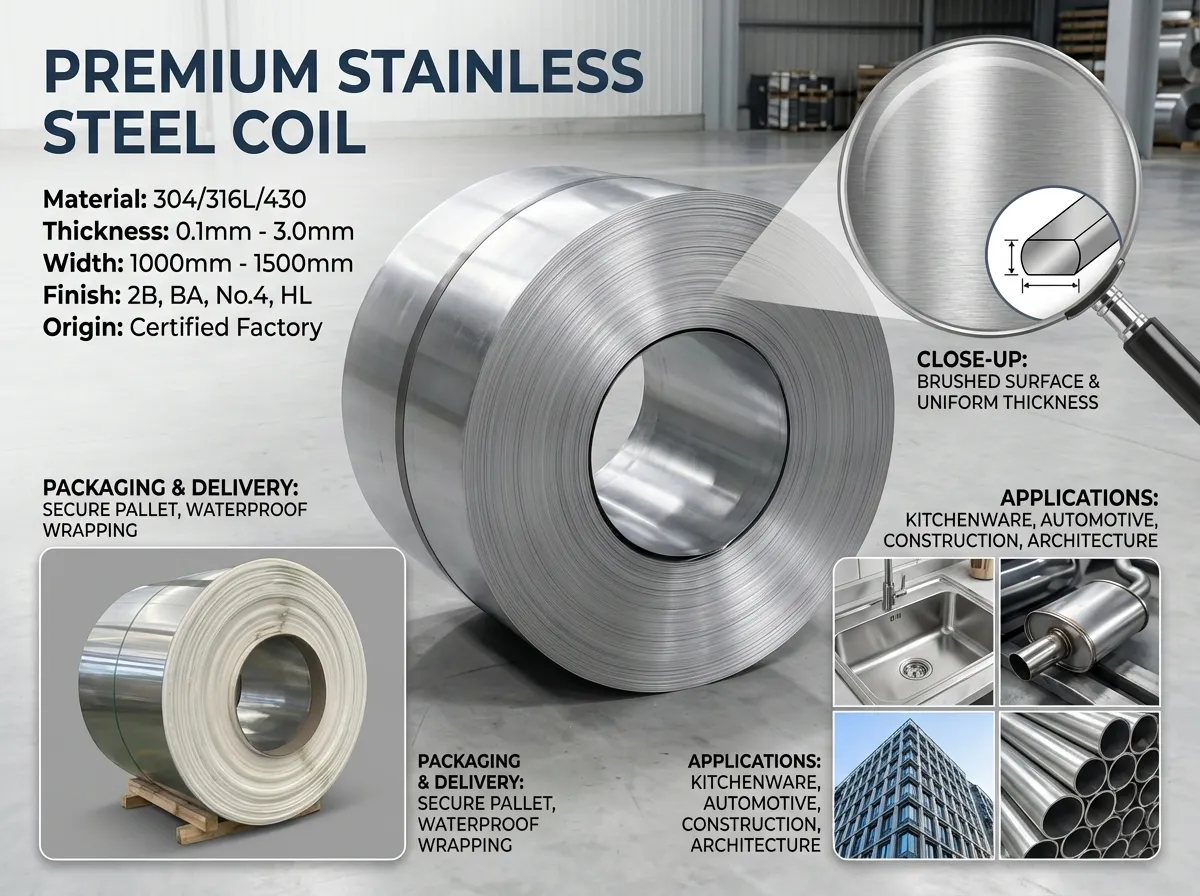
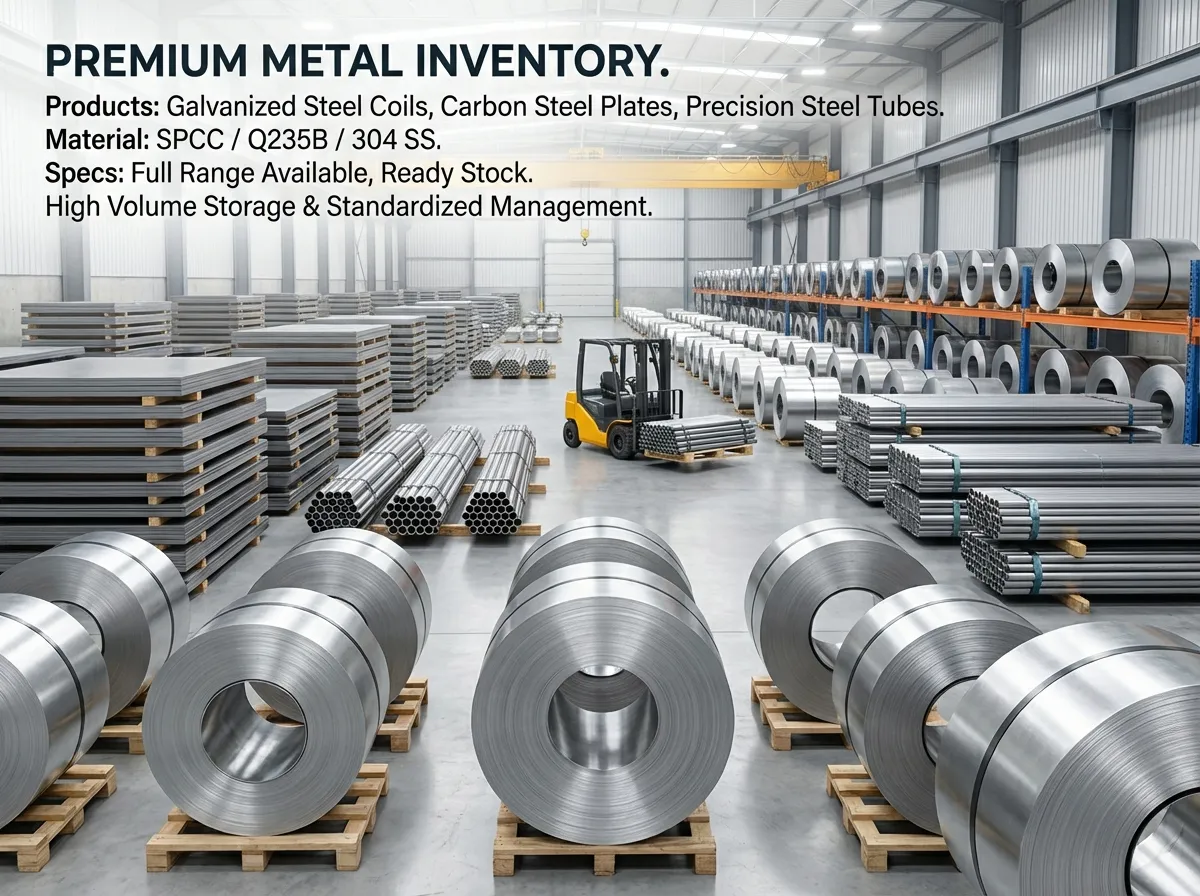
Standard coil widths range from 1000mm to 2000mm with thickness options spanning 0.3mm to 6.0mm to accommodate diverse fabrication requirements. Coil inner diameter typically measures 508mm or 610mm compatible with standard decoiling equipment. Outer diameter varies based on thickness and total coil weight, generally not exceeding 2200mm for handling and transportation efficiency. Edge conditions include mill edge, slit edge, and trimmed edge per customer specification. Surface finishes available include 2B (cold rolled, annealed, pickled), BA (bright annealed), and No.1 (hot rolled, annealed, pickled). Coil weights typically range from 3 to 10 metric tons depending on dimensions and customer requirements.
Quality Control and Testing Procedures
Each production lot undergoes chemical analysis via optical emission spectrometry to verify compliance with ASTM A240 compositional requirements for chromium, nickel, carbon, and residual elements. Tensile testing per ASTM A370 confirms minimum yield strength, ultimate tensile strength, and elongation values at room temperature. Hardness testing using Rockwell B scale ensures material consistency and proper heat treatment. Ultrasonic examination detects internal discontinuities exceeding acceptance standards defined in ASTM A435. Surface inspection identifies and documents any rolling defects, scratches, or inclusions per ASTM A480 visual examination criteria. Dimensional verification confirms thickness tolerance of ±0.05mm for material under 3mm and ±0.10mm for heavier gauges. Flatness measurements ensure coil set does not exceed 15mm per meter of width.
Storage and Handling Recommendations
Store 310s stainless steel coil in clean, dry indoor facilities protected from moisture, chemical fumes, and temperature extremes to prevent surface staining or corrosion. Maintain protective wrapping until immediately before processing to preserve surface finish quality. Support coils on wooden dunnage or rubber-lined cradles preventing edge damage and maintaining cylindrical shape. Avoid contact with carbon steel or other dissimilar metals that may cause galvanic corrosion or surface contamination. When handling with lifting equipment, use nylon or rubber-coated slings to prevent surface marring. Rotate inventory following first-in-first-out principles to minimize extended storage duration. Prior to fabrication, clean surfaces with alkaline cleaners or solvents to remove any accumulated oils, dust, or handling residues that might compromise welding quality or corrosion resistance.
Frequently Asked Questions
What is the minimum order quantity (MOQ)?
Our standard minimum order quantity for 310s stainless steel coil is 5 metric tons per specification. For non-standard dimensions or special surface finishes, MOQ may increase to 10 metric tons to justify custom production runs. Sample quantities of 100-500 kg are available for initial quality evaluation and testing purposes. Volume customers with established relationships may negotiate reduced MOQ for specific applications.
Do you provide material test certificates?
Yes, comprehensive mill test certificates conforming to EN 10204 Type 3.1 accompany every coil shipment. Documentation includes complete chemical analysis, mechanical property test results, heat treatment records, and dimensional verification data. Third-party inspection certificates from internationally recognized agencies such as SGS, TÜV, or Bureau Veritas can be arranged upon request. All test reports are traceable to specific coil identification numbers for complete quality assurance.
What is the typical delivery time?
Standard dimension 310s stainless steel coil from existing inventory ships within 7-10 business days after order confirmation and payment receipt. Custom specifications requiring mill production typically require 45-60 days depending on order quantity and current production schedules. Express processing for urgent requirements can reduce lead time to 30 days with applicable expedite charges. International shipping transit time varies by destination port, generally adding 15-30 days for ocean freight.
Can you cut to custom sizes?
Yes, we provide precision slitting services to produce custom widths from master coils with tolerance of ±0.5mm. Shearing to specific lengths accommodates customer requirements with cutting accuracy of ±2mm. Blanking operations produce rectangular pieces to specified dimensions for direct fabrication use. Edge deburring and protective film application are available as value-added services. Custom cutting typically adds 5-7 days to standard delivery schedules.
Get a Competitive Quote for 310s Stainless Steel Coil
As a specialized supplier of high-performance stainless steel products, we offer mill-direct pricing on 310s stainless steel coil backed by comprehensive technical support and quality assurance. Our metallurgical expertise ensures proper grade selection for your specific high-temperature application requirements. Whether you need standard production quantities or custom specifications, our experienced team provides responsive service and reliable delivery performance. Request your detailed quotation today and discover why leading manufacturers trust us for critical heat-resistant materials.
- 24/7 customer support available for technical consultation and order assistance
- Free samples for quality evaluation and application testing
- Competitive pricing for bulk orders with flexible payment terms
- Professional technical consultation on material selection, fabrication methods, and application engineering
- Complete documentation package including test certificates, handling instructions, and technical data sheets
- Global shipping capabilities with experienced logistics coordination
Contact us today to get your free quote within 24 hours and ensure your high-temperature applications benefit from premium 310s stainless steel coil!
Ratings & Reviews

Know your supplier
Supplier's customization ability
- Drawing-based customization
- Sample-based customization
- Full customization
Minimum order quantity: 1 ton
Shipping total: To be negotiated
- Lead time:
- confirmed with the quotation
- Packaging:
- standard export packing
- Samples:
- available on request