 English
  Español
  Français
  Deutsch
  Português (Brasil)
  Русский
  العربية
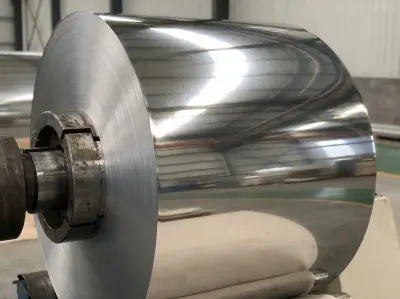
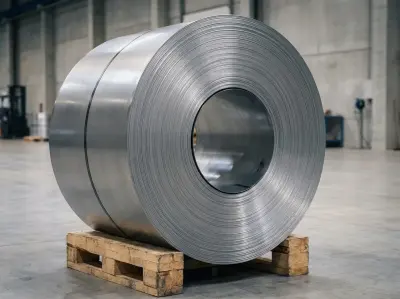
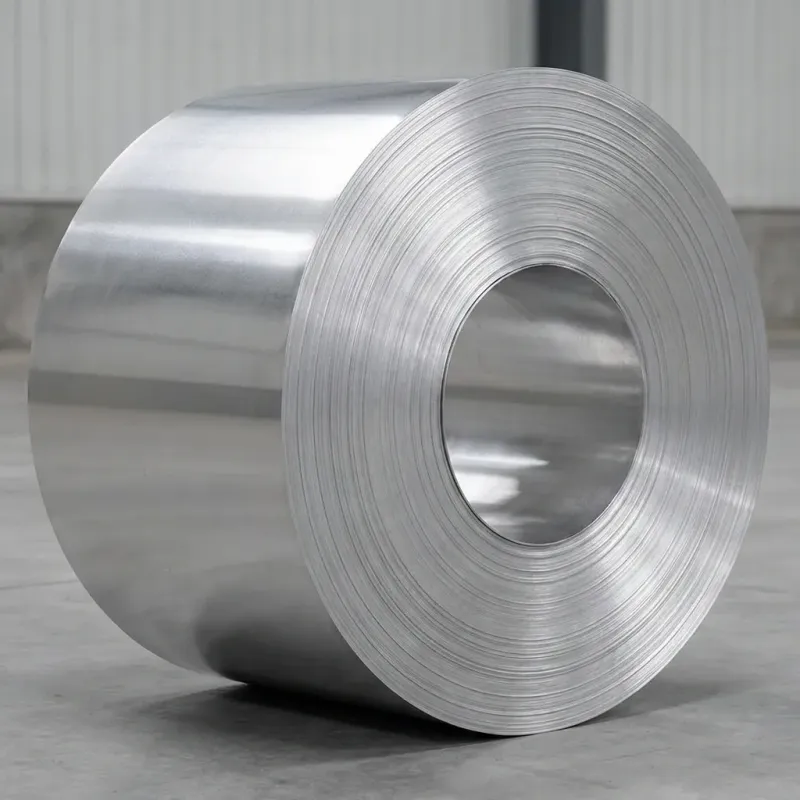
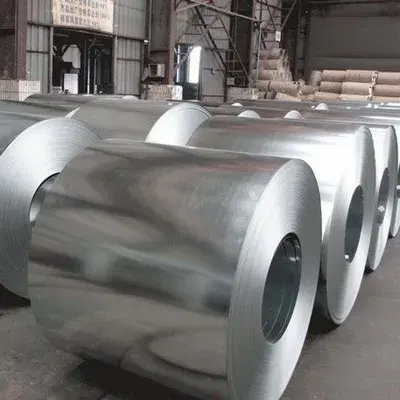
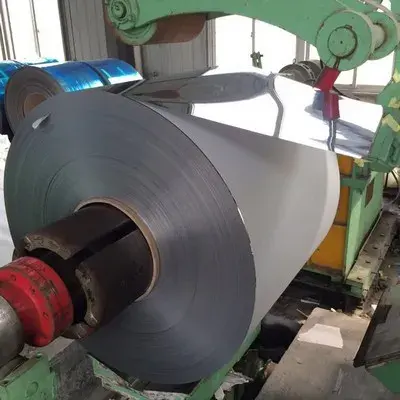
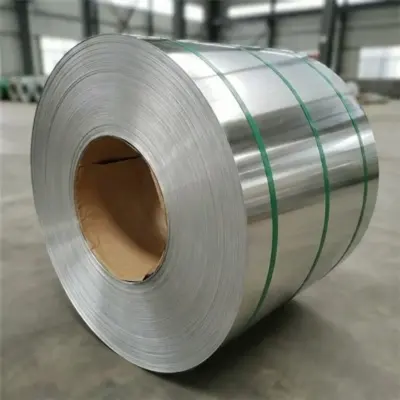
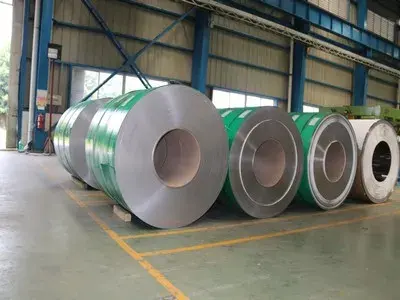
301 Stainless Steel Coil - Cold Rolled, ASTM A240, 0.3–3.0mm Thickness

 China
China
Supplier's customization ability
- Drawing-based customization
- Sample-based customization
- Full customization
Minimum order quantity: 1 ton
Shipping total: To be negotiated
- Lead time:
- confirmed with the quotation
- Packaging:
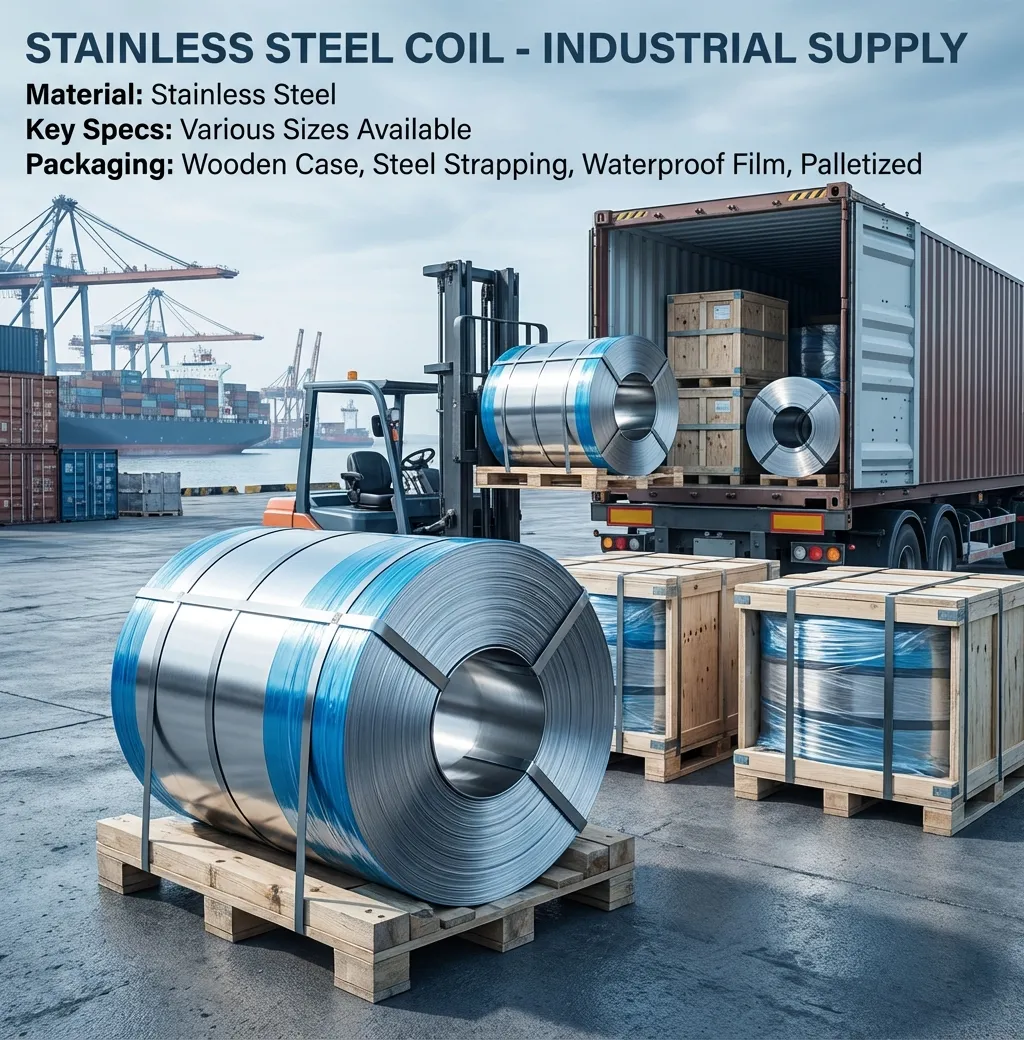
- standard export packing
- Samples:
- available on request
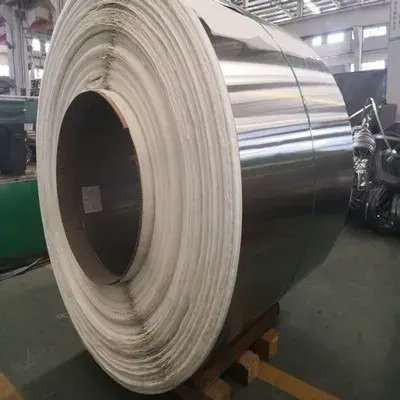
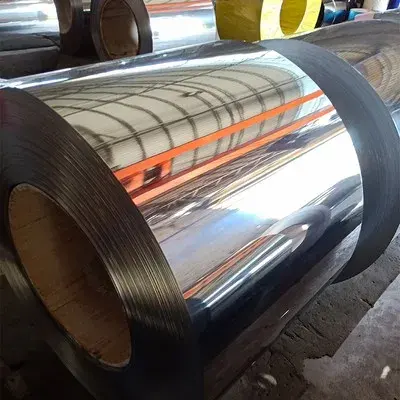
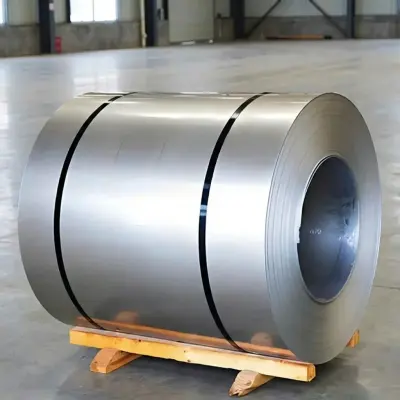
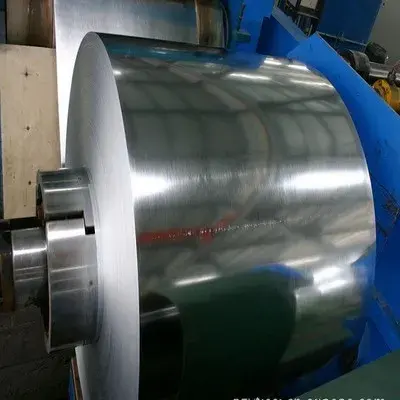
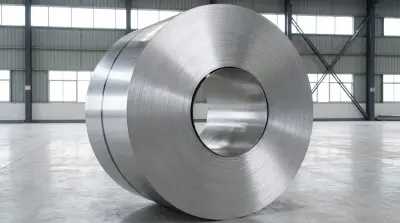
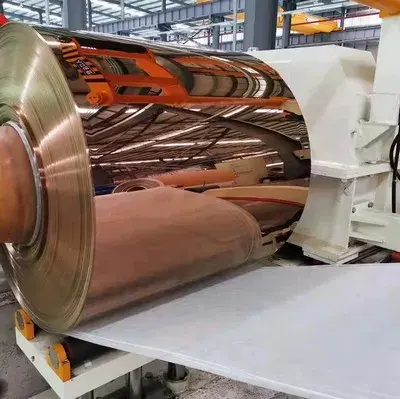
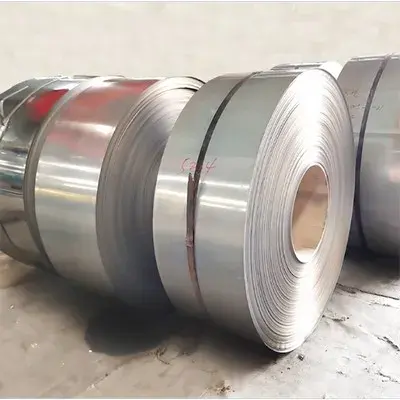
Product details
Technical Specifications of 301 Stainless Steel Coil
| Property | Parameter | Description |
|---|---|---|
| Product Name | 301 Stainless Steel Coil | Austenitic chromium-nickel steel with high work hardening rate |
| Material Grade | 301 / EN 1.4310 / UNS S30100 / JIS SUS301 | International grade equivalents |
| Standard Compliance | ASTM A240, EN 10088-2, JIS G4305 | Meets major international standards |
| Carbon Content (C) | ≤0.15% | Carbon content for strength and hardening |
| Chromium (Cr) | 16.0-18.0% | Provides corrosion resistance |
| Nickel (Ni) | 6.0-8.0% | Enhances ductility and formability |
| Manganese (Mn) | ≤2.0% | Improves mechanical properties |
| Silicon (Si) | ≤1.0% | Deoxidizer and strengthener |
| Tensile Strength | ≥515 MPa (annealed), ≥1275 MPa (full hard) | Minimum tensile strength per ASTM A240 |
| Yield Strength | ≥205 MPa (annealed), ≥1035 MPa (full hard) | Minimum yield strength varies by temper |
| Elongation | ≥40% (annealed), ≥5% (full hard) | Ductility in 50mm gauge length |
| Hardness | ≤217 HBW (annealed), ≥363 HBW (full hard) | Brinell hardness by temper condition |
| Thickness Range | 0.1 - 6.0 mm | Available coil thickness options |
| Width Range | 600 - 1500 mm | Standard and custom widths |
| Surface Finish | 2B, BA, No.4, HL | Multiple surface treatment options |
| Temper Condition | Annealed, 1/4 Hard, 1/2 Hard, 3/4 Hard, Full Hard | Various work hardening levels available |
| Application | Spring manufacturing, automotive trim, structural components | High strength applications requiring formability |
| Certification | EN 10204 3.1, ISO 9001, ASTM A240 | Quality certifications provided |
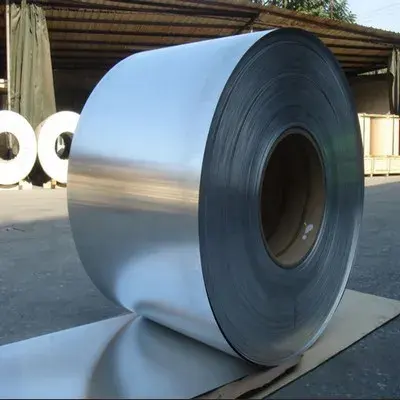
| Packaging | Eye-to-sky or eye-to-wall, waterproof paper, steel strapping | Standard export packaging for coils |
| MOQ | 1 ton | Minimum order quantity |
301 Stainless Steel Coil - Cold Rolled, ASTM A240, 0.3–3.0mm Thickness
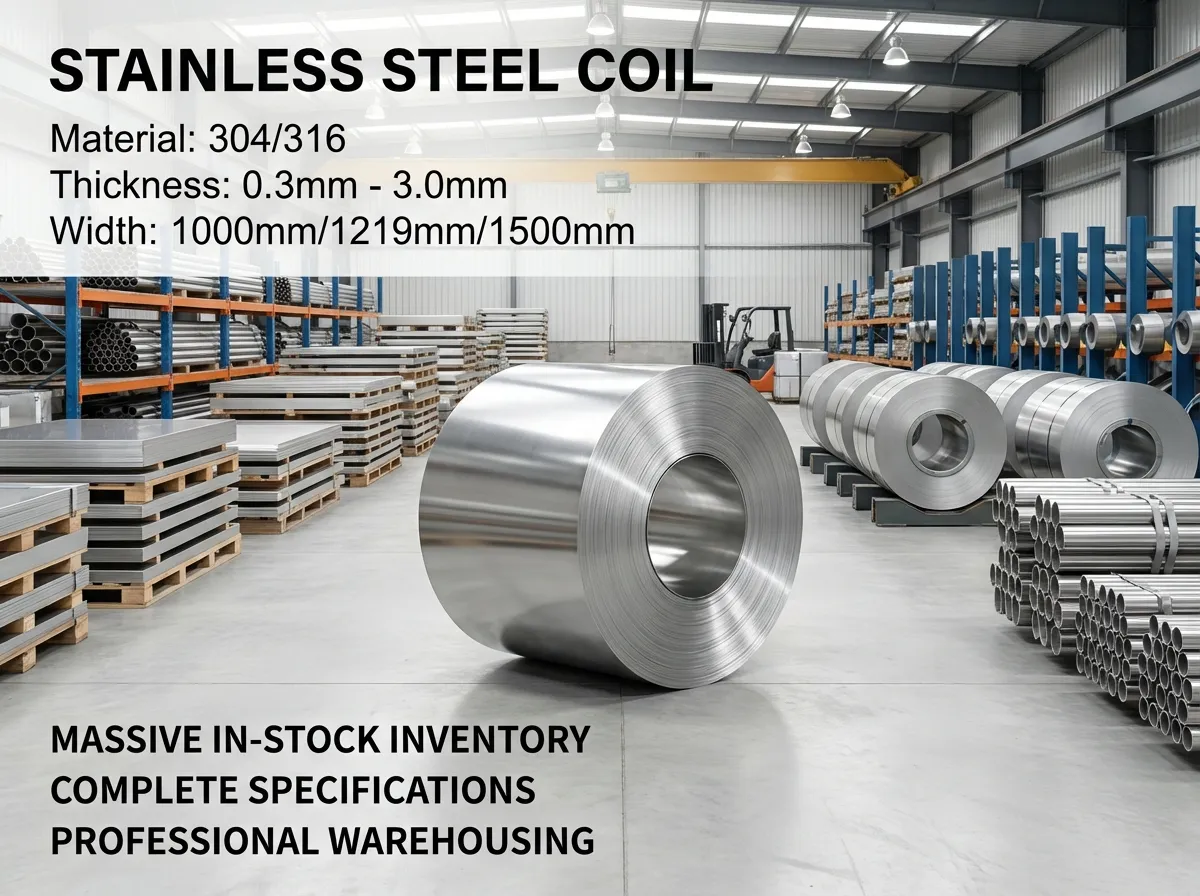
301 stainless steel coil represents a high-strength austenitic chromium-nickel alloy engineered for applications demanding exceptional work hardening characteristics and superior spring properties. This cold-rolled material finds extensive application in railway car construction, automotive structural components, and precision spring manufacturing where enhanced formability combined with strain-induced strength elevation proves essential. Manufactured to strict ASTM A240/A240M standards with thickness ranging from 0.3mm to 3.0mm, this grade delivers optimal performance for customers requiring both deep drawing capability and post-forming strength enhancement.
What is 301 Stainless Steel Coil?
301 stainless steel coil is an austenitic chromium-nickel alloy containing 16-18% chromium and 6-8% nickel, characterized by its exceptional work hardening rate during cold forming operations. Unlike conventional 304 grade, this material exhibits rapid strength increase through strain hardening, achieving tensile strengths exceeding 1275 MPa in fully hard condition per ASTM A666 specifications. The controlled carbon content of 0.15% maximum enables superior welding characteristics while maintaining austenitic structure stability across diverse fabrication processes.
301 Stainless Steel Coil Technical Specifications
This grade complies with ASTM A240/A240M-20a Section 6 chemical requirements, featuring chromium content of 16.00-18.00%, nickel content of 6.00-8.00%, and manganese limited to 2.00% maximum. The material demonstrates density of 7.93 g/cm³ at 20°C, with thermal conductivity of 16.3 W/m·K at ambient temperature. Yield strength in annealed condition reaches 205 MPa minimum, while ultimate tensile strength achieves 515 MPa minimum according to ASTM A666 Table 2 provisions. Available surface finishes include 2B cold-rolled bright finish and BA bright annealed finish per ASTM A480 standards.
Key Advantages of 301 Stainless Steel Coil
This alloy offers exceptional strain hardening capability, enabling strength doubling through controlled cold working operations while preserving adequate ductility for complex forming sequences. The material exhibits superior spring properties with elastic modulus of 193 GPa, making it the preferred choice for precision spring applications requiring consistent performance across extended service cycles. Corrosion resistance properties meet ASTM A262 Practice E requirements, ensuring adequate performance in mildly corrosive industrial atmospheres and interior architectural applications.
Enhanced Formability Characteristics
The austenitic structure provides outstanding deep drawing properties with limiting drawing ratio exceeding 2.2:1 in annealed temper, facilitating production of complex automotive components and railway car structural elements. Post-forming strength elevation reaches 100-150% through controlled work hardening, eliminating secondary heat treatment requirements in numerous applications.
Cost-Effective Performance Solution
Reduced nickel content compared to 304 grade delivers mill-direct pricing advantages while maintaining adequate corrosion resistance for non-marine industrial environments. The material enables thickness reduction through strength enhancement, providing weight savings and material cost optimization in transportation equipment manufacturing.
Common Applications and Industry Uses
Railway car construction utilizes this grade extensively for structural side panels, roof sections, and floor support systems where post-forming strength elevation eliminates reinforcement requirements. Automotive manufacturers employ 301 coil for seat belt components, structural reinforcements, and suspension springs requiring precise mechanical property control. The electronics industry specifies this material for spring contacts, shielding enclosures, and precision stampings demanding consistent elastic behavior across operational temperature ranges.
Transportation Equipment Manufacturing
Railway applications include carbody structural panels manufactured through stretch forming operations, achieving yield strengths exceeding 800 MPa in quarter-hard condition. Automotive structural components utilize half-hard temper with 965 MPa minimum tensile strength for crash energy absorption members.
Precision Spring Production
Industrial spring manufacturers process full-hard temper material with 1275 MPa tensile strength for valve springs, clutch components, and mechanical fasteners requiring superior fatigue resistance. Medical device applications employ this grade for surgical instrument springs and implantable device components meeting ASTM F899 biocompatibility standards.
Material Selection Considerations
Selecting appropriate temper conditions proves critical for optimizing fabrication efficiency and final component performance. Annealed temper suits complex forming operations requiring maximum ductility, while quarter-hard and half-hard conditions provide balanced formability with enhanced strength for moderate forming applications. Full-hard temper serves spring manufacturing and applications where maximum strength without further processing is essential.
Temper Designation Guide
Quarter-hard temper (Rockwell B 80 maximum) delivers 760 MPa minimum tensile strength with 15% elongation, suitable for moderate forming followed by strength requirements. Half-hard temper (Rockwell B 90 maximum) achieves 965 MPa tensile strength with 10% elongation minimum, optimal for limited forming with superior strength properties. Full-hard temper (Rockwell C 32 minimum) provides 1275 MPa tensile strength for spring applications requiring no subsequent forming operations.
Processing and Fabrication Guidelines
Cold forming operations should utilize proper tooling geometry with radius-to-thickness ratios exceeding 3:1 for annealed material and 5:1 for quarter-hard temper to prevent edge cracking. Welding processes require low heat input techniques with maximum interpass temperature of 150°C to minimize carbide precipitation in heat-affected zones. Post-weld annealing at 1040-1120°C restores corrosion resistance properties when welding full-hard temper material.
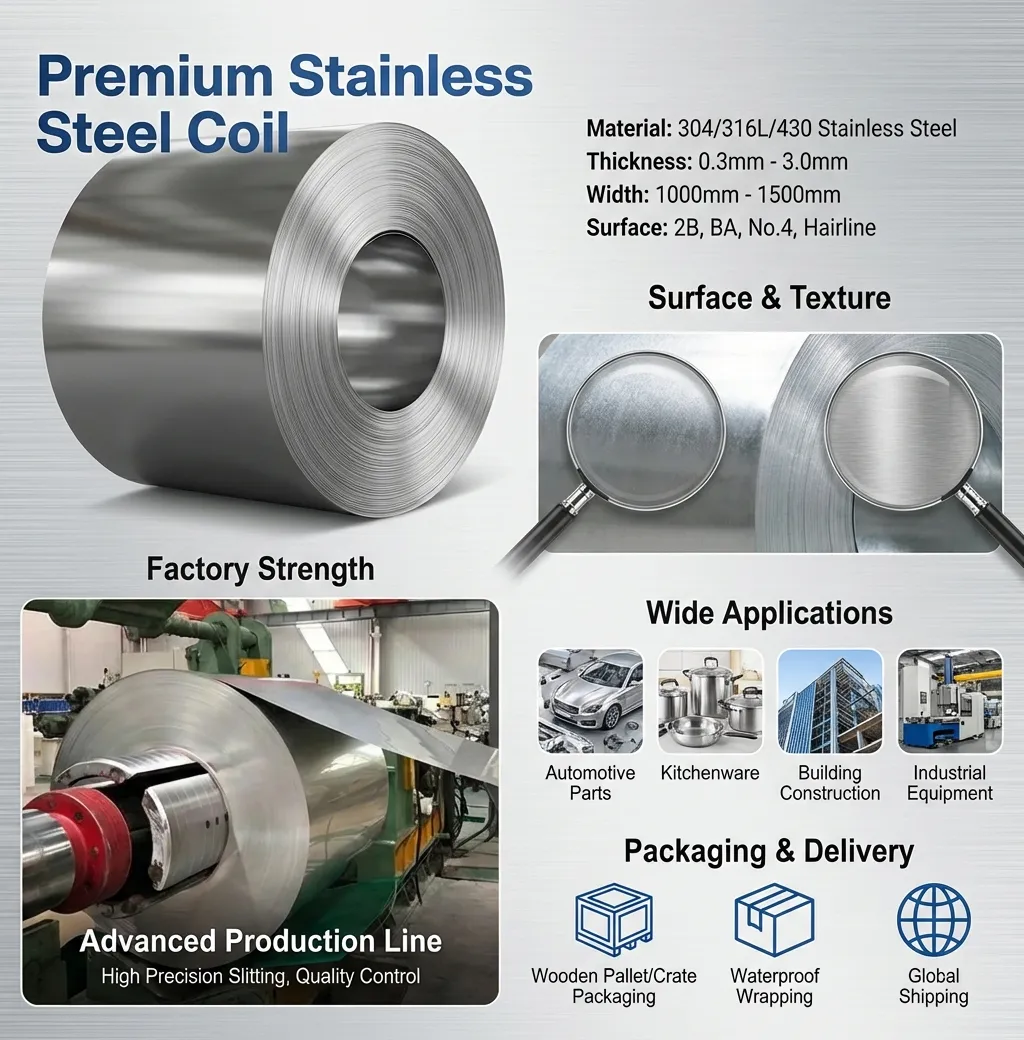
Surface Finishing Requirements
2B finish provides surface roughness of 0.5 μm Ra maximum, suitable for painted applications and general industrial components. BA bright annealed finish delivers 0.2 μm Ra surface quality for decorative applications and components requiring minimal surface preparation before coating operations.
Quality Assurance and Testing
Material certification includes chemical composition analysis per ASTM E1086 optical emission spectroscopy, mechanical property verification through ASTM E8 tensile testing, and grain size determination according to ASTM E112 requirements. Corrosion resistance validation employs ASTM A262 Practice E testing for intergranular attack susceptibility in sensitized conditions.
Inspection Standards Compliance
Surface quality inspection follows ASTM A480 provisions with acceptance criteria defined in Table 4 for cold-rolled products. Dimensional tolerances conform to ASTM A666 Table 3 specifications, ensuring thickness variation within ±0.05mm for material under 1.0mm thickness and ±0.08mm for 1.0-3.0mm thickness range.
Frequently Asked Questions
What is the minimum order quantity (MOQ)?
Standard minimum order quantity is established at 5 metric tons per specification to ensure economical production scheduling and competitive mill-direct pricing. Smaller quantities may be accommodated from warehouse stock subject to availability and applicable small-lot surcharges for non-standard width or temper requirements.
Do you provide material test certificates?
Comprehensive material test certificates per EN 10204 Type 3.1 accompany all shipments, documenting chemical composition analysis, mechanical property test results, and heat treatment verification. Certificates include unique heat number traceability enabling full manufacturing history documentation for quality management system requirements.
What is the typical delivery time?
Mill-direct production orders require 8-12 weeks lead time from purchase order confirmation, encompassing steel melting, hot rolling, cold reduction, and final annealing operations. Warehouse stock items ship within 5-7 business days subject to quantity availability and transportation scheduling to destination facilities.
Can you cut to custom sizes?
Precision slitting services accommodate width tolerances of ±0.5mm for widths 100-600mm and ±1.0mm for widths exceeding 600mm. Shearing operations provide length cutting accuracy within ±2.0mm for lengths up to 6000mm, with edge quality meeting ASTM A480 Table 7 edge condition requirements for subsequent forming operations.
Get a Competitive Quote for 301 Stainless Steel Coil
Our technical sales team provides comprehensive material selection support, fabrication guidance, and value-driven pricing for your 301 stainless steel coil requirements. With mill-direct sourcing relationships and extensive warehouse inventory, we deliver consistent quality material meeting your production schedules and budget parameters.
- 24/7 customer support available for technical inquiries and order status updates
- Free samples for quality evaluation with complete test documentation
- Competitive pricing for bulk orders with flexible payment terms
- Professional technical consultation for material selection and fabrication optimization
Contact us today to get your free quote within 24 hours!
Ratings & Reviews

Know your supplier
Supplier's customization ability
- Drawing-based customization
- Sample-based customization
- Full customization
Minimum order quantity: 1 ton
Shipping total: To be negotiated
- Lead time:
- confirmed with the quotation
- Packaging:
- standard export packing
- Samples:
- available on request