 English
  Español
  Français
  Deutsch
  Português (Brasil)
  Русский
  العربية
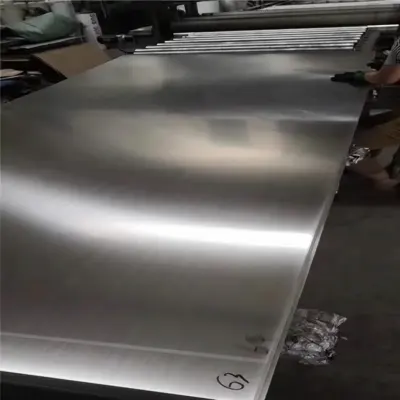
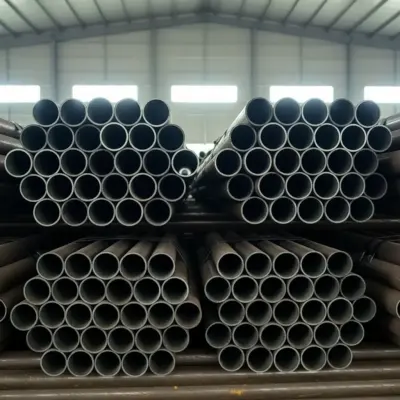
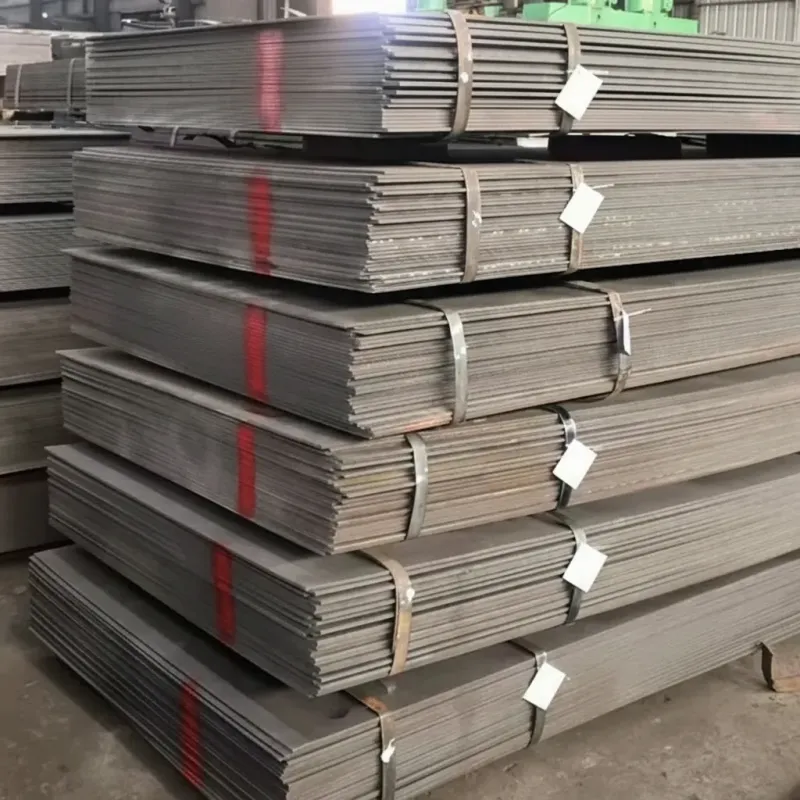
Carbon Steel Plate - ASTM A36, A572, SS400 | Hot Rolled & Cold Rolled

 China
China
Supplier's customization ability
- Drawing-based customization
- Sample-based customization
- Full customization
Minimum order quantity: 1 ton
Shipping total: To be negotiated
- Lead time:
- confirmed with the quotation
- Packaging:
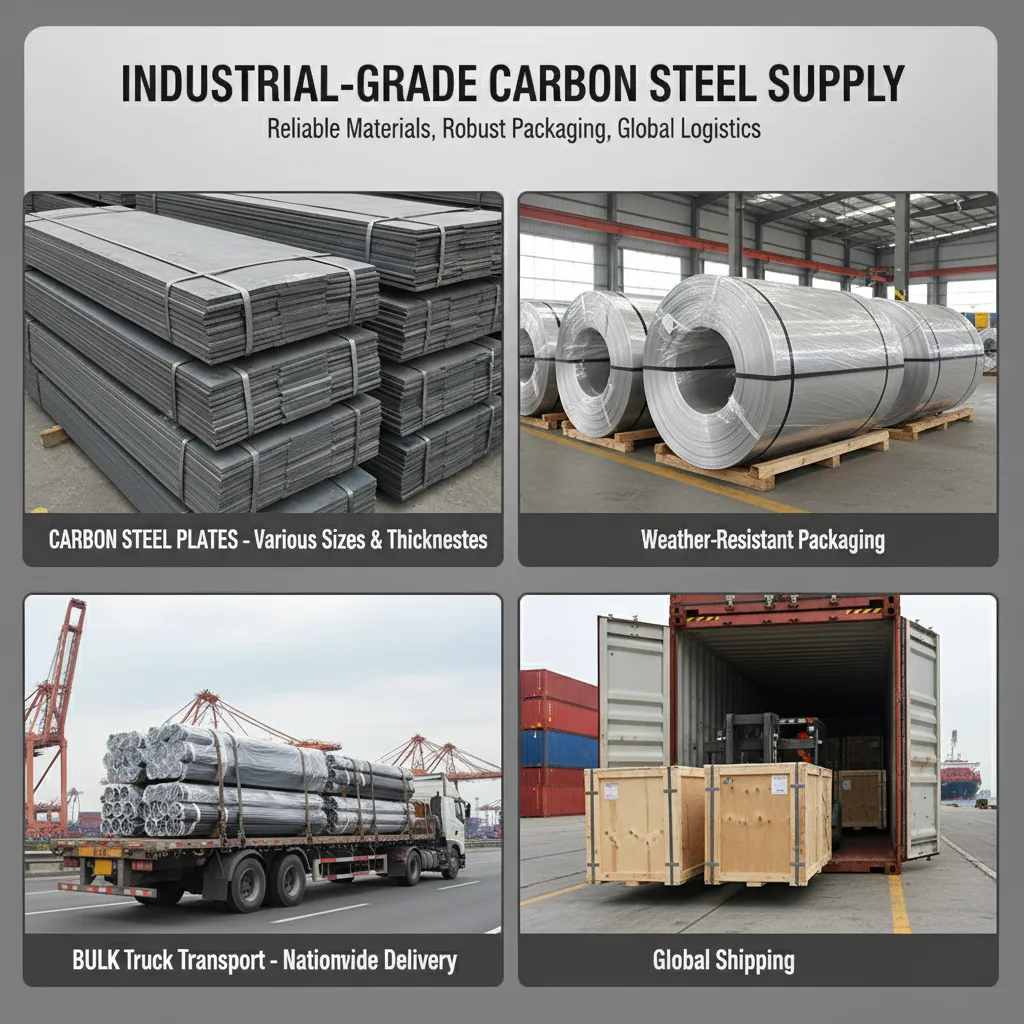
- standard export packing
- Samples:
- available on request
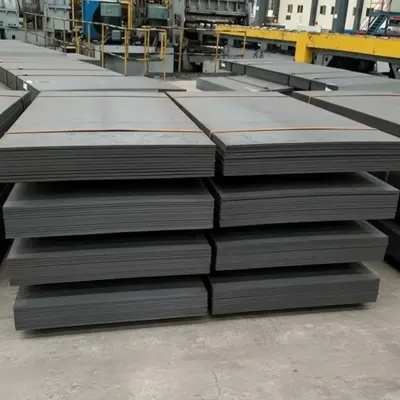
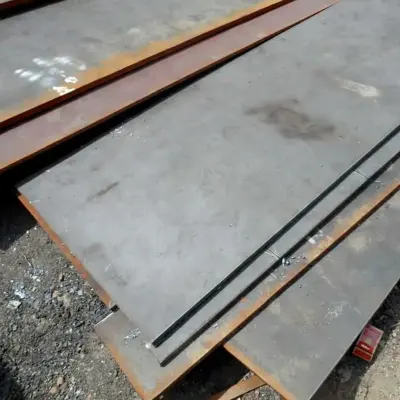
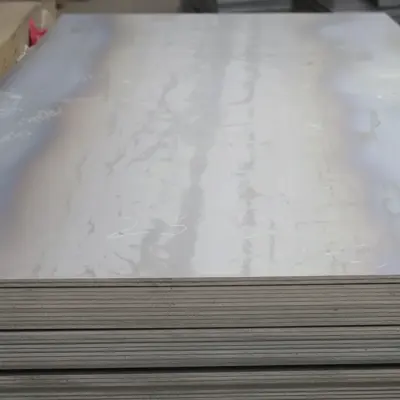
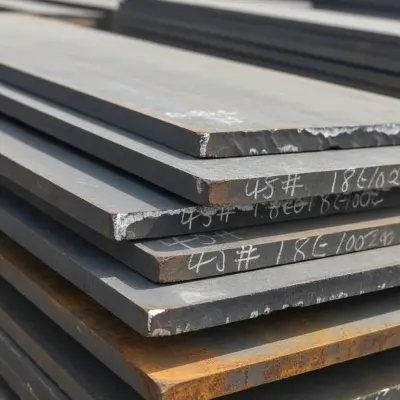
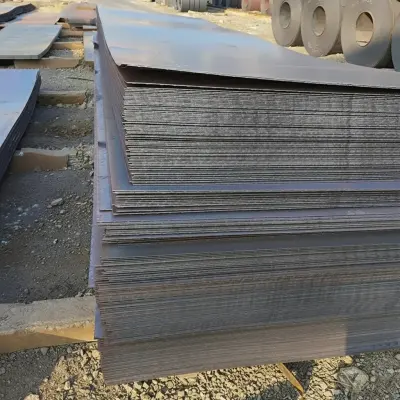
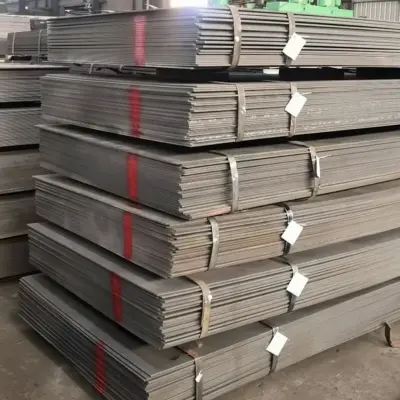
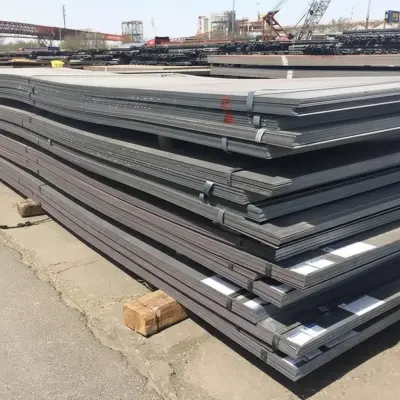
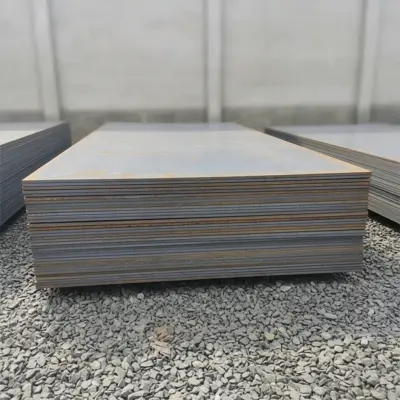
Product details
Technical Specifications of Carbon Steel Plate
| Property | Parameter | Description |
|---|---|---|
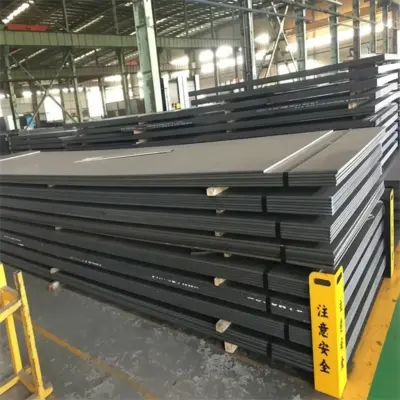
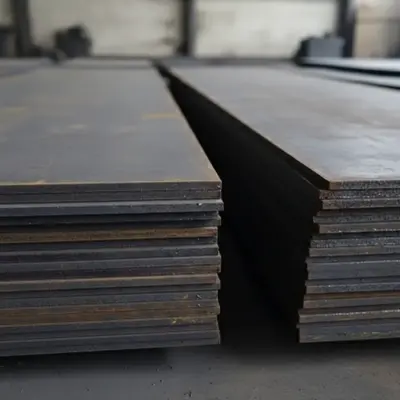
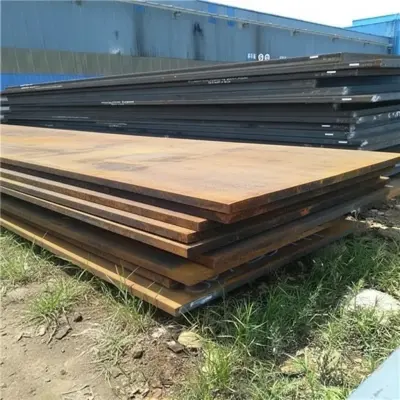
| Product Name | Carbon Steel Plate | Hot-rolled or cold-rolled structural steel plate |
| Material Grade | ASTM A36 / A283 Grade C / A516 Grade 70 | Common structural and pressure vessel grades |
| Standard Compliance | ASTM A36, ASTM A283, ASTM A516, EN 10025 | Meets major international standards |
| Carbon Content (C) | 0.15-0.30% | Carbon content for strength and weldability |
| Manganese (Mn) | 0.30-1.50% | Improves strength and hardenability |
| Phosphorus (P) | ≤0.040% | Controlled for ductility and toughness |
| Sulfur (S) | ≤0.050% | Low sulfur for improved weldability |
| Silicon (Si) | 0.15-0.40% | Deoxidizer and strengthening element |
| Tensile Strength | 400-550 MPa | Minimum tensile strength per ASTM standards |
| Yield Strength | ≥250 MPa | Minimum yield strength for structural applications |
| Elongation | ≥20% | Ductility in 50mm gauge length |
| Thickness Range | 3 - 200 mm | Available thickness options for various applications |
| Width Range | 1000 - 4000 mm | Standard and custom widths available |
| Length Range | 6000 - 12000 mm | Standard lengths or cut to size |
| Surface Finish | Hot Rolled (HR), Cold Rolled (CR), Pickled & Oiled | Multiple surface treatment options |
| Application | Construction, Shipbuilding, Pressure Vessels, Machinery | Typical application industries |
| Certification | EN 10204 3.1, ISO 9001, Mill Test Certificate | Quality certifications provided |
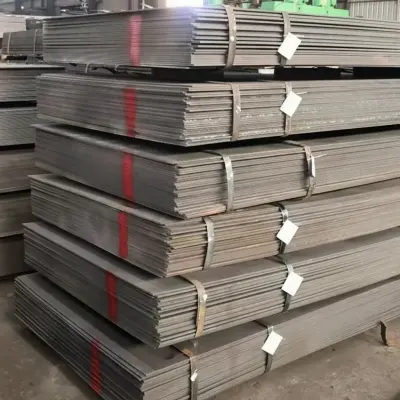
| Packaging | Steel strapping, waterproof paper, wooden pallet | Standard export packaging to prevent corrosion |
| MOQ | 5 tons | Minimum order quantity |
Carbon Steel Plate - ASTM A36, A572, SS400 | Hot Rolled & Cold Rolled
Carbon steel plate serves as a fundamental structural material in modern industrial manufacturing, offering exceptional mechanical strength and cost-effective solutions for diverse engineering applications. This versatile steel product finds extensive application in construction frameworks, pressure vessel fabrication, shipbuilding structures, and heavy machinery components. Designed for contractors, fabricators, and industrial manufacturers seeking reliable structural materials, carbon steel plate delivers optimal performance across temperature ranges from -40°C to 425°C while maintaining superior weldability and machinability characteristics.
What is Carbon Steel Plate?
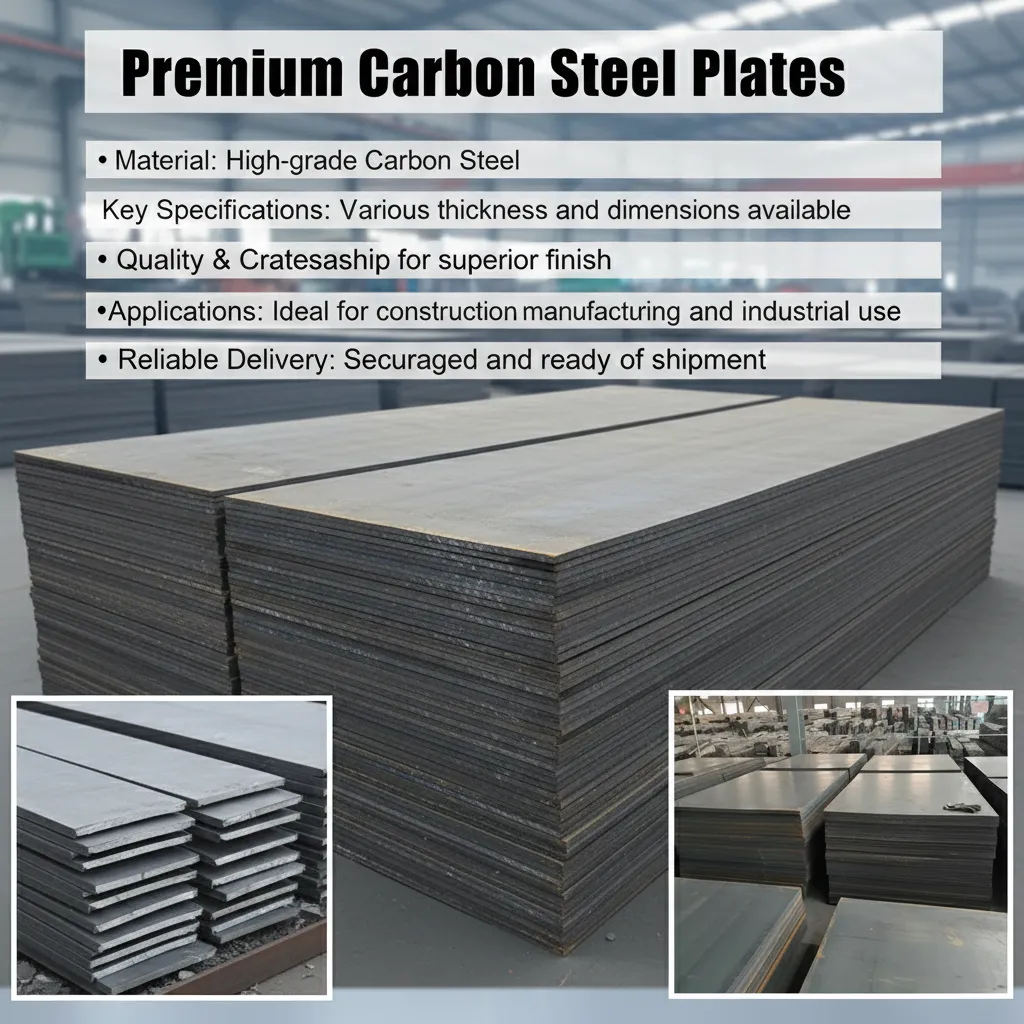
Carbon steel plate represents flat-rolled steel products with carbon content ranging from 0.05% to 2.0% by weight, manufactured through hot rolling or cold rolling processes to achieve thickness specifications between 3mm and 200mm. The material derives its strength primarily from carbon content rather than alloying elements, making it distinct from alloy steel or stainless steel variants. Manufacturing processes comply with ASTM A36/A36M-19, ASTM A572/A572M-18, and JIS G3101 SS400 standards, ensuring consistent mechanical properties including minimum yield strength of 250 MPa for A36 grade and tensile strength ranging from 400-550 MPa depending on grade specification.
Carbon Steel Plate Technical Specifications
Standard carbon steel plate conforms to multiple international specifications with precise chemical composition requirements. ASTM A36 grade contains maximum carbon content of 0.26%, manganese 0.80-1.20%, phosphorus 0.04% maximum, and sulfur 0.05% maximum. The material exhibits density of 7.85 g/cm³ at 20°C, elastic modulus of 200 GPa, and thermal conductivity of 51.9 W/(m·K). Hot rolled plates feature mill finish surface with scale, while cold rolled variants provide smoother surface finish with thickness tolerance of ±0.02mm per ASTM A1011/A1011M standards. Available dimensions span width from 1000mm to 3000mm and length from 2000mm to 12000mm, with custom cutting services accommodating project-specific requirements.
Key Advantages of Carbon Steel Plate
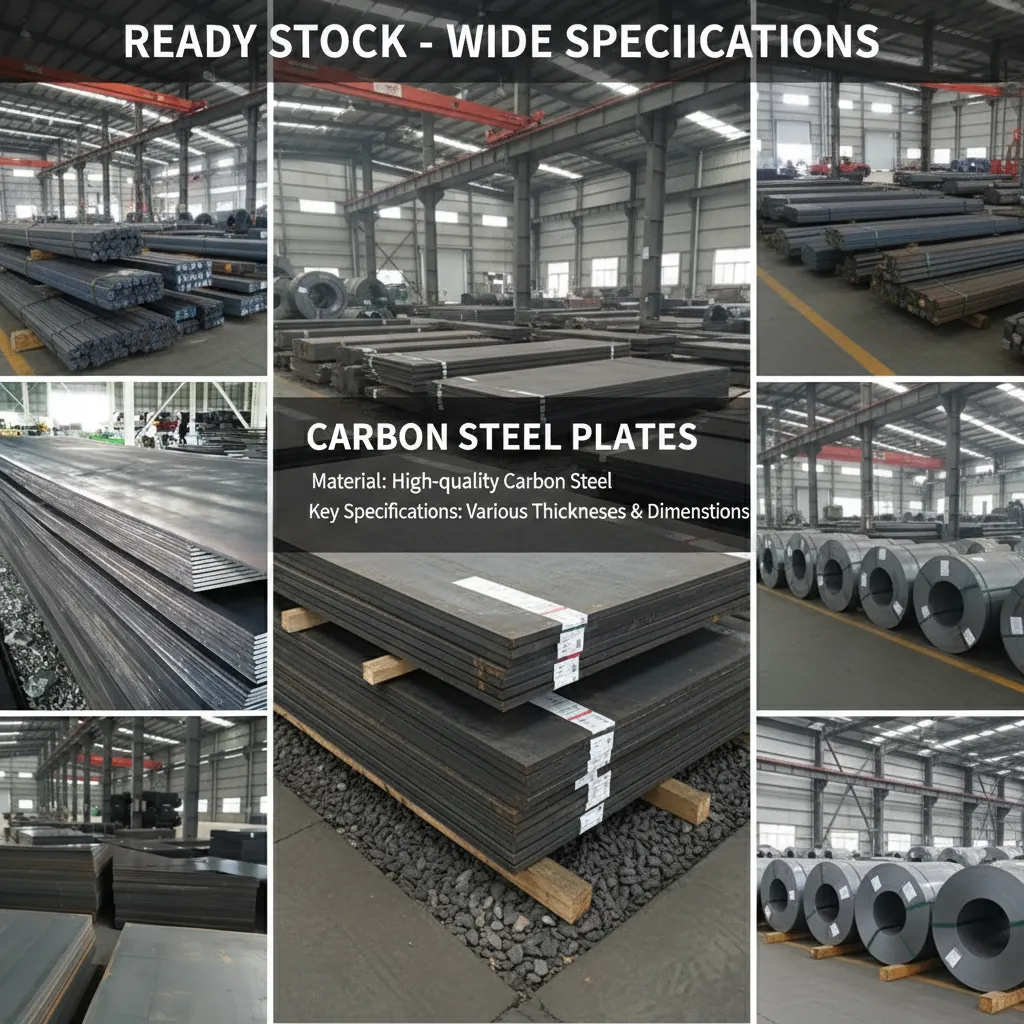
Carbon steel plate demonstrates superior structural integrity through high strength-to-weight ratio, delivering tensile strength up to 550 MPa in ASTM A572 Grade 50 while maintaining excellent formability for cold bending and hot forming operations. The material exhibits outstanding welding characteristics compatible with SMAW, GMAW, and SAW processes without requiring preheat treatment for thickness below 25mm. Cost-effectiveness remains a primary advantage, with pricing approximately 60-70% lower than equivalent stainless steel grades while offering comparable load-bearing capacity for non-corrosive environments. The widespread availability ensures consistent supply chain reliability with lead times typically ranging 7-14 days for standard dimensions.
Manufacturing Process and Quality Control
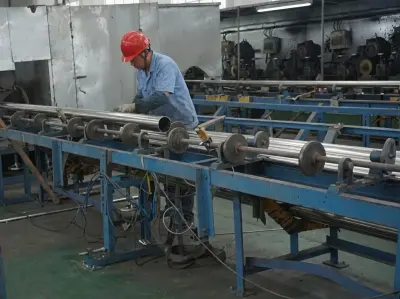
Production begins with continuous casting of steel billets containing controlled carbon composition, followed by reheating to 1200°C in walking beam furnaces. Hot rolling occurs through roughing mills and finishing stands, reducing thickness from 250mm slabs to final gauge specifications with thickness tolerance of ±5% per ASTM standards. Cold rolled plates undergo additional processing through pickling, cold reduction at ambient temperature, and annealing at 650-750°C to achieve enhanced surface finish and dimensional precision. Quality assurance protocols include ultrasonic testing per ASTM A435/A435M for internal discontinuities, chemical analysis via optical emission spectrometry, and mechanical testing following ASTM A370 procedures to verify yield strength, tensile strength, and elongation properties.
Applications Across Industries
Structural construction projects utilize carbon steel plate for building frameworks, bridge girders, and support columns, where ASTM A36 grade provides adequate strength for static loading conditions. Pressure vessel manufacturing employs ASTM A516 Grade 70 carbon steel plate for boiler drums, storage tanks, and heat exchangers operating at temperatures up to 425°C, meeting ASME Section VIII Division 1 code requirements. Shipbuilding applications specify ABS Grade A or DNV Grade A steel plates for hull construction, deck plating, and bulkhead structures, offering excellent impact resistance at low temperatures down to -20°C. Heavy equipment manufacturers incorporate high-strength A572 Grade 50 plates in crane booms, excavator arms, and mining equipment components requiring superior wear resistance and fatigue performance.
Surface Treatment and Coating Options
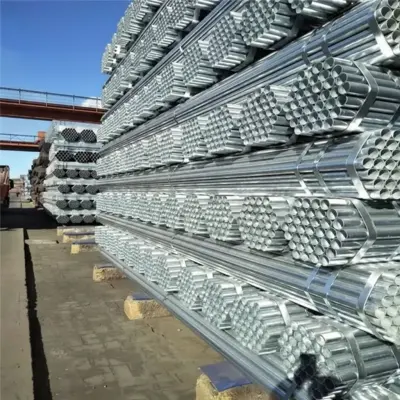
Mill scale removal through shot blasting or pickling prepares surfaces to Sa 2.5 cleanliness standard per ISO 8501-1, enabling optimal coating adhesion for corrosion protection systems. Hot-dip galvanizing applies zinc coating thickness of 85-100 microns conforming to ASTM A123/A123M, providing cathodic protection for outdoor exposure environments. Epoxy primer systems with dry film thickness of 75-125 microns offer chemical resistance for industrial atmospheres, while polyurethane topcoats deliver UV stability and color retention. Powder coating processes achieve uniform film thickness of 60-80 microns with superior impact resistance and environmental compliance compared to liquid paint systems.
Grade Comparison and Selection Guide
ASTM A36 represents the most economical option with minimum yield strength of 250 MPa, suitable for general structural applications without stringent strength requirements. ASTM A572 Grade 50 provides enhanced yield strength of 345 MPa minimum, recommended for high-stress components requiring reduced weight while maintaining load capacity. JIS G3101 SS400 offers equivalent properties to A36 with yield strength 245 MPa, commonly specified in Asian markets for construction and machinery applications. EN 10025 S275JR grade delivers impact toughness of 27 Joules at 20°C, preferred for structures subjected to dynamic loading or low-temperature service conditions. Selection criteria should evaluate required mechanical properties, welding requirements, operating temperature range, and applicable building codes or pressure vessel standards.
Frequently Asked Questions
What is the minimum order quantity (MOQ)?
Standard minimum order quantity starts at 5 metric tons for stock dimensions, with flexibility for smaller quantities of 1-2 tons for custom-cut plates subject to cutting fees. Mixed-grade orders can combine different thicknesses to meet minimum tonnage requirements, and sample pieces of 100mm x 100mm are available for material verification and welding qualification testing.
Do you provide material test certificates?
Comprehensive mill test certificates conforming to EN 10204 Type 3.1 accompany every shipment, documenting chemical composition analysis, mechanical property test results, heat number traceability, and manufacturing process verification. Third-party inspection services through SGS, Bureau Veritas, or TÜV can be arranged for additional quality assurance, with ultrasonic testing reports and dimensional inspection certificates available upon request.
What is the typical delivery time?
Standard stock dimensions ship within 7-10 business days from order confirmation, while custom-cut plates require 14-21 days depending on cutting complexity and quantity. Hot rolled plates from mill production carry lead times of 30-45 days for non-stock thickness specifications, and expedited processing options reduce delivery schedules by 30-40% with premium surcharges applied to urgent orders.
Can you cut to custom sizes?
Advanced CNC plasma cutting equipment handles plates up to 6000mm x 2500mm with cutting tolerance of ±2mm, accommodating complex geometries including holes, slots, and contoured edges. Oxy-fuel cutting services process thicker plates from 50mm to 200mm with beveled edge preparation for welding applications, and water jet cutting provides precision cutting for thin gauge material from 3mm to 25mm without heat-affected zones.
Get a Competitive Quote for Carbon Steel Plate
Our technical sales team delivers factory-direct pricing with transparent cost breakdowns including base material, cutting services, surface treatment, and logistics coordination. Leverage our mill partnerships for volume discounts on orders exceeding 50 tons, and benefit from flexible payment terms including L/C, T/T, and trade credit arrangements for qualified customers. Request your customized quotation today with detailed specifications including grade, dimensions, quantity, delivery location, and required certifications.
- 24/7 customer support available via phone, email, and instant messaging
- Free samples for quality evaluation with dimensional and chemical analysis reports
- Competitive pricing for bulk orders with volume-based discount structures
- Professional technical consultation for material selection and application engineering
Contact us today to get your free quote within 24 hours!
Ratings & Reviews

Know your supplier
Supplier's customization ability
- Drawing-based customization
- Sample-based customization
- Full customization
Minimum order quantity: 1 ton
Shipping total: To be negotiated
- Lead time:
- confirmed with the quotation
- Packaging:
- standard export packing
- Samples:
- available on request