 English
  Español
  Français
  Deutsch
  Português (Brasil)
  Русский
  العربية
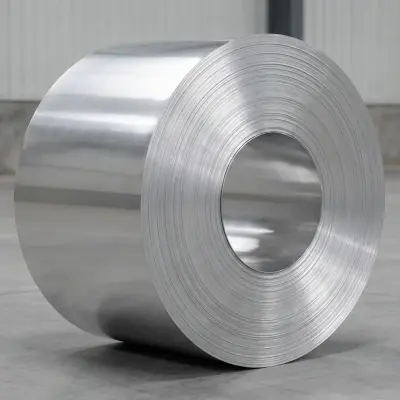
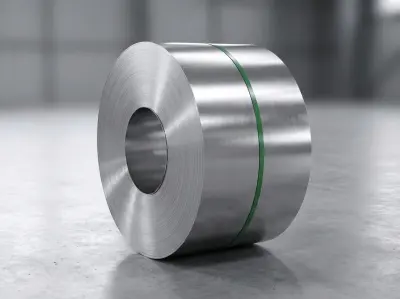
420 Stainless Steel Coil - Cold Rolled, Annealed, 0.1mm-3.0mm Thickness

 China
China


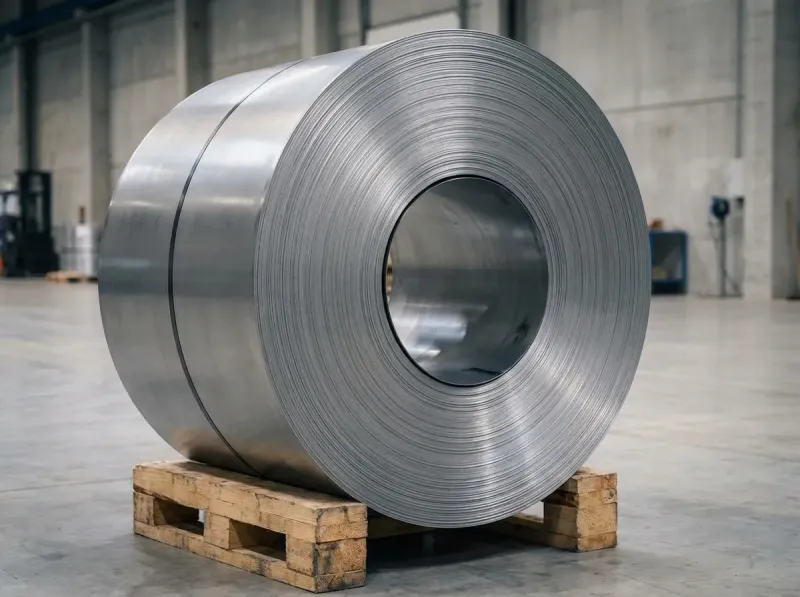
Supplier's customization ability
- Drawing-based customization
- Sample-based customization
- Full customization
Minimum order quantity: 1 ton
Shipping total: To be negotiated
- Lead time:
- confirmed with the quotation
- Packaging:
- standard export packing
- Samples:
- available on request
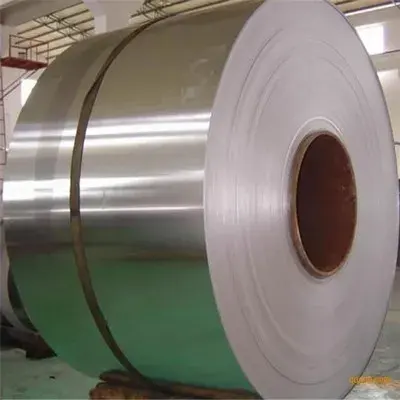
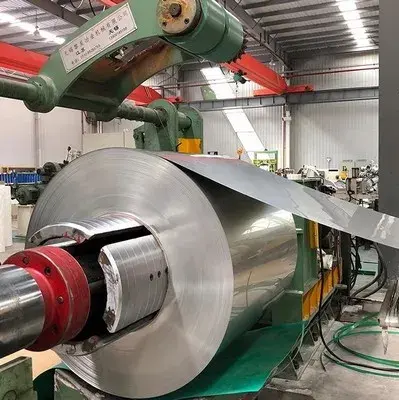
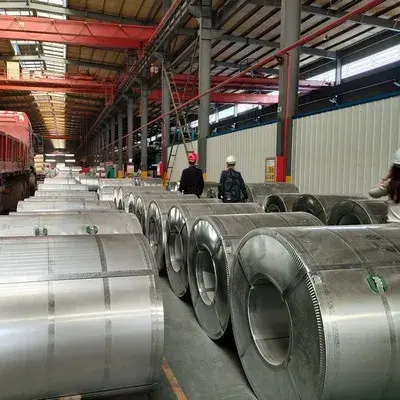
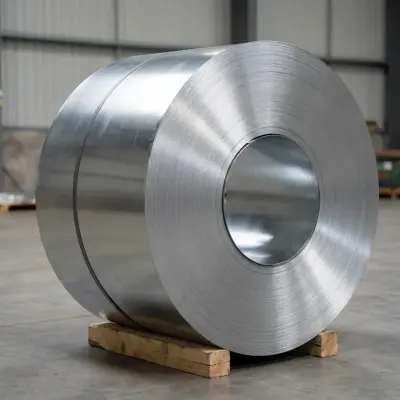
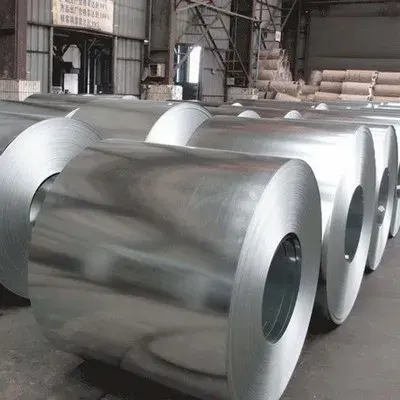
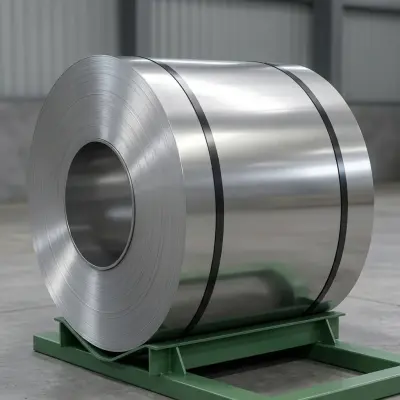
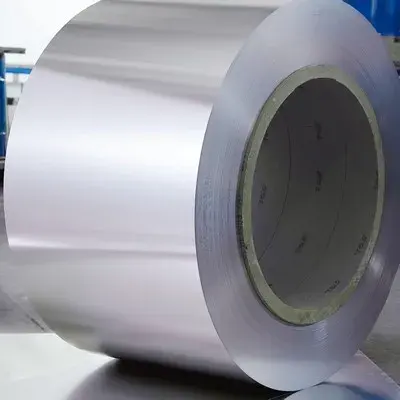
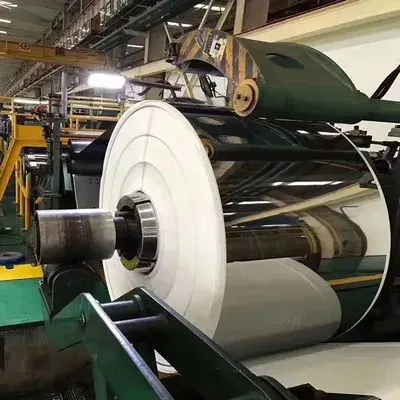
Product details
Technical Specifications of 420 Stainless Steel Coil
| Property | Parameter | Description |
|---|---|---|
| Product Name | 420 Stainless Steel Coil | Martensitic stainless steel with high hardness |
| Material Grade | 420 / EN 1.4028 / UNS S42000 | International grade equivalents |
| Standard Compliance | ASTM A240, EN 10088-2, JIS G4304 | Meets major international standards |
| Carbon Content (C) | 0.15-0.40% | Higher carbon for increased hardness |
| Chromium (Cr) | 12.0-14.0% | Provides corrosion resistance and hardenability |
| Manganese (Mn) | ≤1.0% | Improves strength and workability |
| Silicon (Si) | ≤1.0% | Deoxidizer and strengthener |
| Phosphorus (P) | ≤0.040% | Controlled for ductility |
| Sulfur (S) | ≤0.030% | Low sulfur for better machinability |
| Tensile Strength | ≥655 MPa (annealed) | Minimum tensile strength per ASTM A240 |
| Yield Strength | ≥415 MPa (annealed) | Minimum yield strength |
| Hardness | ≤225 HBW (annealed), 50-55 HRC (hardened) | Brinell and Rockwell hardness ranges |
| Elongation | ≥25% | Ductility in 50mm gauge length |
| Thickness Range | 0.3 - 6.0 mm | Available coil thickness options |
| Width Range | 600 - 2000 mm | Standard and custom widths |
| Surface Finish | 2B, BA, No.4, HL | Multiple surface treatment options |
| Application | Cutlery, surgical instruments, valve parts, pump shafts | Typical application industries |
| Heat Treatment | Hardenable to 50-55 HRC | Can be heat treated for maximum hardness |
| Certification | EN 10204 3.1, ISO 9001, ASTM A240 | Quality certifications provided |
| Packaging | Steel pallet, waterproof paper, steel strapping | Standard export packaging |
| MOQ | 2 tons | Minimum order quantity |
420 Stainless Steel Coil - Cold Rolled, Annealed, 0.1mm-3.0mm Thickness
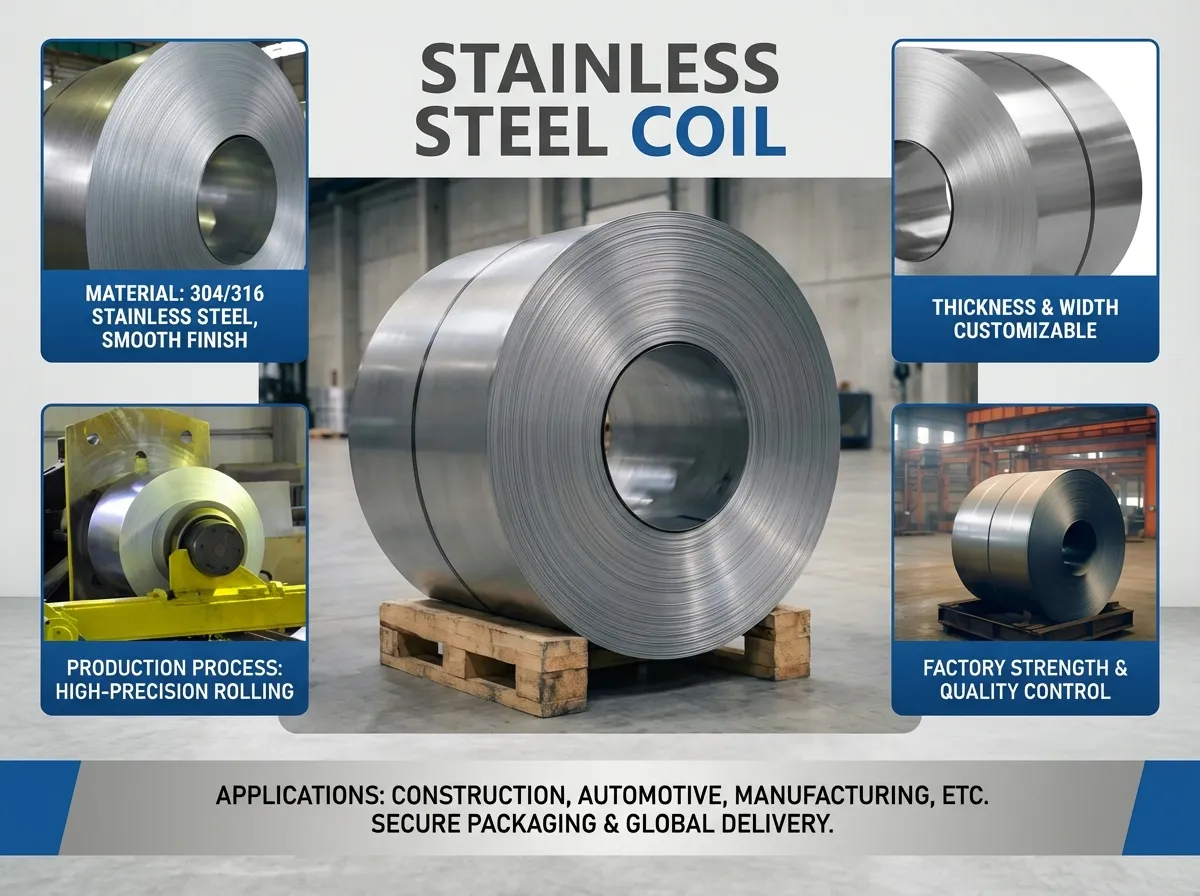
420 stainless steel coil represents a martensitic chromium steel that finds extensive application in industries demanding moderate corrosion resistance combined with superior hardness. This ferritic-martensitic grade serves critical roles in cutlery manufacturing, surgical instruments, valve components, and precision mechanical parts where wear resistance is paramount. Our mill-direct 420 stainless steel coils are manufactured according to ASTM A240 and EN 10088-2 standards, offering thickness options from 0.1mm to 3.0mm in both cold rolled annealed and tempered conditions to meet diverse fabrication requirements.
What is 420 Stainless Steel Coil?
420 stainless steel coil is a high-carbon martensitic chromium steel containing 12-14% chromium and 0.15% minimum carbon content per ASTM A240 specifications. Unlike austenitic grades, this material achieves exceptional hardness through heat treatment, reaching up to 50-55 HRC in the hardened condition. The coil form enables continuous processing for stamping, roll forming, and precision slitting operations across manufacturing environments requiring consistent material properties and surface finish quality.
420 Stainless Steel Coil Technical Specifications
Our 420 stainless steel coils comply with ASTM A240/A240M-20a Section 6 chemical composition requirements, featuring 12.0-14.0% chromium, 0.15% minimum carbon, and maximum 1.0% manganese. The material exhibits a density of 7.74 g/cm³ at 20°C with tensile strength ranging from 655-850 MPa in annealed condition. Available surface finishes include 2B (bright annealed), BA (bright annealed mirror), and No.4 (brushed directional finish) with Ra values between 0.2-0.8 micrometers depending on application demands.
Manufacturing Process and Quality Control
Production follows a controlled hot rolling sequence followed by cold reduction passes achieving thickness tolerances of ±0.02mm for precision applications. The annealing process occurs at 780-820°C in protective atmosphere furnaces to achieve uniform grain structure and optimal mechanical properties. Each coil undergoes ultrasonic testing per ASTM A435 standards, with eddy current inspection detecting surface discontinuities exceeding 0.5mm depth to ensure defect-free material delivery.
Heat Treatment Capabilities
Our processing facilities provide solution annealing at 790-815°C followed by rapid air cooling to achieve softened condition with hardness below 95 HRB. For applications requiring enhanced hardness, we offer quenching from 1010-1065°C in oil or polymer media, followed by tempering at 150-370°C to balance hardness retention with dimensional stability requirements.
Surface Finish Options
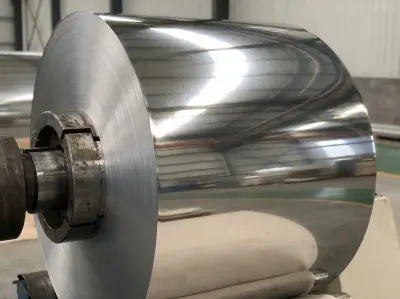
Standard 2B finish achieves reflectivity values of 300-450 gloss units through controlled cold rolling and bright annealing cycles. BA mirror finish reaches 600+ gloss units suitable for decorative applications and hygienic equipment. No.4 brushed finish provides 150-240 grit directional grain pattern ideal for architectural panels and appliance components requiring uniform appearance.
Applications and Industry Uses
The 420 stainless steel coil serves as the preferred choice for knife blade manufacturing due to its exceptional edge retention properties after hardening to 54-58 HRC. Medical instrument producers utilize this grade for surgical scalpels, dental tools, and orthopedic devices requiring sterilization resistance combined with cutting performance. Industrial applications include pump shafts, valve stems, and bearing races operating in mildly corrosive environments with temperatures below 400°C.
Cutlery and Blade Manufacturing
Commercial kitchen knife production consumes approximately 35% of global 420 coil output, with manufacturers selecting 0.8-1.5mm thickness ranges for optimal stamping efficiency. The material's 0.15% minimum carbon content enables through-hardening in blade cross-sections up to 6mm thickness, maintaining 52+ HRC edge hardness while preserving ductile core properties for impact resistance.
Precision Mechanical Components
Automotive fuel injection systems employ 420 stainless steel coil for nozzle bodies and valve seats requiring 45-50 HRC hardness combined with resistance to gasoline and diesel fuel exposure. Aerospace fastener manufacturers specify this grade for bushings and pins operating in landing gear assemblies where wear resistance outweighs the need for maximum corrosion protection.
Corrosion Resistance Performance
While 420 stainless steel exhibits moderate corrosion resistance compared to austenitic grades, its 12-14% chromium content provides adequate protection in atmospheric conditions and mildly acidic environments with pH above 4.5. Salt spray testing per ASTM B117 demonstrates surface oxidation onset after 72-96 hours exposure, making this grade suitable for indoor applications and intermittent moisture contact scenarios rather than continuous marine environments.
Environmental Limitations
The material demonstrates vulnerability to pitting corrosion in chloride concentrations exceeding 100 ppm at temperatures above 50°C. For applications involving prolonged exposure to acidic solutions below pH 4.0, alternative grades such as 316L should be considered. Proper passivation treatment using nitric acid solutions per ASTM A967 enhances surface oxide layer integrity, extending service life in borderline corrosive conditions.
Mechanical Properties and Performance Data
Annealed 420 stainless steel coil exhibits yield strength of 415 MPa minimum with elongation values of 25-30% in 50mm gauge length per ASTM E8 testing protocols. Hardness in the soft annealed condition measures 88-95 HRB, enabling deep drawing operations with reduction ratios up to 40% without intermediate annealing cycles. After quenching and tempering, tensile strength increases to 1650-1900 MPa with corresponding reduction in elongation to 8-12%.
Formability Characteristics
Cold rolling reduction capabilities reach 60-70% total reduction before edge cracking becomes evident in coil slitting operations. The material demonstrates excellent blanking performance with die clearances of 8-12% stock thickness producing clean sheared edges. Bending radius limitations require minimum 2.0T radius for 90-degree bends in annealed condition to prevent surface cracking at bend apexes.
Welding and Joining Considerations
Gas tungsten arc welding (GTAW) represents the preferred joining method for 420 stainless steel coil using ER410 filler metal and argon shielding gas flow rates of 12-15 L/min. Preheat temperatures of 200-300°C reduce hydrogen-induced cracking risk in weld zones, with post-weld heat treatment at 650-700°C relieving residual stresses. Resistance spot welding achieves joint strengths of 3.5-4.5 kN using electrode forces of 2.5-3.0 kN and weld times of 10-14 cycles at 60 Hz frequency.
Post-Weld Treatment Requirements
Welded assemblies require stress relief annealing at 650-680°C for 1-2 hours to prevent delayed cracking in hardened base metal adjacent to fusion zones. For maximum corrosion resistance restoration, passivation treatment using 20% nitric acid solution at 50-60°C for 30 minutes removes heat tint and restores chromium oxide layer integrity per AMS 2700 specifications.
Comparison with Alternative Grades
Compared to 410 stainless steel, 420 grade offers superior hardness potential due to higher carbon content, achieving 54-58 HRC versus 410's maximum 40-45 HRC in heat treated condition. When evaluated against 440C stainless steel, 420 provides better weldability and ductility while sacrificing approximately 5-8 HRC maximum hardness capability. For applications prioritizing corrosion resistance over hardness, 316L austenitic grade delivers superior performance in chloride environments despite lower achievable hardness of 85-95 HRB maximum.
Dimensional Tolerances and Specifications
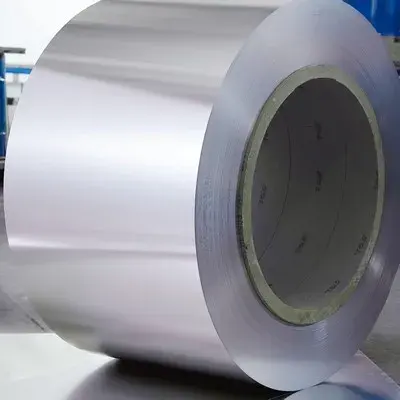
Standard coil widths range from 1000mm to 1500mm with thickness tolerances of ±0.03mm for material below 1.0mm thickness per ASTM A480 Table 1 requirements. Coil inside diameter measures 508mm (20 inches) with outside diameter limitations of 2000mm maximum for handling compatibility with standard decoiling equipment. Flatness specifications maintain 5mm maximum deviation per meter length in slit coil form, ensuring consistent feeding in progressive die stamping operations.
Edge Condition Standards
Slit edge quality meets ASTM A480 Table 6 requirements with maximum burr height of 0.05mm for precision applications. Mill edge coils provide natural rolled edge suitable for applications where edge quality is non-critical. Deburred and rounded edges are available upon request for applications requiring safe handling and prevention of product damage during forming operations.
Packaging and Logistics
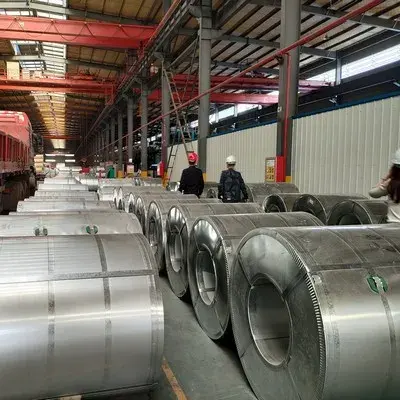
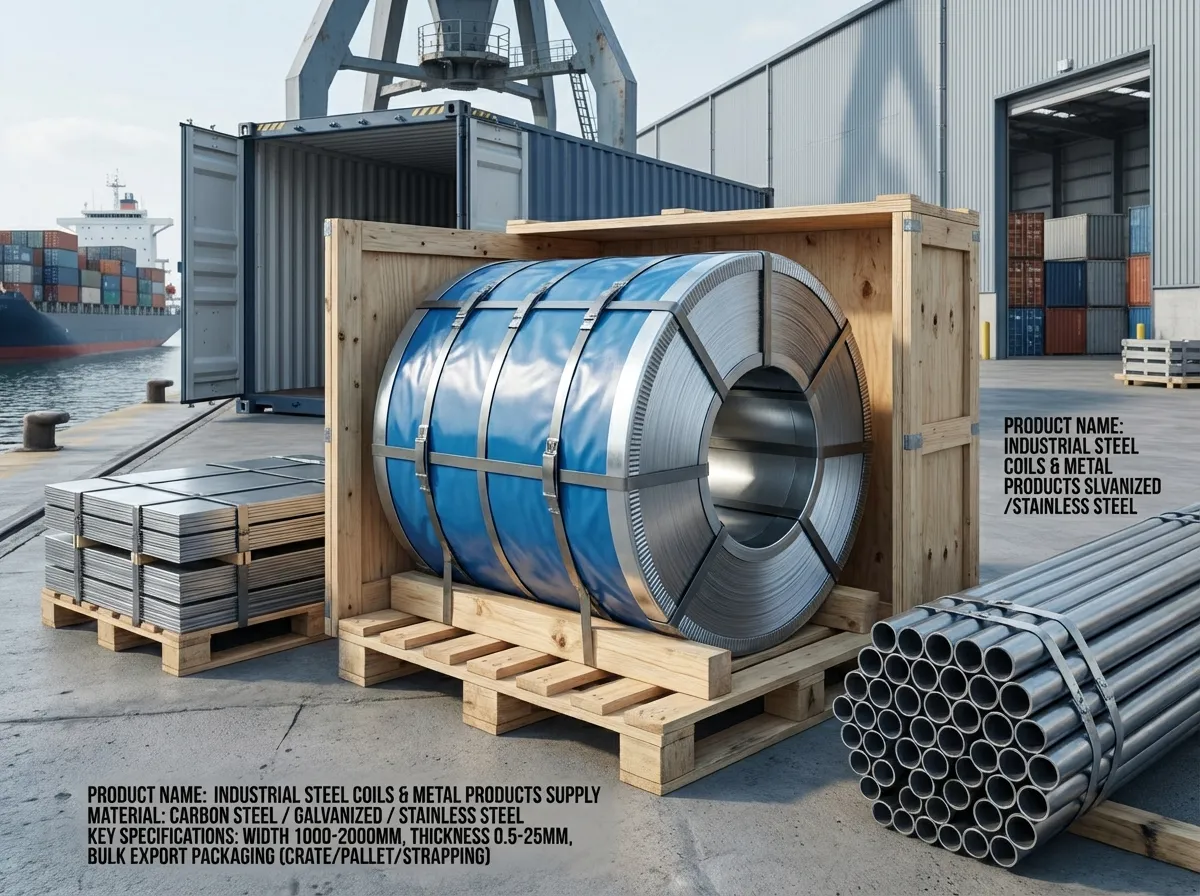
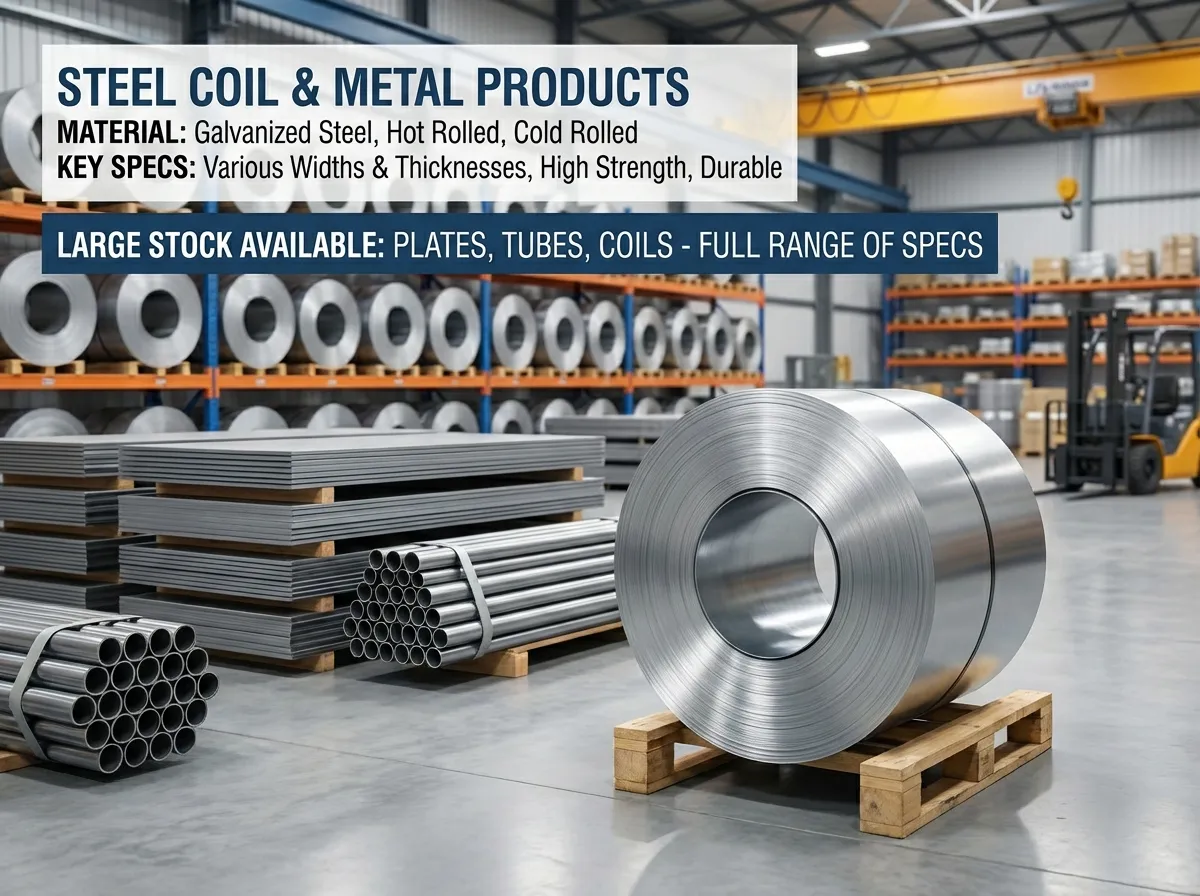
Coils are wrapped in moisture-resistant VCI paper followed by waterproof plastic sheeting and secured with steel banding at three circumferential positions. Eye-to-sky orientation is maintained during shipping with wooden cradles preventing coil deformation. Standard coil weights range from 3-8 metric tons depending on thickness and width combinations, with custom splitting available for reduced weight requirements.
Frequently Asked Questions
What is the minimum order quantity (MOQ)?
Our standard minimum order quantity is 5 metric tons per specification, though we accommodate smaller quantities of 1-2 tons for trial orders with adjusted pricing. Mixed thickness orders are accepted provided each thickness specification meets 1 ton minimum to maintain production efficiency and competitive pricing structures.
Do you provide material test certificates?
Yes, we supply EN 10204 Type 3.1 mill test certificates with every shipment, documenting chemical composition analysis, mechanical property test results, and heat treatment parameters. Certificates include heat number traceability, tensile test data per ASTM A370, and hardness measurements with calibrated equipment meeting ISO 17025 accreditation standards.
What is the typical delivery time?
Standard lead time for stock thickness ranges (0.5mm-2.0mm) is 15-20 working days from order confirmation. Custom thickness requirements outside standard inventory may extend delivery to 30-35 days depending on production schedule capacity. Expedited processing is available for urgent requirements with 10-12 day delivery achievable for premium service charges.
Can you cut to custom sizes?
We provide precision slitting services to custom widths from 10mm to 1500mm with tolerance of ±0.5mm. Blanking and shearing services accommodate rectangular pieces up to 3000mm length with cutting tolerance of ±1.0mm. Laser cutting capabilities handle complex geometries with ±0.1mm precision for prototype and low-volume production requirements.
Get a Competitive Quote for 420 Stainless Steel Coil
Our technical sales team provides comprehensive material selection guidance and application-specific recommendations to optimize your manufacturing processes. With over 15 years of experience supplying precision stainless steel coils to global manufacturers, we understand the critical balance between material properties, processing requirements, and cost efficiency. Request your detailed quotation today and discover why leading manufacturers trust our mill-direct supply chain for consistent quality and reliable delivery performance.
- 24/7 customer support available via email and phone
- Free samples for quality evaluation - up to 500g per specification
- Competitive pricing for bulk orders with volume discount tiers
- Professional technical consultation including heat treatment recommendations
- Flexible payment terms available for established customers
- Global shipping arrangements with consolidated freight options
Contact us today to get your free quote within 24 hours! Our metallurgical engineers are ready to discuss your specific application requirements and recommend optimal thickness, finish, and heat treatment combinations for your production needs.
Ratings & Reviews

Know your supplier
Supplier's customization ability
- Drawing-based customization
- Sample-based customization
- Full customization
Minimum order quantity: 1 ton
Shipping total: To be negotiated
- Lead time:
- confirmed with the quotation
- Packaging:
- standard export packing
- Samples:
- available on request