 English
  Español
  Français
  Deutsch
  Português (Brasil)
  Русский
  العربية
304 Stainless Steel Pipe - ASTM A312 Seamless & Welded Tubing

 China
China
Supplier's customization ability
- Drawing-based customization
- Sample-based customization
- Full customization
Minimum order quantity: 1 ton
Shipping total: To be negotiated
- Lead time:
- confirmed with the quotation
- Packaging:
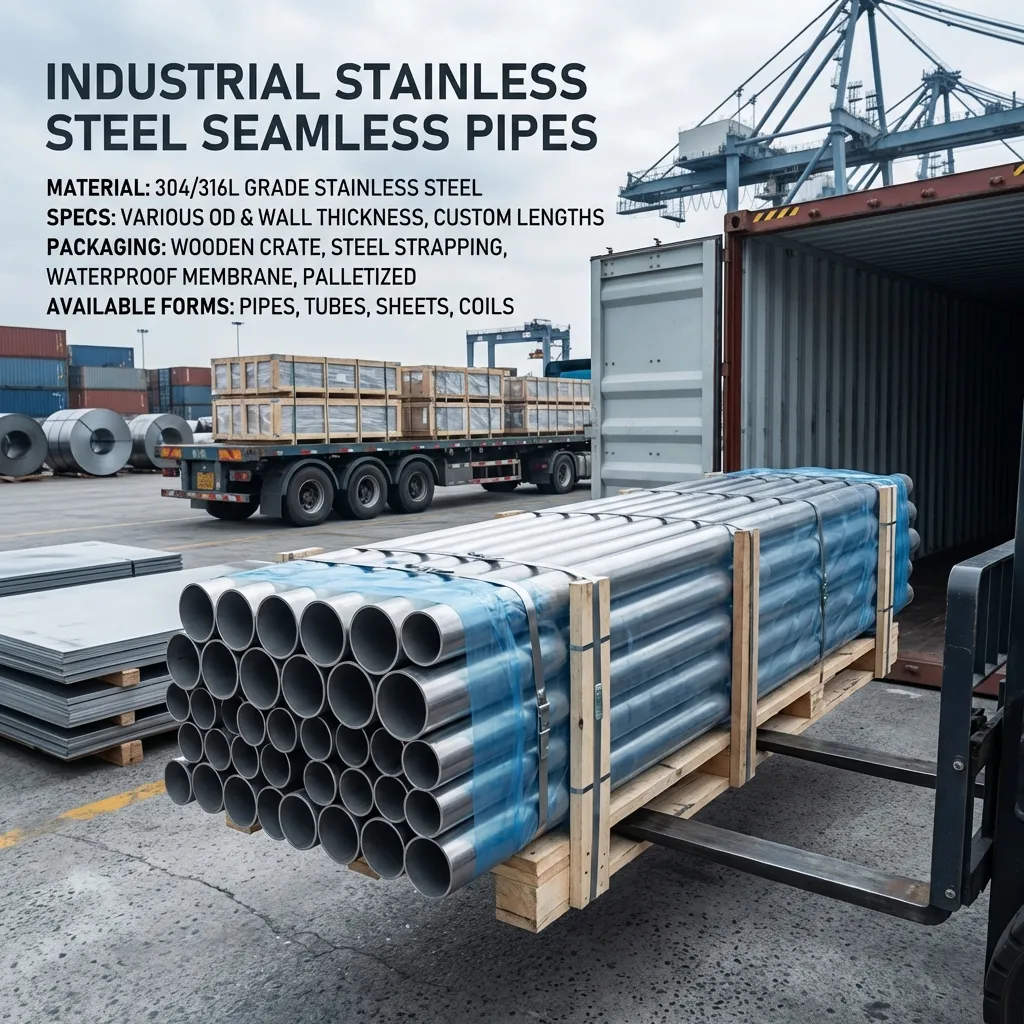
- standard export packing
- Samples:
- available on request
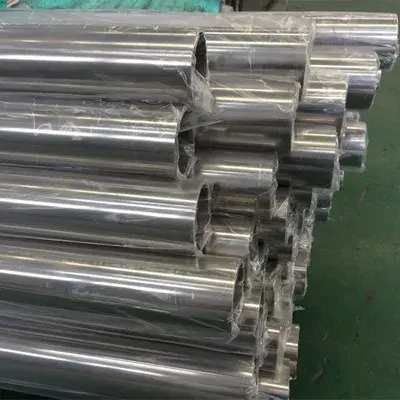
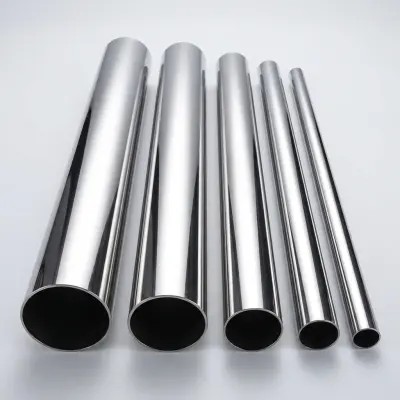
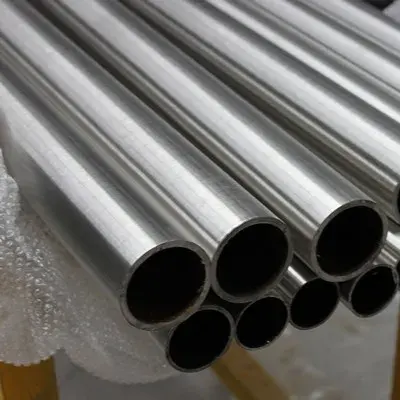
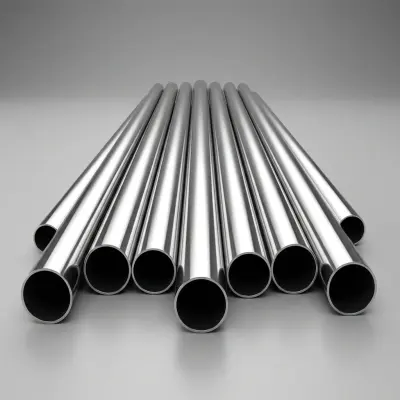
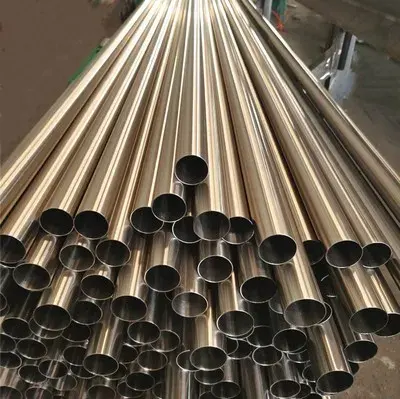
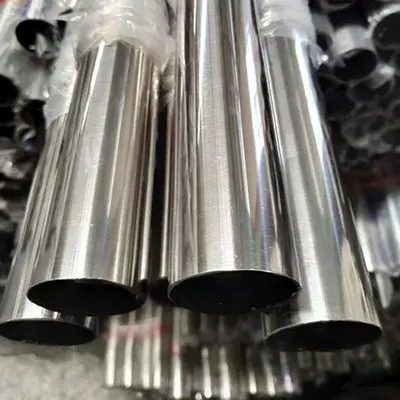
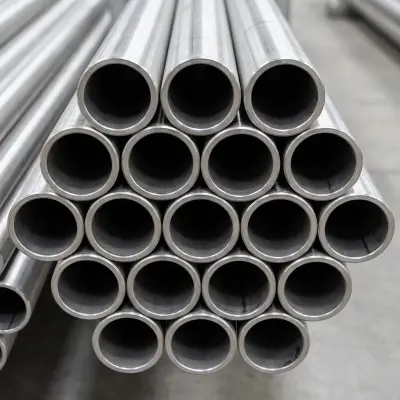
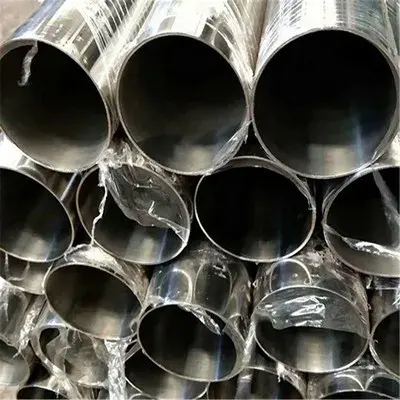
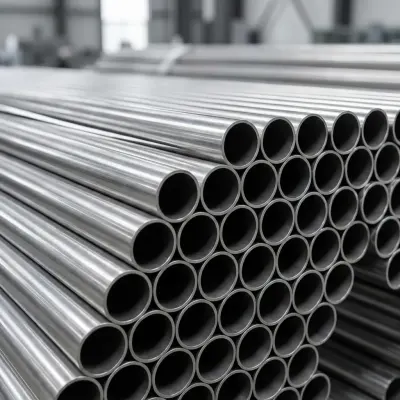
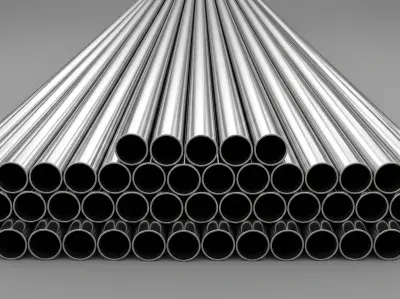
Product details
Technical Specifications of 304 Stainless Steel Pipe
| Property | Parameter | Description |
|---|---|---|
| Product Name | 304 Stainless Steel Pipe | Austenitic chromium-nickel stainless steel pipe |
| Material Grade | 304 / AISI 304 / EN 1.4301 / UNS S30400 | International grade equivalents |
| Standard Compliance | ASTM A312, ASTM A269, EN 10217-7, JIS G3459 | Meets major international standards |
| Carbon (C) | ≤0.08% | Carbon content for strength and weldability |
| Chromium (Cr) | 18.0-20.0% | Provides corrosion resistance |
| Nickel (Ni) | 8.0-10.5% | Enhances ductility and corrosion resistance |
| Manganese (Mn) | ≤2.0% | Improves strength and workability |
| Silicon (Si) | ≤1.0% | Deoxidizer and strengthener |
| Phosphorus (P) | ≤0.045% | Controlled for ductility |
| Sulfur (S) | ≤0.030% | Low sulfur for improved weldability |
| Tensile Strength | ≥515 MPa | Minimum tensile strength per ASTM A312 |
| Yield Strength | ≥205 MPa | Minimum yield strength |
| Elongation | ≥35% | Ductility in 50mm gauge length |
| Hardness | ≤201 HBW / ≤92 HRB | Maximum hardness values |
| OD Range | 6mm - 630mm | Available outer diameter options |
| Wall Thickness | 0.5mm - 50mm | Standard and custom thickness |
| Length | 6m - 12m or custom | Standard and custom lengths available |
| Surface Finish | Annealed & Pickled, Bright Annealed, Polished | Multiple surface treatment options |
| Application | Food processing, chemical, pharmaceutical, architecture | Typical application industries |
| Temperature Range | -196°C to 925°C | Service temperature range |
| Corrosion Resistance | Excellent in mild environments | Good resistance to atmospheric and food acids |
| Weldability | Excellent | No post-weld heat treatment required |
| Certification | EN 10204 3.1, ISO 9001, PED, NACE MR0175 | Quality certifications provided |
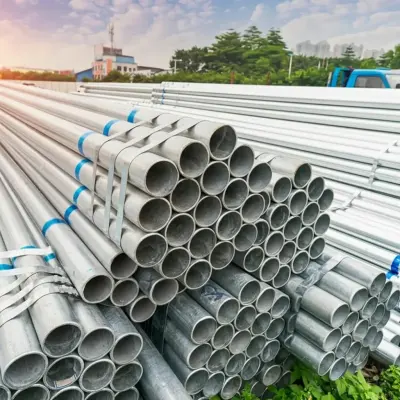
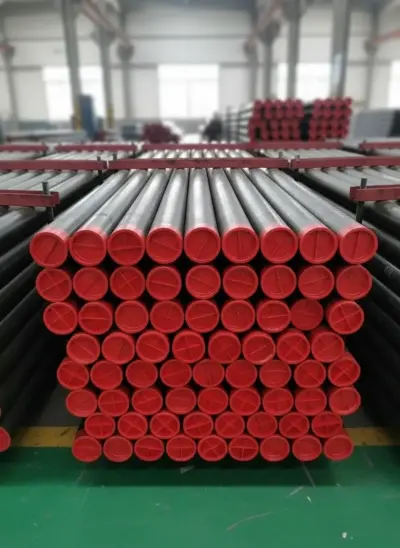
| Packaging | Bundled with steel strips, plastic caps, wooden case | Standard export packaging |
| MOQ | 1 ton | Minimum order quantity |
304 Stainless Steel Pipe - ASTM A312 Seamless & Welded Tubing
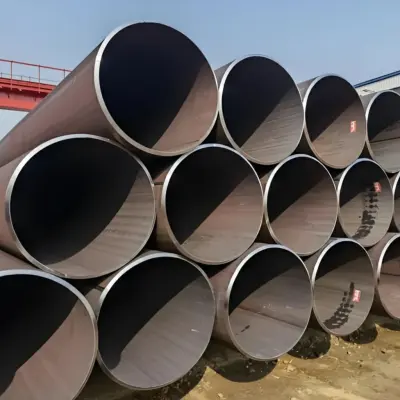
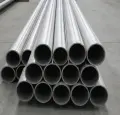
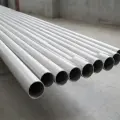
304 stainless steel pipe represents the most widely specified austenitic chromium-nickel alloy tubing in industrial applications worldwide. This versatile material combines exceptional corrosion resistance with superior formability, making it the preferred choice for food processing equipment, architectural structures, and general industrial piping systems. Manufactured to comply with ASTM A312/A312M standards, our 304 pipe inventory serves diverse sectors from pharmaceutical manufacturing to water treatment facilities, delivering reliable performance across moderate corrosive environments.
What is 304 Stainless Steel Pipe?
304 stainless steel pipe is an austenitic chromium-nickel alloy tube containing 18-20% chromium and 8-10.5% nickel, manufactured according to ASTM A312/A312M specifications. This material exhibits a face-centered cubic crystal structure that remains stable across a wide temperature range, providing excellent ductility and weldability. The alloy's passive chromium oxide layer regenerates automatically when exposed to oxygen, delivering sustained protection against atmospheric corrosion and many chemical environments.
304 Stainless Steel Pipe Technical Specifications
Our 304 pipe conforms to ASTM A312/A312M-2021 Section 5 chemical composition requirements: carbon content limited to 0.08% maximum, manganese 2.0% maximum, phosphorus 0.045% maximum, sulfur 0.030% maximum, silicon 0.75% maximum, chromium 18.0-20.0%, and nickel 8.0-10.5%. Mechanical properties meet ASTM A312 Table 2 standards with minimum tensile strength of 515 MPa, yield strength of 205 MPa minimum, and elongation of 40% in 50mm. The material density measures 7.93 g/cm³ at 20°C with thermal conductivity of 16.2 W/m·K at 100°C.
Manufacturing Process and Quality Control
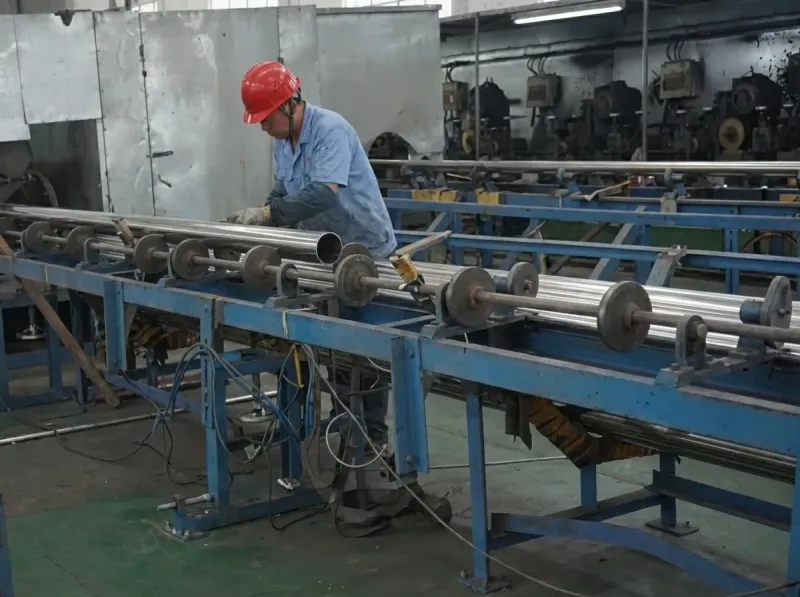
We produce 304 stainless steel pipe through two primary methods: seamless hot extrusion for sizes NPS 1/8" to 10" per ASTM A312 Section 6, and TIG/plasma welded processes for larger diameters up to 48". Each production lot undergoes hydrostatic testing at pressures calculated per ASTM A312 Section 9 requirements, typically 1.5 times the design pressure. Our quality management system maintains ISO 9001:2015 certification with full traceability from heat number through final inspection.
Surface Finish Options
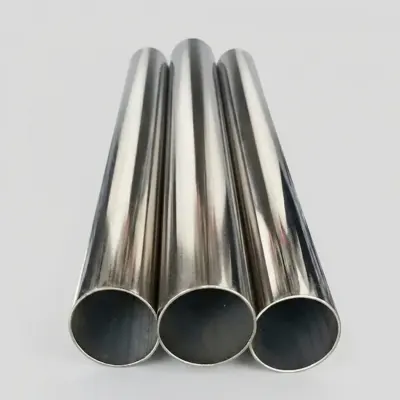
Standard mill finish (2B) provides a smooth, moderately reflective surface suitable for most industrial applications. Bright annealed finish delivers enhanced corrosion resistance through controlled atmosphere heat treatment per ASTM A312 Section 7.3. Electropolished surfaces achieve Ra values below 0.4 μm, meeting sanitary requirements of ASME BPE-2019 for pharmaceutical and biotechnology systems.
Dimensional Tolerances
Outside diameter tolerances comply with ASTM A312 Table 3: ±0.4mm for sizes up to 25mm OD, ±0.75mm for 25-50mm OD, and ±1% for larger diameters. Wall thickness maintains ±10% tolerance for seamless pipe and ±0.15mm for welded tube under 3mm wall. Straightness deviation does not exceed 1.5mm per meter length when measured per ASTM A312 Section 8.2.
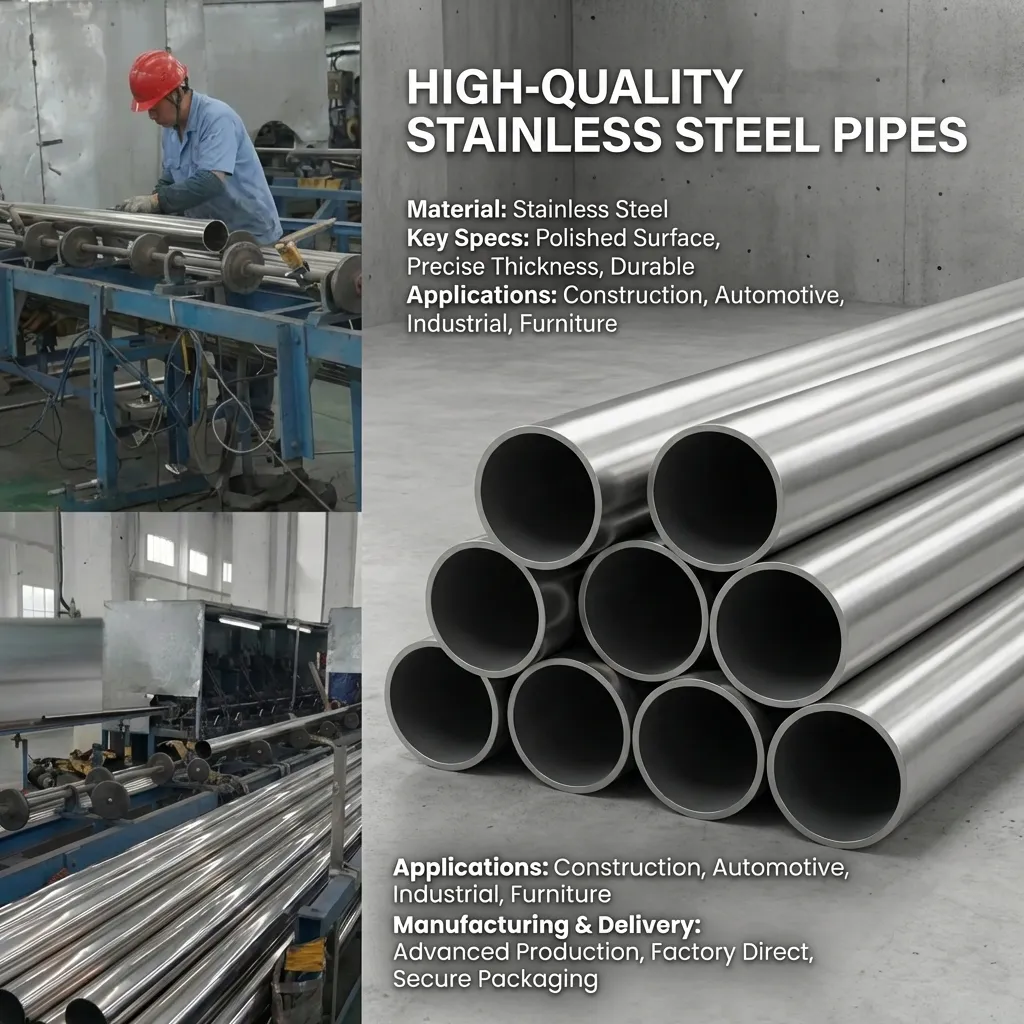
Applications Across Industries
Food processing facilities employ 304 pipe for product contact lines, clean-in-place systems, and sanitary transfer applications where the material's non-reactive surface prevents contamination. Architectural projects utilize 304 tubing for handrails, structural supports, and decorative elements benefiting from the alloy's aesthetic appearance and minimal maintenance requirements. Water treatment plants specify this grade for potable water distribution, reverse osmosis systems, and chemical dosing lines operating below 400°C.
Chemical Processing Applications
The material serves in mild acid environments including acetic acid up to 20% concentration at ambient temperature, and dilute phosphoric acid solutions below 10% at 50°C. Alkaline process streams containing sodium hydroxide up to 50% concentration find 304 pipe suitable at temperatures below 80°C per NACE MR0175/ISO 15156 guidelines.
HVAC and Plumbing Systems
Commercial building systems integrate 304 pipe for chilled water distribution, condensate return lines, and steam applications up to 10 bar pressure. The material's thermal expansion coefficient of 17.2 × 10⁻⁶/°C requires proper expansion joint spacing calculated per ASME B31.9 building services piping code.
Advantages of 304 Stainless Steel Pipe
Superior welding characteristics enable fabrication without pre-heating or post-weld heat treatment for wall thicknesses below 6mm, reducing installation costs by approximately 30% compared to higher alloy grades. The material maintains mechanical properties from cryogenic temperatures to 870°C, providing operational flexibility across diverse thermal environments. Cost-effectiveness positions 304 as the baseline stainless grade, typically priced 15-20% below 316L while delivering adequate performance for 80% of corrosion applications.
Corrosion Resistance Performance
Atmospheric exposure testing per ASTM G50 demonstrates corrosion rates below 0.02mm/year in industrial environments, and less than 0.005mm/year in rural settings. The passive film remains stable in pH ranges from 4 to 10, though chloride concentrations exceeding 200 ppm may initiate pitting above 60°C.
Fabrication and Joining
Cold forming operations achieve bend radii of 2.5D for annealed material without cracking, meeting ASTM A999 tube bending standards. Gas tungsten arc welding (GTAW) with ER308L filler metal produces joints exceeding base metal strength when proper shielding gas (98% Ar + 2% N₂) prevents chromium carbide precipitation.
Frequently Asked Questions
What is the minimum order quantity (MOQ)?
Our standard MOQ is 500 kg per size and specification, though we accommodate smaller quantities for custom sizes with adjusted pricing. Stock sizes from our regional warehouses ship with no minimum order requirement, providing flexibility for prototype projects and maintenance requirements.
Do you provide material test certificates?
Every shipment includes EN 10204 Type 3.1 mill test certificates documenting chemical composition via optical emission spectroscopy, mechanical properties from tensile testing per ASTM E8, and intergranular corrosion testing results per ASTM A262 Practice E. Additional third-party inspection through SGS, TÜV, or Lloyd's Register is available upon request.
What is the typical delivery time?
Stock sizes in common schedules (5S, 10S, 40S) ship within 3-5 business days from our distribution centers. Custom sizes requiring mill production follow an 8-12 week lead time depending on order volume and current production schedules. Expedited manufacturing is available with 15% premium for urgent requirements.
Can you cut to custom sizes?
Our fabrication facility provides precision cutting services with tolerance of ±1mm using automated orbital saws. We offer end preparation including beveling to 37.5° per ASME B16.25, threading to ASME B1.20.1 standards, and grooving for mechanical coupling systems. Custom length cutting incurs no additional charge for orders exceeding 200 kg.
Get a Competitive Quote for 304 Stainless Steel Pipe
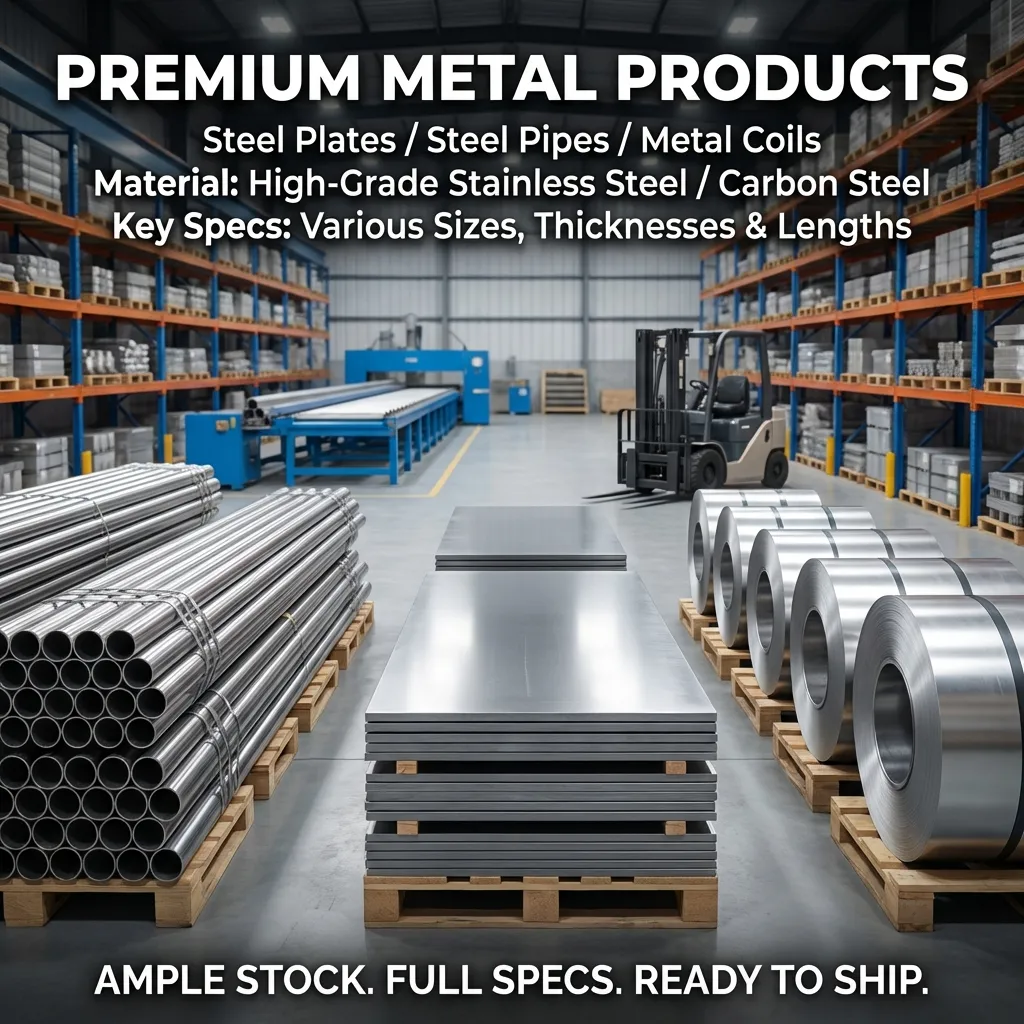
Request your customized pricing today and benefit from our mill-direct sourcing that eliminates intermediary markups. Our technical sales team provides application-specific recommendations, ensuring you specify the optimal wall schedule and surface finish for your project requirements. We maintain strategic inventory across North America, Europe, and Asia-Pacific regions to support just-in-time delivery schedules.
- 24/7 customer support available via phone, email, and live chat
- Free samples for quality evaluation with certified test reports
- Competitive pricing for bulk orders with volume discount tiers
- Professional technical consultation from metallurgical engineers
- Flexible payment terms including letters of credit and net-60 accounts
- Comprehensive logistics support with export documentation services
Contact us today to get your free quote within 24 hours!
Ratings & Reviews

Know your supplier
Supplier's customization ability
- Drawing-based customization
- Sample-based customization
- Full customization
Minimum order quantity: 1 ton
Shipping total: To be negotiated
- Lead time:
- confirmed with the quotation
- Packaging:
- standard export packing
- Samples:
- available on request