 English
  Español
  Français
  Deutsch
  Português (Brasil)
  Русский
  العربية
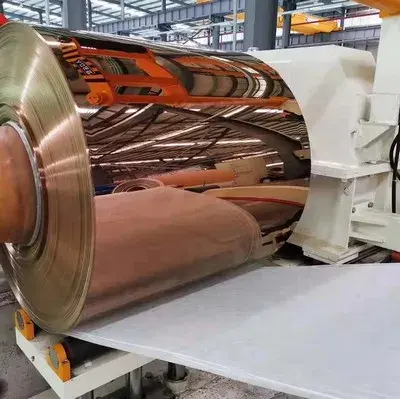
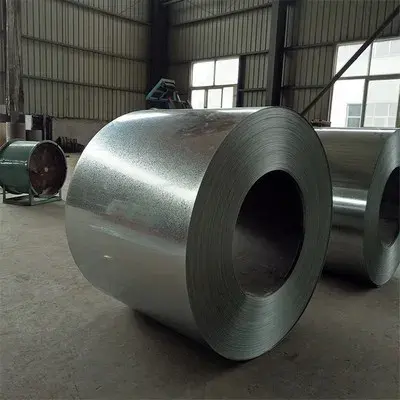
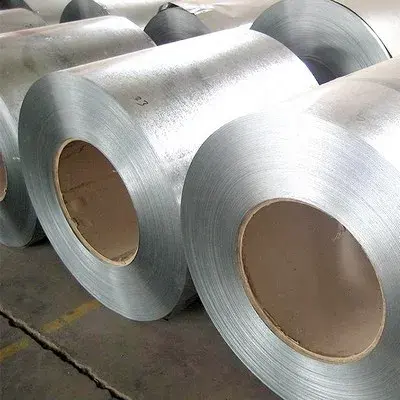
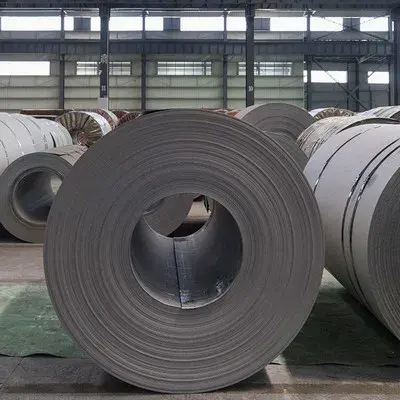
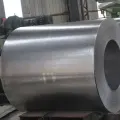
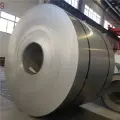
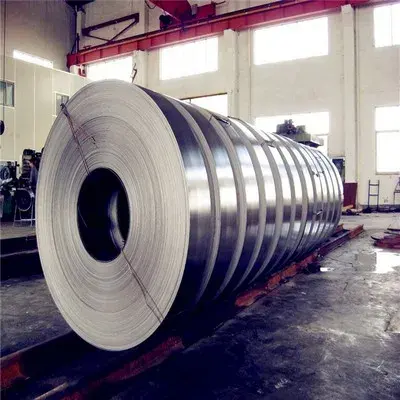
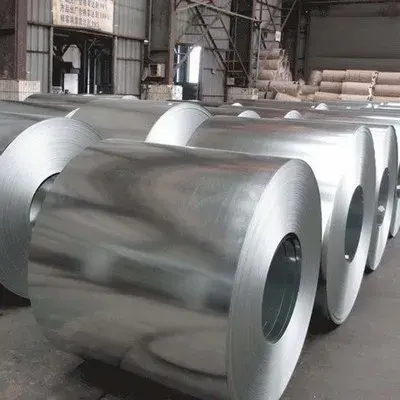
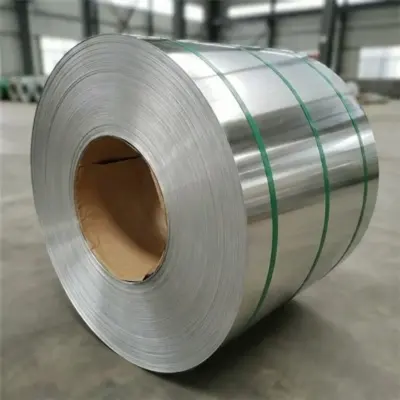
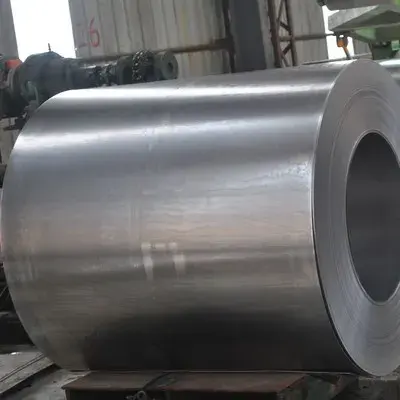
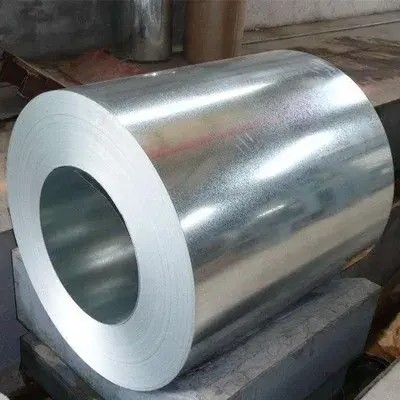
ss 316 stainless steel coil strip

 China
China
Supplier's customization ability
- Drawing-based customization
- Sample-based customization
- Full customization
Minimum order quantity: 1 ton
Shipping total: To be negotiated
- Lead time:
- confirmed with the quotation
- Packaging:
- standard export packing
- Samples:
- available on request
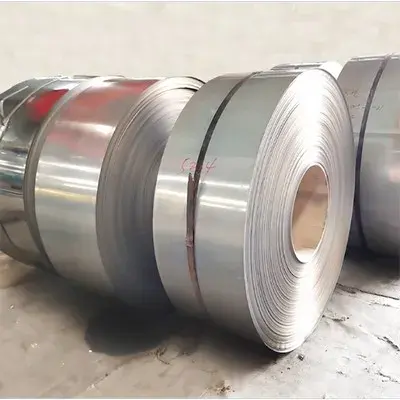
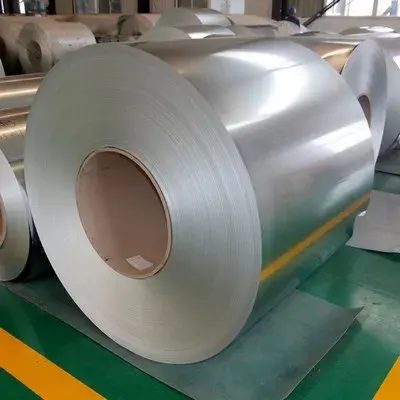
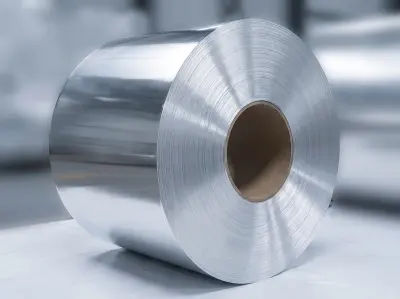
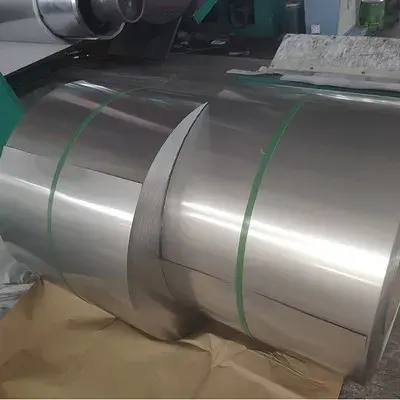
Product details
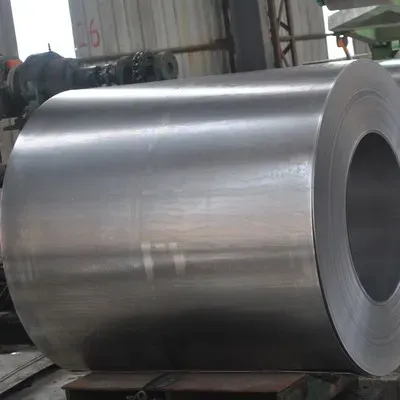
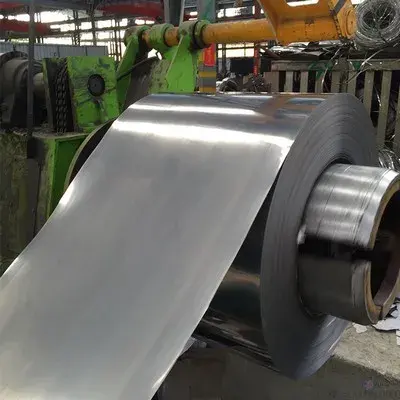
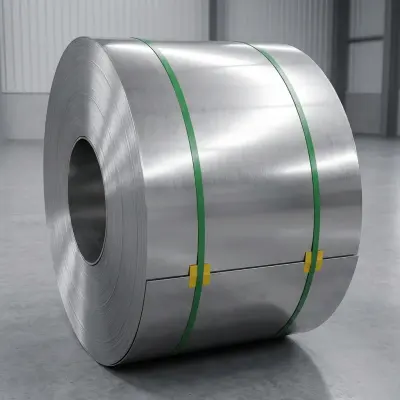
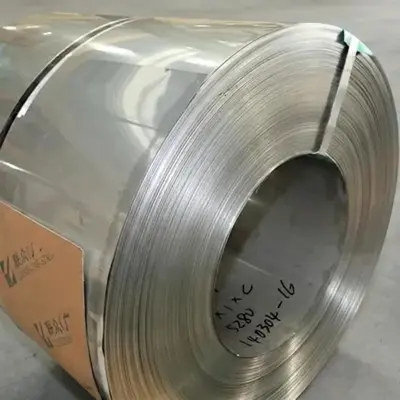
SS 316 Stainless Steel Coil Strip Introduction
SS 316 stainless steel coil strip is favoured in industries demanding superior corrosion resistance and durability, such as marine, chemical processing, food and beverage, and pharmaceutical sectors. Its high molybdenum content enhances resistance to pitting and crevice corrosion, making it ideal for use in coastal environments and aggressive chemical atmospheres. The long tail keyword "SS 316 stainless steel coil strip for marine applications" highlights its essential usage where exposure to seawater and corrosive agents is prevalent. The material is also used in kitchenware and medical devices due to its hygienic properties and resistance to contamination.
Specifications and Mechanical Properties
Typical specifications for SS 316 stainless steel coil strip range in thickness from 0.025mm to 3.0mm and widths from 3mm to 2000mm, suitable for a wide array of industrial applications. It contains 16-18% chromium, 10-14% nickel, and 2-3% molybdenum, which contribute to its excellent corrosion resistance and mechanical strength. Key mechanical properties include a tensile strength of around 515 MPa, yield strength near 205 MPa, and elongation over 35%, reflecting notable ductility. The material typically conforms to ASTM A240 and similar international standards. Surface finishes include 2B, BA, No.4, and mirror finishes depending on application requirements. The long tail keyword "SS 316 stainless steel coil strip specifications" emphasizes the importance of these parameters for quality assurance and sourcing strategies.
Performance Benefits and Industry Suitability
The primary advantages of SS 316 stainless steel coil strip are its exceptional corrosion resistance, especially in chloride-rich environments, excellent weldability, and high-temperature strength. This makes it invaluable for applications in chemical plants, marine engineering, and food processing facilities. The long tail keyword "SS 316 stainless steel coil strip benefits for chemical industry" shows its growing adoption where durability and compliance with strict health standards are paramount. Its resistance to acid attack, pitting, and stress corrosion cracking ensures longer lifespan and lower maintenance costs. Procurement of this material supports manufacturers seeking reliable, sustainable, and high-performance stainless steel solutions across demanding industries.
SS 316 Stainless Steel Coil Strip Attributes
| Attribute | Parameter | Description |
|---|---|---|
| Product Name | SS 316 Stainless Steel Coil | High-performance austenitic stainless steel coil with molybdenum for enhanced corrosion resistance and mechanical properties. |
| Grade | 316 / 316L (UNS S31600 / S31603) | Standard and low carbon grades offering excellent resistance to pitting, crevice corrosion, and oxidation. |
| Thickness Range | 0.3 mm to 10 mm | Suitable for a wide range of industrial applications requiring corrosion resistance and strength. |
| Width Range | 1000 mm to 2000 mm | Standard widths compatible with diverse manufacturing processes. |
| Surface Finish | 2B, BA, No.1, Mirror, No.4, and custom finishes | Multiple options for aesthetic and functional requirements. |
| Tensile Strength | ≥ 515 MPa | Provides excellent strength for mechanical and structural durability. |
| Yield Strength | ≥ 205 MPa | Corresponds to material’s ability to resist deformation under stress. |
| Elongation | ≥ 40% | High ductility for forming, bending, and deep drawing operations. |
| Density | Approximately 8.0 g/cm³ | Characteristic density for austenitic stainless steels. |
| Melting Point | Around 1400–1450 °C | High melting temperature, suitable for elevated temperature applications. |
| Thermal Expansion | Approx. 16.5 × 10⁻⁶ /K (20–100°C) | Ensures dimensional stability in varying thermal environments. |
| Thermal Conductivity | 13–14 W/m·K | Moderate thermal conductivity suitable for heat exchangers and thermal devices. |
| Electrical Resistivity | Approx. 0.7 × 10⁻⁶ Ω·m | Relevant for electrical and electromagnetic shielding applications. |
| Magnetic Properties | Essentially non-magnetic | Austenitic structure results in near non-magnetic behavior. |
| Corrosion Resistance | Superior resistance to pitting, crevice corrosion especially in chloride environments | Ideal for marine applications, chemical processing, and food equipment. |
| Standards Compliance | ASTM A240, ASME SA240, JIS G4305, EN 10088 | Fully compliant with international quality standards. |
| Applications | Chemical processing, marine, food processing, medical devices, heat exchangers | Popular in harsh chemical environments requiring durability and corrosion resistance. |
| Packaging | Industry-standard coil packaging | Ensures protection during transit and storage, maintaining surface quality. |
Ratings & Reviews
No reviews yet
Know your supplier
Company video
After more than a decade of continuous investment and innovation, Feihong Steel Co., Ltd. has now developed into a leading enterprise in the industry with a complete industrial chain, a wide range of product specifications, prompt supply, excellent product quality, strong industry influence and good social reputation. Currently, our products are mainly sold to the eastern region of China and over 40 countries and regions, such as Southeast Asia, South Asia, West Asia, Eastern Europe, South America, etc. Our stainless steel series products have consistently ranked among the top in China for many years.
Supplier's customization ability
- Drawing-based customization
- Sample-based customization
- Full customization
Minimum order quantity: 1 ton
Shipping total: To be negotiated
- Lead time:
- confirmed with the quotation
- Packaging:
- standard export packing
- Samples:
- available on request