 English
  Español
  Français
  Deutsch
  Português (Brasil)
  Русский
  العربية
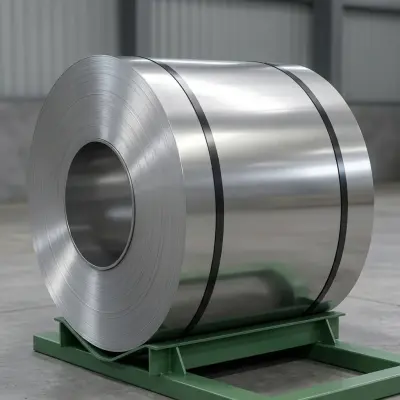
202 Stainless Steel Coil - Cold Rolled, Annealed, 0.3-3.0mm Thickness

 China
China
Supplier's customization ability
- Drawing-based customization
- Sample-based customization
- Full customization
Minimum order quantity: 1 ton
Shipping total: To be negotiated
- Lead time:
- confirmed with the quotation
- Packaging:
- standard export packing
- Samples:
- available on request
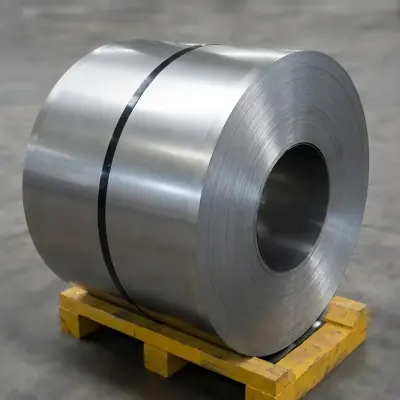
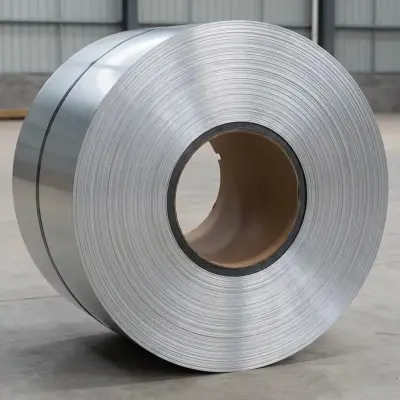
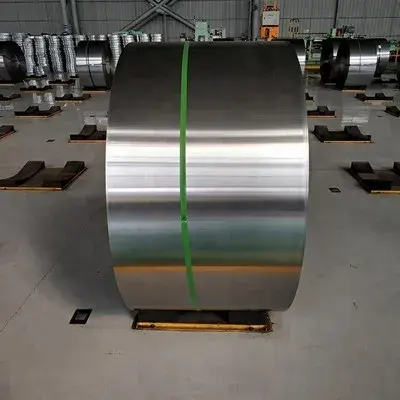
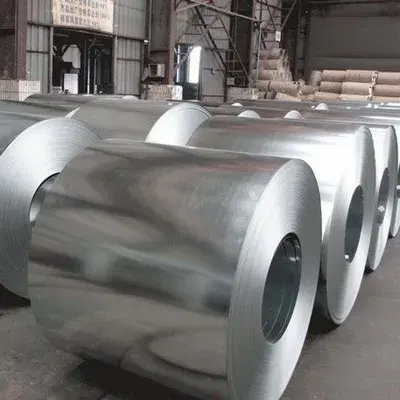
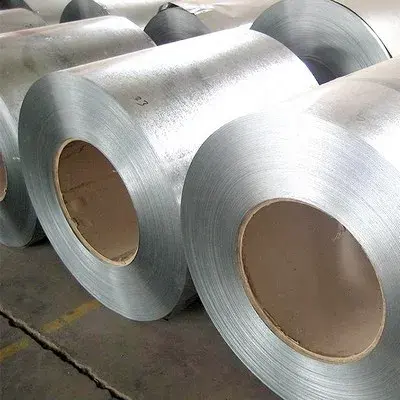
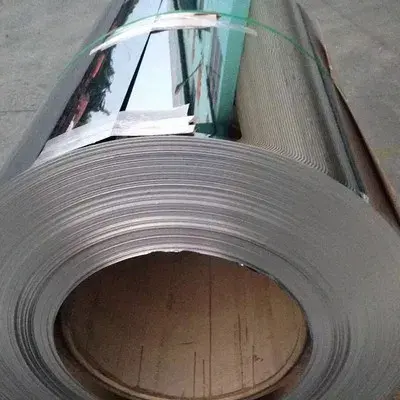
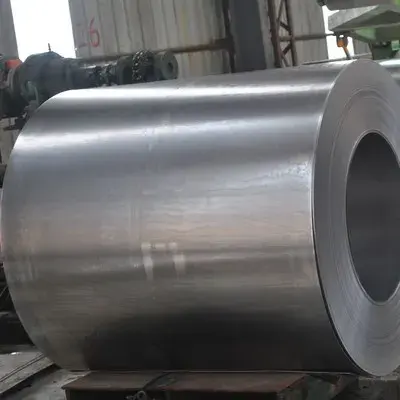
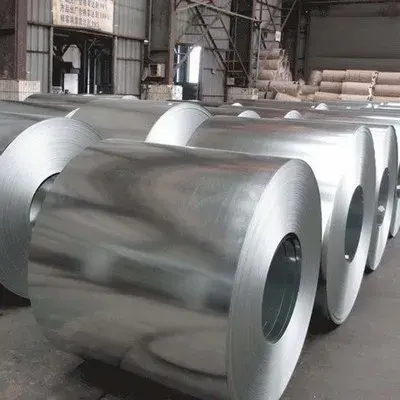
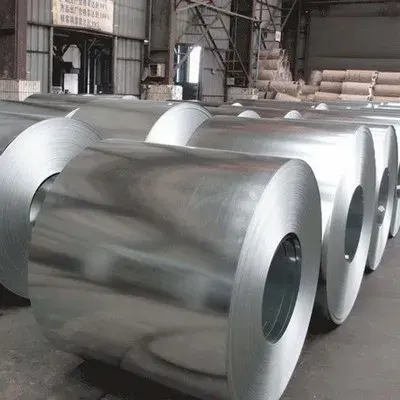
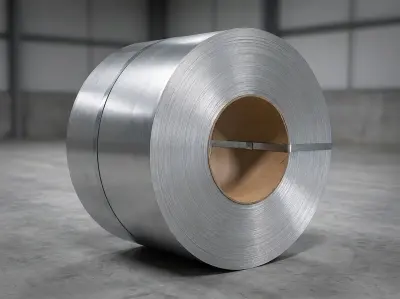
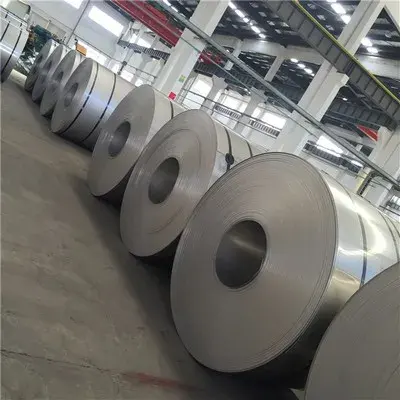
Product details
Technical Specifications of 202 Stainless Steel Coil
| Property | Parameter | Description |
|---|---|---|
| Product Name | 202 Stainless Steel Coil | Austenitic chromium-nickel-manganese stainless steel |
| Material Grade | 202 / EN 1.4373 / UNS S20200 | International grade equivalents |
| Standard Compliance | ASTM A240, EN 10088-2, JIS G4305 | Meets major international standards |
| Carbon (C) | ≤0.15% | Carbon content for strength |
| Chromium (Cr) | 17.0-19.0% | Provides corrosion resistance |
| Nickel (Ni) | 4.0-6.0% | Lower nickel content for cost efficiency |
| Manganese (Mn) | 7.5-10.0% | Manganese substitutes nickel for austenitic structure |
| Nitrogen (N) | ≤0.25% | Enhances strength and corrosion resistance |
| Silicon (Si) | ≤1.0% | Deoxidizer and strengthener |
| Tensile Strength | ≥520 MPa | Minimum tensile strength per ASTM A240 |
| Yield Strength | ≥275 MPa | Minimum yield strength |
| Elongation | ≥40% | Ductility in 50mm gauge length |
| Hardness | ≤187 HBW | Brinell hardness maximum |
| Thickness Range | 0.3 - 6.0 mm | Available coil thickness options |
| Width Range | 1000 - 2000 mm | Standard and custom widths |
| Surface Finish | 2B, BA, No.4, HL | Multiple surface treatment options |
| Application | Kitchen equipment, architectural trim, automotive | Typical application industries |
| Certification | EN 10204 3.1, ISO 9001 | Quality certifications provided |
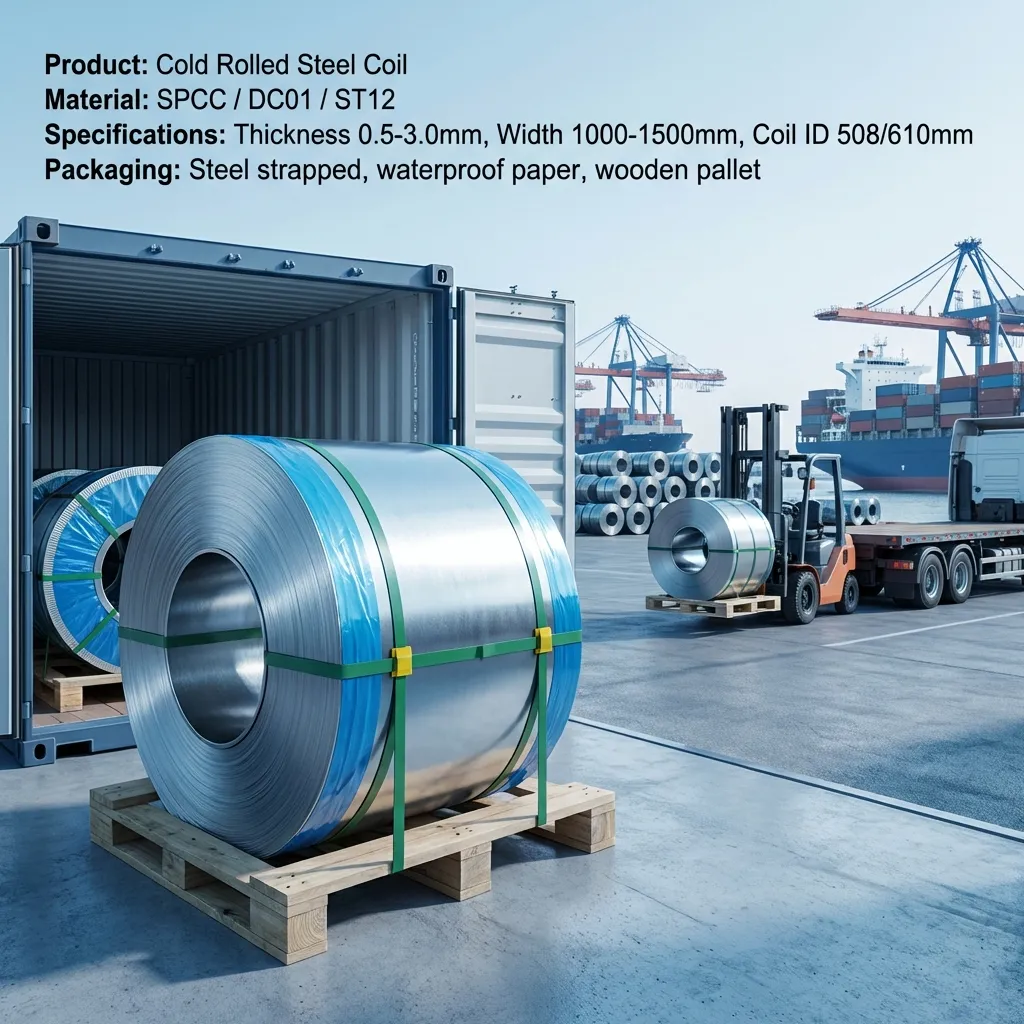
| Packaging | Waterproof paper, steel strapping, wooden pallet | Standard export packaging |
| MOQ | 1 ton | Minimum order quantity |
202 Stainless Steel Coil - Cold Rolled, Annealed, 0.3-3.0mm Thickness
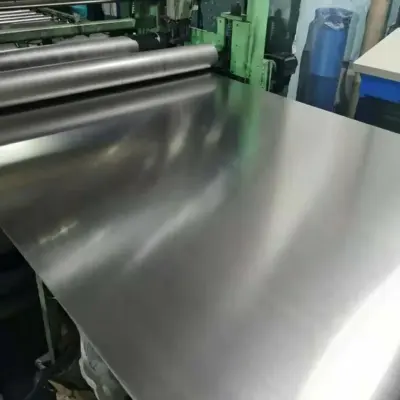
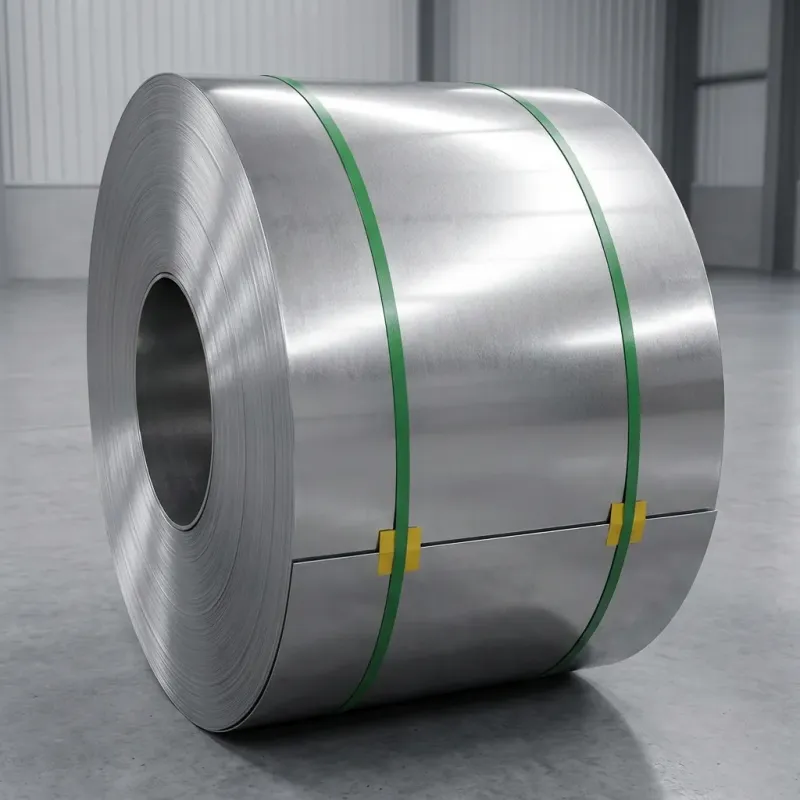
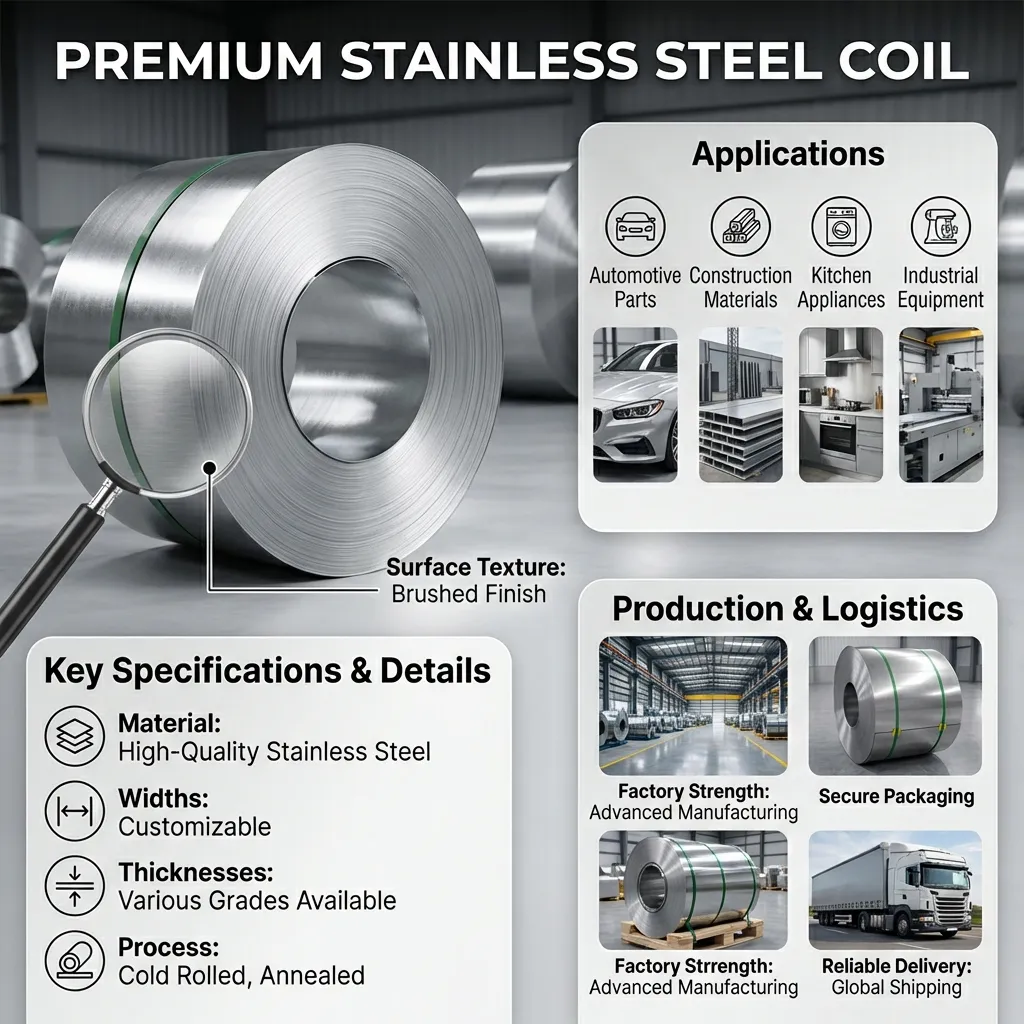
202 stainless steel coil is a cost-effective austenitic chromium-nickel-manganese stainless steel that serves critical roles in applications requiring moderate corrosion resistance and excellent formability. This cold-rolled material finds extensive application in kitchen equipment, automotive trim, architectural panels, and food processing equipment where budget considerations meet performance requirements. Manufactured with thickness ranging from 0.3mm to 3.0mm, this material offers exceptional value-driven pricing while maintaining reliable mechanical properties for diverse industrial and commercial applications.
What is 202 Stainless Steel Coil?
202 stainless steel coil represents an economical alternative to conventional 300-series austenitic grades, featuring a manganese-rich composition that partially substitutes nickel content. This material exhibits a chromium content of 17-19%, nickel content of 4-6%, and manganese content of 7.5-10%, providing adequate corrosion resistance for indoor environments and mildly corrosive conditions. The cold-rolled and annealed condition delivers superior surface finish with Ra values typically below 0.4μm, making it the preferred choice for decorative applications and visible components requiring aesthetic appeal.
202 Stainless Steel Coil Technical Specifications
This material complies with ASTM A240/A240M-20a specifications with chemical composition limits precisely controlled: carbon maximum 0.15%, silicon maximum 1.00%, phosphorus maximum 0.060%, and sulfur maximum 0.030%. The density measures 7.80 g/cm³ at 20°C, while tensile strength ranges from 520-720 MPa per EN 10088-2:2014 standards. Yield strength (0.2% offset) achieves minimum 275 MPa, with elongation in 50mm exceeding 40%, demonstrating excellent ductility for deep drawing and complex forming operations. The material exhibits thermal conductivity of 16.3 W/m·K at 100°C and electrical resistivity of 0.85 μΩ·m at ambient temperature.
Manufacturing Process and Surface Finishes
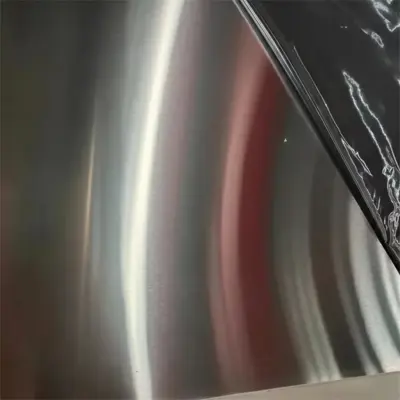
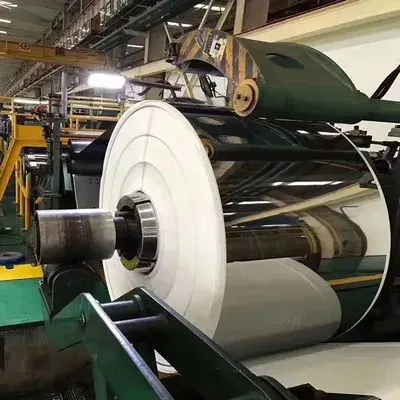
Our 202 stainless steel coil undergoes precision cold rolling with reduction ratios exceeding 80%, followed by bright annealing in controlled atmosphere furnaces at temperatures between 1010-1120°C. This process ensures optimal grain structure refinement and complete recrystallization, achieving uniform mechanical properties throughout the coil length. Standard surface finishes include 2B (bright annealed and pickled), BA (bright annealed with reflective surface), and No.4 (brushed finish with 150-180 grit directional polish). Edge conditioning options encompass mill edge, slit edge, and deburred edge configurations to meet specific application requirements.
Applications and Industry Use Cases
This versatile material demonstrates exceptional performance across multiple sectors. In architectural applications, it serves as cladding panels, elevator interiors, and decorative trim with excellent formability for complex geometries. The food service industry employs 202 stainless steel coil for commercial kitchen equipment, countertops, and food preparation surfaces where moderate corrosion resistance suffices. Automotive manufacturers utilize this grade for wheel covers, trim moldings, and interior components requiring bright surface appearance. Additionally, the material finds application in household appliances, utensils, and consumer products where cost optimization remains paramount without compromising basic corrosion protection.
Corrosion Resistance and Environmental Performance
While 202 stainless steel coil exhibits lower corrosion resistance compared to higher-nickel grades, it provides adequate protection in indoor environments and atmospheric conditions. The material demonstrates resistance to mild organic acids, alkaline solutions, and food products under normal operating temperatures. However, it shows limited performance in chloride-rich environments, marine atmospheres, and applications involving prolonged exposure to acidic conditions. For enhanced corrosion protection, additional surface treatments such as passivation per ASTM A967 or protective coatings can be applied. The material maintains structural integrity in temperature ranges from -196°C to 870°C, though prolonged exposure above 425°C may result in carbide precipitation affecting corrosion resistance.
Mechanical Properties and Formability Characteristics
The cold-rolled and annealed condition delivers outstanding formability with r-values (plastic strain ratio) typically ranging from 0.9 to 1.1, facilitating deep drawing operations without excessive thinning or cracking. Hardness measurements fall within 85-95 HRB (Rockwell B scale), providing sufficient work hardening capacity for roll forming and stretch forming applications. The material exhibits excellent bend radius capabilities, achieving minimum bend radius of 1T (one times thickness) for 90-degree bends without surface cracking. Springback characteristics remain moderate, with typical springback angles of 2-4 degrees for 90-degree bends, allowing predictable tooling compensation in production environments.
Quality Control and Testing Procedures
Each production lot undergoes rigorous quality verification including chemical composition analysis via optical emission spectroscopy, dimensional inspection with laser micrometers achieving ±0.01mm tolerance, and surface quality assessment per ASTM A480 standards. Mechanical testing encompasses tensile testing per ASTM E8, hardness verification using calibrated Rockwell testers, and grain size evaluation following ASTM E112 methodology. Non-destructive testing options include ultrasonic examination for internal defects and eddy current inspection for surface discontinuities. Material test certificates (MTR) complying with EN 10204 Type 3.1 accompany each shipment, documenting complete traceability from raw material heat number through final processing.
Comparison with Alternative Stainless Steel Grades
202 vs 304 Stainless Steel
Compared to 304 stainless steel, 202 grade offers significant cost advantages through reduced nickel content, typically 30-40% lower material cost per kilogram. However, 304 provides superior corrosion resistance, particularly in chloride environments and acidic conditions. The 304 grade exhibits better weldability with reduced susceptibility to hot cracking, while 202 requires more stringent welding parameters and post-weld treatment. For applications prioritizing corrosion performance over cost, 304 remains the optimal selection, whereas 202 serves budget-conscious projects with moderate environmental exposure.
202 vs 201 Stainless Steel
While both grades belong to the 200-series family, 202 contains higher nickel content (4-6% versus 1% maximum in 201), resulting in improved corrosion resistance and formability. The 202 grade demonstrates better resistance to intergranular corrosion and maintains superior surface appearance during extended service. Material costs differ by approximately 8-12%, with 202 commanding premium pricing justified by enhanced performance characteristics. For critical applications requiring reliable long-term performance, 202 represents the prudent choice over 201 grade.
Welding Considerations and Joining Techniques
Successful welding of 202 stainless steel coil requires careful attention to heat input control and filler metal selection. Gas tungsten arc welding (GTAW/TIG) using ER308L or ER309L filler wire produces optimal results with minimal heat-affected zone sensitization. Recommended welding parameters include current settings of 80-120 amperes for 1.0mm thickness, with argon shielding gas flow rates of 10-12 liters per minute. Interpass temperature should not exceed 150°C to prevent excessive grain growth and carbide precipitation. Post-weld passivation treatment per ASTM A967 restores corrosion resistance in the heat-affected zone, while stress relief annealing at 900-950°C may be necessary for thick sections or complex assemblies.
Surface Treatment and Finishing Options
Beyond standard mill finishes, 202 stainless steel coil accepts various surface enhancement treatments. Electropolishing removes 5-25 micrometers of surface material, producing mirror-bright finish with Ra values below 0.2μm while improving corrosion resistance through chromium enrichment. PVD (Physical Vapor Deposition) coating applies decorative colored finishes in gold, bronze, black, or custom colors with thickness ranging from 0.2-1.0μm. Bead blasting creates uniform matte appearance with controllable surface roughness, while vibration finishing produces satin texture ideal for architectural applications. Each treatment modifies surface characteristics while preserving the underlying mechanical properties of the base material.
Storage and Handling Best Practices
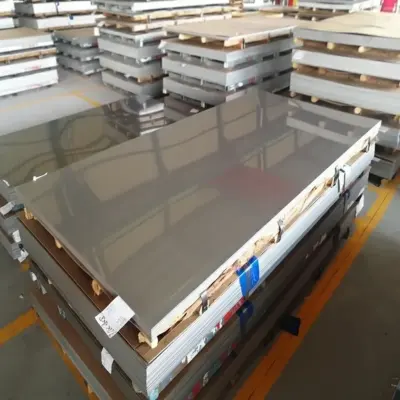
Proper storage prevents surface contamination and maintains material quality throughout the supply chain. Coils should be stored in climate-controlled environments with relative humidity below 60% and temperature maintained between 15-25°C. Protective interleaving paper must remain intact until processing to prevent scratching and surface damage. When handling coils, use nylon slings or padded lifting equipment to avoid edge deformation and surface marring. Storage racks should feature smooth contact surfaces with adequate support spacing to prevent coil distortion. Regular inspection for moisture accumulation, dust contamination, or surface discoloration ensures material readiness for production use.
Sustainability and Environmental Considerations
202 stainless steel coil contains minimum 60% recycled content, contributing to sustainable manufacturing practices and reduced environmental impact. The material demonstrates 100% recyclability at end-of-life, with scrap material readily reprocessed into new stainless steel products without property degradation. Lower nickel content reduces dependence on energy-intensive nickel extraction and refining operations, decreasing the overall carbon footprint by approximately 15-20% compared to conventional 304 grade. Manufacturing processes employ closed-loop water recycling systems and acid regeneration facilities, minimizing waste generation and environmental discharge. Life cycle assessments indicate favorable environmental performance across extraction, processing, use, and recycling phases.
Cost Optimization Strategies
Maximizing value from 202 stainless steel coil procurement involves several strategic approaches. Ordering full coil quantities eliminates cutting charges and material waste, while consolidated shipments reduce freight costs per unit weight. Specifying standard widths (1000mm, 1219mm, 1500mm) avoids slitting charges and expedites delivery schedules. Long-term supply agreements with volume commitments secure preferential pricing and guaranteed material availability during market fluctuations. Collaborating with suppliers on tolerance optimization prevents over-specification, as tighter tolerances command premium pricing without proportional performance benefits. Strategic inventory management balances carrying costs against price volatility and lead time considerations.
Frequently Asked Questions
What is the minimum order quantity (MOQ)?
Our standard minimum order quantity for 202 stainless steel coil is 5 metric tons per specification, though we accommodate smaller quantities for trial orders or specialized applications with adjusted pricing. Mixed container loads combining multiple thicknesses or widths are available to meet your total volume requirements while providing material variety.
Do you provide material test certificates?
Yes, we supply comprehensive material test certificates (MTC) complying with EN 10204 Type 3.1 standards for every shipment. These certificates document complete chemical composition analysis, mechanical property verification, heat treatment parameters, and dimensional inspection results with full traceability to original mill production records.
What is the typical delivery time?
Standard delivery time ranges from 25-35 days for stock specifications, while custom orders requiring specific dimensions or surface finishes may extend to 40-50 days. Expedited production scheduling is available for urgent requirements, with premium freight options ensuring delivery within 15-20 days for qualified orders.
Can you cut to custom sizes?
Absolutely, we offer comprehensive value-added services including precision slitting to custom widths (minimum 100mm), shearing to specified lengths with ±1mm tolerance, and blanking for complex shapes using CNC laser cutting or turret punch equipment. Edge deburring, protective film application, and custom packaging solutions are available to meet your specific production requirements.
Get a Competitive Quote for 202 Stainless Steel Coil
Partner with our experienced team to source premium-quality 202 stainless steel coil at mill-direct rates that maximize your project budget. Our technical specialists provide comprehensive material selection guidance, application engineering support, and customized solutions tailored to your specific performance requirements. With strategically located distribution centers and optimized logistics networks, we ensure reliable on-time delivery that keeps your production schedule on track.
- 24/7 customer support available via phone, email, and live chat
- Free samples for quality evaluation with complete test documentation
- Competitive pricing for bulk orders with volume discount programs
- Professional technical consultation on material selection and processing
- Flexible payment terms and trade credit facilities for qualified customers
- Quality guarantee with replacement commitment for non-conforming material
Contact us today to get your free quote within 24 hours and discover how our 202 stainless steel coil solutions can optimize your manufacturing operations!
Ratings & Reviews

Know your supplier
Supplier's customization ability
- Drawing-based customization
- Sample-based customization
- Full customization
Minimum order quantity: 1 ton
Shipping total: To be negotiated
- Lead time:
- confirmed with the quotation
- Packaging:
- standard export packing
- Samples:
- available on request