 English
  Español
  Français
  Deutsch
  Português (Brasil)
  Русский
  العربية
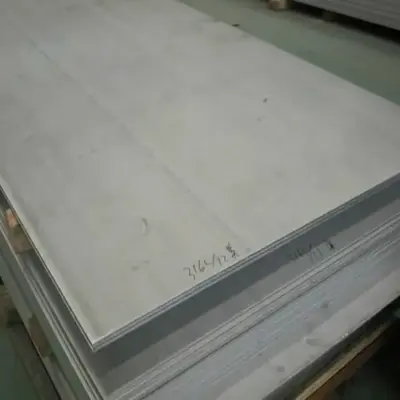
High Strength Ballistic Steel - AR500 Armor Plate & MIL-Spec Hardened Steel

 China
China



Supplier's customization ability
- Drawing-based customization
- Sample-based customization
- Full customization
Minimum order quantity: 1 ton
Shipping total: To be negotiated
- Lead time:
- confirmed with the quotation
- Packaging:
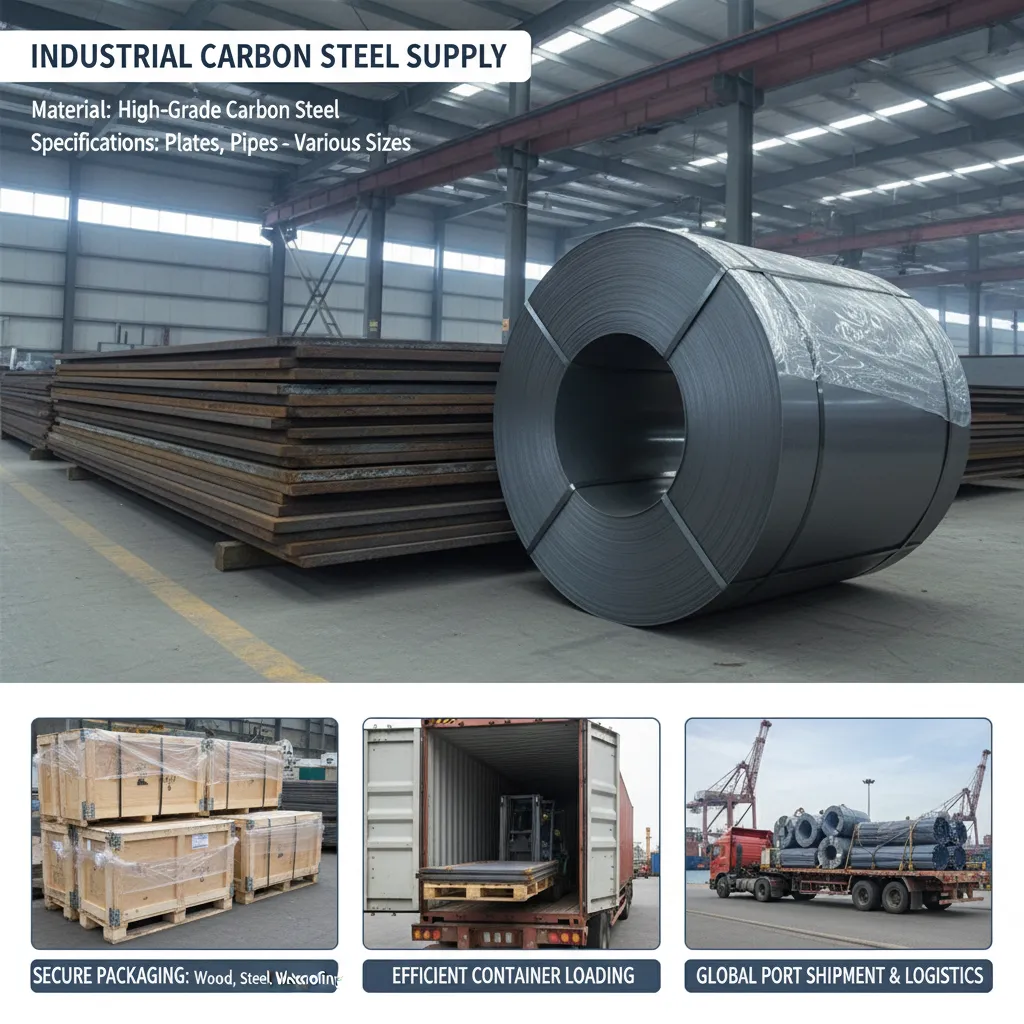
- standard export packing
- Samples:
- available on request
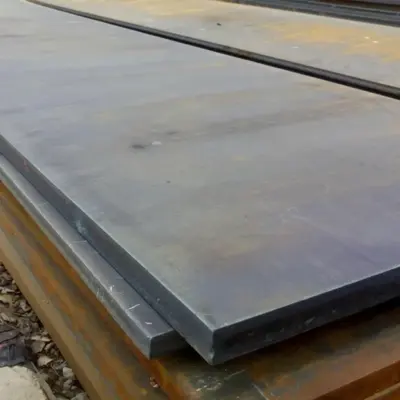
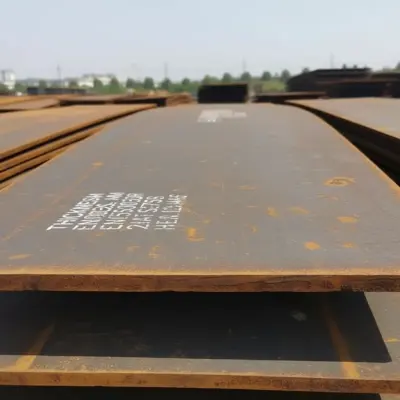
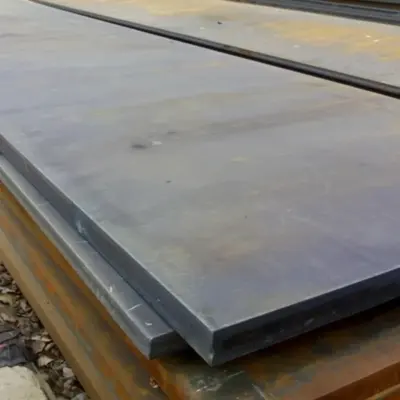
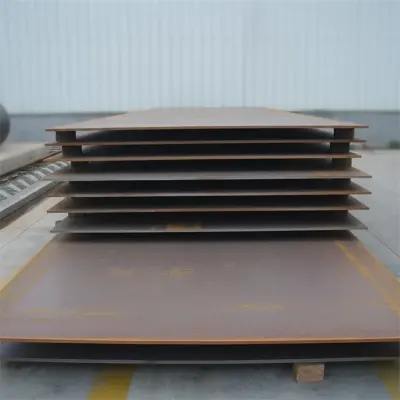
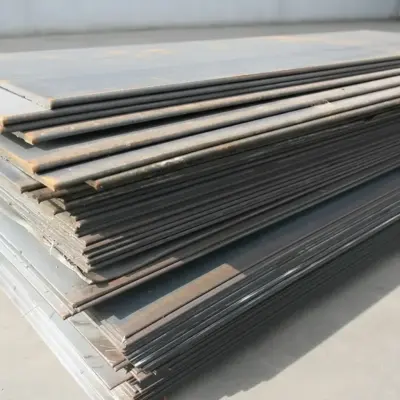
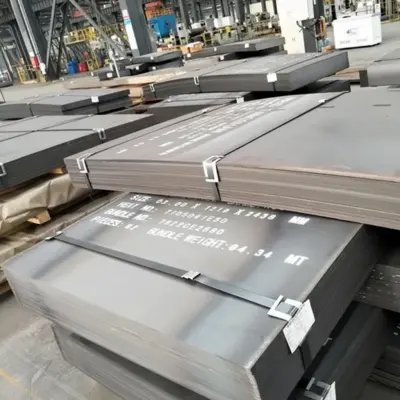
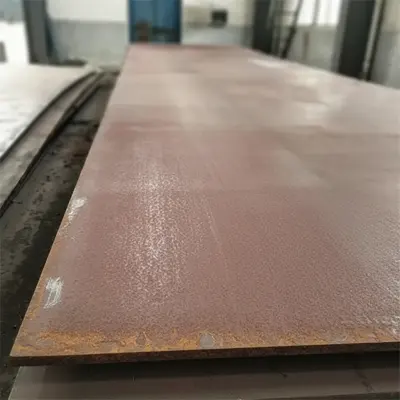
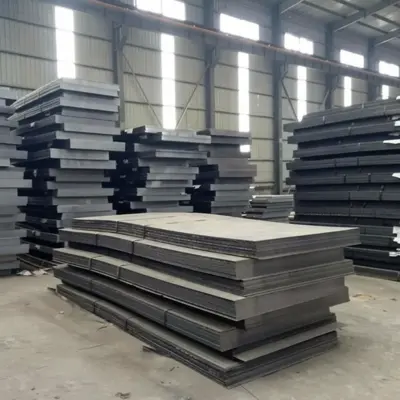
Product details
Technical Specifications of High Strength Ballistic Steel
| Property | Parameter | Description |
|---|---|---|
| Product Name | High Strength Ballistic Steel | Armor-grade steel for ballistic protection applications |
| Material Grade | MIL-DTL-46100E / ASTM A514 / EN 10025-6 S690QL | International ballistic and high-strength steel standards |
| Standard Compliance | MIL-DTL-46100, NIJ 0108.01, STANAG 4569 | Meets military and ballistic protection standards |
| Hardness Range | 477-534 HBW (Class 1) / 534-601 HBW (Class 2) | Brinell hardness for different protection levels |
| Carbon (C) | 0.28-0.40% | Optimized for strength and weldability |
| Manganese (Mn) | 0.60-1.20% | Enhances hardenability and toughness |
| Chromium (Cr) | 0.50-1.50% | Improves wear resistance and hardness |
| Nickel (Ni) | 0.50-2.00% | Increases impact resistance at low temperatures |
| Molybdenum (Mo) | 0.15-0.50% | Enhances strength and corrosion resistance |
| Tensile Strength | ≥1400 MPa | Minimum tensile strength for ballistic applications |
| Yield Strength | ≥1100 MPa | Minimum yield strength per MIL-DTL-46100 |
| Elongation | ≥8% | Ductility in 50mm gauge length |
| Impact Energy | ≥27 J at -40°C | Charpy V-notch impact resistance |
| Thickness Range | 4mm - 100mm | Available thickness for armor plate applications |
| Protection Level | NIJ Level III / IV, B6 / B7 (EN 1063) | Ballistic protection classification standards |
| Surface Finish | Hot rolled, shot blasted, painted | Standard surface treatment options |
| Application | Military vehicles, armored cars, bunkers, safes | Typical ballistic protection applications |
| Certification | MIL-DTL-46100E, EN 10204 3.1, ISO 9001 | Quality and compliance certifications |
| Packaging | Steel pallet, waterproof cover, edge protection | Export-standard packaging for heavy plates |
| MOQ | 5 tons | Minimum order quantity |
High Strength Ballistic Steel - AR500 Armor Plate & MIL-Spec Hardened Steel
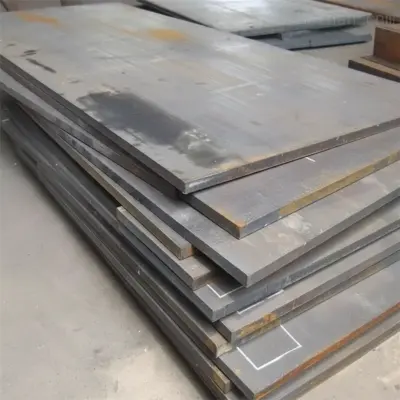
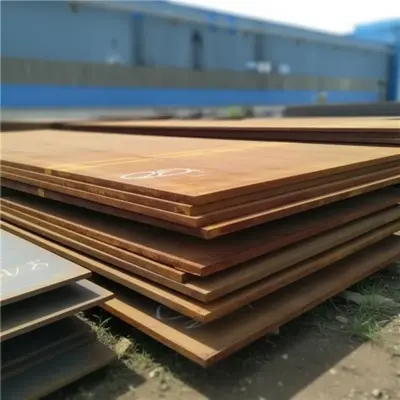
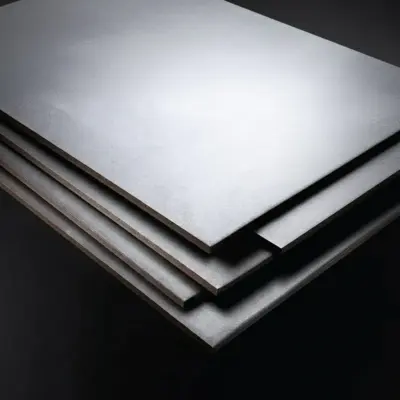
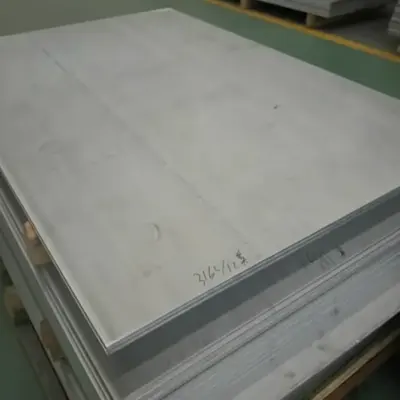
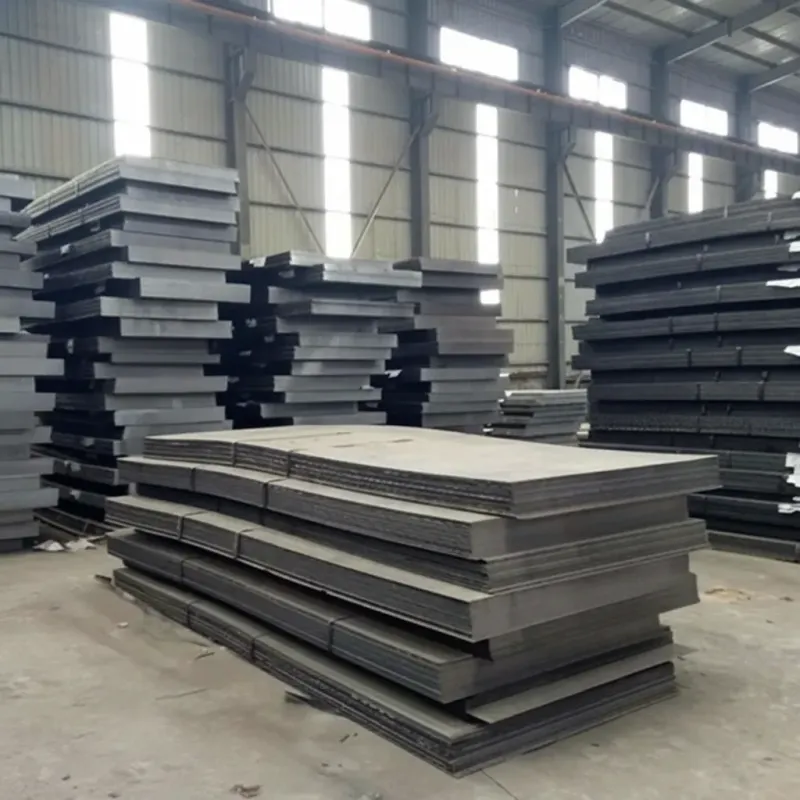
High strength ballistic steel represents a specialized category of hardened steel plates engineered to withstand high-velocity projectile impacts and blast forces. Manufactured through precise heat treatment processes achieving hardness levels between 477-534 HBW, this armor-grade material finds extensive application in military vehicles, shooting ranges, and critical infrastructure protection. Designed for defense contractors, security equipment manufacturers, and industrial clients requiring certified ballistic protection, these steel plates comply with MIL-DTL-46100E and NIJ 0108.01 standards while maintaining superior weldability and formability characteristics.
What is High Strength Ballistic Steel?
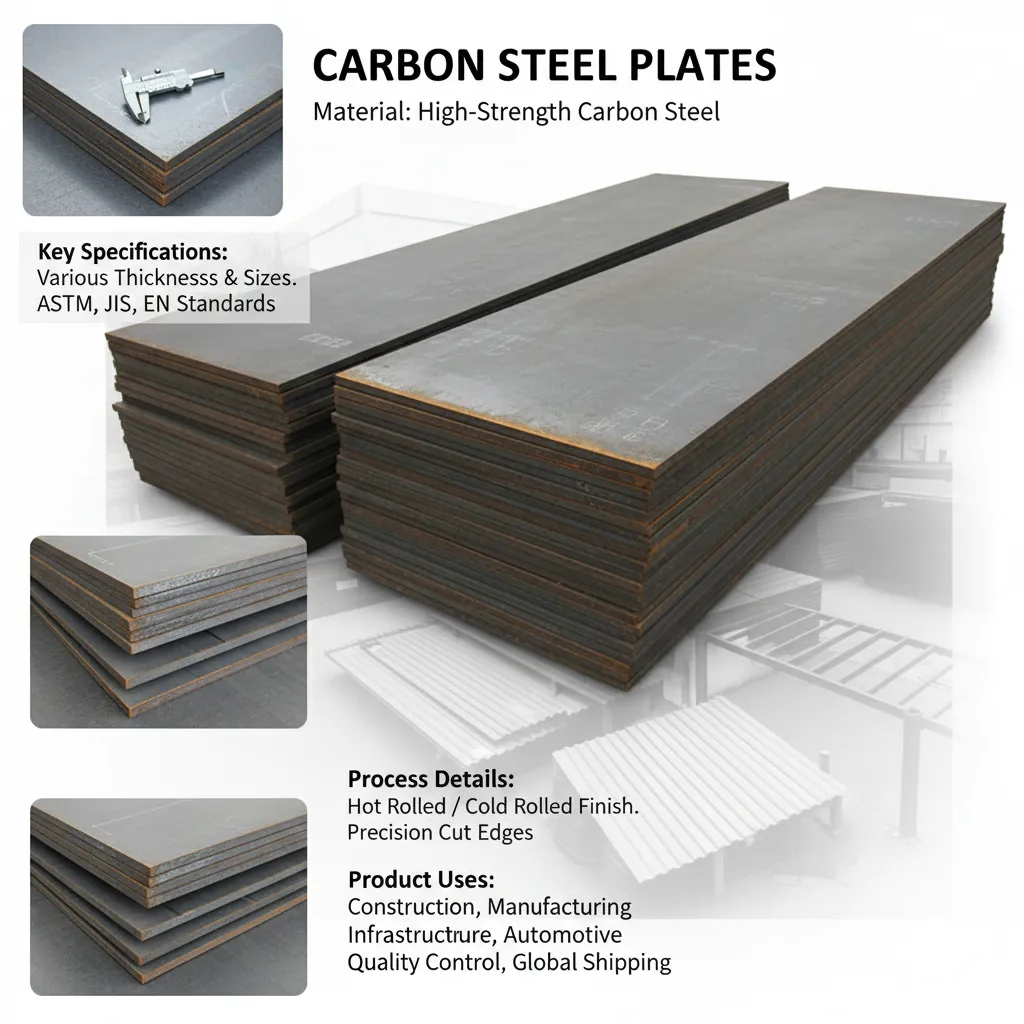
High strength ballistic steel is a through-hardened carbon alloy steel plate specifically formulated to resist penetration from small arms fire, shrapnel, and explosive fragments. The material undergoes controlled quenching and tempering processes to achieve a martensitic microstructure with uniform hardness distribution across the entire plate thickness, ranging from 6mm to 50mm. Unlike conventional structural steels, ballistic-grade plates maintain their mechanical integrity under multi-hit scenarios while exhibiting minimal backface deformation.
High Strength Ballistic Steel Technical Specifications
Our armor plate conforms to MIL-DTL-46100E Type II Class 1 requirements with a carbon content of 0.28-0.32%, manganese 0.90-1.20%, and boron additions of 0.001-0.005% for enhanced hardenability. Tensile strength reaches 1570-1780 MPa with a minimum yield strength of 1250 MPa per ASTM A370 testing protocols. Surface hardness measures between 477-534 HBW (Brinell Hardness) with core hardness variation not exceeding 15% across the plate cross-section. Ballistic performance achieves V50 values of 847 m/s against 7.62mm AP projectiles at 0° obliquity angle when tested according to MIL-STD-662F procedures.
Manufacturing Process and Quality Control
Production begins with vacuum-degassed steel billets heated to 920-950°C in controlled atmosphere furnaces to prevent decarburization. Hot rolling reduces thickness to specified dimensions followed by accelerated water quenching at 25-35°C to form the martensitic structure. Subsequent tempering at 180-220°C for 2-4 hours relieves internal stresses while maintaining target hardness levels. Each plate undergoes ultrasonic testing per ASTM A435 to detect internal discontinuities exceeding 3mm equivalent flat-bottom hole diameter. Ballistic testing validates performance through live-fire trials with documented V50 velocities and backface signature measurements using calibrated witness clay backing materials.
Applications and Industry Use Cases
Military applications dominate the market, with armored personnel carriers utilizing 12-25mm plates for hull protection achieving STANAG 4569 Level 3 certification. Commercial shooting range backstops employ 9.5-12.7mm AR500 plates capable of withstanding over 3,000 rounds of .308 Winchester ammunition without perforation. Cash-in-transit vehicles integrate 6-8mm ballistic panels meeting BR6 and FB6 European standards for protection against 7.62x51mm NATO rounds. Oil and gas facilities in high-risk regions install armor cladding on control rooms and critical equipment housings, providing blast mitigation rated to 7 psi overpressure per UFC 3-340-02 guidelines.
Frequently Asked Questions
What is the minimum order quantity (MOQ)?
Our standard MOQ is 5 metric tons per specification, though we accommodate smaller quantities of 1-2 tons for AR500 and AR550 grades with adjusted lead times. Mixed-thickness orders are accepted provided total weight meets the 5-ton threshold. Sample plates measuring 300x300mm are available for ballistic validation testing prior to full production commitments.
Do you provide material test certificates?
Yes, every shipment includes EN 10204 3.1 mill test certificates documenting chemical composition via optical emission spectrometry, mechanical properties from transverse tensile specimens, and hardness mapping across five locations per plate. Ballistic test reports with V50 data and high-speed photography are available upon request for an additional fee of $850 per test series covering three plates.
What is the typical delivery time?
Standard lead time is 6-8 weeks for plates up to 25mm thickness in quantities of 20 tons or less. Thicker gauges from 30-50mm require 10-12 weeks due to extended heat treatment cycles. Expedited production is available with 4-week delivery for AR500 grades under 15mm thickness, subject to a 15% surcharge and current production schedule availability.
Can you cut to custom sizes?
We offer precision plasma cutting with tolerance of ±3mm on dimensions up to 3000x12000mm, and waterjet cutting for complex geometries maintaining ±1mm accuracy. Edge beveling from 15° to 45° is available for weld preparation. CNC machining services include drilling, countersinking, and radius forming, though extensive machining may affect local hardness properties within 10mm of cut edges. All thermal cutting processes include post-cut hardness verification to ensure compliance with specification requirements.
Get a Competitive Quote for High Strength Ballistic Steel
Contact our technical sales team for mill-direct pricing on certified ballistic steel plates. We provide detailed quotations within 24 hours including material specifications, ballistic performance data, and logistics solutions for domestic and international deliveries. Our engineering support assists with material selection, thickness optimization, and integration guidance for your specific threat protection requirements. Request your customized quote today with project drawings and annual volume forecasts to receive volume-based pricing advantages and priority production scheduling.
Ratings & Reviews

Know your supplier
Supplier's customization ability
- Drawing-based customization
- Sample-based customization
- Full customization
Minimum order quantity: 1 ton
Shipping total: To be negotiated
- Lead time:
- confirmed with the quotation
- Packaging:
- standard export packing
- Samples:
- available on request