 English
  Español
  Français
  Deutsch
  Português (Brasil)
  Русский
  العربية
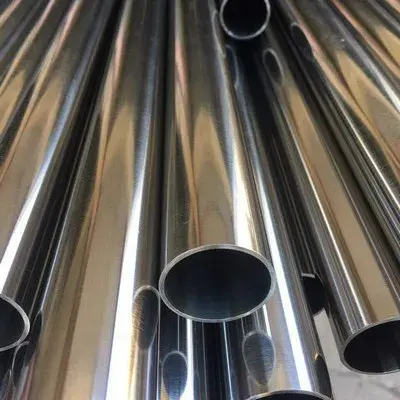
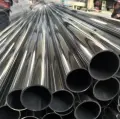
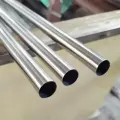
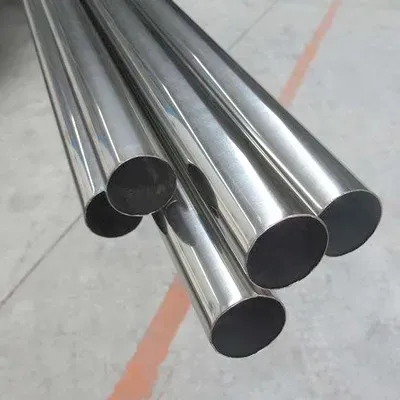
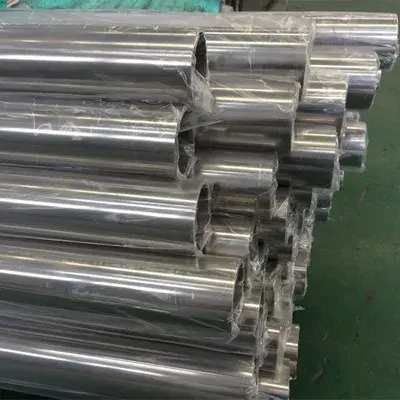
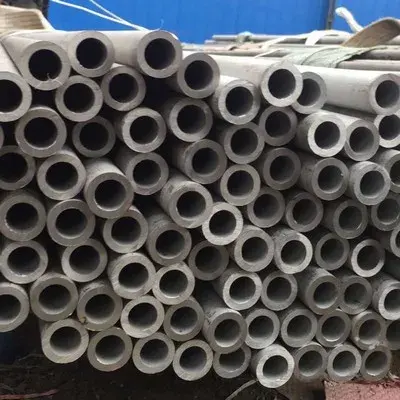
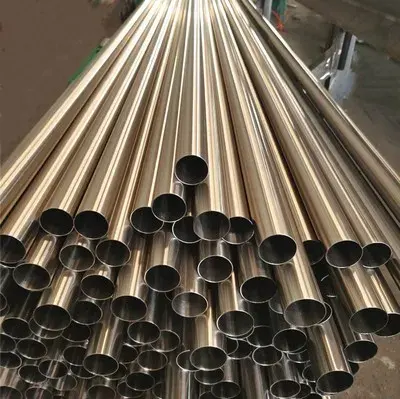
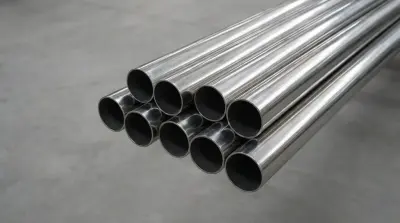
polished stainless steel pipe

 China
China
Supplier's customization ability
- Drawing-based customization
- Sample-based customization
- Full customization
Minimum order quantity: 1 Ton
Shipping total: To be negotiated
- Lead time:
- confirmed with the quotation
- Packaging:
- standard export packing
- Samples:
- available on request
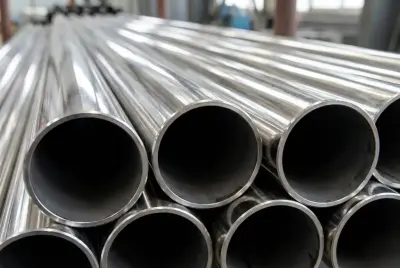
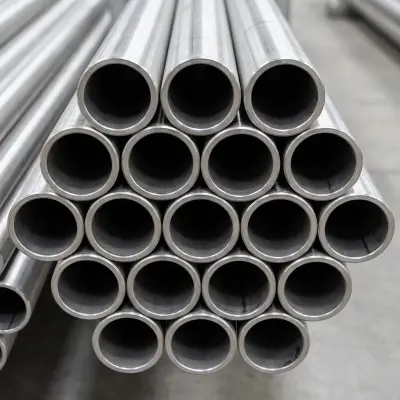
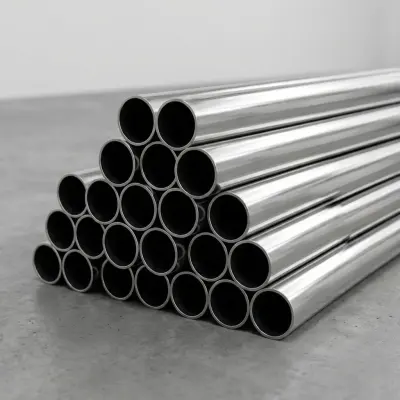
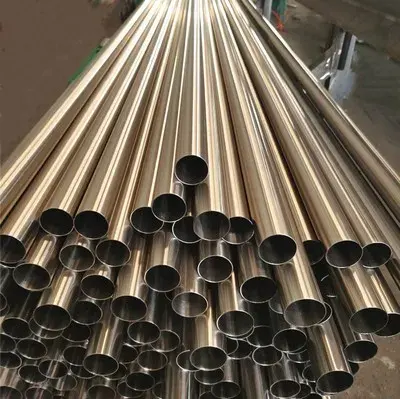
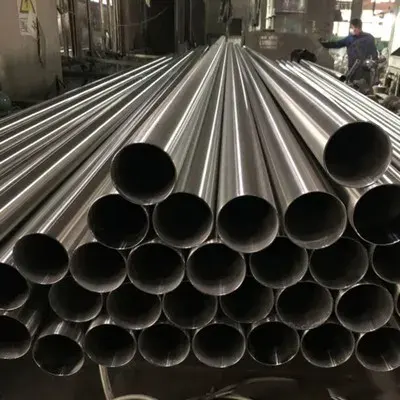
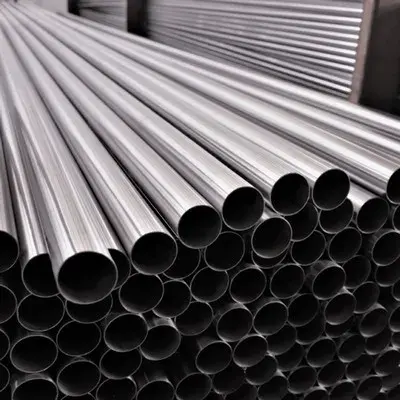
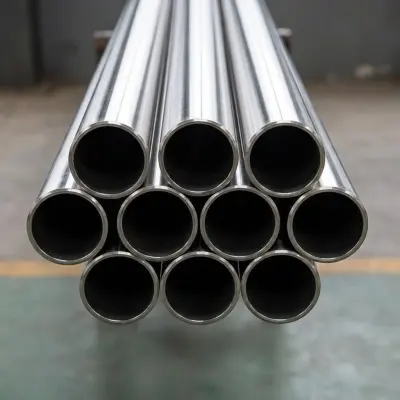
Product details
Polished Stainless Steel Pipe Product Attributes
| Property | Parameter | Description |
|---|---|---|
| Material Category | Austenitic, Ferritic, Duplex | Three main stainless steel families with varying properties . |
| Common Grades | 304, 304L, 316, 316L, 321, 430 | Wide range of grades meeting different application requirements . |
| Chromium Content | 16 – 26% (grade dependent) | Primary element providing corrosion resistance . |
| Nickel Content | 0 – 22% (varies by grade) | Enhances corrosion resistance and formability in austenitic grades . |
| Manufacturing Types | Seamless, Welded, ERW | Different production methods for various applications and requirements . |
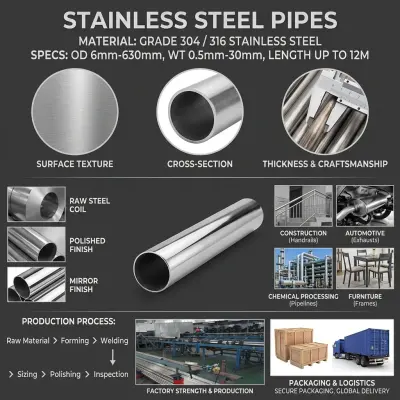
| Outer Diameter (OD) | 5.8 mm – 508 mm+ | Comprehensive range from small bore to large diameter applications . |
| Wall Thickness | 0.3 – 50 mm | Multiple thicknesses available for various pressure ratings . |
| Schedules Available | 5S, 10S, 40S, 80S, 120, 160 | Standard pressure schedules per ASTM specifications . |
| Operating Temperature | -196°C to +1100°C (grade dependent) | Wide temperature range depending on material grade selected . |
| Pressure Rating | 150 – 2500+ PSI | Varies with diameter, wall thickness, and material grade . |
| Corrosion Resistance | Excellent to Superior | Varies by grade; 316/316L superior to 304 in chloride environments . |
| Tensile Strength | 515 – 620 MPa (austenitic) | Ultimate strength under tension; varies by grade and condition . |
| Yield Strength | 205 – 310 MPa (austenitic) | Stress at which permanent deformation begins . |
| Elongation | 35 – 40% (annealed) | Ductility indicating material flexibility before breaking . |
| Density | 7.5 – 8.0 g/cm³ (grade dependent) | Mass per unit volume varies slightly by grade . |
| Modulus of Elasticity | 193 – 200 GPa | Measures stiffness and rigidity of the material . |
| Weldability | Excellent (varies by grade) | Most grades weldable without pre-heat; L-grades require no post-weld annealing . |
| Magnetic Properties | Austenitic (non-magnetic), Ferritic (magnetic) | Property depends on material grade selected . |
| Surface Finish | Polished, Pickled, Mill, Bright | Multiple finish options for aesthetic and functional requirements . |
| Standards | ASTM A312, A213, ISO 1127, DIN 17455 | Compliance with international pipe manufacturing standards . |
| End Finish | Plain, beveled, threaded, flanged | Various end preparations for different connection methods . |
| Cost Range | Moderate to Premium | Price varies significantly by grade, size, and finish . |
| Applications | Oil & gas, chemical, food, marine, pharmaceutical, HVAC | Widely used across diverse industrial sectors . |
| Environmental Benefits | Recyclable, long-lasting | Sustainable material with 100% recyclability . |
| Corrosion Byproducts | Minimal leaching of harmful ions | Safe for food and pharmaceutical applications . |
| Maintenance | Low maintenance required | Self-passivating surface maintains corrosion resistance . |
| Quality Standards | ISO 9001, ASTM, CE marked | Third-party certifications available . |
| Tolerance | ±0.3 – 0.5 mm (seamless, OD) | Tight dimensional accuracy for precision applications . |
| Thermal Expansion | 15.9 – 16.0 × 10⁻⁶/°C | Coefficient of thermal expansion for design calculations . |
| Heat Treatment | Annealing, solution treatment | Available to enhance specific properties . |
Polished Stainless Steel Pipe Product Introduction
Comprehensive Applications of Pipe Stainless Steel in Industrial Infrastructure and Commercial Systems
The pipe stainless steel represents the essential foundation for modern infrastructure systems requiring superior corrosion resistance and exceptional durability across demanding operational environments. A pipe stainless steel delivers outstanding performance in critical fluid transport, high-pressure systems, and structural applications spanning residential plumbing networks to large-scale industrial manufacturing facilities. Industries including food processing, pharmaceutical manufacturing, oil and gas distribution, municipal water treatment, and chemical processing depend on pipe stainless steel for reliable performance meeting stringent safety and quality standards. The pipe stainless steel excels in both atmospheric conditions and chemically aggressive environments where conventional carbon steel materials rapidly deteriorate, compromise system integrity, or contaminate transported fluids. Commercial facilities such as hospitals, hotels, restaurants, office buildings, and research laboratories specify pipe stainless steel in water supply systems, HVAC circulation networks, and process piping requiring absolute contamination prevention. When selecting appropriate pipe stainless steel solutions for specific applications, engineers and procurement specialists carefully consider material grades, dimensional specifications, pressure ratings, and surface finish options matching exact operational requirements. Investment in quality pipe stainless steel infrastructure provides measurable advantages including extended asset lifespan, reduced maintenance frequency, improved system reliability, enhanced operational safety, and superior performance consistency compared to conventional piping materials in critical industrial and commercial applications.
Detailed Technical Specifications and Material Standards for Pipe Stainless Steel Products
Understanding the comprehensive specifications and material properties of pipe stainless steel ensures optimal selection and reliable performance across specialized application requirements. Standard pipe stainless steel grades include 304, 304L, 316, 316L, 310, 321, and duplex variants, each offering distinct corrosion resistance properties suited to different environmental conditions and chemical exposure scenarios. Pipe stainless steel dimensions range from small-diameter tubing measuring 0.375 inches to large-bore pipes exceeding 24 inches, with wall thickness schedules including 10S, 40, 80, and 160 accommodating diverse pressure classifications from low-pressure to ultra-high-pressure applications. Seamless pipe stainless steel variants deliver superior pressure ratings, enhanced purity, and homogeneous material structures essential for critical aerospace, pharmaceutical, and nuclear applications, while welded pipe stainless steel options provide economical alternatives for moderate-pressure industrial systems. Surface finish specifications for pipe stainless steel include mill, pickled, polished, electropolished, and passivated options enabling aesthetic customization and functional optimization for visible or concealed installations. Strict compliance with ASTM A312, ASTM A269, EN 10216, ISO 1127, and API standards ensures pipe stainless steel products meet international quality requirements and documented performance specifications. Manufacturing certifications and material test reports provide complete traceability for pipe stainless steel, supporting regulatory compliance requirements across pharmaceutical, food processing, aerospace, and critical infrastructure applications requiring documented material provenance.
Strategic Performance Advantages and Industry Applications of Pipe Stainless Steel Solutions Worldwide
The exceptional characteristics of pipe stainless steel establish it as the preferred material for modern infrastructure prioritizing reliability, safety, environmental sustainability, and long-term cost optimization. Superior corrosion resistance ensures pipe stainless steel maintains structural integrity across indoor and outdoor environments, eliminating rust concerns and dramatically extending service life significantly beyond conventional carbon steel or plastic alternatives. A pipe stainless steel remains perfectly non-reactive throughout fluid transport operations, preventing product contamination, maintaining fluid purity, and meeting stringent quality standards essential in pharmaceutical, food processing, and beverage manufacturing applications. Easy sanitization, sterilization compatibility, and hygienic surface properties make pipe stainless steel essential in healthcare facilities, research laboratories, food processing plants, and pharmaceutical operations requiring rigorous hygiene protocols and regulatory compliance documentation. Environmental sustainability benefits of pipe stainless steel include complete recyclability, reduced environmental impact over product lifecycle, and minimal waste generation compared to disposable or less durable alternative materials. Companies investing in pipe stainless steel infrastructure achieve substantial competitive advantages including enhanced system reliability, reduced total cost of ownership, improved regulatory compliance assurance, extended equipment service life, optimized operational efficiency, sustainable business practices, and measurable performance superiority compared to conventional piping materials in residential, commercial, industrial, and critical infrastructure applications worldwide.
Ratings & Reviews
No reviews yet
Know your supplier
Product Display
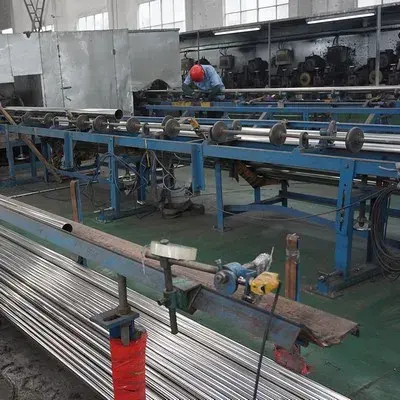
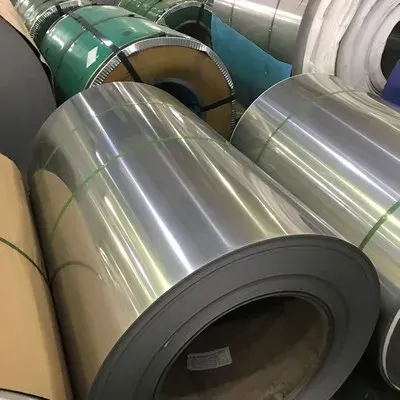
After more than a decade of continuous investment and innovation, Feihong Steel Co., Ltd. has now developed into a leading enterprise in the industry with a complete industrial chain, a wide range of product specifications, prompt supply, excellent product quality, strong industry influence and good social reputation. Currently, our products are mainly sold to the eastern region of China and over 40 countries and regions, such as Southeast Asia, South Asia, West Asia, Eastern Europe, South America, etc. Our stainless steel series products have consistently ranked among the top in China for many years.
Supplier's customization ability
- Drawing-based customization
- Sample-based customization
- Full customization
Minimum order quantity: 1 Ton
Shipping total: To be negotiated
- Lead time:
- confirmed with the quotation
- Packaging:
- standard export packing
- Samples:
- available on request