 English
  Español
  Français
  Deutsch
  Português (Brasil)
  Русский
  العربية
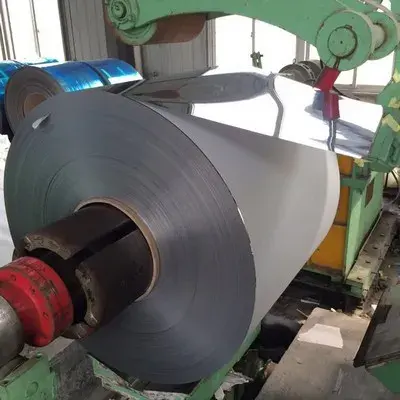
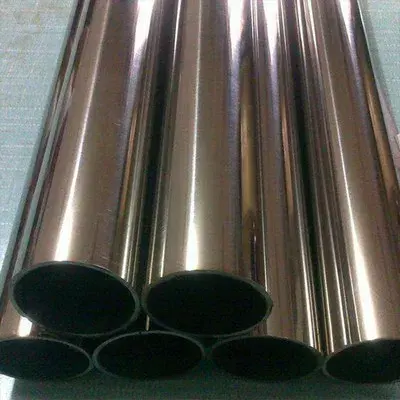
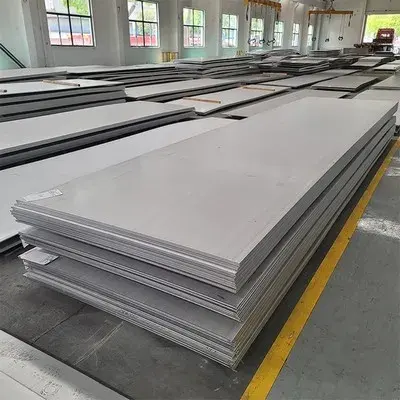
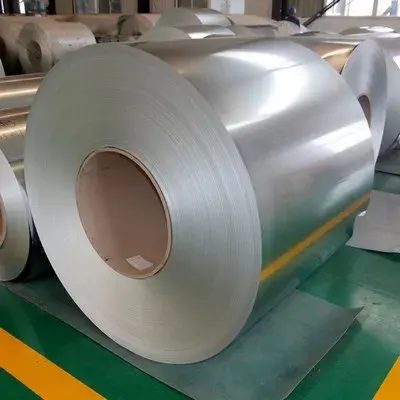
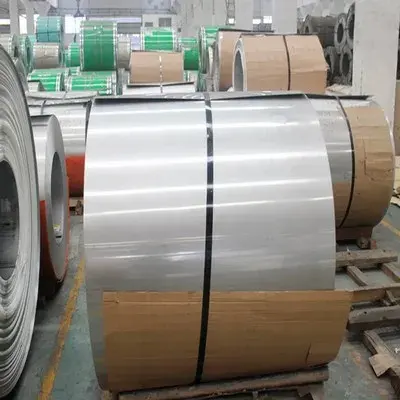
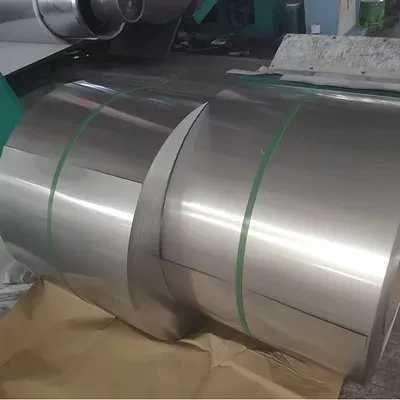
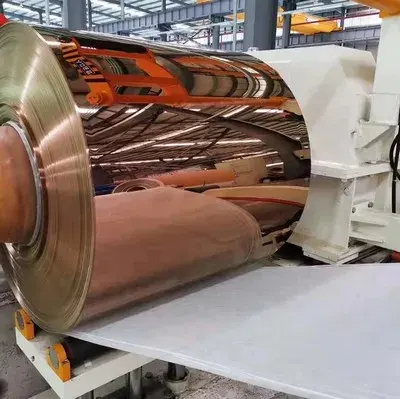
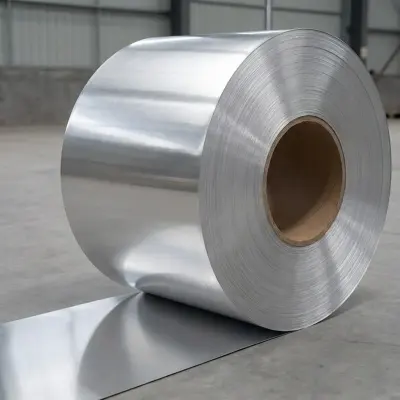
ss430 stainless steel coils

 China
China
Supplier's customization ability
- Drawing-based customization
- Sample-based customization
- Full customization
Minimum order quantity: 1 ton
Shipping total: To be negotiated
- Lead time:
- confirmed with the quotation
- Packaging:
- standard export packing
- Samples:
- available on request
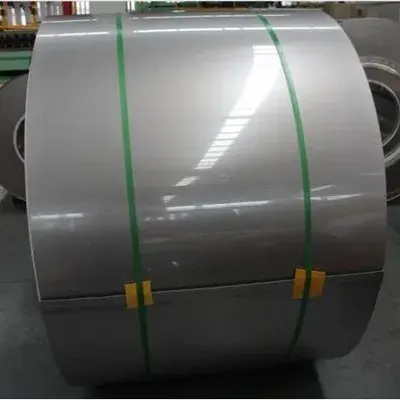
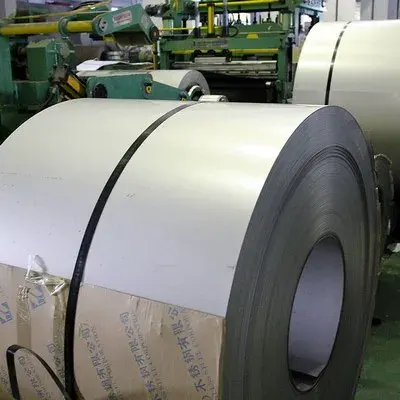
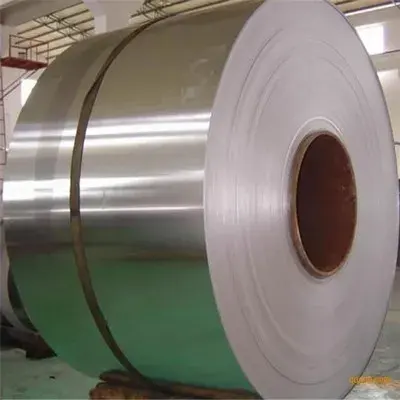
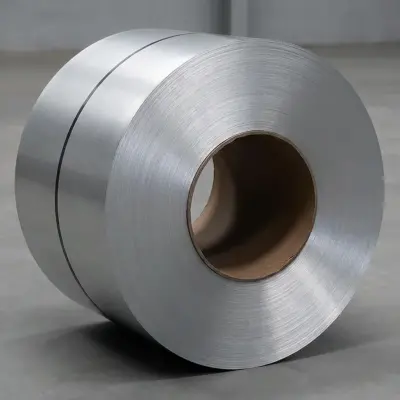
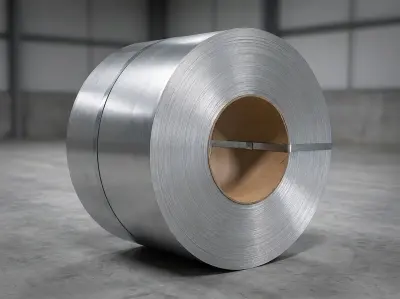
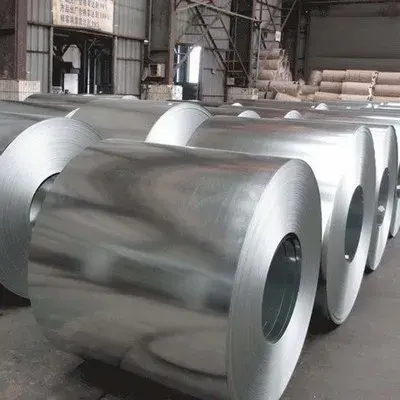
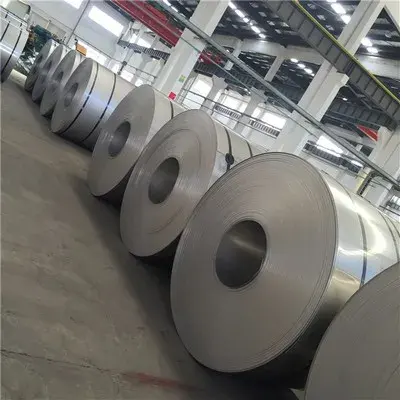
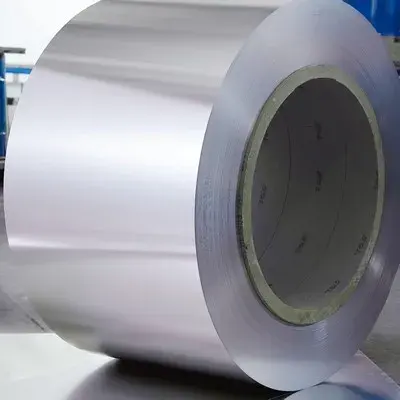
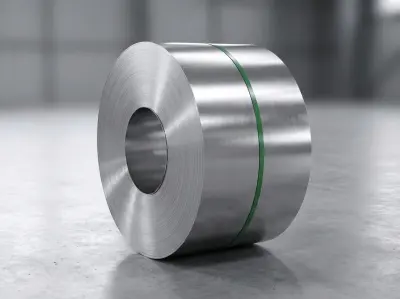
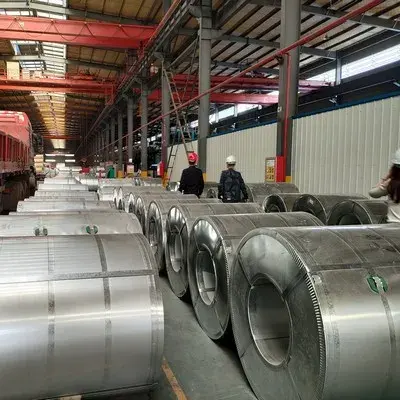
Product details
SS430 Stainless Steel Coils Introduction
SS430 Stainless Steel Coils are widely used in industries such as automotive, home appliances, and construction because of their solid corrosion resistance and good formability. These coils are often employed for manufacturing automotive trim, dishwasher linings, refrigerator panels, stove trim rings, and fasteners. The long tail keyword "SS430 stainless steel coils for automotive trim" highlights their prominence in the automotive sector where durability and aesthetic appeal are critical. Their moderate corrosion resistance and resistance to nitric acid make them a practical choice for both indoor and certain outdoor applications where high strength is not the primary concern.
Specifications and Mechanical Properties of SS430 Coils
SS430 stainless steel coils typically come in thicknesses ranging from 0.3mm to 10mm and widths up to 3500mm, conforming to standards such as JIS, ASTM, and EN. The chemical composition features chromium content of 16-18% with very low nickel, which contributes to its ferritic structure and cost-effectiveness. The long tail keyword "SS430 stainless steel coil specifications and grades" reflects the importance of understanding parameters including tensile strength (minimum 450 MPa), yield strength (minimum 205 MPa), elongation (minimum 22%), and hardness (max 89 HRB). Common surface finishes include 2B, BA, No.1, and No.4, enabling customization for different applications.
Performance Advantages and Industry Suitability
The main advantages of SS430 stainless steel coils include excellent resistance to oxidation at temperatures up to 870°C, good resistance to stress corrosion cracking, and ease of fabrication due to lower work-hardening rates compared to austenitic stainless steels. The long tail keyword "SS430 stainless steel coil for kitchen appliances" underscores its extensive use in environments requiring hygienic and visually appealing surfaces. Though it has less corrosion resistance than 304 stainless steel, its lower cost and good thermal conductivity make it ideal in cost-sensitive applications such as household appliances and architectural trims. Its balanced mechanical properties and versatility provide sustainable solutions that meet various industrial manufacturing needs
SS430 Stainless Steel Coils Attributes
| Attribute | Parameter | Description |
|---|---|---|
| Product Name | SS 430 Stainless Steel Coil | Ferritic stainless steel coil with good corrosion resistance, formability, and mechanical properties. |
| Grade | 430 (UNS S43000, AISI 430, EN 1.4016) | Non-hardenable straight chromium ferritic stainless steel widely used in samples and industrial applications. |
| Thickness Range | 0.3 – 10 mm | Wide thickness range for versatile applications. |
| Width Range | 1000 – 3500 mm | Various widths to meet customer manufacturing requirements. |
| Surface Finish | 2B, 2D, BA, No. 1, No. 4, No. 8, Mirror, HL, Checkered, Embossed, Hairline, Sand Blast, Brush, Etching | Diverse surface finishes for aesthetic and practical applications. |
| Tensile Strength | Minimum 450 MPa | Ensures robustness for structural and industrial use. |
| Yield Strength | Minimum 205 MPa | Provides sufficient yield strength to resist deformation. |
| Elongation | ≥ 22% | Allows forming and shaping with good ductility. |
| Hardness | Maximum 89 HRB; Brinell hardness approx. 183 HB | Moderately hard surface balancing durability and workability. |
| Density | Around 7.7 – 7.8 g/cm³ | Typical for ferritic stainless steel. |
| Melting Point | 1425 – 1510°C | High melting range for applications requiring heat resistance. |
| Thermal Expansion | Approx. 10.3 μm/m°C (0–100°C) | Lower thermal expansion coefficient than austenitic stainless steels. |
| Thermal Conductivity | 25.9 W/mK | Superior conductivity aiding heat dissipation in industrial components. |
| Magnetic Properties | Ferromagnetic | Essential in applications requiring magnetic response. |
| Corrosion Resistance | Good atmospheric corrosion resistance | Suitable for non-severe chemical environments, domestic appliances, and automotive applications. |
| Standards Compliance | ASTM A240, ASME SA240, JIS G4305, GB/T 4237, EN 1.4016 | Meets international standards ensuring consistent quality. |
| Typical Applications | Automotive trims, household appliances, building decoration, kitchen equipment | Widely applicable due to balanced corrosion resistance and mechanical properties. |
| Packaging | Standard coil packaging | Preserves coil integrity for transport and storage. |
Ratings & Reviews
No reviews yet
Know your supplier
Company video
After more than a decade of continuous investment and innovation, Feihong Steel Co., Ltd. has now developed into a leading enterprise in the industry with a complete industrial chain, a wide range of product specifications, prompt supply, excellent product quality, strong industry influence and good social reputation. Currently, our products are mainly sold to the eastern region of China and over 40 countries and regions, such as Southeast Asia, South Asia, West Asia, Eastern Europe, South America, etc. Our stainless steel series products have consistently ranked among the top in China for many years.
Supplier's customization ability
- Drawing-based customization
- Sample-based customization
- Full customization
Minimum order quantity: 1 ton
Shipping total: To be negotiated
- Lead time:
- confirmed with the quotation
- Packaging:
- standard export packing
- Samples:
- available on request