 English
  Español
  Français
  Deutsch
  Português (Brasil)
  Русский
  العربية
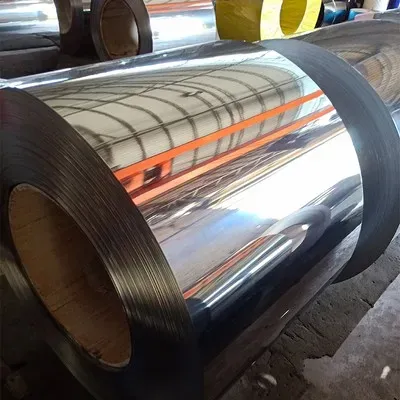
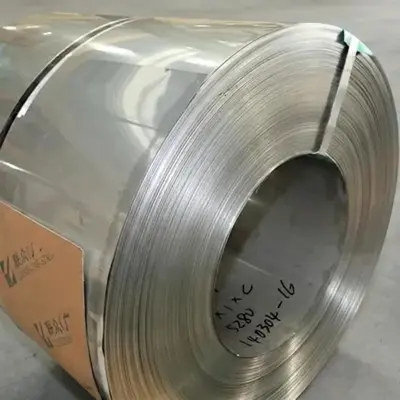
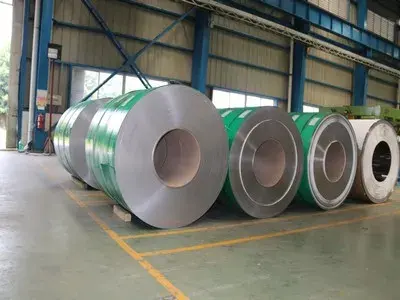
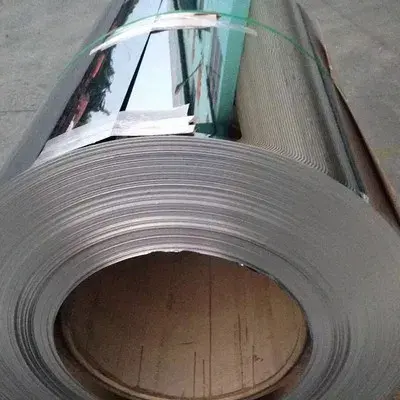
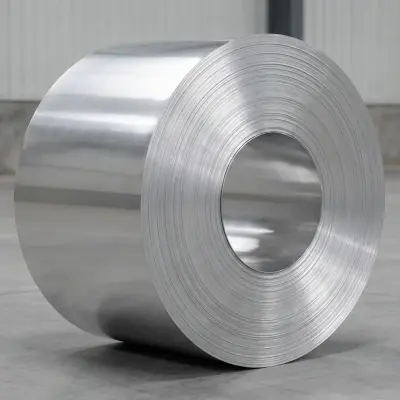
ss 430 2b finish stainless steel coil

 China
China


Supplier's customization ability
- Drawing-based customization
- Sample-based customization
- Full customization
Minimum order quantity: 1 ton
Shipping total: To be negotiated
- Lead time:
- confirmed with the quotation
- Packaging:
- standard export packing
- Samples:
- available on request
Product details
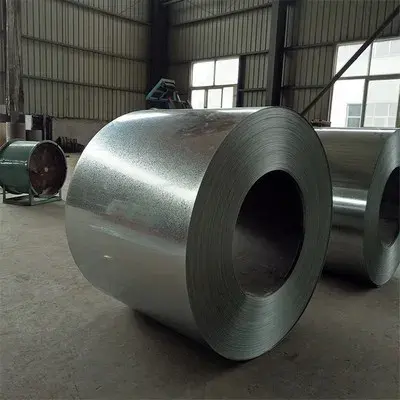
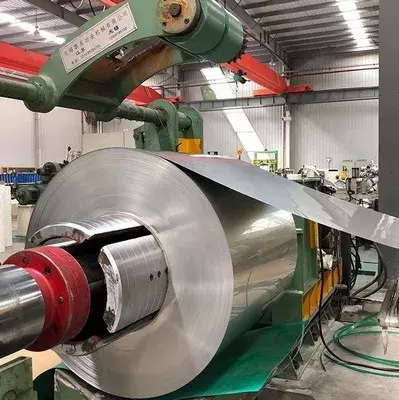
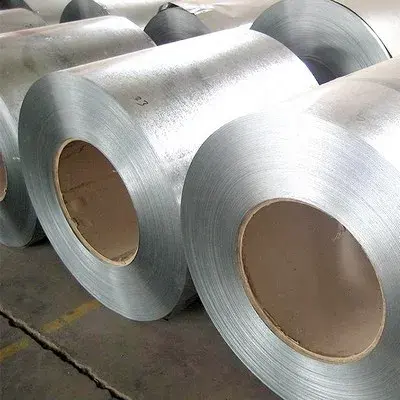
SS 430 2B Finish Stainless Steel Coil
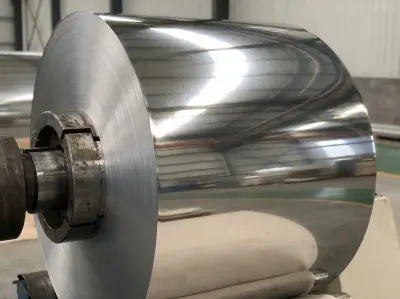
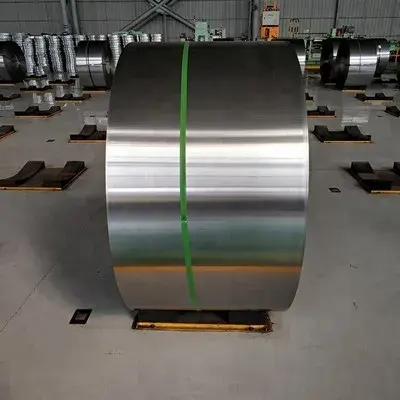
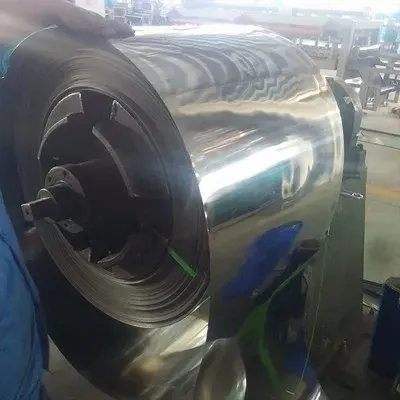
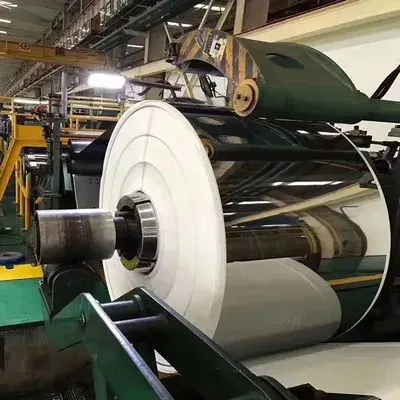
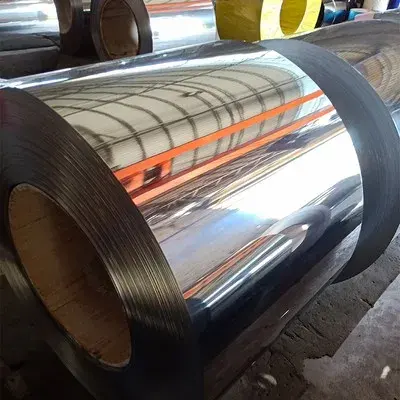
SS 430 2B finish stainless steel coil is extensively utilized in applications where moderate corrosion resistance and good surface finish are required. Common uses include kitchen equipment, automotive trim, household appliances, and architectural decorative panels. The long tail keyword "SS 430 2B finish stainless steel coil for kitchen appliances" underlines its popularity in manufacturing sanitary and aesthetically pleasing products. The 2B finish, a cold-rolled, smooth, reflective surface, enhances corrosion resistance while providing a clean, industrial look suitable for both functional and decorative applications.
Specifications and Mechanical Properties
SS 430 2B finish stainless steel coils usually have thicknesses between 0.1mm and 3.0mm and widths from 1000mm to 1500mm, customizable to client needs. With a tensile strength range of 450-600 MPa and yield strength between 205-345 MPa, these coils provide solid mechanical performance. The typical elongation percentage ranges from 22% to 30%, ensuring good ductility. The material has a density of approximately 7.7-7.8 g/cm³ and a melting point between 1425-1510°C. Being a ferritic stainless steel, it is magnetic and offers moderate thermal conductivity and electrical resistivity. The long tail keyword "SS 430 2B finish stainless steel coil specifications" highlights the importance of these parameters for precise sourcing decisions.
Performance Advantages and Industry Suitability
The SS 430 2B finish stainless steel coil excels in oxidation resistance, ease of fabrication, and excellent surface finish, making it suitable for construction, appliance manufacturing, and automotive sectors. It offers better thermal conductivity compared to austenitic grades and inferior corrosion resistance but at a more economical cost. The long tail keyword "SS 430 2B stainless steel coil benefits for construction" emphasizes its use in building decoration, fuel burner parts, and sanitary appliances. Its magnetic property and resistance to heat make it optimal for applications requiring moderate durability, lasting quality, and affordability, supporting sustainable and efficient manufacturing processes.
SS 430 2B Finish Stainless Steel Coil Attributes
| Attribute | Parameter | Description |
|---|---|---|
| Product Name | SS 430 Stainless Steel Coil | Cold-rolled ferritic stainless steel coil with 2B finish, known for good corrosion resistance and mechanical properties. |
| Grade | 430 (also 1.4016, X6Cr17) | Ferritic stainless steel with stable chromium content (16-18%). |
| Thickness Range | 0.1 mm – 3.0 mm (customizable) | Flexible thickness suitable for kitchen, automotive, and decorative applications. |
| Width Range | 1000 mm – 1500 mm (customizable) | Standard coil widths adaptable to manufacturing requirements. |
| Coil Inner Diameter | 508 mm or 610 mm | Fits standard coil handling equipment. |
| Coil Weight | Typically 2 – 5 metric tons | Optimized for transport and processing. |
| Tensile Strength | 450–600 MPa | Strong mechanical robustness for structural use. |
| Yield Strength | 205–345 MPa | Resistant to plastic deformation under operational loading. |
| Elongation | 22–30% | Allows forming, bending, and shaping with good ductility. |
| Hardness | 150–230 HB (Brinell hardness) | Balanced hardness ensuring surface durability and workability. |
| Density | Approx. 7.7–7.8 g/cm³ | Comparable to other ferritic stainless steels. |
| Melting Point | 1425–1510 °C (2597–2750 °F) | High melting temperature supporting heat resistance in applications. |
| Thermal Conductivity | ≈25.9 W/m·K | Higher than austenitic grades, suitable for heat transfer components. |
| Electrical Conductivity | Moderate | Typical for ferritic stainless steels. |
| Magnetic Properties | Magnetic (ferromagnetic) | Useful in magnetic-sensitive applications and detection. |
| Surface Finish | 2B (Bright, reflective cold-rolled surface) | Smooth, reflective surface finish widely used for functional and decorative purposes. |
| Standards Compliance | ASTM A240, JIS G4305, GB/T 4237, EN 1.4016 | Meets major international standards for quality and consistency. |
| Applications | Kitchen appliances, automotive trim, building decoration, chemical equipment | Suitable for environments needing moderate corrosion resistance and thermal stability. |
Ratings & Reviews
No reviews yet
Know your supplier
Company video
After more than a decade of continuous investment and innovation, Feihong Steel Co., Ltd. has now developed into a leading enterprise in the industry with a complete industrial chain, a wide range of product specifications, prompt supply, excellent product quality, strong industry influence and good social reputation. Currently, our products are mainly sold to the eastern region of China and over 40 countries and regions, such as Southeast Asia, South Asia, West Asia, Eastern Europe, South America, etc. Our stainless steel series products have consistently ranked among the top in China for many years.
Supplier's customization ability
- Drawing-based customization
- Sample-based customization
- Full customization
Minimum order quantity: 1 ton
Shipping total: To be negotiated
- Lead time:
- confirmed with the quotation
- Packaging:
- standard export packing
- Samples:
- available on request