 English
  Español
  Français
  Deutsch
  Português (Brasil)
  Русский
  العربية
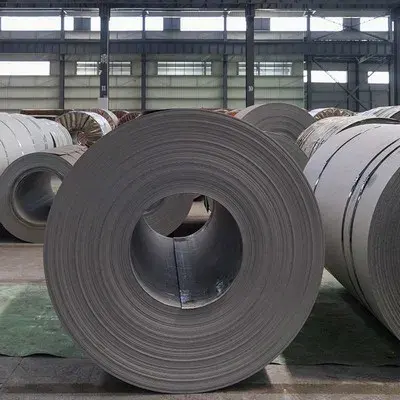
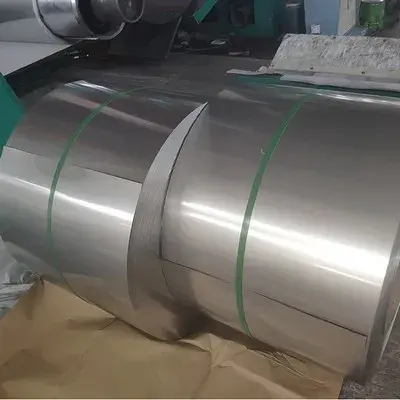
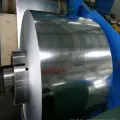
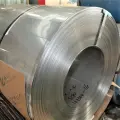
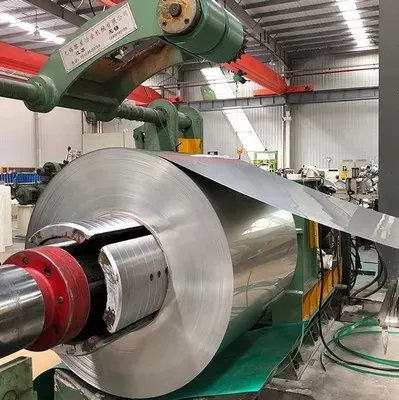
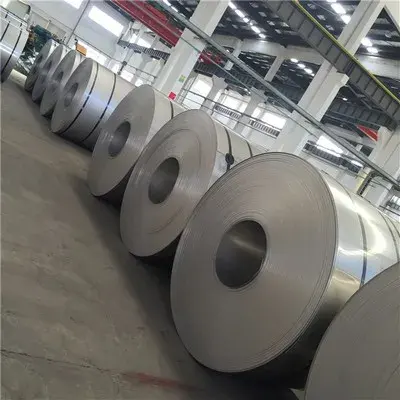
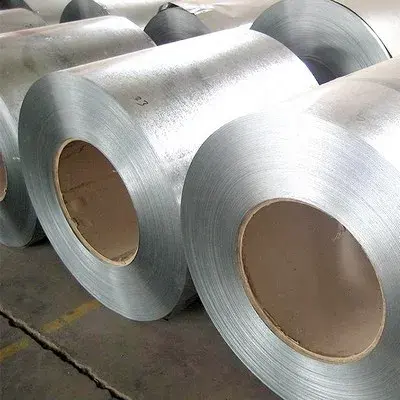
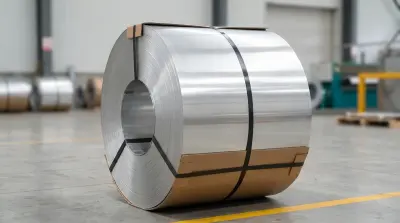
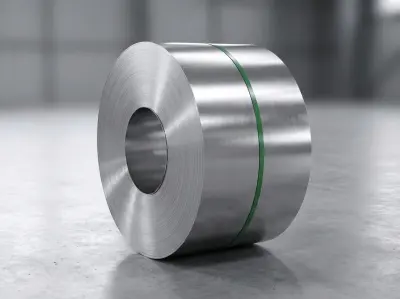
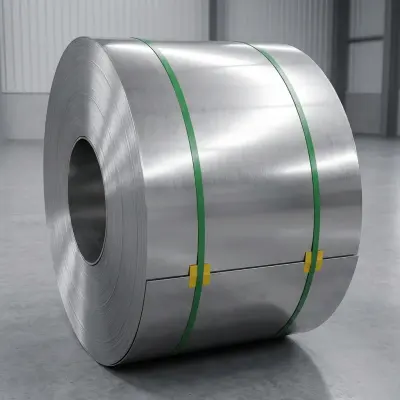
stainless steel coil ss304

 China
China
Supplier's customization ability
- Drawing-based customization
- Sample-based customization
- Full customization
Minimum order quantity: 1 ton
Shipping total: To be negotiated
- Lead time:
- confirmed with the quotation
- Packaging:
- standard export packing
- Samples:
- available on request
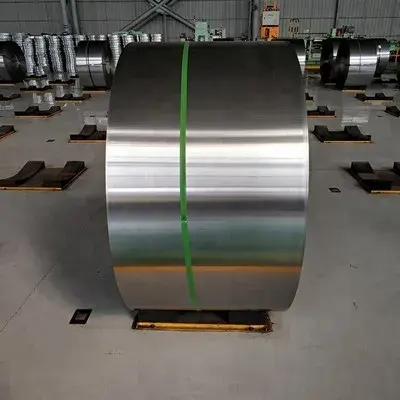
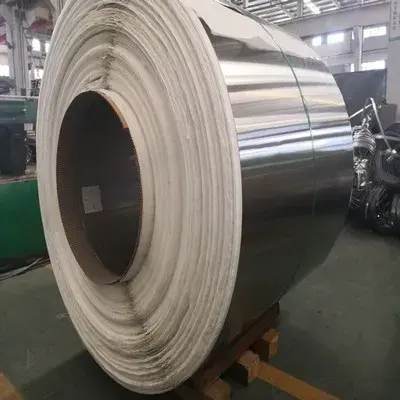
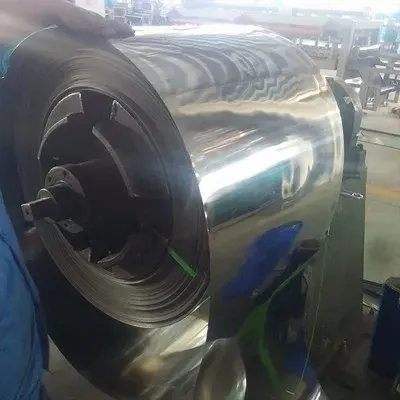
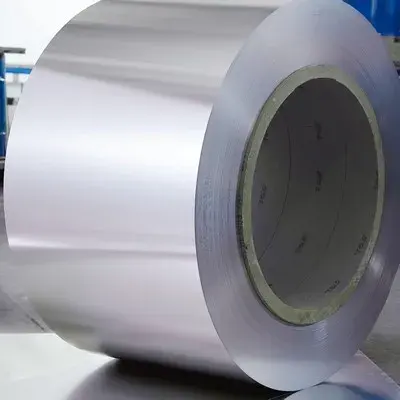
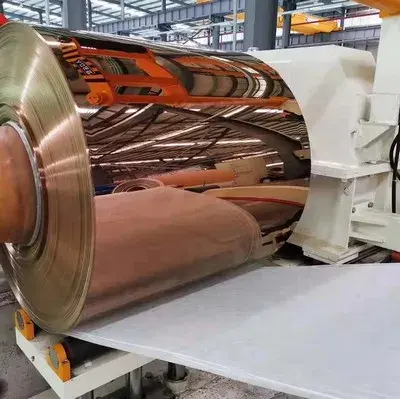
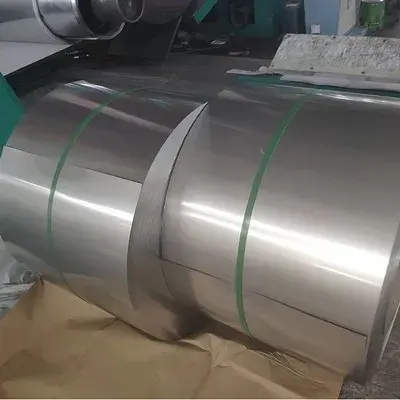
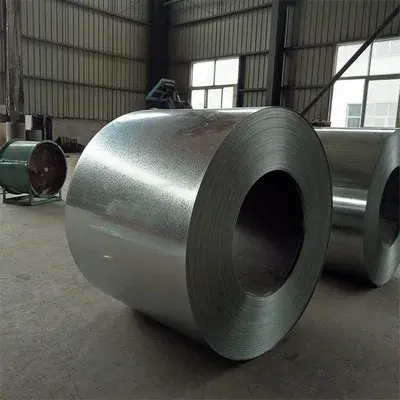
Product details
Stainless Steel Coil SS304 Product Introduction
Chemical Composition and Technical Specifications of SS304 Stainless Steel Coil
Stainless Steel Coil SS304 represents the most widely utilized austenitic stainless steel globally, engineered with precise chemical composition of 18% chromium, 8-11% nickel, maximum 0.08% carbon, and strategic trace elements including manganese, silicon, phosphorus, and sulfur. This carefully balanced SS304 stainless steel coil composition creates superior corrosion resistance through formation of a self-healing chromium oxide passive layer that prevents oxidation and degradation. Available thickness specifications for SS304 stainless steel coil range from 0.1 mm to 10.0 mm, accommodating applications from precision electronics requiring ultra-thin 0.1-0.5 mm configurations to heavy industrial equipment using 6-10 mm thicknesses. Standard widths for SS304 stainless steel coil include 1000 mm, 1219 mm, 1500 mm, and up to 2000 mm, enabling flexible processing and minimizing material waste. Surface finishes available include No. 1 (hot-rolled), 2B, 2D, BA, HL (hairline), brushed, and mirror polish, supporting diverse aesthetic and functional requirements. The 304L variant incorporates restricted carbon content (maximum 0.03%) specifically formulated to prevent sensitization corrosion during welding in SS304 stainless steel coil applications.
Superior Performance Advantages: Why SS304 Stainless Steel Coil Dominates Industrial Applications
Stainless Steel Coil SS304 delivers exceptional formability, weldability, and non-magnetic properties that simplify manufacturing processes and expand design possibilities for end-users. The austenitic microstructure of SS304 stainless steel coil maintains remarkable ductility even at cryogenic temperatures below -200°C while sustaining excellent strength at elevated temperatures up to 925°C for continuous service. Mechanical properties of SS304 stainless steel coil include minimum tensile strength of 515 MPa, yield strength of 205 MPa, and elastic modulus of 193 GPa, providing reliable structural performance under demanding operational stress. Outstanding oxidation and corrosion resistance enable SS304 stainless steel coil to withstand atmospheric exposure, food acids, dilute oxidizing acids, and many organic acids without requiring protective coatings or specialized maintenance. The smooth, non-porous surface characteristics of SS304 stainless steel coil prevent bacterial contamination and facilitate hygiene compliance, making it invaluable for sanitary equipment manufacturing. Low maintenance requirements—simple cleaning without special chemical treatments—substantially reduce operational costs throughout extended SS304 stainless steel coil service life.
Diverse Industry Applications of SS304 Stainless Steel Coil: From Food Processing to Automotive Solutions
Stainless Steel Coil SS304 is the material standard in food and beverage processing, where superior corrosion resistance and hygienic properties support strict food safety compliance for equipment, storage tanks, conveying systems, and cooking surfaces. Automotive manufacturers extensively employ SS304 stainless steel coil for exhaust systems, heat shields, trim components, and engine parts requiring excellent heat resistance and mechanical durability. Chemical processing industries rely on SS304 stainless steel coil for constructing corrosion-resistant tanks, piping networks, and equipment safely handling acids, alkaline solutions, and various industrial chemicals. Architectural and construction sectors specify SS304 stainless steel coil for cladding, roofing, railings, and decorative elements maintaining pristine appearance and structural integrity in diverse climatic conditions. Heat exchanger and thermal equipment manufacturers utilize SS304 stainless steel coil for oil refineries, power plants, and HVAC systems where thermal efficiency and operational reliability are critical. Medical device manufacturers and pharmaceutical processors depend on specialized grades of SS304 stainless steel coil for surgical instruments, laboratory equipment, and sterilization-compatible machinery meeting strict biocompatibility and hygienic standards
Stainless Steel Coil SS304 Product Attributes
| Attribute | Parameter | Description |
|---|---|---|
| Grade Designation | SS304 / UNS S30400 / 1.4301 | Primary identification: Type 304 stainless steel meeting international standards |
| Standards Compliance | ASTM A240, A167 / ASME SA240 / JIS G4303-2005 / EN 10088-2-2005 / GB/T 3280-2007 | Complies with ASTM, ASME, JIS, EN, GB, and other major international standards |
| Steel Classification | Austenitic Stainless Steel | Austenitic (FCC) stainless steel with high corrosion resistance and excellent formability |
| Density | 8.0 g/cm³ (7900 kg/m³) | Relatively low density compared to carbon steel (approximately 8000 kg/m³) |
| Melting Point | 1450°C (2640°F) | Very high melting point, making it suitable for high-temperature applications |
| Magnetic Properties | Non-magnetic in annealed state; slightly magnetic when cold-worked | Essentially non-magnetic in annealed state due to austenitic structure; cold working can induce slight magnetism |
| Carbon (C) | ≤ 0.08% max | Low carbon content ensures excellent weldability without sensitization; prevents chromium carbide precipitation |
| Chromium (Cr) | 18.0–20.0% | Primary alloying element providing excellent corrosion resistance in oxidizing environments; creates passive oxide layer |
| Nickel (Ni) | 8.0–11.0% | Secondary alloying element; provides resistance to moderately aggressive organic acids and improves strength |
| Manganese (Mn) | ≤ 2.0% | Adds strength and prevents brittleness; enhances formability and machinability |
| Silicon (Si) | ≤ 0.75% | Improves strength and hardness; enhances deformability during forming operations |
| Phosphorus (P) | ≤ 0.045% | Controlled to minimize embrittlement and improve corrosion resistance |
| Sulfur (S) | ≤ 0.03% | Controlled to prevent brittleness and reduce stress corrosion cracking |
| Nitrogen (N) | ≤ 0.10% | Increases strength and enhances corrosion resistance in certain environments |
| Iron (Fe) | Balance (remainder) | Remaining element after alloying; provides base structure and strength |
Ratings & Reviews
No reviews yet
Know your supplier
Company video
After more than a decade of continuous investment and innovation, Feihong Steel Co., Ltd. has now developed into a leading enterprise in the industry with a complete industrial chain, a wide range of product specifications, prompt supply, excellent product quality, strong industry influence and good social reputation. Currently, our products are mainly sold to the eastern region of China and over 40 countries and regions, such as Southeast Asia, South Asia, West Asia, Eastern Europe, South America, etc. Our stainless steel series products have consistently ranked among the top in China for many years.
Supplier's customization ability
- Drawing-based customization
- Sample-based customization
- Full customization
Minimum order quantity: 1 ton
Shipping total: To be negotiated
- Lead time:
- confirmed with the quotation
- Packaging:
- standard export packing
- Samples:
- available on request