 English
 Español
 Français
 Deutsch
 Português (Brasil)
 Русский
 العربية

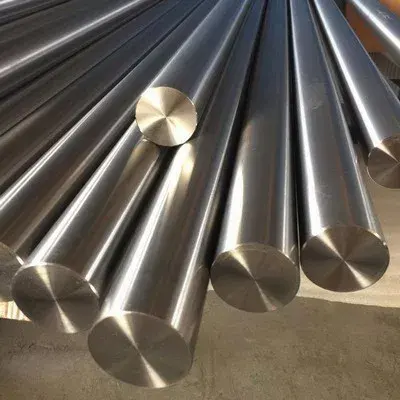
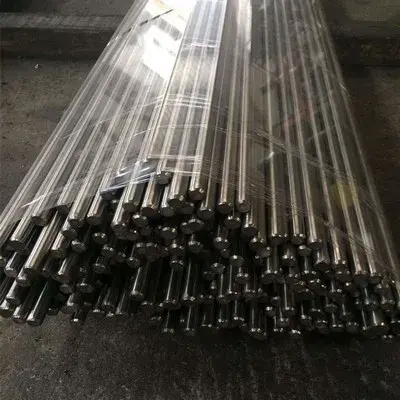
large diameter stainless steel pipe

Feihong Steel Co., Ltd.
Verified
Custom manufacturer
·
6 yrs
·
 China
China




Customizable
Rock-bottom price
$1400
≥700 Ton
Base price
Price validity: subject to market conditions
Supplier's customization ability
- Drawing-based customization
- Sample-based customization
- Full customization
Quantity
Minimum order quantity: 1 Ton
Shipping total: To be negotiated
Subtotal of goods
US$ 1,400.00
Payment and delivery
- Lead time:
- confirmed with the quotation
- Packaging:
- standard export packing
- Samples:
- available on request
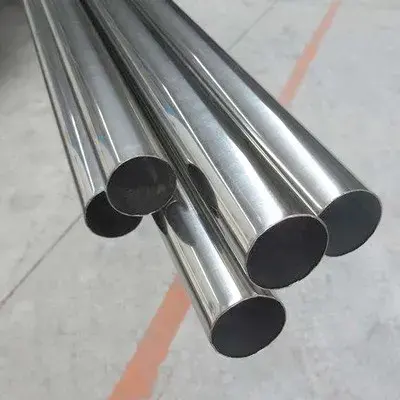
stainless steel sink pipe
$630
1 Ton (MOQ)
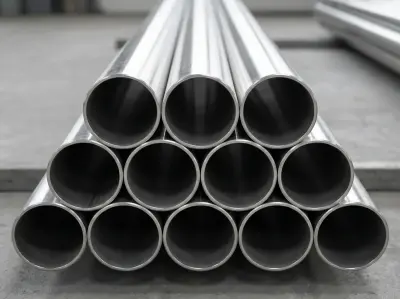
310 stainless steel pipe manufacturer
$1030 - $1105
1 ton (MOQ)
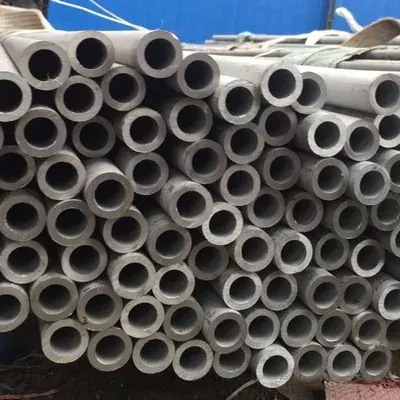
annealed stainless steel pipe
$1700
1 Ton (MOQ)
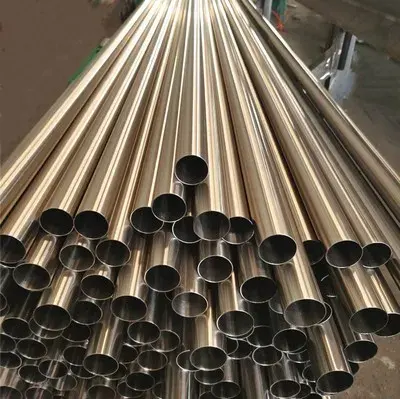
pipe stainless steel
$2200
1 Ton (MOQ)
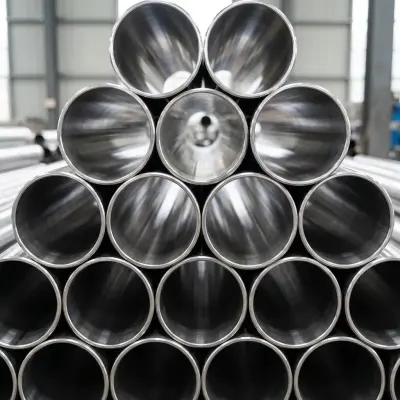
12 inch diameter stainless steel pipe
$1730 - $1850
1 ton (MOQ)
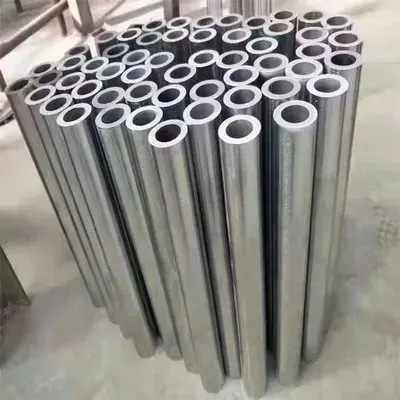
2 stainless steel pipe
$1850
1 Ton (MOQ)
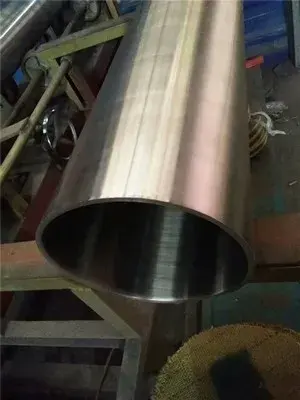
6 stainless steel pipe
$2500
1 Ton (MOQ)
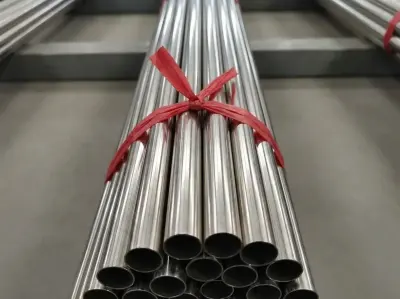
3/4 in stainless steel pipe
$1730 - $1850
1 ton (MOQ)
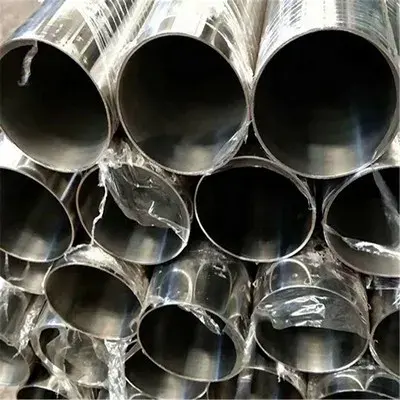
316l stainless steel pipe
$1610
1 Ton (MOQ)
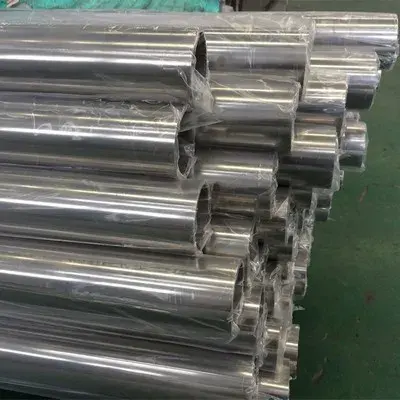
2205 duplex stainless steel pipe
$1350
1 Ton (MOQ)
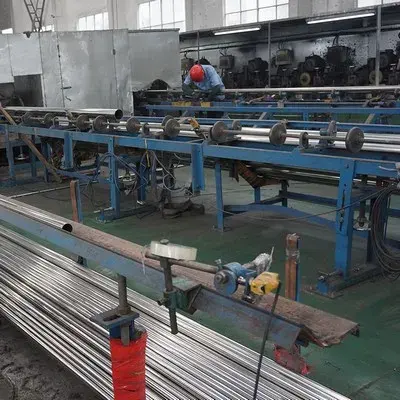
threaded stainless steel pipe
$1250
1 Ton (MOQ)
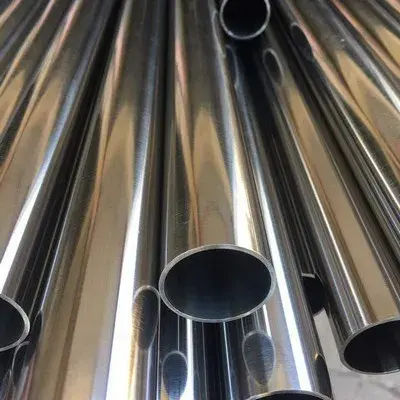
Stainless steel stove pipe
$1850
1 Ton (MOQ)
Product details
Large Diameter Stainless Steel Pipe Product Attributes
Ratings & Reviews
No reviews yet
Know your supplier
Product Display
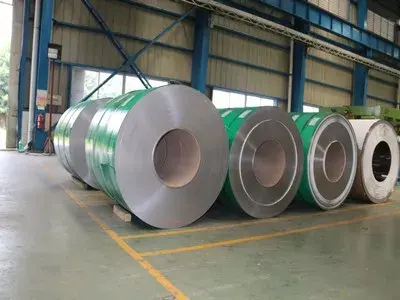
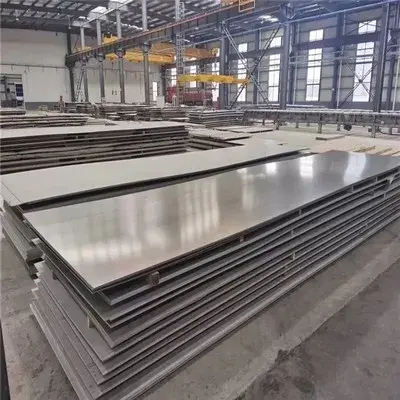
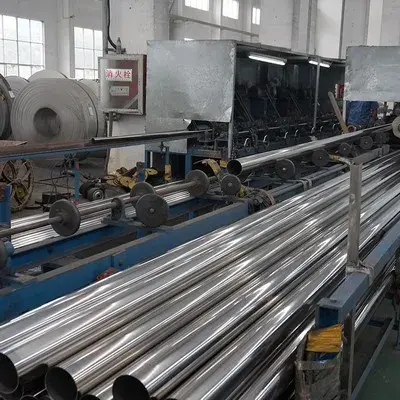
After more than a decade of continuous investment and innovation, Feihong Steel Co., Ltd. has now developed into a leading enterprise in the industry with a complete industrial chain, a wide range of product specifications, prompt supply, excellent product quality, strong industry influence and good social reputation. Currently, our products are mainly sold to the eastern region of China and over 40 countries and regions, such as Southeast Asia, South Asia, West Asia, Eastern Europe, South America, etc. Our stainless steel series products have consistently ranked among the top in China for many years.
Customizable
Rock-bottom price
$1400
≥700 Ton
Base price
Price validity: subject to market conditions
Supplier's customization ability
- Drawing-based customization
- Sample-based customization
- Full customization
Quantity
Minimum order quantity: 1 Ton
Shipping total: To be negotiated
Subtotal of goods
US$ 1,400.00
Payment and delivery
- Lead time:
- confirmed with the quotation
- Packaging:
- standard export packing
- Samples:
- available on request