 English
  Español
  Français
  Deutsch
  Português (Brasil)
  Русский
  العربية
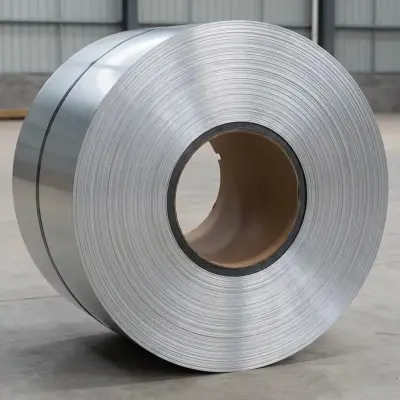
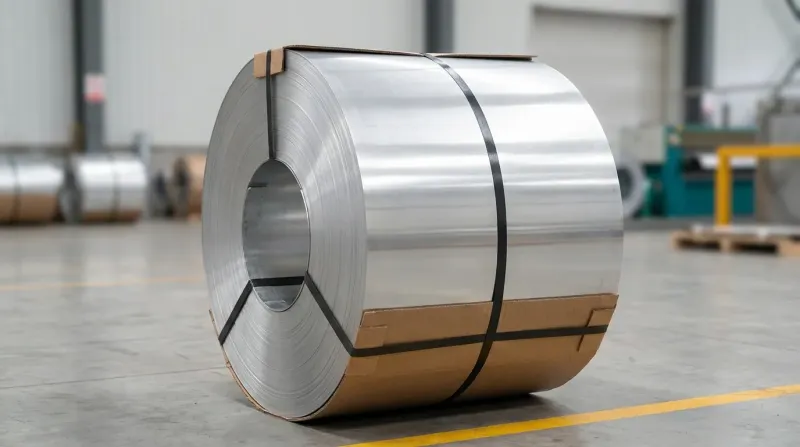
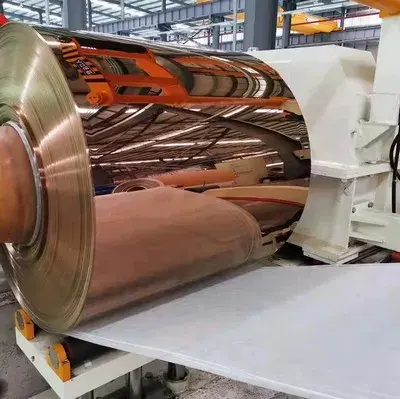
321 Stainless Steel Coil - ASTM A240 Grade 321 Cold Rolled Annealed

 China
China
Supplier's customization ability
- Drawing-based customization
- Sample-based customization
- Full customization
Minimum order quantity: 1 ton
Shipping total: To be negotiated
- Lead time:
- confirmed with the quotation
- Packaging:
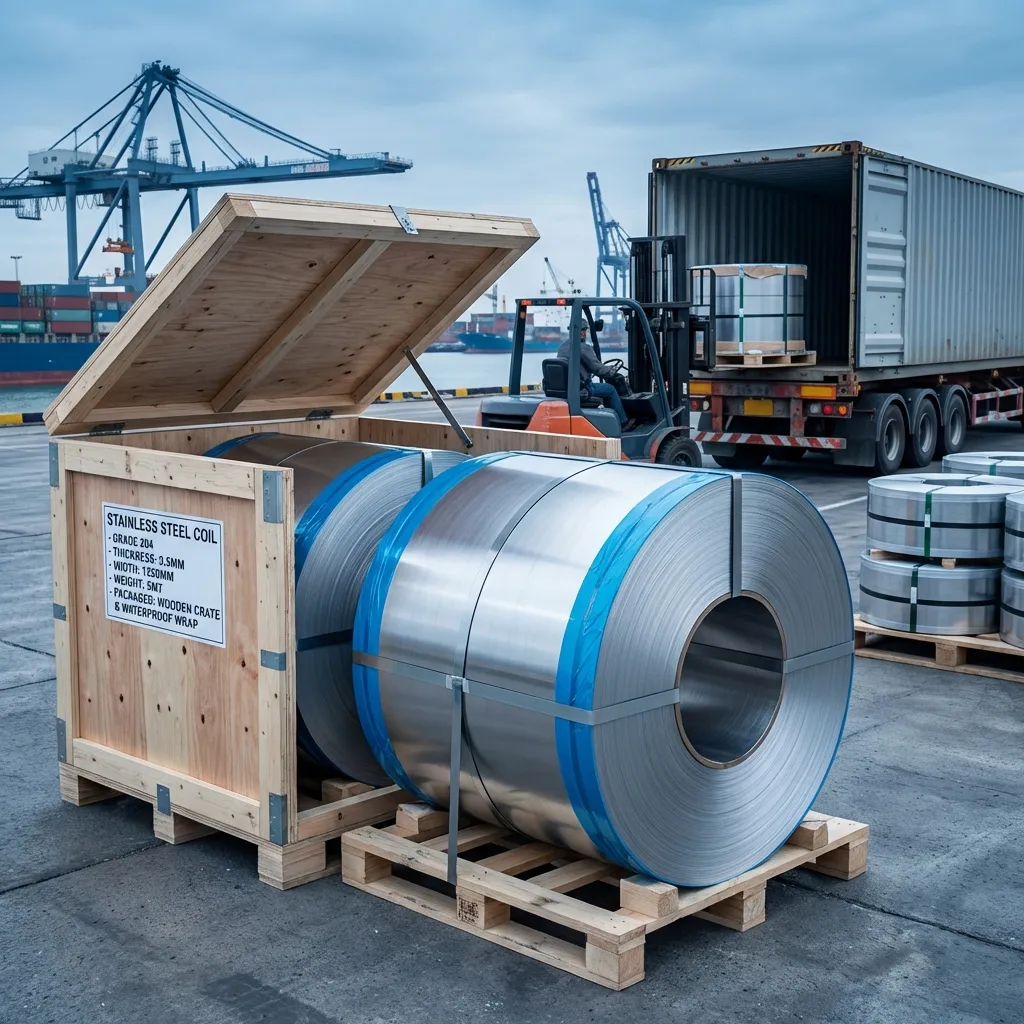
- standard export packing
- Samples:
- available on request
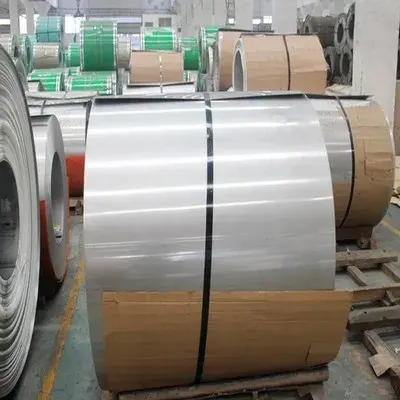
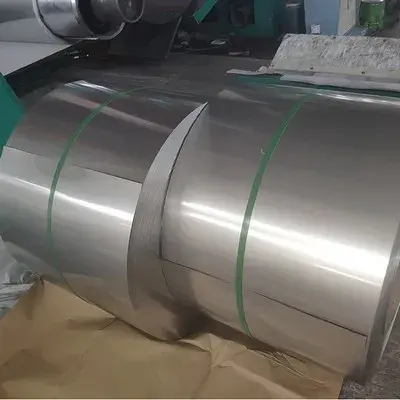
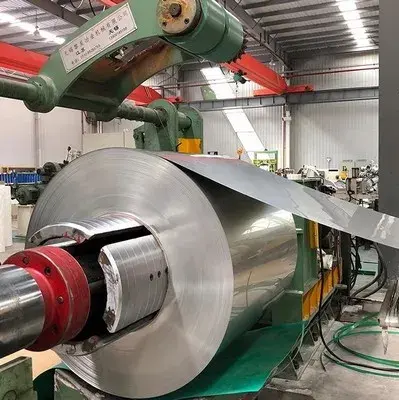
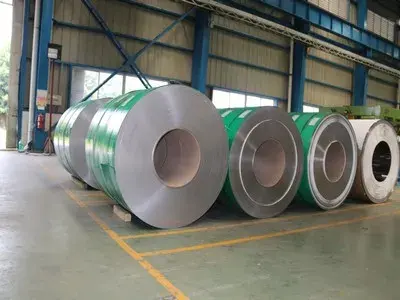
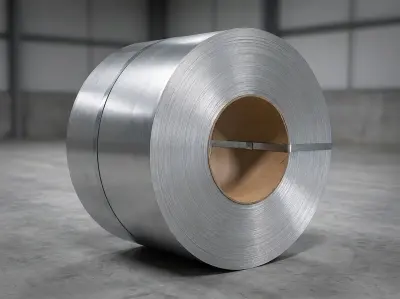
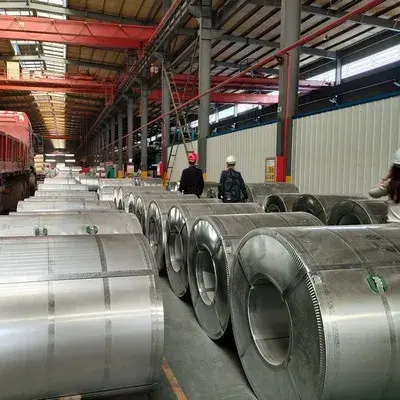
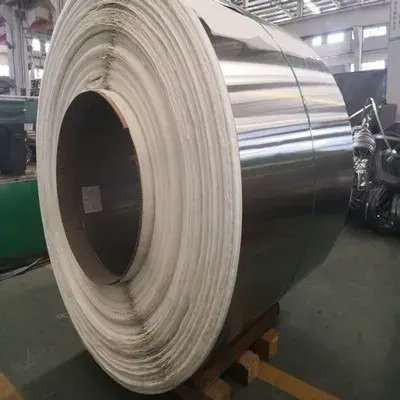
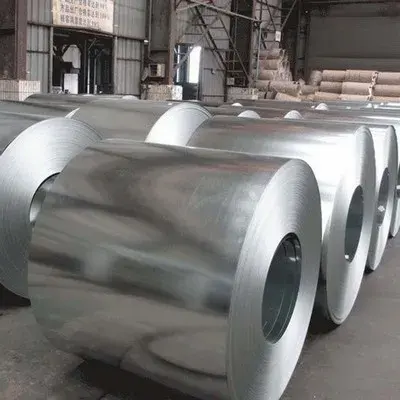
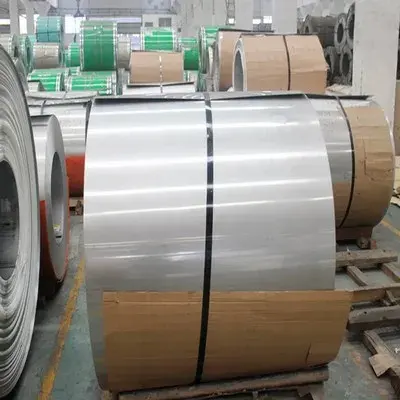
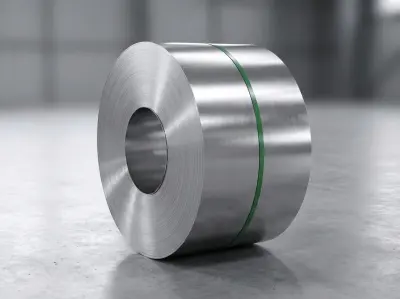
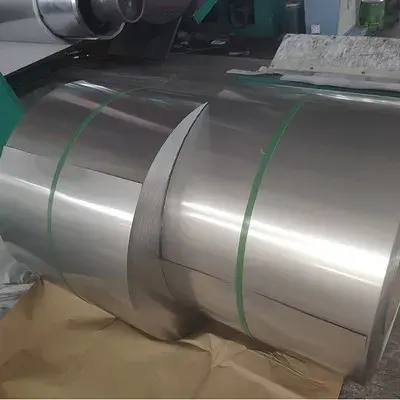
Product details
Technical Specifications of 321 Stainless Steel Coil
| Property | Parameter | Description |
|---|---|---|
| Product Name | 321 Stainless Steel Coil | Titanium-stabilized austenitic stainless steel |
| Material Grade | 321 / EN 1.4541 / UNS S32100 | International grade equivalents |
| Standard Compliance | ASTM A240, EN 10088-2, JIS G4305 | Meets major international standards |
| Carbon Content (C) | ≤0.08% | Controlled carbon for weldability |
| Chromium (Cr) | 17.0-19.0% | Provides corrosion resistance |
| Nickel (Ni) | 9.0-12.0% | Enhances ductility and toughness |
| Titanium (Ti) | 5×C% min, 0.70% max | Stabilizes against intergranular corrosion |
| Manganese (Mn) | ≤2.0% | Improves strength and hardenability |
| Silicon (Si) | ≤1.0% | Deoxidizer and strengthener |
| Tensile Strength | ≥515 MPa | Minimum tensile strength per ASTM A240 |
| Yield Strength | ≥205 MPa | Minimum yield strength |
| Elongation | ≥40% | Ductility in 50mm gauge length |
| Thickness Range | 0.3 - 6.0 mm | Available coil thickness options |
| Width Range | 1000 - 2000 mm | Standard and custom widths |
| Surface Finish | 2B, BA, No.4, HL | Multiple surface treatment options |
| Heat Resistance | Up to 900°C | Excellent high-temperature performance |
| Application | Exhaust systems, heat exchangers, furnace parts | Typical application industries |
| Certification | EN 10204 3.1, ISO 9001, PED | Quality certifications provided |
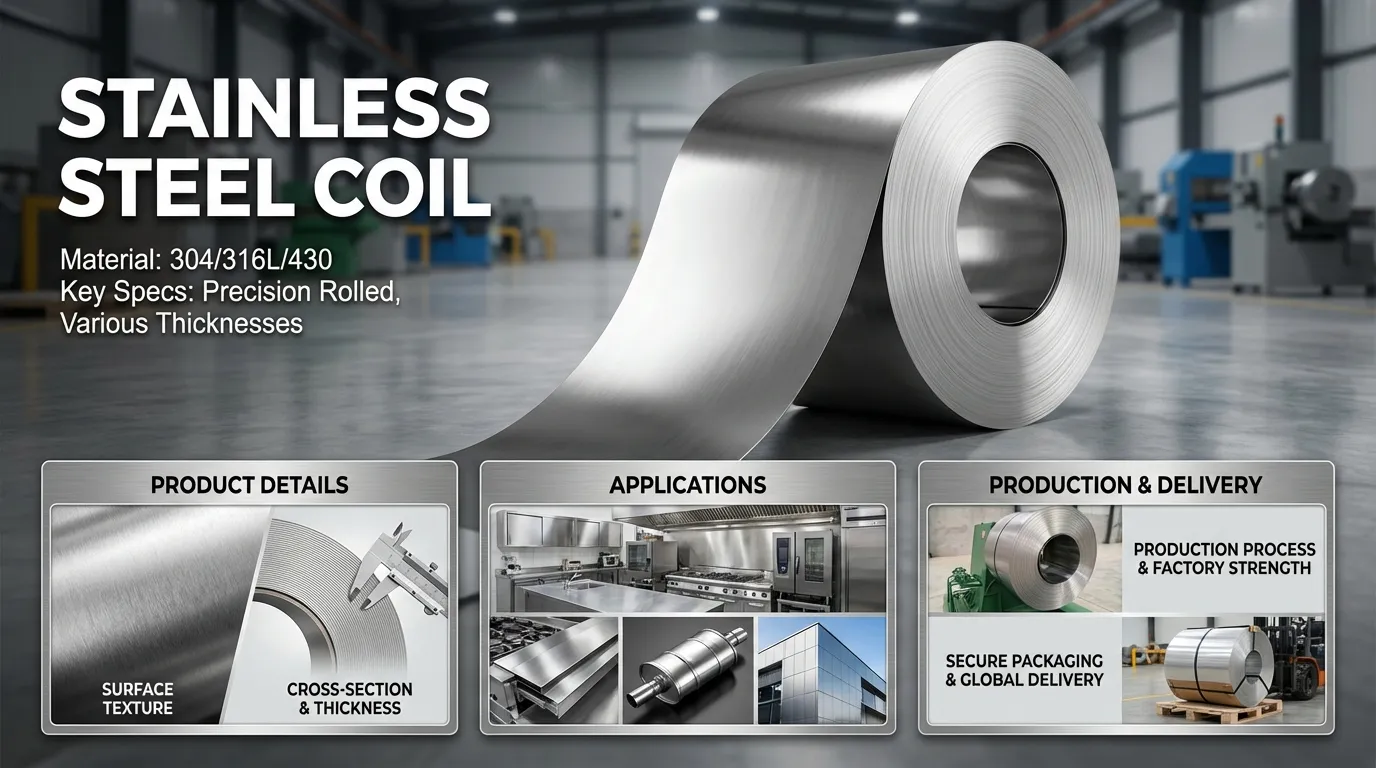
| Packaging | Eye to wall, wooden pallet, waterproof paper | Standard export packaging |
| MOQ | 1 ton | Minimum order quantity |
321 Stainless Steel Coil - ASTM A240 Grade 321 Cold Rolled Annealed
321 stainless steel coil represents a titanium-stabilized austenitic chromium-nickel alloy specifically engineered for elevated temperature service and superior resistance to intergranular corrosion. This material finds extensive application in aerospace components, chemical processing equipment, and high-temperature welded assemblies where conventional austenitic grades prove inadequate. Manufactured to stringent ASTM A240/A240M standards, our cold rolled annealed coils deliver consistent mechanical properties and exceptional surface finish for demanding industrial applications.
What is 321 Stainless Steel Coil?
321 stainless steel coil is a stabilized austenitic grade containing titanium additions (5 times the carbon content minimum) that prevent chromium carbide precipitation during exposure to temperatures between 800-1500°F (427-816°C). This titanium stabilization mechanism preserves corrosion resistance in the heat-affected zones of welded structures, making it the preferred choice for applications involving prolonged thermal cycling or post-weld heat treatment.
321 Stainless Steel Coil Technical Specifications
Our ASTM A240 Grade 321 coils conform to the following chemical composition per weight percentage: Carbon 0.08% maximum, Manganese 2.00% maximum, Phosphorus 0.045% maximum, Sulfur 0.030% maximum, Silicon 0.75% maximum, Chromium 17.0-19.0%, Nickel 9.0-12.0%, and Titanium 5×(C+N) minimum to 0.70% maximum. The material exhibits a minimum tensile strength of 515 MPa (75 ksi), yield strength of 205 MPa (30 ksi), and elongation of 40% in 50mm gauge length according to ASTM A240 Section 7.
Key Advantages of Grade 321 Coil Material
Superior Intergranular Corrosion Resistance
The titanium stabilization mechanism effectively binds carbon atoms, preventing chromium depletion at grain boundaries during thermal exposure. This characteristic ensures maintained corrosion resistance even after welding operations or stress-relief treatments at temperatures up to 1650°F (899°C).
Excellent High-Temperature Strength Retention
Grade 321 maintains robust mechanical properties at elevated temperatures, with tensile strength remaining above 345 MPa (50 ksi) at 1000°F (538°C). This thermal stability makes it ideal for expansion joints, aircraft exhaust manifolds, and furnace components subjected to continuous thermal cycling.
Optimal Weldability Without Sensitization
Unlike unstabilized grades requiring post-weld annealing, 321 stainless steel exhibits excellent fusion welding characteristics without carbide precipitation concerns. The material can be welded using GTAW, GMAW, or SMAW processes with matching ER321 filler metal, eliminating costly heat treatment requirements.
Cost-Effective Alternative to Grade 347
While offering comparable intergranular corrosion resistance to niobium-stabilized 347 grade, titanium-stabilized 321 provides superior high-temperature strength at more competitive mill-direct pricing. This value proposition proves particularly advantageous for large-scale industrial installations.
Primary Applications for 321 Stainless Steel Coil
Aerospace and Aviation Components
The aerospace industry extensively employs 321 coil for aircraft exhaust systems, jet engine components, and airframe structures requiring both corrosion resistance and thermal stability. Its ability to withstand repeated thermal cycling without mechanical degradation meets stringent AMS 5510 and AMS 5646 specifications.
Chemical Processing Equipment
Chemical plants utilize 321 coil for reactor vessels, heat exchangers, and piping systems handling corrosive media at elevated temperatures. The material's resistance to polythionic acid stress corrosion cracking makes it suitable for sulfur-containing environments in refineries.
High-Temperature Piping Systems
Industrial facilities specify 321 stainless steel for steam lines, thermal oil systems, and flue gas ducting operating between 800-1500°F. The material's creep resistance and oxidation stability ensure long-term structural integrity in continuous high-temperature service.
Expansion Joints and Bellows
The combination of ductility, fatigue resistance, and thermal stability makes 321 coil the standard material for fabricating expansion joints in power generation facilities, petrochemical plants, and district heating networks.
Manufacturing Process and Quality Control
Cold Rolling and Annealing Procedures
Our 321 stainless steel coils undergo precision cold rolling to achieve thickness tolerances of ±0.005 inches per ASTM A240 Table 3. Following cold reduction, material receives solution annealing at 1900-2050°F (1038-1121°C) with rapid cooling to dissolve carbides and restore optimal corrosion resistance. Surface finish options include 2B (cold rolled, annealed, pickled), 2D (dull finish), and BA (bright annealed) per EN 10088-2 standards.
Chemical Composition Verification
Each production lot undergoes optical emission spectrometry testing to verify titanium stabilization ratio compliance with ASTM A240 Section 6.2 requirements. We maintain titanium content at minimum 5×(C+N) to ensure adequate stabilization, with typical Ti levels ranging 0.40-0.60% for optimal performance.
Mechanical Property Testing
Tensile testing per ASTM A370 confirms minimum yield strength of 205 MPa and ultimate tensile strength of 515 MPa. Hardness verification using Rockwell B scale ensures values not exceeding 95 HRB for annealed condition, guaranteeing proper formability for downstream fabrication.
Corrosion Resistance Validation
Intergranular corrosion testing according to ASTM A262 Practice E (copper-copper sulfate-sulfuric acid test) validates sensitization resistance. Our 321 coils consistently demonstrate corrosion rates below 0.02 inches per month, confirming effective titanium stabilization.
Surface Finish Options and Tolerances
2B Cold Rolled Finish
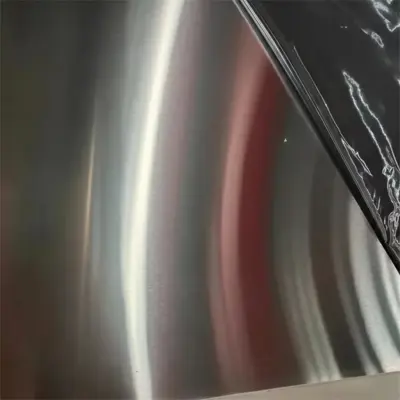
The standard 2B finish results from cold rolling followed by annealing and pickling, producing a smooth, moderately reflective surface with typical Ra values of 0.5-1.0 micrometers. This finish suits general industrial applications requiring good formability and paintability.
BA Bright Annealed Finish
Bright annealing in controlled atmosphere furnaces yields a highly reflective surface finish with Ra values below 0.4 micrometers. This premium finish eliminates post-fabrication polishing requirements for architectural and decorative applications.
Dimensional Tolerances
We maintain thickness tolerances per ASTM A240 Table 3: ±0.004 inches for material under 0.078 inches thick, ±0.005 inches for 0.078-0.1875 inches, and ±0.007 inches for 0.1875-0.250 inches. Width tolerances conform to ±0.125 inches for slit edges and ±0.250 inches for mill edges.
Forming and Fabrication Characteristics
Cold Forming Properties
Grade 321 exhibits excellent cold formability in the annealed condition, with minimum bend radius of 1.5T for 90-degree bends. The material's work hardening rate proves moderate, allowing complex forming operations without intermediate annealing. For severe forming applications, we recommend 2B finish material with yield strength at the lower specification range.
Hot Forming Guidelines
Hot forming operations should occur between 1700-2100°F (927-1149°C), followed by rapid cooling and solution annealing to restore corrosion resistance. Prolonged exposure in the 800-1500°F sensitization range must be avoided during fabrication to prevent chromium carbide precipitation.
Welding Recommendations
Gas tungsten arc welding (GTAW) with ER321 filler metal provides optimal results for 321 stainless steel coil fabrication. Maintain interpass temperature below 350°F and employ argon shielding gas with 99.995% purity minimum. Post-weld heat treatment proves unnecessary due to titanium stabilization, reducing fabrication costs significantly.
Comparison with Alternative Stainless Steel Grades
321 vs 304 Stainless Steel
While 304 offers lower material cost and broader availability, it lacks the intergranular corrosion resistance and high-temperature strength of titanium-stabilized 321. Applications involving welding or service above 800°F require 321 to prevent sensitization and maintain mechanical properties.
321 vs 347 Stainless Steel
Both grades provide comparable sensitization resistance through stabilization mechanisms—titanium in 321, niobium in 347. However, 321 demonstrates superior high-temperature creep resistance and typically costs 8-12% less than niobium-stabilized 347, making it the economical choice for most applications.
321 vs 316L Stainless Steel
316L excels in chloride corrosion resistance due to 2-3% molybdenum content, while 321 provides better performance in high-temperature oxidizing environments. For applications combining elevated temperature and corrosive media, material selection requires careful evaluation of specific service conditions.
Storage and Handling Best Practices
Store 321 stainless steel coils in climate-controlled facilities maintaining relative humidity below 60% to prevent surface staining. Utilize protective interleaving paper between wraps and avoid direct contact with carbon steel or other dissimilar metals. When handling, employ nylon slings or padded lifting devices to prevent surface damage. Remove protective films within 30 days of fabrication to avoid adhesive degradation and difficult removal.
Frequently Asked Questions
What is the minimum order quantity (MOQ)?
Our standard minimum order quantity for 321 stainless steel coil is 5 metric tons per specification. For specialized thickness, width, or finish requirements, we can accommodate smaller quantities of 2 metric tons with applicable small-lot surcharges. Volume discounts apply for orders exceeding 20 metric tons.
Do you provide material test certificates?
Yes, we supply comprehensive Mill Test Certificates (MTC) per EN 10204 Type 3.1 documentation with every shipment. Certificates include complete chemical composition analysis, mechanical property test results, heat treatment records, and traceability to original melt numbers. Third-party inspection services from SGS, Bureau Veritas, or Lloyd's Register can be arranged upon request.
What is the typical delivery time?
Standard 321 stainless steel coil specifications ship within 4-6 weeks from order confirmation for stock thickness ranges (0.015-0.187 inches). Custom rolling programs for non-standard dimensions require 8-10 weeks lead time. Expedited production scheduling is available for critical projects with 15% premium surcharge.
Can you cut to custom sizes?
Our precision slitting capabilities accommodate custom widths from 10mm to 1500mm with tolerances of ±0.5mm. We offer blanking and shearing services for cut-to-length pieces from 100mm to 6000mm. Edge conditioning options include deburred, rounded, or slit edges per customer specifications. Custom cutting services typically add 5-7 days to standard delivery schedules.
Get a Competitive Quote for 321 Stainless Steel Coil
As a direct mill supplier of ASTM A240 Grade 321 stainless steel coil, we offer factory-competitive pricing with transparent quotations based on current nickel and chromium market indices. Our technical sales team provides expert material selection guidance, ensuring optimal grade specification for your specific application requirements. Request your customized quote today and experience our commitment to quality, reliability, and responsive customer service.
- 24/7 customer support available via phone, email, and online chat
- Free samples for quality evaluation with complete test documentation
- Competitive pricing for bulk orders with flexible payment terms
- Professional technical consultation from metallurgical engineers
- Global logistics coordination with preferred freight forwarding rates
- Quality guarantee backed by ISO 9001:2015 certification
Contact us today to get your free quote within 24 hours!
Ratings & Reviews

Know your supplier
Supplier's customization ability
- Drawing-based customization
- Sample-based customization
- Full customization
Minimum order quantity: 1 ton
Shipping total: To be negotiated
- Lead time:
- confirmed with the quotation
- Packaging:
- standard export packing
- Samples:
- available on request