 English
  Español
  Français
  Deutsch
  Português (Brasil)
  Русский
  العربية
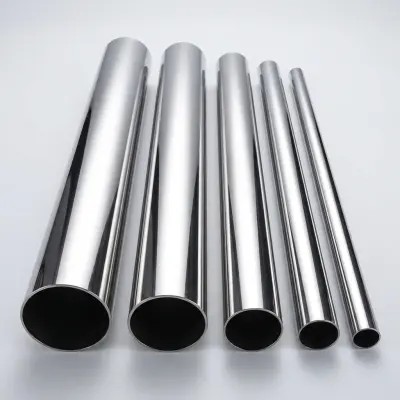
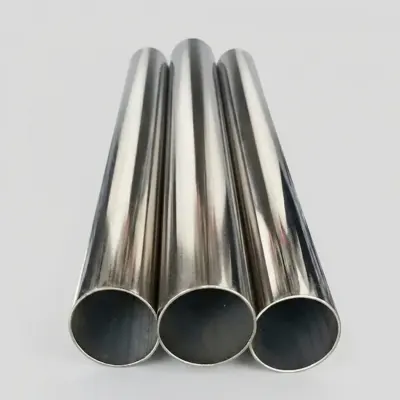
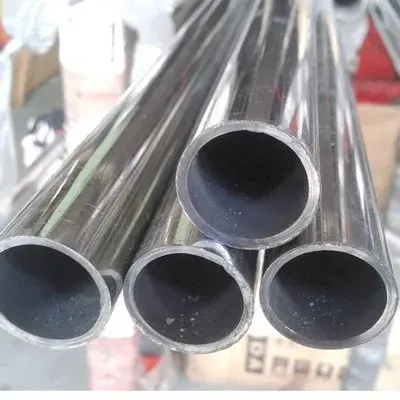
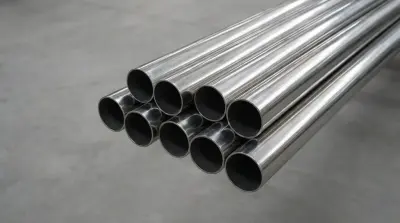
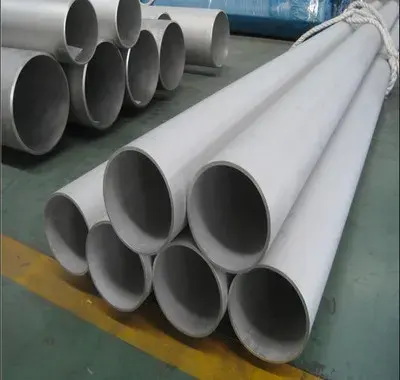
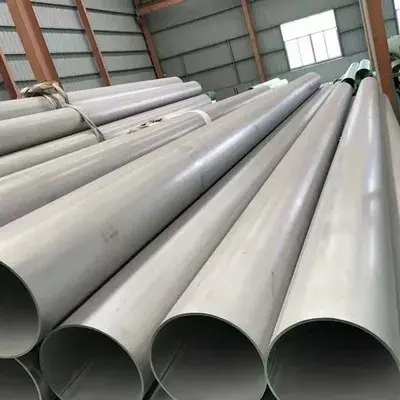
6 Inch Diameter Stainless Steel Pipe - ASTM A312 / A358

 China
China
Supplier's customization ability
- Drawing-based customization
- Sample-based customization
- Full customization
Minimum order quantity: 1 ton
Shipping total: To be negotiated
- Lead time:
- confirmed with the quotation
- Packaging:
- standard export packing
- Samples:
- available on request
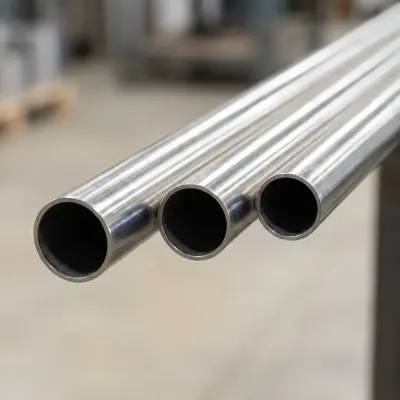
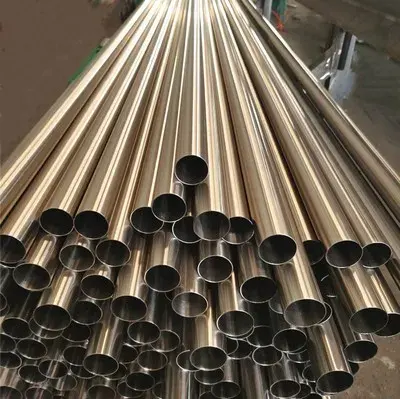
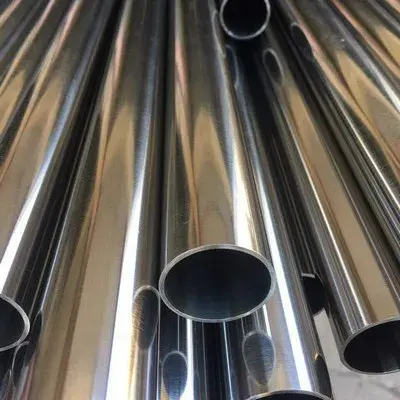
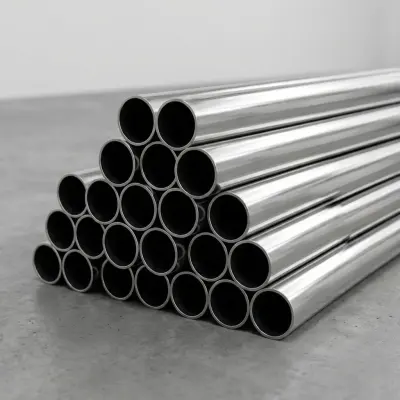
Product details
Technical Specifications of 6 Inch Diameter Stainless Steel Pipe
| Property | Parameter | Description |
|---|---|---|
| Product Name | 6 Inch Diameter Stainless Steel Pipe | Corrosion-resistant steel pipe for industrial applications |
| Nominal Diameter | 6 inch (DN150 / 168.3mm OD) | Standard nominal pipe size |
| Material Grade | 304/304L, 316/316L, 321, 310S | Common austenitic stainless steel grades |
| Standard Compliance | ASTM A312, ASTM A269, EN 10217-7 | Meets international pipe standards |
| Wall Thickness | SCH 5S to SCH 160 (2.77mm - 18.26mm) | Schedule range per ASME B36.19 |
| Length Range | 6m, 12m or custom lengths | Standard and customizable lengths available |
| Manufacturing Process | Seamless / Welded (ERW, TIG, SAW) | Hot-rolled seamless or precision welded |
| Surface Finish | 2B, BA, Bright Annealed, Pickled | Multiple surface treatment options |
| Tensile Strength (304) | ≥515 MPa | Minimum tensile strength per ASTM A312 |
| Yield Strength (304) | ≥205 MPa | Minimum yield strength requirement |
| Elongation | ≥35% | Ductility in 50mm gauge length |
| Corrosion Resistance | Excellent in oxidizing environments | 316/316L superior in chloride conditions |
| Temperature Range | -196°C to 925°C | Operating temperature for austenitic grades |
| Application | Chemical, food processing, oil & gas, marine | Typical industrial applications |
| Certification | EN 10204 3.1, NACE MR0175, PED | Material test certificates provided |
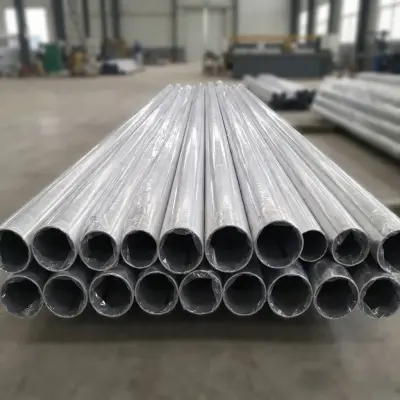
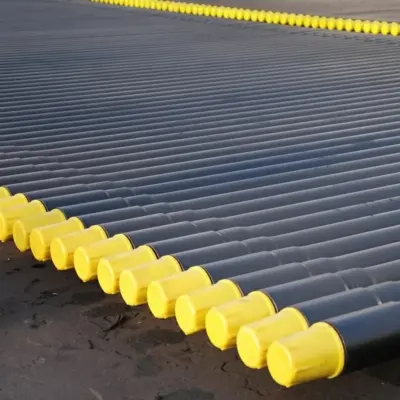
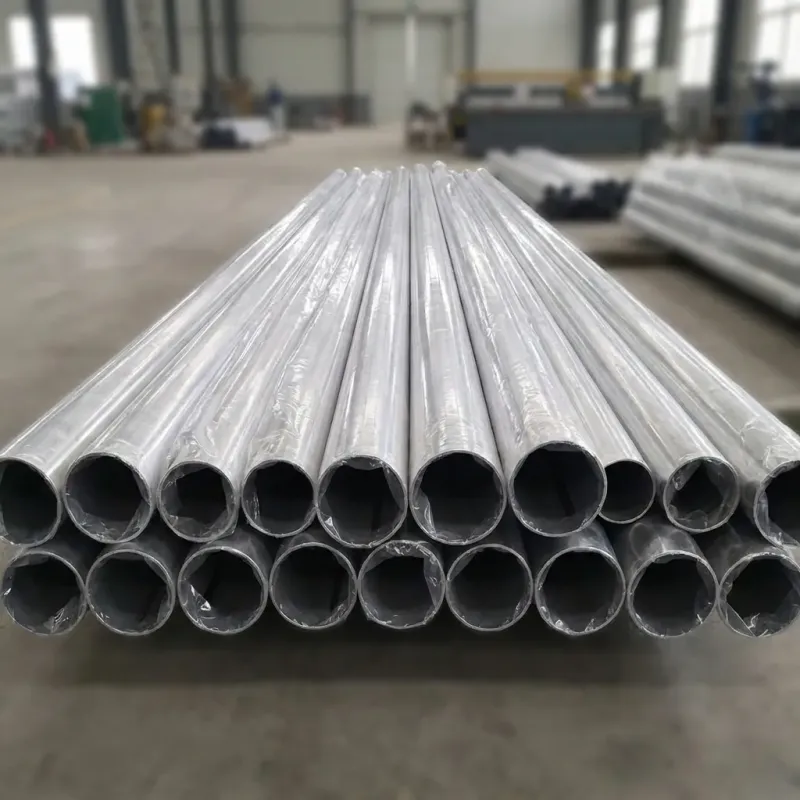
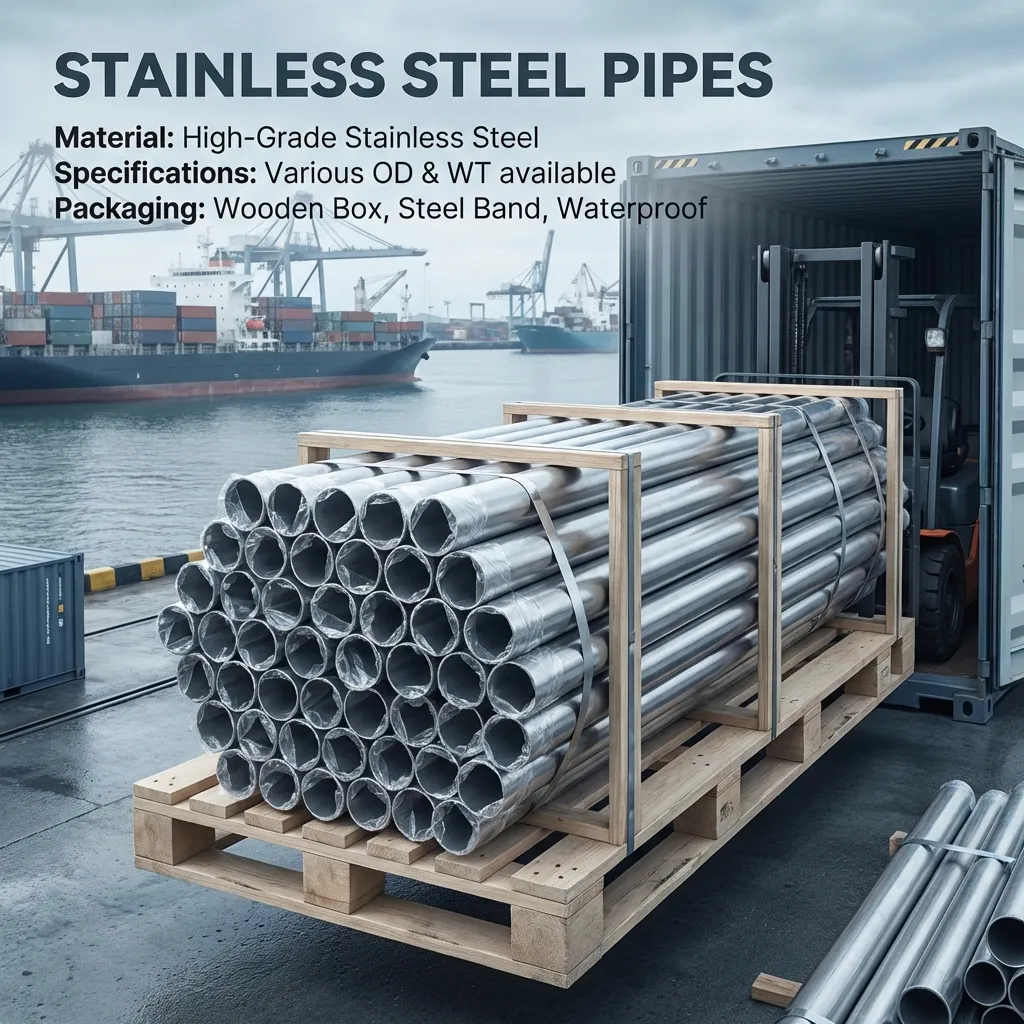
| Packaging | Bundled with steel straps, plastic caps, wooden case | Export-standard packaging |
| MOQ | 500 kg or 10 pieces | Minimum order quantity |
6 Inch Diameter Stainless Steel Pipe - ASTM A312 / A358
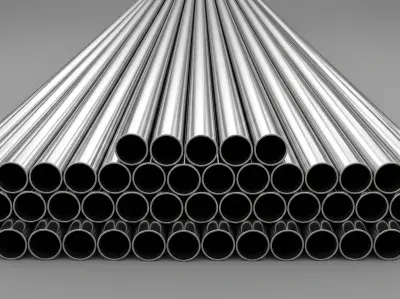
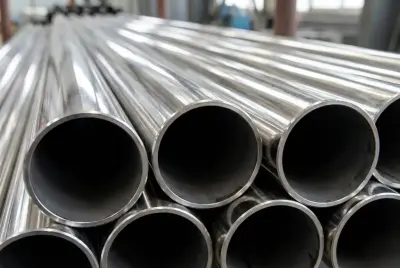
A 6 inch diameter stainless steel pipe serves critical roles in industrial fluid transport systems requiring exceptional corrosion resistance and mechanical integrity. Manufactured to ASTM A312 seamless or ASTM A358 welded specifications, these pipes deliver reliable performance across petrochemical processing, water treatment facilities, pharmaceutical production, and food-grade applications. With nominal pipe size (NPS) 6 corresponding to an outer diameter of 168.3 mm and wall thickness options ranging from Schedule 5S to XXS, these pipes accommodate diverse pressure requirements while maintaining superior durability in corrosive environments.
What is 6 Inch Diameter Stainless Steel Pipe?
A 6 inch diameter stainless steel pipe represents a standardized tubular product with a nominal outer diameter of 6 inches (168.3 mm actual OD per ANSI B36.19). These pipes are manufactured from austenitic grades such as 304/304L or 316/316L stainless steel through either seamless extrusion (ASTM A312) or longitudinal/spiral welding processes (ASTM A358). The designation "6 inch" refers to the nominal pipe size rather than precise measurements, with actual dimensions varying based on schedule thickness. These pipes find extensive application in systems handling corrosive fluids, high-purity gases, and sanitary processes where material contamination must be prevented.
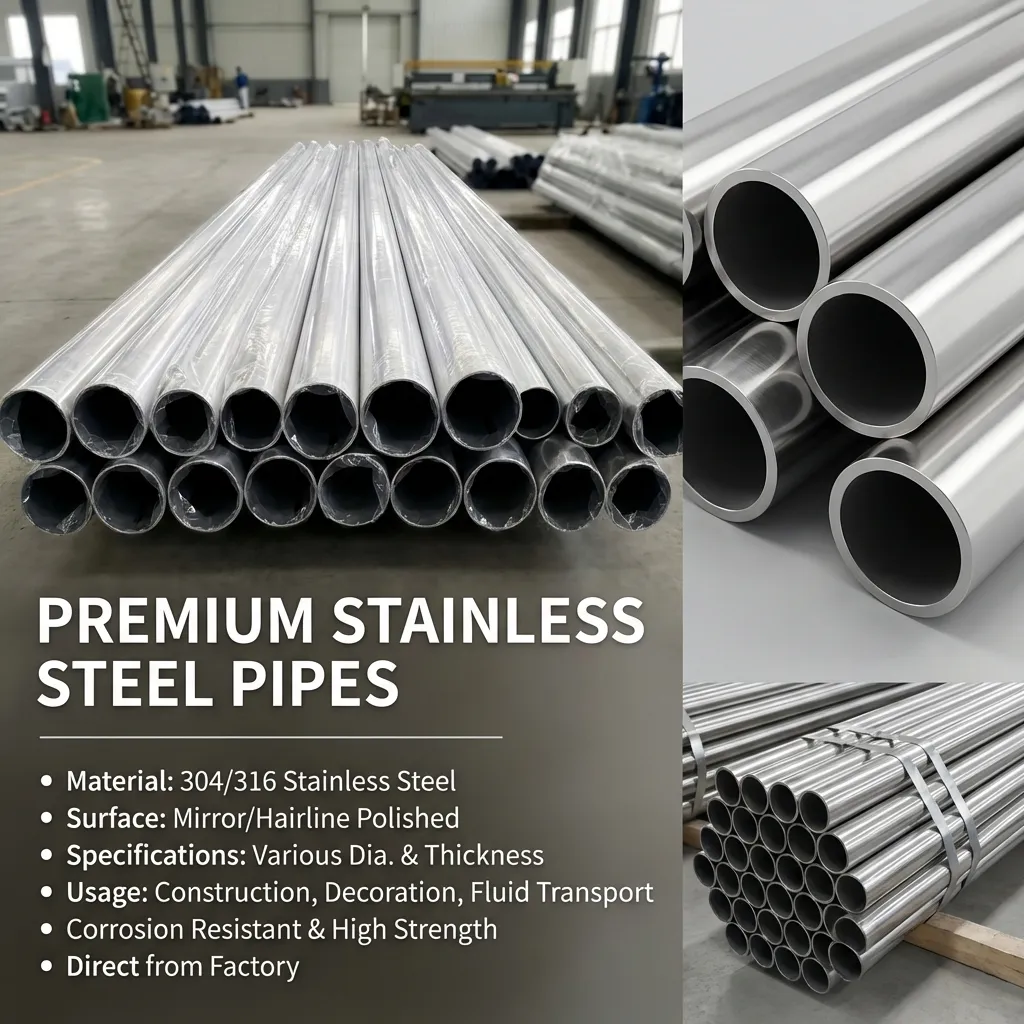
6 Inch Diameter Stainless Steel Pipe Technical Specifications
Standard 6 inch stainless steel pipes conform to ASTM A312/A312M-21 for seamless and welded austenitic grades. The outer diameter remains constant at 168.3 mm across all schedules, while wall thickness ranges from 3.4 mm (Schedule 5S) to 18.97 mm (Schedule XXS). Material grades include 304L with carbon content limited to 0.030% maximum per ASTM A240 requirements, and 316L containing 2.0-3.0% molybdenum for enhanced chloride resistance. Mechanical properties specify minimum tensile strength of 515 MPa for 304L and 485 MPa for 316L, with yield strength of 205 MPa minimum. Pipes undergo hydrostatic testing at pressures calculated per ASME B31.3 formula, typically ranging from 3.5 to 28 MPa depending on schedule and grade.
Manufacturing Standards and Quality Control
Which ASTM Standards Apply to 6 Inch Stainless Pipes?
The primary governing standards include ASTM A312/A312M for seamless and welded austenitic pipes, ASTM A358 for electric-fusion-welded large-diameter pipes, and ASTM A999 for general requirements. Dimensional tolerances follow ASME B36.19M specifications, permitting outer diameter variance of ±1% and wall thickness tolerance of +12.5%/-0% for schedules 5S through 40S. Surface finish requirements mandate 0.8 μm Ra maximum for sanitary applications per ASME BPE standards, while industrial grades accept 3.2 μm Ra. Chemical composition must comply with ASTM A240 limits, verified through optical emission spectrometry per ASTM E415.
What Testing Methods Ensure Product Quality?
Each production lot undergoes non-destructive examination including ultrasonic testing per ASTM E213 for seamless pipes and radiographic inspection per ASTM E1742 for welded variants. Hydrostatic testing applies internal pressure of 1.5 times the design pressure for minimum 10 seconds without leakage or deformation. Mechanical testing includes tensile specimens per ASTM A370, flattening tests per ASTM A370 Section 6, and flaring tests for thin-wall schedules. Intergranular corrosion resistance verification follows ASTM A262 Practice E for L-grades, ensuring carbide precipitation resistance in heat-affected zones.
Application-Specific Performance Characteristics
How Does Schedule Selection Affect Pressure Rating?
Allowable pressure varies exponentially with wall thickness according to ASME B31.3 equation P = 2SEt/(D-2yt), where S represents allowable stress (138 MPa for 316L at 100°C), E is weld joint efficiency (1.0 for seamless, 0.85 for welded), and t denotes wall thickness. Schedule 10S (4.78 mm wall) supports approximately 4.8 MPa at 100°C, while Schedule 40S (7.11 mm wall) handles 7.2 MPa under identical conditions. For high-pressure steam service exceeding 10 MPa, Schedule 80S or heavier becomes necessary, providing 11.8 MPa rating with 10.97 mm wall thickness.
What Corrosion Resistance Properties Are Critical?
Grade 316L demonstrates superior resistance to chloride-induced pitting with a Pitting Resistance Equivalent Number (PREN) of approximately 24-26, calculated as %Cr + 3.3(%Mo) + 16(%N). This composition withstands seawater exposure and chemical processing environments where 304L would suffer localized attack. The molybdenum content (2.0-3.0%) specifically enhances resistance to sulfuric and hydrochloric acids at moderate concentrations. For applications involving higher chloride levels exceeding 1000 ppm, duplex grades like 2205 offer PREN values above 35, though at increased material cost.
Installation and Joining Methods
Which Welding Procedures Maintain Corrosion Resistance?
Gas Tungsten Arc Welding (GTAW/TIG) with ER316L filler metal preserves optimal corrosion properties in heat-affected zones, maintaining carbon below 0.03% to prevent sensitization. Purge gas (argon or nitrogen) must protect the root side, maintaining oxygen levels below 20 ppm per AWS D18.1 requirements. Post-weld heat treatment remains unnecessary for L-grades, though solution annealing at 1040-1120°C followed by rapid cooling can restore maximum corrosion resistance if thermal cycles exceed 425°C. Orbital welding systems ensure consistent penetration and minimize contamination in sanitary applications requiring electropolished surfaces.
Can Mechanical Connections Replace Welding?
Grooved mechanical couplings per ASTM F1476 provide viable alternatives for Schedule 10S and heavier pipes in non-sanitary applications, supporting pressures up to 4.1 MPa depending on gasket material. Tri-clamp connections dominate pharmaceutical and food processing installations, offering tool-free assembly with EPDM or silicone gaskets rated for 150°C service. Threaded connections remain unsuitable for stainless pipes below Schedule 40S due to insufficient wall thickness for NPT thread engagement, which removes approximately 50% of pipe wall depth.
Cost Factors and Procurement Considerations
How Do Material Grades Impact Pricing?
Current market pricing shows 316L commanding 25-35% premium over 304L due to molybdenum content and nickel surcharges. Seamless pipes (ASTM A312) typically cost 40-60% more than equivalent welded variants (ASTM A358) in 6 inch diameter, reflecting manufacturing complexity and reduced production speeds. Dual-certified material (316/316L meeting both standard and low-carbon specifications) adds 8-12% to base pricing but eliminates post-weld heat treatment requirements. Electropolished finishes for sanitary service increase costs by $15-25 per linear meter compared to mill finish products.
What Lead Times Should Buyers Expect?
Standard mill finish pipes in common schedules (10S, 40S, 80S) ship from distributor stock within 3-5 business days for grades 304L and 316L. Custom lengths requiring cutting and beveling extend lead times to 10-15 days. Specialized finishes including electropolishing (Ra ≤ 0.4 μm) or bright annealing require 4-6 weeks from mill production. Non-standard schedules or exotic alloys such as 904L or AL-6XN involve 10-14 week manufacturing cycles, necessitating advance planning for project timelines. Certification packages including mill test reports (MTR) per EN 10204 Type 3.1 accompany all shipments without additional delay.
Frequently Asked Questions
What is the minimum order quantity (MOQ)?
Most distributors maintain MOQ of 6 meters for stock sizes in grades 304L and 316L, Schedule 10S through 80S. Custom orders requiring mill production typically require minimum 500 kg per specification, equivalent to approximately 15-20 meters of 6 inch Schedule 40S pipe. Smaller quantities may be available at premium pricing through specialty suppliers serving prototype and maintenance markets.
Do you provide material test certificates?
All shipments include EN 10204 Type 3.1 mill test certificates documenting chemical composition per heat number, mechanical properties from actual test specimens, and hydrostatic test results. Certificates verify compliance with specified ASTM standards and include traceability to raw material heats. Third-party inspection services can provide independent verification per ASTM A999 requirements at additional cost, typically adding 7-10 days to delivery schedules.
What is the typical delivery time?
Domestic stock items ship within 3-5 business days via common carrier, with transit times of 2-7 days depending on destination. International orders require 4-6 weeks ocean freight from Asian mills, or 10-14 days for air shipment of urgent requirements. Custom fabrication including cutting, beveling, and testing adds 2-3 weeks to standard mill delivery schedules. Expedited production may be available for critical applications at 20-30% cost premium.
Can you cut to custom sizes?
Precision cutting services accommodate lengths from 0.5 to 12 meters with tolerance of ±3 mm using automated band saws or plasma cutting systems. Beveling for weld preparation follows ASME B16.25 specifications, providing 37.5° included angle with 1.6 mm land. Additional services include threading per ASME B1.20.1 for Schedule 40S and heavier, end-capping, and hydrostatic testing of fabricated assemblies. Custom cutting typically adds 5-7 business days to standard delivery schedules.
Get a Competitive Quote for 6 Inch Diameter Stainless Steel Pipe
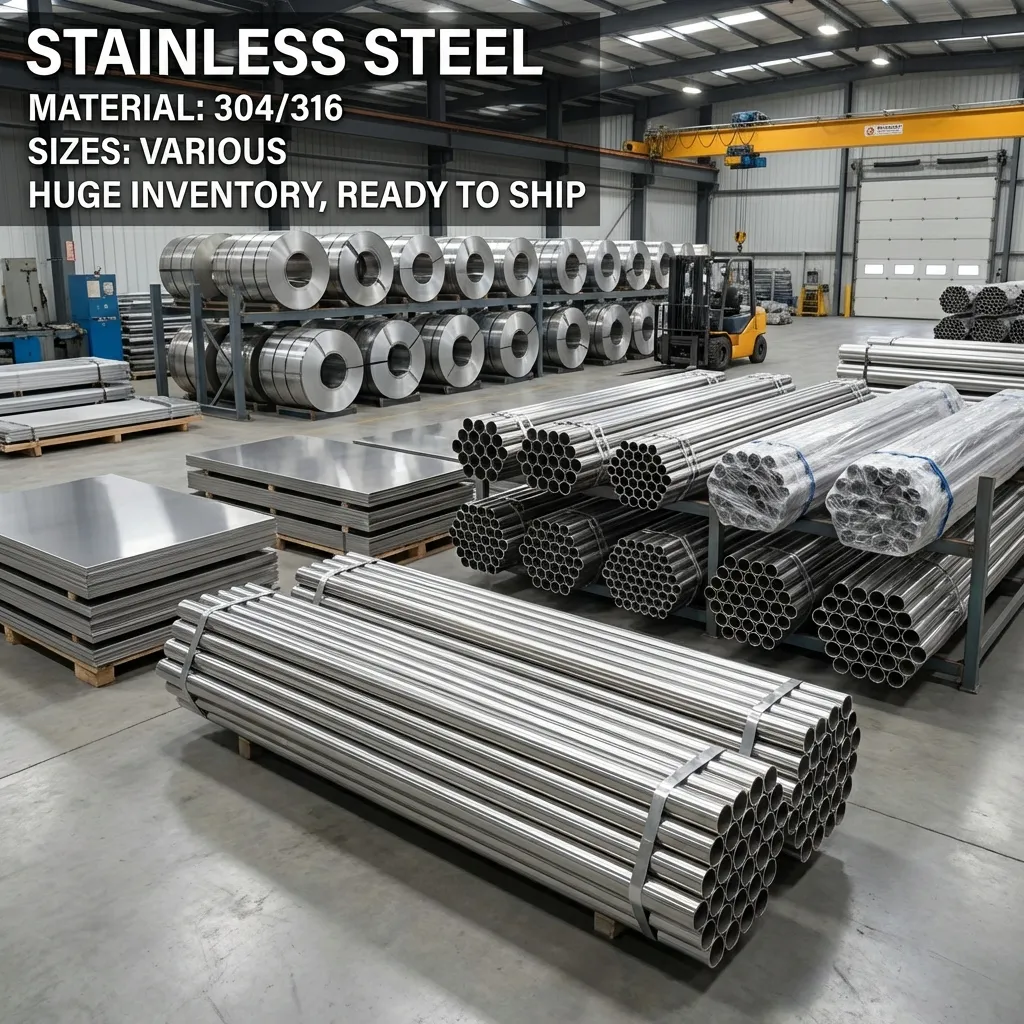
Our technical sales team provides comprehensive support for selecting optimal pipe specifications based on your operating conditions, including pressure, temperature, and corrosive media exposure. We maintain extensive inventory of ASTM A312 seamless and A358 welded pipes in grades 304L and 316L, Schedule 5S through XXS, ensuring rapid fulfillment of both standard and custom requirements. Request detailed quotations including material certifications, delivery schedules, and technical consultation at no obligation.
- 24/7 customer support available for technical inquiries and order status
- Free samples for quality evaluation including metallurgical analysis
- Competitive pricing for bulk orders with volume discounts exceeding 1000 kg
- Professional technical consultation on material selection and application engineering
Contact us today to get your free quote within 24 hours!
Ratings & Reviews

Know your supplier
Supplier's customization ability
- Drawing-based customization
- Sample-based customization
- Full customization
Minimum order quantity: 1 ton
Shipping total: To be negotiated
- Lead time:
- confirmed with the quotation
- Packaging:
- standard export packing
- Samples:
- available on request