 English
  Español
  Français
  Deutsch
  Português (Brasil)
  Русский
  العربية
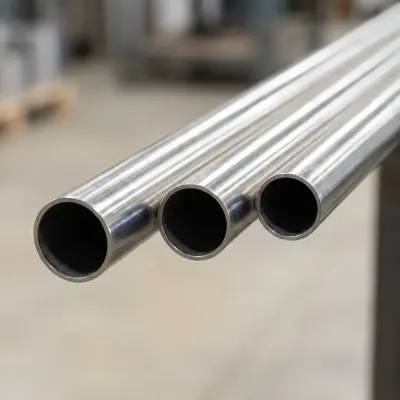
303 Stainless Steel Rod - Precision Ground, ASTM A276, Corrosion Resistant

 China
China
Supplier's customization ability
- Drawing-based customization
- Sample-based customization
- Full customization
Minimum order quantity: 1 ton
Shipping total: To be negotiated
- Lead time:
- confirmed with the quotation
- Packaging:
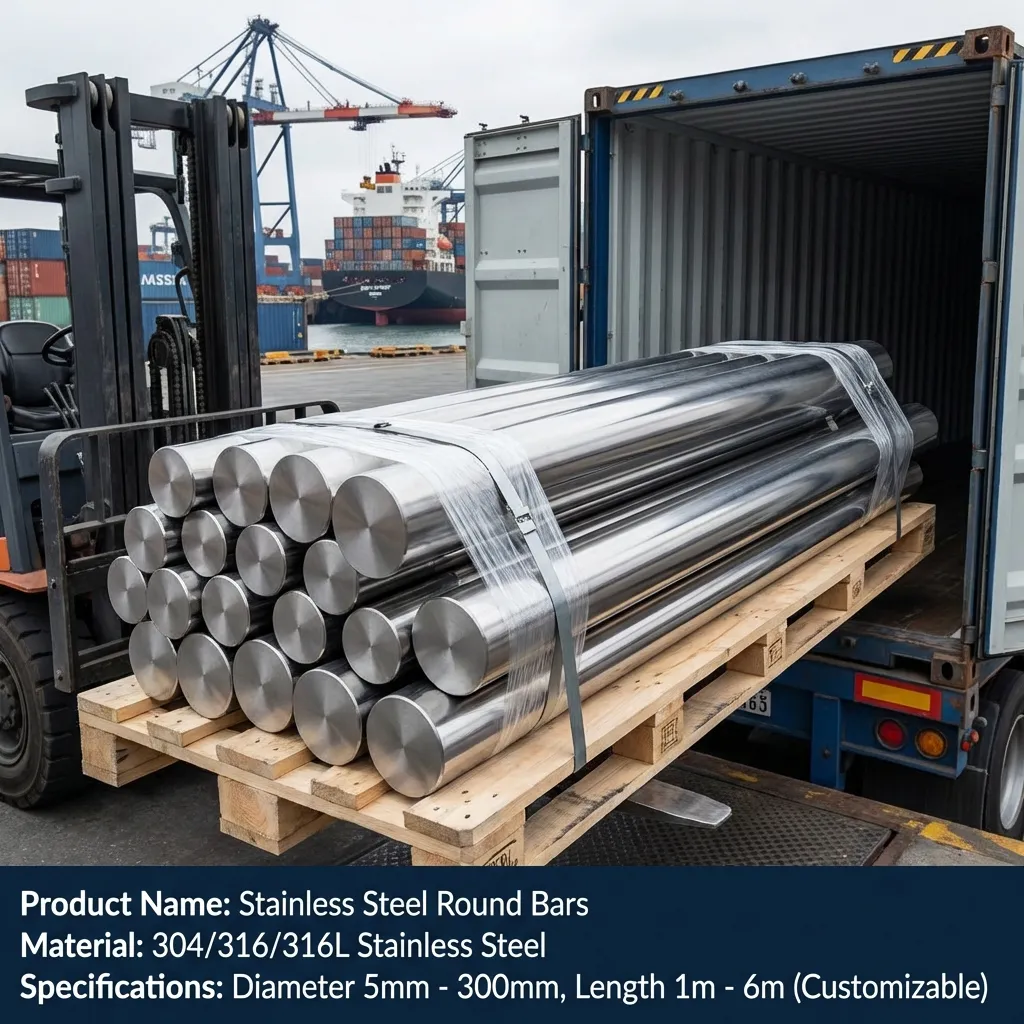
- standard export packing
- Samples:
- available on request
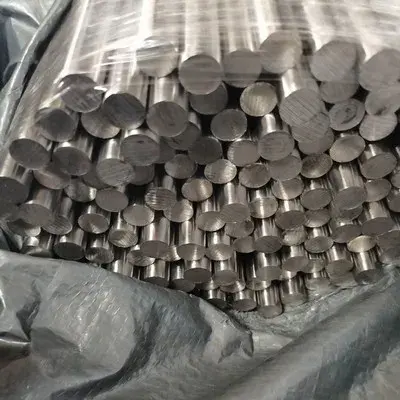
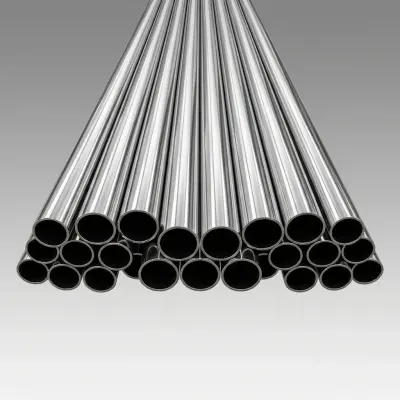
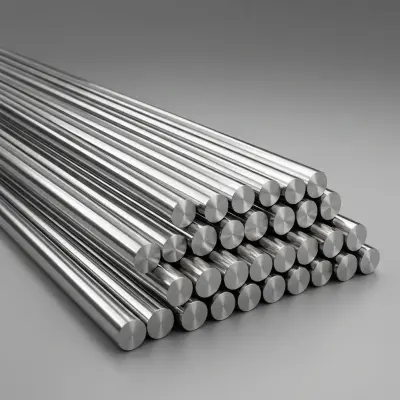
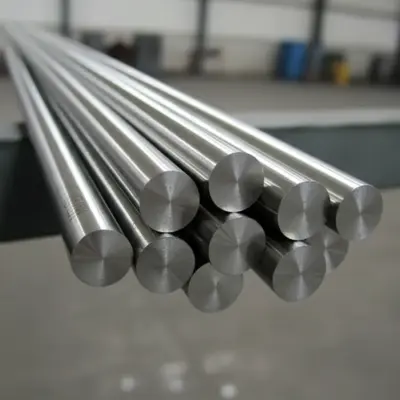
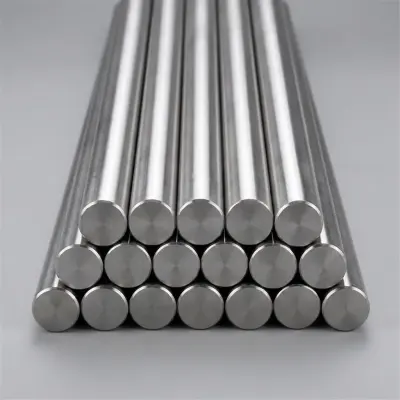
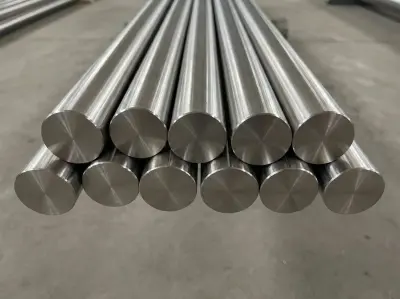
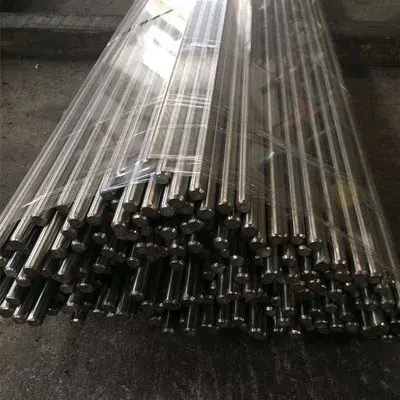
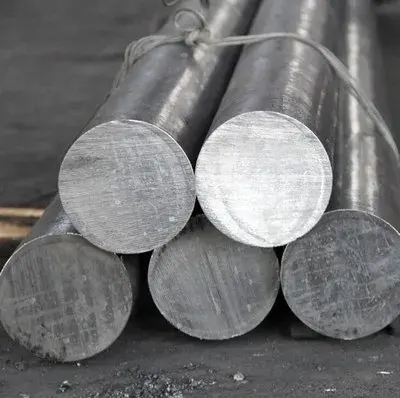
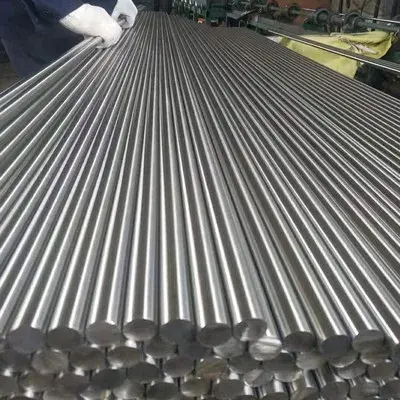
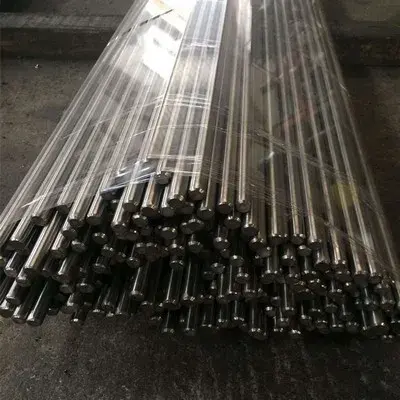
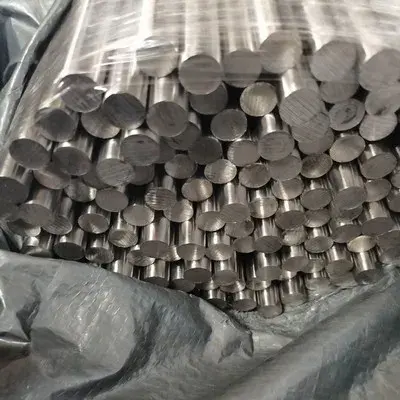
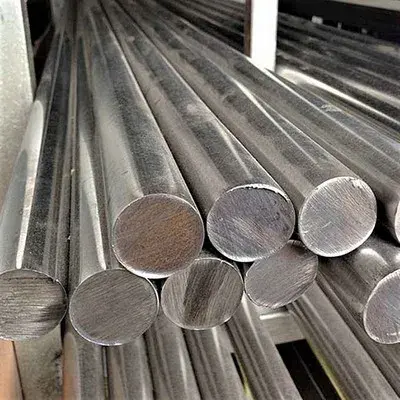
Product details
Technical Specifications of 303 Stainless Steel Rod
| Property | Parameter | Description |
|---|---|---|
| Product Name | 303 Stainless Steel Rod | Free-machining austenitic stainless steel bar |
| Material Grade | AISI 303 / EN 1.4305 / UNS S30300 | International grade equivalents |
| Standard Compliance | ASTM A582, ASTM A276, EN 10088-3 | Meets major international standards |
| Carbon (C) | ≤0.15% | Carbon content for machinability |
| Chromium (Cr) | 17.0-19.0% | Provides corrosion resistance |
| Nickel (Ni) | 8.0-10.0% | Enhances ductility and corrosion resistance |
| Sulfur (S) | ≥0.15% | Added for improved machinability |
| Phosphorus (P) | ≤0.20% | Controlled for machinability |
| Manganese (Mn) | ≤2.0% | Improves hot working properties |
| Silicon (Si) | ≤1.0% | Deoxidizer element |
| Tensile Strength | ≥515 MPa | Minimum tensile strength per ASTM A582 |
| Yield Strength | ≥205 MPa | Minimum yield strength |
| Elongation | ≥35% | Ductility in 50mm gauge length |
| Hardness | ≤217 HBW | Brinell hardness maximum |
| Diameter Range | 3mm - 300mm | Available round bar diameter options |
| Length | 3m - 6m or custom | Standard and custom lengths available |
| Surface Finish | Black, Peeled, Polished, Bright | Multiple surface treatment options |
| Application | Precision machining, fasteners, shafts, valves | Typical application industries |
| Certification | EN 10204 3.1, ISO 9001, ASTM | Quality certifications provided |
| MOQ | 500 kg | Minimum order quantity |
303 Stainless Steel Rod - Precision Ground, ASTM A276, Corrosion Resistant
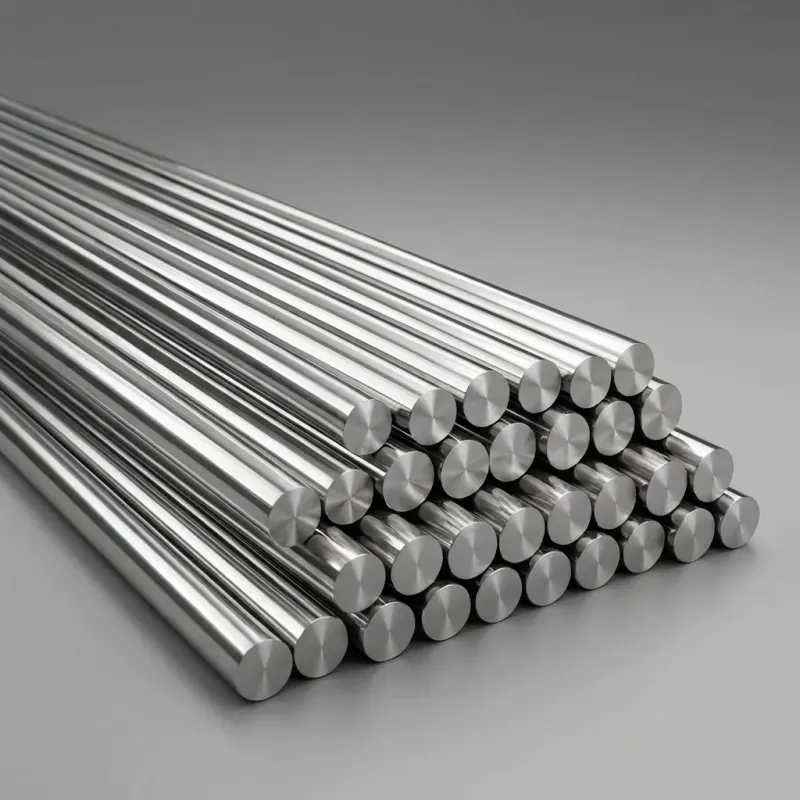
303 stainless steel rod represents a free-machining austenitic stainless steel specifically engineered for applications demanding exceptional machinability combined with moderate corrosion resistance. This sulfur-enhanced grade finds extensive application in precision components, fasteners, and automated machining operations where productivity and surface finish quality are paramount. Manufactured to strict ASTM A276 specifications, our precision ground 303 stainless steel rods serve industries ranging from aerospace to medical device manufacturing, delivering consistent dimensional accuracy and superior mechanical properties.
What is 303 Stainless Steel Rod?
303 stainless steel rod is an austenitic chromium-nickel stainless steel modified with sulfur addition to enhance machinability. The material composition includes 17-19% chromium, 8-10% nickel, and 0.15% minimum sulfur content per ASTM A276-17 Section 5.1. This deliberate sulfur addition creates manganese sulfide inclusions that act as chip breakers during machining operations, achieving cutting speeds up to 50% faster than conventional 304 stainless steel. The rod form is produced through hot rolling followed by centerless grinding or turning to achieve precise diameter tolerances of ±0.005 inches for ground finish and ±0.010 inches for turned finish.
303 Stainless Steel Rod Technical Specifications
Our 303 stainless steel rods comply with ASTM A276/A276M-17 standard specifications for stainless steel bars and shapes. The material exhibits a density of 8.03 g/cm³ at 20°C and maintains austenitic microstructure across typical service temperatures. Tensile strength ranges from 515 MPa minimum to 860 MPa maximum, with yield strength of 205 MPa minimum per ASTM requirements. The carbon content is controlled to 0.15% maximum to preserve weldability, though post-weld heat treatment is recommended for critical applications. Hardness values typically fall between 85-95 HRB in annealed condition, with surface roughness achieving Ra 0.8 μm or better on precision ground finishes.
Chemical Composition and Material Properties
The chemical composition of 303 stainless steel rod strictly adheres to ASTM A276 Table 1 requirements. Chromium content of 17.00-19.00% provides the foundation for corrosion resistance, while nickel at 8.00-10.00% stabilizes the austenitic structure. The distinguishing feature is sulfur content of 0.15% minimum, significantly higher than standard austenitic grades. Phosphorus is limited to 0.20% maximum, manganese to 2.00% maximum, and silicon to 1.00% maximum. Molybdenum is not intentionally added, differentiating this grade from 316 series materials. This specific chemistry delivers optimal chip formation during high-speed machining while maintaining adequate corrosion resistance for non-marine environments.
Manufacturing Process and Quality Control
Production of 303 stainless steel rod begins with electric arc furnace melting followed by argon oxygen decarburization to achieve precise chemical control. The molten steel undergoes continuous casting into billets, which are subsequently hot rolled at temperatures between 1150-1200°C to form intermediate rod sizes. Centerless grinding operations remove surface decarburization and achieve final dimensional specifications with concentricity tolerance of 0.002 inches TIR maximum. Each production lot receives material test certificates per EN 10204 Type 3.1, documenting chemical analysis via optical emission spectroscopy, tensile testing per ASTM E8, and hardness verification using Rockwell B scale methodology. Ultrasonic testing per ASTM A276 Supplement S1 ensures internal soundness for critical applications.
Applications and Industry Usage
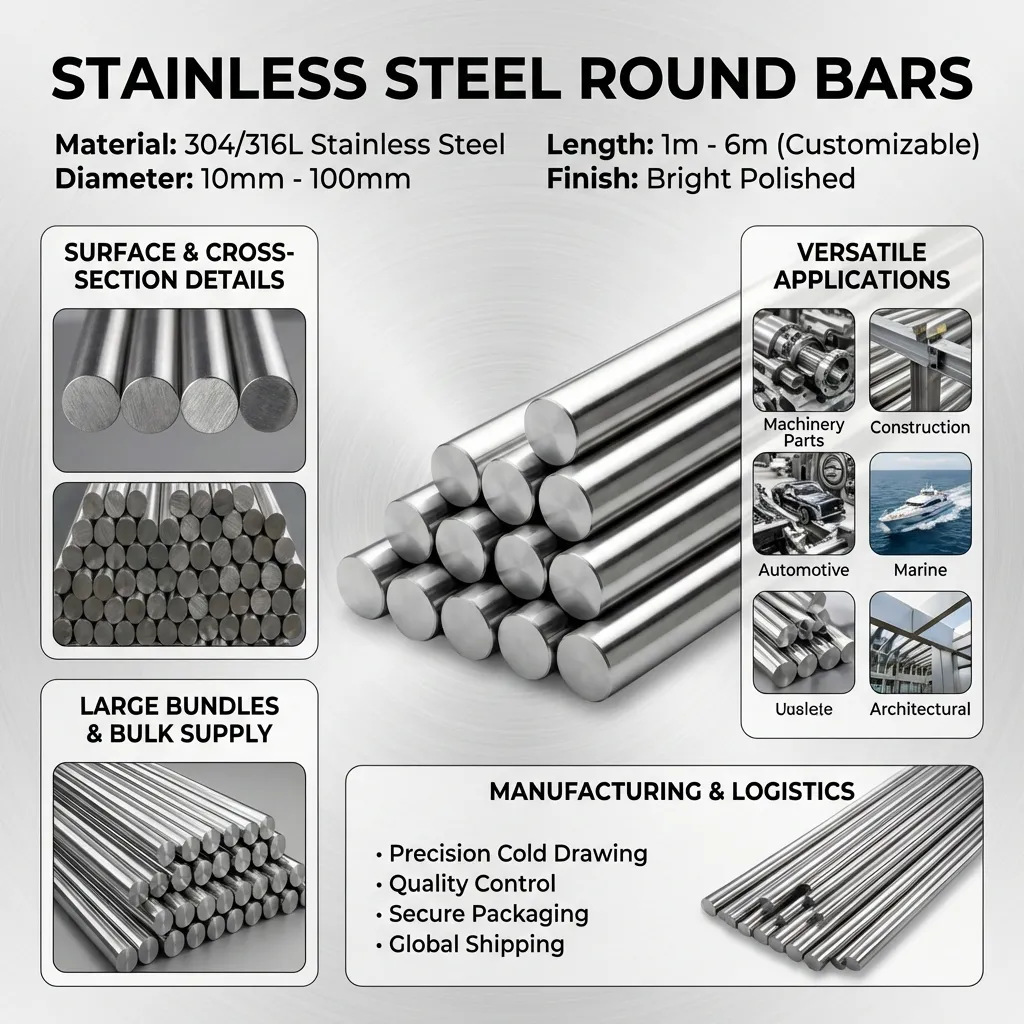
303 stainless steel rod serves as the preferred choice for high-volume precision machined components across diverse industries. In aerospace manufacturing, the material is commonly employed for aircraft fittings, hydraulic system components, and instrument parts requiring tight tolerances. Medical device applications include surgical instruments, dental equipment, and laboratory apparatus where moderate corrosion resistance suffices. The automotive sector utilizes 303 rod for fuel injection components, brake system parts, and sensor housings. Food processing equipment manufacturers specify this grade for shafts, valve stems, and fasteners in non-acidic environments. The superior machinability enables production of complex geometries including threads, grooves, and undercuts with minimal tool wear and excellent surface finish quality.
Machining Characteristics and Performance
The exceptional machinability of 303 stainless steel rod stems from controlled sulfur content creating beneficial manganese sulfide inclusions. Recommended cutting speeds for turning operations range from 80-120 surface feet per minute using carbide tooling, with feed rates of 0.010-0.020 inches per revolution. Threading operations achieve class 2A tolerance without difficulty, while drilling produces clean holes with minimal burr formation. The material exhibits a machinability rating of approximately 78% relative to free-cutting brass, substantially superior to 304 stainless steel's 45% rating. Coolant application is essential to manage heat generation and prevent work hardening, with soluble oil emulsions at 10% concentration providing optimal results. Tool life extends 2-3 times longer compared to standard austenitic grades when proper cutting parameters are maintained.
Corrosion Resistance and Environmental Limitations
While 303 stainless steel rod provides adequate corrosion resistance for many applications, the sulfur additions create specific environmental limitations. The material performs satisfactorily in atmospheric conditions, fresh water, and mild chemical environments with pH values between 5-9. However, the manganese sulfide inclusions act as initiation sites for pitting corrosion in chloride-containing environments, making this grade unsuitable for marine applications or exposure to deicing salts. Critical pitting temperature typically occurs around 15°C in 1% sodium chloride solution per ASTM G48 Method A. For applications requiring both superior machinability and enhanced corrosion resistance, alternative grades such as 316 stainless steel should be considered. Passivation treatment per ASTM A380 improves surface corrosion resistance by removing free iron contamination and promoting chromium oxide layer formation.
Heat Treatment and Thermal Processing
303 stainless steel rod is supplied in solution annealed condition, having been heated to 1010-1120°C followed by rapid cooling per ASTM A276 Section 8.2. This thermal treatment dissolves carbides and achieves optimal ductility with hardness values of 85-95 HRB. Unlike martensitic stainless steels, this austenitic grade cannot be hardened through heat treatment alone. Cold working operations can increase tensile strength to 1100 MPa with corresponding reduction in ductility. Stress relief annealing at 400-450°C for 30-60 minutes removes residual stresses from machining without significantly affecting mechanical properties. Welding operations require post-weld solution annealing at 1040-1120°C to restore corrosion resistance in the heat-affected zone, though welding is generally not recommended for this free-machining grade due to sulfur-induced hot cracking susceptibility.
Size Range and Dimensional Tolerances
Our 303 stainless steel rod inventory encompasses diameters from 3mm (0.118 inches) to 300mm (11.811 inches) to accommodate diverse application requirements. Precision ground rods maintain diameter tolerance of ±0.005 inches (±0.127mm) with straightness deviation not exceeding 0.125 inches per 5 feet of length. Turned and polished finish rods offer diameter tolerance of ±0.010 inches (±0.254mm) with comparable straightness specifications. Standard production lengths extend to 6 meters (20 feet) with custom cutting services available to customer specifications. Surface finish on ground rods achieves 32 Ra microinches maximum, while turned finish typically delivers 63 Ra microinches. Concentricity tolerance is maintained at 0.002 inches total indicator reading maximum, ensuring optimal performance in precision bearing and shaft applications.
Comparison with Alternative Stainless Steel Grades
When evaluating 303 stainless steel rod against alternative austenitic grades, distinct performance trade-offs emerge. Compared to 304 stainless steel, 303 offers substantially superior machinability but reduced corrosion resistance and weldability. The 304L variant provides better welding characteristics and corrosion performance in certain environments, though machining productivity decreases significantly. For applications requiring both excellent machinability and enhanced corrosion resistance, 316 stainless steel with molybdenum addition serves critical roles in marine and chemical processing, accepting lower machining speeds as a necessary compromise. The 303Se variant substitutes selenium for sulfur, delivering comparable machinability with marginally improved corrosion resistance. Cost-effective selection requires balancing machining efficiency, environmental exposure, and mechanical property requirements specific to each application.
Surface Finish Options and Post-Processing
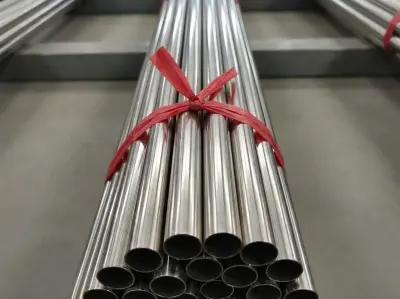
303 stainless steel rod is readily accessible in multiple surface finish configurations to meet specific application demands. Centerless ground finish provides the smoothest surface at 16-32 Ra microinches, ideal for precision bearings and sliding applications. Turned and polished finish offers 32-63 Ra microinches surface texture suitable for general machining stock. Cold drawn finish delivers 63-125 Ra microinches with improved dimensional accuracy over hot rolled material. Additional post-processing options include electropolishing to achieve 8-12 Ra microinches for pharmaceutical equipment, passivation per ASTM A380 or ASTM A967 for enhanced corrosion resistance, and black oxide coating for aesthetic applications. Thread rolling operations capitalize on the material's work hardening characteristics to produce high-strength fastener threads with superior fatigue resistance compared to cut threads.
Quality Certifications and Compliance Documentation
Each shipment of 303 stainless steel rod includes comprehensive material test certificates documenting compliance with specified standards. Our mill test reports conform to EN 10204 Type 3.1 certification, providing independent third-party verification of chemical composition and mechanical properties. Chemical analysis is performed using optical emission spectroscopy per ASTM E415, with results traceable to certified reference materials. Tensile testing follows ASTM E8/E8M procedures using standard 0.500-inch diameter specimens, documenting yield strength, ultimate tensile strength, and elongation values. Hardness measurements are conducted per ASTM E18 using Rockwell B scale methodology. Dimensional inspection reports verify diameter, straightness, and surface finish compliance with customer specifications. Additional certifications available upon request include NACE MR0175/ISO 15156 for sour service applications and DFARS compliance documentation for defense industry requirements.
Storage and Handling Recommendations
Proper storage and handling practices preserve the quality and surface condition of 303 stainless steel rod inventory. Material should be stored in covered, dry facilities maintaining relative humidity below 60% to prevent surface staining. Rods must be supported at intervals not exceeding 1 meter to prevent permanent bending deflection, with wooden or plastic cradles preventing contact with carbon steel surfaces that could cause galvanic corrosion or iron contamination. Protective wrapping using VCI (volatile corrosion inhibitor) paper is recommended for extended storage periods exceeding 6 months. Handling equipment should employ non-metallic slings or padded fixtures to avoid surface damage. Prior to machining operations, rods should be cleaned using alkaline detergent solutions to remove any protective oils or surface contaminants that might affect cutting tool performance or dimensional accuracy.
Frequently Asked Questions
What is the minimum order quantity for 303 stainless steel rod?
Our standard minimum order quantity is 100 kilograms per diameter size, though we accommodate smaller quantities for precision ground finishes subject to cutting charges. Volume pricing becomes available for orders exceeding 500 kilograms, with additional discounts for annual blanket purchase agreements. Custom diameter sizes require minimum orders of 1000 kilograms to justify specialized production runs.
Do you provide material test certificates with each shipment?
Yes, every shipment includes EN 10204 Type 3.1 material test certificates documenting chemical composition per ASTM E415 analysis, mechanical properties per ASTM E8 testing, and dimensional verification. Certificates are traceable to specific heat numbers and production lots. Additional certifications including NACE MR0175 compliance or DFARS documentation are available upon request at the time of order placement.
What is the typical delivery time for standard sizes?
Standard diameter sizes from our stocked inventory ship within 3-5 business days following order confirmation. Precision ground finishes requiring additional processing typically deliver within 10-15 business days. Custom diameter sizes or special length requirements necessitate 6-8 weeks production lead time. Expedited processing is available for critical applications subject to additional charges and production schedule availability.
Can you cut 303 stainless steel rod to custom lengths?
We provide precision cutting services to customer-specified lengths with tolerance of ±1.5mm using abrasive cut-off methods that minimize heat-affected zones. Minimum cut length is 100mm to ensure safe handling and dimensional accuracy. Cutting charges apply based on number of cuts and material diameter. Deburred ends are standard, with additional machining services including facing, chamfering, and center drilling available upon request.
Get a Competitive Quote for 303 Stainless Steel Rod
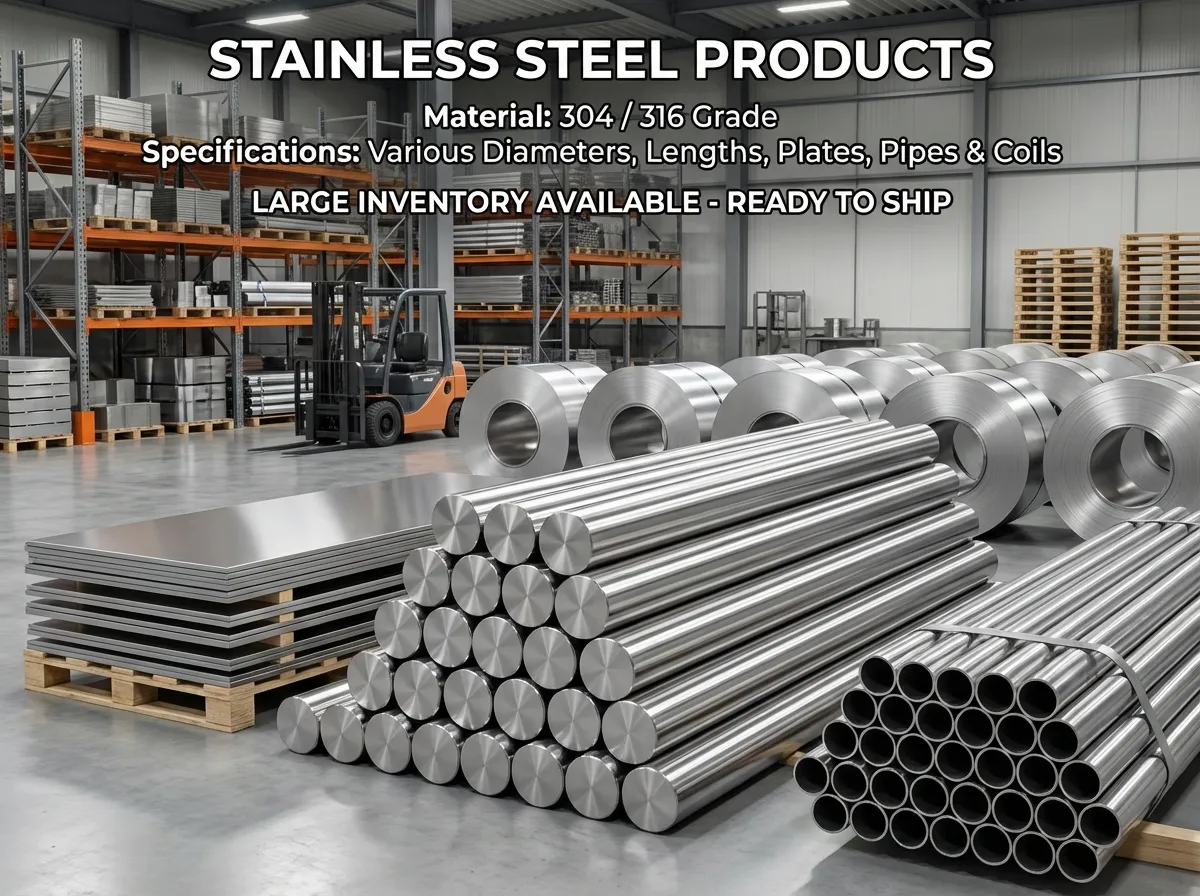
Our experienced technical team stands ready to assist with material selection, specification verification, and application engineering support for your 303 stainless steel rod requirements. We maintain extensive inventory across common diameter ranges, enabling rapid fulfillment of both prototype and production volume orders. Request your detailed quotation today and discover why leading manufacturers trust our mill-direct pricing and consistent quality.
- 24/7 customer support available via phone, email, and live chat
- Free sample pieces for machinability evaluation and quality verification
- Competitive pricing for bulk orders with flexible payment terms
- Professional technical consultation on material selection and application engineering
- Comprehensive documentation including MTRs, dimensional reports, and compliance certificates
- Global shipping capabilities with expedited delivery options
Contact us today to receive your detailed quotation within 24 hours, complete with technical specifications and delivery scheduling!
Ratings & Reviews

Know your supplier
Supplier's customization ability
- Drawing-based customization
- Sample-based customization
- Full customization
Minimum order quantity: 1 ton
Shipping total: To be negotiated
- Lead time:
- confirmed with the quotation
- Packaging:
- standard export packing
- Samples:
- available on request