 English
  Español
  Français
  Deutsch
  Português (Brasil)
  Русский
  العربية
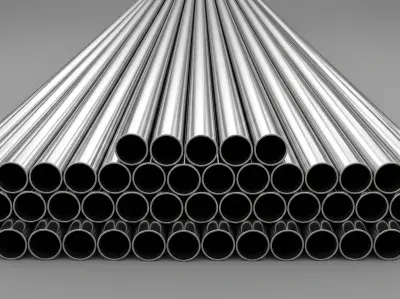
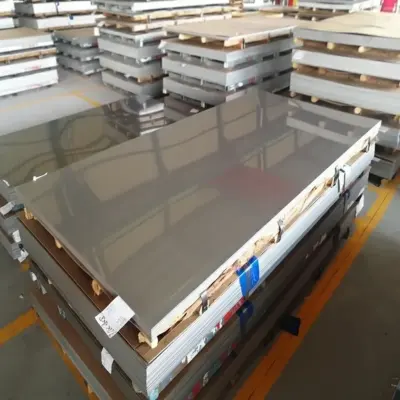
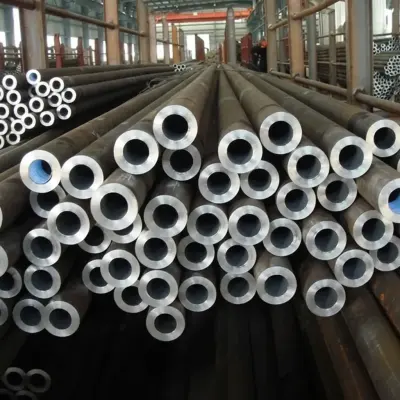
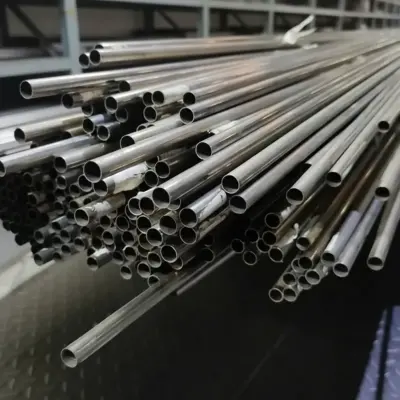
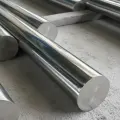
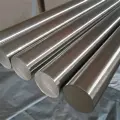
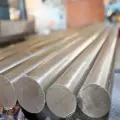
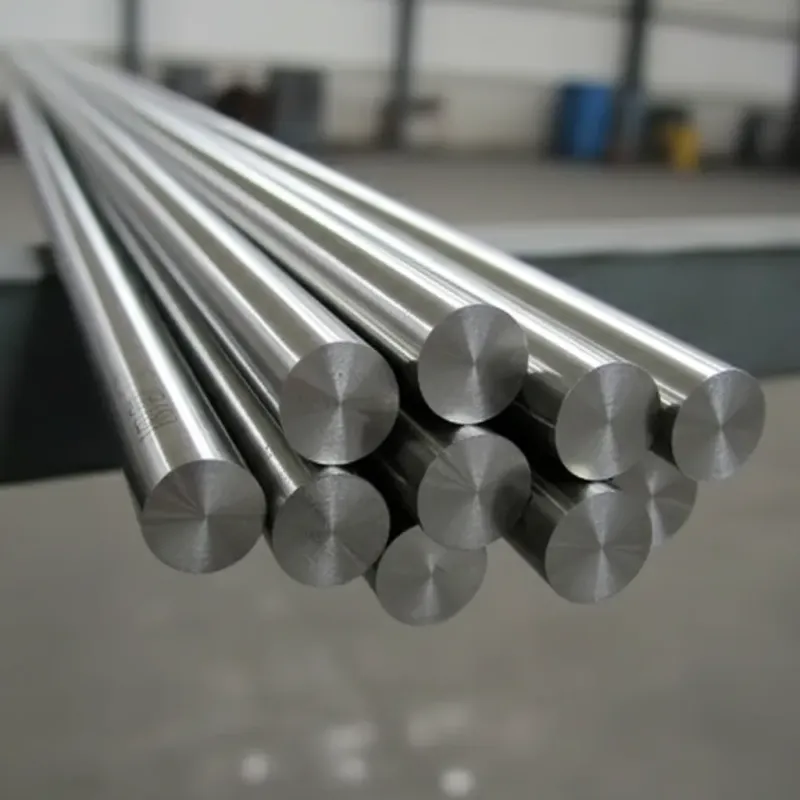
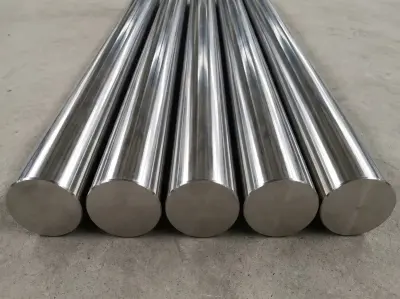
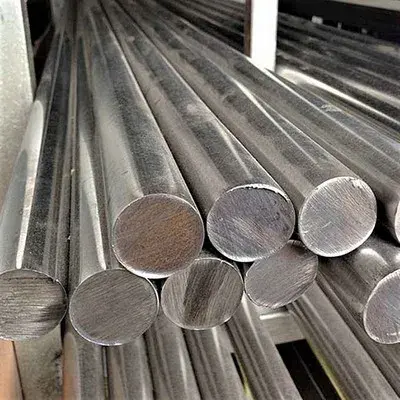
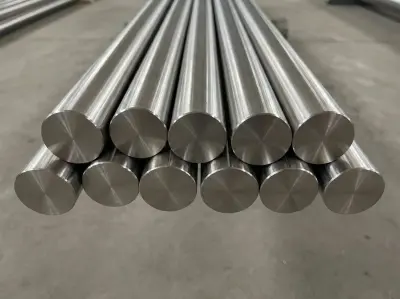
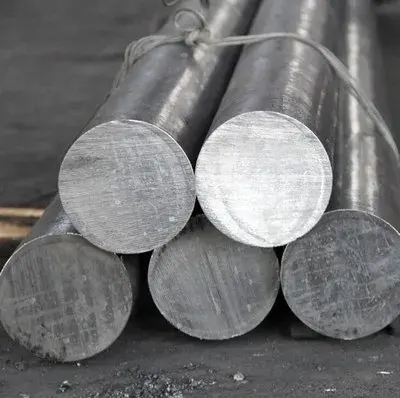
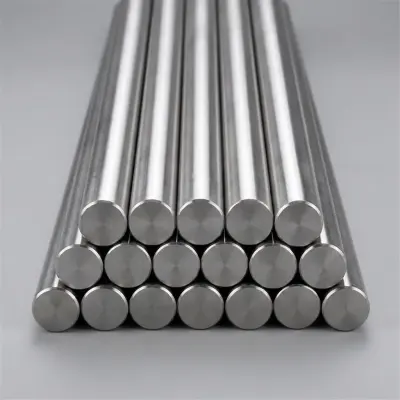
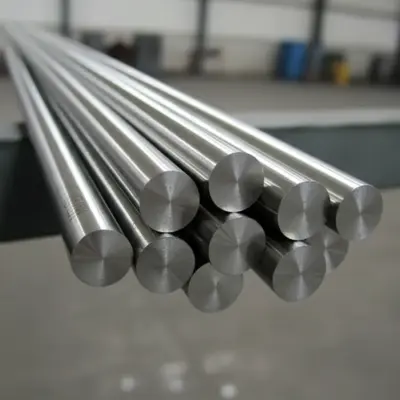
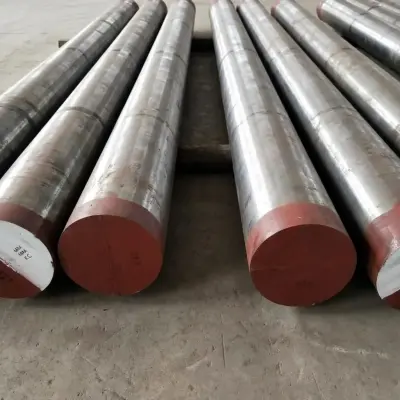
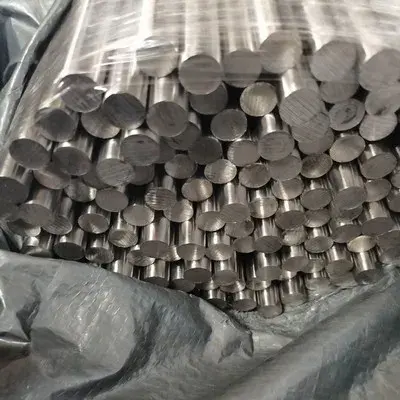
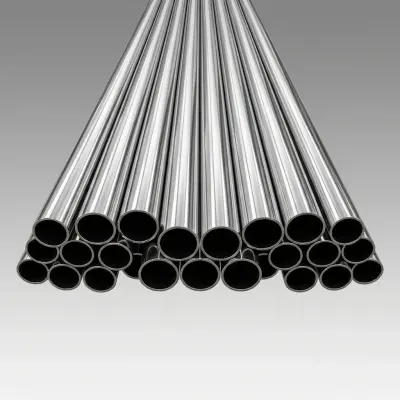
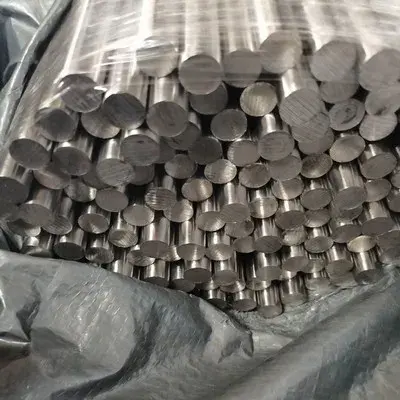
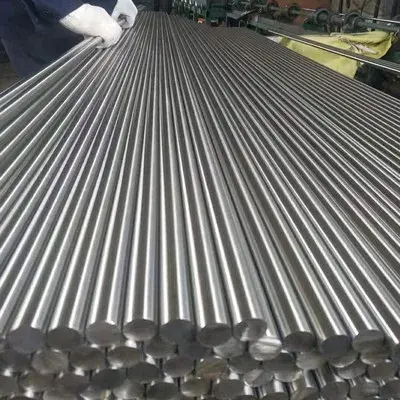
20mm Stainless Steel Rod - AISI 304/316 Round Metal Bar for Industrial Use

 China
China
Supplier's customization ability
- Drawing-based customization
- Sample-based customization
- Full customization
Minimum order quantity: 1 ton
Shipping total: To be negotiated
- Lead time:
- confirmed with the quotation
- Packaging:
- standard export packing
- Samples:
- available on request
Product details
Technical Specifications of 20mm Stainless Steel Rod
| Property | Parameter | Description |
|---|---|---|
| Product Name | 20mm Stainless Steel Rod | Round bar with 20mm diameter for industrial applications |
| Material Grade | 304 / 316 / 316L / 310S / 321 | Multiple austenitic stainless steel grades available |
| Standard Compliance | ASTM A276, ASTM A479, EN 10088-3 | Meets international standards for stainless steel bars |
| Diameter | 20mm (±0.2mm tolerance) | Precision diameter with tight tolerance |
| Length Range | 1000mm - 6000mm or custom | Standard and custom lengths available |
| Surface Finish | Hot Rolled, Cold Drawn, Bright, Polished | Multiple surface treatment options |
| Tensile Strength (304) | ≥515 MPa | Minimum tensile strength per ASTM A276 |
| Yield Strength (304) | ≥205 MPa | Minimum yield strength at 0.2% offset |
| Elongation | ≥40% | Ductility in 50mm gauge length |
| Hardness | ≤217 HBW (304) / ≤187 HBW (316L) | Brinell hardness maximum values |
| Carbon Content (316L) | ≤0.03% | Low carbon for improved weldability |
| Chromium (Cr) | 16.0-18.0% (316) / 18.0-20.0% (304) | Provides corrosion resistance |
| Nickel (Ni) | 10.0-14.0% (316) / 8.0-10.5% (304) | Enhances ductility and toughness |
| Molybdenum (Mo) | 2.0-3.0% (316/316L) | Improves pitting and crevice corrosion resistance |
| Application | Marine hardware, chemical processing, food equipment, fasteners | Suitable for corrosive environments |
| Corrosion Resistance | Excellent in marine and chemical environments | 316/316L grades offer superior resistance |
| Certification | EN 10204 3.1, ISO 9001, ASTM compliance | Material test certificates provided |
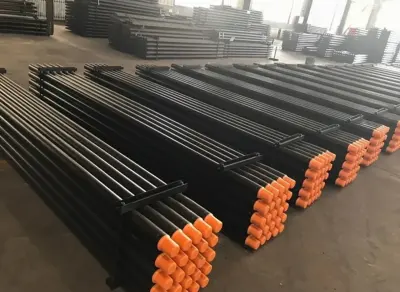
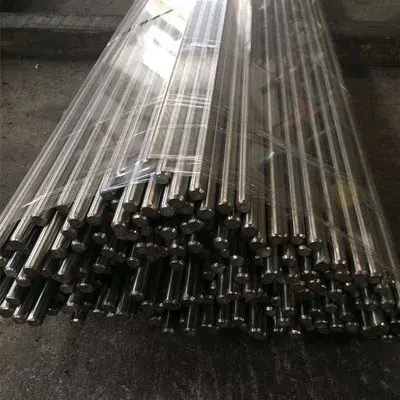
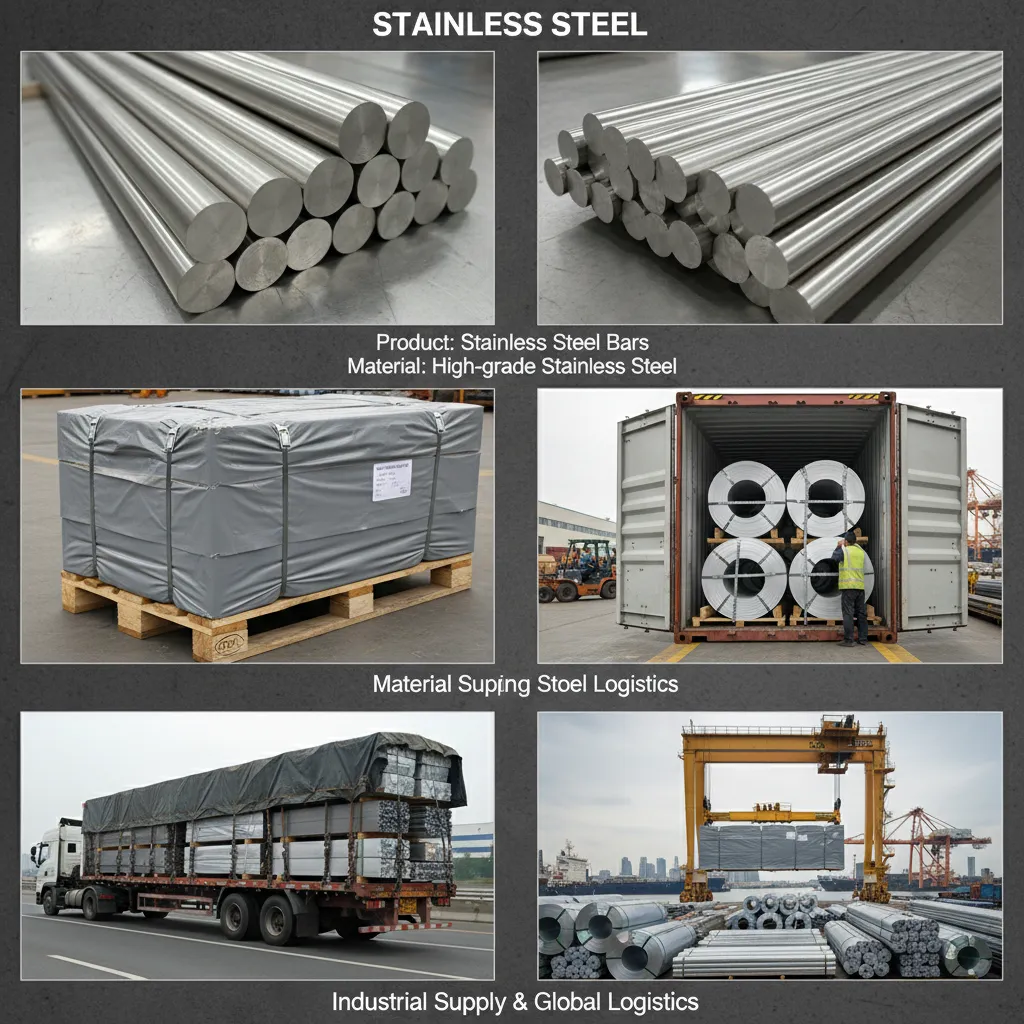
| Packaging | Bundled with steel straps, plastic caps, wooden crates | Export-standard packaging for protection |
| MOQ | 500 kg | Minimum order quantity for standard grades |
20mm Stainless Steel Rod - AISI 304/316 Round Metal Bar for Industrial Use
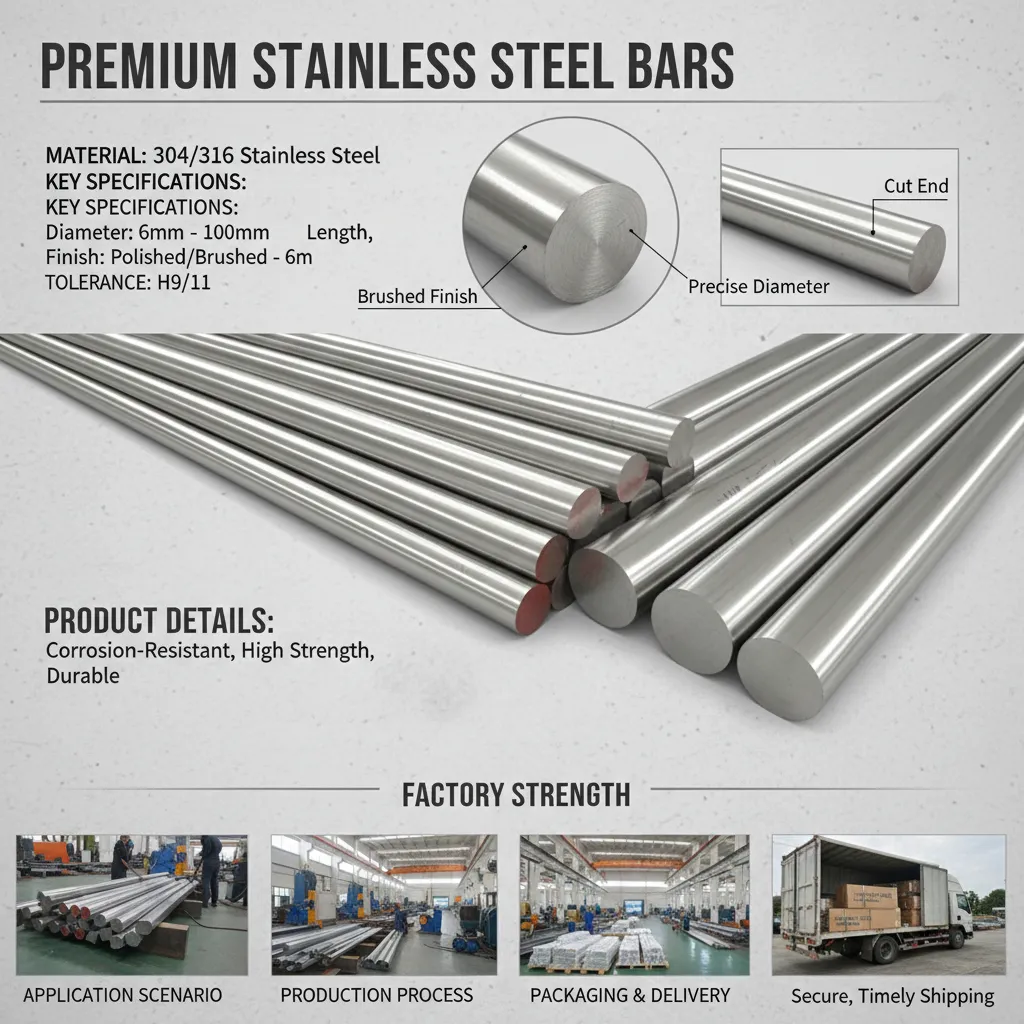
The 20mm stainless steel rod represents a versatile cylindrical bar extensively employed across manufacturing, construction, and precision engineering sectors. Available in premium grades including AISI 304 and 316L, this diameter specification delivers exceptional mechanical properties combined with superior corrosion resistance. Industries ranging from food processing equipment to marine hardware rely on these round metal bars for their outstanding durability and compliance with international quality standards.
What is 20mm Stainless Steel Rod?
A 20mm stainless steel rod is a solid cylindrical bar manufactured with a precise 20-millimeter diameter, produced through hot rolling or cold drawing processes. These round bars conform to specifications outlined in ASTM A276/A276M-17 for austenitic grades and EN 10088-3:2014 for European markets. The manufacturing process ensures consistent dimensional tolerances of ±0.25mm as per standard requirements, making them ideal for machining operations requiring tight specifications.
20mm Stainless Steel Rod Technical Specifications
Standard dimensions for 20mm diameter rods include length options from 3000mm to 6000mm, with custom cutting services available. AISI 304 grade exhibits a density of 7.93 g/cm³ at 20°C, while 316L variant shows 8.00 g/cm³. Tensile strength ranges from 515 MPa minimum for annealed condition per ASTM A240 requirements. Surface finishes include bright annealed (BA), hot rolled pickled (HRP), and precision ground options achieving Ra values below 0.8μm for critical applications.
Material Grade Options for 20mm Round Bars
AISI 304 Stainless Steel Rod Properties
The 304 grade contains 18-20% chromium and 8-10.5% nickel, offering excellent formability and weldability characteristics. Carbon content remains limited to 0.08% maximum according to ASTM A240 Section 5.1, ensuring optimal welding performance without carbide precipitation. This composition provides adequate resistance to atmospheric corrosion and mild chemical environments, making it the preferred choice for architectural applications and general fabrication work.
AISI 316L Low Carbon Variant Advantages
The 316L specification incorporates 2-3% molybdenum alongside reduced carbon levels below 0.03%, delivering enhanced resistance to pitting corrosion in chloride-rich environments. This grade demonstrates superior performance in marine atmospheres and chemical processing facilities. The low carbon composition prevents sensitization during welding operations, eliminating the need for post-weld annealing in most applications per AWS D1.6 welding code requirements.
Surface Finish Impact on Performance
Bright annealed finishes achieve surface roughness values of Ra 0.4-0.8μm through controlled atmosphere heat treatment, providing both aesthetic appeal and improved corrosion resistance. Hot rolled pickled surfaces meet industrial standards for structural applications where appearance is secondary to mechanical properties. Precision ground rods maintain diameter tolerances within ±0.05mm, essential for bearing races and hydraulic cylinder applications demanding exact specifications.
Industrial Applications of 20mm Diameter Rods
Precision Machining Component Manufacturing
CNC machining centers utilize 20mm stainless steel rod stock for producing fasteners, shafts, and custom fittings. The diameter provides optimal material removal rates while maintaining rigidity during high-speed operations. Machinability ratings for 304 grade reach 45% relative to B1112 free-cutting steel, with appropriate tooling selections and cutting fluid applications ensuring efficient production cycles.
Food Processing Equipment Construction
Sanitary equipment manufacturers specify 20mm rods for mixing paddles, conveyor components, and structural supports meeting FDA 21 CFR 177.2600 requirements. The material's non-porous surface prevents bacterial colonization, while resistance to cleaning agents containing up to 5% nitric acid ensures long-term hygiene compliance. Electropolished finishes further enhance cleanability for pharmaceutical grade applications.
Marine Hardware and Coastal Infrastructure
Grade 316L rods serve critical roles in boat fittings, dock hardware, and offshore platform components exposed to saltwater environments. The molybdenum content provides resistance to crevice corrosion in stagnant seawater conditions, with pitting resistance equivalent number (PREN) exceeding 24 according to EN 1993-1-4 calculation methods. This performance extends service life beyond 20 years in properly maintained marine installations.
Manufacturing Process and Quality Control
Hot Rolling Versus Cold Drawing Methods
Hot rolled production involves heating billets to 1150-1200°C before passing through reduction mills, resulting in mill scale surfaces requiring pickling treatment. Cold drawn processes pull annealed bars through precision dies at ambient temperature, achieving superior dimensional accuracy and mechanical properties through work hardening. Yield strength increases by 40-60% compared to annealed condition, reaching 310 MPa minimum for 304 grade per ASTM A582 specifications.
Heat Treatment and Annealing Procedures
Solution annealing occurs at temperatures between 1010-1120°C for austenitic grades, followed by rapid water quenching to prevent carbide precipitation. This thermal cycle restores ductility and corrosion resistance while relieving residual stresses from cold working operations. Hardness values post-annealing range from 170-220 HB for 304 grade, verified through Brinell testing per ASTM E10 standard procedures.
Dimensional Inspection and Testing Protocols
Quality assurance programs include 100% diameter verification using calibrated micrometers traceable to NIST standards, ensuring conformance within specified tolerances. Straightness measurements employ precision granite tables with dial indicators, maintaining deviation below 1.5mm per meter length. Ultrasonic testing detects internal discontinuities exceeding 1.5mm equivalent flat-bottom hole size, guaranteeing structural integrity for critical load-bearing applications.
Mechanical Properties and Performance Data
Tensile Strength and Yield Characteristics
Annealed 304 grade exhibits ultimate tensile strength of 515 MPa minimum with elongation exceeding 40% in 50mm gauge length per ASTM A370 testing procedures. The 0.2% offset yield strength reaches 205 MPa minimum, providing adequate plastic deformation resistance for structural components. Modulus of elasticity measures 193 GPa at room temperature, essential for deflection calculations in cantilever beam applications.
Impact Toughness at Variable Temperatures
Charpy V-notch impact testing demonstrates austenitic grades maintain ductility down to -196°C, absorbing energy values above 100 Joules at cryogenic temperatures. This property enables applications in liquefied natural gas facilities and aerospace systems operating in extreme thermal environments. The face-centered cubic crystal structure prevents brittle transition phenomena observed in ferritic steels below -20°C.
Fatigue Resistance Under Cyclic Loading
Endurance limits for polished 304 specimens reach 240 MPa at 10⁷ cycles in rotating beam fatigue tests conducted per ASTM E466 protocols. Surface finish significantly impacts performance, with ground surfaces showing 30% higher fatigue strength compared to hot rolled conditions. Corrosion fatigue resistance in 3.5% NaCl solution maintains 65% of air-tested values, critical for marine component design calculations.
Corrosion Resistance Performance
Atmospheric Exposure Durability
Field exposure studies demonstrate 304 grade maintains passive film integrity in rural and urban atmospheres with corrosion rates below 0.1 μm/year. Industrial environments containing sulfur dioxide concentrations up to 150 μg/m³ show minimal surface staining without structural degradation over 10-year periods. Regular cleaning with neutral pH detergents preserves aesthetic appearance while preventing deposit accumulation that could initiate localized corrosion.
Chemical Resistance Characteristics
Grade 316L withstands continuous exposure to organic acids including acetic and formic acid at concentrations up to 80% at ambient temperature. Alkaline solutions containing sodium hydroxide up to 50% concentration show corrosion rates below 0.25 mm/year at temperatures not exceeding 60°C. Oxidizing acids such as nitric acid at 20% concentration demonstrate excellent compatibility, while reducing acids require careful evaluation based on temperature and aeration conditions.
Pitting and Crevice Corrosion Resistance
Critical pitting temperature (CPT) for 316L grade exceeds 25°C in 10% ferric chloride solution per ASTM G48 Method A testing, indicating superior localized corrosion resistance compared to 304 variant. Crevice corrosion resistance benefits from molybdenum additions, with critical crevice temperature reaching 15°C under identical test conditions. These properties prove essential for bolted assemblies and gasketed joints in chloride-containing process streams.
Fabrication and Machining Guidelines
Cutting and Sawing Recommendations
Band saw operations achieve optimal results using bi-metal blades with 10-14 teeth per inch, operating at surface speeds of 60-80 meters per minute. Flood coolant application prevents work hardening while extending blade life by 200-300%. Abrasive cut-off methods employ aluminum oxide wheels rated for 80 m/s peripheral speed, producing clean cuts with minimal heat-affected zones requiring subsequent machining.
Turning and Milling Parameters
CNC turning operations utilize carbide inserts with positive rake geometry, maintaining cutting speeds of 120-180 m/min for roughing passes. Depth of cut ranges from 2-4mm with feed rates of 0.2-0.4 mm/rev, generating chip loads that prevent work hardening while maintaining tool life exceeding 45 minutes. Milling operations employ coated carbide end mills at 80-120 m/min with radial engagement below 50% cutter diameter for optimal chip evacuation.
Welding Procedures and Filler Selection
Gas tungsten arc welding (GTAW) processes deliver superior weld quality using ER308L filler metal for 304 base material, maintaining heat input between 0.8-1.2 kJ/mm per AWS D1.6 recommendations. Argon shielding gas purity exceeds 99.95% with flow rates of 12-15 liters per minute protecting both weld pool and back purge zones. Post-weld passivation using 20% nitric acid solution restores corrosion resistance by removing heat tint and reconstituting the chromium oxide layer.
Frequently Asked Questions
What is the minimum order quantity (MOQ)?
Standard minimum order quantities start at 500 kilograms for stock grades including 304 and 316L in 6-meter lengths. Custom diameter tolerances or special finishes may require 1000 kg minimum orders to justify production setup costs. Sample quantities of 10-20 pieces are available for material qualification testing prior to production commitments.
Do you provide material test certificates?
All shipments include EN 10204 Type 3.1 mill test certificates documenting chemical composition via optical emission spectrometry and mechanical properties from batch-specific tensile testing. Certificates reference heat numbers traceable to original steel mill production records. Additional third-party inspection services through SGS or Bureau Veritas can be arranged with 5-7 business days lead time.
What is the typical delivery time?
Stock items in 304 and 316L grades ship within 3-5 business days from regional distribution centers. Custom lengths requiring cutting services add 2-3 days to standard lead times. Specialized grades such as 321 or 2205 duplex require 4-6 weeks manufacturing lead time from steel mill production schedules, with expedited options available for urgent requirements.
Can you cut to custom sizes?
Precision cutting services accommodate length specifications from 100mm to 6000mm with tolerances of ±2mm using automated saw systems. Diameter grinding services reduce standard 20mm rods to sizes between 19.5-19.95mm with tolerances of ±0.02mm for bearing applications. Threading operations provide UNC, UNF, and metric thread forms per customer drawings with ISO 965-1 tolerance class 6g standard.
Get a Competitive Quote for 20mm Stainless Steel Rod
Our technical sales team provides comprehensive quotations within 24 hours, including material certifications, custom processing options, and logistics coordination. We maintain strategic inventory positions across North America and Europe, ensuring consistent supply chain reliability for your production requirements. Request your quote today to access mill-direct pricing with volume discounts available for annual purchase agreements.
- 24/7 customer support available via phone, email, and live chat
- Free samples for quality evaluation with material test certificates
- Competitive pricing for bulk orders with flexible payment terms
- Professional technical consultation from metallurgical engineers
Contact us today to get your free quote within 24 hours!
Ratings & Reviews

Know your supplier
Supplier's customization ability
- Drawing-based customization
- Sample-based customization
- Full customization
Minimum order quantity: 1 ton
Shipping total: To be negotiated
- Lead time:
- confirmed with the quotation
- Packaging:
- standard export packing
- Samples:
- available on request