 English
  Español
  Français
  Deutsch
  Português (Brasil)
  Русский
  العربية
Shipbuilding Steel Plate Thickness - Marine-Grade ASTM A131 / EN10025 Certified

 China
China




Supplier's customization ability
- Drawing-based customization
- Sample-based customization
- Full customization
Minimum order quantity: 1 ton
Shipping total: To be negotiated
- Lead time:
- confirmed with the quotation
- Packaging:
- standard export packing
- Samples:
- available on request

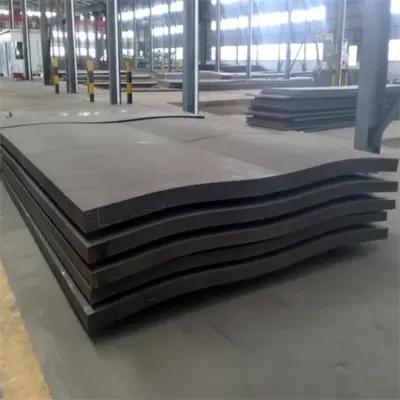
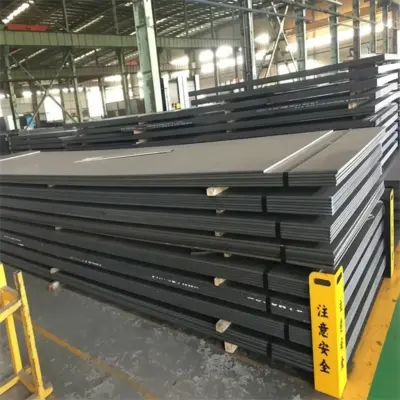
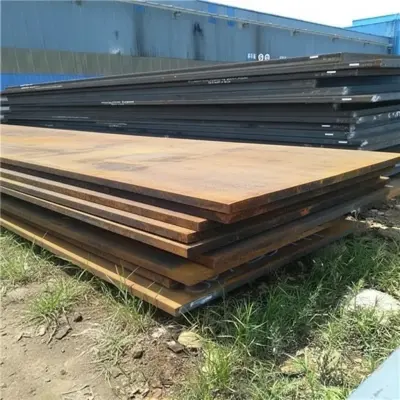
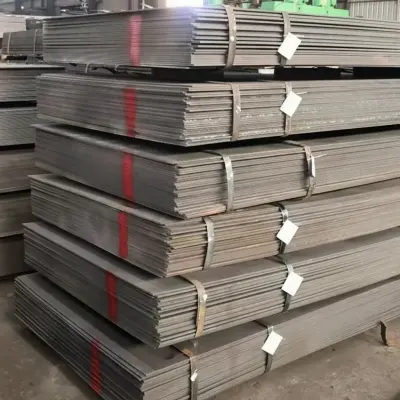
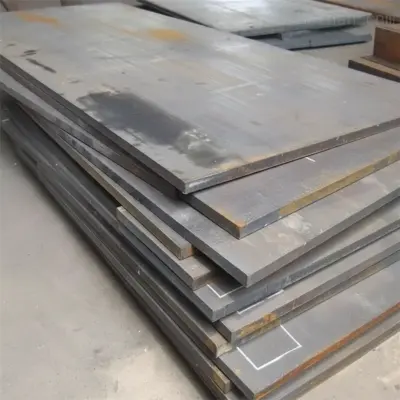
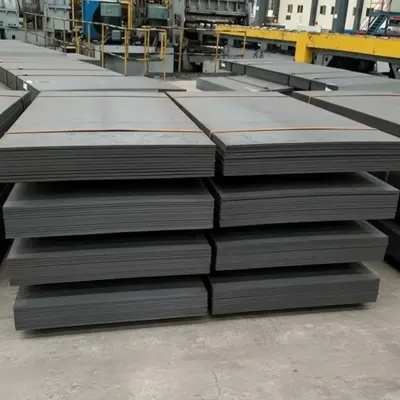
Product details
Technical Specifications of Shipbuilding Steel Plate Thickness
| Property | Parameter | Description |
|---|---|---|
| Product Name | Shipbuilding Steel Plate | Marine-grade structural steel plate for vessel construction |
| Material Grade | AH32, DH32, EH32, AH36, DH36, EH36 | Classification society approved grades |
| Standard Compliance | ASTM A131, EN 10025-2, GB/T 712 | Meets international shipbuilding standards |
| Thickness Range | 6mm - 150mm | Available thickness options for hull construction |
| Width Range | 1500mm - 4000mm | Standard and wide plate options |
| Length Range | 6000mm - 18000mm | Standard and custom lengths available |
| Carbon (C) | ≤0.18% | Controlled carbon content for weldability |
| Manganese (Mn) | 0.90-1.60% | Enhances strength and toughness |
| Silicon (Si) | 0.10-0.50% | Deoxidizer and strength contributor |
| Tensile Strength | 440-590 MPa | Minimum tensile strength per grade |
| Yield Strength | 315-390 MPa | Minimum yield strength varies by grade |
| Elongation | ≥22% | Ductility in 50mm gauge length |
| Impact Energy | ≥34J at -20°C to -40°C | Charpy V-notch impact test requirements |
| Surface Quality | Shot blasted, painted, or mill finish | Surface treatment options available |
| Application | Ship hull, deck, bulkhead, offshore platforms | Marine structural applications |
| Certification | CCS, ABS, DNV, LR, BV, NK | Classification society certifications |
| Delivery Condition | AR, N, TMCP, Q&T | As-rolled, normalized, or heat-treated |
| MOQ | 10 tons | Minimum order quantity for standard grades |
Shipbuilding Steel Plate Thickness - Marine-Grade ASTM A131 / EN10025 Certified
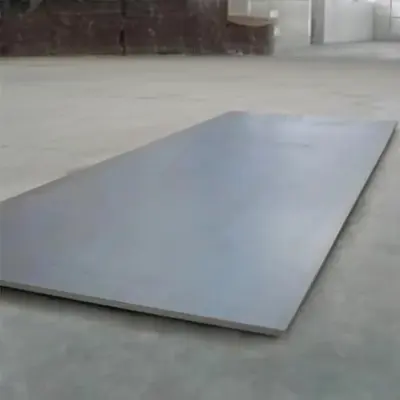
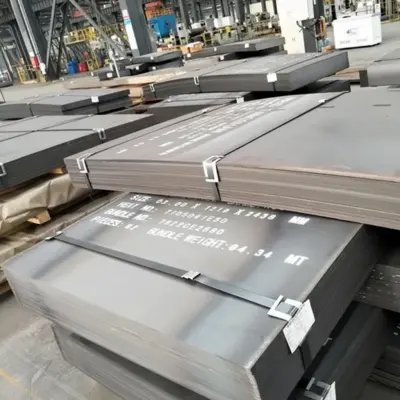
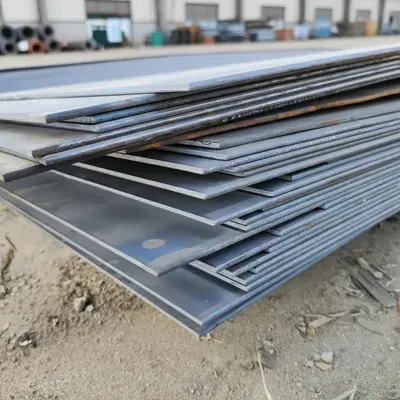
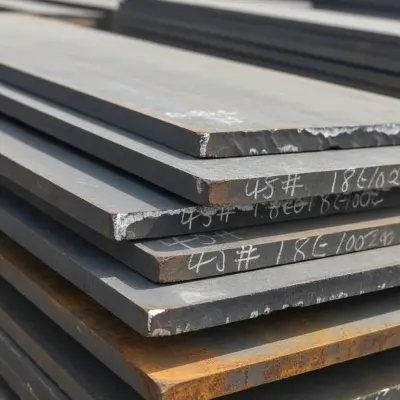
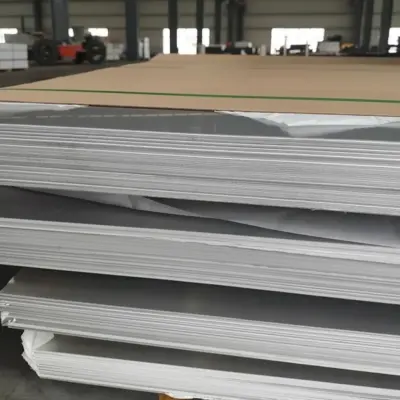
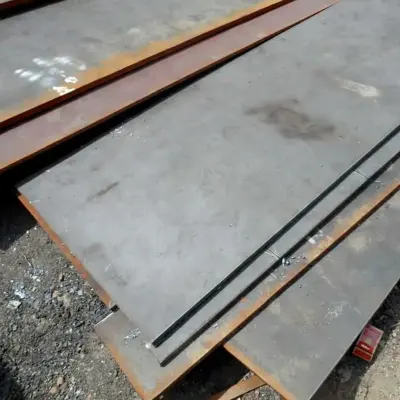
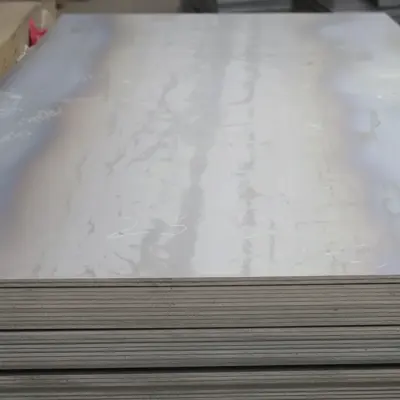
Shipbuilding steel plate thickness represents a critical specification parameter for marine-grade structural materials used in vessel construction and offshore platform fabrication. These precision-rolled plates serve critical roles in hull construction, deck plating, and bulkhead assemblies where dimensional accuracy directly impacts structural integrity and classification society approval. Manufactured to ASTM A131, EN 10025-2, and Lloyd's Register standards, our shipbuilding steel plates are available in thickness ranges from 6mm to 150mm with mill test certificates guaranteeing mechanical properties and impact toughness at specified service temperatures.
What is Shipbuilding Steel Plate Thickness?
Shipbuilding steel plate thickness refers to the dimensional measurement perpendicular to the plate surface, manufactured according to classification society rules including ABS, DNV-GL, Lloyd's Register, and BV specifications. Standard thickness tolerances comply with ASTM A6/A6M with typical variations of ±0.3mm for plates under 20mm and ±0.4mm for plates 20-40mm thick.
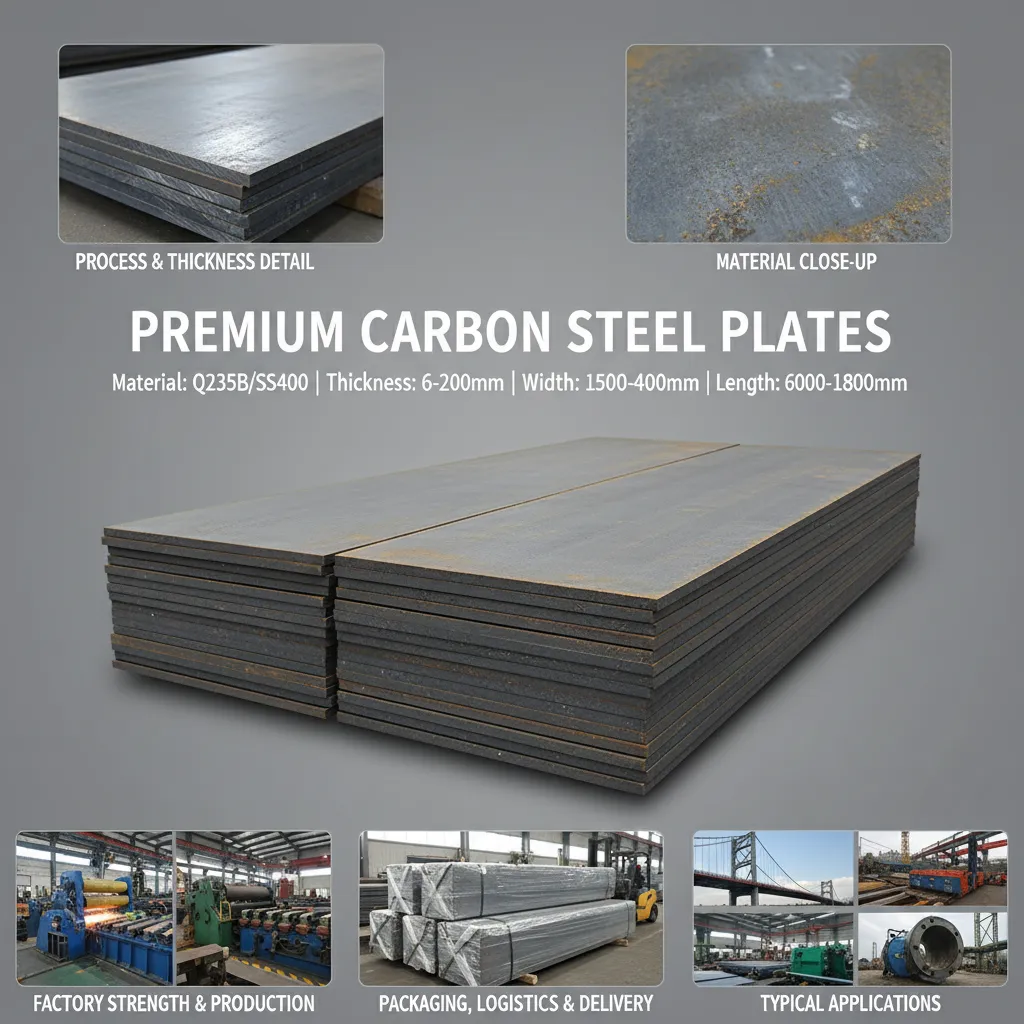
Shipbuilding Steel Plate Thickness Technical Specifications
Our marine-grade plates conform to ASTM A131 Grades A, B, D, E, AH32, DH36, and EH40 with thickness ranging from 6mm to 150mm. Tensile strength meets 400-490 MPa minimum per classification requirements, with Charpy V-notch impact energy of 27J minimum at -20°C for Grade D and -40°C for Grade E specifications.
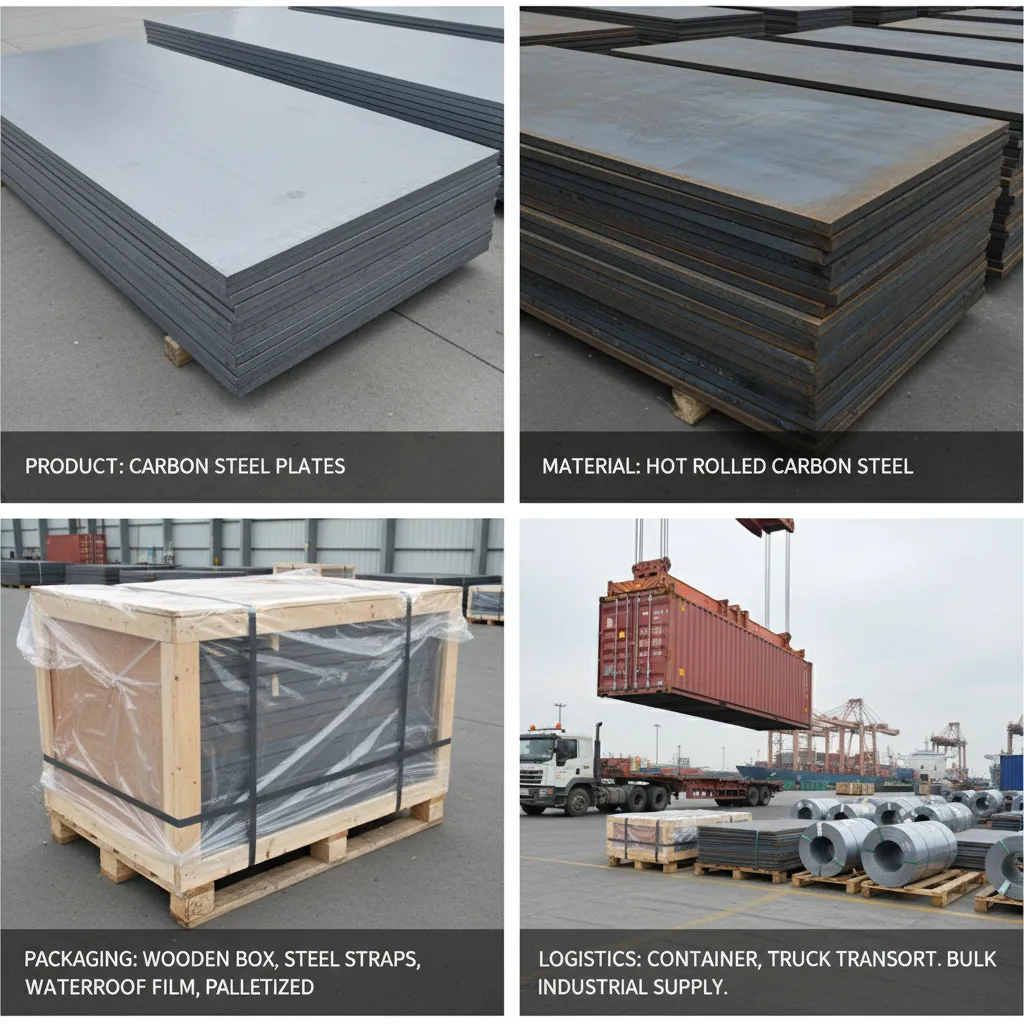
Standard Thickness Ranges for Marine Applications
What thickness ranges are available for hull plating?
Hull plating thickness typically ranges from 8mm to 32mm depending on vessel size and classification rules. Bulk carriers commonly utilize 14-20mm plates for side shell construction, while tankers require 16-25mm thickness to meet longitudinal strength requirements per IACS Common Structural Rules.
Which thickness is recommended for deck structures?
Weather deck plating finds extensive application in 10-16mm thickness range for general cargo vessels, with hatch coaming plates requiring 12-20mm thickness. Strength deck sections on container ships demand 18-30mm plates to withstand torsional loads and green water impact forces.
How does thickness affect corrosion allowance calculations?
Classification societies mandate corrosion additions of 1.5-3.0mm depending on coating system and structural location. For uncoated ballast tanks, designers specify 2.5mm additional thickness beyond calculated scantlings, while cargo oil tanks require 2.0mm corrosion margin per IACS Unified Requirement S21.
Manufacturing Tolerances and Quality Control
What are acceptable thickness tolerances for marine plates?
ASTM A6/A6M specifies thickness tolerances of +0.8/-0.3mm for plates 6-12mm thick, +1.1/-0.4mm for 12-20mm range, and +1.5/-0.5mm for 20-40mm plates. Mill certificates document actual measured thickness at multiple locations with ultrasonic testing verification per EN 10160 Class S1 requirements.
How is thickness uniformity verified during production?
Automated thickness measurement systems scan 100% of plate surface during hot rolling, with data recorded every 50mm longitudinally and across full width. Statistical process control maintains thickness variation within ±0.15mm standard deviation, ensuring consistent mechanical properties throughout the plate cross-section.
Frequently Asked Questions
What is the minimum order quantity (MOQ)?
Our minimum order quantity is 25 metric tons per thickness and grade combination. Mixed thickness orders are acceptable provided total tonnage meets 25MT threshold, with mill-direct pricing available for quantities exceeding 100 metric tons per specification.
Do you provide material test certificates?
We supply EN 10204 3.1 mill test certificates with every shipment, documenting chemical composition per heat analysis, mechanical properties including yield strength and tensile values, Charpy impact results at specified temperatures, and ultrasonic testing acceptance per classification society requirements.
What is the typical delivery time?
Standard thickness ranges (10-30mm) in Grades A, B, and D maintain 15-20 days delivery from our bonded warehouse inventory. Non-standard thickness specifications or higher strength grades AH36/DH40 require 45-60 days mill production lead time with ocean freight transit depending on destination port.
Can you cut to custom sizes?
Our processing facility offers CNC plasma and oxy-fuel cutting services with dimensional tolerance of ±2mm for plates up to 40mm thick. Beveling for welding preparation is available at 30°, 37.5°, and 45° included angles, with edge preparation meeting AWS D1.1 and ISO 9692-1 specifications for marine fabrication requirements.
Get a Competitive Quote for Shipbuilding Steel Plate Thickness
Request factory-direct pricing for your specific thickness requirements with detailed specifications including grade, dimensions, quantity, and delivery location. Our technical sales team provides material selection guidance, classification society documentation support, and logistics coordination for international shipments to major shipbuilding hubs worldwide.
Ratings & Reviews

Know your supplier
Supplier's customization ability
- Drawing-based customization
- Sample-based customization
- Full customization
Minimum order quantity: 1 ton
Shipping total: To be negotiated
- Lead time:
- confirmed with the quotation
- Packaging:
- standard export packing
- Samples:
- available on request