 English
  Español
  Français
  Deutsch
  Português (Brasil)
  Русский
  العربية
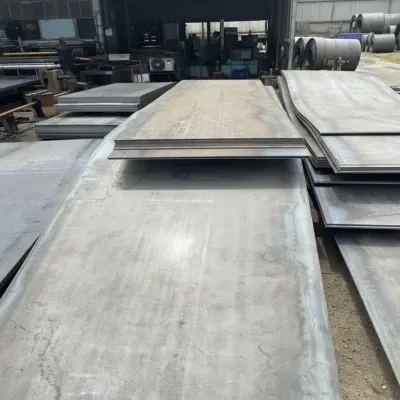
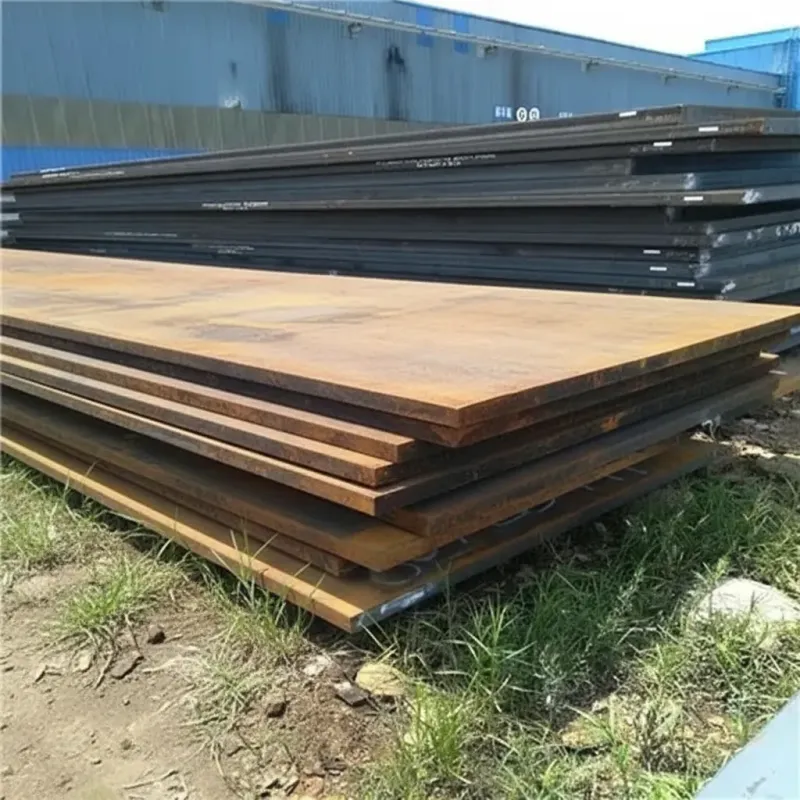
Shipbuilding Steel Plate Specification - ASTM A131, EN10025, ABS Grade

 China
China




Supplier's customization ability
- Drawing-based customization
- Sample-based customization
- Full customization
Minimum order quantity: 1 ton
Shipping total: To be negotiated
- Lead time:
- confirmed with the quotation
- Packaging:
- standard export packing
- Samples:
- available on request
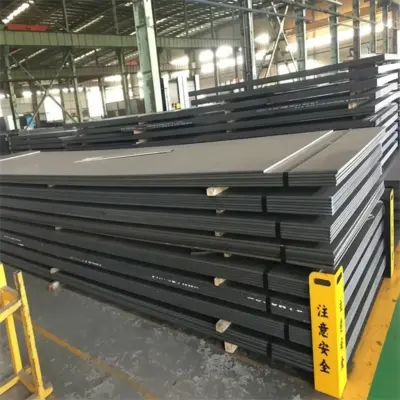
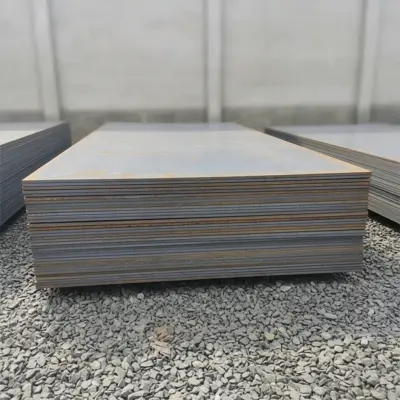


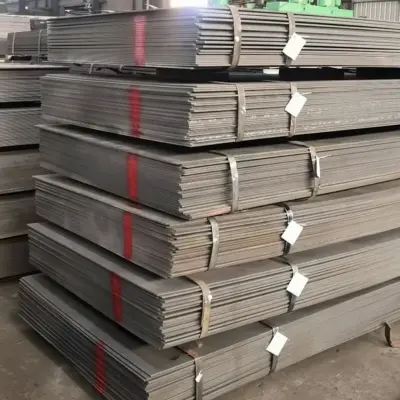
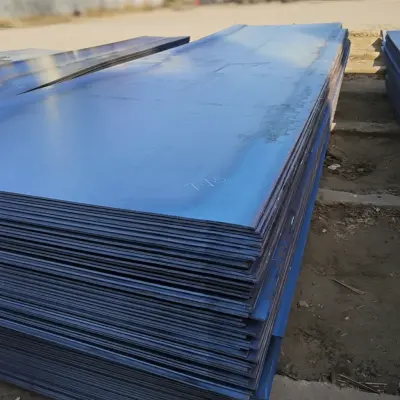
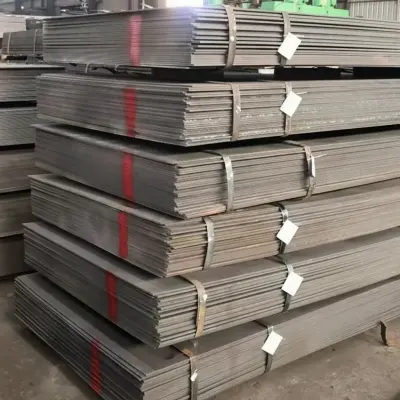
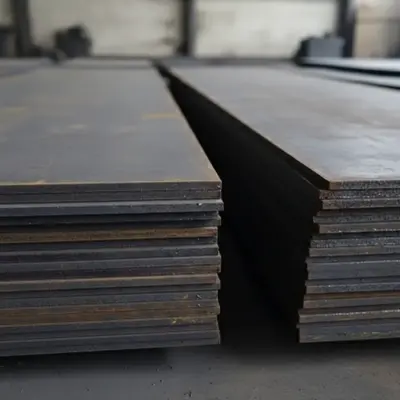
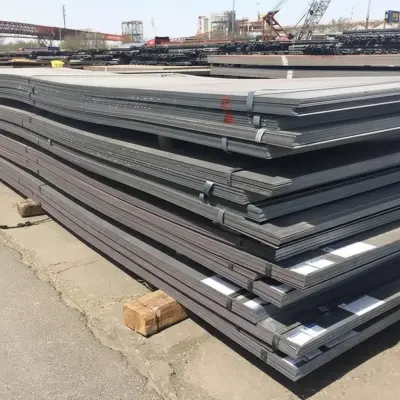
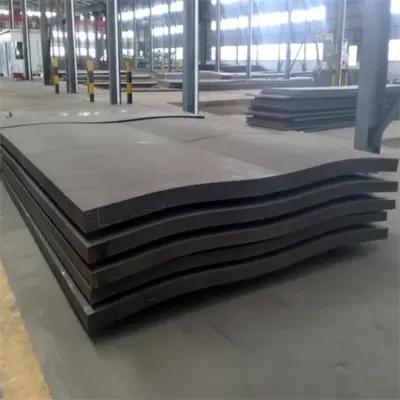
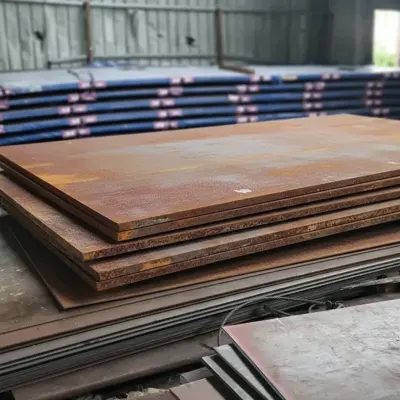
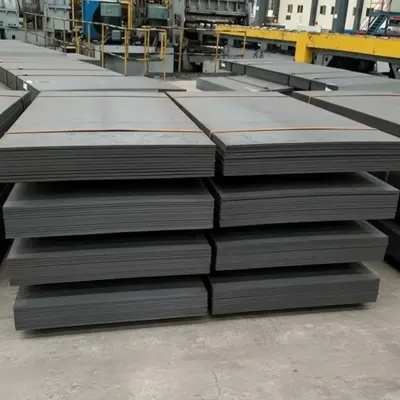
Product details
Technical Specifications of Shipbuilding Steel Plate
| Property | Parameter | Description |
|---|---|---|
| Product Name | Shipbuilding Steel Plate | Marine-grade structural steel for ship hull construction |
| Material Grade | AH32, DH32, EH32, AH36, DH36, EH36 | Classification society approved grades (ABS, DNV, LR, BV) |
| Standard Compliance | ASTM A131, EN 10025-2, GB/T 712 | International shipbuilding steel standards |
| Carbon (C) | ≤0.18% | Controlled for weldability and toughness |
| Manganese (Mn) | 0.90-1.60% | Enhances strength and hardenability |
| Silicon (Si) | 0.10-0.50% | Deoxidizer and strengthening element |
| Phosphorus (P) | ≤0.035% | Controlled for ductility and weldability |
| Sulfur (S) | ≤0.035% | Low sulfur for improved toughness |
| Tensile Strength | 440-590 MPa | Minimum tensile strength per grade requirement |
| Yield Strength | 315-390 MPa | Minimum yield strength varies by grade |
| Elongation | ≥22% | Ductility in 50mm gauge length |
| Impact Energy | ≥34J at -20°C to -40°C | Charpy V-notch impact test for low temperature |
| Thickness Range | 6mm - 100mm | Available thickness for hull construction |
| Width Range | 1500mm - 4000mm | Standard and wide plate options |
| Length Range | 6000mm - 18000mm | Custom lengths available |
| Surface Condition | Hot rolled, shot blasted, primed | Surface treatment options for corrosion protection |
| Application | Ship hull, deck, bulkhead, offshore platforms | Marine structural applications |
| Certification | Mill certificate 3.1, Classification society certificate | ABS, DNV-GL, LR, BV, CCS approved |
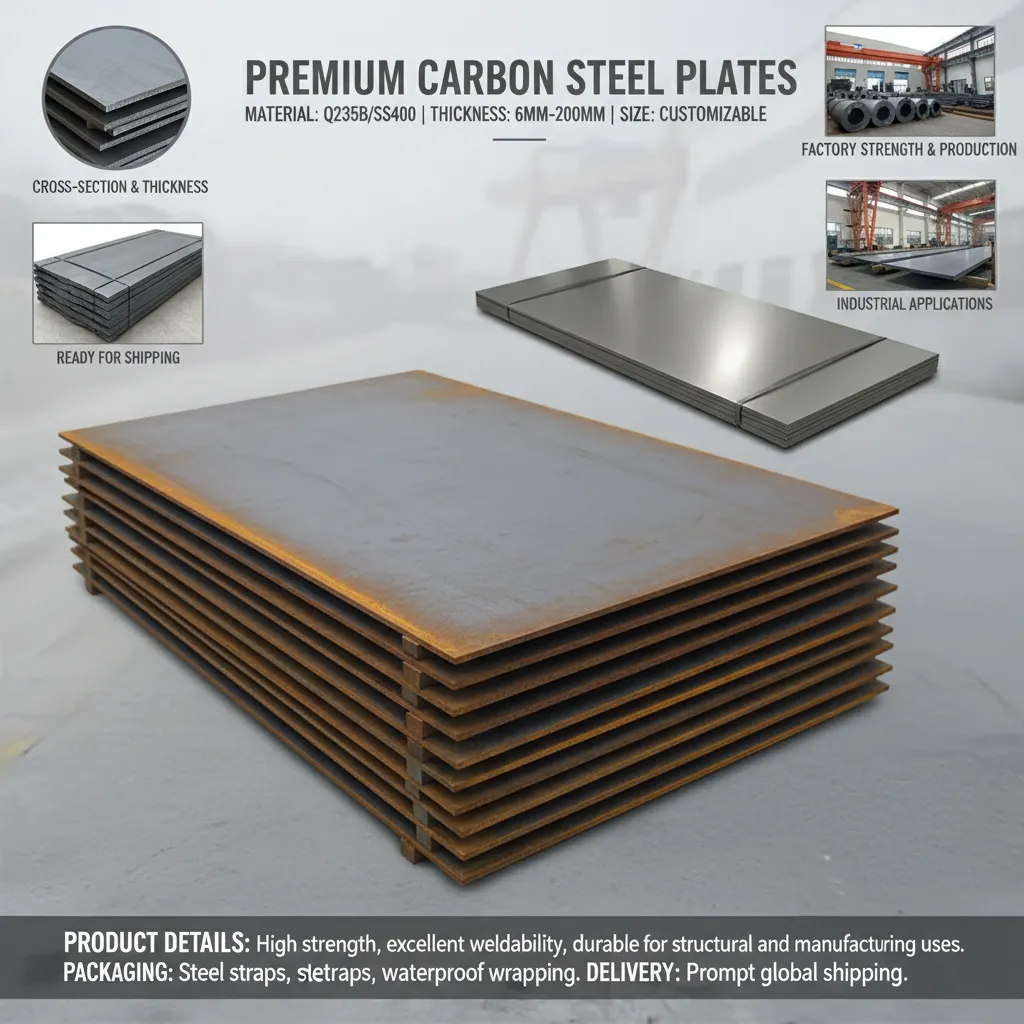
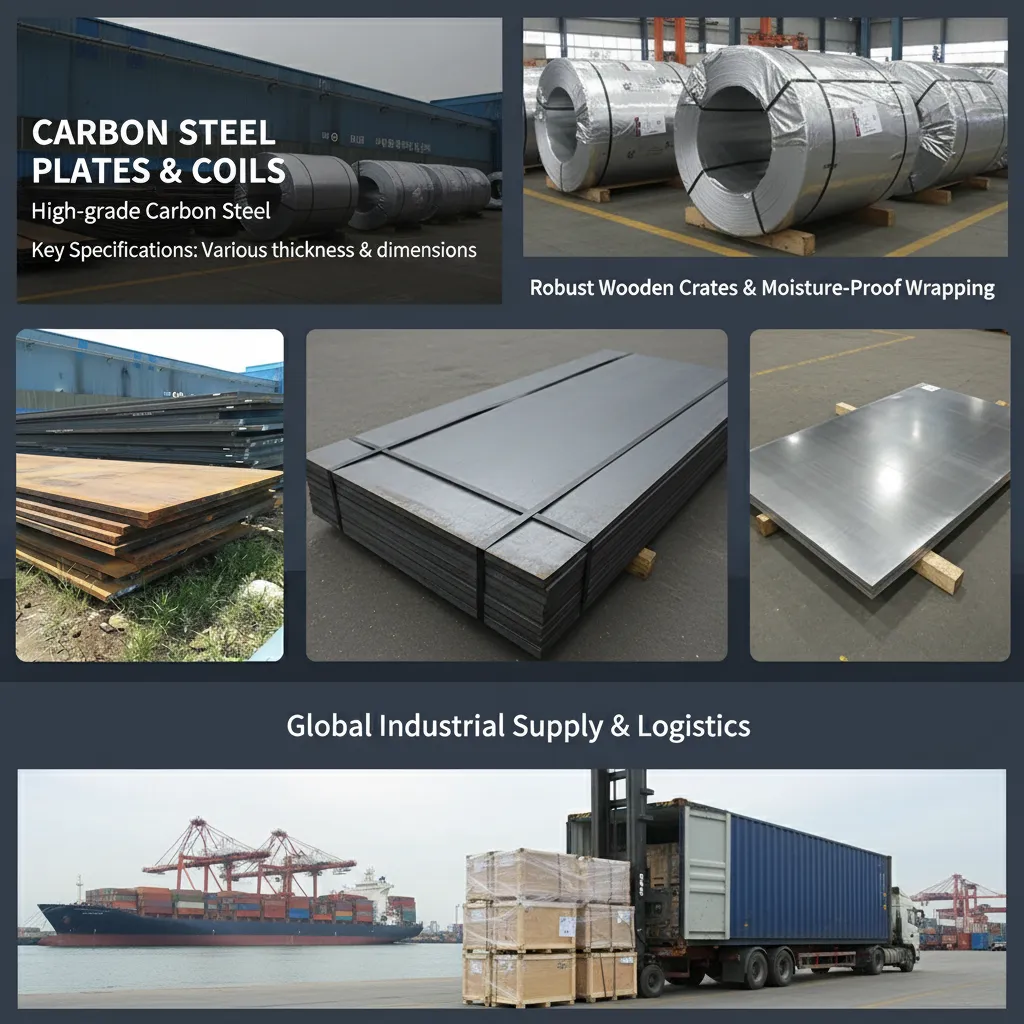
| Packaging | Steel strapping, waterproof cover, wooden support | Seaworthy export packaging |
| MOQ | 10 tons | Minimum order quantity per specification |
Shipbuilding Steel Plate Specification - ASTM A131, EN10025, ABS Grade
Shipbuilding steel plate specification defines the precise technical requirements and quality standards for marine-grade steel materials employed in vessel construction. These specifications encompass critical parameters including chemical composition limits, mechanical property thresholds, dimensional tolerances, and certification protocols mandated by classification societies. Designed for shipyards, naval architects, and marine fabricators, these specifications ensure structural integrity and regulatory compliance across commercial vessels, offshore platforms, and naval applications operating in demanding maritime environments.
What is Shipbuilding Steel Plate Specification?
Shipbuilding steel plate specification represents a comprehensive technical framework governing marine-grade steel materials utilized in hull construction, deck assemblies, and structural components. These specifications are established by international standards organizations and classification societies to guarantee adequate strength, weldability, and corrosion resistance for vessels subjected to dynamic loads, saltwater exposure, and extreme weather conditions throughout their operational lifespan.
Shipbuilding Steel Plate Specification Technical Standards
Primary specifications include ASTM A131/A131M for structural-grade steel with yield strength ranging from 235 MPa (Grade A) to 390 MPa (Grade EH36), EN 10025-2:2019 defining S235JR through S355J2 grades with Charpy V-notch impact testing at -20°C, and classification society standards such as ABS, DNV-GL, Lloyd's Register, and CCS. Chemical composition typically limits carbon content to 0.18% maximum for superior weldability, manganese between 0.90-1.60% for strength enhancement, and sulfur below 0.035% to prevent hot cracking during fabrication processes.
Key Performance Requirements in Marine Specifications
Shipbuilding steel plate specification mandates specific mechanical properties verified through standardized testing protocols. Tensile strength requirements range from 400-520 MPa depending on grade classification, elongation values must exceed 22% in 50mm gauge length per ASTM A370, and impact toughness measured via Charpy V-notch testing demonstrates minimum absorbed energy of 27 Joules at designated temperatures. Dimensional tolerances follow strict parameters with thickness deviation limited to ±0.3mm for plates under 20mm and ±0.4mm for heavier sections according to EN 10029 Class A standards.
Classification Society Approval Process
Marine-grade steel plates require certification from recognized classification societies including American Bureau of Shipping (ABS), Det Norske Veritas - Germanischer Lloyd (DNV-GL), Bureau Veritas (BV), and China Classification Society (CCS). The approval process involves mill certificate verification per EN 10204 Type 3.1 or 3.2 documentation, third-party inspection of production facilities, heat treatment validation, and comprehensive material testing including chemical analysis via optical emission spectroscopy, mechanical property evaluation through universal testing machines, and ultrasonic examination conforming to ASTM A435 for internal discontinuity detection.
Frequently Asked Questions
What is the minimum order quantity for certified shipbuilding plate?
Standard minimum order quantities typically range from 10-25 metric tons per specification grade, though mill-direct procurement may accommodate smaller volumes of 5 tons for specialized grades like AH36 or DH36 with extended lead times of 8-12 weeks. Consolidated orders combining multiple thicknesses within the same grade classification often qualify for reduced MOQ thresholds and preferential pricing structures.
Do you provide material test certificates for marine applications?
All shipbuilding steel plates are supplied with comprehensive mill test certificates conforming to EN 10204 Type 3.1 standards, documenting chemical composition analysis results, mechanical property test data including tensile strength and impact values, heat treatment parameters, and classification society certification stamps. Additional third-party inspection certificates from agencies such as SGS, Bureau Veritas, or Lloyd's Register can be arranged upon request with 5-7 business days processing time.
What is the typical delivery time for specification-compliant plates?
Standard-grade shipbuilding plates (A, B, D, E per ASTM A131) maintain inventory availability with delivery timeframes of 15-25 days from order confirmation. Higher-strength grades including AH32, DH36, and EH36 require mill production scheduling with lead times extending to 45-60 days depending on thickness requirements and classification society inspection coordination. Expedited processing is available for critical projects with premium freight arrangements.
Can you cut shipbuilding plates to custom dimensions?
Precision cutting services are available utilizing CNC plasma cutting systems with tolerance accuracy of ±2mm for dimensions up to 12 meters, oxy-fuel cutting for thicker sections exceeding 50mm, and water jet cutting for complex geometries requiring burr-free edges. Edge preparation for welding including beveling at specified angles (typically 30-45 degrees) and land face dimensions can be executed per approved fabrication drawings with dimensional inspection reports provided upon delivery.
Get a Competitive Quote for Shipbuilding Steel Plate Specification
Request detailed quotations for classification society-approved shipbuilding steel plates by providing your project specifications including grade requirements, thickness range, dimensional parameters, quantity estimates, and delivery location. Our technical sales team delivers comprehensive proposals within 24 hours featuring mill-direct pricing, certification documentation packages, quality assurance protocols, and logistics coordination for seamless integration into your vessel construction timeline.
Ratings & Reviews

Know your supplier
Supplier's customization ability
- Drawing-based customization
- Sample-based customization
- Full customization
Minimum order quantity: 1 ton
Shipping total: To be negotiated
- Lead time:
- confirmed with the quotation
- Packaging:
- standard export packing
- Samples:
- available on request