 English
 简体中文
 Español
 Français
 Deutsch
 Português (Brasil)
 Русский
 العربية

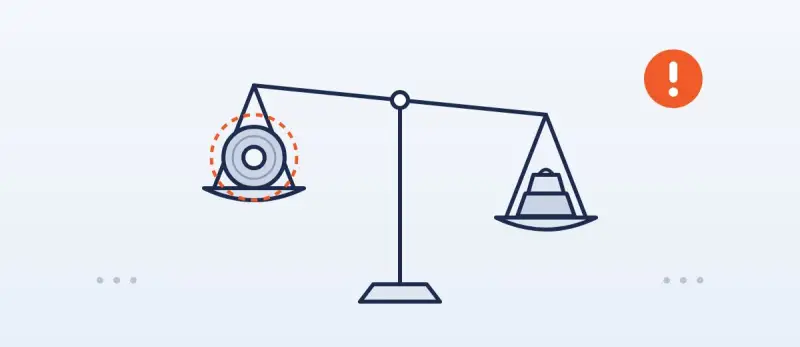
Two of the oldest tricks in the metal trade: a cheaper grade in place of the one you ordered, or less steel than you paid for. How they work, real cases, and how to check.
Short answer: write the grade, the standard, the tolerance and how weight is measured into the contract. Before you pay the balance, have an inspector you choose test the material with an analyzer, measure it and weigh it.
How the two tricks work
Wrong grade. The label and the paperwork say one thing; the steel is another.
- A cheaper grade shipped under the name of a better one, for example 201 stainless sent as 304. Both look the same, and a magnet cannot tell them apart.
- Secondary or defective material sold as prime.
- A mixed lot: the top layer is right, the rest is not.
Short weight. You pay for more steel than you receive.
- You pay by theoretical weight, but every piece is rolled to the thin end of the allowed tolerance. It can be inside the standard and still be less steel than you priced.
- Wood, straps and packing counted as steel.
- Fewer bundles or coils than the invoice says.
Real cases
- Nickel that was not nickel (London, 2026). Between January and October 2022, a commodity trader paid about US$500 million for 107 cargoes sold as exchange-grade nickel. The bills of lading and insurance certificates said nickel; inspections from late 2022 found none. The English High Court found that what was supplied "were metals of low value (such as stainless steel or iron briquettes), or in fact wholly worthless material", and held the man behind the selling companies personally liable for around US$500 million. The 91 main cargoes were later sold for just under US$10 million.
- Stones in the bags (Rotterdam, 2023). The London Metal Exchange cancelled nine nickel warrants (exchange receipts for stored metal). It said the irregularities "were evident from, among other things, the weight of the bags", and reminded warehouses to weigh all metal. Reuters, citing people familiar with the matter, reported that the bags, about 54 tonnes, contained stones instead of nickel.
- Painted rocks instead of copper (2021). A trader paid US$36 million for about 6,000 tons of copper shipped from Turkey in more than 300 containers. In China, the containers turned out to hold painted rocks. Bloomberg reported that the fraudsters "switched between fake and real container seals in an effort to avoid detection", and that only one of seven insurance contracts was genuine.
What these cases have in common: the paperwork looked right. The goods were found out only when someone weighed, opened or tested them.
Warning signs
- A price well below the market for the grade you asked for.
- The seller refuses an inspector you choose, or insists on their own.
- Coil or bundle labels whose heat numbers do not match the mill certificate.
- An invoice by theoretical weight with no tolerance written down.
- Pressure to pay the balance before anyone has checked the goods.
How to protect yourself
- Put it in the contract. Grade and standard, sizes and tolerances, how weight is measured (actual weight on a certified weighbridge, or theoretical weight with a stated limit), who inspects, and what happens if the goods fail.
- Inspect before shipment, with an inspector you choose. Check the alloy with a handheld analyzer (positive material identification), measure thickness or wall at several points, weigh sample bundles, count pieces, match label heat numbers to the mill certificate, and photograph the container seal numbers.
- Compare the weights on the paperwork. Weighbridge tickets, net and gross weight on the packing list, and the container's verified gross mass should tell the same story. Since July 2016, a packed container may not be loaded onto a ship without a verified gross mass, weighed on calibrated, certified equipment. For steel, a weighbridge is far more precise than a ship's draught survey: about ±5 kg on a 20-tonne weighbridge, against ±0.5% at best for a draught survey.
- Pay the balance against the inspection report, not before it.
- Keep the evidence. Photos, samples and reports are what a claim is built on.
How SinoAli handles it
Your contract is with a registered Chinese company, and you choose who inspects. We can help clarify specifications, check documents, coordinate inspection and arrange dispatch steps. Any product on sinoali.com can be bought through a SinoAli contract.
Sources
- High Court of England and Wales, Trafigura Pte Ltd v Prateek Gupta, EWHC 159 (Comm), 30 January 2026
- London Metal Exchange, Notice 23/044: Invalidation of nine nickel warrants, 17 March 2023
- Reuters via Kitco, Nickel that failed LME standards was found in Access World warehouses, 21 March 2023
- Bloomberg News via Portland Press Herald, Trader buys $36 million of copper, gets painted rocks instead, 9 March 2021
- UK P&I Club, Carefully to Carry 2023: Draught surveys and Cargo measurement
- International Maritime Organization, New ship safety rule to prevent loss of containers enters into force, 30 June 2016