 English
 简体中文
 Español
 Français
 Deutsch
 Português (Brasil)
 Русский
 العربية

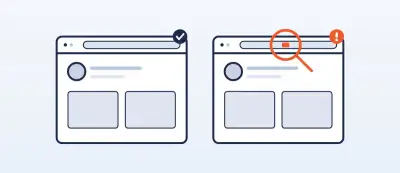
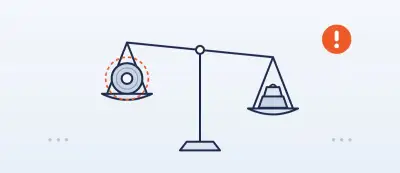
A mill test certificate is a claim, not proof. How certificates go wrong, real cases from official records, and how to check one before you pay.
Short answer: a mill test certificate is only as reliable as whoever issued it. Ask for a type 3.1 certificate under EN 10204 issued by the producing mill, check that its heat numbers match the marks on the steel, and for important orders have your own inspector take samples for testing.
What a mill test certificate should be
EN 10204 defines the common types of inspection document:
| Type | What it is |
|---|---|
| 2.1 | A declaration that the product complies with the order, with no test results |
| 2.2 | Test results from the manufacturer, not necessarily from your batch |
| 3.1 | Results of tests on your actual batch, confirmed by the manufacturer's inspector who is independent of production |
| 3.2 | Like 3.1, and also confirmed by the buyer's inspector or a third party |
For most steel orders, ask for 3.1 issued by the mill that made the steel. For critical uses, consider 3.2.
How certificates go wrong
- Copied: a genuine certificate from another shipment, reused for yours.
- Issued by the wrong party: a trader or processor prints its own "mill certificate".
- Edited: real test results changed to meet the specification.
- Mismatched: a valid certificate, but for a different grade, size or heat.
What official records show
- United States, 2010. In an anti-dumping investigation of steel grating, the US Department of Commerce recorded that one manufacturer created its own mill test certificates, which it admitted were unreliable, and that it could not determine the chemical properties of the steel it bought. Certificates it created had been filed with US customs by the importer.
- Japan, 2017. A major Japanese metals producer announced that data in inspection certificates had been improperly rewritten, and that products which did not meet customer specifications had been shipped as if they did. It listed about 19,300 tons of aluminium flat-rolled and extruded products and about 2,200 tons of copper strip and tube shipped in one year.
- United States, 2022. A former director of metallurgy at a US foundry was sentenced to 30 months in prison and a $50,000 fine for falsifying strength and toughness test results for at least 240 productions of steel made for US Navy submarines, from 1985 to 2017. A trainee noticed the suspicious results in 2017.
The lesson: certificates can be wrong even from large, established producers. Treat the certificate as a claim, and check it.
Warning signs
- The certificate comes from a trading company, not from the mill that made the steel.
- No certificate number, no mill address, or no inspector's name.
- The heat or batch number is not marked on the steel.
- The same heat number appears on an earlier shipment from a different time.
- Every result sits exactly at the minimum, or different heats show identical results.
- A blurred scan, mixed fonts, or numbers that look pasted in.
- The certificate is dated before your order, or after the goods were loaded.
How to check a certificate
- Name the certificate in the contract: type 3.1 under EN 10204, issued by the producing mill, with the test items you need.
- Match the heat numbers. Ask your inspector to photograph the mill label and the painted heat number on each coil, bundle or plate, next to the certificate.
- Ask the mill to confirm it. Many large mills can confirm a certificate number, and some print a QR code for an online check.
- Test what matters. For important orders, have your inspector take samples for chemical analysis and tensile tests at an independent laboratory.
For the full 10-point checklist, see How to buy steel from China without getting scammed.
If you have already received doubtful steel
- Stop processing it, and keep the material separate.
- Keep samples, photographs of the markings, the certificate and all shipping documents.
- Have samples tested by an independent laboratory.
- Notify the seller in writing within the claim period in your contract.
- Ask a lawyer and your insurer where you stand. This page is general information, not legal advice.
How it works when your contract is with SinoAli
You choose the inspection company (SGS, BV or any third party). We send you the inspection report before the goods are loaded, and you pay the balance only after you have seen it. If the goods fail inspection, they are not shipped: we arrange replacement goods and a new inspection, and if the replacement still fails, we refund your full deposit within 7 working days.
Questions buyers ask
Is a type 3.1 certificate enough? For most orders, yes, if it comes from the producing mill and its heat numbers match the steel. For critical uses, ask for 3.2 or test samples independently.
Can a trader issue a mill test certificate? A trader can pass on the mill's certificate, but it should not issue its own. Ask for the original mill certificate.
How do I know the certificate belongs to my steel? Match the heat or batch numbers on the certificate with the marks on every coil, bundle or plate.
Sources
- US Department of Commerce, Certain Steel Grating From the People's Republic of China: Final Determination of Sales at Less Than Fair Value, Federal Register Vol. 75 No. 109, 8 June 2010
- Kobe Steel, press release of 8 October 2017
- US Attorney's Office, Western District of Washington, Former lab director sentenced to prison for falsifying results of steel testing for parts for Navy subs; NBC News, Metallurgist admits faking steel strength test results for Navy subs