 English
  Español
  Français
  Deutsch
  Português (Brasil)
  Русский
  العربية
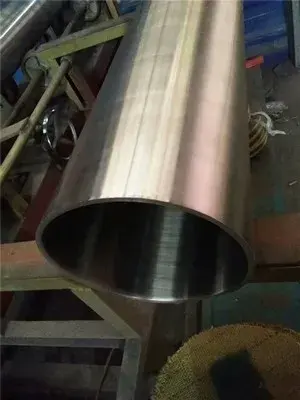
316l stainless steel pipe

 China
China
Supplier's customization ability
- Drawing-based customization
- Sample-based customization
- Full customization
Minimum order quantity: 1 Ton
Shipping total: To be negotiated
- Lead time:
- confirmed with the quotation
- Packaging:
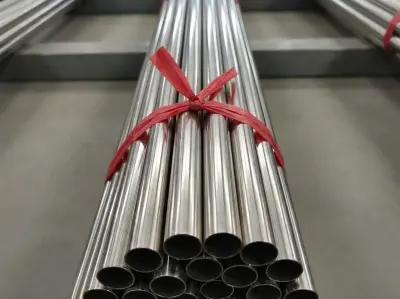
- standard export packing
- Samples:
- available on request
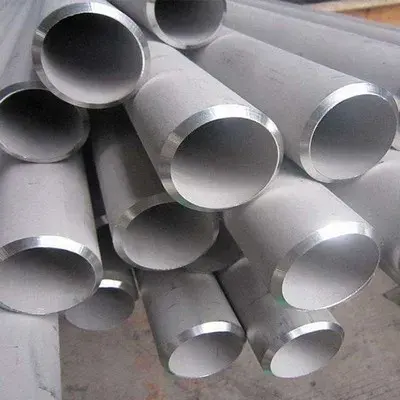
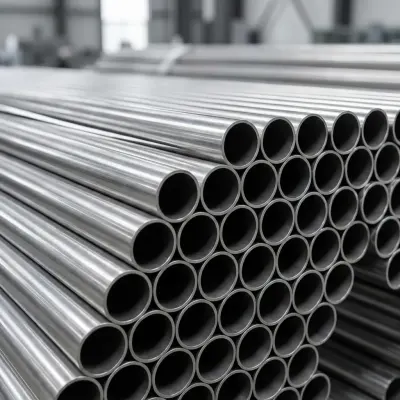
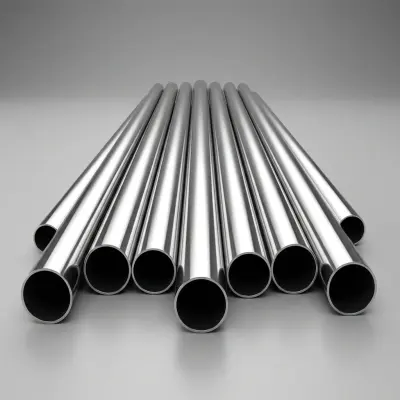
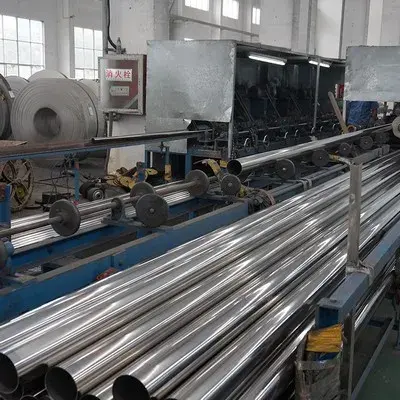
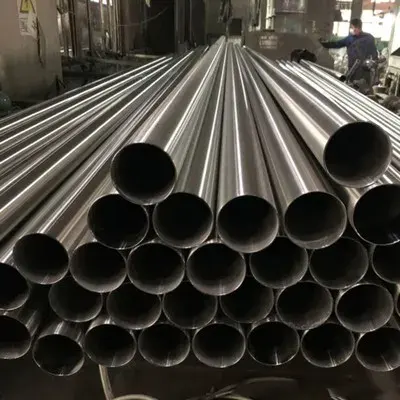
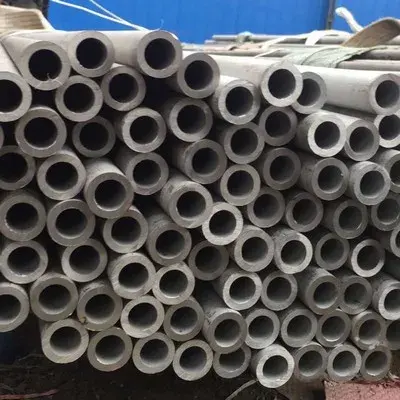
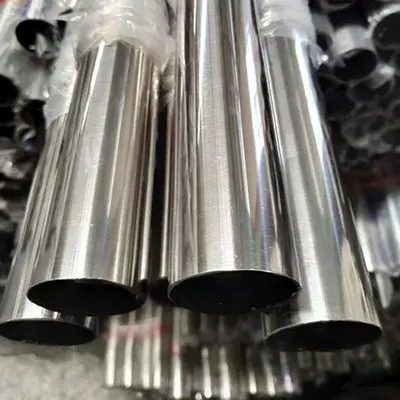
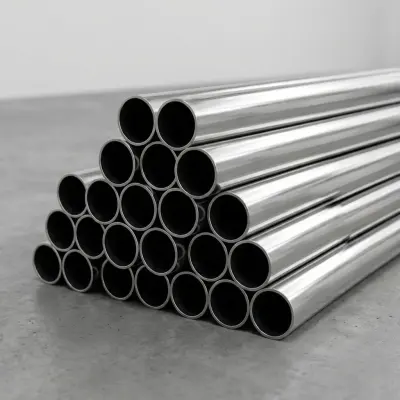
Product details
316l Stainless Steel Pipe Product Attributes
| Property | Parameter | Description |
|---|---|---|
| Material Grade | 316L Stainless Steel | Low-carbon austenitic stainless steel containing Cr 16-18%, Ni 10-14%, Mo 2-3% . |
| Chromium Content | 16 – 18% | Provides primary corrosion resistance and oxidation protection . |
| Nickel Content | 10 – 14% | Enhances corrosion resistance and formability compared to 304 . |
| Molybdenum Content | 2 – 3% | Key differentiator; improves pitting and crevice corrosion resistance . |
| Carbon Content | ≤ 0.03% (low-carbon specification) | Ultra-low carbon prevents intergranular corrosion and sensitization . |
| Density | 8.0 g/cm³ | Mass per unit volume of 316L stainless steel . |
| Melting Point | 1450°C | Temperature at which 316L stainless steel transitions to liquid state . |
| Tensile Strength | 515 – 620 MPa | Ultimate strength under tension; varies with annealing condition . |
| Yield Strength | 205 – 310 MPa | Stress at which permanent deformation begins . |
| Modulus of Elasticity | 193 GPa | Measures stiffness and rigidity of the material . |
| Elongation | ≥ 40% (annealed) | Ductility indicating material flexibility before breaking . |
| Hardness | ≤ 217 HV (annealed) | Rockwell B scale: 70-80; measured in Vickers hardness units . |
| Outer Diameter (OD) | 5.8 mm – 508 mm | Comprehensive range from small bore to large diameter applications . |
| Wall Thickness | 0.3 – 50 mm | Multiple thicknesses available for various pressure and strength requirements . |
| Operating Temperature | -196°C to +870°C | Wide temperature range suitable for cryogenic to high-heat applications . |
| Corrosion Resistance | Superior (vs 304, similar to 316) | Enhanced resistance to pitting, crevice corrosion, and chloride environments . |
| Pitting Resistance | PREN ≈ 43 | Pitting Resistance Equivalent Number; equivalent to standard 316 . |
| Intergranular Corrosion | Excellent resistance (due to low C) | Low carbon content prevents chromium carbide precipitation . |
| Weldability | Superior (vs standard 316) | Low carbon eliminates need for post-weld annealing in most applications . |
| Magnetic Properties | Austenitic (non-magnetic) | 316L stainless remains non-magnetic in annealed state . |
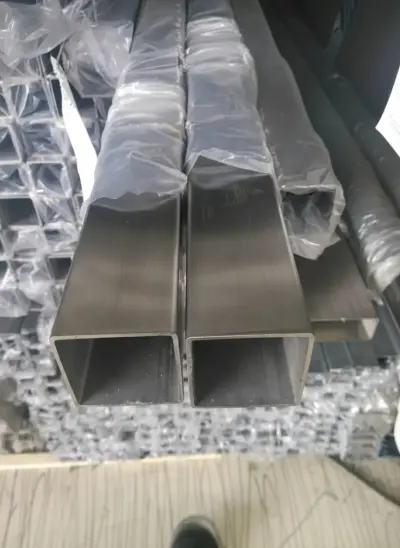
| Manufacturing Type | Seamless, Welded | Available in both seamless (hot/cold rolled) and welded configurations . |
| Standards | ASTM A312, ASTM A213, DIN 17456 | Compliance with international pipe manufacturing standards . |
| Diameter Range | 5.8 mm – 508 mm | Covers small bore to large diameter industrial applications . |
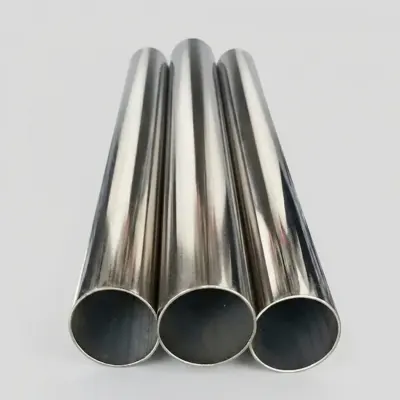
| Surface Finish | Polished, Pickled, Mill, Bright | Available in multiple finishes for sanitary, decorative, or industrial use . |
| Tolerance (OD) | ±0.3 – 0.5 mm (seamless) | Precision dimensional accuracy per ASTM standards . |
| Applications | Marine, offshore, chemical, pharmaceutical | Used where superior corrosion resistance in harsh environments is critical . |
| Sensitization Risk | Minimal (low carbon grade) | Low carbon prevents chromium depletion at weld HAZ . |
| Post-Weld Treatment | Generally not required | Low carbon eliminates need for post-weld annealing in most cases . |
| Cost | Higher than 304 (similar to 316) | Premium pricing due to molybdenum content and low-carbon specification . |
| Typical Applications | Desalination, pulp & paper, pharmaceutical | Used in applications with aggressive corrosive environments . |
316l Stainless Steel Pipe Product Introduction
Critical Applications of 316L Stainless Steel Pipe in Corrosive and Sensitive Environments
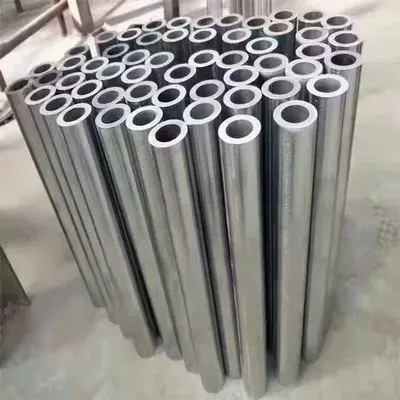
The 316L stainless steel pipe represents a specialized low-carbon variant engineered for extreme corrosion resistance in aggressive chemical environments and sensitive pharmaceutical applications. A 316L stainless steel pipe delivers superior performance in marine installations, coastal industrial facilities, and offshore platforms where salt spray and chloride exposure create severe corrosion challenges. Pharmaceutical manufacturing, biotechnology laboratories, and medical device production depend on 316L stainless steel pipes for absolute purity, minimal contamination risk, and compliance with FDA and GMP regulatory standards. The 316L stainless steel pipe excels in chemical processing plants, desalination facilities, and pulp and paper mills where aggressive chemicals and temperature fluctuations demand material reliability. Industries including semiconductor fabrication and advanced research facilities specify 316L stainless steel pipes when both superior corrosion resistance and product purity are non-negotiable requirements. When selecting 316L stainless steel pipe solutions, engineers prioritize low-carbon formulation reducing sensitization risk, enhanced resistance to pitting and crevice corrosion, and regulatory compliance certifications, making these premium pipes essential investments for applications where material failure or contamination cannot be tolerated.
Metallurgical Composition and Technical Specifications for 316L Stainless Steel Tubing
Understanding the advanced low-carbon metallurgical properties and precise specifications of 316L stainless steel pipe ensures optimal material selection for highly specialized applications. The 316L stainless steel pipe contains approximately 16-18% chromium, 10-14% nickel, 2-3% molybdenum, and critically, reduced carbon content below 0.03% compared to standard 316 grade, preventing chromium carbide precipitation during welding. Standard dimensions for 316L stainless steel pipes range from 0.5 inches to 24 inches in diameter, with wall thickness schedules including 10S, 40, and 80, accommodating diverse pressure and flow requirements. Available in seamless or welded configurations, 316L stainless steel pipe variants deliver maximum corrosion resistance with seamless options providing superior strength and purity for critical applications. Tensile strength typically ranges from 620 to 825 MPa, maintaining excellent yield strength and elongation properties enabling secure long-term performance in demanding environments. Strict compliance with ASTM A312, ASTM A269, EN 10216-5, and ISO 1127 international standards guarantees certified low-carbon composition, documented corrosion resistance data, and complete material traceability throughout manufacturing of 316L stainless steel pipe products.
Performance Advantages and Strategic Industry Applications of 316L Stainless Steel Piping Solutions
The exceptional properties of 316L stainless steel pipe establish it as the premier choice for applications demanding maximum corrosion resistance and absolute material purity. Superior pitting and crevice corrosion resistance ensures extended service life in marine, coastal, and chemically aggressive environments where conventional stainless steels rapidly degrade. A 316L stainless steel pipe maintains excellent mechanical properties across temperature ranges supporting both cryogenic applications and moderately elevated-temperature service without compromising structural integrity. Its low-carbon formulation eliminates sensitization concerns, making 316L stainless steel pipe ideal for post-weld applications where standard grades experience enhanced corrosion vulnerability near heat-affected zones. Hygienic, easily sanitizable surface properties make 316L stainless steel pipe invaluable in pharmaceutical, biotech, and food processing facilities requiring strict contamination control and regulatory compliance documentation. Companies investing in 316L stainless steel pipe infrastructure realize substantial competitive advantages including enhanced system reliability, extended equipment service life, regulatory compliance assurance, reduced maintenance requirements, and measurable performance superiority compared to standard 316 or alternative materials in pharmaceutical, marine, and chemically aggressive industrial applications.
Ratings & Reviews
No reviews yet
Know your supplier
Product Display
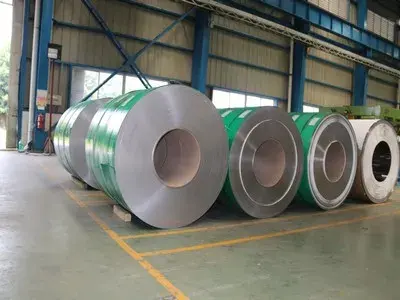
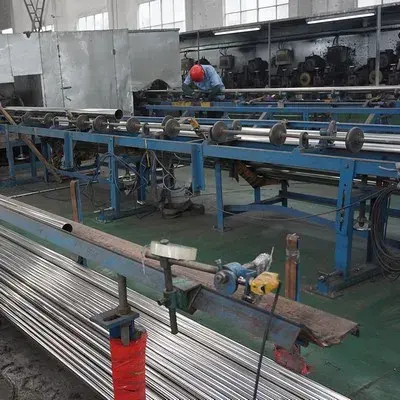
After more than a decade of continuous investment and innovation, Feihong Steel Co., Ltd. has now developed into a leading enterprise in the industry with a complete industrial chain, a wide range of product specifications, prompt supply, excellent product quality, strong industry influence and good social reputation. Currently, our products are mainly sold to the eastern region of China and over 40 countries and regions, such as Southeast Asia, South Asia, West Asia, Eastern Europe, South America, etc. Our stainless steel series products have consistently ranked among the top in China for many years.
Supplier's customization ability
- Drawing-based customization
- Sample-based customization
- Full customization
Minimum order quantity: 1 Ton
Shipping total: To be negotiated
- Lead time:
- confirmed with the quotation
- Packaging:
- standard export packing
- Samples:
- available on request