 English
  Español
  Français
  Deutsch
  Português (Brasil)
  Русский
  العربية
stainless steel 304 coil quotes

 China
China
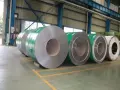
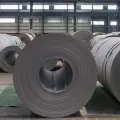
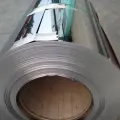

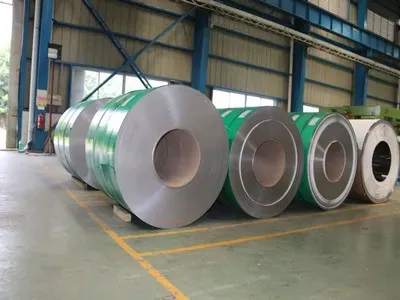
Supplier's customization ability
- Drawing-based customization
- Sample-based customization
- Full customization
Minimum order quantity: 1 ton
Shipping total: To be negotiated
- Lead time:
- confirmed with the quotation
- Packaging:
- standard export packing
- Samples:
- available on request
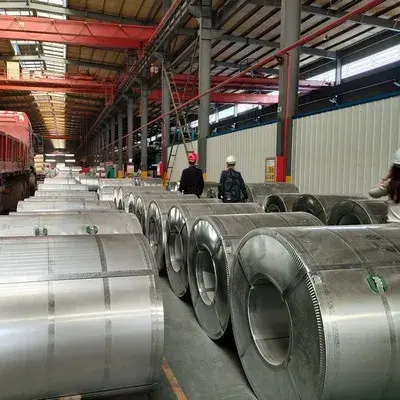
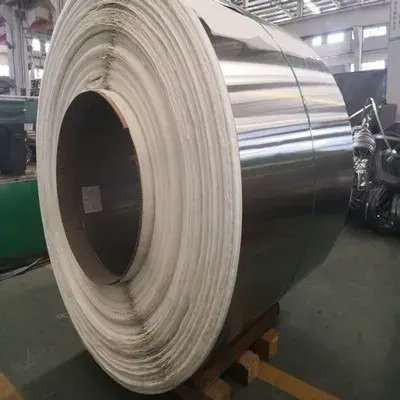
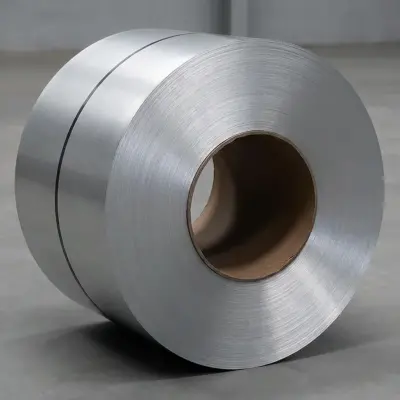
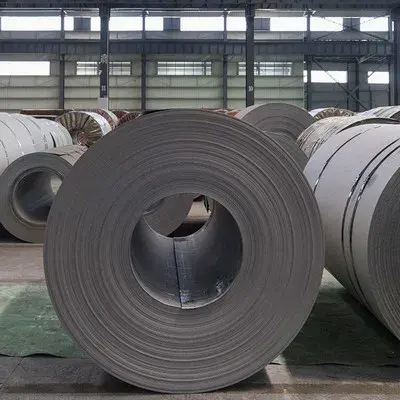
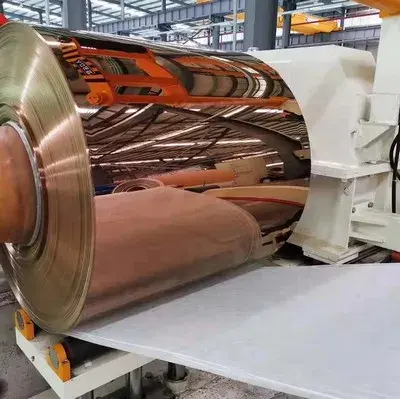
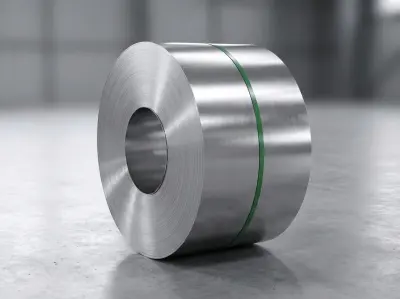
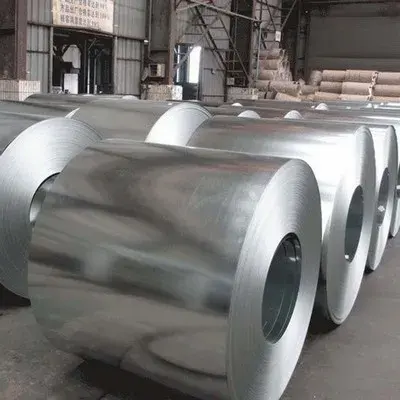
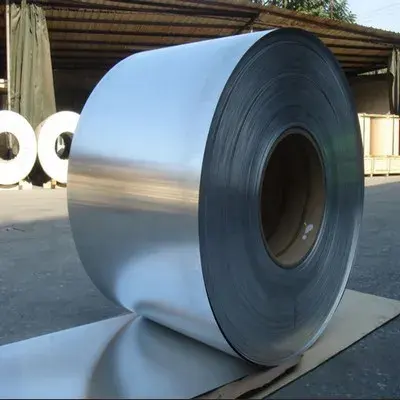
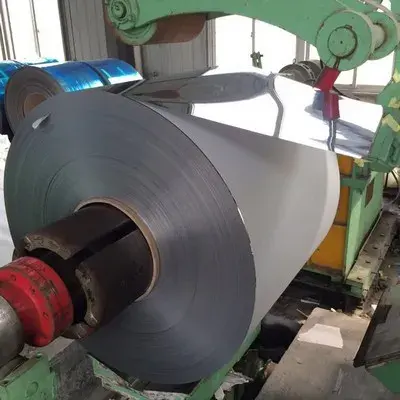
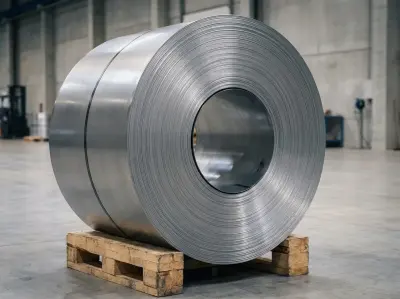
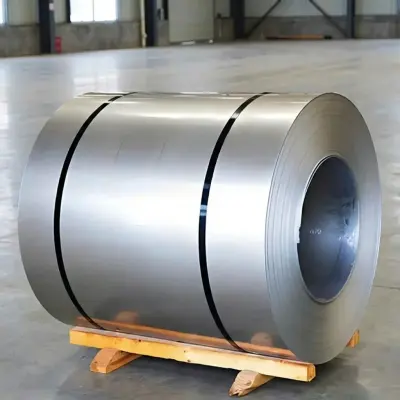
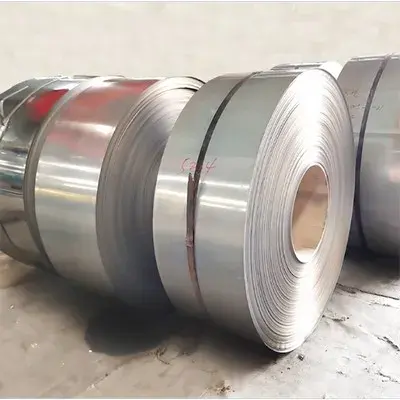
Product details
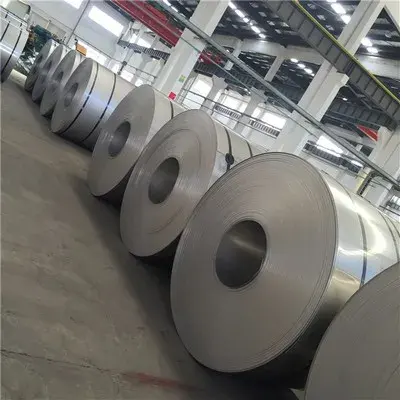
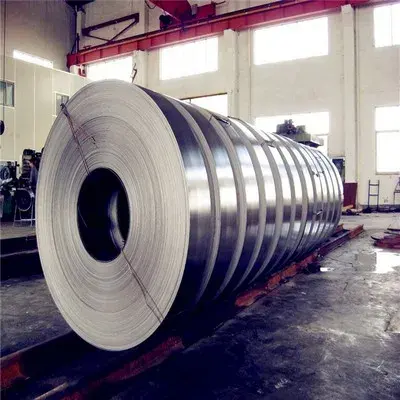
Stainless Steel 304 Coil Quotes Introduction
Applications of Stainless Steel 304 Coil and Quote Considerations
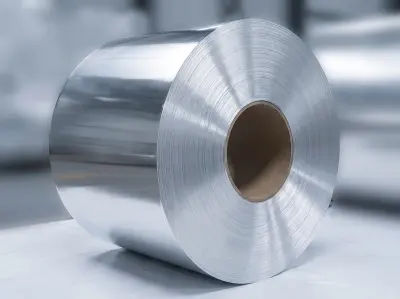
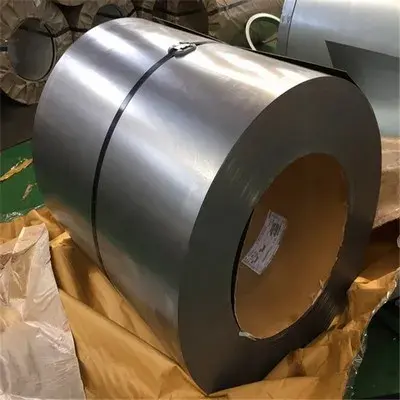
Stainless Steel 304 Coil Quotes are essential for buyers seeking reliable materials widely used across industries such as food processing, chemical manufacturing, architecture, and medical equipment. Known for its excellent corrosion resistance and ease of fabrication, this austenitic steel serves critical roles in kitchen appliances, storage tanks, and structural components. The long tail keyword "affordable stainless steel 304 coil quotes for food industry" underscores the demand for price-competitive, high-quality coils suitable for hygienic environments. Accurate quotes allow buyers to assess cost-effectiveness while ensuring the material meets technical and regulatory standards necessary for demanding applications.
Key Specifications Influencing Stainless Steel 304 Coil Quotes
Pricing of stainless steel 304 coil is tightly linked to its specifications including thickness (ranging from 0.02mm to 6.0mm), width (1mm to 1500mm), and surface finish (e.g., 2B, BA, NO.1). The chemical composition typically includes 18-20% chromium and 8-11% nickel, ensuring strong resistance to oxidation and corrosion. The long tail keyword "304 stainless steel coil specifications affecting price" highlights critical factors impacting quotes such as hardness, tensile strength (~520 MPa), and yield strength (~205 MPa). Variability in market conditions like raw material costs and demand further influences pricing, making a thorough understanding of specs crucial when requesting quotes.
Performance Benefits and Industry Suitability Detailed in Quotes
Stainless steel 304 coil’s key advantages include exceptional corrosion resistance, good formability, and weldability, making it versatile for industries like construction, automotive, and chemical processing. The long tail keyword “stainless steel 304 coil performance benefits for construction” reflects its growing utility in structural applications where strength and durability are paramount. Buyers reviewing quotes should consider the material’s ability to withstand temperatures up to 870°C intermittently, its fair resistance to pitting, and suitability for environments exposed to moisture and mild chemicals. Understanding these benefits alongside competitive quotes helps decision-makers secure durable materials that optimize project lifecycles and costs.
Stainless Steel 304 Coil Quotes Attributes
| Attribute | Parameter | Description |
|---|---|---|
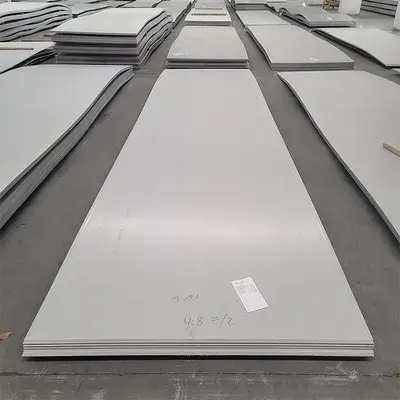
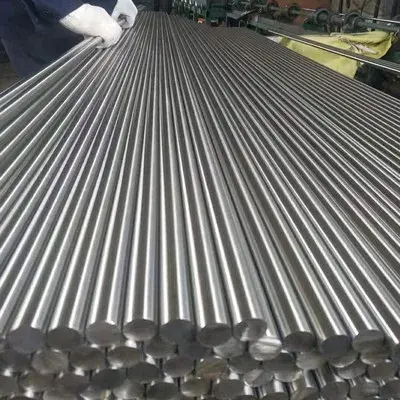
| Product Name | Stainless Steel 304 Coil | High-quality austenitic stainless steel coil widely used in industrial, food processing, and architectural applications. |
| Grade | 304 / 304L (UNS S30400 / S30403) | Standard and low carbon grades offering excellent corrosion resistance and good weldability. |
| Thickness Range | 0.3 mm to 6.0 mm | Suitable thickness range for versatile applications including kitchen, construction, and manufacturing. |
| Width Range | 1000 mm to 1500 mm | Standard widths for coil processing and fabrication. |
| Surface Finish | 2B, BA, No.1, No.4, Mirror, 8K | Multiple finish options for aesthetic and functional purposes. |
| Tensile Strength | 520 – 720 MPa | High tensile strength ensuring mechanical durability. |
| Yield Strength | ≥ 205 MPa | Minimum yield strength providing good resistance to deformation. |
| Elongation | ≥ 40% | High ductility allowing deep drawing and forming processes. |
| Density | Approx. 7.93 g/cm³ | Typical density of austenitic stainless steels. |
| Melting Point | About 1450 °C | High melting temperature enabling use in high-temperature applications. |
| Thermal Expansion | 17.2 × 10⁻⁶ /K (20–100°C) | Thermal expansion coefficient for dimensional stability in variable temperature environments. |
| Thermal Conductivity | 16.2 W/m·K | Moderate thermal conductivity suitable for heat exchange and processing equipment. |
| Electrical Resistivity | 0.072 × 10⁻⁶ Ω·m | Useful for electrical and electromagnetic shielding applications. |
| Magnetic Properties | Essentially non-magnetic | Suitable for applications requiring non-magnetic materials. |
| Corrosion Resistance | Excellent in fresh water, mild acids, alkalis | Offers broad corrosion resistance for diverse industrial and consumer applications. |
| Standards Compliance | ASTM A240, JIS G4305, GB/T 4237, EN 10088 | Conforms to major international standards ensuring quality and interchangeability. |
| Applications | Food processing, kitchen appliances, chemical equipment, architectural cladding | Extensive applications leveraging corrosion resistance, processability, and superior finish combinations. |
| Packaging | Standard coil packaging | Coils wrapped and protected to maintain surface quality during handling and shipment. |
Ratings & Reviews
No reviews yet
Know your supplier
Company video
After more than a decade of continuous investment and innovation, Feihong Steel Co., Ltd. has now developed into a leading enterprise in the industry with a complete industrial chain, a wide range of product specifications, prompt supply, excellent product quality, strong industry influence and good social reputation. Currently, our products are mainly sold to the eastern region of China and over 40 countries and regions, such as Southeast Asia, South Asia, West Asia, Eastern Europe, South America, etc. Our stainless steel series products have consistently ranked among the top in China for many years.
Supplier's customization ability
- Drawing-based customization
- Sample-based customization
- Full customization
Minimum order quantity: 1 ton
Shipping total: To be negotiated
- Lead time:
- confirmed with the quotation
- Packaging:
- standard export packing
- Samples:
- available on request