 English
  Español
  Français
  Deutsch
  Português (Brasil)
  Русский
  العربية
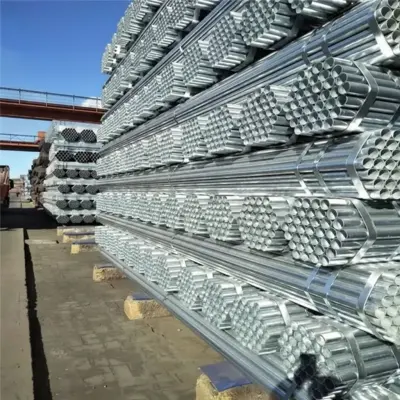
1 Inch Diameter Stainless Steel Pipe - ASTM A312 Seamless Welded Tubing

 China
China
Supplier's customization ability
- Drawing-based customization
- Sample-based customization
- Full customization
Minimum order quantity: 1 ton
Shipping total: To be negotiated
- Lead time:
- confirmed with the quotation
- Packaging:
- standard export packing
- Samples:
- available on request
Product details
Technical Specifications of 1 Inch Diameter Stainless Steel Pipe
| Property | Parameter | Description |
|---|---|---|
| Product Name | 1 Inch Diameter Stainless Steel Pipe | Corrosion-resistant pipe for industrial and commercial applications |
| Material Grade | 304/304L, 316/316L, 321, 310S | Multiple stainless steel grade options available |
| Standard Compliance | ASTM A312, ASTM A269, EN 10217-7 | Meets major international standards |
| Outer Diameter (OD) | 33.4 mm (1.315 inch) | Standard 1 inch nominal pipe size per ASME B36.19 |
| Wall Thickness | Schedule 5S to Schedule 160 (1.65-9.09 mm) | Multiple schedule options for different pressure ratings |
| Manufacturing Process | Seamless / Welded (ERW, TIG) | Available in both seamless and welded construction |
| Carbon Content (C) | ≤0.08% (304) / ≤0.03% (304L/316L) | Low carbon grades for improved weldability |
| Chromium (Cr) | 18.0-20.0% (304) / 16.0-18.0% (316) | Provides excellent corrosion resistance |
| Nickel (Ni) | 8.0-10.5% (304) / 10.0-14.0% (316) | Enhances ductility and corrosion resistance |
| Molybdenum (Mo) | 2.0-3.0% (316/316L only) | Improves resistance to pitting and crevice corrosion |
| Tensile Strength | ≥515 MPa (304/316) | Minimum tensile strength per ASTM A312 |
| Yield Strength | ≥205 MPa (304/316) | Minimum yield strength requirement |
| Elongation | ≥35% in 50mm | Ductility measurement for quality assurance |
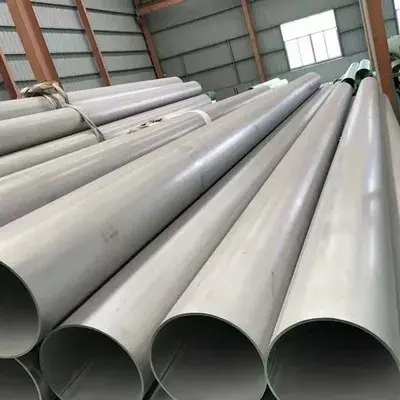
| Length Range | 6m (20ft) standard or custom cut | Standard and custom lengths available |
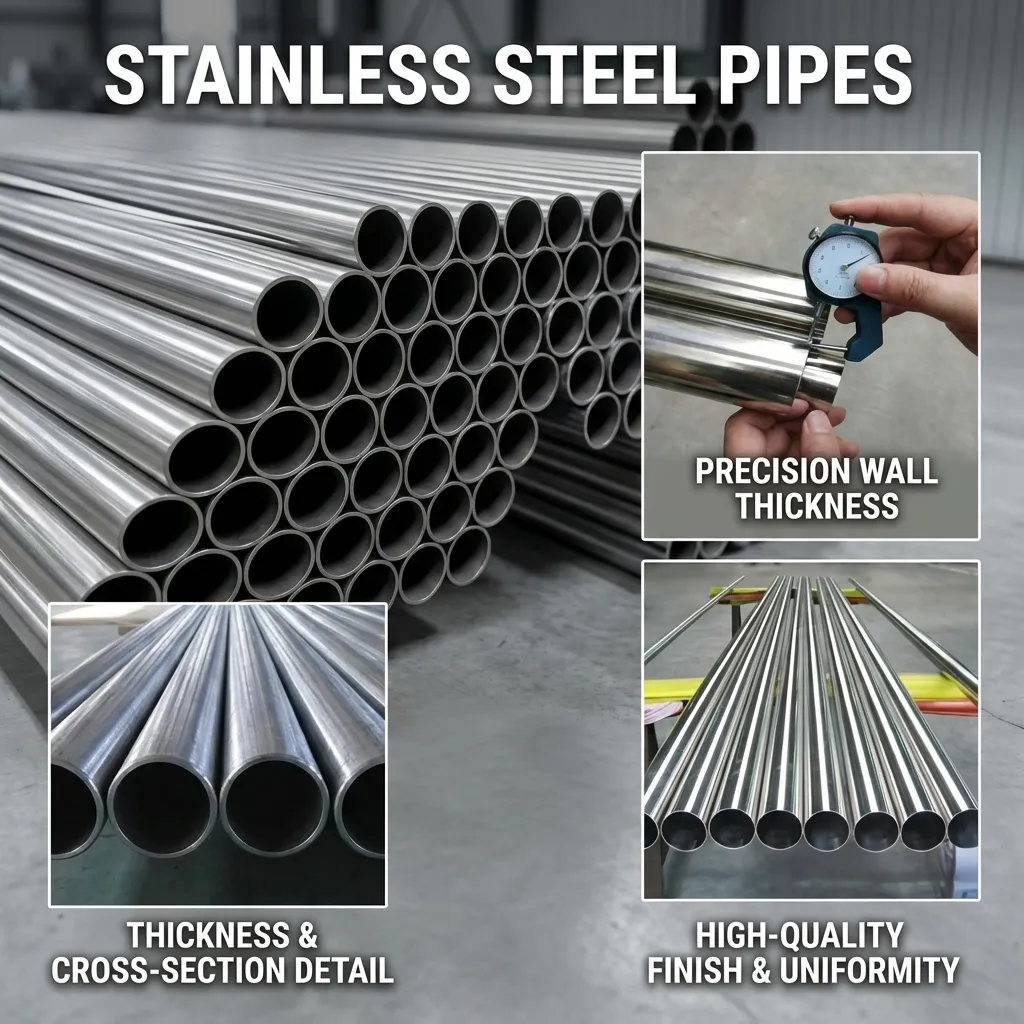
| Surface Finish | Annealed & Pickled (AP), Bright Annealed (BA), Polished | Multiple surface treatment options |
| Temperature Range | -196°C to 925°C (304/316) | Operating temperature range for typical grades |
| Application | Food processing, pharmaceutical, chemical, marine, HVAC | Wide range of industrial applications |
| Certification | EN 10204 3.1/3.2, NACE MR0175, ISO 9001 | Quality certifications and mill test reports provided |
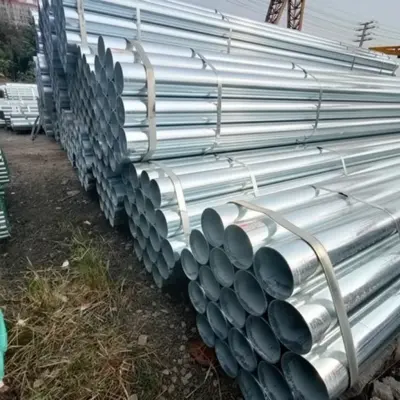
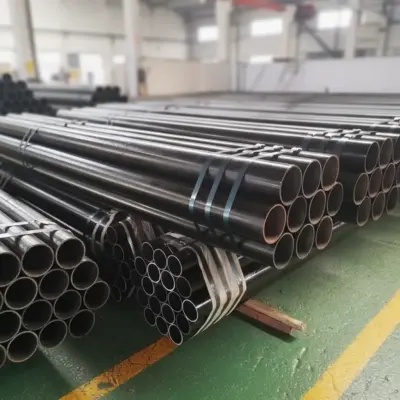
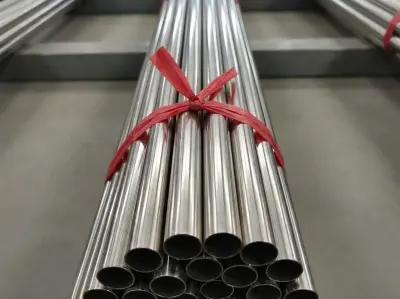
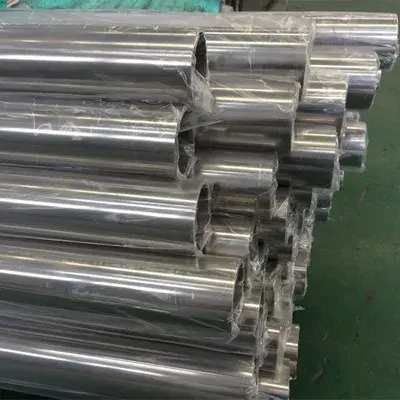
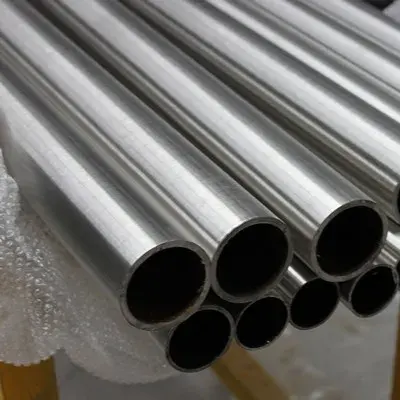
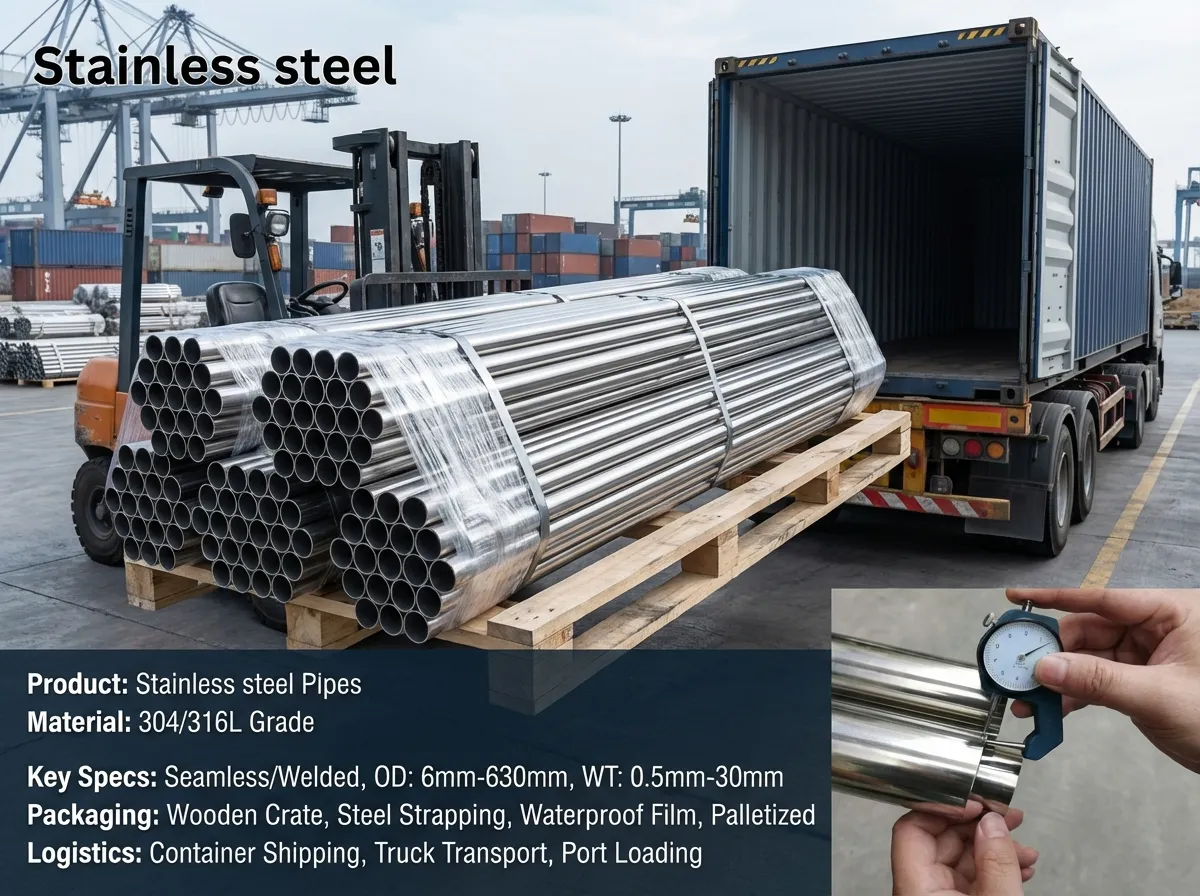
| Packaging | Bundled with steel straps, plastic caps, wooden cases for export | Standard export packaging to prevent damage |
| MOQ | 100 meters or 500 kg | Minimum order quantity for standard grades |
1 Inch Diameter Stainless Steel Pipe - ASTM A312 Seamless Welded Tubing
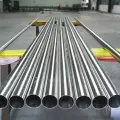
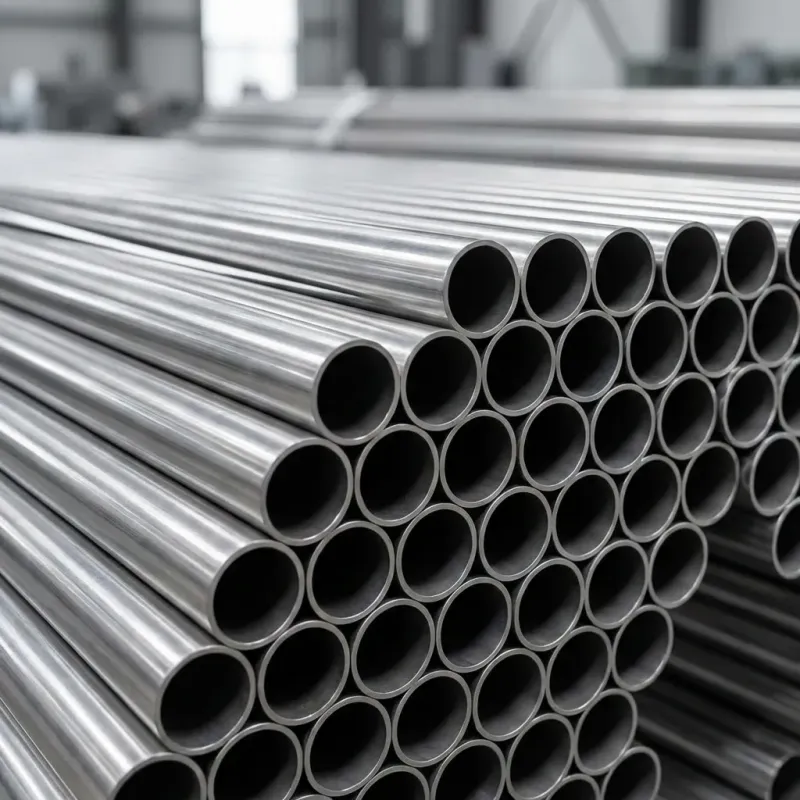
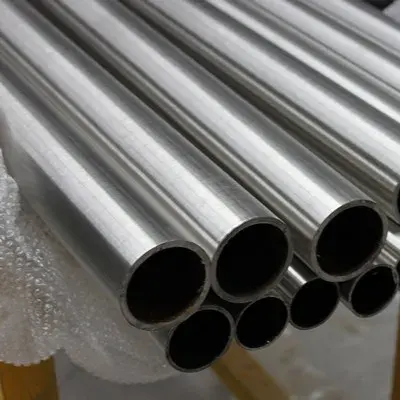
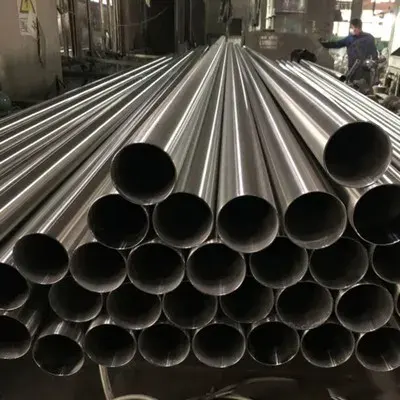
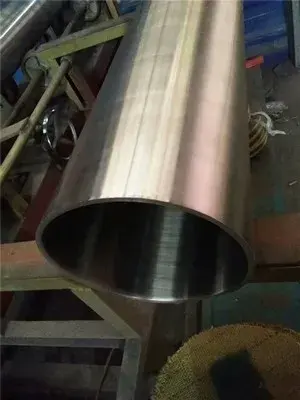
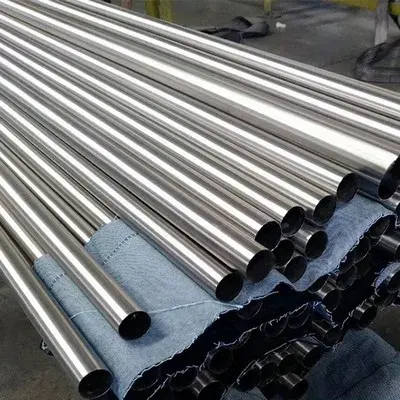
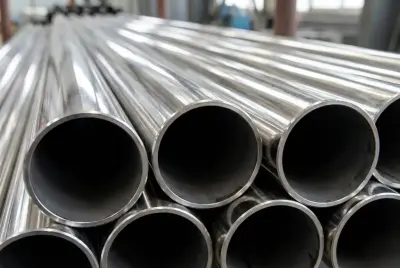
1 inch diameter stainless steel pipe represents a critical component in modern industrial piping systems, offering exceptional versatility for fluid transport, structural applications, and process equipment. This standardized pipe size finds extensive application across chemical processing, pharmaceutical manufacturing, food and beverage production, and marine installations where corrosion resistance and hygiene standards are paramount. Engineered to comply with ASTM A312/A312M specifications, these pipes deliver reliable performance in demanding environments while maintaining dimensional accuracy and material integrity throughout their service life.
What is 1 Inch Diameter Stainless Steel Pipe?
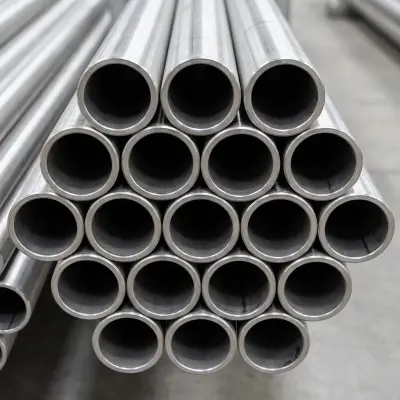
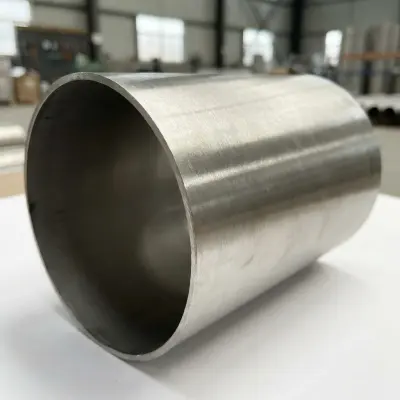
A 1 inch diameter stainless steel pipe is a tubular product manufactured from chromium-nickel alloys, available in both seamless and welded configurations with a nominal pipe size (NPS) of 1 inch. The actual outside diameter measures 1.315 inches (33.4 mm) according to ASME B36.19M standards, while wall thickness varies from Schedule 5S to Schedule 160 depending on pressure requirements. These pipes are produced through either hot extrusion processes for seamless variants or TIG/plasma welding methods for welded types, with subsequent cold drawing to achieve precise dimensional tolerances of ±0.4 mm on outside diameter and ±10% on wall thickness per ASTM A999 requirements.
1 Inch Diameter Stainless Steel Pipe Technical Specifications
Standard 1 inch stainless steel pipes conform to ASTM A312/A312M-21 for seamless and welded austenitic grades, with outside diameter of 33.4 mm and wall thickness ranging from 1.65 mm (Schedule 5S) to 6.35 mm (Schedule 80S). Material grades commonly supplied include TP304/304L with carbon content maximum 0.08%/0.03% respectively, and TP316/316L containing 2.0-3.0% molybdenum for enhanced corrosion resistance. Mechanical properties specify minimum tensile strength of 515 MPa for austenitic grades per Section 7 of ASTM A312, with yield strength of 205 MPa minimum and elongation of 35% in 50 mm gauge length.
Manufacturing Methods and Quality Standards
How are seamless 1 inch stainless steel pipes produced?
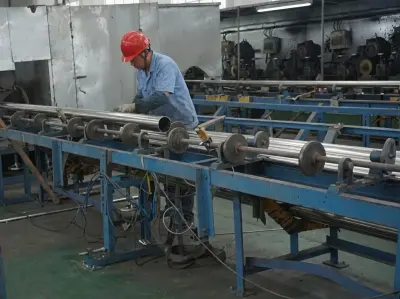
Seamless pipes are manufactured through rotary piercing of solid round billets heated to 1200-1250°C, followed by pilgering or cold drawing to achieve final dimensions. The process eliminates longitudinal weld seams, providing superior pressure ratings and uniform wall thickness distribution within ±12.5% tolerance as specified in ASTM A999. Each seamless pipe undergoes ultrasonic testing per ASTM E213 to detect internal defects exceeding 5% wall thickness, ensuring structural integrity for high-pressure applications up to ASME B31.3 allowable stress values.
What welding processes are used for welded variants?
Welded 1 inch pipes employ automatic TIG (Tungsten Inert Gas) welding or high-frequency induction welding for longitudinal seam formation, with argon shielding gas purity exceeding 99.995% to prevent oxidation. Post-weld heat treatment at 1040-1120°C for solution annealing removes carbide precipitation along weld zones, restoring corrosion resistance equivalent to base material. Weld integrity is verified through radiographic examination per ASTM E1742 or eddy current testing conforming to ASTM E309, with acceptance criteria requiring zero linear indications exceeding 6 mm length.
Which surface finishes are available for industrial applications?
Standard finishes include 2B mill finish with Ra 0.5 μm surface roughness achieved through cold rolling and pickling, and electropolished finish providing Ra 0.25 μm for pharmaceutical and semiconductor applications. Bright annealed (BA) finish offers reflective surface with Ra 0.4 μm through controlled atmosphere annealing, while mechanical polishing to 240-320 grit produces sanitary-grade surfaces meeting 3-A standards for dairy and food processing equipment. Each finish type undergoes surface contamination testing per ASTM A380 to verify iron content below 2% for optimal corrosion resistance.
Material Grades and Chemical Composition
What are the key differences between 304 and 316 grades?
Grade 304 contains 18.0-20.0% chromium and 8.0-10.5% nickel per ASTM A312 Table 1, offering cost-effective corrosion resistance in atmospheric and mildly corrosive environments with chloride concentrations below 25 ppm. Grade 316 incorporates 2.0-3.0% molybdenum alongside 16.0-18.0% chromium and 10.0-14.0% nickel, providing superior resistance to pitting corrosion in chloride-rich environments and elevated temperatures up to 870°C. The molybdenum addition increases critical pitting temperature from 5°C for 304 to 25°C for 316 in 1% NaCl solution according to ASTM G48 Method A testing.
When should 304L or 316L low-carbon variants be specified?
Low-carbon grades 304L and 316L limit carbon content to 0.03% maximum compared to 0.08% in standard grades, preventing sensitization during welding operations in the 425-815°C temperature range. These variants are mandatory for applications involving welding without post-weld heat treatment, particularly in corrosive service per NACE MR0175/ISO 15156 requirements for sour gas environments. The reduced carbon content maintains intergranular corrosion resistance per ASTM A262 Practice E testing, showing corrosion rates below 0.1 mm/year in boiling 65% nitric acid solution.
Applications Across Industrial Sectors
How are 1 inch stainless steel pipes used in chemical processing?
Chemical plants employ 1 inch Schedule 40S pipes for transferring corrosive media including sulfuric acid up to 60% concentration at temperatures below 80°C, with 316L grade preferred for chloride-containing solutions. These pipes serve as sampling lines, vent connections, and instrument tubing in reactor systems, rated for working pressures up to 1500 psi per ASME B31.3 allowable stress calculations. Orbital welding techniques per AWS D18.1 ensure full penetration welds with purge gas oxygen levels below 20 ppm, maintaining corrosion resistance in high-purity chemical service.
What role do these pipes play in food and beverage production?
Food processing facilities utilize electropolished 1 inch pipes meeting 3-A Sanitary Standards 28-03 for CIP (Clean-In-Place) systems, with surface roughness Ra ≤0.8 μm preventing bacterial adhesion. Dairy operations specify TP316L for milk transfer lines operating at 4-6°C, while breweries employ the same grade for wort and beer distribution at pressures up to 100 psi. All wetted surfaces undergo passivation per ASTM A967 using nitric acid solutions, achieving chromium oxide layer thickness exceeding 3 nm for optimal hygiene and cleanability validated through ATP bioluminescence testing.
Why are marine applications demanding for pipe materials?
Marine environments expose piping to chloride concentrations exceeding 19,000 ppm in seawater, requiring Grade 316L with minimum 2.5% molybdenum content for adequate pitting resistance per ASTM G48 critical pitting temperature above 25°C. Offshore platforms install 1 inch pipes for hydraulic control lines and instrument air systems, designed for 10,000 psi working pressure using Schedule 160 wall thickness of 6.35 mm. Cathodic protection systems maintain pipe potential at -800 to -1050 mV vs. Ag/AgCl reference electrode, preventing crevice corrosion in flange connections and threaded joints per NACE SP0176 guidelines.
Dimensional Standards and Pressure Ratings
How do schedule numbers relate to wall thickness?
Schedule designation indicates wall thickness standardized by ASME B36.19M, with Schedule 5S providing 1.65 mm wall for low-pressure applications up to 300 psi, while Schedule 80S offers 4.55 mm wall rated for 2500 psi at 38°C. Intermediate schedules include 10S (2.11 mm), 40S (2.77 mm), and 160 (6.35 mm for ultra-high pressure service exceeding 5000 psi). Pressure rating calculations follow ASME B31.3 equation P = 2St/(D-2y), where S equals allowable stress (138 MPa for 316L at 38°C), t represents wall thickness, D is outside diameter, and y denotes temperature coefficient of 0.4 for austenitic stainless steels.
What are standard length specifications for procurement?
Random lengths span 4.88-7.32 meters (16-24 feet) per ASTM A999 Section 11, suitable for general fabrication with minimal waste. Double random lengths of 10.67-12.19 meters (35-40 feet) reduce the number of welds in long piping runs, while cut lengths are available in any specified dimension with tolerance of +6 mm/-0 mm. Seamless pipes are commonly supplied in 6-meter lengths for export shipping container compatibility, whereas welded pipes may reach 12 meters for domestic projects requiring fewer joints in process piping installations.
Frequently Asked Questions
What is the minimum order quantity (MOQ)?
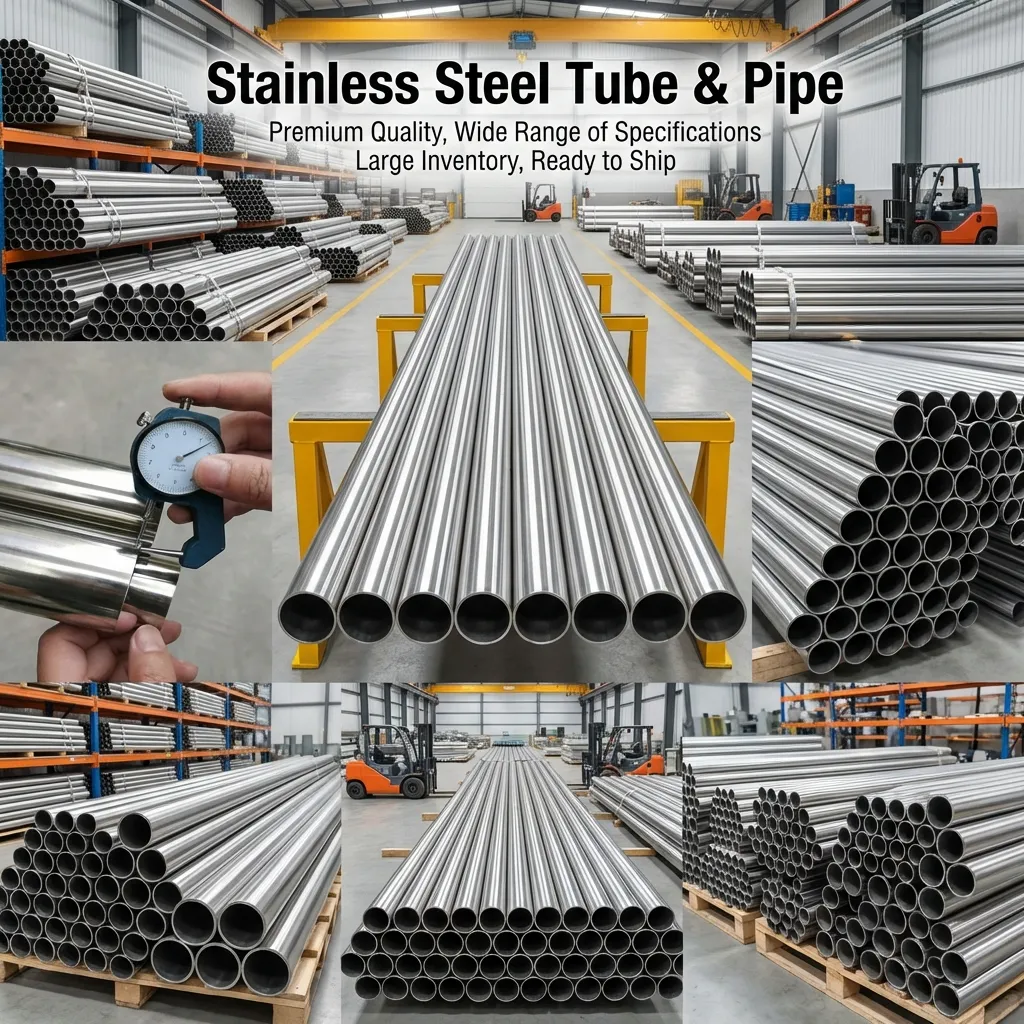
Our standard MOQ is 500 kilograms per specification, equivalent to approximately 35-40 pieces of 6-meter length Schedule 40S pipes. For specialized grades such as 321H or 2205 duplex, MOQ may increase to 1000 kg due to mill production requirements. Sample quantities of 5-10 pieces are available for quality evaluation and testing purposes, with lead time of 7-10 working days from our stocked inventory of common grades.
Do you provide material test certificates?
Yes, we supply EN 10204 Type 3.1 mill test certificates for all shipments, documenting chemical composition analysis per ASTM E1086 optical emission spectroscopy and mechanical properties from actual production lot testing. Certificates include heat number traceability, hydrostatic test results at 1.5 times design pressure per ASTM A999, and dimensional inspection reports with minimum 5% random sampling. Third-party inspection by SGS, TÜV, or Lloyd's Register is available upon request, with additional PMI (Positive Material Identification) verification using XRF analyzers for critical applications.
What is the typical delivery time?
Stocked items in grades 304/304L and 316/316L Schedule 40S ship within 3-5 business days after order confirmation, with domestic delivery taking an additional 5-7 days depending on destination. Non-stock specifications require 25-35 days production lead time from our partner mills, plus 15-20 days for international ocean freight to major ports. Expedited air freight options reduce total delivery time to 10-12 days for urgent project requirements, with associated premium shipping costs calculated based on weight and destination customs clearance procedures.
Can you cut to custom sizes?
Our fabrication facility provides precision cutting services using automated band saws with cutting tolerance of ±1 mm, suitable for lengths from 100 mm to 6000 mm. We also offer end preparation including beveling to 37.5° ± 2.5° for welding per ASME B16.25, threading to ASME B1.20.1 NPT standards, and grooving for mechanical coupling systems. Custom cutting is charged at $8-12 per cut depending on wall thickness, with minimum cutting fee of $50 per order to cover setup and quality inspection costs including dimensional verification and burr removal.
Get a Competitive Quote for 1 Inch Diameter Stainless Steel Pipe
Request your customized quotation today and benefit from our mill-direct pricing structure that eliminates intermediary markups. Our technical sales team provides comprehensive support including material selection guidance, pressure rating calculations, and compliance documentation for your specific application requirements. We maintain strategic inventory positions in major industrial hubs, ensuring rapid fulfillment for both standard and urgent project timelines.
- 24/7 customer support available via phone, email, and online chat
- Free samples for quality evaluation with material certificates included
- Competitive pricing for bulk orders with volume discounts up to 15%
- Professional technical consultation on material selection and specifications
Contact us today to get your free quote within 24 hours!
Ratings & Reviews

Know your supplier
Supplier's customization ability
- Drawing-based customization
- Sample-based customization
- Full customization
Minimum order quantity: 1 ton
Shipping total: To be negotiated
- Lead time:
- confirmed with the quotation
- Packaging:
- standard export packing
- Samples:
- available on request