 English
  Español
  Français
  Deutsch
  Português (Brasil)
  Русский
  العربية
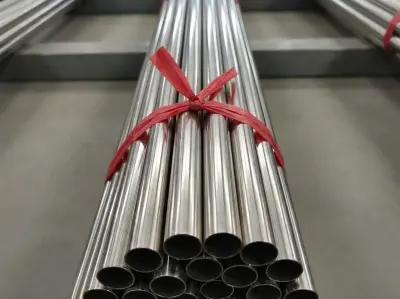
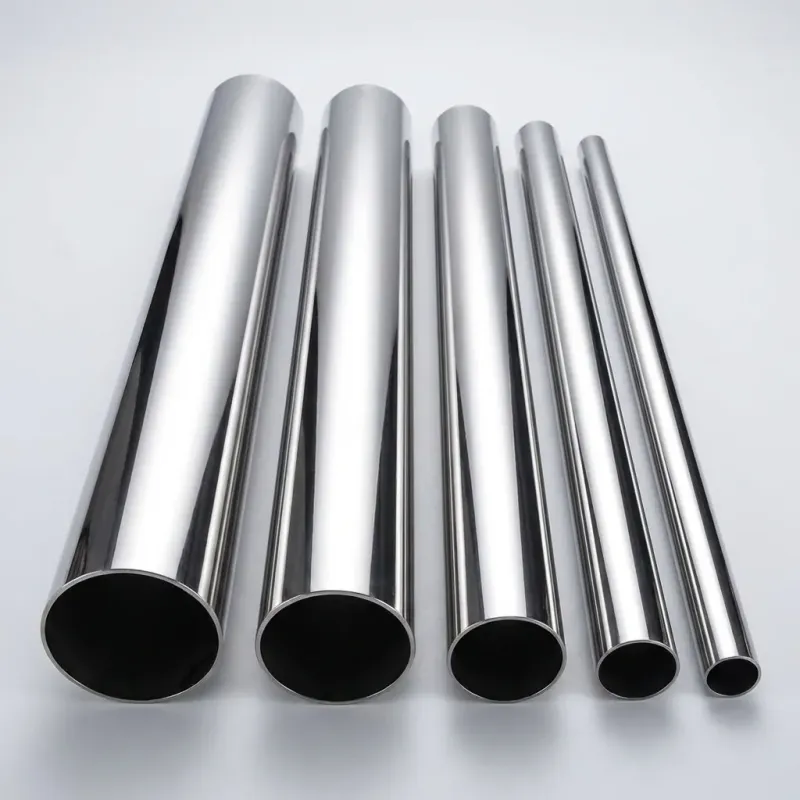
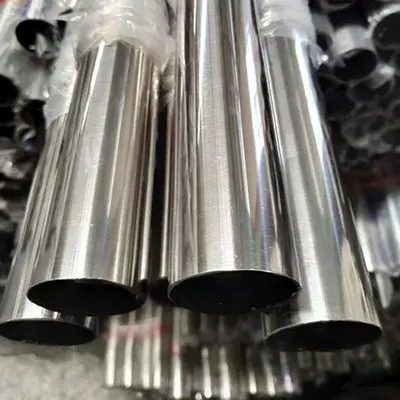
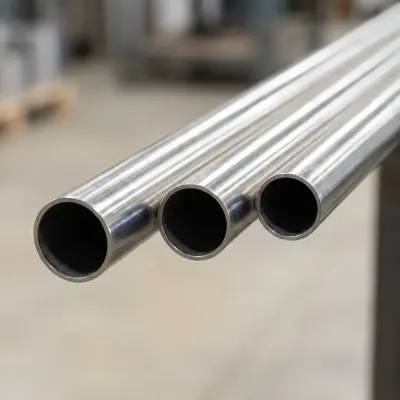
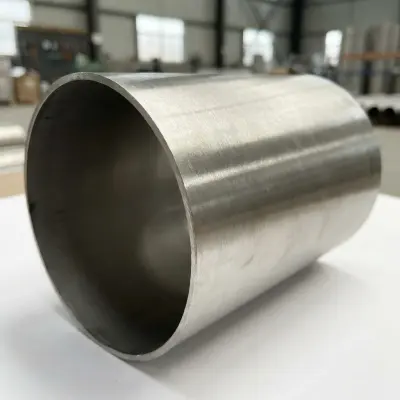
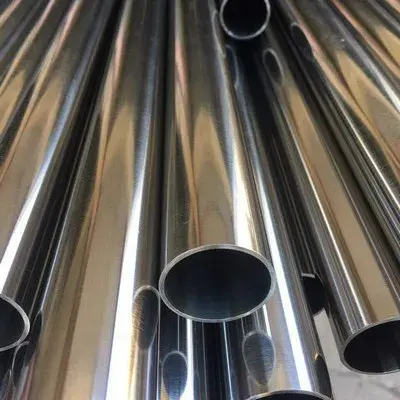
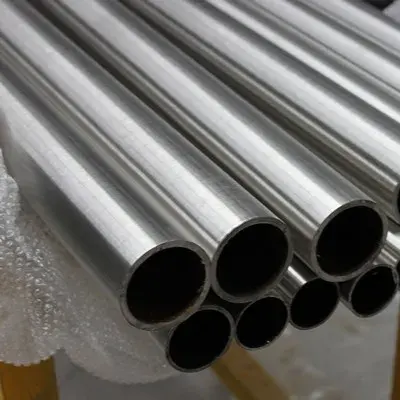
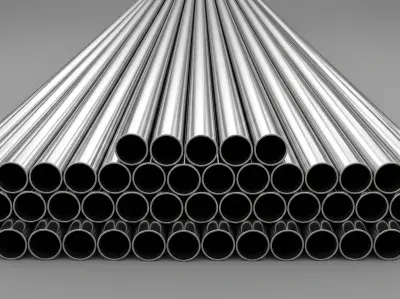
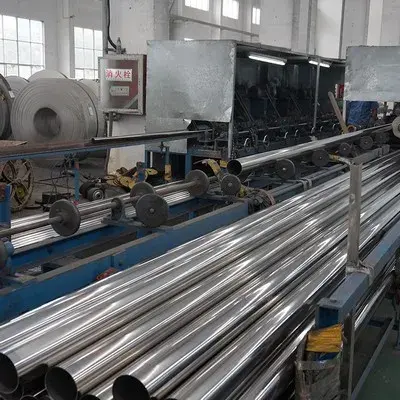
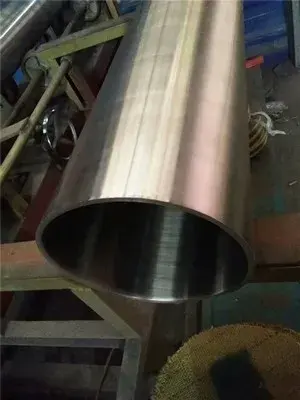
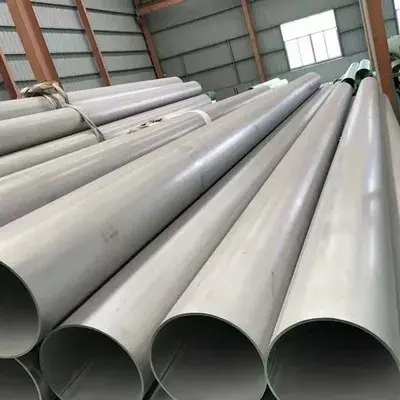
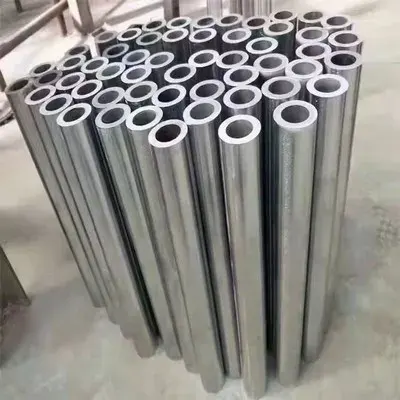
Polished Stainless Steel Pipe - Precision-Finished 304/316 Grade for Industrial Applications

 China
China
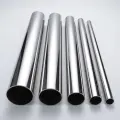
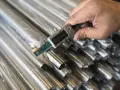
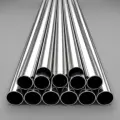
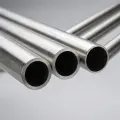
Supplier's customization ability
- Drawing-based customization
- Sample-based customization
- Full customization
Minimum order quantity: 1 ton
Shipping total: To be negotiated
- Lead time:
- confirmed with the quotation
- Packaging:
- standard export packing
- Samples:
- available on request
Product details
Technical Specifications of Polished Stainless Steel Pipe
| Property | Parameter | Description |
|---|---|---|
| Product Name | Polished Stainless Steel Pipe | High-finish austenitic steel pipe for decorative and sanitary applications |
| Material Grade | 304/304L, 316/316L, EN 1.4301/1.4404, UNS S30400/S31603 | International grade equivalents for polished finish |
| Standard Compliance | ASTM A554, ASTM A269, EN 10217-7, JIS G3459 | Meets major international standards for polished tubing |
| Carbon Content (C) | ≤0.08% (304) / ≤0.03% (304L/316L) | Low carbon for improved weldability and corrosion resistance |
| Chromium (Cr) | 18.0-20.0% (304) / 16.0-18.0% (316) | Provides corrosion resistance and surface brightness |
| Nickel (Ni) | 8.0-10.5% (304) / 10.0-14.0% (316) | Enhances ductility and polishing performance |
| Molybdenum (Mo) | 2.0-3.0% (316/316L only) | Improves pitting and crevice corrosion resistance |
| Tensile Strength | ≥515 MPa | Minimum tensile strength per ASTM A554 |
| Yield Strength | ≥205 MPa | Minimum yield strength for structural integrity |
| Elongation | ≥35% | Ductility in 50mm gauge length |
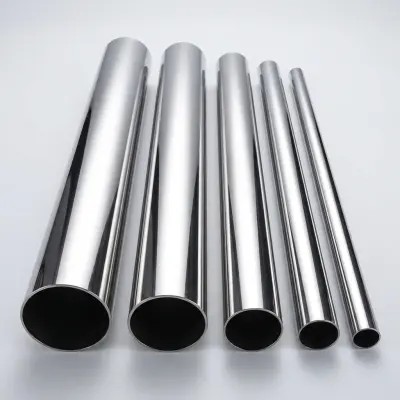
| OD Range | 6mm - 219mm | Available outer diameter options for polished pipe |
| Wall Thickness | 0.5mm - 6mm | Standard thickness range for polished applications |
| Length | 6m standard or custom cut | Standard and custom lengths available |
| Surface Finish | 180 Grit, 240 Grit, 320 Grit, 400 Grit, Mirror 8K | Multiple polishing grades from satin to mirror finish |
| Surface Roughness | Ra ≤0.4μm (Mirror finish) | Smooth surface for hygienic and aesthetic applications |
| Application | Handrails, Food Processing, Pharmaceutical, Architecture | Typical application industries requiring polished finish |
| Certification | EN 10204 3.1, ISO 9001, FDA Compliance | Quality certifications and food-grade compliance |
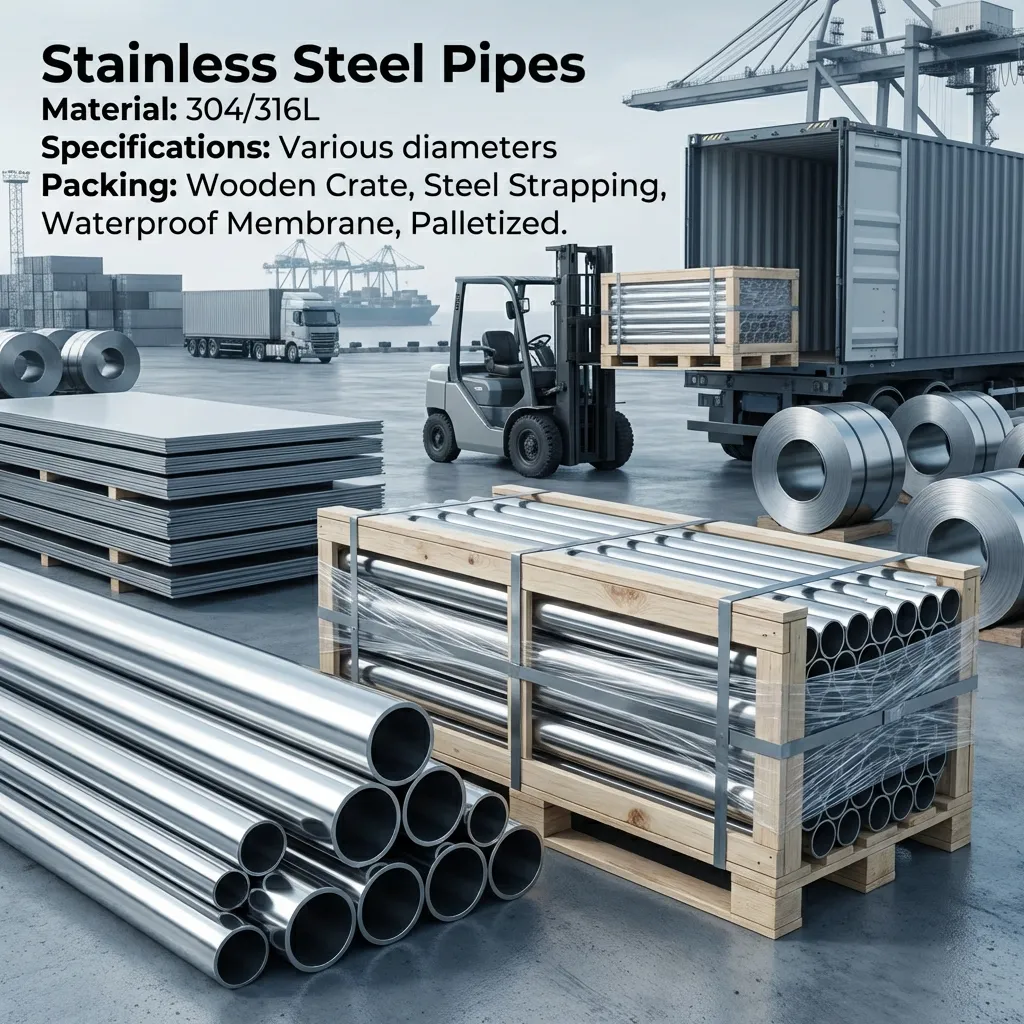
| Packaging | Individual plastic sleeve, wooden crate, end caps | Protected packaging to maintain polished surface |
| MOQ | 500 kg | Minimum order quantity for polished pipe |
Polished Stainless Steel Pipe - Precision-Finished 304/316 Grade for Industrial Applications
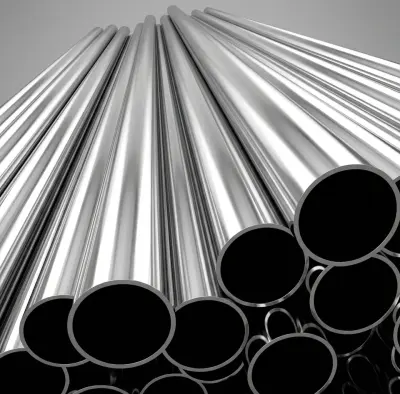
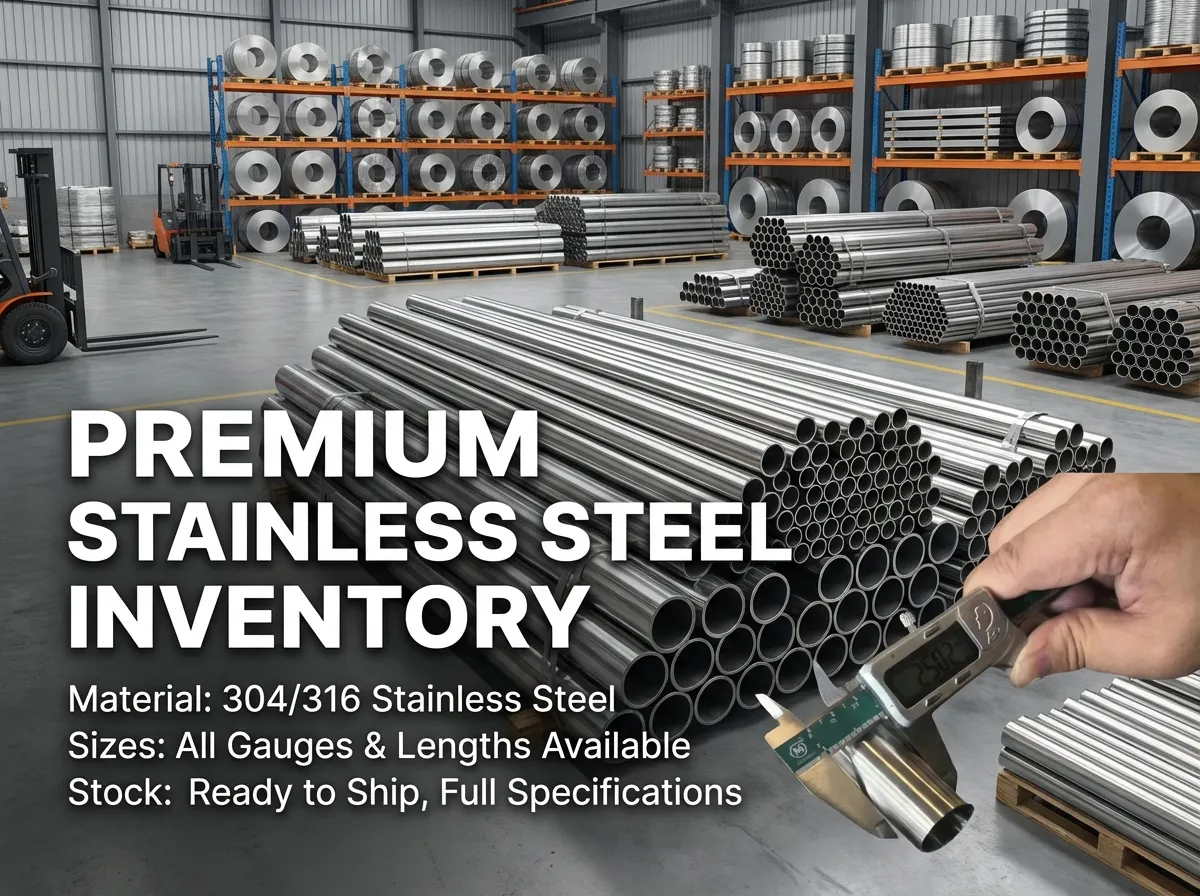
Polished stainless steel pipe represents a premium-grade tubular product that combines exceptional surface finish with superior corrosion resistance, making it the preferred choice for industries demanding both aesthetic appeal and functional performance. These precision-engineered pipes undergo specialized surface treatment processes to achieve mirror-like finishes ranging from 180-grit to 600-grit polishing, serving critical applications in pharmaceutical processing, food and beverage production, architectural installations, and sanitary systems where surface smoothness directly impacts hygiene standards and operational efficiency.
What is Polished Stainless Steel Pipe?
Polished stainless steel pipe is seamless or welded tubular material manufactured from austenitic grades—primarily 304 and 316L—that has been subjected to mechanical polishing operations to eliminate surface imperfections and achieve specified roughness values. The polishing process removes microscopic peaks and valleys from the pipe surface, reducing surface roughness (Ra) to levels between 0.4-0.8 micrometers for standard finishes and below 0.4 micrometers for electropolished variants. This enhanced surface integrity minimizes bacterial adhesion, facilitates cleaning protocols, and provides the reflective appearance required for decorative and sanitary applications.
Polished Stainless Steel Pipe Technical Specifications
Manufacturing standards for these pipes comply with ASTM A312/A312M for welded variants and ASTM A269 for seamless tubing in sanitary applications. Standard outside diameters range from 6mm to 219mm with wall thickness options from 0.5mm to 6mm, accommodating pressure ratings up to Schedule 40S. The 304 grade contains 18-20% chromium and 8-10.5% nickel with carbon content limited to 0.08% maximum, while 316L offers enhanced corrosion resistance through 2-3% molybdenum addition and reduced carbon (0.03% max) for improved weldability. Surface finish classifications include #4 brushed finish (150-180 grit), #6 dull satin (220-240 grit), #7 high-luster (320-400 grit), and #8 mirror finish (600+ grit) per ASTM A480 standards.
Surface Finish Classifications and Applications
What are the different polish grades available?
The industry recognizes four primary finish categories: #4 directional polish finds extensive application in architectural trim and kitchen equipment where moderate reflectivity suffices; #6 semi-bright finish serves pharmaceutical clean rooms and dairy processing lines requiring smoother surfaces; #7 high-reflective finish is commonly employed for decorative panels and automotive trim components; #8 mirror polish represents the premium option for medical instruments and high-end architectural features demanding maximum reflectivity and cleanability.
How does electropolishing differ from mechanical polishing?
Electropolishing employs electrochemical dissolution to remove surface material at the microscopic level, achieving Ra values below 0.25 micrometers while creating a chromium-enriched passive layer that enhances corrosion resistance by 30-40% compared to mechanically polished surfaces. This process proves particularly valuable for complex geometries and internal pipe surfaces where mechanical buffing cannot reach, though it typically adds 15-20% to production costs compared to standard mechanical polishing operations.
Material Grade Selection Criteria
When should 316L be specified over 304 grade?
Grade 316L becomes the mandatory choice for environments involving chloride exposure above 200 ppm, marine atmospheres, pharmaceutical process piping handling acidic compounds, and food processing systems using salt brines or acidic cleaners. The molybdenum content provides superior resistance to pitting and crevice corrosion, with critical pitting temperature (CPT) values of 15-25°C for 304 versus 35-45°C for 316L in 1M NaCl solution per ASTM G48 testing protocols.
What wall thickness is optimal for sanitary applications?
Sanitary tubing typically employs wall thickness calculated by the formula: t = (PD)/(2SE + 0.8P), where P represents design pressure, D is outside diameter, S denotes allowable stress (20,000 psi for 304 at 100°F), and E equals weld joint efficiency (1.0 for seamless). For most dairy and pharmaceutical systems operating at 150 psi, 1.5mm wall thickness suffices for diameters up to 76mm, while 2.0mm walls accommodate 150mm diameter pipes at equivalent pressures.
Quality Assurance and Certification Requirements
What documentation accompanies certified material?
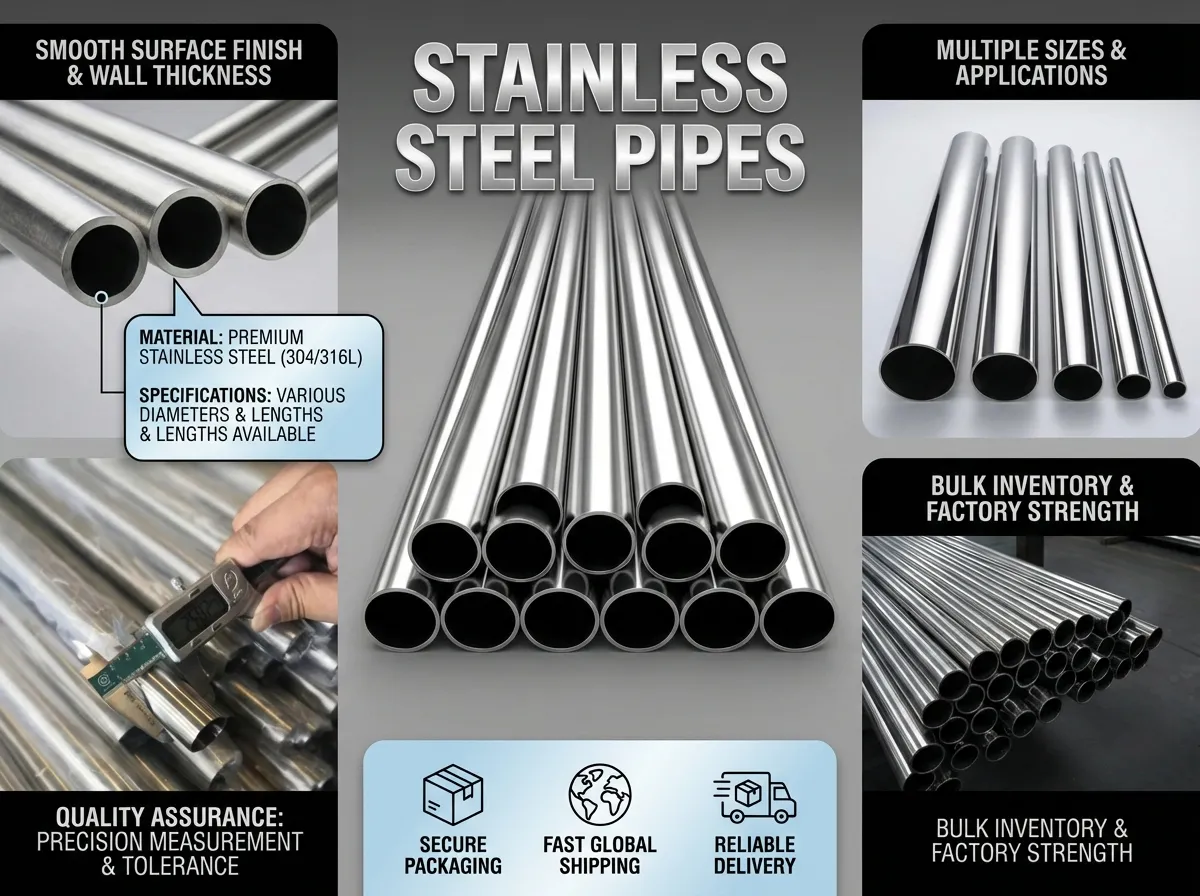
Mill test certificates (MTC) per EN 10204 Type 3.1 provide chemical composition analysis via optical emission spectrometry, mechanical properties from tensile testing per ASTM E8, and surface roughness measurements using profilometry. Additional certifications include positive material identification (PMI) reports, hydrostatic test records demonstrating pressure integrity at 1.5 times design pressure, and dimensional inspection reports verifying compliance with specified tolerances of ±0.4mm on outside diameter and ±10% on wall thickness.
Installation and Maintenance Considerations
How should polished surfaces be protected during installation?
Protective polyethylene film with acrylic adhesive rated for 6-month outdoor exposure should remain in place until final construction completion. Welding operations require back-purging with argon gas (99.995% purity minimum) at flow rates of 8-12 CFH to prevent sugaring on internal surfaces. Post-weld passivation using citric acid solutions (10-20% concentration at 60-70°C for 30-60 minutes) restores the chromium oxide layer, followed by thorough rinsing with deionized water meeting ASTM D1193 Type II specifications.
What cleaning protocols preserve surface finish integrity?
Routine maintenance employs pH-neutral detergents (pH 6.5-7.5) with non-abrasive microfiber cloths, avoiding chloride-containing cleaners that initiate pitting corrosion. For stubborn deposits, alkaline cleaners with sodium hydroxide concentrations below 2% at temperatures not exceeding 65°C prove effective without damaging passive films. Quarterly passivation treatments using nitric acid solutions (20-25% concentration) restore corrosion resistance in high-traffic areas, particularly where mechanical damage has compromised surface integrity.
Frequently Asked Questions
What is the minimum order quantity (MOQ)?
Standard MOQ starts at 500 kilograms per specification, though project-specific requirements for custom finishes or non-standard dimensions may require 1,000 kg minimums to justify specialized tooling setup. Volume orders exceeding 5,000 kg qualify for preferential mill-direct pricing with potential cost reductions of 12-18% compared to spot market rates.
Do you provide material test certificates?
Comprehensive documentation packages include EN 10204 3.1 mill test certificates, PMI analysis reports, dimensional inspection records, and surface roughness measurements traceable to NIST standards. For pharmaceutical and food-grade applications, additional FDA compliance statements and REACH/RoHS declarations are provided at no additional charge.
What is the typical delivery time?
Stock items in standard finishes (#4 and #6) ship within 5-7 business days from regional distribution centers. Custom polish specifications (#7 and #8 finishes) require 3-4 weeks for production scheduling and quality verification. Electropolished material involves 4-6 week lead times due to specialized processing requirements and third-party certification procedures.
Can you cut to custom sizes?
Precision cutting services accommodate length tolerances of ±1mm using orbital saws with carbide-tipped blades, maintaining surface finish integrity at cut ends. End preparation options include square-cut, beveled (37.5° included angle), and orbital-welded end caps. Minimum cut length is 300mm to ensure proper material handling, while maximum lengths are constrained by shipping logistics at 6,000mm for standard carriers and 12,000mm for specialized freight.
Get a Competitive Quote for Polished Stainless Steel Pipe
Our technical sales team provides comprehensive support from material selection through installation guidance, backed by ISO 9001:2015 certified quality management systems and direct mill partnerships ensuring consistent supply chain reliability. Request detailed specifications including chemical composition guarantees, mechanical property certifications, and surface finish verification data tailored to your specific application requirements.
- 24/7 customer support available via phone, email, and live chat
- Free samples for quality evaluation with complete test documentation
- Competitive pricing for bulk orders with flexible payment terms
- Professional technical consultation for material selection and specification development
Contact us today to get your free quote within 24 hours!
Ratings & Reviews

Know your supplier
Supplier's customization ability
- Drawing-based customization
- Sample-based customization
- Full customization
Minimum order quantity: 1 ton
Shipping total: To be negotiated
- Lead time:
- confirmed with the quotation
- Packaging:
- standard export packing
- Samples:
- available on request