 English
  Español
  Français
  Deutsch
  Português (Brasil)
  Русский
  العربية
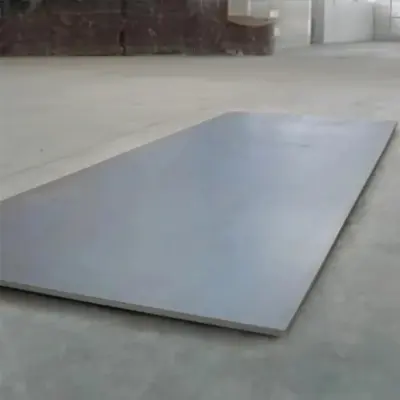
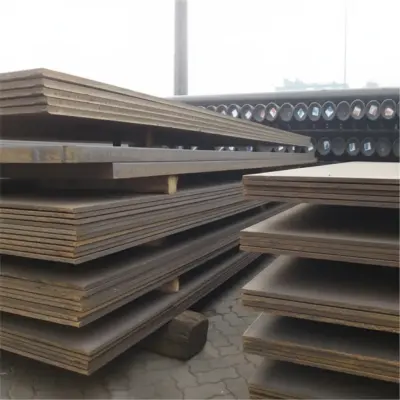
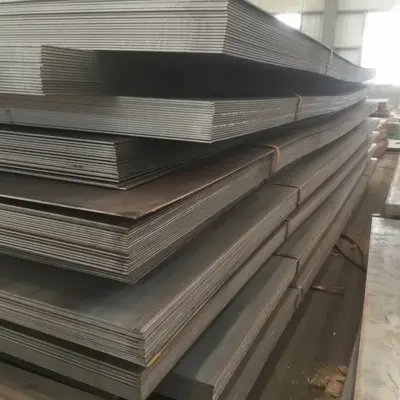
Abrasion Resistant Steel Plate - High Hardness AR400/AR500 Wear Plate

 China
China
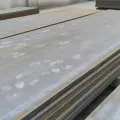
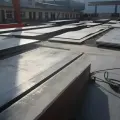
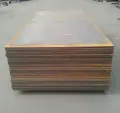
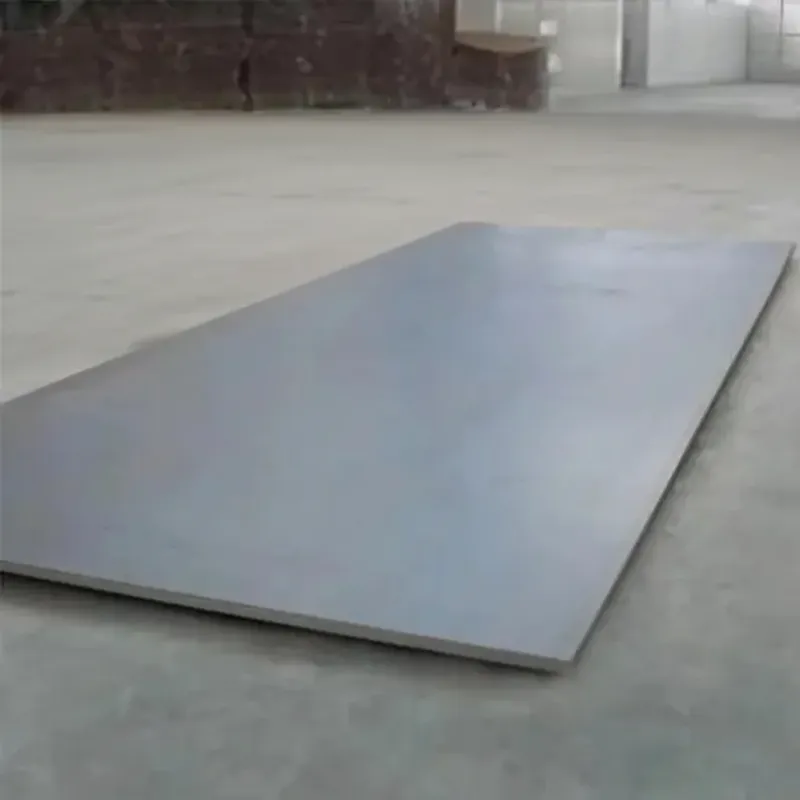
Supplier's customization ability
- Drawing-based customization
- Sample-based customization
- Full customization
Minimum order quantity: 1 ton
Shipping total: To be negotiated
- Lead time:
- confirmed with the quotation
- Packaging:
- standard export packing
- Samples:
- available on request
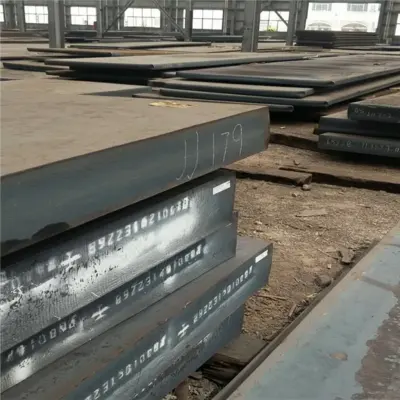
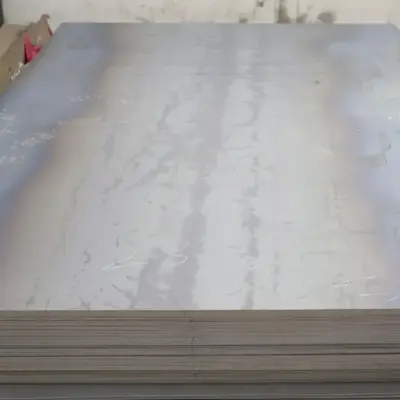
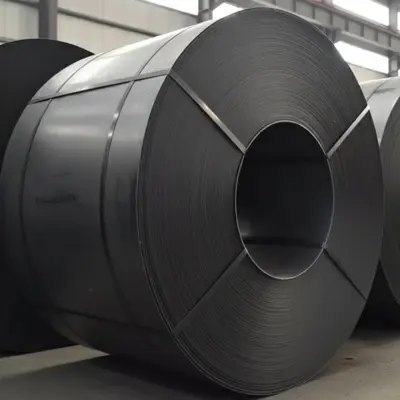
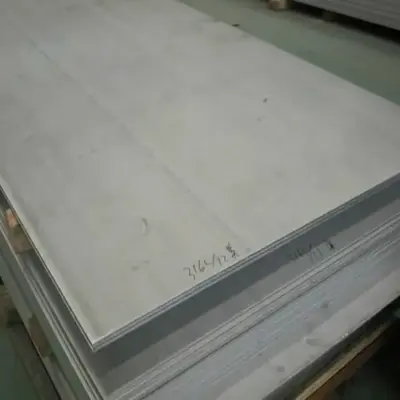
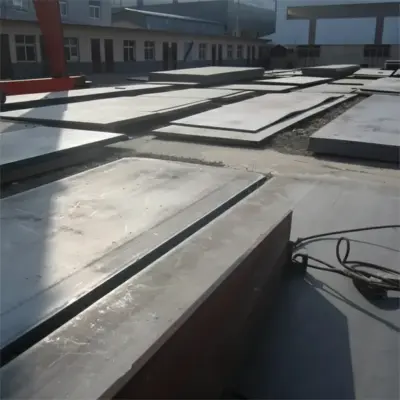
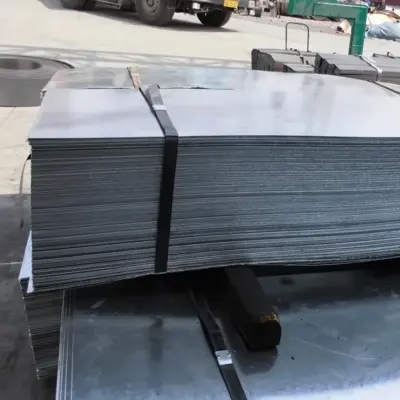
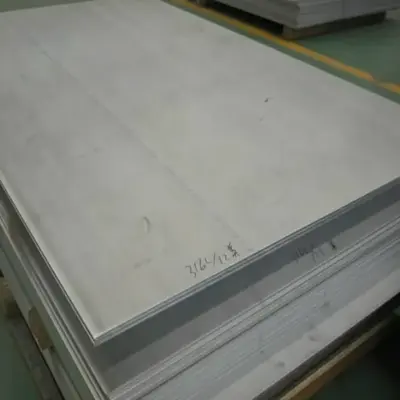
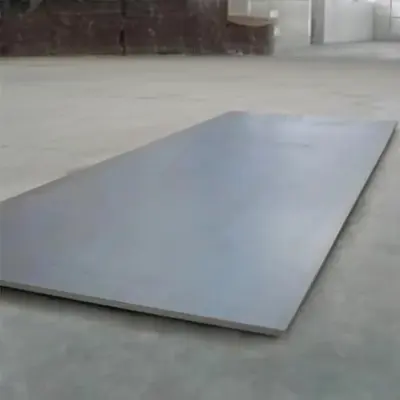
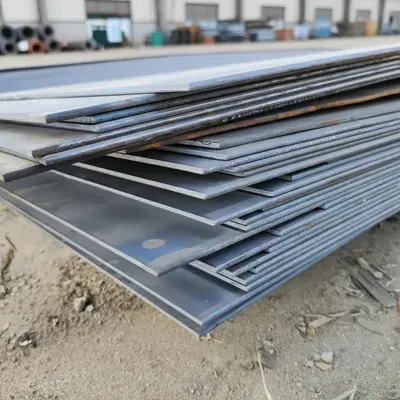
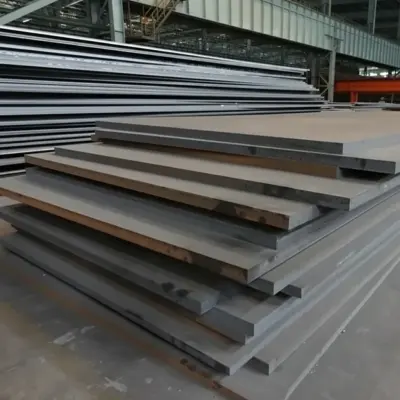
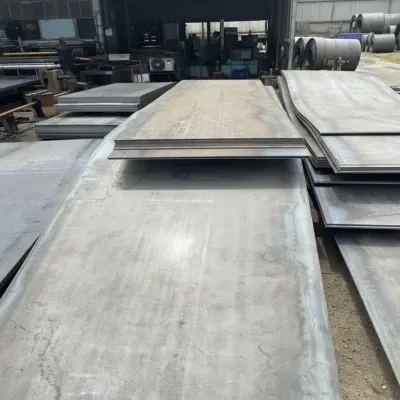
Product details
Technical Specifications of Abrasion Resistant Steel Plate
| Property | Parameter | Description |
|---|---|---|
| Product Name | Abrasion Resistant Steel Plate | High-hardness wear-resistant steel for extreme abrasion environments |
| Material Grade | AR400 / AR450 / AR500 / NM400 / Hardox 400 | International grade equivalents for wear applications |
| Standard Compliance | ASTM A514, JIS G3128, EN 10025-6 | Meets major international abrasion-resistant steel standards |
| Carbon (C) | ≤0.28% | Controlled carbon for hardenability and weldability |
| Manganese (Mn) | 0.70-1.60% | Enhances strength and wear resistance |
| Chromium (Cr) | 0.25-1.50% | Improves hardness and corrosion resistance |
| Molybdenum (Mo) | 0.15-0.60% | Increases toughness and hardenability |
| Surface Hardness | 360-500 HBW | Brinell hardness varies by grade (AR400/450/500) |
| Tensile Strength | ≥1250 MPa | Minimum tensile strength for AR400 grade |
| Yield Strength | ≥1000 MPa | Minimum yield strength for high-wear applications |
| Elongation | ≥10% | Ductility in 50mm gauge length |
| Impact Toughness | ≥24 J at -40°C | Charpy V-notch impact resistance |
| Thickness Range | 3mm - 100mm | Available thickness options for various applications |
| Width Range | 1000mm - 3000mm | Standard and custom widths available |
| Surface Finish | Hot-rolled, Shot-blasted, Painted | Multiple surface treatment options |
| Application | Mining, Cement, Quarry, Construction, Recycling | Heavy-duty abrasion environments |
| Weldability | Good with preheating | Requires low-hydrogen electrodes and proper welding procedures |
| Certification | EN 10204 3.1, ISO 9001, Mill Test Certificate | Quality certifications provided with each shipment |
| Packaging | Steel strapping, waterproof covering, wooden pallet | Standard export seaworthy packaging |
| MOQ | 5 tons | Minimum order quantity for stock grades |
Abrasion Resistant Steel Plate - High Hardness AR400/AR500 Wear Plate
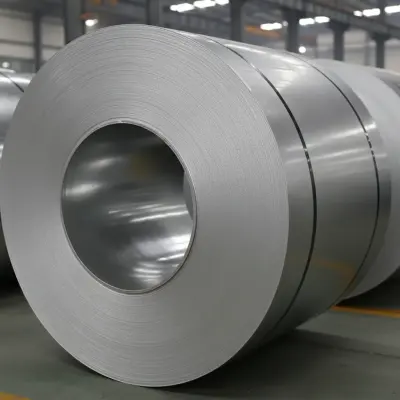
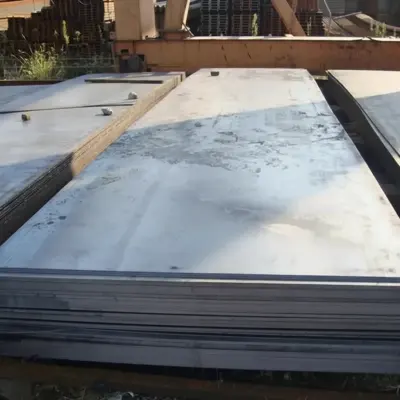
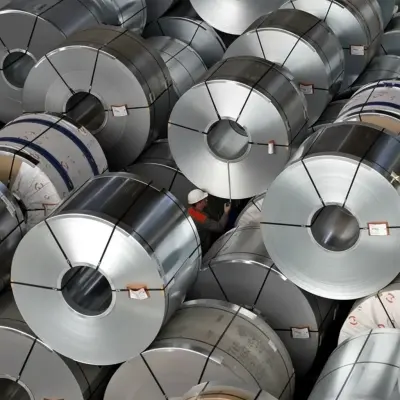
Abrasion resistant steel plate represents a specialized category of high-carbon alloy steel engineered to withstand extreme wear conditions in demanding industrial environments. Manufactured through controlled quenching and tempering processes, these wear plates deliver exceptional surface hardness ranging from 360 to 550 HBW while maintaining adequate toughness for fabrication. Industries such as mining, cement production, steel manufacturing, and bulk material handling rely on these premium-grade plates to extend equipment service life and reduce operational downtime. Our mill-direct AR400 and AR500 grades comply with ASTM A514 mechanical property requirements, offering cost-effective solutions for applications where conventional structural steel fails prematurely.
What is Abrasion Resistant Steel Plate?
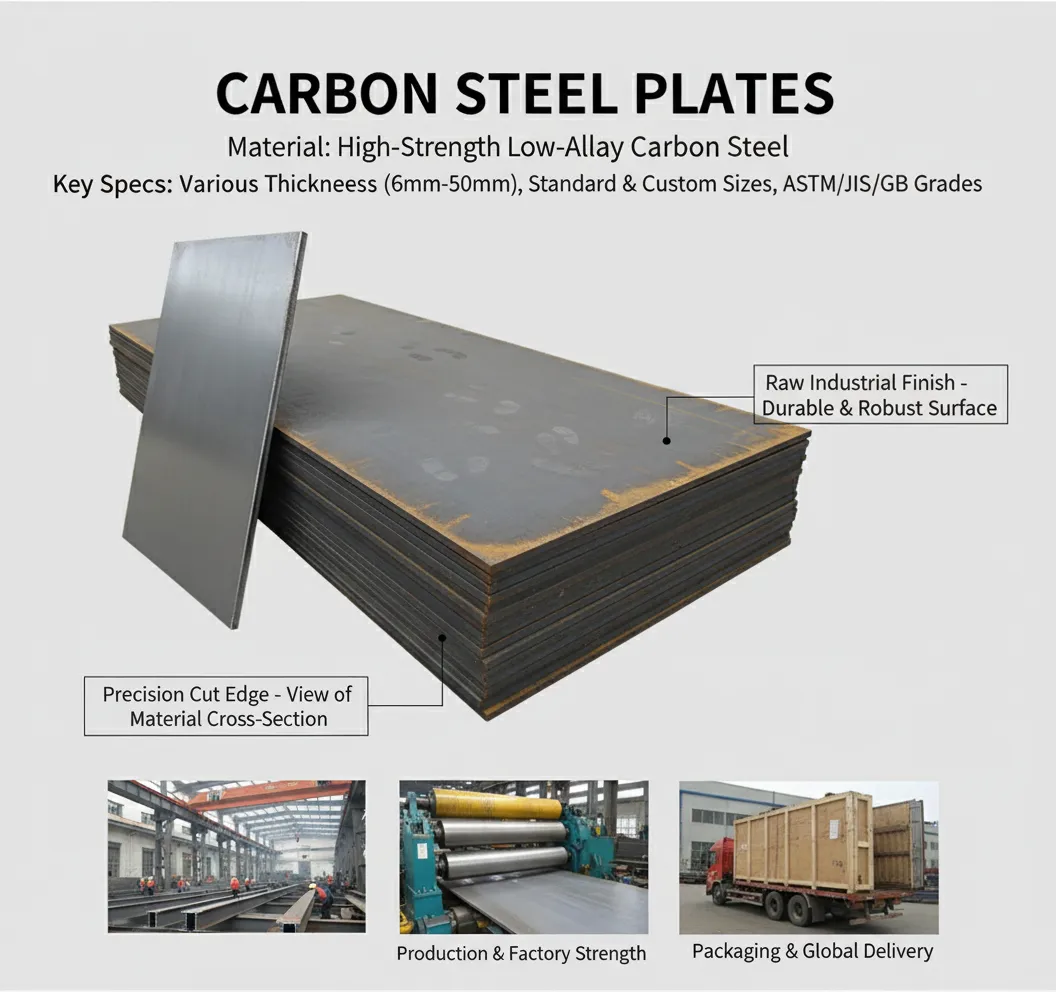
Abrasion resistant steel plate is a through-hardened carbon alloy steel specifically formulated to resist surface degradation from sliding, gouging, and impact wear. Unlike surface-hardened materials, AR plate maintains consistent hardness throughout its cross-section, typically ranging 6-80mm in thickness. The designation AR400 indicates a minimum Brinell hardness of 360 HBW, while AR500 achieves 460 HBW minimum per factory certification standards.
Abrasion Resistant Steel Plate Technical Specifications
Our wear plates conform to ASTM A514/A514M standards with carbon content between 0.15-0.35%, complemented by manganese (0.80-1.50%), chromium (0.40-1.20%), and molybdenum (0.15-0.60%) for enhanced hardenability. Tensile strength reaches 1180-1520 MPa for AR400 grade and 1400-1700 MPa for AR500, with elongation maintained at 10% minimum in 50mm gauge length per ISO 6892-1:2019 testing protocols. Surface finish meets Sa 2.5 blast cleaning standards, ensuring optimal coating adhesion for corrosion protection systems.
Key Performance Advantages
These high-hardness plates demonstrate superior resistance to gouging abrasion compared to conventional structural steels, with service life improvements of 300-500% in typical applications. The through-hardened microstructure provides uniform wear characteristics, eliminating the risk of breakthrough failures common in surface-treated alternatives. Excellent weldability using E7018 or flux-cored wires allows for field repairs and custom fabrication, while thermal cutting capability via plasma or oxy-fuel processes enables precise component manufacturing without compromising edge hardness properties.
Industrial Applications
Mining operations utilize AR plate for dump truck bodies, chute liners, and crusher components where impact and sliding wear dominate failure modes. Cement plants specify these materials for kiln shell protection, raw material conveyors, and clinker handling systems exposed to continuous abrasive contact. Steel mills employ AR500 grades in scrap handling equipment, transfer cars, and furnace charging mechanisms requiring maximum wear resistance. Aggregate processing facilities benefit from extended component life in screen decks, hopper liners, and conveyor skirt boards subjected to high-velocity particle impingement.
Why Choose Our Abrasion Resistant Steel Plate
As an integrated steel mill with dedicated quenching lines, we maintain stringent quality control over chemical composition and heat treatment parameters, ensuring batch-to-batch consistency verified through spectroscopic analysis and hardness mapping. Our manufacturing capacity of 15,000 metric tons monthly supports both large-scale projects and rapid prototype requirements, with inventory stocked in standard dimensions of 1500×6000mm to 3000×12000mm. Third-party mill test certificates accompany every shipment, documenting mechanical properties, chemical analysis, and ultrasonic testing results per EN 10204 Type 3.1 certification standards.
Frequently Asked Questions
What is the minimum order quantity (MOQ)?
Our standard MOQ is 5 metric tons per specification, though we accommodate smaller quantities for AR400 grade in common thicknesses (8-25mm) from warehouse stock. Custom dimensions require 10-ton minimum orders to justify dedicated production scheduling and quality testing protocols.
Do you provide material test certificates?
Yes, comprehensive EN 10204 Type 3.1 certificates are issued for every heat batch, including chemical composition analysis via optical emission spectrometry, tensile testing per ASTM E8, Charpy V-notch impact values at -20°C, and Brinell hardness verification across five test locations per plate surface.
What is the typical delivery time?
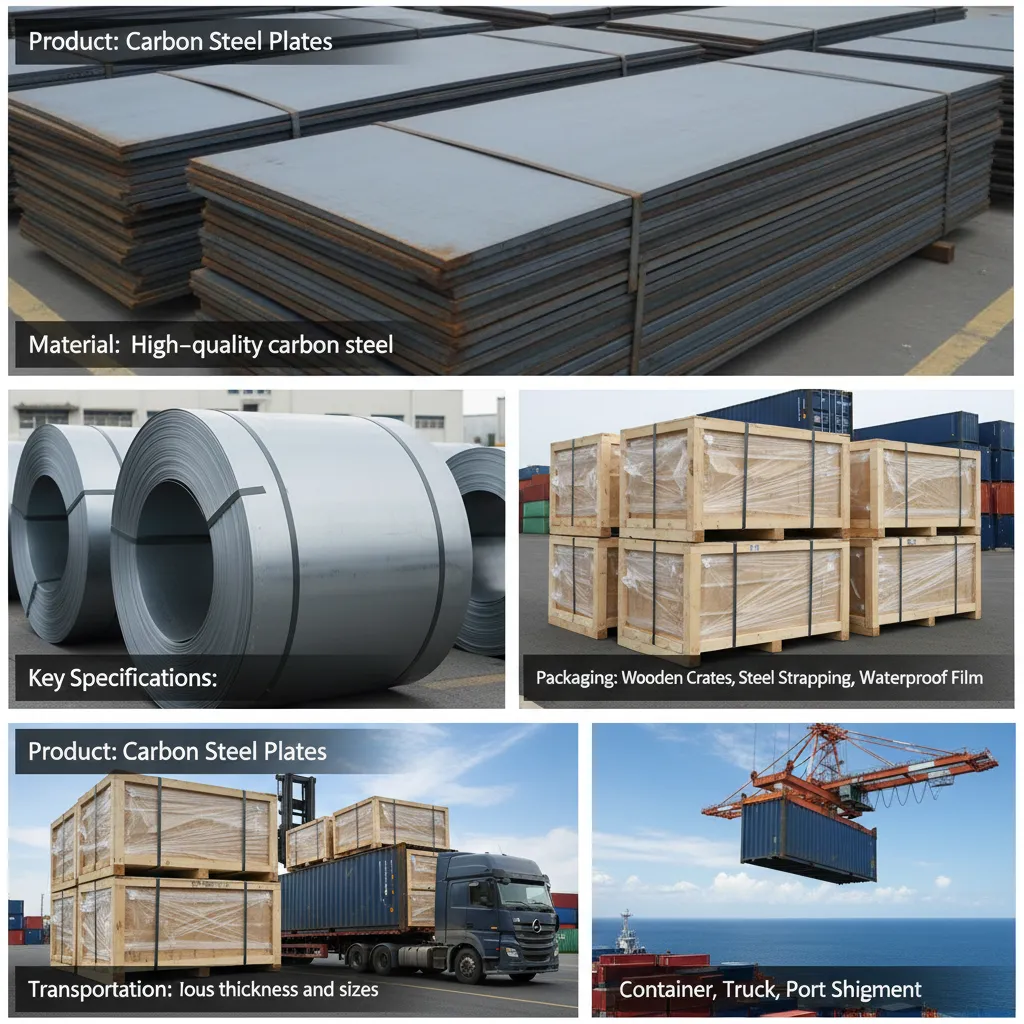
Warehouse stock items ship within 5-7 working days following payment confirmation. Custom rolling orders require 25-35 days for production, encompassing steel melting, hot rolling, heat treatment cycles, quality inspection, and surface preparation. Expedited processing is available for critical projects with 15% premium surcharge.
Can you cut to custom sizes?
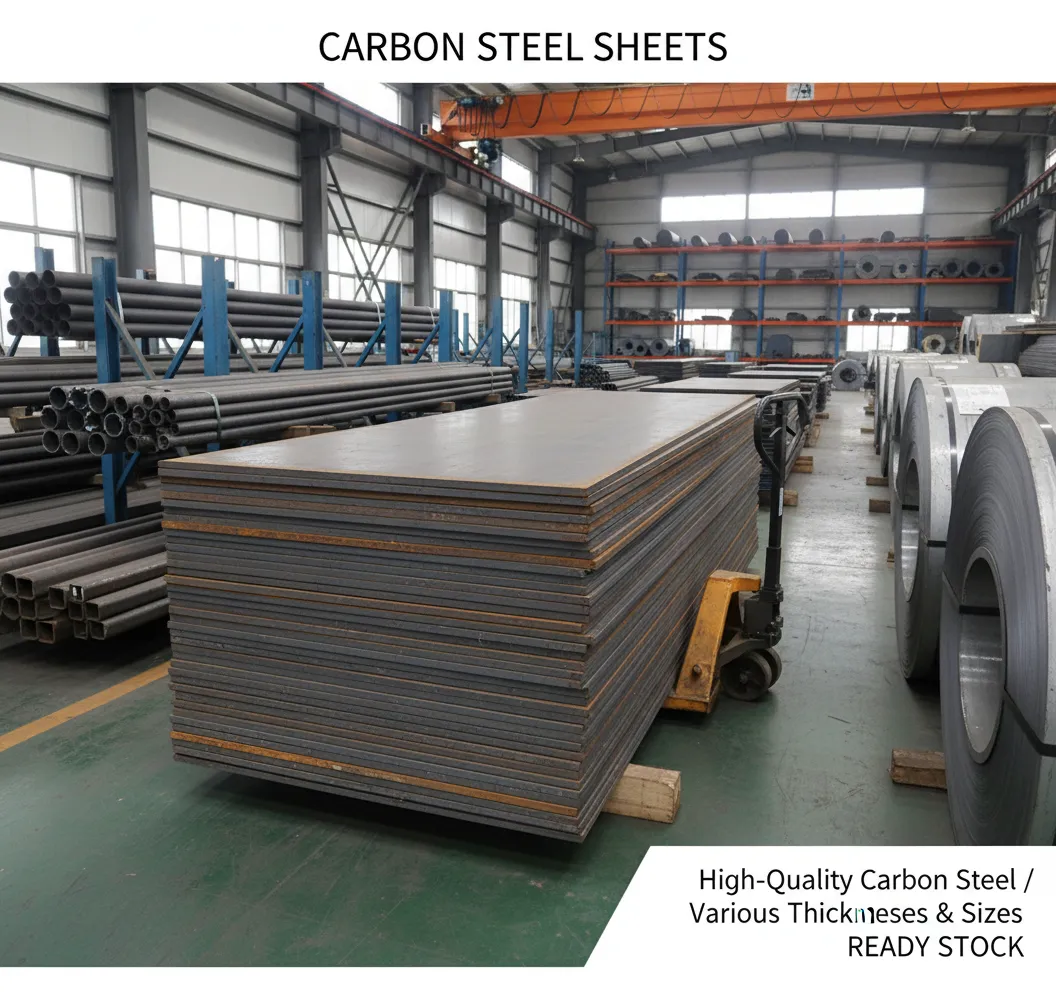
Our fabrication facility offers plasma cutting to tolerances of ±3mm for dimensions up to 3000×12000mm, with beveling services available at 30-45° angles for weld preparation. Laser cutting provides ±1mm precision for complex geometries in thicknesses up to 30mm, maintaining edge hardness within 15% of base material specifications.
Get a Competitive Quote for Abrasion Resistant Steel Plate
Contact our technical sales team to discuss your wear plate requirements, including material grade selection, dimensional specifications, and volume commitments. We provide factory-direct pricing with transparent cost breakdowns, supported by metallurgical consulting to optimize material selection for your specific wear environment. Request samples with certified test reports to validate performance characteristics before committing to full-scale procurement.
Ratings & Reviews

Know your supplier
Supplier's customization ability
- Drawing-based customization
- Sample-based customization
- Full customization
Minimum order quantity: 1 ton
Shipping total: To be negotiated
- Lead time:
- confirmed with the quotation
- Packaging:
- standard export packing
- Samples:
- available on request