 English
  Español
  Français
  Deutsch
  Português (Brasil)
  Русский
  العربية
Wear Resistant Steel Plate Price - Abrasion Resistant AR400 AR500 Steel Plates

 China
China
Supplier's customization ability
- Drawing-based customization
- Sample-based customization
- Full customization
Minimum order quantity: 1 ton
Shipping total: To be negotiated
- Lead time:
- confirmed with the quotation
- Packaging:
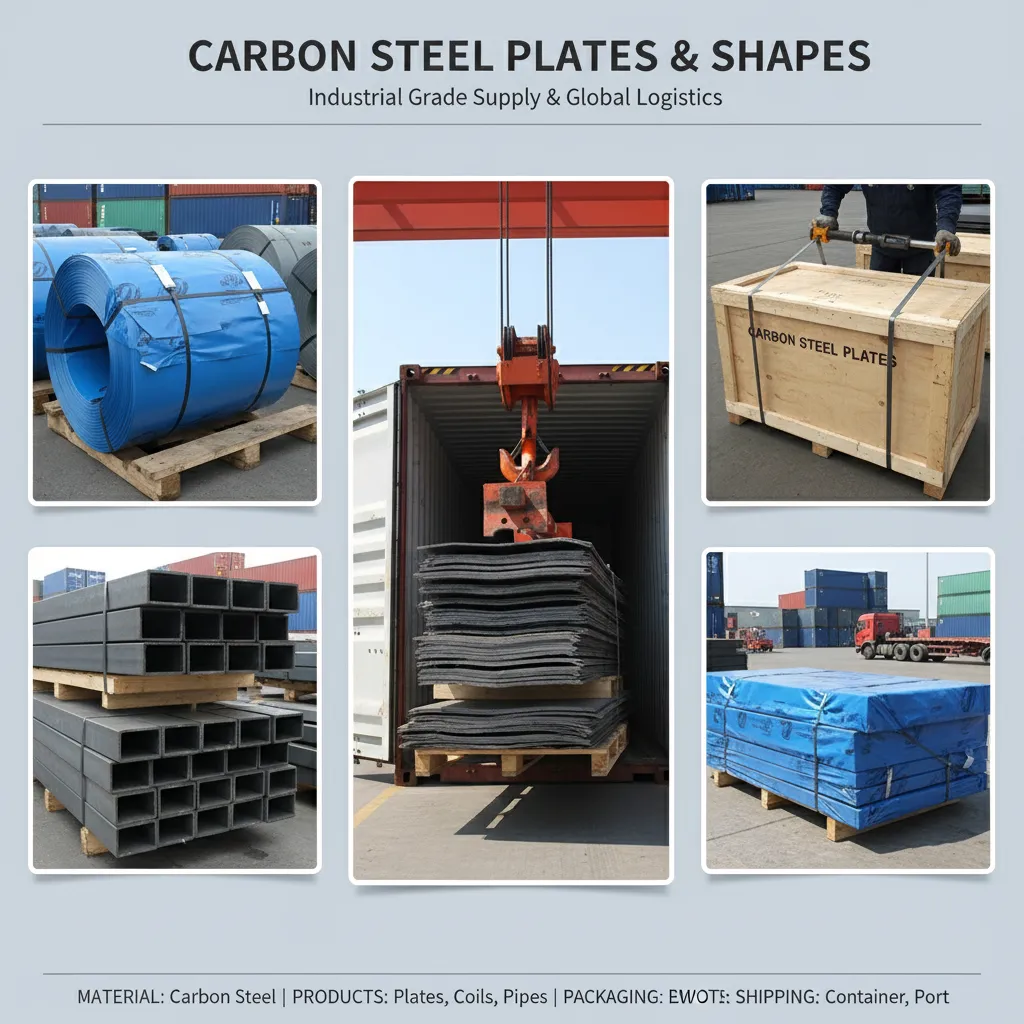
- standard export packing
- Samples:
- available on request
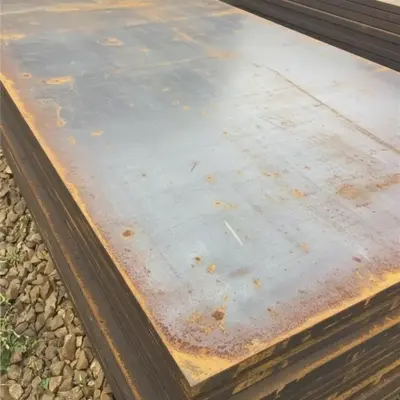
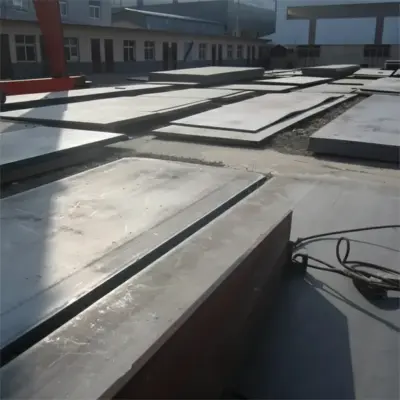
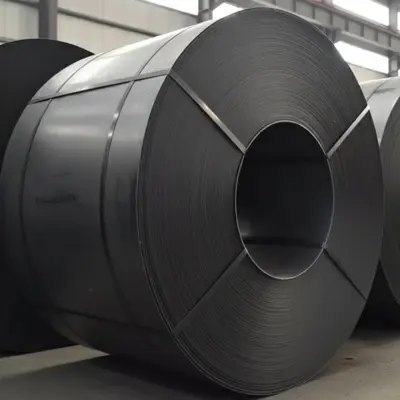
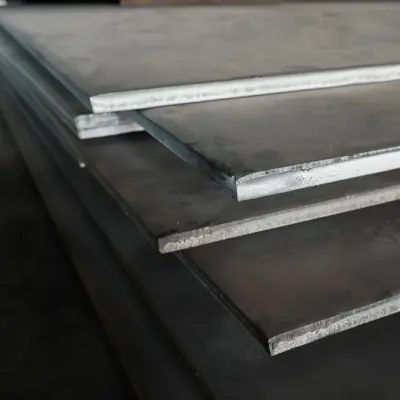
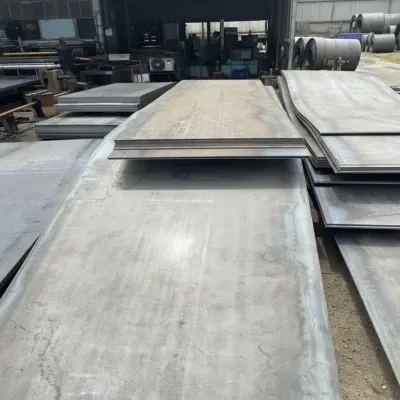
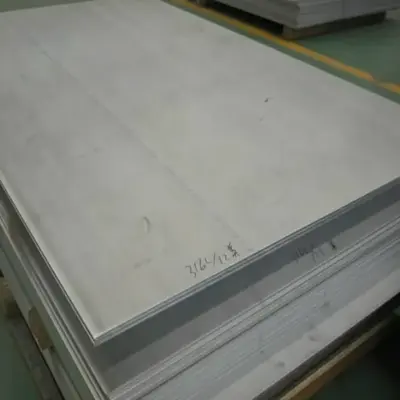
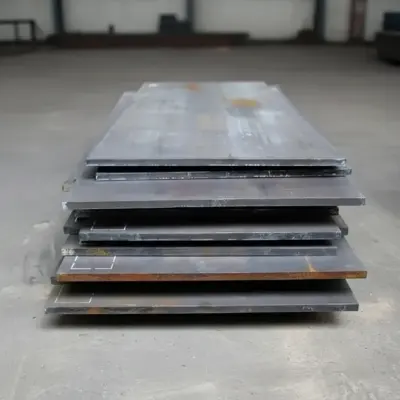
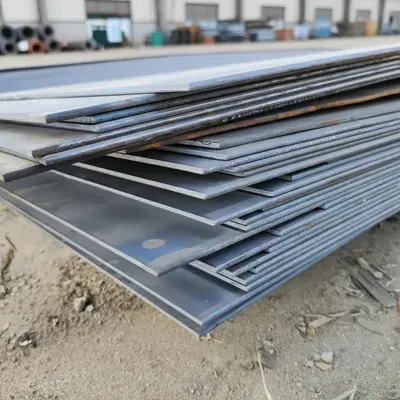
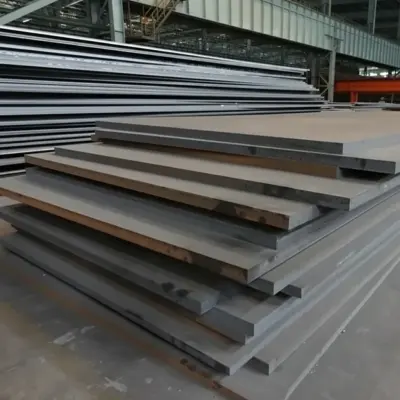
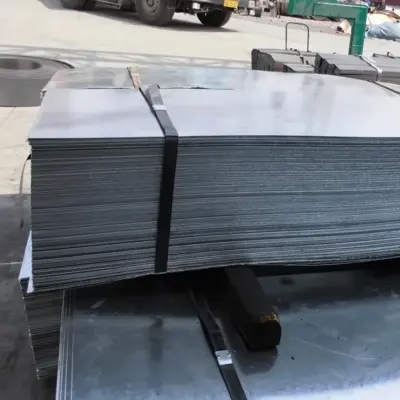
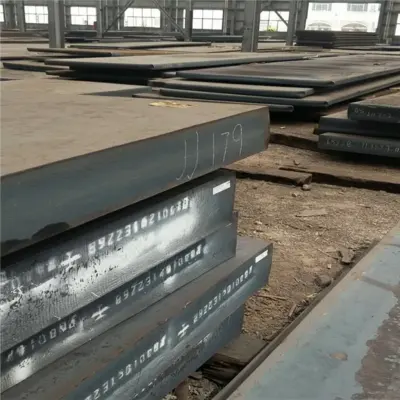
Product details
Technical Specifications of Wear Resistant Steel Plate
| Property | Parameter | Description |
|---|---|---|
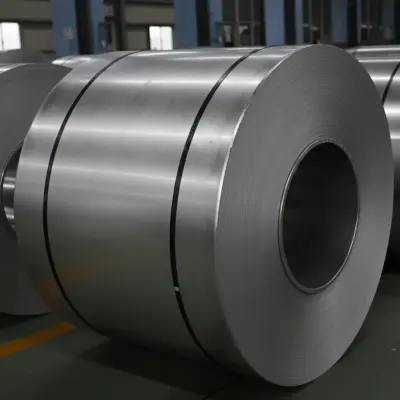
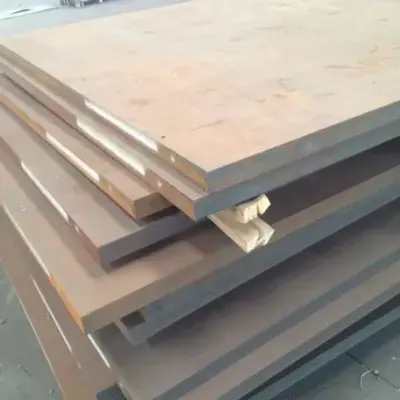
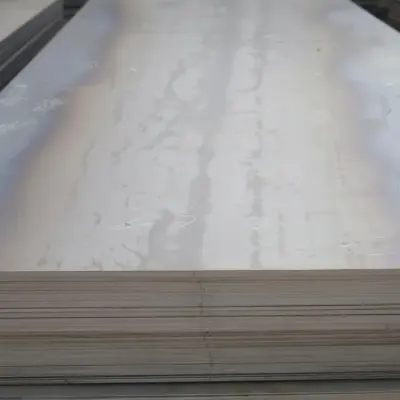
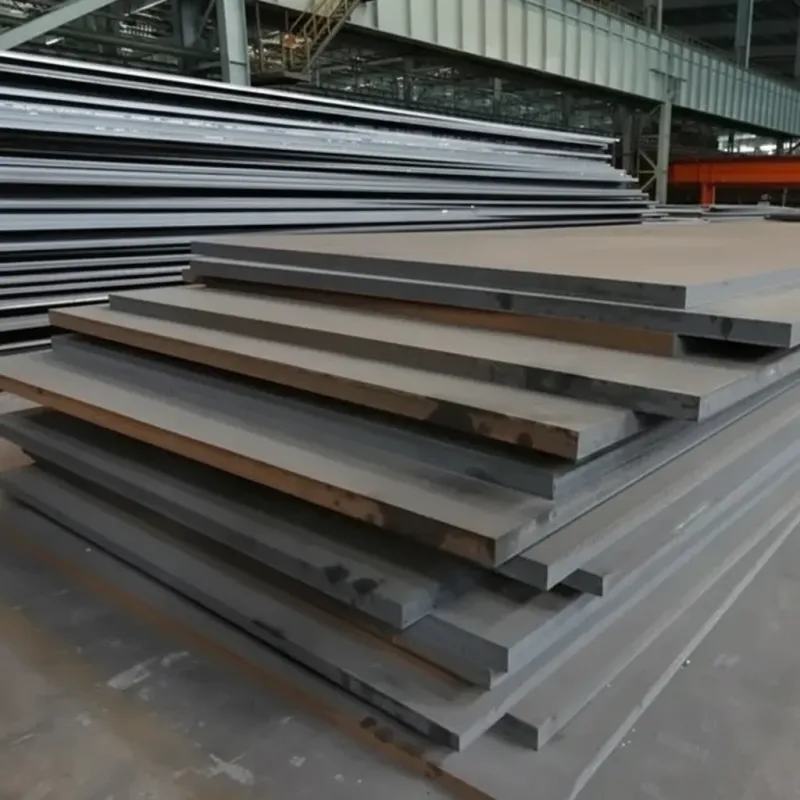
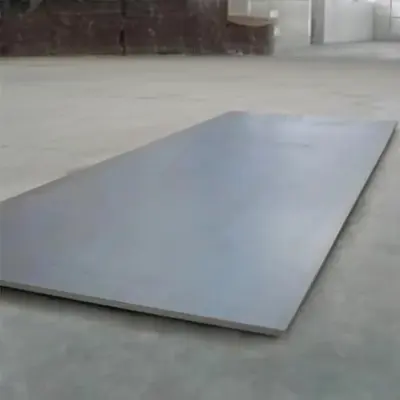
| Product Name | Wear Resistant Steel Plate | High hardness abrasion resistant steel plate |
| Material Grade | AR400, AR450, AR500, NM400, NM500, Hardox 400/450/500 | International wear resistant steel grades |
| Standard Compliance | ASTM A514, JIS G3128, EN 10025-6 | Meets major international standards |
| Carbon (C) | ≤0.30% | Controlled carbon for weldability |
| Manganese (Mn) | 1.0-1.8% | Enhances hardenability and strength |
| Chromium (Cr) | 0.5-1.5% | Improves wear resistance |
| Hardness (HBW) | 360-550 HBW | Brinell hardness range by grade |
| Tensile Strength | ≥1250 MPa | High tensile strength for durability |
| Yield Strength | ≥1000 MPa | Minimum yield strength |
| Elongation | ≥10% | Ductility in 50mm gauge length |
| Thickness Range | 6mm - 100mm | Available thickness options |
| Width Range | 1500mm - 3000mm | Standard and custom widths |
| Length Range | 3000mm - 12000mm | Standard and custom lengths |
| Surface Finish | Hot rolled, Shot blasted | Surface treatment options |
| Application | Mining, Cement, Construction, Quarry equipment | High abrasion environments |
| Impact Toughness | ≥24J at -40°C | Low temperature impact resistance |
| Certification | EN 10204 3.1, ISO 9001, Mill Test Certificate | Quality certifications provided |
| Packaging | Steel pallet, waterproof cover, steel strapping | Standard export packaging |
| MOQ | 5 tons | Minimum order quantity |
Wear Resistant Steel Plate Price - Abrasion Resistant AR400 AR500 Steel Plates
Wear resistant steel plate price represents a critical investment factor for industries requiring superior abrasion resistance in demanding applications. These specialized alloy steel plates, engineered with enhanced hardness properties, serve critical roles in mining equipment, material handling systems, and heavy construction machinery where conventional steel fails prematurely. Understanding the cost structure of AR400, AR500, and other hardness grades enables procurement teams to optimize equipment longevity while managing capital expenditure effectively across operational lifecycles.
What is Wear Resistant Steel Plate?
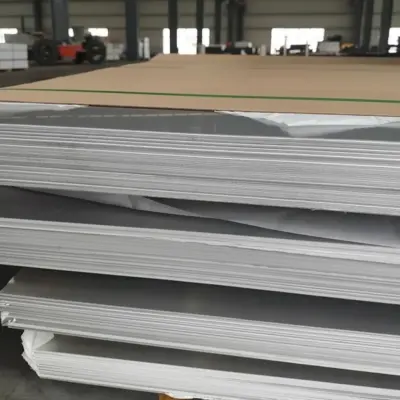
Wear resistant steel plate is a high-carbon alloy steel product specifically heat-treated to achieve exceptional surface hardness ranging from 360 to 550 Brinell (HBW), depending on the grade specification. Through controlled quenching and tempering processes per ASTM A514 or equivalent standards, these plates develop a martensitic microstructure that provides outstanding resistance to abrasive wear, impact loading, and material gouging in industrial service environments.
Wear Resistant Steel Plate Price Technical Specifications
Standard wear resistant steel plate pricing correlates directly with hardness grade, thickness range, and chemical composition. AR400 plates typically contain 0.15-0.21% carbon, 0.40-0.65% manganese, with surface hardness of 360-440 HBW per ASTM standards. AR500 grades feature elevated carbon content of 0.25-0.32% and achieve 460-540 HBW hardness. Thickness availability spans 6mm to 150mm, with mill-direct rates varying based on order volume and delivery specifications.
Factors Influencing Wear Resistant Steel Plate Price
Material Grade and Hardness Level
AR400 plates command cost-effective pricing for moderate abrasion applications, while AR500 and AR600 grades carry premium rates due to specialized heat treatment requirements and alloying additions. The price differential between grades typically ranges 15-30% based on current market conditions and raw material costs.
Plate Thickness and Dimensions
Standard thickness ranges of 8-25mm offer optimal value-driven pricing, whereas heavy plates exceeding 50mm thickness require extended processing time and specialized rolling equipment, resulting in increased per-ton costs. Custom width cutting beyond standard 1500mm or 2000mm dimensions may incur additional fabrication charges.
Order Quantity and Lead Time
Mill-direct procurement of full production lots (typically 20-25 metric tons) provides the most competitive pricing structure. Smaller quantities sourced from distributor inventory carry handling premiums but offer shorter delivery windows. Rush orders requiring expedited production scheduling may increase costs by 10-20%.
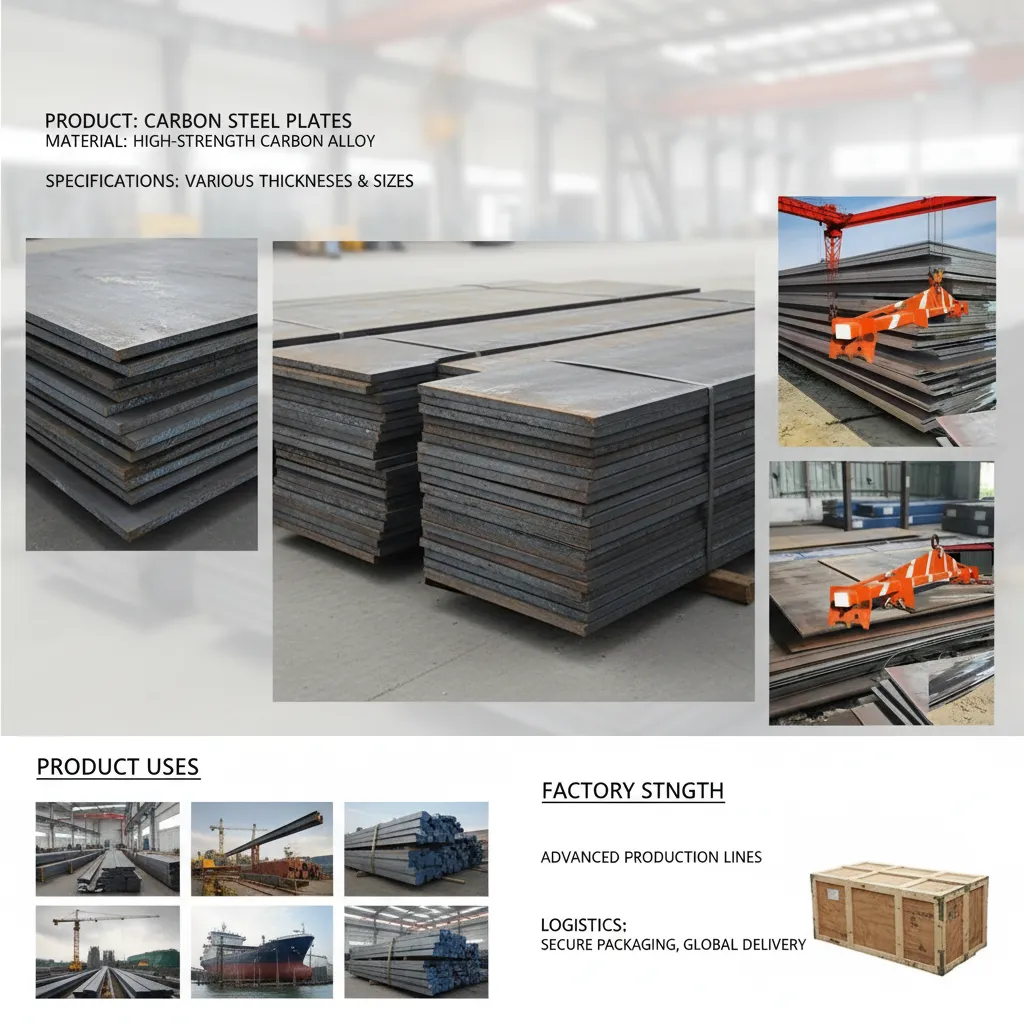
Surface Finish and Additional Processing
Standard mill finish plates represent baseline pricing, while shot-blasted, primed, or pre-cut configurations add value-added processing costs. Plasma or laser cutting to custom profiles typically adds $0.15-0.30 per kilogram depending on complexity and edge preparation requirements.
Frequently Asked Questions
What is the minimum order quantity (MOQ)?
Standard minimum order quantities for wear resistant steel plate range from 5 to 10 metric tons for mill-direct procurement, though distributors may accommodate smaller volumes of 1-2 tons from existing inventory at adjusted pricing. Project-specific requirements can be discussed with sales engineering teams to optimize order economics.
Do you provide material test certificates?
All wear resistant steel plates are supplied with comprehensive Mill Test Certificates (MTC) per EN 10204 3.1 standard, documenting chemical composition analysis, mechanical property test results including hardness verification, heat treatment parameters, and dimensional inspection records. Third-party certification per EN 10204 3.2 is available upon request for critical applications.
What is the typical delivery time?
Standard delivery schedules for in-stock wear resistant steel plate range from 7-14 days for domestic shipments, depending on destination and logistics coordination. Mill-direct orders requiring production scheduling typically require 6-8 weeks lead time, with expedited processing available for urgent project requirements subject to mill capacity and surcharge assessment.
Can you cut to custom sizes?
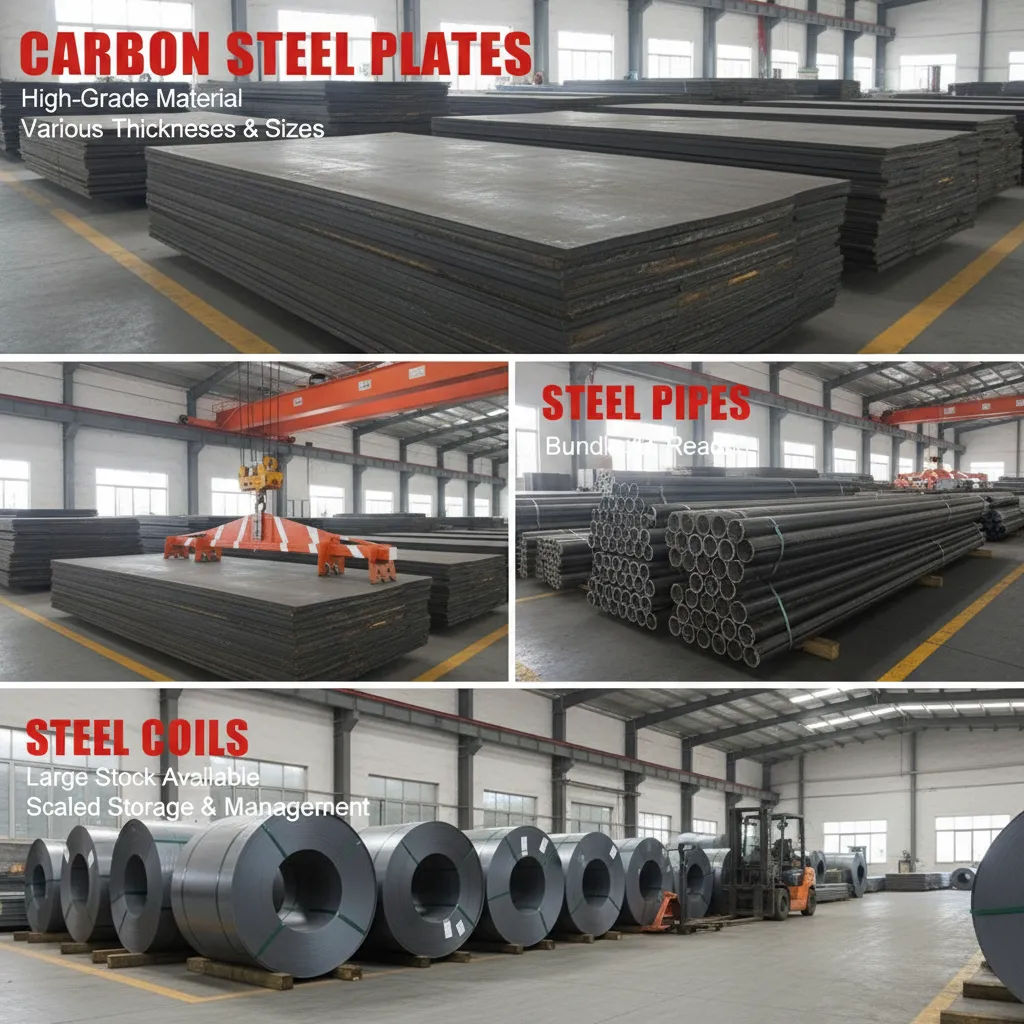
Comprehensive custom cutting services are available utilizing CNC plasma, laser, and waterjet technologies to achieve precise dimensional tolerances and edge quality specifications. Complex profile cutting, beveling for weld preparation, and hole drilling can be integrated into supply packages, with cutting fees calculated based on linear meterage, material thickness, and edge finish requirements.
Get a Competitive Quote for Wear Resistant Steel Plate Price
Contact our technical sales team to receive factory-competitive pricing for your specific wear resistant steel plate requirements. Our engineering support staff can assist with grade selection, thickness optimization, and total cost of ownership analysis to ensure your project achieves optimal performance and budget alignment. Request detailed quotations including material certificates, cutting services, and logistics coordination for seamless procurement execution.
Ratings & Reviews

Know your supplier
Supplier's customization ability
- Drawing-based customization
- Sample-based customization
- Full customization
Minimum order quantity: 1 ton
Shipping total: To be negotiated
- Lead time:
- confirmed with the quotation
- Packaging:
- standard export packing
- Samples:
- available on request