 English
  Español
  Français
  Deutsch
  Português (Brasil)
  Русский
  العربية
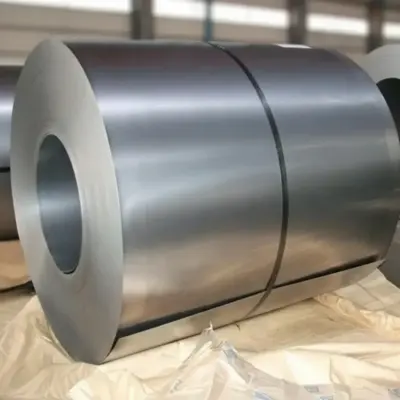
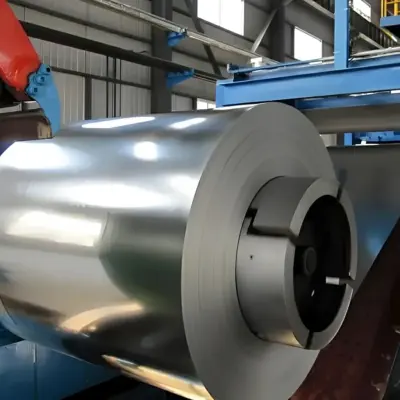
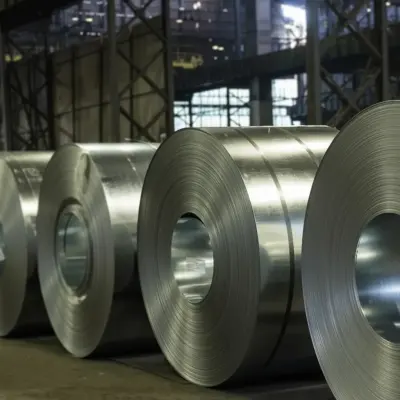
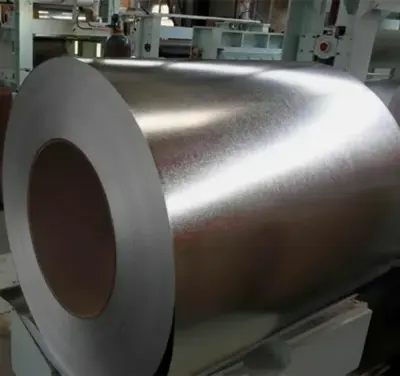
Electrolytic Tinplate Coil - Cold Rolled Steel for Food Packaging & Cans

 China
China
Supplier's customization ability
- Drawing-based customization
- Sample-based customization
- Full customization
Minimum order quantity: 1 ton
Shipping total: To be negotiated
- Lead time:
- confirmed with the quotation
- Packaging:
- standard export packing
- Samples:
- available on request
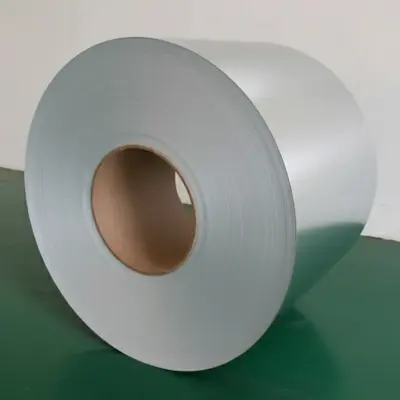
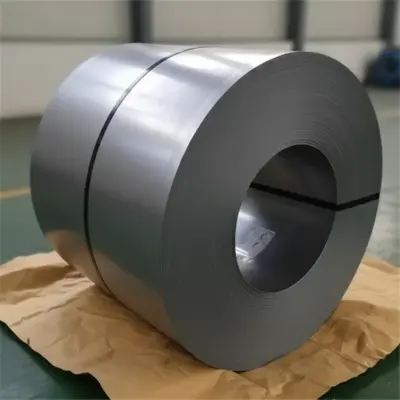
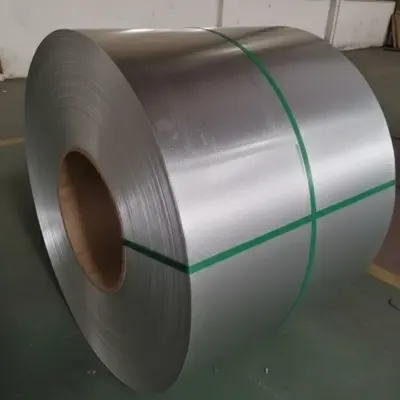
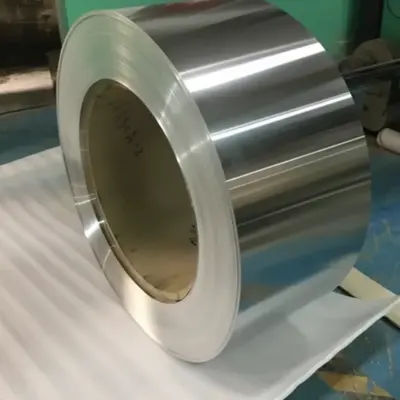
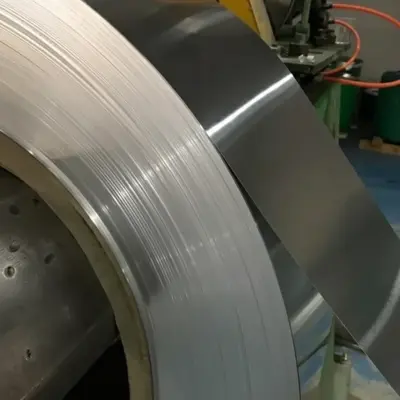
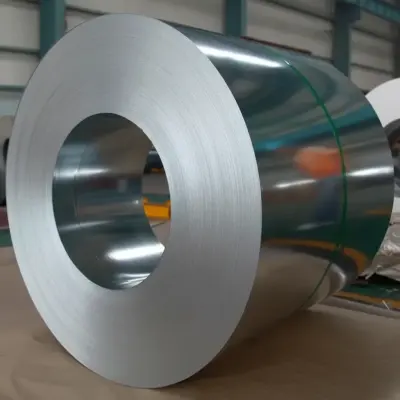
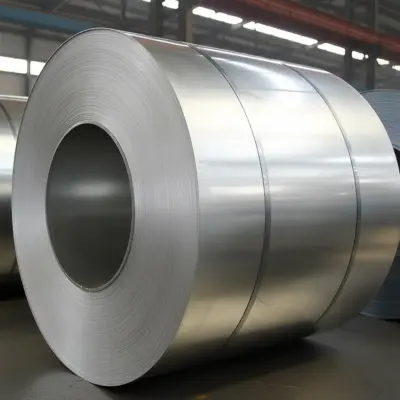
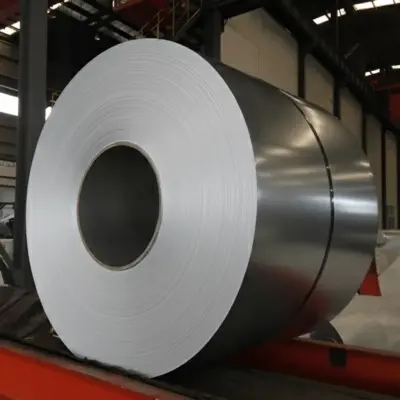
Product details
Technical Specifications of Electrolytic Tinplate Coil
| Property | Parameter | Description |
|---|---|---|
| Product Name | Electrolytic Tinplate Coil | Cold-rolled steel coated with tin via electrolytic process |
| Base Material | Low Carbon Steel (SPCC/MR Grade) | Cold-rolled steel substrate per JIS G3303 |
| Standard Compliance | JIS G3303, ASTM A623, EN 10202 | Meets international tinplate standards |
| Tin Coating Weight | 2.8-11.2 g/m² (E2.8 - E11.2) | Equal or differential coating on both sides |
| Base Steel Thickness | 0.15 - 0.50 mm | Thickness range for various applications |
| Coil Width | 600 - 1050 mm | Standard width options for production |
| Coil Weight | 3 - 10 tons | Standard coil weight range |
| Temper Grade | T1, T2, T2.5, T3, T4, T5 | Hardness levels from soft to hard |
| Surface Finish | Bright, Stone, Silver, Matte | Multiple finish options for different uses |
| Passivation Treatment | 311, 311/360 (Chromium/Chromium-free) | Corrosion resistance enhancement |
| Oil Application | DOS (Dioctyl Sebacate) | Food-grade lubricant coating |
| Tensile Strength | 290 - 550 MPa (varies by temper) | Strength based on temper grade |
| Elongation | ≥30% (T1-T3), ≥2% (T5) | Ductility varies with hardness |
| Corrosion Resistance | Excellent in acidic environments | Tin coating provides barrier protection |
| Application | Food cans, aerosol cans, metal packaging | Primary use in packaging industry |
| Certification | ISO 9001, FDA compliant, REACH | Quality and food safety certifications |
| Packaging | Eye-to-wall or eye-to-sky on wooden pallet | Standard export packaging with waterproof cover |
| MOQ | 25 tons | Minimum order quantity per specification |
Electrolytic Tinplate Coil - Cold Rolled Steel for Food Packaging & Cans
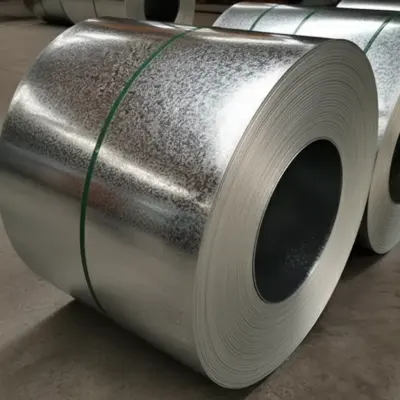
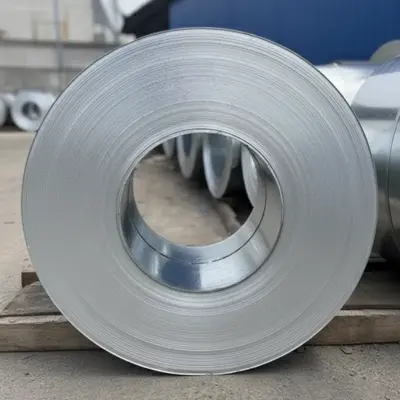
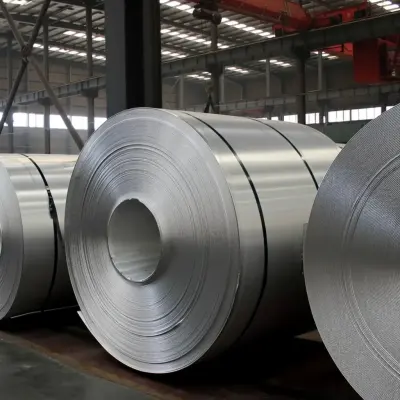
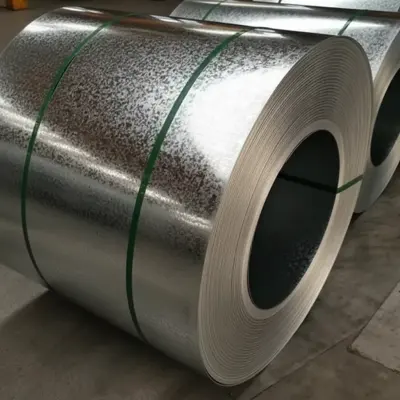
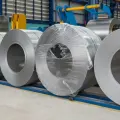
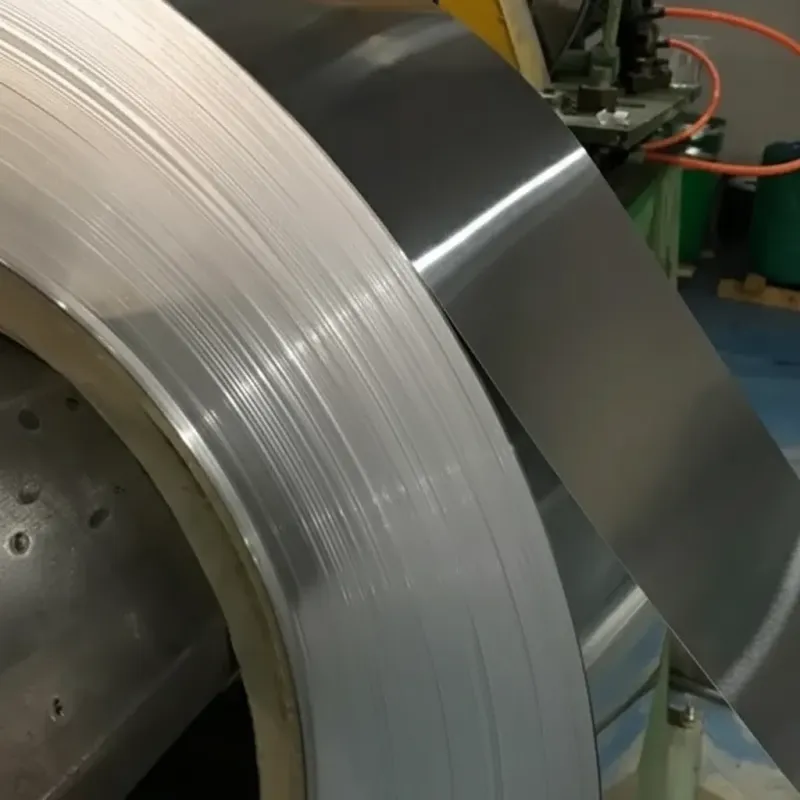
Electrolytic tinplate coil represents a specialized cold-rolled steel product featuring a precisely controlled tin coating applied through electroplating processes. This premium-grade material serves critical roles in food preservation, beverage packaging, and aerosol container manufacturing, where superior corrosion resistance and non-toxic surface properties are essential. Manufactured to meet stringent international standards including JIS G3303, EN 10202, and ASTM A623, electrolytic tinplate coils deliver exceptional formability, weldability, and coating adhesion for high-speed production lines in the packaging industry.
What is Electrolytic Tinplate Coil?
Electrolytic tinplate coil is cold-rolled low-carbon steel substrate coated with a thin layer of pure tin through electrolytic deposition, typically ranging from 2.8 to 11.2 grams per square meter. The base steel undergoes continuous annealing and surface treatment before tin application, creating a dual-layer protection system that combines the mechanical strength of steel with tin's outstanding resistance to corrosive environments found in food and beverage applications.
Electrolytic Tinplate Coil Technical Specifications
Standard electrolytic tinplate coils are manufactured with thickness ranging from 0.15mm to 0.49mm, width options between 600mm and 1050mm, and coil weights up to 12 metric tons. The tin coating weight classification follows designations such as E2.8/2.8, E5.6/5.6, or E8.4/8.4, indicating equal or differential coating on both surfaces. Temper grades span from T-1 (soft) to T-5 (hard), with tensile strength values between 290 MPa and 520 MPa per EN 10202:2001 requirements.
Key Advantages of Electrolytic Tinplate Material
This material finds extensive application in food packaging due to its exceptional barrier properties against moisture, oxygen, and light penetration. The tin coating provides natural lubricity for high-speed stamping operations while maintaining excellent solderability for three-piece can manufacturing. Chemical stability ensures no flavor transfer or contamination in food contact applications, meeting FDA 21 CFR 175.300 compliance requirements for direct food contact surfaces.
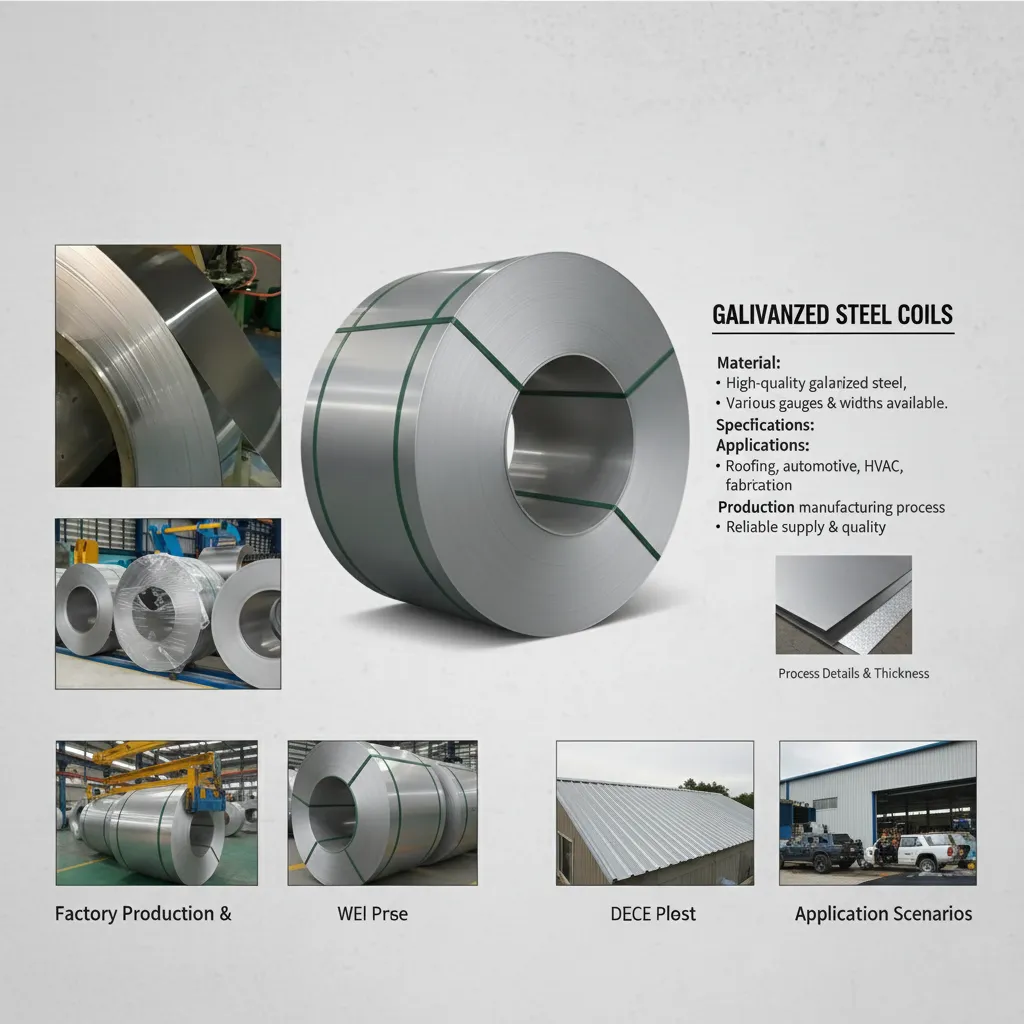
Manufacturing Process and Quality Control
Production begins with low-carbon steel coils containing maximum 0.13% carbon content, which undergo pickling, cold rolling to final gauge, and continuous annealing at temperatures between 650°C and 750°C. The electrolytic tinning line applies pure tin coating at controlled current densities, followed by chemical passivation treatment creating a chromium oxide layer of 10-120 mg/m² that enhances corrosion resistance. Final oil application using dioctyl sebacate (DOS) at 3-10 mg/m² ensures proper lubrication for downstream forming operations.
Frequently Asked Questions
What is the minimum order quantity (MOQ)?
Our standard minimum order quantity for electrolytic tinplate coils is 25 metric tons per specification, though we accommodate smaller trial orders of 10 tons for new customers evaluating material performance in their specific applications.
Do you provide material test certificates?
Yes, we supply comprehensive mill test certificates (MTC 3.1 per EN 10204) documenting chemical composition analysis, mechanical properties including tensile strength and elongation, tin coating weight measurements, and surface treatment specifications for full material traceability.
What is the typical delivery time?
Standard delivery schedules range from 25 to 35 days after order confirmation for stock specifications, while custom temper grades or special coating weights may require 40 to 50 days depending on production queue and coating line availability.
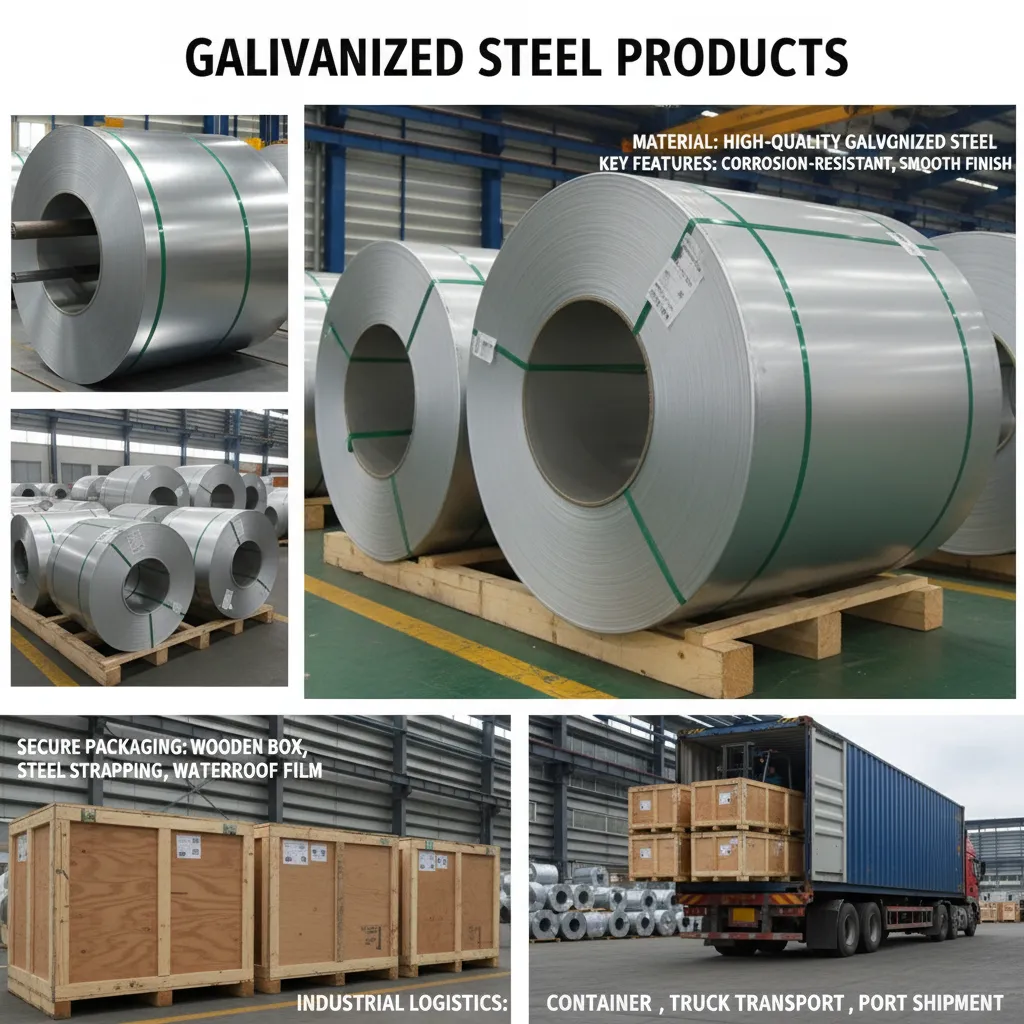
Can you cut to custom sizes?
We offer precision slitting services to customer-specified widths with tolerance of ±0.5mm, and can provide cut-to-length sheets in dimensions up to 1200mm × 2400mm with edge conditioning to remove burrs for direct stamping applications.
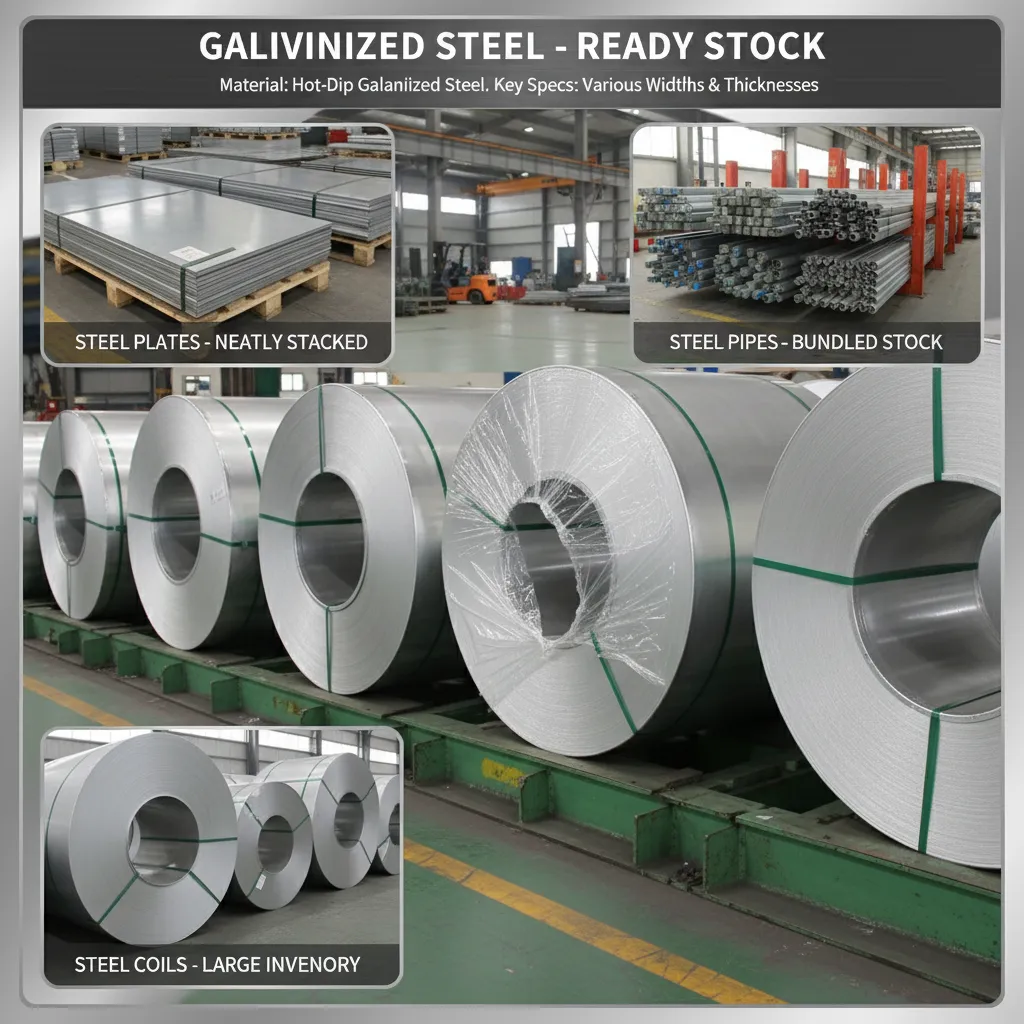
Get a Competitive Quote for Electrolytic Tinplate Coil
Contact our technical sales team today to discuss your electrolytic tinplate coil requirements. We provide mill-direct pricing, comprehensive material specifications, and application engineering support to optimize your packaging production efficiency. Request your detailed quotation with chemical analysis reports and mechanical property certifications to ensure compliance with your quality standards.
Ratings & Reviews

Know your supplier
Supplier's customization ability
- Drawing-based customization
- Sample-based customization
- Full customization
Minimum order quantity: 1 ton
Shipping total: To be negotiated
- Lead time:
- confirmed with the quotation
- Packaging:
- standard export packing
- Samples:
- available on request