 English
  Español
  Français
  Deutsch
  Português (Brasil)
  Русский
  العربية
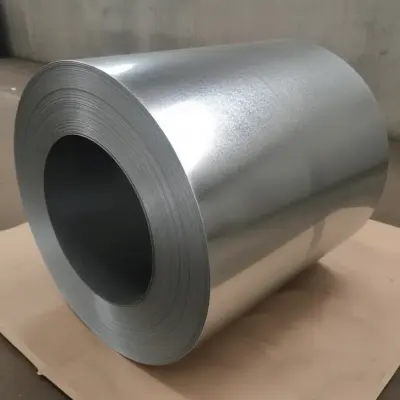
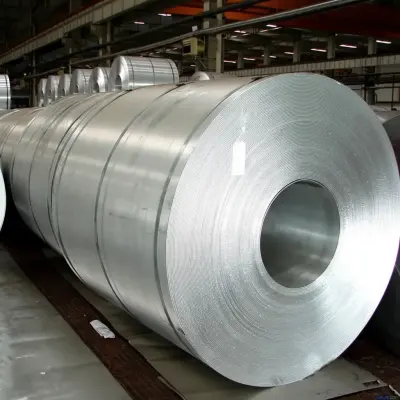
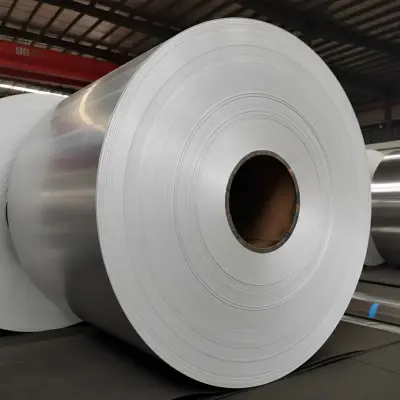
Tinplate Coil Price - Hot-Dipped Galvanized Steel Coil Rates 2024

 China
China


Supplier's customization ability
- Drawing-based customization
- Sample-based customization
- Full customization
Minimum order quantity: 1 ton
Shipping total: To be negotiated
- Lead time:
- confirmed with the quotation
- Packaging:
- standard export packing
- Samples:
- available on request
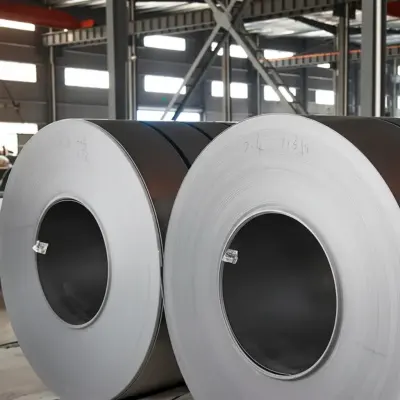
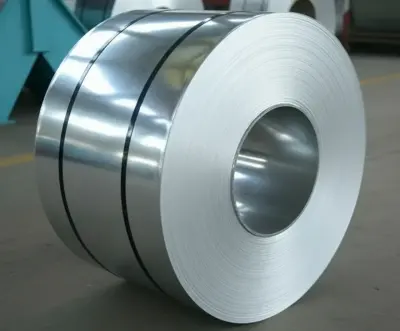
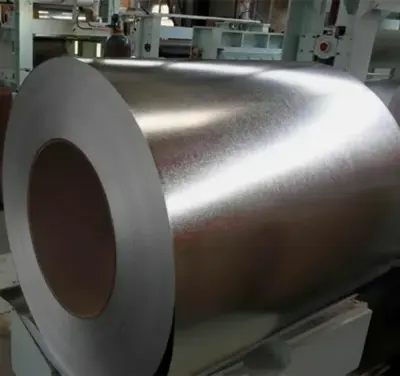
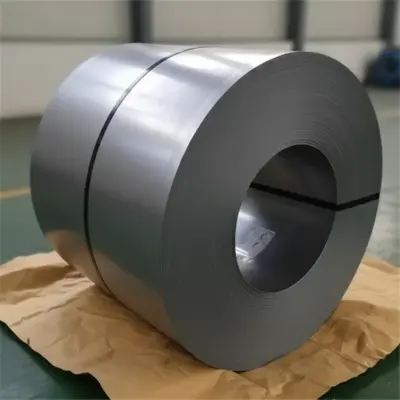
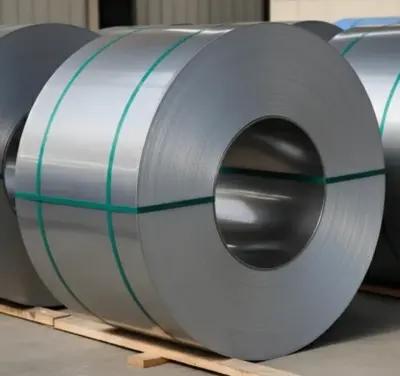
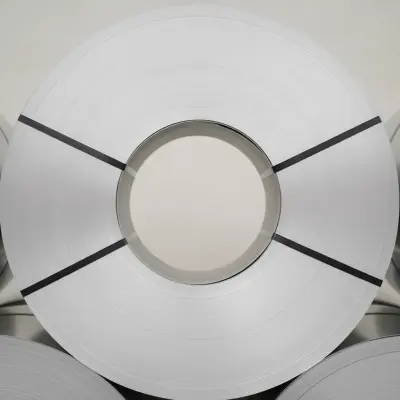
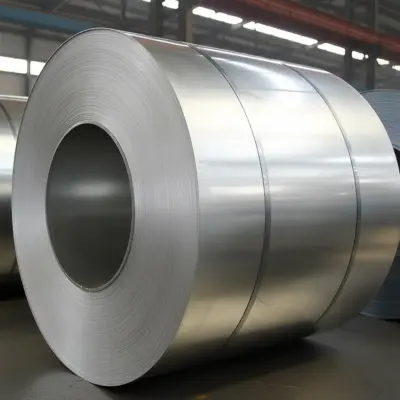
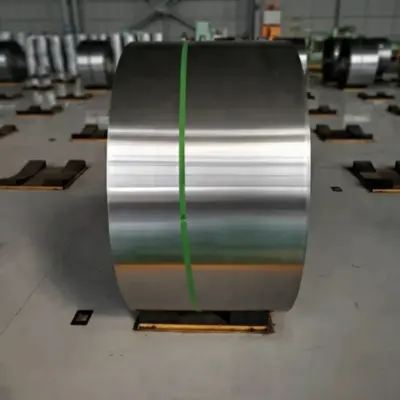
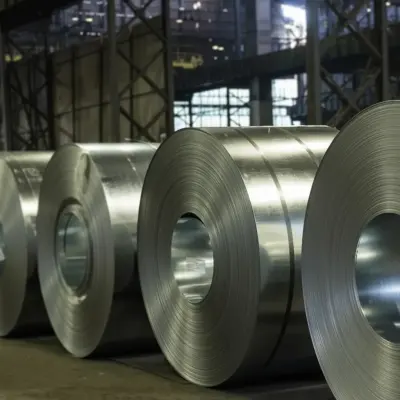
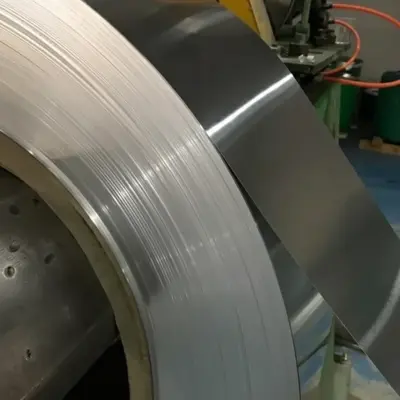
Product details
Technical Specifications of Tinplate Coil
| Property | Parameter | Description |
|---|---|---|
| Product Name | Tinplate Coil | Electrolytic tinned cold-rolled steel coil |
| Material Grade | T1-T5 (ASTM A623) / EN 10202 | International grade standards |
| Standard Compliance | ASTM A623, EN 10202, JIS G3303 | Meets major international tinplate standards |
| Base Steel | Low carbon cold-rolled steel | High-quality substrate for tin coating |
| Tin Coating Weight | 2.8-11.2 g/m² (per side) | Single or double-side coating options |
| Temper Grade | T1, T2, T2.5, T3, T4, T5 | From soft (T1) to hard (T5) temper |
| Thickness Range | 0.15-0.50 mm | Standard tinplate thickness options |
| Width Range | 600-1200 mm | Standard coil widths available |
| Coil Weight | 3-10 tons | Standard coil weight range |
| Surface Finish | Bright, Stone, Silver, Matte | Multiple surface treatment options |
| Coating Type | Electrolytic tin coating | Uniform and adherent tin layer |
| Passivation | 311, 314, 316 (chromium treatment) | Enhanced corrosion resistance |
| Tensile Strength | 300-550 MPa (depending on temper) | Mechanical strength varies by grade |
| Application | Food cans, beverage cans, aerosol cans, metal packaging | Typical application industries |
| Corrosion Resistance | Excellent | Tin coating provides superior protection |
| Certification | ISO 9001, FDA, REACH, RoHS | Quality and safety certifications |
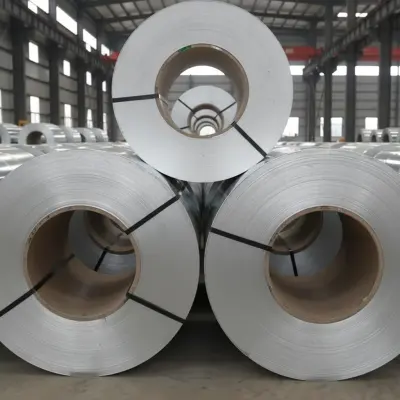
| Packaging | Steel or wooden pallet, waterproof paper, steel strapping | Standard export packaging |
| MOQ | 25 tons | Minimum order quantity |
Tinplate Coil Price - Hot-Dipped Galvanized Steel Coil Rates 2024
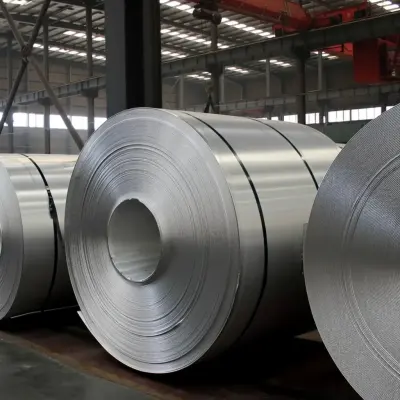
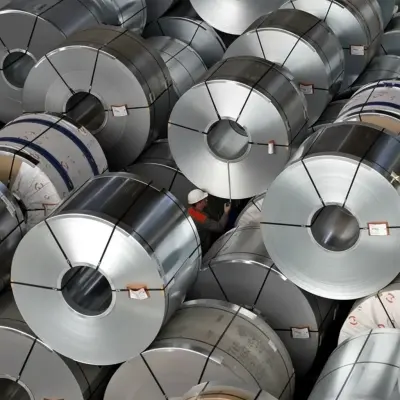
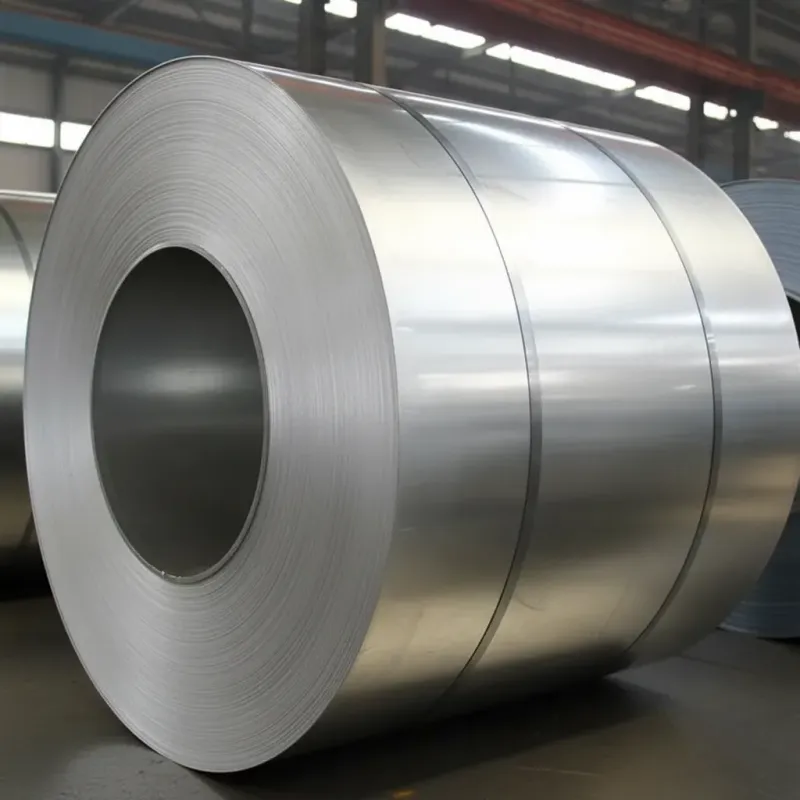
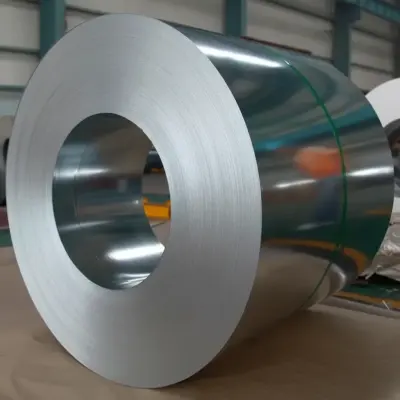
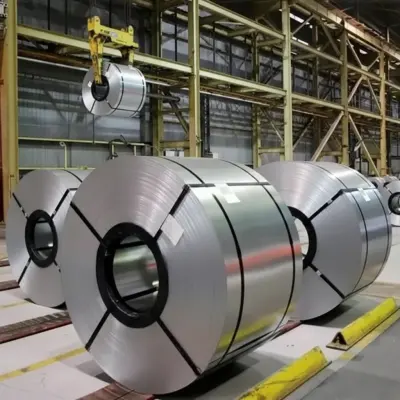
Tinplate coil price represents a critical cost factor for manufacturers in food packaging, aerosol containers, and metal decorating industries. This electrolytically coated steel product combines the structural integrity of cold-rolled steel with superior corrosion resistance from tin coating layers, serving as the preferred material for beverage cans, food containers, and industrial packaging applications requiring FDA compliance and extended shelf life protection.
What is Tinplate Coil Price?
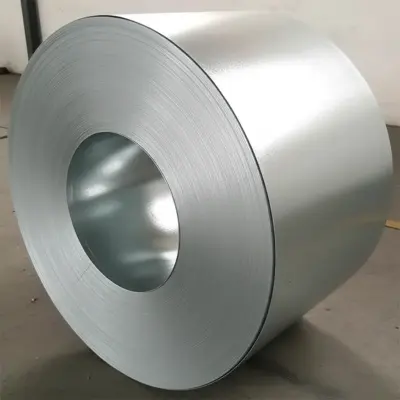
Tinplate coil pricing refers to the market valuation of continuous steel coils coated with metallic tin through electroplating processes, typically ranging from 0.15mm to 0.49mm thickness. The cost structure encompasses base steel substrate prices, tin coating weight (measured in grams per square meter from 2.8g/m² to 11.2g/m²), surface finish specifications (bright, stone, or matte), and tempering grades (T-1 through T-5) as defined by ASTM A623 and EN 10202 standards.
Tinplate Coil Price Technical Specifications
Current market rates for tinplate coils vary based on coating classification and substrate composition. Standard electrolytic tinplate features tin coating weights between 2.8-11.2 g/m² per side, with base steel thickness tolerances of ±0.02mm per EN 10202:2001 Section 7.3. Material density measures 7.85 g/cm³ at 20°C, while tensile strength ranges from 290-550 MPa depending on temper designation. Pricing typically reflects tin content calculated at London Metal Exchange spot rates plus steel substrate costs indexed to regional hot-rolled coil benchmarks.
Factors Affecting Tinplate Coil Pricing
Raw Material Cost Components
Base steel substrate pricing accounts for 60-70% of total tinplate coil costs, directly correlating with hot-rolled coil indices published by Platts and Metal Bulletin. Tin coating expenses fluctuate with LME tin futures, where coating weight variations of 2.8g/m² versus 11.2g/m² can impact per-ton pricing by $150-200. Chromium passivation treatments add $15-25 per metric ton, while specialized surface finishes command premium rates of 8-12% above standard bright finishes.
Manufacturing Process Variables
Electrolytic tinning line efficiency directly influences production costs, with modern high-speed lines achieving coating speeds of 300-600 meters per minute. Energy consumption for electroplating operations averages 450-550 kWh per ton, translating to $35-45 in electricity costs at industrial rates. Acid pickling and degreasing pre-treatments contribute an additional $18-22 per ton, while post-coating lacquering for enhanced corrosion protection adds $40-60 per metric ton to final pricing.
Market Demand Dynamics
Food and beverage packaging sectors consume 75-80% of global tinplate production, creating seasonal demand peaks during summer beverage production cycles. Regional pricing variations reflect transportation logistics, with Asian mills typically offering FOB prices $80-120 per ton below European equivalents due to integrated production facilities. Contract versus spot market pricing spreads average 5-8%, with quarterly price adjustment mechanisms tied to base metal index movements.
Tinplate Coil Price Comparison by Grade
Standard Grade Tinplate Pricing
T-3 temper tinplate with 5.6g/m² tin coating represents the industry benchmark, with current mill-direct pricing ranging $950-1,150 per metric ton for 0.23mm thickness coils. This grade finds extensive application in three-piece food cans and general packaging applications requiring moderate forming operations. Volume contracts exceeding 500 tons annually typically secure discounts of 3-5% below published spot rates.
Premium Grade Cost Analysis
High-tin-coating specifications (8.4-11.2g/m²) command premium rates of $120-180 per ton above standard grades, justified by extended corrosion protection in acidic food environments. Double-reduced tinplate for aerosol applications features enhanced strength properties, pricing 15-20% above single-reduced equivalents. Specialty finishes including silver-bright and differential coatings add $80-110 per metric ton to base pricing structures.
Regional Tinplate Coil Price Variations
Asian Market Pricing Structures
Chinese tinplate mills maintain cost advantages through vertical integration, with domestic pricing averaging $880-980 per ton for export-grade material meeting JIS G3303 specifications. Japanese producers command premium rates of $1,100-1,250 per ton, reflecting superior surface quality control and consistent coating weight tolerances of ±0.3g/m². South Korean facilities price competitively at $950-1,080 per ton, targeting high-volume food packaging contracts.
European and North American Rates
European tinplate pricing reflects higher energy costs and environmental compliance expenses, with German and French mills quoting $1,150-1,300 per ton for comparable specifications. North American producers maintain pricing parity at $1,100-1,280 per ton, supported by anti-dumping duties on certain Asian imports. Transportation logistics add $45-65 per ton for inland delivery beyond 500 kilometers from production facilities.
Frequently Asked Questions
What is the minimum order quantity for tinplate coils?
Standard mill MOQ requirements range from 25-50 metric tons per specification, with consolidated container shipments accepting mixed orders of 20 tons minimum. Spot market purchases through trading houses may accommodate smaller quantities of 10-15 tons at premium rates of 8-12% above contract pricing. Custom width slitting services typically require 5-ton minimums per dimension.
Do tinplate suppliers provide material test certificates?
Reputable mills issue EN 10204 Type 3.1 certificates documenting chemical composition per ASTM E1019, coating weight verification via coulometric analysis per ASTM A623 Annex A3, and mechanical property testing including tensile strength and elongation values. Certificates include heat number traceability, production date codes, and compliance statements for FDA 21 CFR 175.300 food contact regulations.
What is the typical delivery time for tinplate coil orders?
Standard lead times range from 45-60 days for mill-direct orders, encompassing production scheduling, quality inspection, and ocean freight transit. Expedited production slots may reduce timelines to 30-35 days with surcharges of 5-8%. Warehouse stock programs maintained by distributors enable 7-14 day delivery for common specifications, though selection limits to high-turnover grades and thicknesses.
How do tin coating weight specifications affect pricing?
Coating weight directly correlates with material costs, as tin content represents 15-25% of total production expenses. Each 2.8g/m² increment in coating weight adds approximately $35-45 per metric ton to base pricing, calculated using LME tin settlement rates. Differential coating specifications (unequal coating on opposite sides) may reduce costs by 3-5% versus equal coating configurations while maintaining adequate corrosion protection for specific applications.
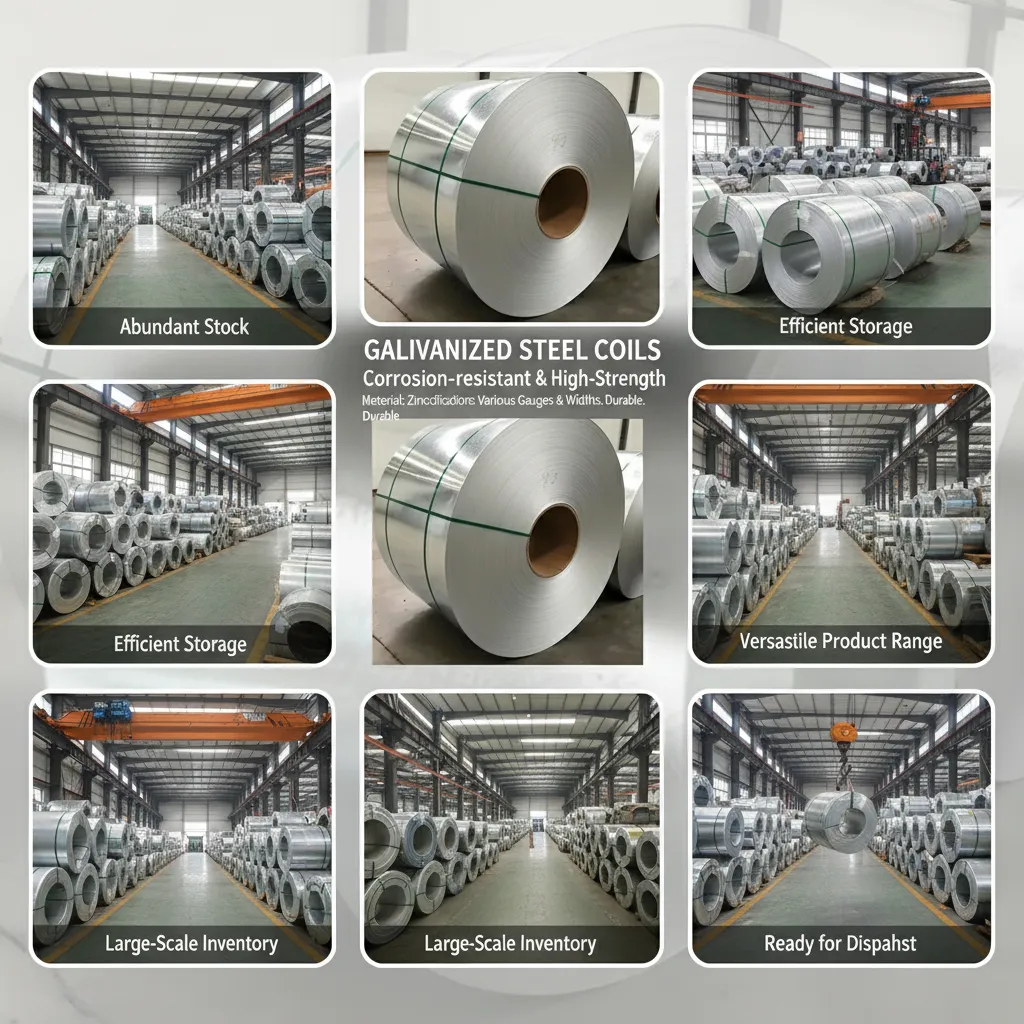
Get a Competitive Quote for Tinplate Coil Price
Our procurement specialists provide transparent pricing analysis based on current market conditions, volume commitments, and specification requirements. Request detailed quotations including coating weight options, temper grade selections, and surface finish alternatives. We offer mill-direct sourcing, consolidated shipping solutions, and flexible payment terms supporting your packaging production schedules. Contact our technical sales team for material recommendations optimized to your application requirements and budget parameters.
Ratings & Reviews

Know your supplier
Supplier's customization ability
- Drawing-based customization
- Sample-based customization
- Full customization
Minimum order quantity: 1 ton
Shipping total: To be negotiated
- Lead time:
- confirmed with the quotation
- Packaging:
- standard export packing
- Samples:
- available on request