 English
  Español
  Français
  Deutsch
  Português (Brasil)
  Русский
  العربية
Cold Rolled Steel Coil Price - Hot-Dipped Galvanized & SS Grades

 China
China
Supplier's customization ability
- Drawing-based customization
- Sample-based customization
- Full customization
Minimum order quantity: 1 ton
Shipping total: To be negotiated
- Lead time:
- confirmed with the quotation
- Packaging:
- standard export packing
- Samples:
- available on request
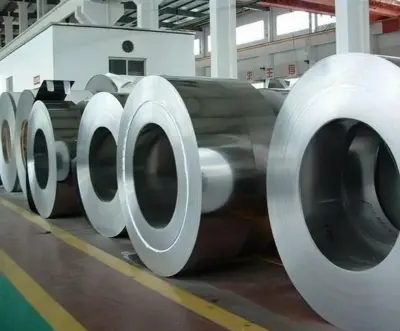
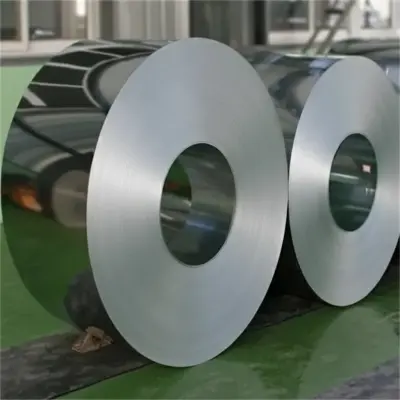
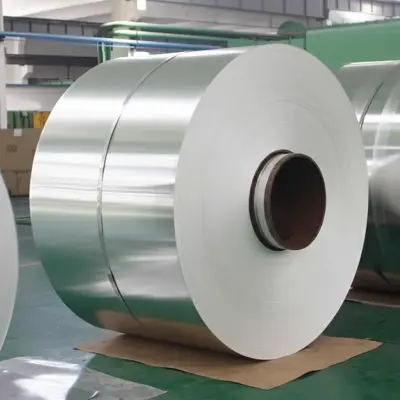
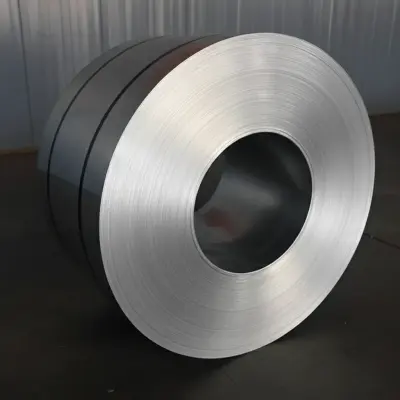
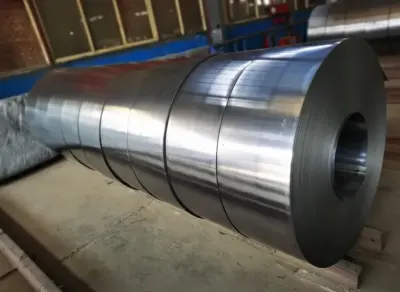
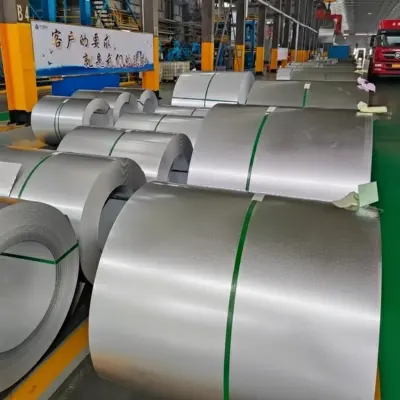
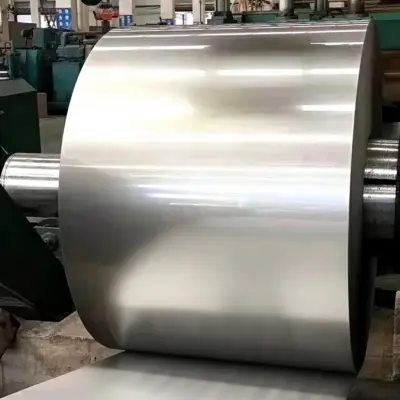
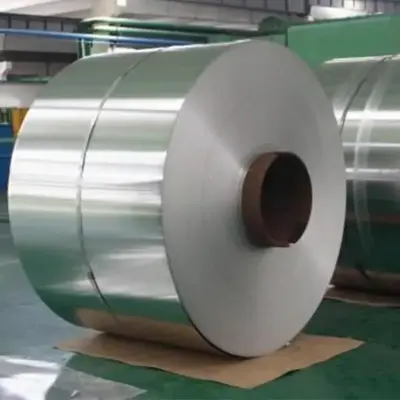
Product details
Cold Rolled Steel Coil Price Specifications
| Property | Parameter | Description |
|---|---|---|
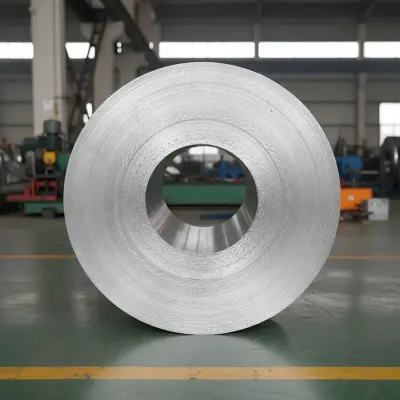
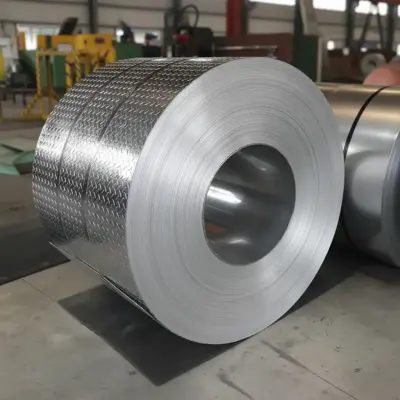
| Product Name | Cold Rolled Steel Coil | High-quality cold-rolled carbon steel for industrial applications |
| Material Grade | SPCC / DC01 / ASTM A1008 / JIS G3141 | International grade equivalents for cold rolled steel |
| Standard Compliance | ASTM A1008, EN 10130, JIS G3141, GB/T 5213 | Meets major international cold rolling standards |
| Carbon Content (C) | ≤0.12% | Low carbon for excellent formability |
| Manganese (Mn) | ≤0.50% | Improves strength and hardness |
| Phosphorus (P) | ≤0.030% | Controlled for ductility |
| Sulfur (S) | ≤0.035% | Low sulfur for better surface quality |
| Tensile Strength | 270-500 MPa | Minimum tensile strength per ASTM A1008 |
| Yield Strength | ≥140 MPa | Minimum yield strength for structural integrity |
| Elongation | ≥28% | Ductility in 50mm gauge length |
| Thickness Range | 0.15 - 3.0 mm | Available thickness options for cold rolled coils |
| Width Range | 600 - 2000 mm | Standard and custom widths available |
| Coil Weight | 3 - 15 tons | Standard coil weight range |
| Surface Finish | Bright, Matte, Oiled | Multiple surface treatment options |
| Application | Automotive, Appliances, Construction, Stamping | Typical application industries |
| Price Range | $550 - $750 per ton (FOB) | Price varies by specification, quantity, and market conditions |
| Certification | ISO 9001, EN 10204 3.1, SGS | Quality certifications provided |
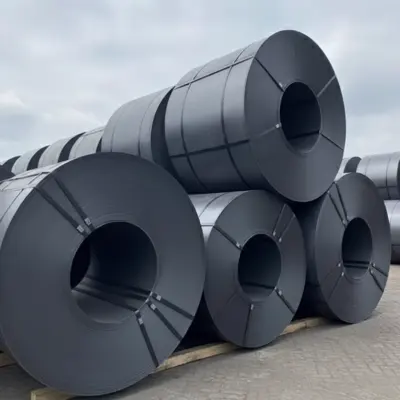
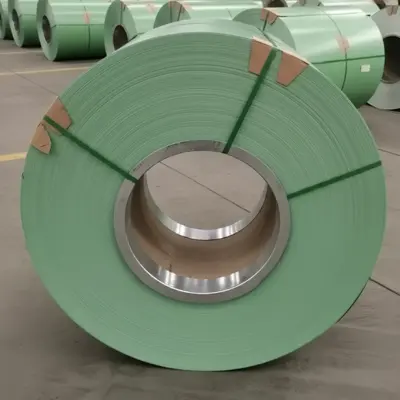
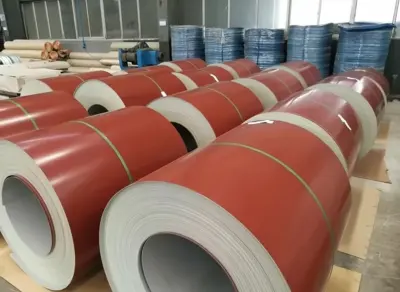
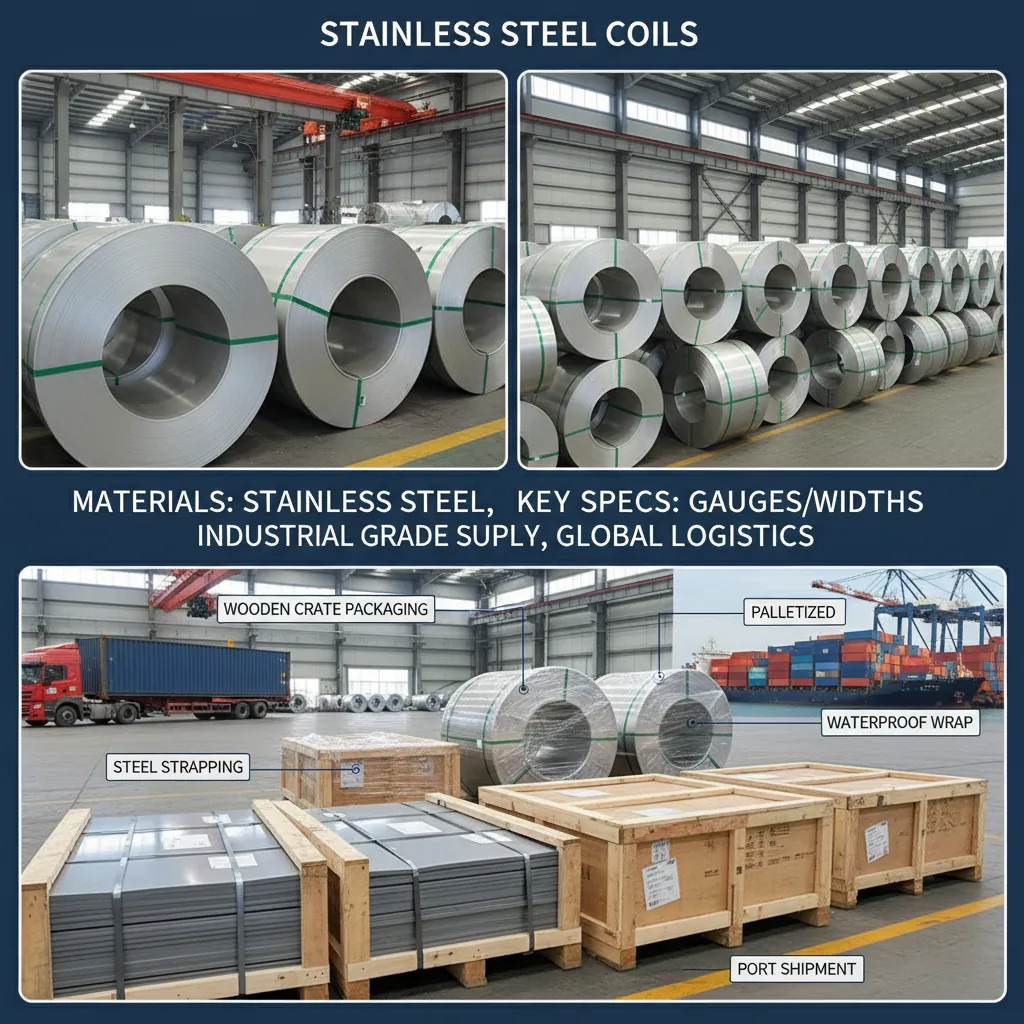
| Packaging | Steel strapping, waterproof paper, wooden pallet | Standard export packaging for coils |
| MOQ | 25 tons | Minimum order quantity |
Cold Rolled Steel Coil Price - Hot-Dipped Galvanized & SS Grades
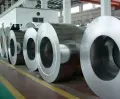
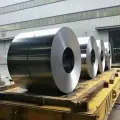
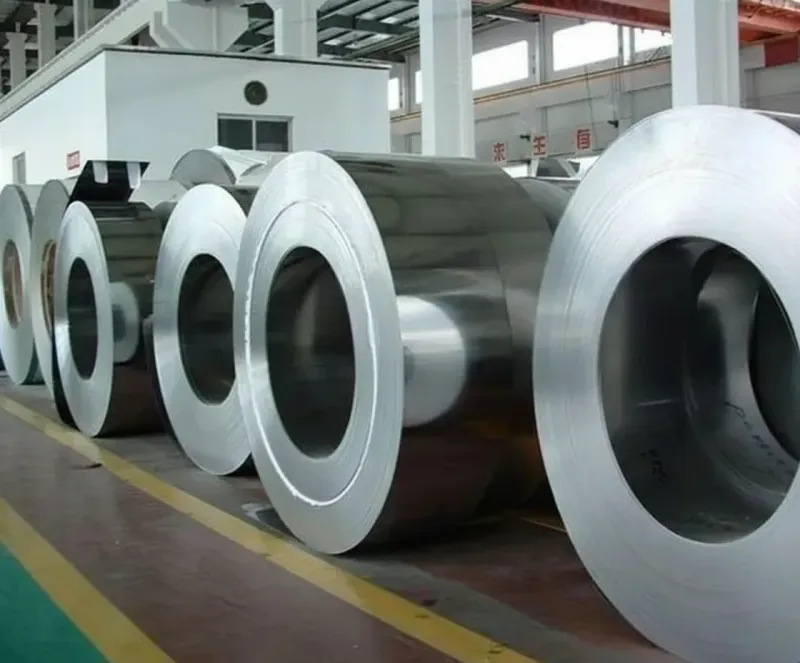
Cold rolled steel coil price represents a critical procurement consideration for manufacturers across automotive, appliances, and construction sectors. These precision-engineered coils undergo room-temperature rolling processes that deliver superior surface finish, tighter dimensional tolerances, and enhanced mechanical properties compared to hot-rolled alternatives. Understanding pricing dynamics—influenced by raw material costs, processing complexity, and market demand—enables buyers to optimize their supply chain strategies while securing mill-direct rates for both carbon steel and stainless steel variants.
What is Cold Rolled Steel Coil Price?
Cold rolled steel coil price refers to the commercial valuation of steel coils processed through cold reduction mills at temperatures below recrystallization point (typically 20-25°C). Pricing structures account for base metal costs, energy-intensive cold rolling operations, surface treatment specifications, and order volume. Market rates fluctuate based on nickel/chromium surcharges for stainless grades, zinc coating premiums for galvanized versions, and regional supply-demand balances across global steel exchanges.
Cold Rolled Steel Coil Price Technical Specifications
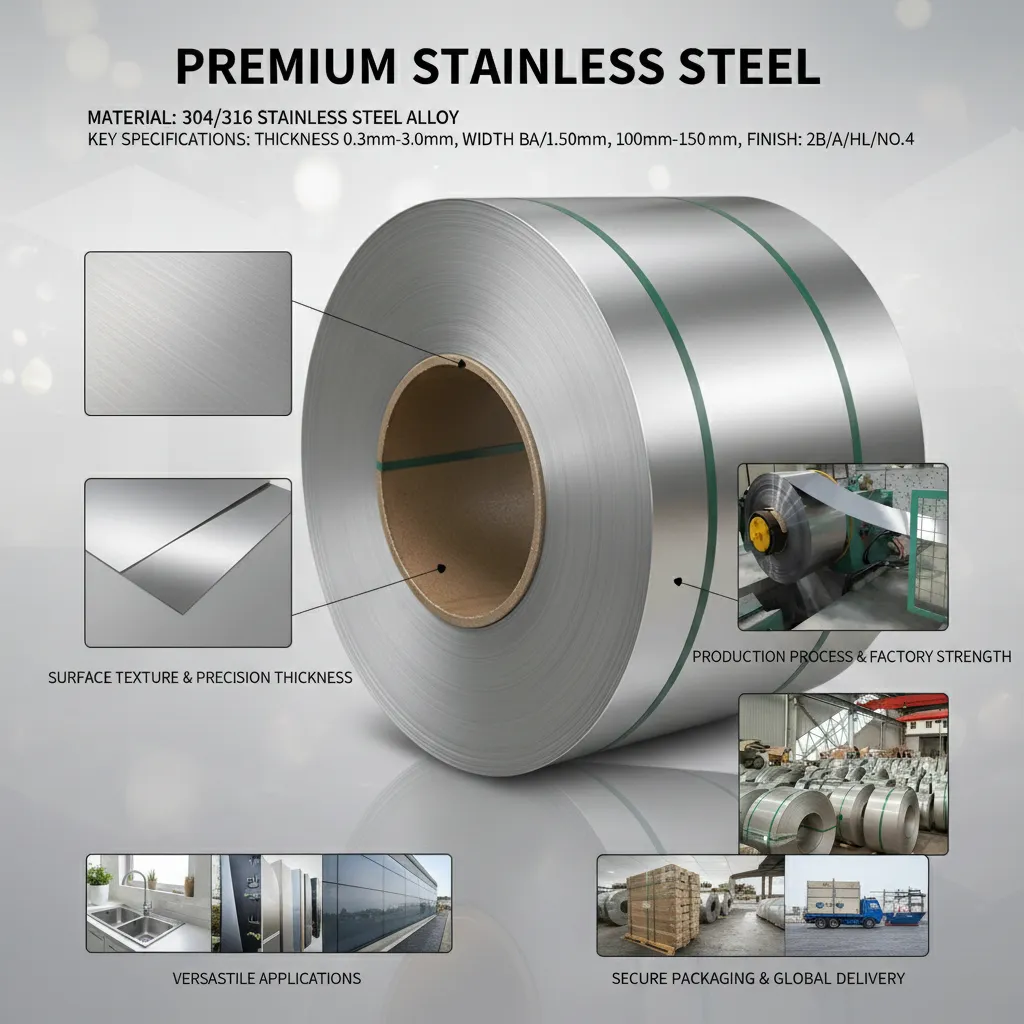
Standard cold rolled coils conform to ASTM A1008/A1008M for carbon steel (thickness 0.15-3.0mm, width 600-2000mm) and ASTM A240 for stainless variants. Surface finish options include 2B (bright annealed), BA (bright annealed mirror), and No.4 (brushed satin). Mechanical properties vary by grade: commercial quality (CQ) offers 270-410 MPa tensile strength, while drawing quality special killed (DQSK) provides superior formability with 0.01% maximum carbon content. Coil weights typically range 3-25 metric tons with inside diameter standardized at 508mm or 610mm per ISO 9001 certified production protocols.
Key Factors Influencing Cold Rolled Steel Coil Price
How do raw material costs affect pricing?
Base metal expenses constitute 60-70% of total cold rolled steel coil price, with hot-rolled coil (HRC) feedstock costs directly impacting final rates. Iron ore price fluctuations on the Singapore Exchange, metallurgical coal variations, and scrap metal availability create monthly pricing adjustments. For stainless grades, London Metal Exchange (LME) nickel quotations and ferrochrome surcharges add $800-1,500 per ton to 304/316L variants compared to carbon steel equivalents.
What role does processing complexity play?
Cold reduction operations require 4-5 rolling mill passes to achieve target thickness, consuming 450-600 kWh per ton versus 50-80 kWh for hot rolling. Annealing furnace cycles (750-850°C for 8-12 hours), pickling line treatments, and temper rolling add $120-180 per ton to manufacturing costs. Precision flatness tolerances (±0.3mm per ASTM A568) and surface roughness specifications (Ra 0.2-0.8μm) necessitate advanced process controls that premium manufacturers incorporate into value-driven pricing structures.
How do order volumes impact unit costs?
Mill-direct pricing for cold rolled steel coil typically requires 25-ton minimum order quantities, offering 8-12% cost advantages over distributor small-lot purchases. Container load optimization (20-22 tons for 20ft containers, 25-27 tons for 40ft) reduces freight expenses by $40-65 per ton. Annual contract commitments with quarterly pricing reviews provide budget stability while securing priority production slots during high-demand periods—critical for automotive tier-1 suppliers requiring JIT delivery schedules.
Frequently Asked Questions
What is the minimum order quantity (MOQ)?
Standard MOQ for cold rolled steel coil stands at 25 metric tons per specification, equivalent to one full coil for most thickness ranges. Mixed-grade containers accommodate 3-4 coil variations with 5-ton minimum per item. Distributors offer cut-to-length services for smaller volumes (100kg-2 ton lots) with 15-25% price premiums reflecting additional slitting and handling costs.
Do you provide material test certificates?
All shipments include EN 10204 Type 3.1 mill test certificates documenting chemical composition per ASTM E415 optical emission spectroscopy, mechanical properties per ASTM E8 tensile testing, and dimensional verification per ASTM A568. Third-party inspection services (SGS, Bureau Veritas, TÜV) available upon request with 5-7 business day lead time and $180-250 per lot certification fees.
What is the typical delivery time?
Ex-mill delivery schedules range 25-35 days for standard carbon steel grades (SPCC, SPCD, SPHC) and 35-50 days for stainless variants (304/2B, 316L/BA) from purchase order confirmation. Expedited production slots reduce lead times to 18-22 days with 8-12% surcharges. Sea freight transit adds 15-25 days for trans-Pacific routes, 30-40 days for Europe-Asia shipments, with FOB/CIF Incoterms clarifying responsibility transfer points.
Can you cut to custom sizes?
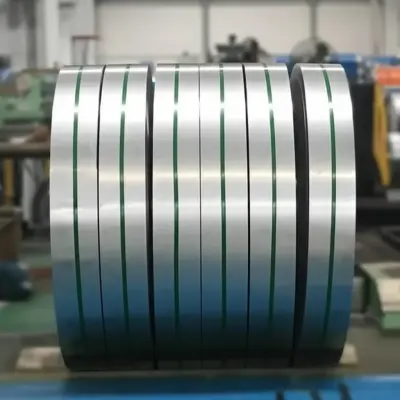
Precision slitting services accommodate width tolerances of ±0.5mm for 20-1,850mm ranges using multi-blade rotary shears. Blanking operations produce rectangular sheets with ±1.0mm length/width accuracy per ASTM A1008 Table 6 requirements. Custom edge conditioning (deburred, rounded, or slit-edge) available with 3-5 day processing time. Minimum slit width restrictions apply: 25mm for carbon steel, 50mm for stainless grades to prevent edge cracking during coil unwinding operations.
Get a Competitive Quote for Cold Rolled Steel Coil Price
Request factory-competitive pricing for cold rolled steel coil by contacting our technical sales team with specifications including grade (ASTM/EN/JIS designation), dimensions (thickness/width/coil weight), surface finish requirements, and annual volume projections. Our metallurgical experts provide value engineering recommendations to optimize material selection while meeting your application's mechanical property and corrosion resistance requirements. Submit RFQ documents for 24-hour quotation turnaround with transparent cost breakdowns covering base metal, processing, coating (if applicable), and logistics to your designated port.
Ratings & Reviews

Know your supplier
Supplier's customization ability
- Drawing-based customization
- Sample-based customization
- Full customization
Minimum order quantity: 1 ton
Shipping total: To be negotiated
- Lead time:
- confirmed with the quotation
- Packaging:
- standard export packing
- Samples:
- available on request