 English
  Español
  Français
  Deutsch
  Português (Brasil)
  Русский
  العربية
Cold Rolled Carbon Steel Coil - ASTM A1008, DX51D, SPCC Grades

 China
China

Supplier's customization ability
- Drawing-based customization
- Sample-based customization
- Full customization
Minimum order quantity: 1 ton
Shipping total: To be negotiated
- Lead time:
- confirmed with the quotation
- Packaging:
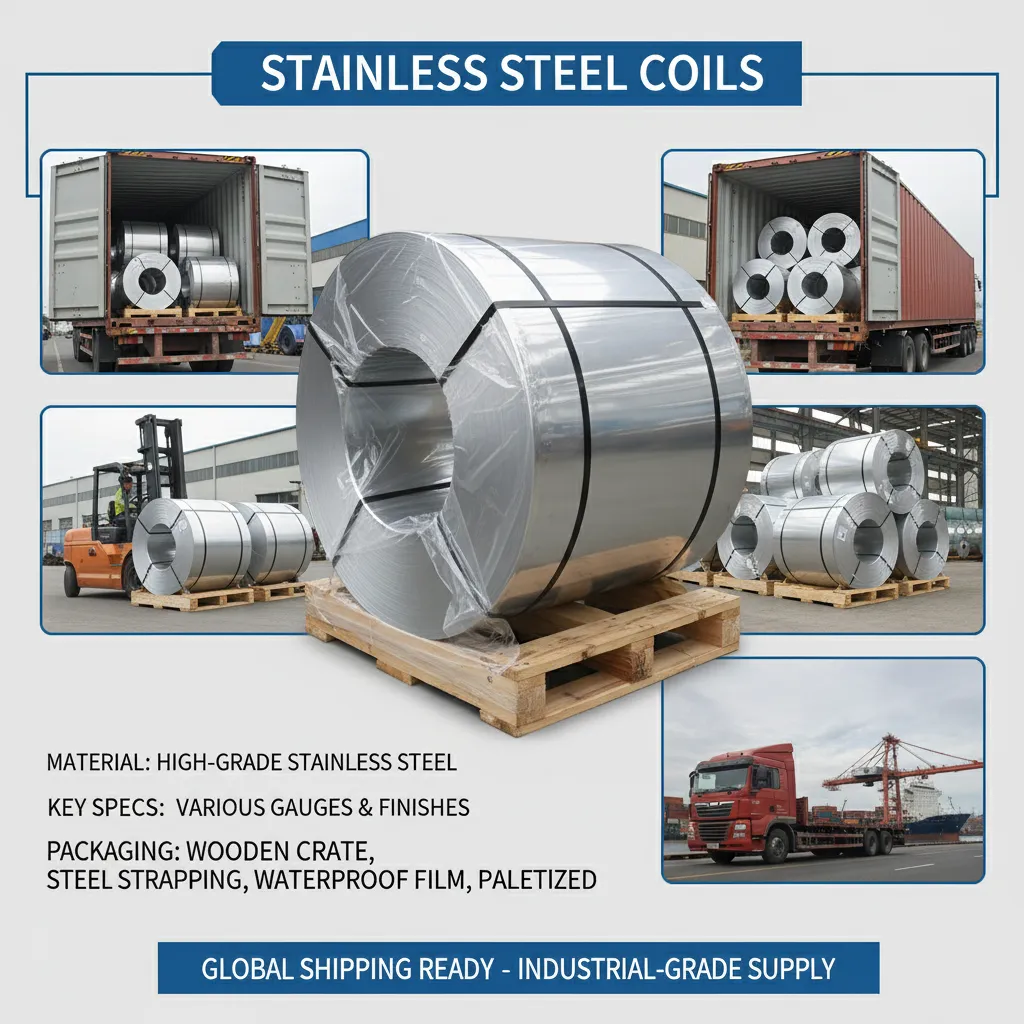
- standard export packing
- Samples:
- available on request
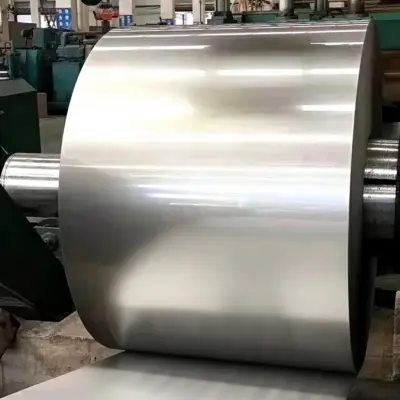
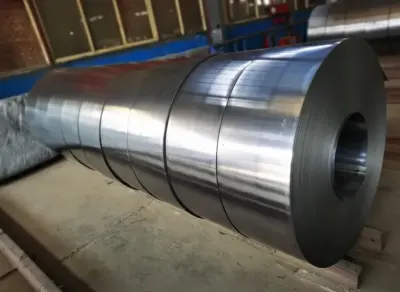
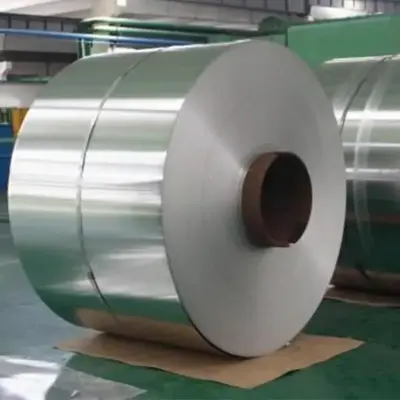
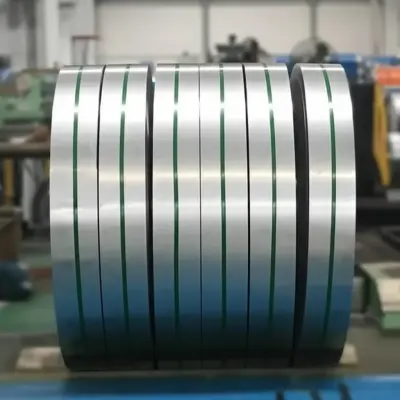
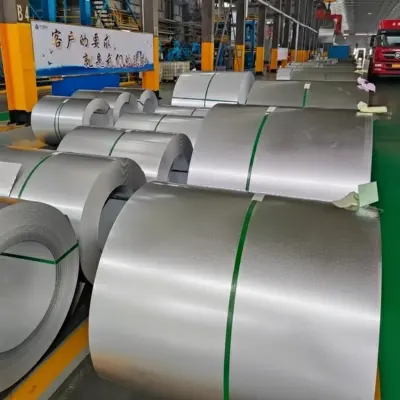
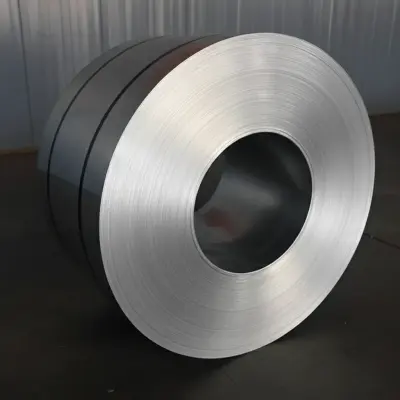
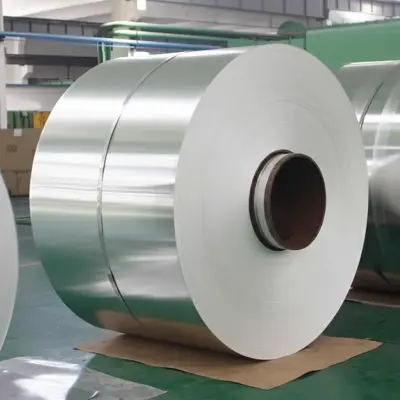
Product details
Technical Specifications of Cold Rolled Carbon Steel Coil
| Property | Parameter | Description |
|---|---|---|
| Product Name | Cold Rolled Carbon Steel Coil | High-precision steel coil processed by cold rolling |
| Material Grade | SPCC / SAE 1006 / SAE 1008 / DC01 | International grade equivalents for cold rolled steel |
| Standard Compliance | ASTM A1008, EN 10130, JIS G3141, GB/T 5213 | Meets major international standards |
| Carbon Content (C) | ≤0.12% | Low carbon for improved formability |
| Manganese (Mn) | ≤0.50% | Enhances strength and hardenability |
| Phosphorus (P) | ≤0.030% | Controlled for better ductility |
| Sulfur (S) | ≤0.035% | Low sulfur for improved weldability |
| Tensile Strength | 270-500 MPa | Typical range for commercial quality |
| Yield Strength | ≥140 MPa | Minimum yield strength per ASTM A1008 |
| Elongation | ≥28% | Ductility in 50mm gauge length |
| Thickness Range | 0.15 - 3.0 mm | Available thickness options |
| Width Range | 600 - 2000 mm | Standard and custom widths |
| Surface Finish | Bright, Matte, Oiled | Multiple surface treatment options |
| Coil Weight | 3 - 25 tons | Standard coil weight range |
| Application | Automotive, Appliances, Construction, Stamping | Typical application industries |
| Certification | EN 10204 3.1, ISO 9001, SGS | Quality certifications provided |
| Packaging | Steel strapping, waterproof paper, wooden pallet | Standard export packaging |
| MOQ | 25 tons | Minimum order quantity |
Cold Rolled Carbon Steel Coil - ASTM A1008, DX51D, SPCC Grades
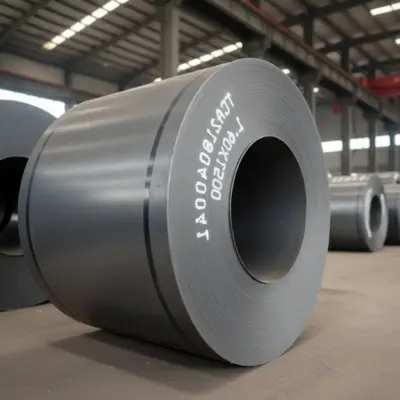
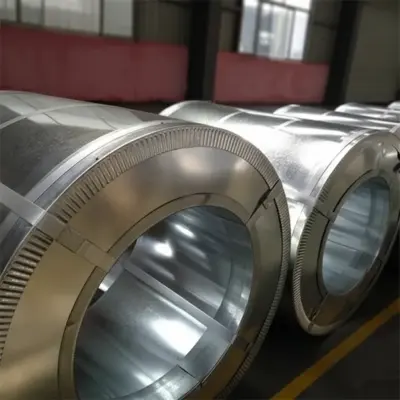
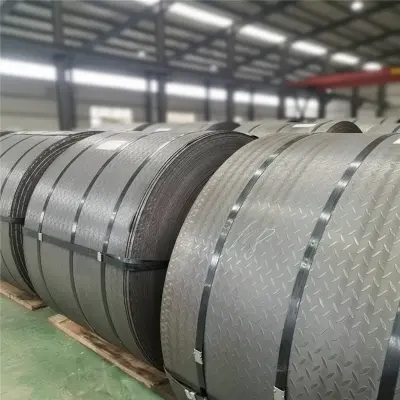
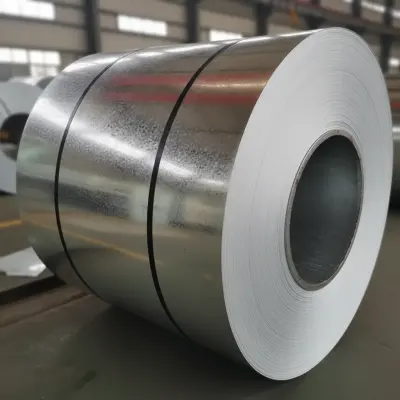
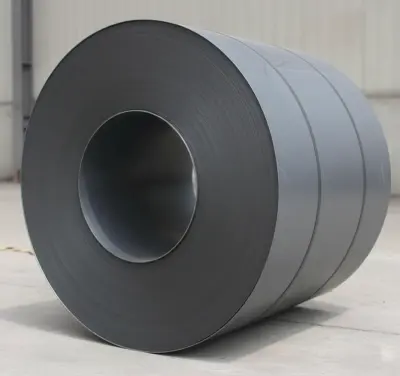
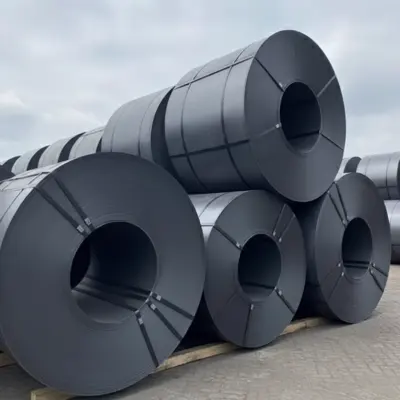
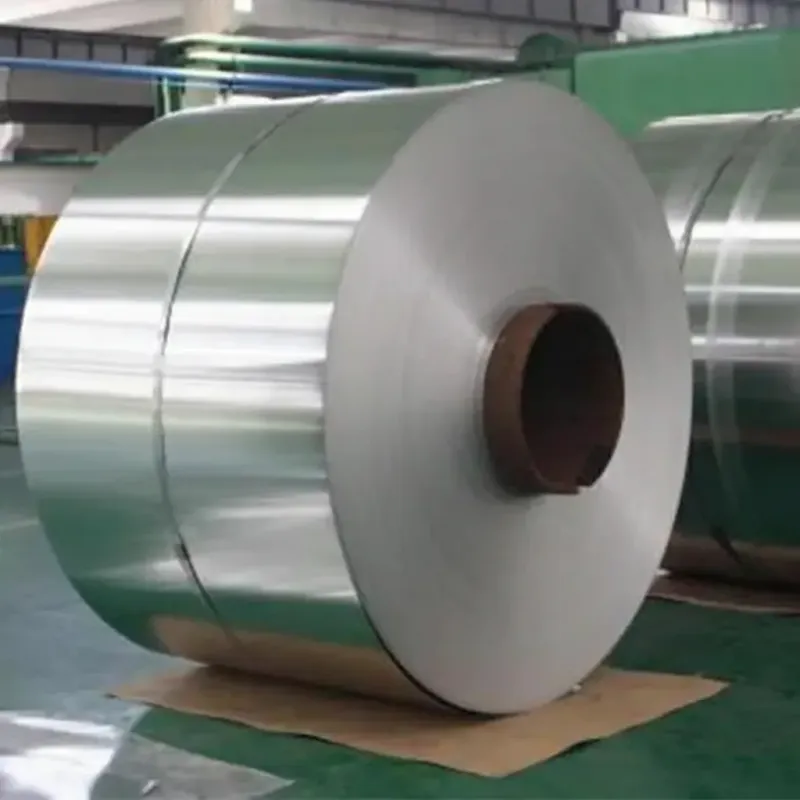
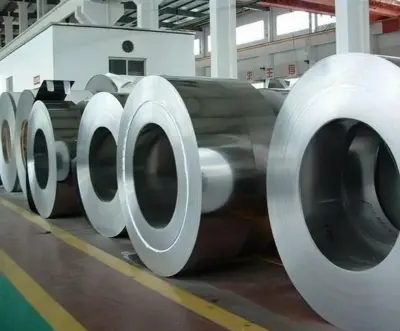
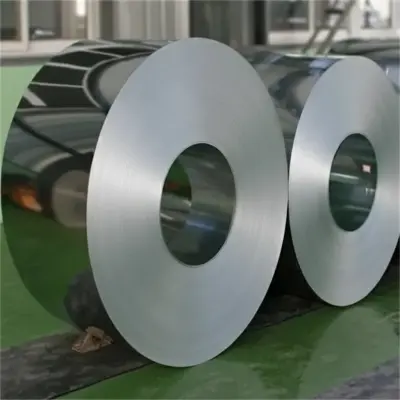
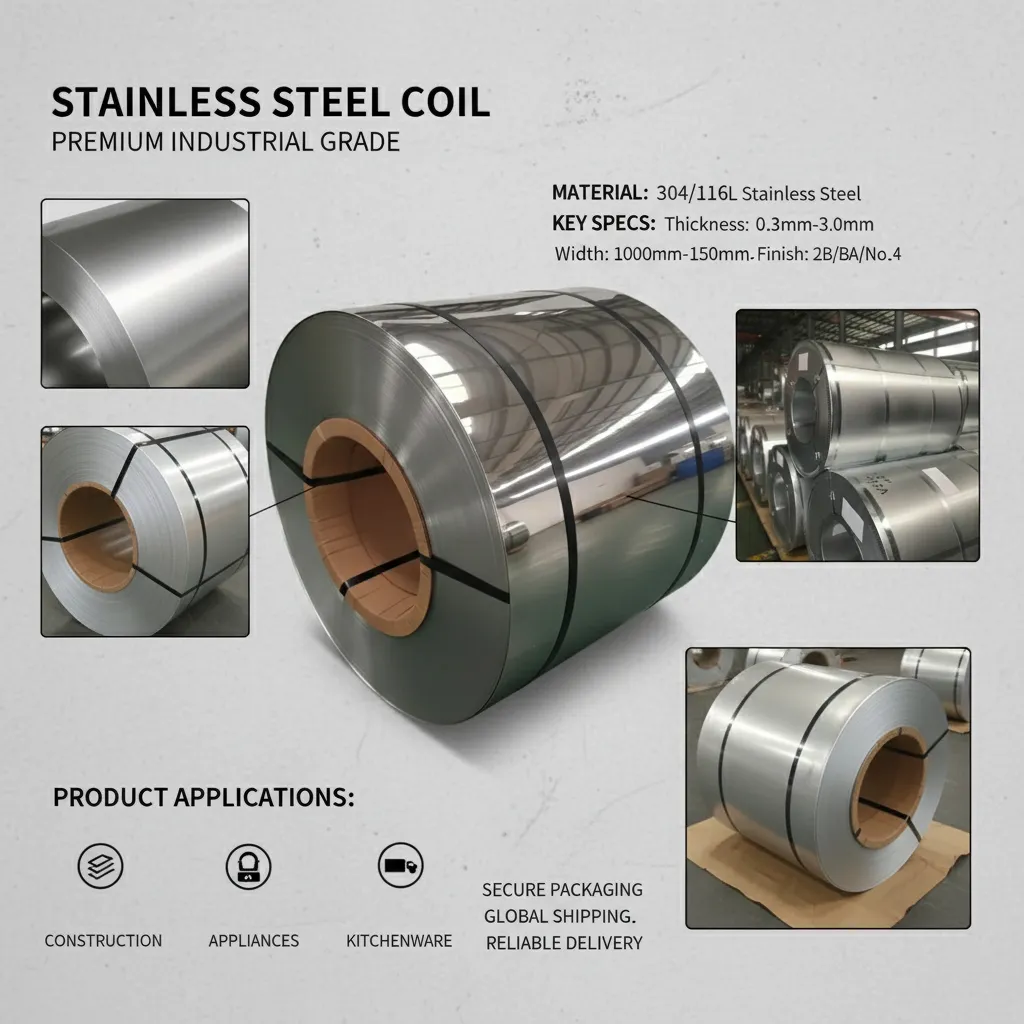
Cold rolled carbon steel coil represents a precision-manufactured flat steel product extensively employed across automotive, appliance, and construction sectors. Through controlled cold reduction processes at ambient temperature, this material achieves superior surface finish, tighter dimensional tolerances, and enhanced mechanical properties compared to hot rolled alternatives. Targeted toward manufacturers requiring consistent gauge accuracy and smooth surface characteristics, cold rolled carbon steel coil serves as the preferred substrate for stamping, forming, and coating applications where aesthetic quality and dimensional precision prove critical.
What is Cold Rolled Carbon Steel Coil?
Cold rolled carbon steel coil is flat-rolled steel processed through precision rolling mills at room temperature after initial hot rolling and pickling operations. This secondary cold reduction process refines grain structure, eliminates surface scale, and produces material with thickness tolerances of ±0.05mm and surface roughness values below 1.5 Ra micrometers, meeting stringent requirements for downstream fabrication processes.
Cold Rolled Carbon Steel Coil Technical Specifications
Standard grades comply with ASTM A1008/A1008M for commercial quality through structural applications, with thickness ranging from 0.15mm to 3.0mm and width capabilities of 600mm to 1,850mm. Carbon content typically remains between 0.06% and 0.15% maximum, while tensile strength spans 270 MPa to 550 MPa depending on grade designation. Material conforms to EN 10130 DC01-DC06 classifications and JIS G3141 SPCC-SPCD standards for international procurement requirements.
Manufacturing Process and Quality Control
Production commences with hot rolled pickled coil feedstock, subsequently processed through multi-stand tandem cold mills achieving 40% to 80% thickness reduction. Continuous annealing furnaces operating at 650°C to 750°C restore ductility while controlling grain size per ASTM E112 requirements. Inline temper rolling imparts final surface texture and mechanical properties, with automated gauge control systems maintaining thickness variance within ±3% across coil width.
Key Advantages and Performance Characteristics
This material delivers exceptional formability with elongation values exceeding 38% for drawing quality grades, enabling complex stamping geometries without cracking or surface defects. The refined microstructure provides uniform hardness distribution, while the scale-free surface eliminates pre-paint cleaning requirements. Cold worked material exhibits yield strength improvements of 15% to 25% over hot rolled equivalents, supporting lightweighting initiatives in automotive body panels and appliance components.
Application Industries and Use Cases
Automotive manufacturers consume approximately 45% of global cold rolled carbon steel coil production for body-in-white panels, chassis reinforcements, and structural components where Class A surface finish proves mandatory. White goods producers utilize commercial quality grades for refrigerator cabinets, washing machine drums, and range components requiring excellent paint adhesion. Construction sectors specify this material for metal roofing profiles, HVAC ductwork, and roll-formed structural members benefiting from consistent mechanical properties.
Material Selection Considerations
Grade selection depends upon forming severity, with drawing quality (DQ) grades offering superior ductility for deep drawn parts, while structural quality (SQ) grades provide higher strength for load-bearing applications. Surface finish designates range from matte to bright, with skin-passed material exhibiting 0.5% to 1.5% elongation for improved flatness. Coating weight specifications for galvanized variants span Z100 to Z275 per ASTM A653, balancing corrosion protection against welding compatibility.
Frequently Asked Questions
What is the minimum order quantity (MOQ)?
Standard MOQ ranges from 20 to 25 metric tons per specification, with mill-direct shipments requiring full coil quantities of 18 to 22 tons depending on thickness and width combinations. Service centers accommodate smaller volumes through master coil splitting, typically offering 5-ton minimums with associated processing surcharges.
Do you provide material test certificates?
Mill test reports conforming to EN 10204 Type 3.1 accompany each coil, documenting chemical composition per heat analysis, mechanical properties from tension testing per ASTM A370, and dimensional verification results. Third-party inspection certificates remain available upon request for critical applications requiring independent verification of specification compliance.
What is the typical delivery time?
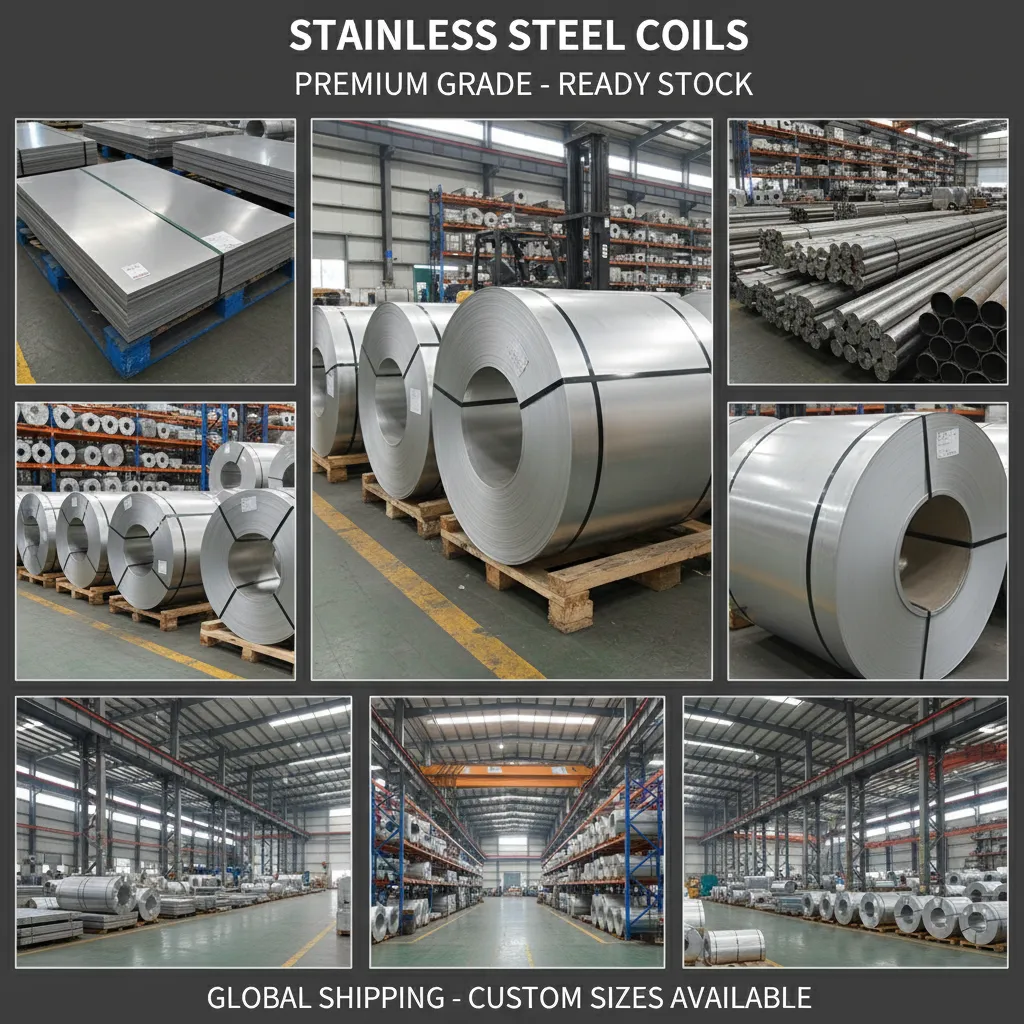
Ex-stock material ships within 3 to 5 business days for standard grades and dimensions. Mill-direct orders require 6 to 8 weeks lead time from purchase order confirmation, encompassing production scheduling, quality testing, and international logistics coordination. Expedited processing reduces lead times to 4 weeks with premium freight arrangements.
Can you cut to custom sizes?
Precision slitting services accommodate width tolerances of ±1.0mm for widths between 20mm and 1,500mm, while cut-to-length processing delivers sheets from 500mm to 6,000mm with squareness maintained within 2mm per meter. Blanking operations produce custom shapes with laser cutting accuracy of ±0.25mm for prototype and short-run production requirements.
Get a Competitive Quote for Cold Rolled Carbon Steel Coil
Request factory-direct pricing for your specific grade, thickness, width, and volume requirements. Our technical sales team provides material recommendations, forming trial support, and supply chain solutions tailored to your production schedules. Contact us today for mill test report samples, material certification documentation, and delivered cost analysis supporting your procurement decisions.
Ratings & Reviews

Know your supplier
Supplier's customization ability
- Drawing-based customization
- Sample-based customization
- Full customization
Minimum order quantity: 1 ton
Shipping total: To be negotiated
- Lead time:
- confirmed with the quotation
- Packaging:
- standard export packing
- Samples:
- available on request