 English
  Español
  Français
  Deutsch
  Português (Brasil)
  Русский
  العربية
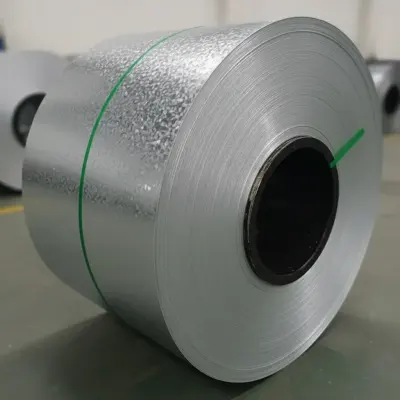
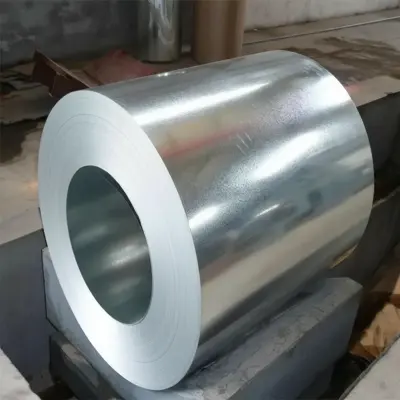
SPCC Cold Rolled Steel Coil - High-Precision CRCA Steel for Automotive & Appliance Manufacturing

 China
China
Supplier's customization ability
- Drawing-based customization
- Sample-based customization
- Full customization
Minimum order quantity: 1 ton
Shipping total: To be negotiated
- Lead time:
- confirmed with the quotation
- Packaging:
- standard export packing
- Samples:
- available on request
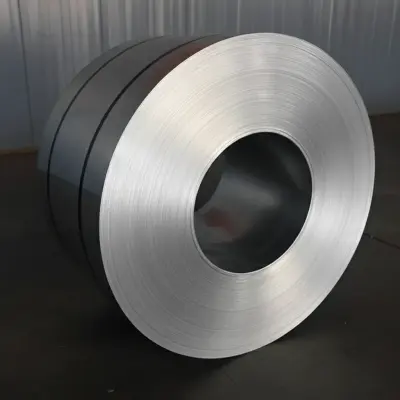
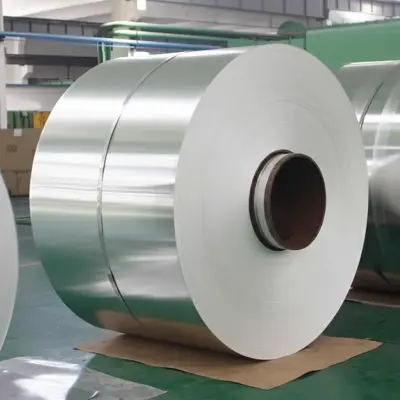
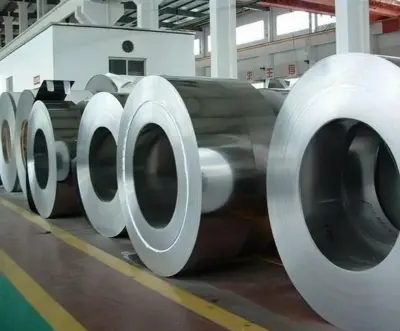
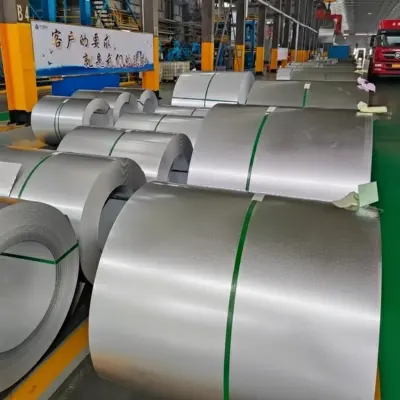
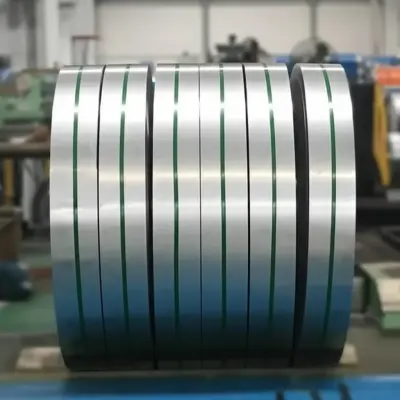
Product details
Technical Specifications of SPCC Cold Rolled Steel Coil
| Property | Parameter | Description |
|---|---|---|
| Product Name | SPCC Cold Rolled Steel Coil | Commercial quality cold rolled carbon steel |
| Material Grade | SPCC / JIS G3141 / EN 10130 DC01 | International grade equivalents |
| Standard Compliance | JIS G3141, EN 10130, ASTM A1008 | Meets major international standards |
| Carbon (C) | ≤0.12% | Carbon content for formability |
| Manganese (Mn) | ≤0.50% | Improves strength and hardenability |
| Phosphorus (P) | ≤0.030% | Controlled for ductility |
| Sulfur (S) | ≤0.035% | Low sulfur for surface quality |
| Tensile Strength | 270-410 MPa | Typical tensile strength range per JIS G3141 |
| Yield Strength | ≤295 MPa | Maximum yield strength |
| Elongation | ≥34% | Ductility for forming operations |
| Thickness Range | 0.15 - 3.2 mm | Available thickness options |
| Width Range | 600 - 1500 mm | Standard and custom widths |
| Coil Weight | 3 - 15 tons | Standard coil weight range |
| Surface Finish | Bright, Matte, Semi-bright | Multiple surface treatment options |
| Application | Automotive parts, home appliances, construction | Typical application industries |
| Certification | ISO 9001, JIS G3141, EN 10204 3.1 | Quality certifications provided |
| Packaging | Steel strapping, waterproof paper, wooden pallet | Standard export packaging |
| MOQ | 10 tons | Minimum order quantity |
SPCC Cold Rolled Steel Coil - High-Precision CRCA Steel for Automotive & Appliance Manufacturing
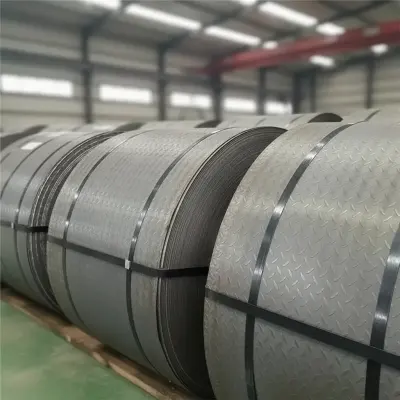
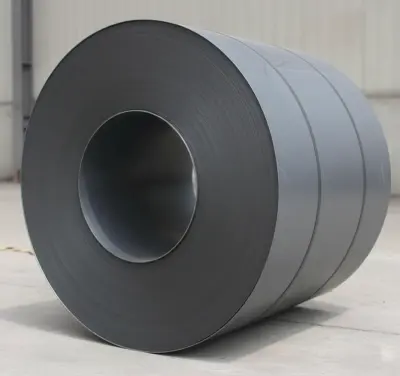
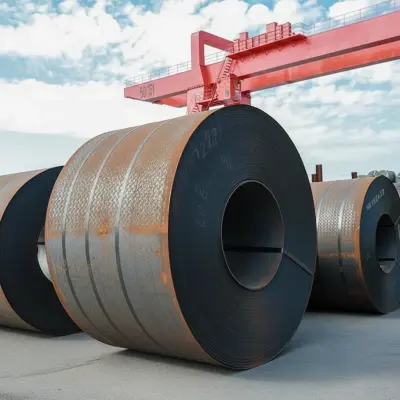
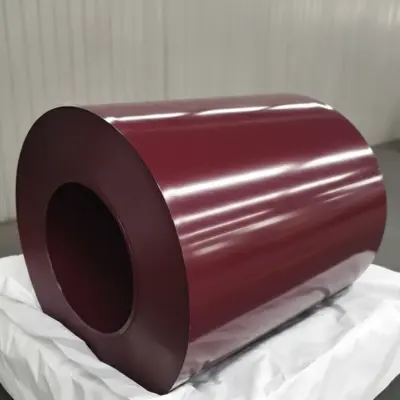
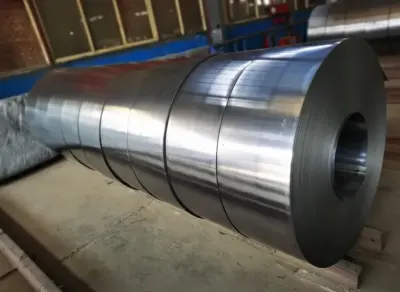
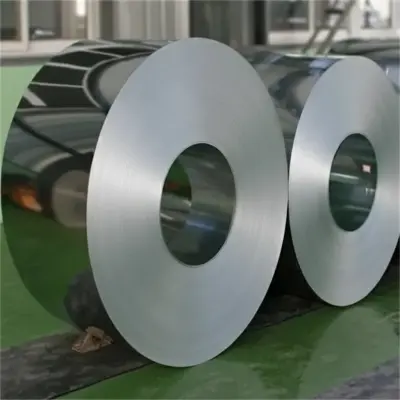
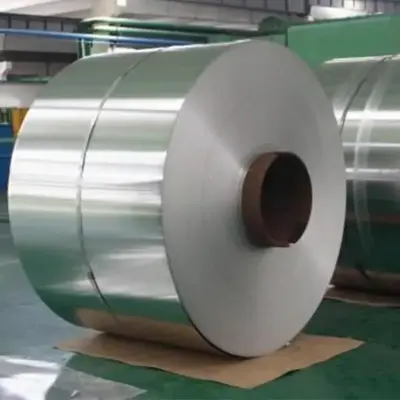
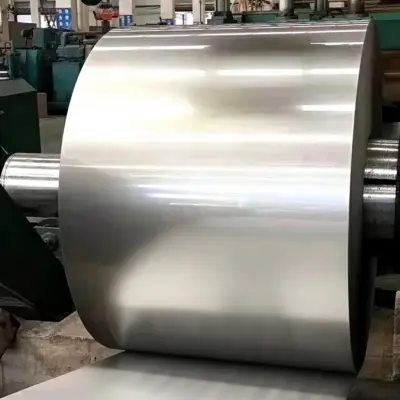
SPCC cold rolled steel coil represents a premium-grade cold-rolled carbon steel product specifically engineered for applications demanding exceptional surface finish and dimensional precision. Manufactured through a multi-stage cold reduction process that enhances mechanical properties and surface quality, this material serves as the preferred choice for automotive body panels, home appliance casings, and precision stamping operations. With its superior formability, consistent thickness tolerance of ±0.02mm, and smooth surface finish achieving Ra values below 0.4μm, SPCC cold rolled steel coil delivers cost-effective solutions for manufacturers requiring reliable material performance in high-volume production environments.
What is SPCC Cold Rolled Steel Coil?
SPCC cold rolled steel coil is a cold-rolled carbon steel material conforming to JIS G3141 standards, produced by subjecting hot-rolled pickled steel to cold reduction mills at ambient temperature. This thermomechanical processing refines the grain structure, eliminates surface scale, and achieves precise gauge control. The designation "SPCC" indicates "Steel Plate Cold Commercial" quality, representing the standard grade for general cold-forming applications without specific mechanical property requirements beyond basic commercial quality parameters.
SPCC Cold Rolled Steel Coil Technical Specifications
SPCC material exhibits a chemical composition with carbon content limited to 0.15% maximum, manganese ranging from 0.60% maximum, phosphorus not exceeding 0.050%, and sulfur controlled below 0.050% per JIS G3141 Section 4. The cold rolling process delivers tensile strength values between 270-410 MPa, yield strength minimum of 205 MPa, and elongation capacity exceeding 28% in longitudinal direction. Standard production thickness ranges from 0.4mm to 3.2mm with width availability up to 1,524mm, while surface roughness typically achieves Ra 0.2-0.6μm depending on mill finish specifications.
Key Advantages of SPCC Cold Rolled Steel Coil
This material finds extensive application in industries requiring superior surface aesthetics and forming characteristics. The cold reduction process eliminates mill scale inherent in hot-rolled products, providing a clean substrate ideal for painting, plating, or powder coating operations. Enhanced dimensional accuracy with thickness tolerance of ±0.02mm ensures consistent part quality in progressive die stamping operations. The refined microstructure delivers improved mechanical properties compared to hot-rolled equivalents, while maintaining excellent weldability for resistance spot welding and projection welding applications common in automotive assembly lines.
Manufacturing Applications & Industry Usage
SPCC cold rolled steel coil serves critical roles in automotive manufacturing for door panels, hoods, trunk lids, and structural reinforcements where surface quality directly impacts paint finish appearance. Home appliance manufacturers employ this material for refrigerator cabinets, washing machine drums, and microwave oven casings requiring deep drawing capabilities. The electronics sector utilizes SPCC for computer chassis, server enclosures, and electrical panel boxes. Construction applications include metal roofing panels, wall cladding systems, and HVAC ductwork where corrosion resistance can be enhanced through subsequent galvanizing or electro-galvanizing processes.
Frequently Asked Questions
What is the minimum order quantity for SPCC cold rolled steel coil?
Standard minimum order quantities typically range from 20-25 metric tons per specification to ensure economical mill production runs. However, for established customers with ongoing requirements, partial coil quantities down to 5 tons may be accommodated from warehouse inventory. Custom slit widths and specific thickness requirements may necessitate higher MOQ thresholds of 50 tons to justify slitting line setup costs and minimize material waste.
Do you provide material test certificates for SPCC coils?
Comprehensive mill test certificates accompany every shipment, documenting chemical composition analysis per heat number, mechanical property test results including tensile strength and elongation values, and dimensional verification data. Certificates conform to EN 10204 Type 3.1 requirements, validated by independent inspection authorities. Third-party verification services through SGS, Bureau Veritas, or Intertek can be arranged upon request for quality assurance protocols requiring external validation.
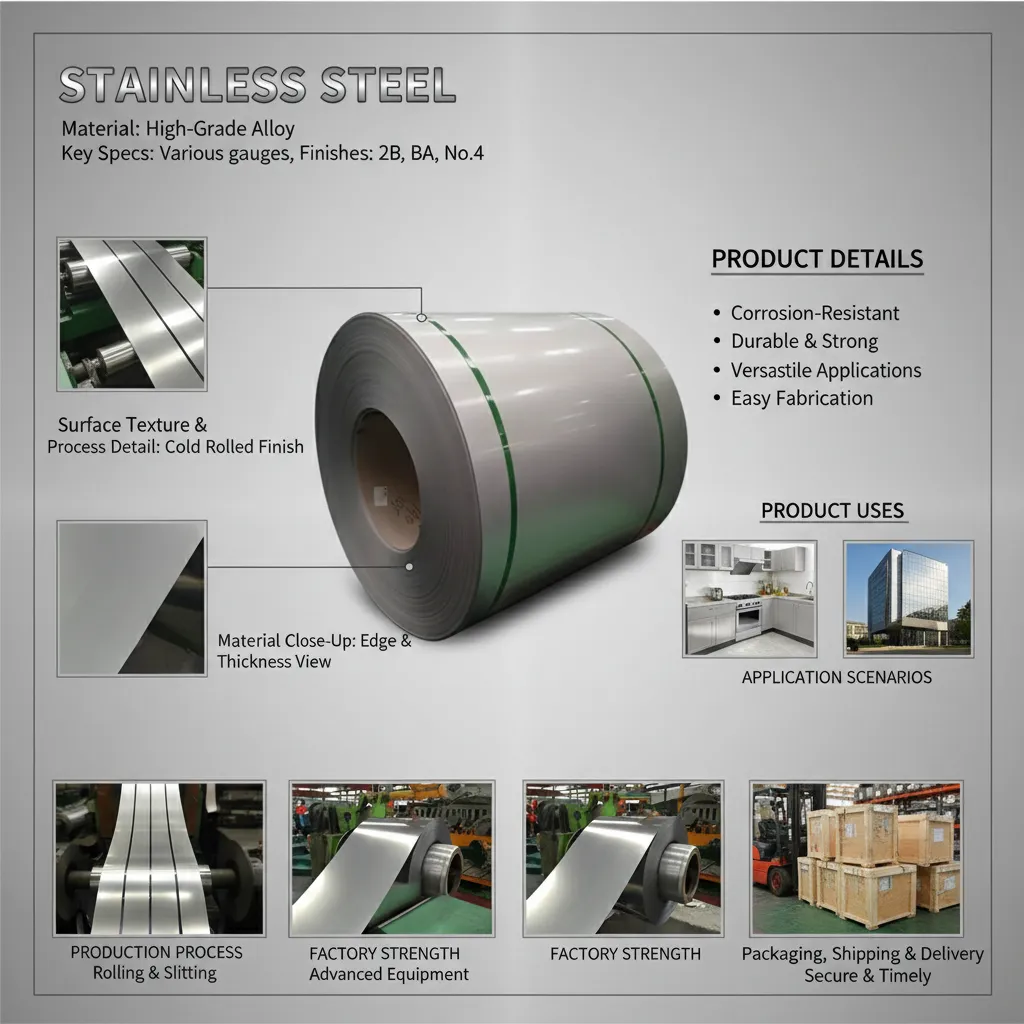
What is the typical delivery time for SPCC cold rolled steel coil orders?
Standard lead times range from 25-35 days for mill-direct orders, encompassing production scheduling, cold rolling operations, annealing cycles, and quality inspection procedures. Expedited delivery within 15-20 days may be available for standard thicknesses from warehouse stock, subject to inventory availability and order volume. Custom specifications including non-standard widths, special surface treatments, or tight tolerance requirements may extend delivery timelines to 40-45 days to accommodate specialized processing requirements.
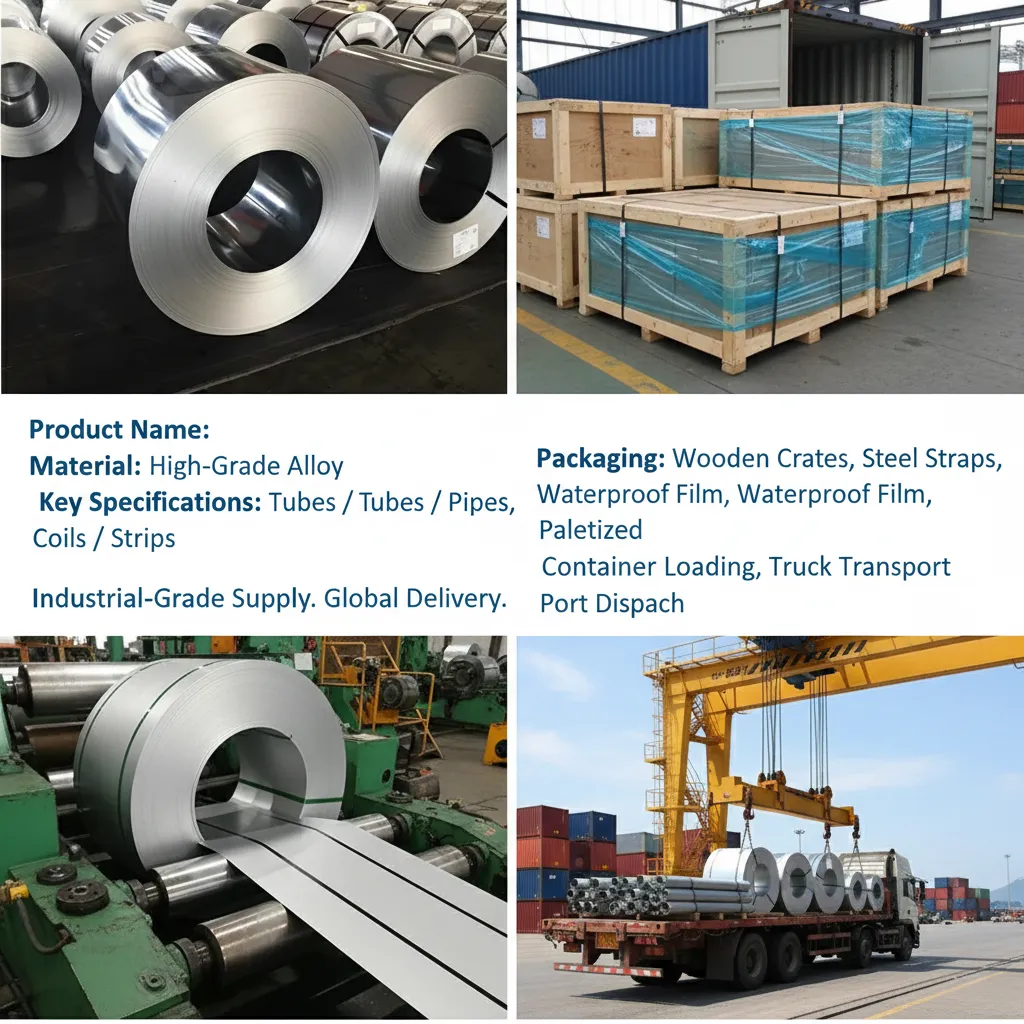
Can you cut SPCC coils to custom sizes?
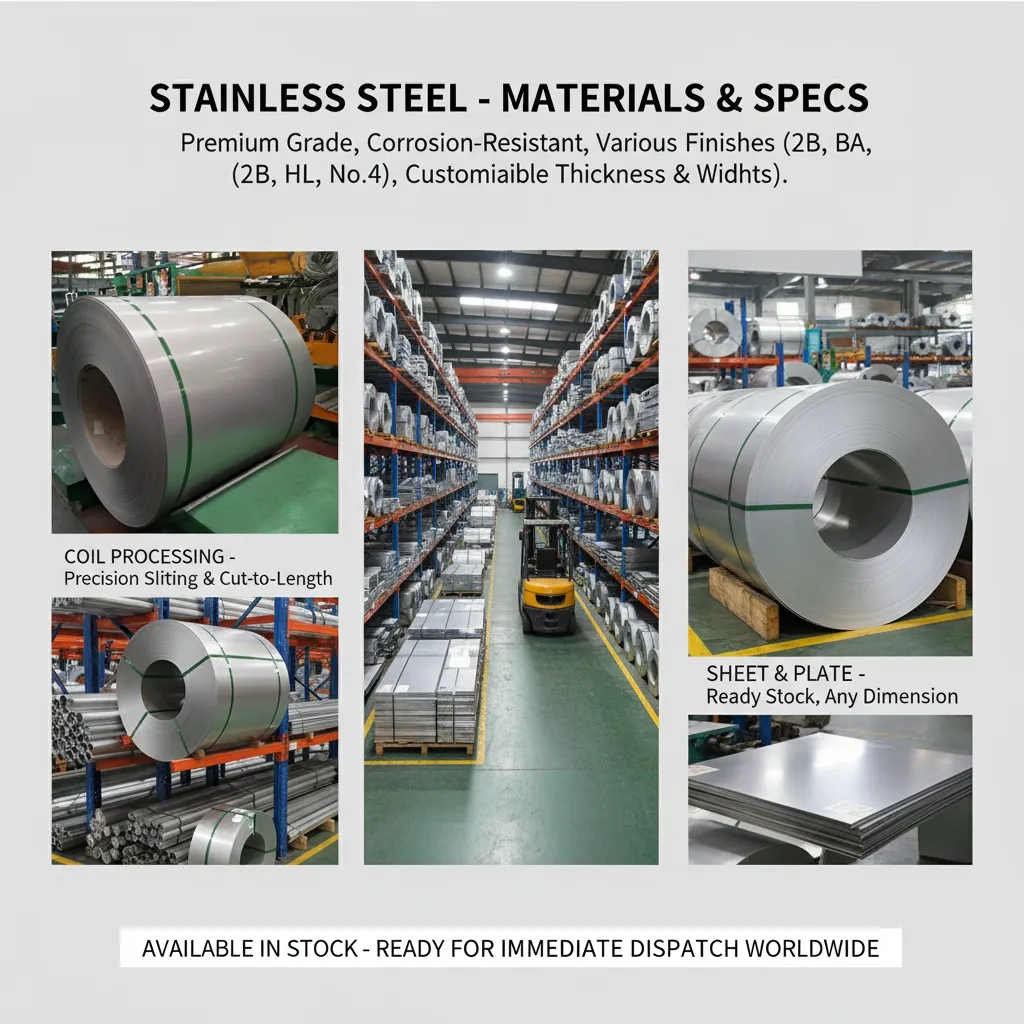
Value-added processing services include precision slitting to custom widths with tolerance of ±0.5mm, cut-to-length shearing operations for flat sheet production, and blanking services for specific part geometries. Advanced slitting capabilities accommodate width ranges from 50mm to 1,500mm with edge quality suitable for direct forming operations. Leveling services ensure flatness specifications below 3mm per meter for applications requiring superior dimensional stability in automated feeding systems.
Get a Competitive Quote for SPCC Cold Rolled Steel Coil
Request factory-direct pricing for your SPCC cold rolled steel coil requirements by contacting our technical sales team. We provide comprehensive quotations including material specifications, processing options, packaging details, and logistics solutions tailored to your production timeline. Our metallurgical engineers offer application support for material selection, forming process optimization, and quality specification development to ensure optimal performance in your manufacturing operations.
Ratings & Reviews

Know your supplier
Supplier's customization ability
- Drawing-based customization
- Sample-based customization
- Full customization
Minimum order quantity: 1 ton
Shipping total: To be negotiated
- Lead time:
- confirmed with the quotation
- Packaging:
- standard export packing
- Samples:
- available on request