 English
  Español
  Français
  Deutsch
  Português (Brasil)
  Русский
  العربية
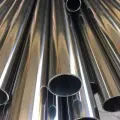
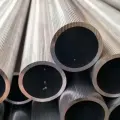
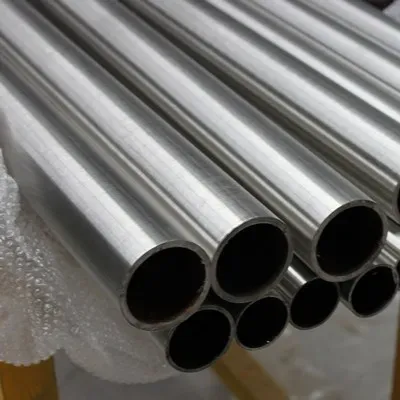
36 stainless steel pipe

 China
China
Supplier's customization ability
- Drawing-based customization
- Sample-based customization
- Full customization
Minimum order quantity: 1 Ton
Shipping total: To be negotiated
- Lead time:
- confirmed with the quotation
- Packaging:
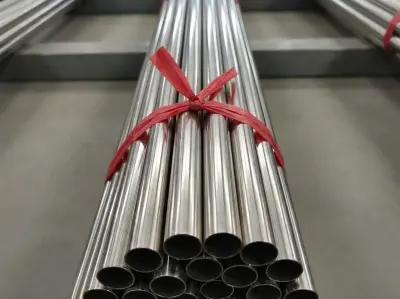
- standard export packing
- Samples:
- available on request
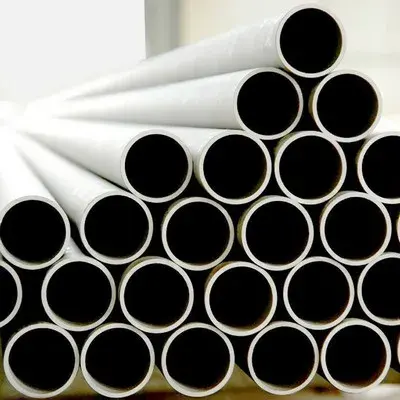
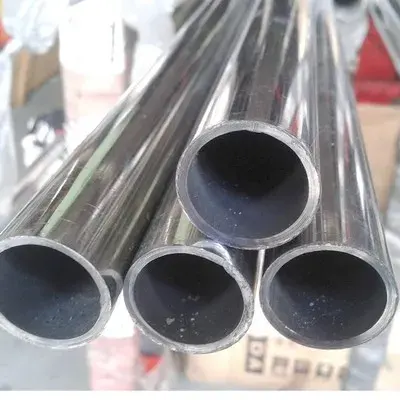
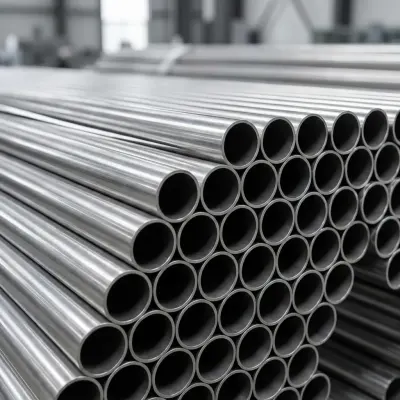
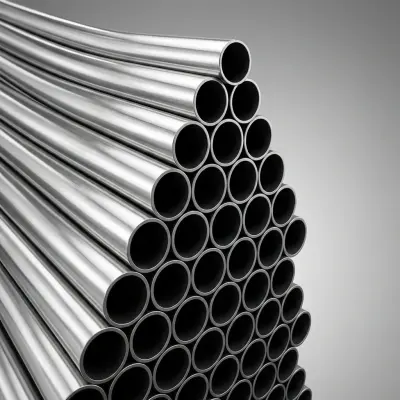
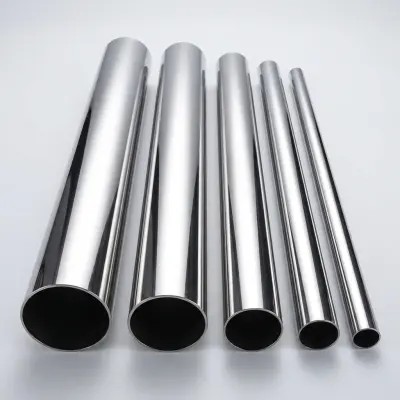
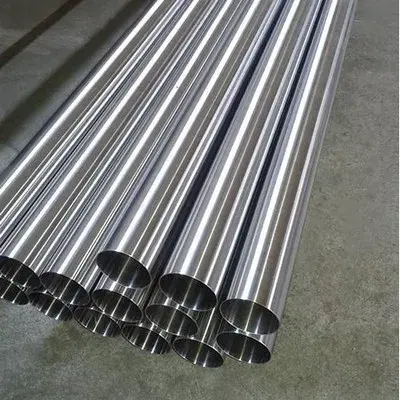
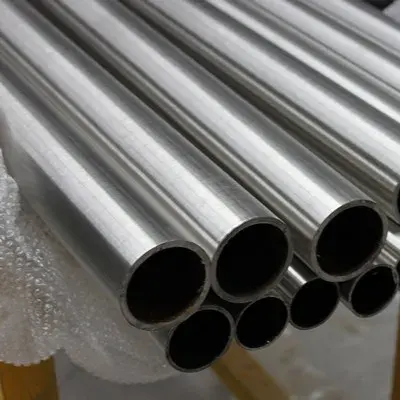
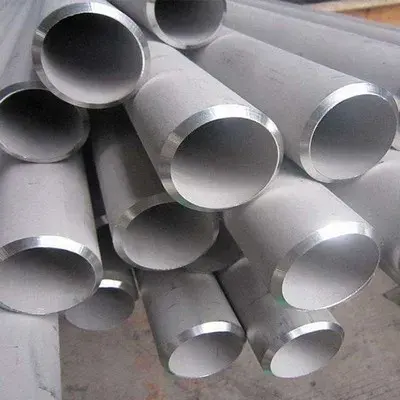
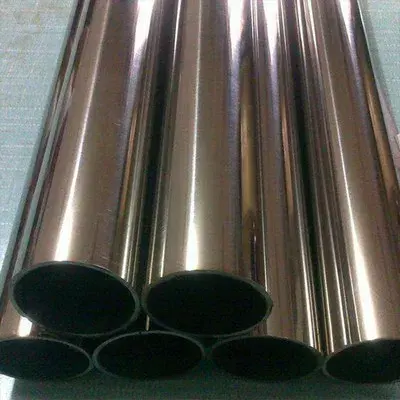
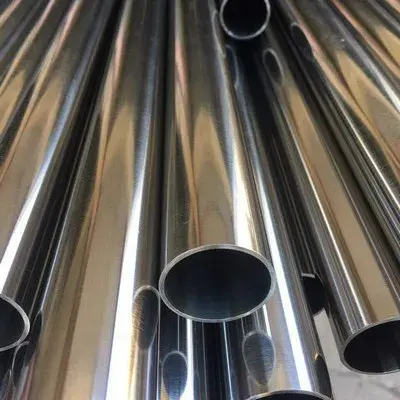
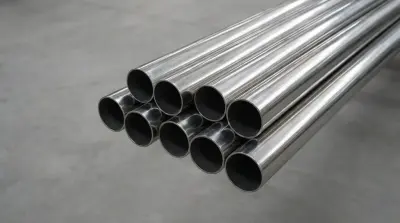
Product details
36 Stainless Steel Pipe Introduction
Applications of 36 Stainless Steel Pipe
36 stainless steel pipe is extensively used in industrial sectors such as petrochemical, power generation, and water treatment due to its ability to withstand high pressure and corrosion. Common applications include pipeline transport, structural support, and heat exchangers where durability and strength are essential. The long tail keyword "36 stainless steel pipe for industrial piping" highlights its use in large-scale installations requiring robust, corrosion-resistant pipework that ensures safety and longevity.
Specifications and Standards
The 36 stainless steel pipe size refers to a nominal diameter of 36 inches and is manufactured according to standards such as ASTM A312 and ASME B36.19M. Wall thicknesses vary with schedules like SCH 10S, SCH 40S, and SCH 80S, offering strength options tailored to pressure requirements. The pipe material composition typically involves grade 304 or 316 stainless steel with a tensile strength of approximately 485-515 MPa and yield strength of about 170-205 MPa. The long tail keyword "36 stainless steel pipe specifications ASTM A312" emphasizes adherence to stringent quality and dimensional standards for reliable performance.
Performance Advantages and Industry Suitability
36 stainless steel pipe combines excellent corrosion resistance, high tensile strength, and flexibility, making it ideal for chemical, marine, and power plant applications. Its seamless or welded construction offers smooth internal surfaces reducing friction and promoting fluid flow efficiency. The long tail keyword "advantages of 36 stainless steel pipe in power plants" underlines its critical role in facilities requiring stable operation under extreme conditions. Procurement of these pipes ensures efficient, safe infrastructure and supports long-term operational goals with minimal downtime and maintenance.
36 Stainless Steel Pipe Attributes
| Attribute | Parameter | Description |
|---|---|---|
| Product Name | 36 Inch Stainless Steel Pipe | Stainless steel pipe with 36-inch nominal size, used in industrial, chemical, and structural applications. |
| Standards | ASTM A312, ASME B36.19 | Manufactured according to ASTM A312 for seamless and welded pipes and ASME B36.19 for pipe dimensions. |
| Material Grade | 304, 304L, 316, 316L, 316Ti | Common grades used, offering a range of corrosion resistance and mechanical strength. |
| Wall Thickness Range | Variable (e.g., Schedule 10S, 40, 80, 160) | Standard pipe schedules defining wall thickness for pressure handling capability. |
| Outer Diameter | Approximately 36.0 inch (914.4 mm) | Standard nominal outside diameter for 36 inch (NPS 36) pipe. |
| Inner Diameter | Varies with wall thickness | Calculated as outer diameter minus twice the wall thickness, varies by schedule. |
| Tensile Strength | Approximately 515 MPa | Provides good mechanical strength for piping applications. |
| Yield Strength | Approximately 205 MPa | Resistance to plastic deformation ensuring pipe integrity under pressure. |
| Elongation | ≥ 35% | Maintains ductility for pipe bending and fitting processes. |
| Weight | Varies by schedule; e.g., Schedule 10S weighs ~118.92 kg/m | Pipe weight per unit length changes with wall thickness and schedule, important for structural calculations. |
| Corrosion Resistance | Excellent in moderate corrosive environments | Suitable for water, chemical, and food processing industries. |
| Applications | Chemical plants, oil and gas, power plants, water treatment systems | Used extensively where pipe size and strength are critical. |
| Packaging | Standard industrial packaging | Properly secured for shipping to maintain product quality. |
Ratings & Reviews
No reviews yet
Know your supplier
Product Display
After more than a decade of continuous investment and innovation, Feihong Steel Co., Ltd. has now developed into a leading enterprise in the industry with a complete industrial chain, a wide range of product specifications, prompt supply, excellent product quality, strong industry influence and good social reputation. Currently, our products are mainly sold to the eastern region of China and over 40 countries and regions, such as Southeast Asia, South Asia, West Asia, Eastern Europe, South America, etc. Our stainless steel series products have consistently ranked among the top in China for many years.
Supplier's customization ability
- Drawing-based customization
- Sample-based customization
- Full customization
Minimum order quantity: 1 Ton
Shipping total: To be negotiated
- Lead time:
- confirmed with the quotation
- Packaging:
- standard export packing
- Samples:
- available on request