 English
  Español
  Français
  Deutsch
  Português (Brasil)
  Русский
  العربية
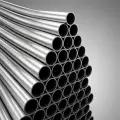
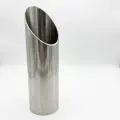
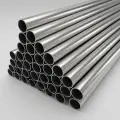
5 Inch Stainless Steel Exhaust Pipe - Heavy-Duty Welded Tubing for Automotive & Industrial Use

 China
China
Supplier's customization ability
- Drawing-based customization
- Sample-based customization
- Full customization
Minimum order quantity: 1 ton
Shipping total: To be negotiated
- Lead time:
- confirmed with the quotation
- Packaging:
- standard export packing
- Samples:
- available on request
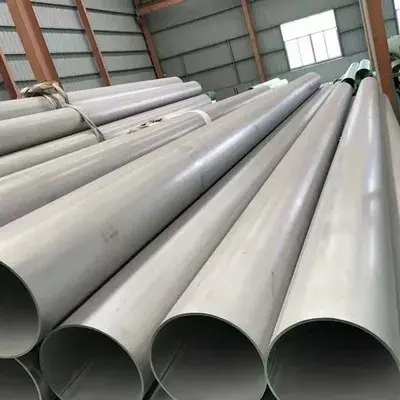
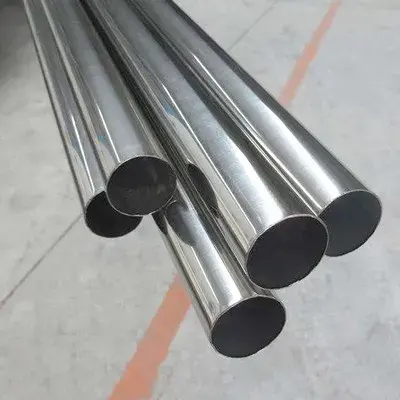
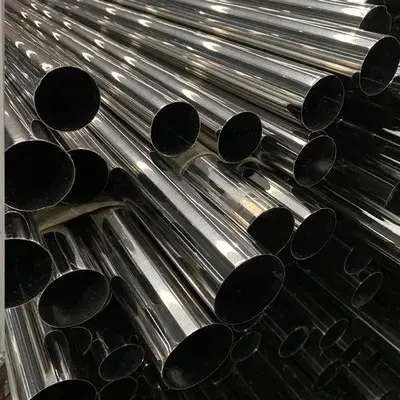
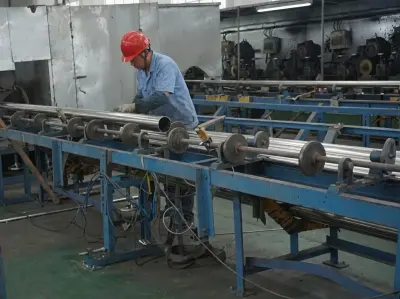
Product details
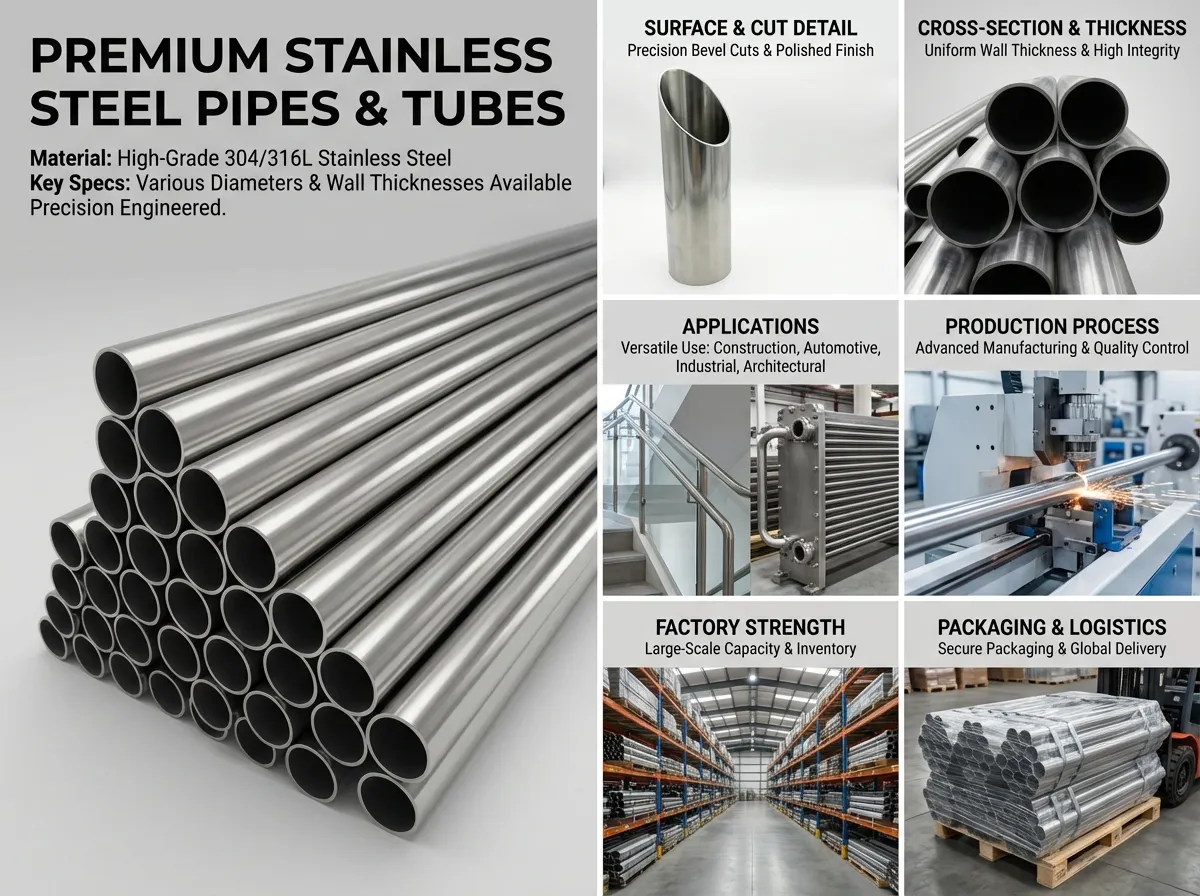
Technical Specifications of 5 Inch Stainless Steel Exhaust Pipe
| Property | Parameter | Description |
|---|---|---|
| Product Name | 5 Inch Stainless Steel Exhaust Pipe | High-performance exhaust system component |
| Material Grade | 304 / 304L / 316L / 409 / 430 | Multiple stainless steel grade options |
| Standard Compliance | ASTM A554, ASTM A312, EN 10088-2 | Meets international exhaust pipe standards |
| Outer Diameter (OD) | 5 inch (127mm) | Standard 5 inch nominal diameter |
| Wall Thickness | 1.5mm - 3.0mm | Available thickness options for different applications |
| Length | 1m - 6m or custom | Standard and custom length available |
| Surface Finish | Mirror polished, Brushed, Mill finish | Multiple surface treatment options |
| Manufacturing Process | TIG welded / Seamless | Welded or seamless construction |
| Chromium (Cr) | 16.0-26.0% (grade dependent) | Provides corrosion and heat resistance |
| Nickel (Ni) | 8.0-14.0% (grade dependent) | Enhances durability and corrosion resistance |
| Temperature Resistance | Up to 870°C (1600°F) | Maximum continuous operating temperature |
| Tensile Strength | ≥515 MPa (304/316L) | Minimum tensile strength per ASTM standards |
| Bend Radius | Available in 45°, 90°, 180° | Standard exhaust bend angles |
| Application | Automotive exhaust, Industrial exhaust systems, Performance vehicles | Typical application industries |
| Corrosion Resistance | Excellent | Superior resistance to exhaust gases and moisture |
| Certification | ISO 9001, Material Test Certificate | Quality certifications provided |
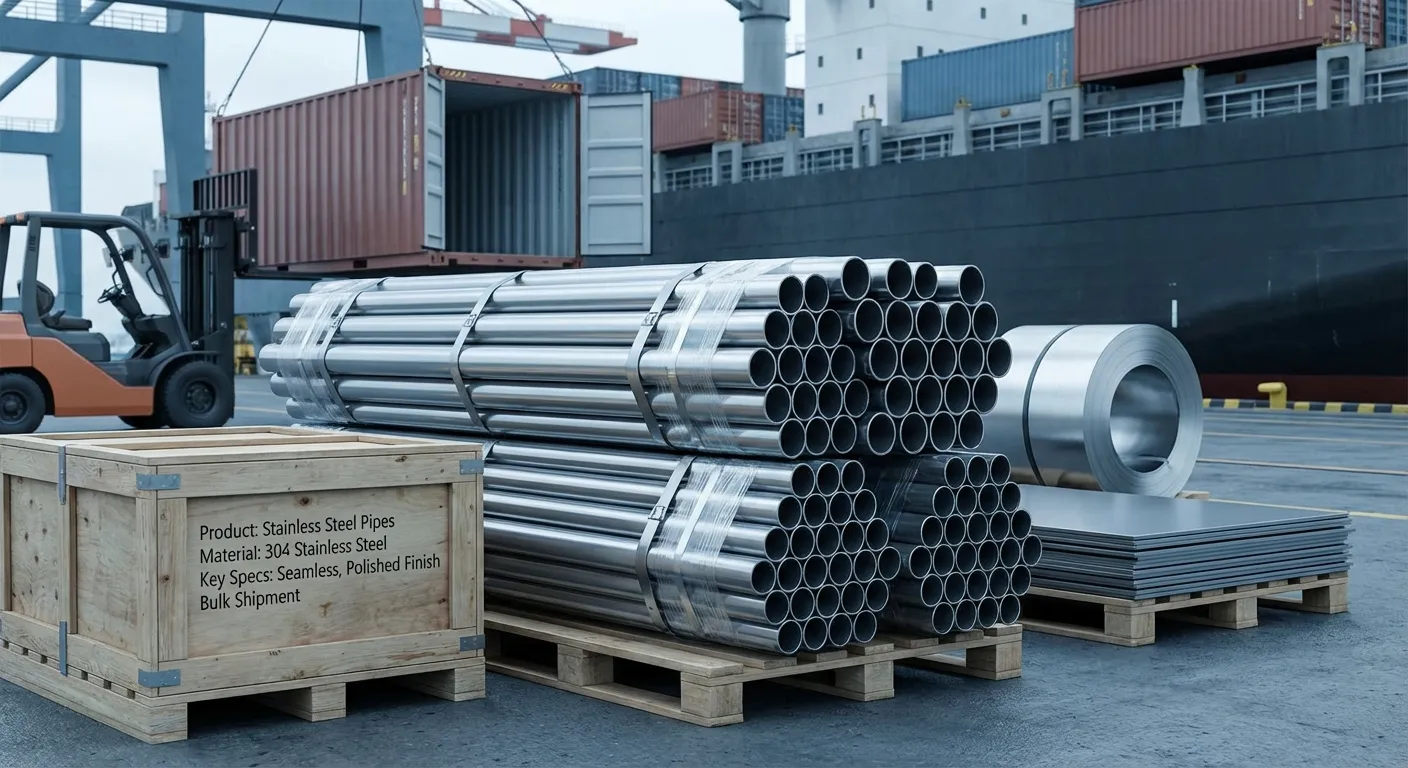
| Packaging | Plastic caps, wooden crate, carton box | Standard export packaging for protection |
| MOQ | 50 pieces | Minimum order quantity |
5 Inch Stainless Steel Exhaust Pipe - Heavy-Duty Welded Tubing for Automotive & Industrial Use
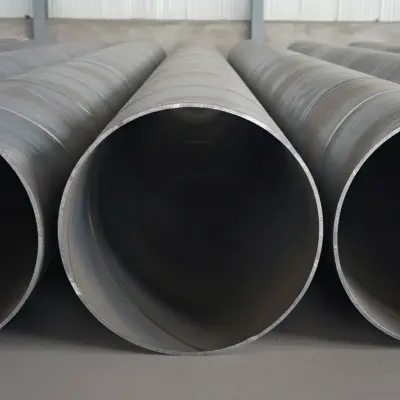
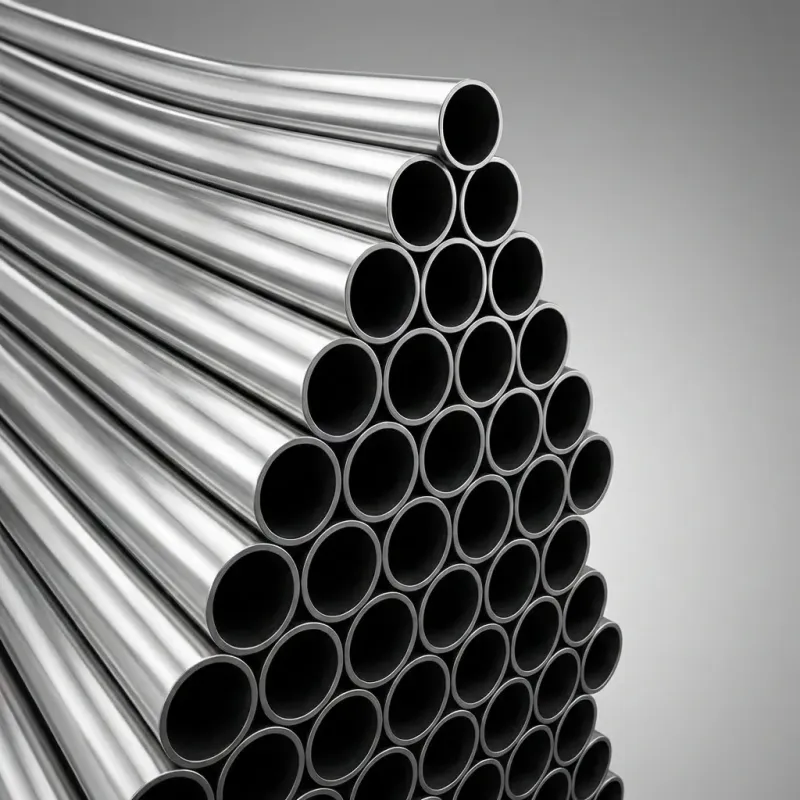
5 inch stainless steel exhaust pipe represents a critical component in high-performance exhaust systems, engineered to deliver exceptional durability and corrosion resistance in demanding automotive and industrial applications. Manufactured from premium-grade austenitic stainless steel alloys, these heavy-duty welded pipes serve professionals in automotive fabrication, marine propulsion systems, and industrial ventilation requiring reliable thermal management and extended service life. With precise dimensional tolerances and superior weld integrity, this exhaust tubing meets the rigorous demands of custom exhaust builders, diesel truck operators, and industrial equipment manufacturers seeking cost-effective solutions without compromising structural performance.
What is 5 Inch Stainless Steel Exhaust Pipe?
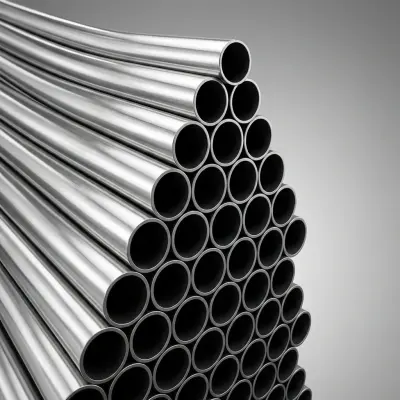
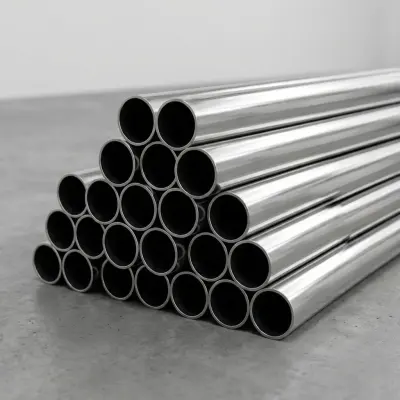
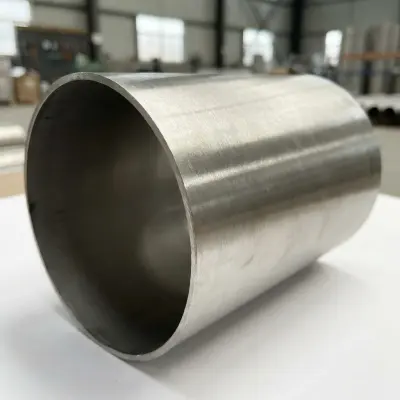
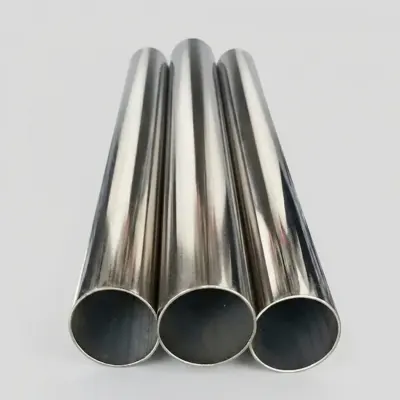
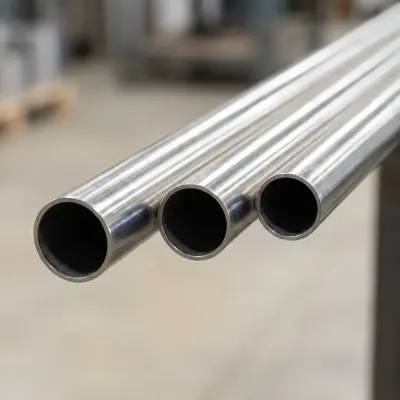
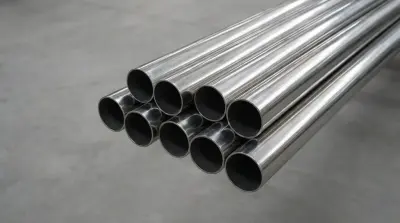
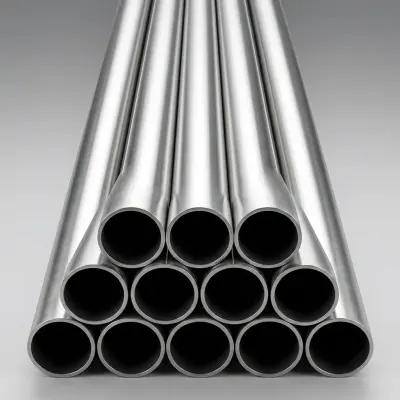
A 5 inch stainless steel exhaust pipe is a cylindrical welded tube with a nominal outside diameter of 5 inches (127mm), specifically designed for conveying high-temperature exhaust gases in automotive and industrial systems. These pipes are commonly manufactured from 304 or 409 stainless steel grades, featuring longitudinal seam welds produced through TIG (Tungsten Inert Gas) or resistance welding processes. The standard wall thickness ranges from 0.065 inches (16 gauge) to 0.120 inches (11 gauge), providing flexibility for various pressure and temperature requirements while maintaining optimal flow characteristics for exhaust gas evacuation.
5 Inch Stainless Steel Exhaust Pipe Technical Specifications
Standard configurations comply with ASTM A554 for mechanical tubing and ASTM A312 for welded pipe applications. The typical chemical composition for 304 grade includes 18-20% chromium and 8-10.5% nickel, delivering superior resistance to oxidation at temperatures up to 1650°F (900°C). Material density measures 7.93 g/cm³ at room temperature, with a tensile strength minimum of 515 MPa per ASTM A240 standards. The longitudinal weld seam undergoes non-destructive testing to ensure penetration depth exceeds 80% of wall thickness, meeting AWS D18.1 welding code requirements for structural exhaust components.
Material Grade Options and Performance Characteristics
304 Stainless Steel Configuration
Type 304 offers excellent general corrosion resistance with austenitic microstructure, making it the preferred choice for marine exhaust systems and coastal automotive applications. This grade maintains mechanical properties at continuous operating temperatures up to 870°C, with thermal expansion coefficient of 17.3 × 10⁻⁶/°C between 0-100°C. The chromium-nickel balance provides outstanding resistance to atmospheric corrosion and moderate chemical environments commonly encountered in diesel exhaust condensate.
409 Stainless Steel Configuration
Grade 409 represents a ferritic stainless steel stabilized with titanium, specifically engineered for automotive exhaust applications where cost-effectiveness is paramount. With 10.5-11.75% chromium content and carbon limited to 0.08% maximum, this material delivers adequate corrosion resistance for dry exhaust environments while offering superior weldability compared to austenitic grades. The thermal conductivity of 25 W/m·K at 100°C facilitates efficient heat dissipation in high-flow exhaust systems.
316L Low-Carbon Alternative
For applications involving marine diesel exhaust or chemical processing ventilation, 316L grade provides enhanced resistance to chloride-induced pitting corrosion. The molybdenum addition of 2-3% significantly improves performance in acidic condensate environments, with PREN (Pitting Resistance Equivalent Number) exceeding 24 per ASTM G48 Method A testing protocols.
Manufacturing Process and Quality Standards
Welded Tube Production Methods
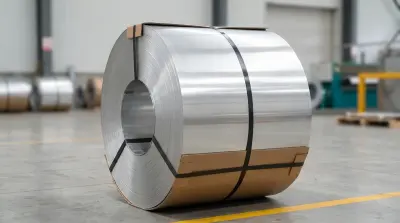
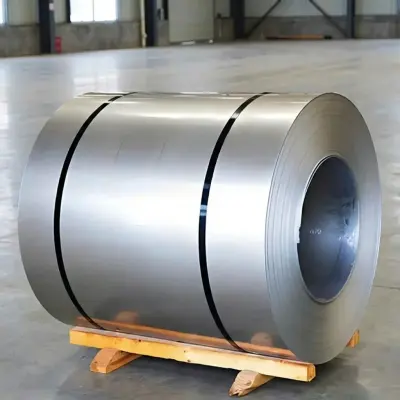
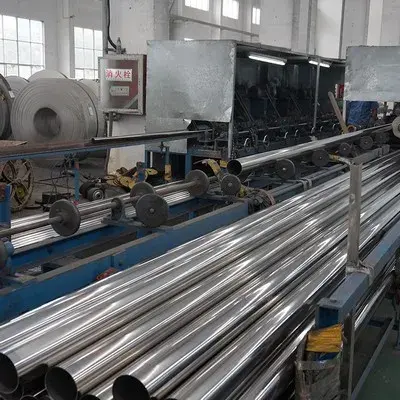
Modern manufacturing employs continuous TIG welding processes with argon shielding gas purity exceeding 99.95%, ensuring full penetration welds without oxidation contamination. The strip coil undergoes precision roll forming through 12-16 progressive stations, achieving roundness tolerance within ±0.020 inches per ASTM A554 Table X1.1 requirements. Post-weld heat treatment at 1040°C for ferritic grades relieves residual stresses while maintaining grain structure integrity.
Surface Finish Classifications
Standard mill finish (2B) provides a smooth, moderately reflective surface suitable for most industrial applications, with Ra surface roughness measuring 0.5-1.0 micrometers. Electropolished finishes achieve Ra values below 0.4 micrometers, critical for sanitary exhaust systems in food processing or pharmaceutical manufacturing environments. Brushed finishes (No. 4) offer aesthetic appeal for visible automotive installations while maintaining corrosion resistance through controlled directional grain patterns.
Application-Specific Engineering Considerations
Automotive Performance Exhaust Systems
High-performance vehicles utilize 5 inch diameter piping to minimize backpressure in turbocharged applications exceeding 500 horsepower output. The increased cross-sectional area of 19.63 square inches facilitates exhaust gas velocities optimized for scavenging efficiency, particularly in V8 and inline-6 configurations. Mandrel-bent sections maintain consistent internal diameter through curves, preventing flow restrictions that reduce power output by 3-7% in conventional crush-bent alternatives.
Industrial Ventilation and Fume Extraction
Chemical processing facilities employ these pipes for corrosive fume evacuation, where material selection depends on specific chemical exposure profiles. The smooth internal surface minimizes particulate accumulation, reducing maintenance intervals by 40% compared to carbon steel equivalents. Flanged connections per ASME B16.5 Class 150 standards enable modular system assembly with leak-tight sealing under thermal cycling conditions.
Marine Propulsion Exhaust Routing
Diesel marine engines benefit from the saltwater corrosion resistance of 316L configurations, where chloride concentrations exceed 19,000 ppm in seawater cooling systems. The material's resistance to crevice corrosion at bolted flanges prevents failure modes common in carbon steel installations, extending service life beyond 15 years in continuous marine service.
Installation Best Practices and Joining Methods
Welding Parameters for Field Assembly
TIG welding requires argon flow rates of 15-20 CFH with 2% thoriated tungsten electrodes sized 1/16 to 3/32 inch diameter. Amperage settings between 90-130 amps for 16-gauge material ensure adequate penetration without burn-through, using ER308L filler rod for 304 base metal. Back purging with argon maintains oxygen levels below 20 ppm during root pass execution, preventing sugaring that compromises corrosion resistance.
Mechanical Coupling Systems
Band clamps with 304 stainless steel construction provide reliable gas-tight seals for slip-fit connections, accommodating thermal expansion of 0.24 inches per 10-foot section at 500°F operating temperature. V-band couplings machined to SAE J1508 specifications enable rapid disassembly for maintenance access, with clamping forces distributed uniformly around the circumference to prevent localized stress concentrations.
Frequently Asked Questions
What is the minimum order quantity (MOQ)?
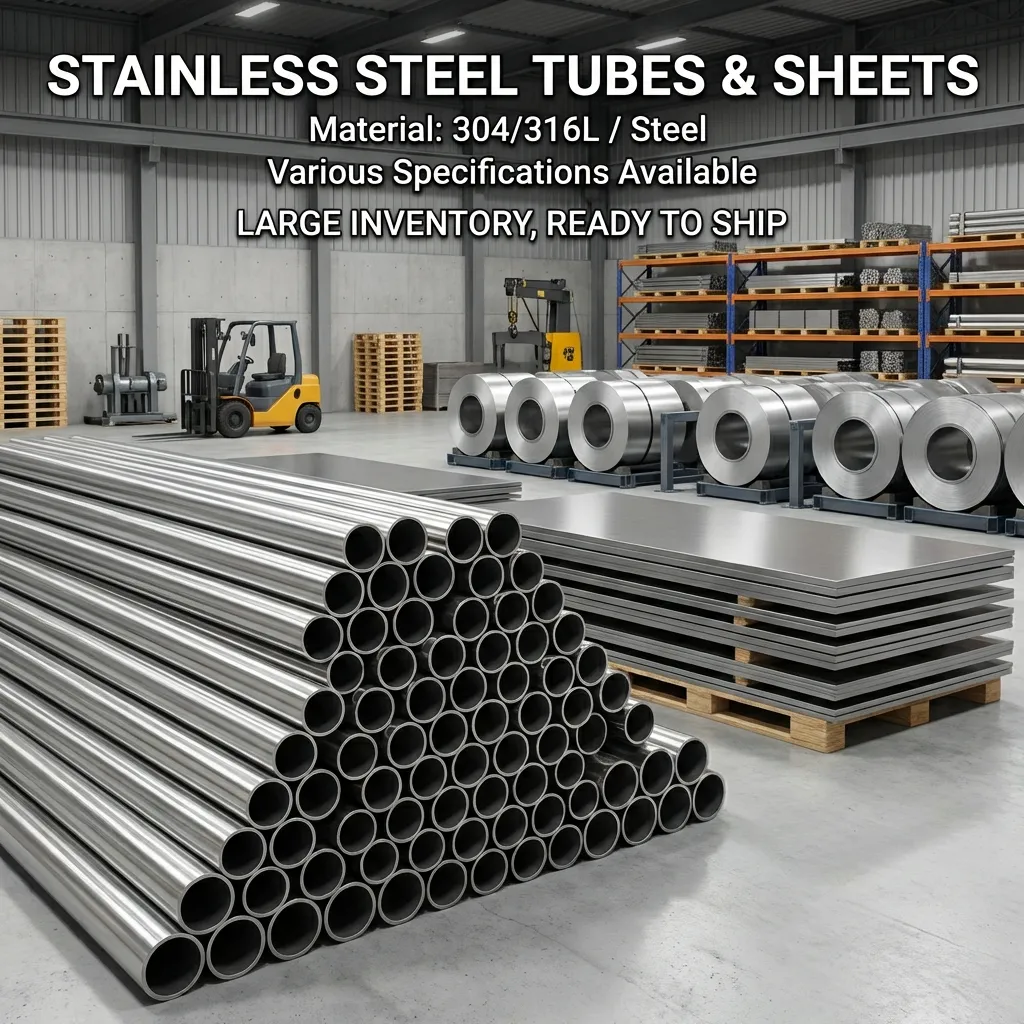
Standard MOQ is 100 feet for stock diameters and wall thicknesses, with custom specifications requiring 500-foot minimum runs to justify tooling setup. Volume pricing tiers activate at 1000, 5000, and 10,000-foot quantities, offering cost reductions of 8%, 15%, and 22% respectively from base mill-direct pricing.
Do you provide material test certificates?
All shipments include EN 10204 Type 3.1 mill test reports documenting chemical composition per heat lot, mechanical properties from tensile testing per ASTM E8, and dimensional verification results. Additional PMI (Positive Material Identification) analysis available upon request to confirm grade authenticity through XRF spectrometry validation.
What is the typical delivery time?
Stock items ship within 3-5 business days from regional distribution centers serving North America and European markets. Custom length cutting adds 2-3 days processing time, while special orders requiring non-standard wall thickness or diameter necessitate 6-8 week lead times for mill production scheduling and quality verification procedures.
Can you cut to custom sizes?
Precision cutting services utilize abrasive chop saws with ±1/8 inch tolerance for lengths between 6 inches and 20 feet. CNC plasma cutting accommodates complex profile requirements including miter cuts from 15° to 75° angles, with edge preparation for welding including beveling to 37.5° included angle per AWS D1.6 structural welding code specifications.
Get a Competitive Quote for 5 Inch Stainless Steel Exhaust Pipe
Our technical sales team provides comprehensive application support, helping you select optimal material grades and specifications for your specific exhaust system requirements. With direct mill relationships and strategic inventory positioning, we deliver factory-competitive pricing combined with value-added services including custom fabrication, quality certification, and expedited logistics solutions. Request detailed quotations including freight analysis, material certifications, and technical data sheets to support your engineering specifications and procurement approval processes.
- 24/7 customer support available via phone, email, and live chat
- Free samples for quality evaluation with certified test documentation
- Competitive pricing for bulk orders with flexible payment terms
- Professional technical consultation from certified welding engineers
Contact us today to get your free quote within 24 hours!
Ratings & Reviews

Know your supplier
Supplier's customization ability
- Drawing-based customization
- Sample-based customization
- Full customization
Minimum order quantity: 1 ton
Shipping total: To be negotiated
- Lead time:
- confirmed with the quotation
- Packaging:
- standard export packing
- Samples:
- available on request