 English
  Español
  Français
  Deutsch
  Português (Brasil)
  Русский
  العربية
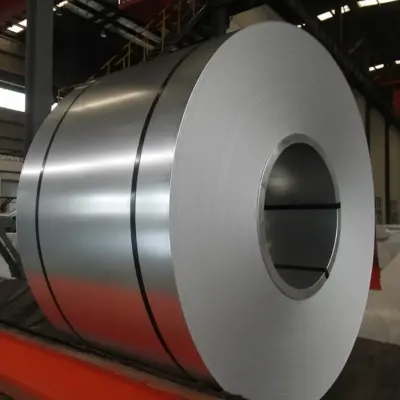
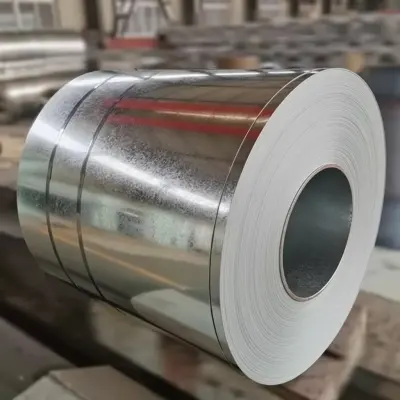
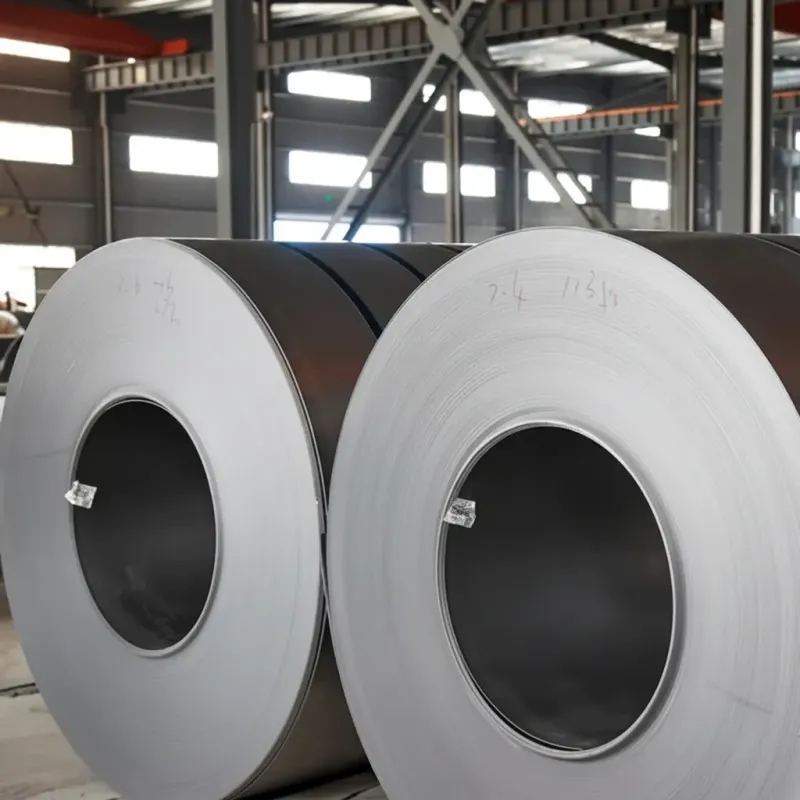
Printed Tinplate Coil - Custom Width & Thickness for Packaging Manufacturing

 China
China
Supplier's customization ability
- Drawing-based customization
- Sample-based customization
- Full customization
Minimum order quantity: 1 ton
Shipping total: To be negotiated
- Lead time:
- confirmed with the quotation
- Packaging:
- standard export packing
- Samples:
- available on request
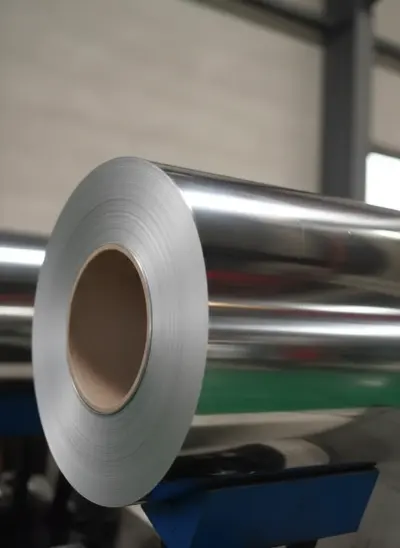
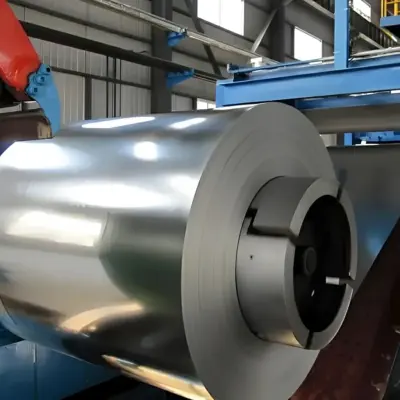
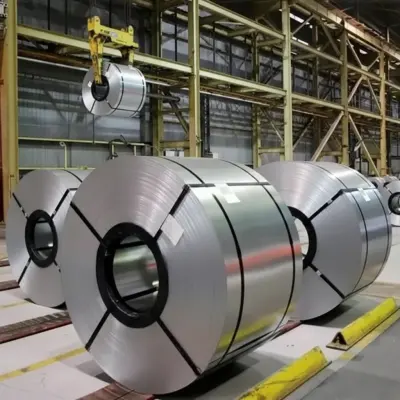
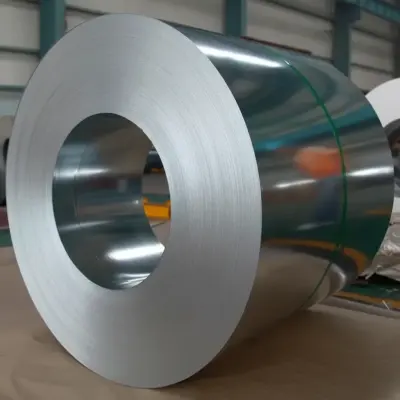
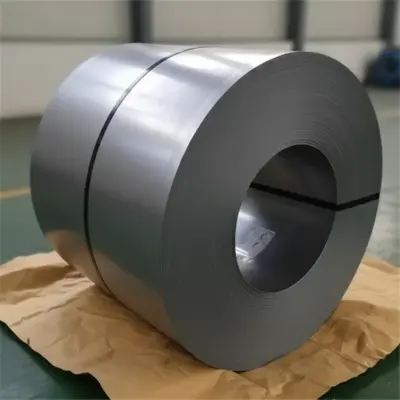
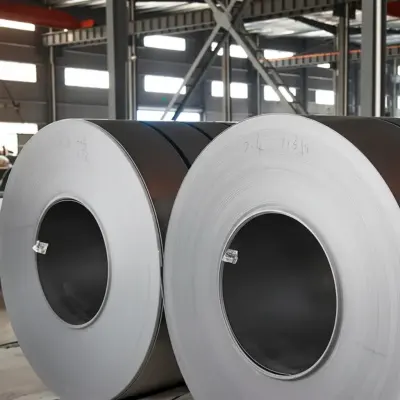
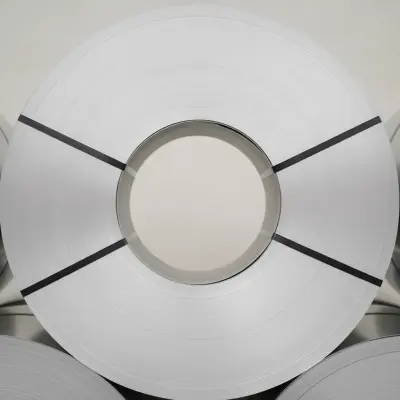
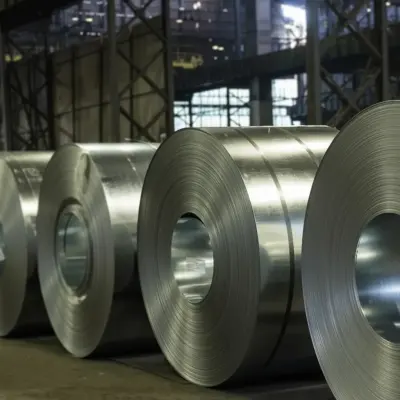
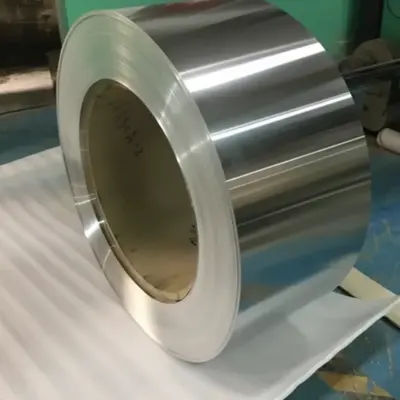
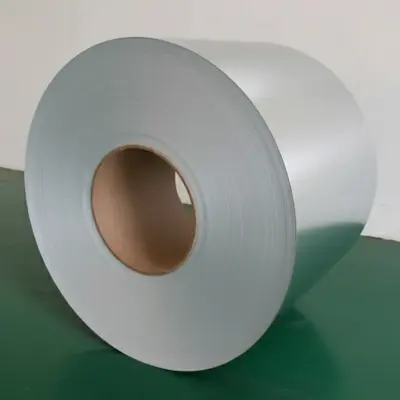
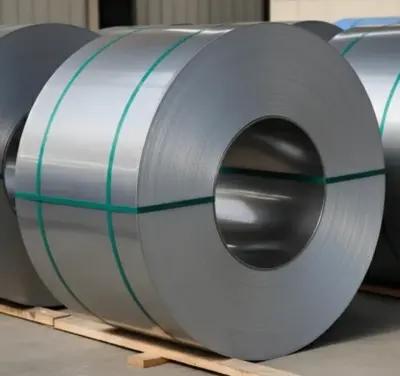
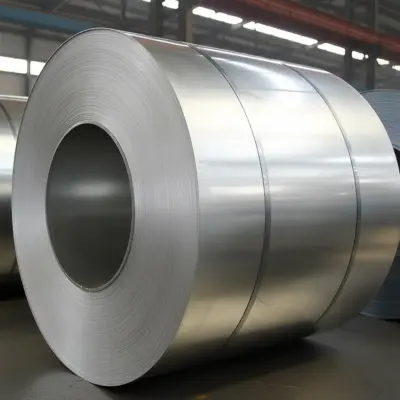
Product details
Technical Specifications of Printed Tinplate Coil
| Property | Parameter | Description |
|---|---|---|
| Product Name | Printed Tinplate Coil | Electrolytic tinplate with decorative printing for packaging |
| Base Material | Low Carbon Steel / MR Grade | Cold-rolled steel substrate with tin coating |
| Standard Compliance | JIS G3303, ASTM A623, EN 10202 | Meets international tinplate standards |
| Tin Coating Weight | 2.8/2.8 - 11.2/11.2 g/m² | Equal or differential coating on both sides |
| Temper Grade | T1, T2, T3, T4, T5 | Hardness grades from soft to hard |
| Base Steel Thickness | 0.15 - 0.50 mm | Core steel thickness before coating |
| Total Thickness | 0.16 - 0.52 mm | Including tin coating and passivation layer |
| Coil Width | 600 - 1050 mm | Standard width range for printing applications |
| Coil Weight | 3 - 10 tons | Standard coil weight per unit |
| Printing Type | Offset, UV, Lithography | Multiple printing process options |
| Ink Adhesion | ≥8N (Cross-cut test) | Excellent ink bonding strength |
| Surface Treatment | Passivated (311/311, 311/SR) | Chromium passivation for corrosion resistance |
| Surface Finish | Bright, Stone, Silver, Matte | Various finishes for different printing effects |
| Printing Colors | 1-6 colors CMYK + Spot colors | Multi-color printing capability |
| Application | Food cans, beverage cans, aerosol cans, gift boxes | Decorative packaging applications |
| Corrosion Resistance | ≥24 hours salt spray test | Suitable for food contact applications |
| Certification | ISO 9001, FDA, REACH, RoHS | Food-grade and environmental certifications |
| MOQ | 10 tons | Minimum order quantity for custom printing |
Printed Tinplate Coil - Custom Width & Thickness for Packaging Manufacturing
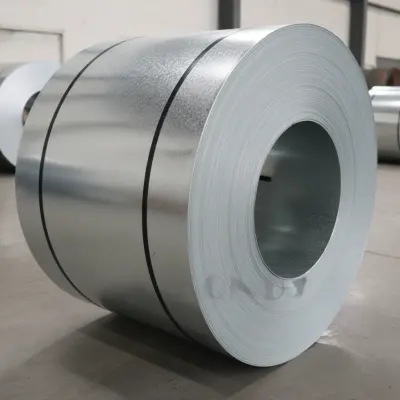
Printed tinplate coil represents a specialized category of electrolytic tinplate that combines superior corrosion resistance with high-quality decorative printing capabilities. This premium-grade material serves critical roles in food packaging, aerosol containers, and decorative metal applications where both protective properties and visual appeal are paramount. Manufactured through a continuous electrolytic coating process followed by advanced lithographic printing, printed tinplate coil delivers exceptional performance for brands seeking to enhance product presentation while maintaining rigorous food safety standards.
What is Printed Tinplate Coil?
Printed tinplate coil is cold-rolled low-carbon steel substrate coated with a thin tin layer through electrolytic deposition, subsequently printed with food-grade inks using offset lithography or digital printing technologies. The base material typically ranges from 0.15mm to 0.49mm in thickness with tin coating weights between 2.8g/m² and 11.2g/m² per side, meeting ASTM A623 and EN 10202 specifications for dimensional tolerances and surface quality standards.
Printed Tinplate Coil Technical Specifications
Our printed tinplate coil manufacturing adheres to international quality benchmarks with base steel conforming to JISG3303 standards. Tin coating thickness ranges from T1 (2.0g/m²) to T5 (11.2g/m²) with chromium passivation layers of 10-120mg/m². Standard coil widths span 600mm to 1050mm with master coil weights reaching 8-12 metric tons. Temper grades include T1-T5 hardness classifications, providing tensile strength values from 290 MPa to 520 MPa depending on application requirements.
Why Choose Our Printed Tinplate Coil
We maintain mill-direct partnerships with ISO 9001:2015 certified manufacturers equipped with state-of-the-art printing lines capable of 8-color process printing at resolutions exceeding 200 LPI. Our quality assurance protocols include spectrophotometric color matching with Delta E values below 2.0, ensuring brand color consistency across production runs. All materials comply with FDA 21 CFR 175.300 for direct food contact and EU Regulation 10/2011 for migration limits, supported by complete material traceability documentation.
Frequently Asked Questions
What is the minimum order quantity (MOQ)?
Standard MOQ for printed tinplate coil stands at 20 metric tons per design specification, though we accommodate smaller trial orders of 5-10 tons for new product development with adjusted pricing structures. Custom printing setups require cylinder engraving lead times of 15-20 working days.
Do you provide material test certificates?
Comprehensive mill test certificates accompany every shipment, documenting tin coating weight verification per ASTM B545, temper classification per ASTM A623M Section 8, and chemical composition analysis. Third-party SGS inspection reports available upon request with migration testing results per EN 13130 standards.
What is the typical delivery time?
Production lead time for printed tinplate coil averages 35-45 days from artwork approval, including 12-15 days for printing cylinder preparation and 20-25 days for coating and printing operations. Express production available for established designs with 25-30 day turnaround for premium charges.
Can you cut to custom sizes?
Our precision slitting capabilities handle width tolerances of ±0.5mm for dimensions between 150mm and 1050mm. Sheet cutting services available with length accuracy of ±1.0mm, supporting packaging manufacturers requiring pre-cut blanks for stamping operations. Edge conditioning options include deburred, rounded, or square-cut profiles per customer specifications.
Get a Competitive Quote for Printed Tinplate Coil
Contact our technical sales team for factory-competitive pricing on printed tinplate coil tailored to your packaging requirements. We provide comprehensive support including substrate selection guidance, printing feasibility analysis, and logistics coordination for container shipments. Request detailed product specifications, coating weight recommendations, and volume-based pricing structures to optimize your supply chain costs while maintaining superior print quality standards.
Ratings & Reviews

Know your supplier
Supplier's customization ability
- Drawing-based customization
- Sample-based customization
- Full customization
Minimum order quantity: 1 ton
Shipping total: To be negotiated
- Lead time:
- confirmed with the quotation
- Packaging:
- standard export packing
- Samples:
- available on request