 English
  Español
  Français
  Deutsch
  Português (Brasil)
  Русский
  العربية
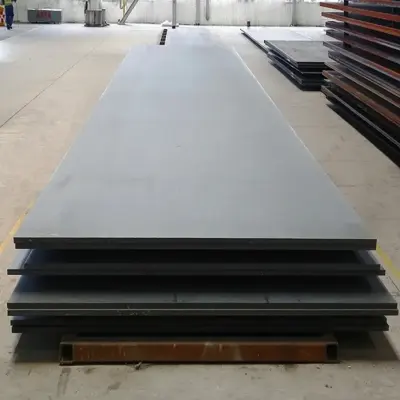
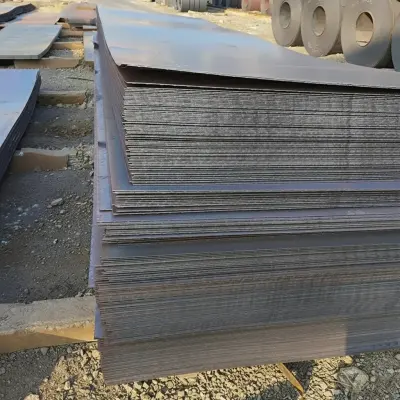
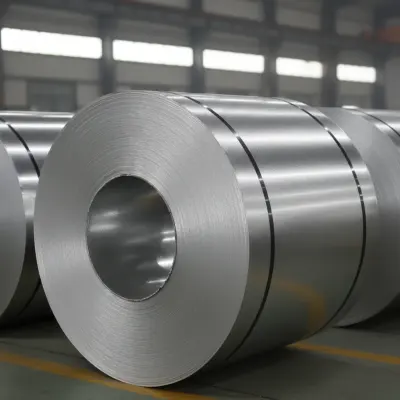
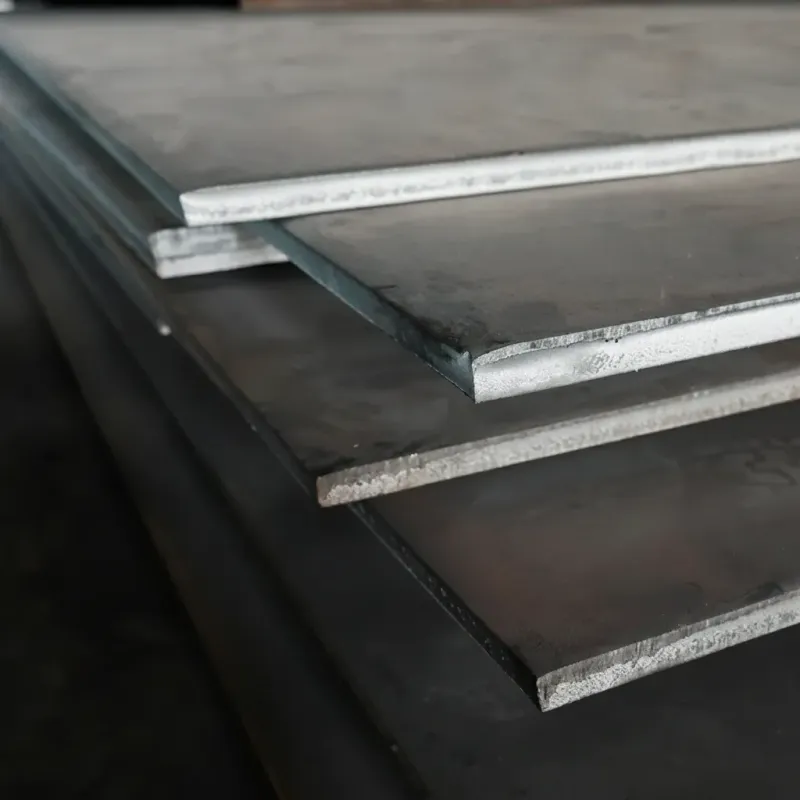
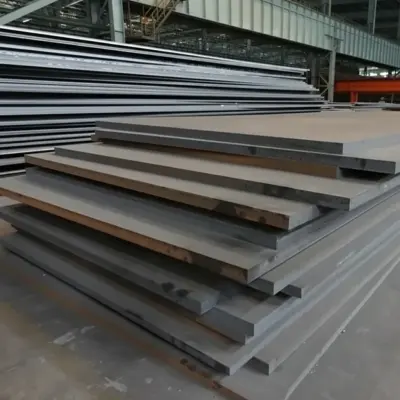
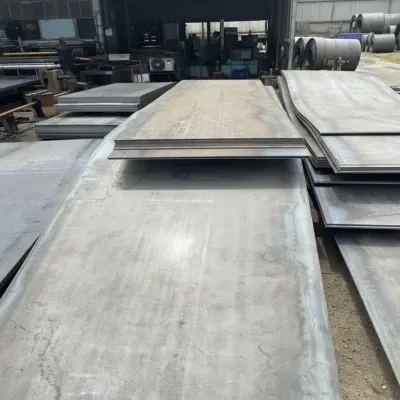
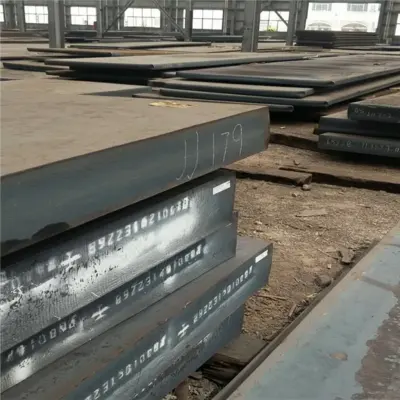
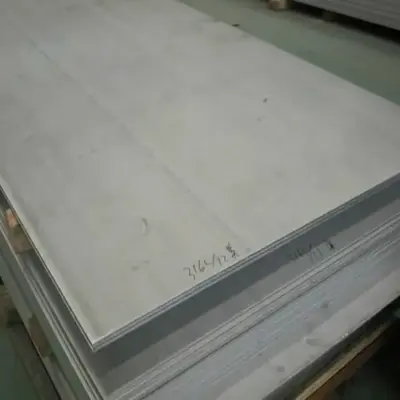
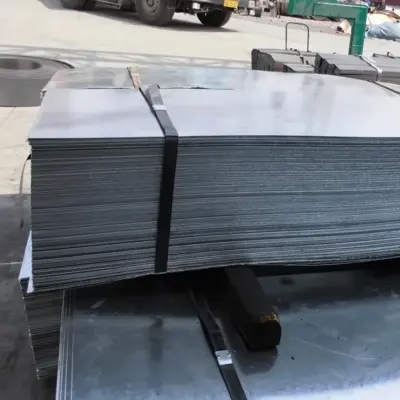
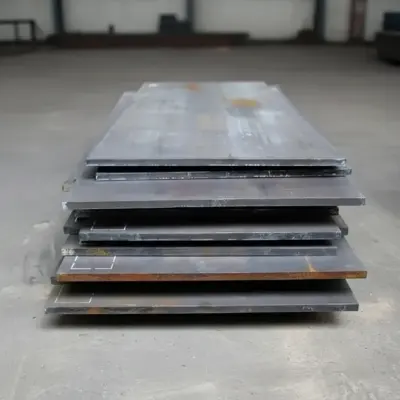
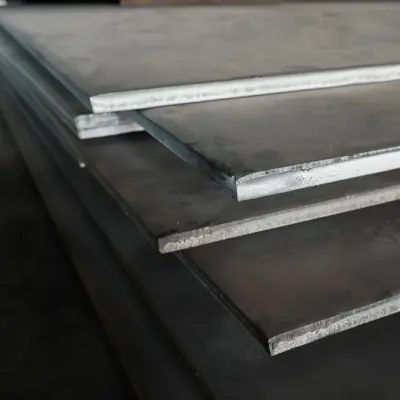
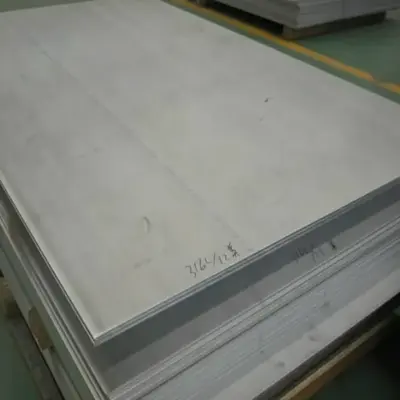
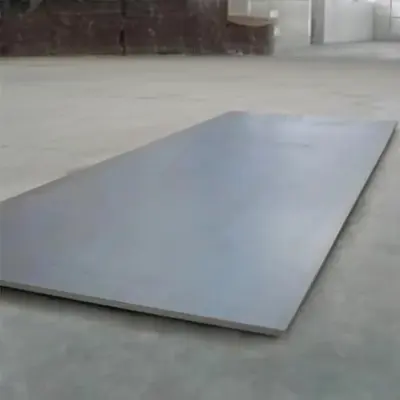
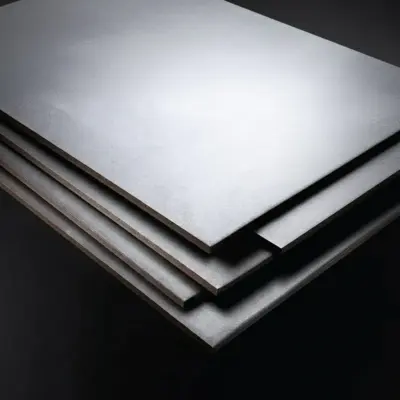
Wear Resistant Steel Sheet - High Hardness AR400 AR500 Abrasion Resistant Plate

 China
China
Supplier's customization ability
- Drawing-based customization
- Sample-based customization
- Full customization
Minimum order quantity: 1 ton
Shipping total: To be negotiated
- Lead time:
- confirmed with the quotation
- Packaging:
- standard export packing
- Samples:
- available on request
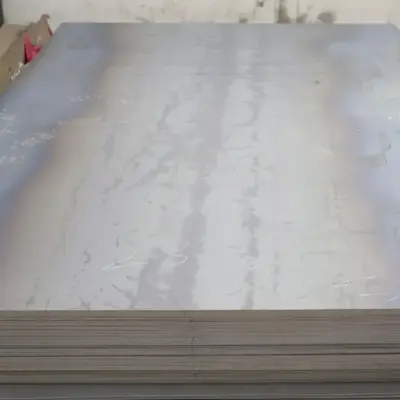
Product details
Technical Specifications of Wear Resistant Steel Sheet
| Property | Parameter | Description |
|---|---|---|
| Product Name | Wear Resistant Steel Sheet | High-hardness abrasion-resistant steel plate |
| Material Grade | AR400 / AR450 / AR500 / NM400 / NM500 | International wear-resistant grade equivalents |
| Standard Compliance | ASTM A514, JIS G3128, EN 10025-6 | Meets major international standards |
| Surface Hardness | 360-540 HBW | Brinell hardness depending on grade |
| Carbon (C) | ≤0.28% | Carbon content for hardness and strength |
| Manganese (Mn) | 0.80-1.60% | Enhances hardenability and toughness |
| Chromium (Cr) | 0.50-1.50% | Improves wear and corrosion resistance |
| Molybdenum (Mo) | 0.20-0.60% | Increases strength at elevated temperatures |
| Tensile Strength | ≥1200 MPa | Minimum tensile strength for AR400 grade |
| Yield Strength | ≥1000 MPa | Minimum yield strength |
| Elongation | ≥10% | Ductility in 50mm gauge length |
| Thickness Range | 6mm - 80mm | Available thickness options |
| Width Range | 1500mm - 3000mm | Standard and custom widths |
| Length Range | 6000mm - 12000mm or custom | Standard and custom lengths |
| Surface Finish | As-rolled, shot-blasted, painted | Multiple surface treatment options |
| Application | Mining, construction, cement, steel industry | High-abrasion environments |
| Impact Toughness | ≥24J at -20°C | Charpy V-notch impact resistance |
| Certification | EN 10204 3.1, ISO 9001, CE | Quality certifications provided |
| Packaging | Steel strapping, waterproof covering | Standard export packaging |
| MOQ | 5 tons | Minimum order quantity |
Wear Resistant Steel Sheet - High Hardness AR400 AR500 Abrasion Resistant Plate
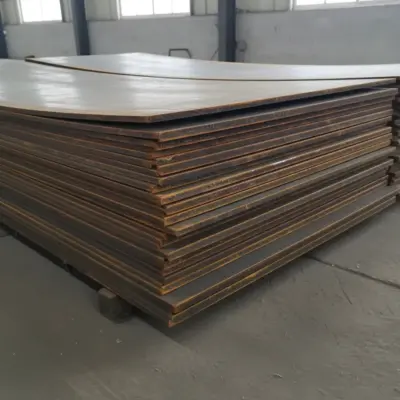
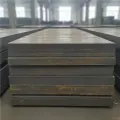
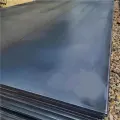
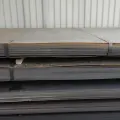
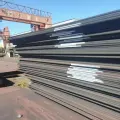
Wear resistant steel sheet represents a specialized category of high-carbon alloy steel plates engineered to withstand extreme abrasive conditions in heavy-duty industrial applications. These premium-grade steel sheets, commonly available in AR400 and AR500 specifications, deliver exceptional surface hardness ranging from 360 to 540 HBW, making them the preferred choice for mining equipment, material handling systems, and construction machinery manufacturers seeking to extend component service life by 300-400% compared to conventional structural steel.
What is Wear Resistant Steel Sheet?
Wear resistant steel sheet is a through-hardened carbon alloy steel plate manufactured through quenching and tempering processes to achieve superior resistance to abrasive wear, impact, and surface deformation. These steel sheets typically contain 0.25-0.35% carbon content with alloying elements including chromium, manganese, and molybdenum, providing a unique combination of surface hardness and core toughness essential for applications involving continuous friction, impact loading, and material flow.
Wear Resistant Steel Sheet Technical Specifications
AR400 grade exhibits a surface hardness of 360-440 HBW with minimum tensile strength of 1,250 MPa per ASTM A514 standards, while AR500 achieves 460-540 HBW hardness with tensile strength exceeding 1,850 MPa. Standard thickness ranges from 3mm to 100mm with widths up to 3,000mm, manufactured in accordance with JIS G3128 and EN 10025-6 specifications. Chemical composition maintains carbon levels at 0.28-0.35%, manganese at 0.80-1.50%, and chromium at 0.30-0.80% to ensure optimal wear resistance characteristics.
Key Performance Advantages
These abrasion-resistant steel sheets demonstrate remarkable durability through their microstructural properties. The martensitic matrix structure provides outstanding resistance to gouging, scratching, and impact wear, while maintaining adequate ductility for fabrication processes including cutting, bending, and welding operations. Comparative testing shows AR500 plates offer 25-30% superior wear life versus AR400 in high-impact applications, though AR400 provides better weldability for complex fabrications requiring extensive joining procedures.
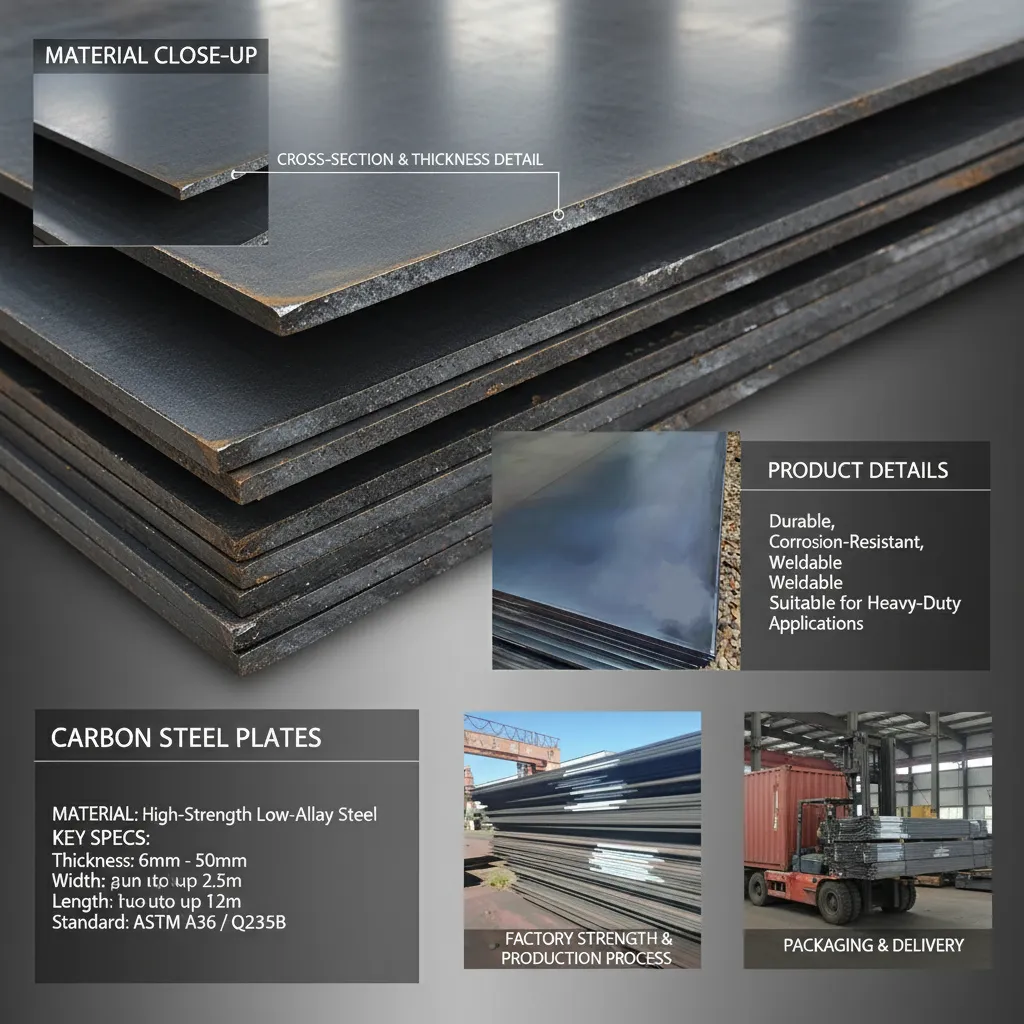
Manufacturing and Quality Control
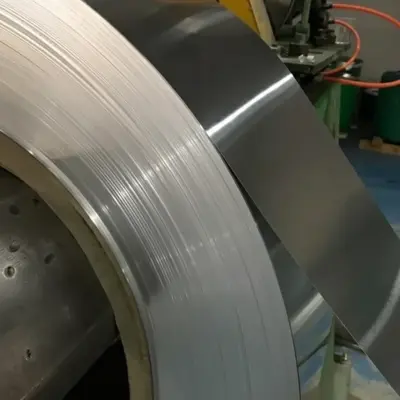
Production involves controlled rolling at temperatures between 900-1,100°C followed by accelerated water quenching to achieve through-thickness hardness uniformity within ±30 HBW tolerance. Tempering processes at 200-300°C optimize the balance between hardness retention and impact toughness. Each production lot undergoes Brinell hardness testing per ASTM E10 standards at multiple locations, ultrasonic examination conforming to ASTM A435, and dimensional verification ensuring flatness within 10mm per meter length.
Frequently Asked Questions
What is the minimum order quantity (MOQ)?
Standard minimum order quantity starts at 5 metric tons per specification, though project-based orders for custom thicknesses or certified mill test report requirements may accommodate 2-ton minimums. Volume discounts apply for orders exceeding 20 tons with flexible delivery scheduling available.
Do you provide material test certificates?
Yes, comprehensive Mill Test Certificates per EN 10204 3.1 standard accompany every shipment, documenting chemical composition analysis, mechanical property test results, heat treatment parameters, and hardness mapping data. Third-party inspection certificates from SGS, BV, or Lloyd's Register can be arranged upon request.
What is the typical delivery time?
Stock thickness plates (6mm-40mm) in AR400 grade ship within 7-10 working days ex-warehouse. Custom rolled plates requiring specific dimensions or AR500 specifications typically require 25-35 days production lead time from purchase order confirmation, including quality testing and surface treatment processes.
Can you cut to custom sizes?
Advanced CNC plasma and laser cutting services accommodate precise dimensional requirements with tolerances of ±2mm for plasma cutting and ±0.5mm for laser cutting. Additional fabrication services include beveling, countersinking, and CNC machining operations. Cutting plans should be submitted for technical review to optimize material utilization and cost efficiency.
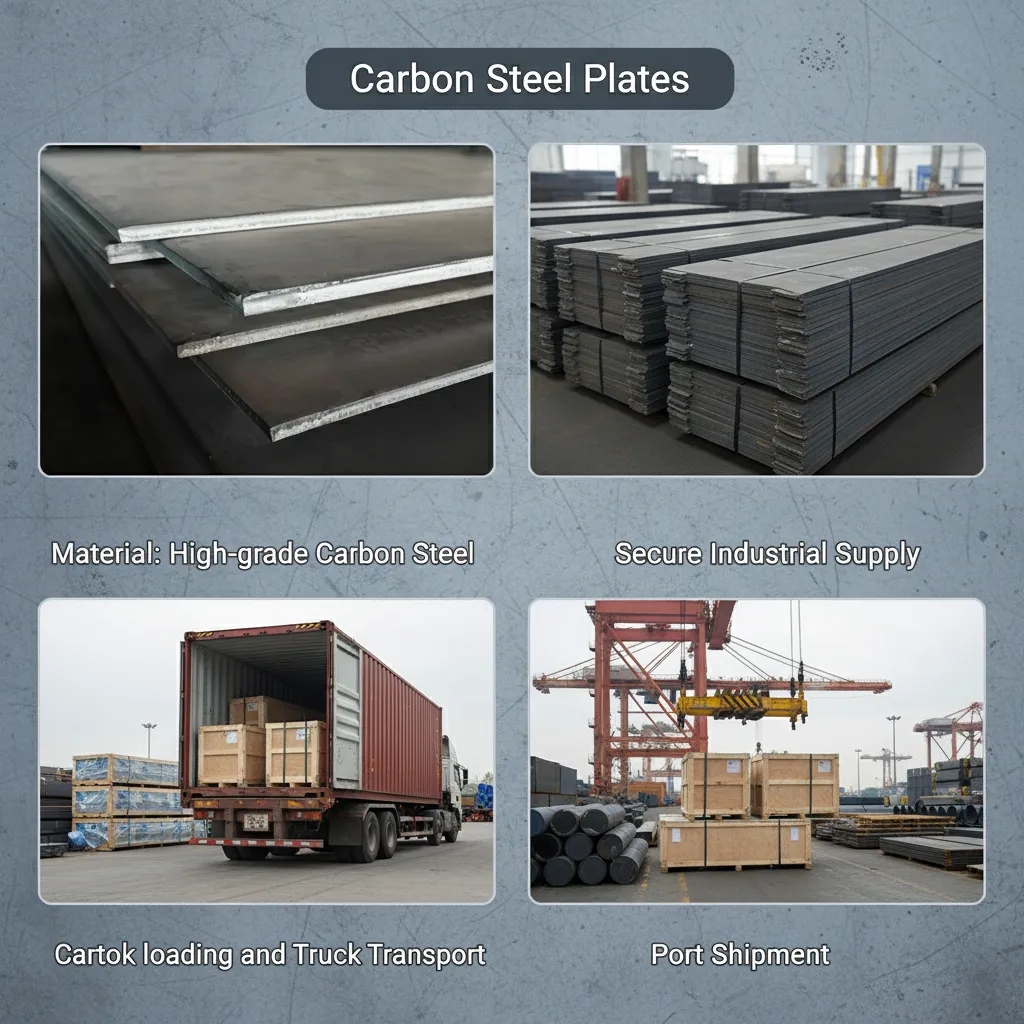
Get a Competitive Quote for Wear Resistant Steel Sheet
Contact our technical sales team for mill-direct pricing on AR400 and AR500 wear resistant steel sheets tailored to your specific application requirements. Our metallurgical engineers provide complimentary material selection consultation, wear life analysis, and fabrication recommendations to ensure optimal performance in your operating conditions. Request detailed specifications, mechanical property data sheets, and volume-based pricing structures today.
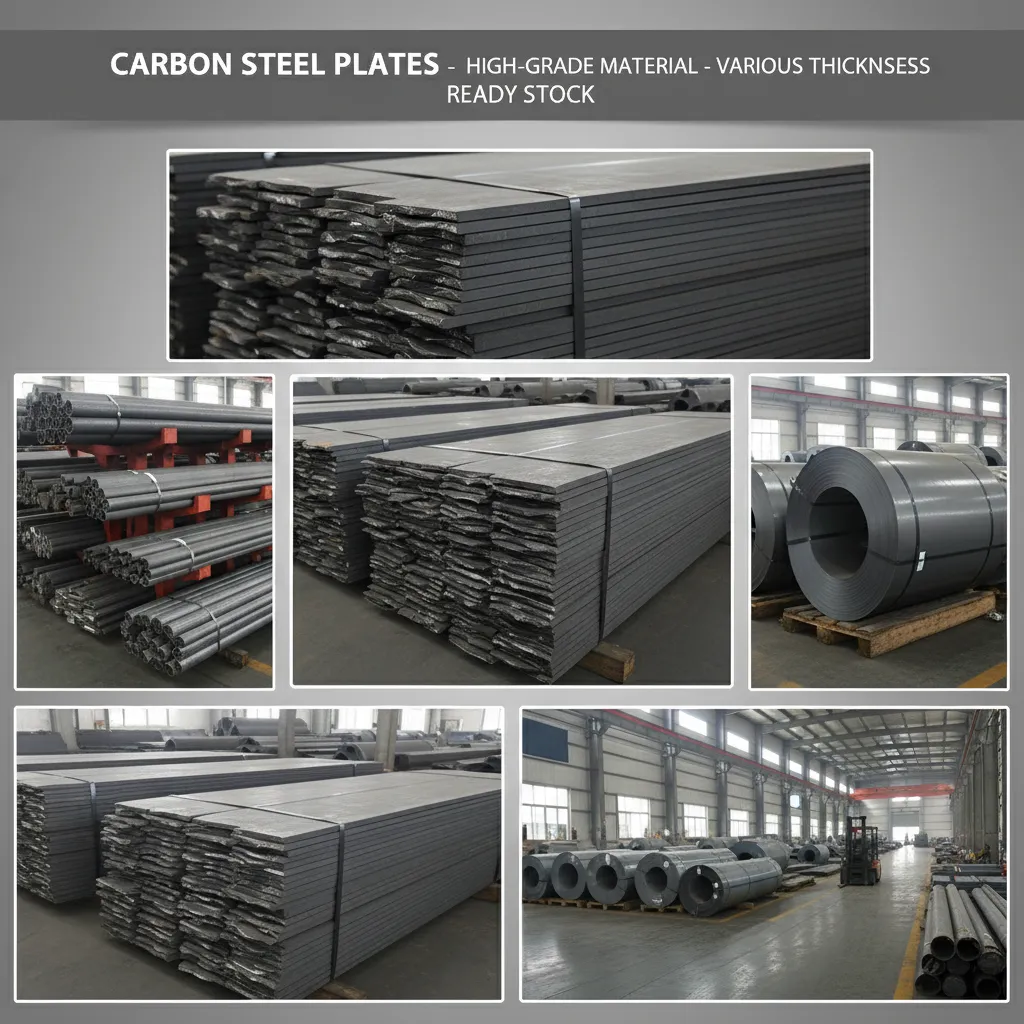
Ratings & Reviews

Know your supplier
Supplier's customization ability
- Drawing-based customization
- Sample-based customization
- Full customization
Minimum order quantity: 1 ton
Shipping total: To be negotiated
- Lead time:
- confirmed with the quotation
- Packaging:
- standard export packing
- Samples:
- available on request