 English
  Español
  Français
  Deutsch
  Português (Brasil)
  Русский
  العربية
Dried Mealworms for Aquaculture Feed Supplier

 China
China
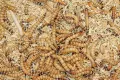
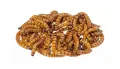
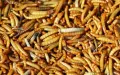
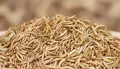
Supplier's customization ability
- Drawing-based customization
- Sample-based customization
- Full customization
Minimum order quantity: 10 kg
Shipping total: To be negotiated
- Lead time:
- confirmed with the quotation
- Packaging:
- standard export packing
- Samples:
- available on request
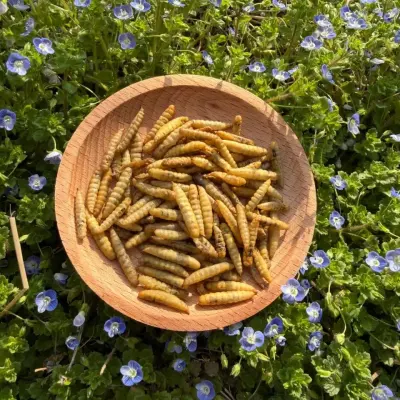
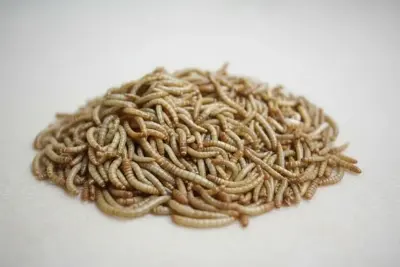
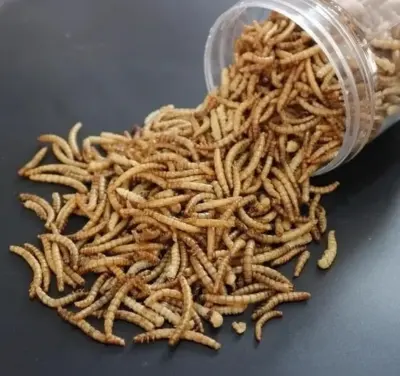
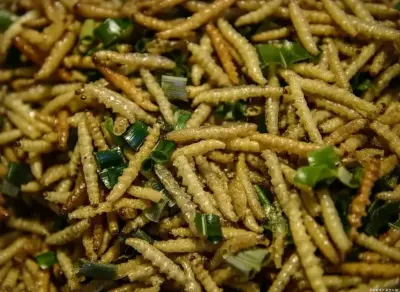
Product details
Technical Specifications of Dried Mealworms for Aquaculture Feed Supplier
| Property | Parameter | Description |
|---|---|---|
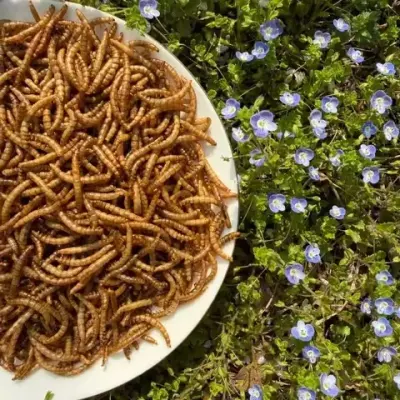
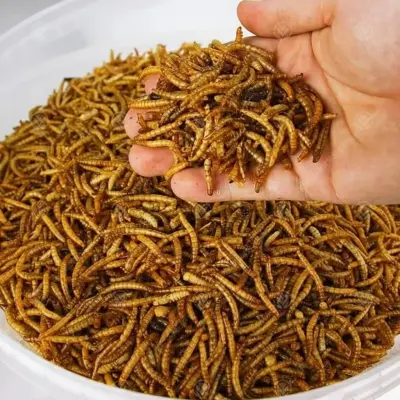
| Product Name | Dried Mealworms for Aquaculture Feed | Whole dried Tenebrio molitor larvae processed for aquaculture use |
| Life Stage | Larvae (5th–6th instar) | Harvested at optimal growth stage for maximum nutritional value |
| Size Range | 20–32 mm | Uniform size grading suitable for various aquaculture species |
| Moisture Content | ≤8% | Low moisture ensures microbial stability and extended shelf life |
| Protein Content | 48–53% (dry basis) | Complete amino acid profile supporting fish and shrimp growth |
| Fat Content | 28–35% (dry basis) | Rich in linoleic acid and oleic acid for energy supply |
| Ash Content | 3–5% (dry basis) | Mineral fraction including calcium, phosphorus, and magnesium |
| Survival Rate | N/A (dried product) | Post-drying viability not applicable; batch uniformity ≥95% |
| Rearing Conditions | 22–28°C, RH 60–70% | Controlled environment rearing to ensure biosafety and quality |
| Feed Source | Wheat bran, corn flour, vegetable by-products | Non-GMO, pesticide-free substrates used throughout rearing cycle |
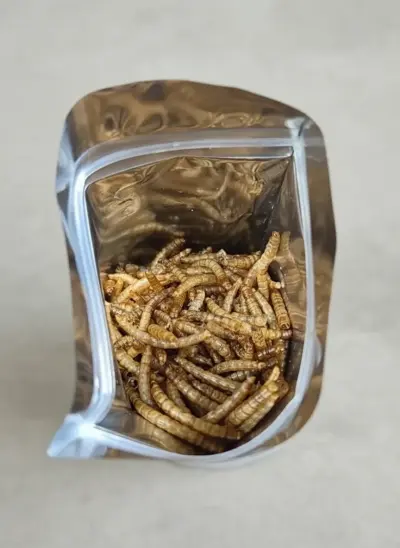
| Packaging | 10 kg / 20 kg kraft paper bags or vacuum-sealed PE bags | Custom packaging available; nitrogen-flushed option upon request |
| Storage Conditions | ≤25°C, RH ≤60%, away from direct sunlight | Store in cool, dry, well-ventilated warehouse to prevent oxidation |
| Shelf Life | 12 months | From production date under recommended storage conditions |
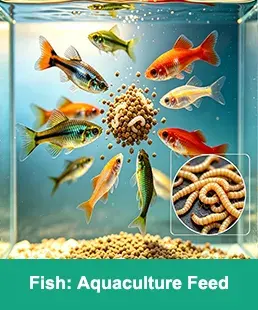
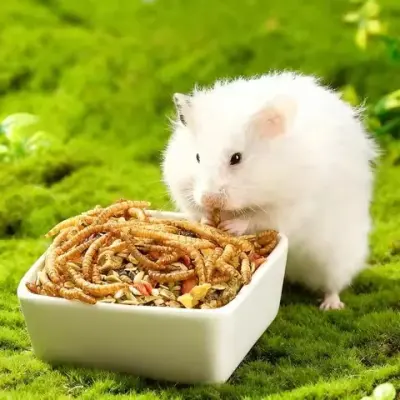
| Application | Fish, shrimp, crab, turtle, eel aquaculture feed | Used as protein ingredient in compound feed or direct feeding |
| Certification | ISO 22000, HACCP, SGS | Third-party tested for heavy metals, pesticides, and pathogens |
| MOQ | 500 kg | Minimum order quantity per shipment; trial orders negotiable |
| Supply Capacity | 50,000 kg/month | Scalable production capacity with stable year-round supply |
Dried Mealworms for Aquaculture Feed Supplier
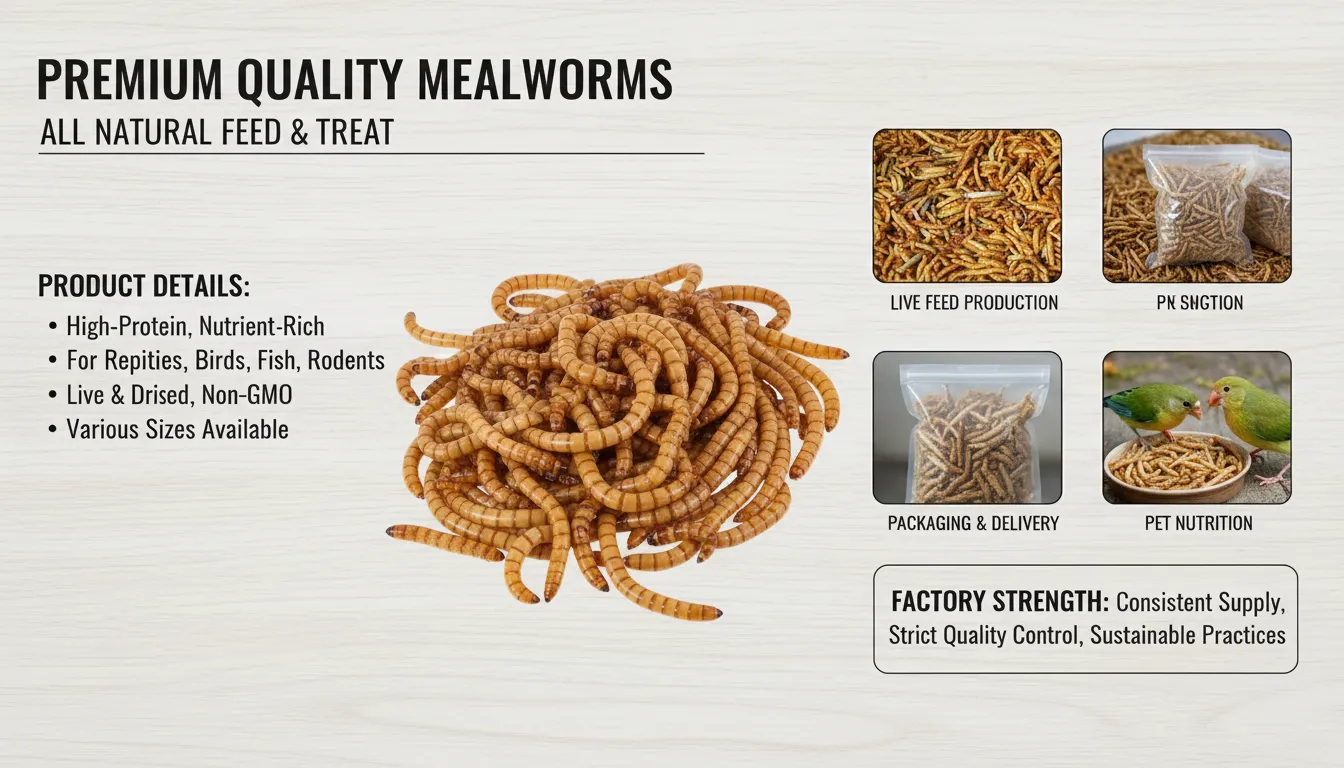
As a trusted dried mealworms for aquaculture feed supplier, we provide premium-grade Tenebrio molitor larvae processed under strict quality controls to meet the growing global demand for sustainable fish and shrimp nutrition. The aquaculture industry is rapidly shifting toward insect-based protein alternatives, and dried mealworms have emerged as one of the most commercially viable solutions. Rich in digestible protein, essential amino acids, and beneficial lipids, they serve as a high-performance partial or full replacement for conventional fishmeal. Whether you operate a salmon farm, tilapia hatchery, or shrimp cultivation facility, incorporating dried mealworms into your feed formulation can significantly improve feed conversion ratios, reduce reliance on marine-derived protein, and lower overall production costs. Our supply chain is designed to support large-scale aquaculture operations with consistent batch quality, competitive pricing, and reliable delivery timelines across international markets.
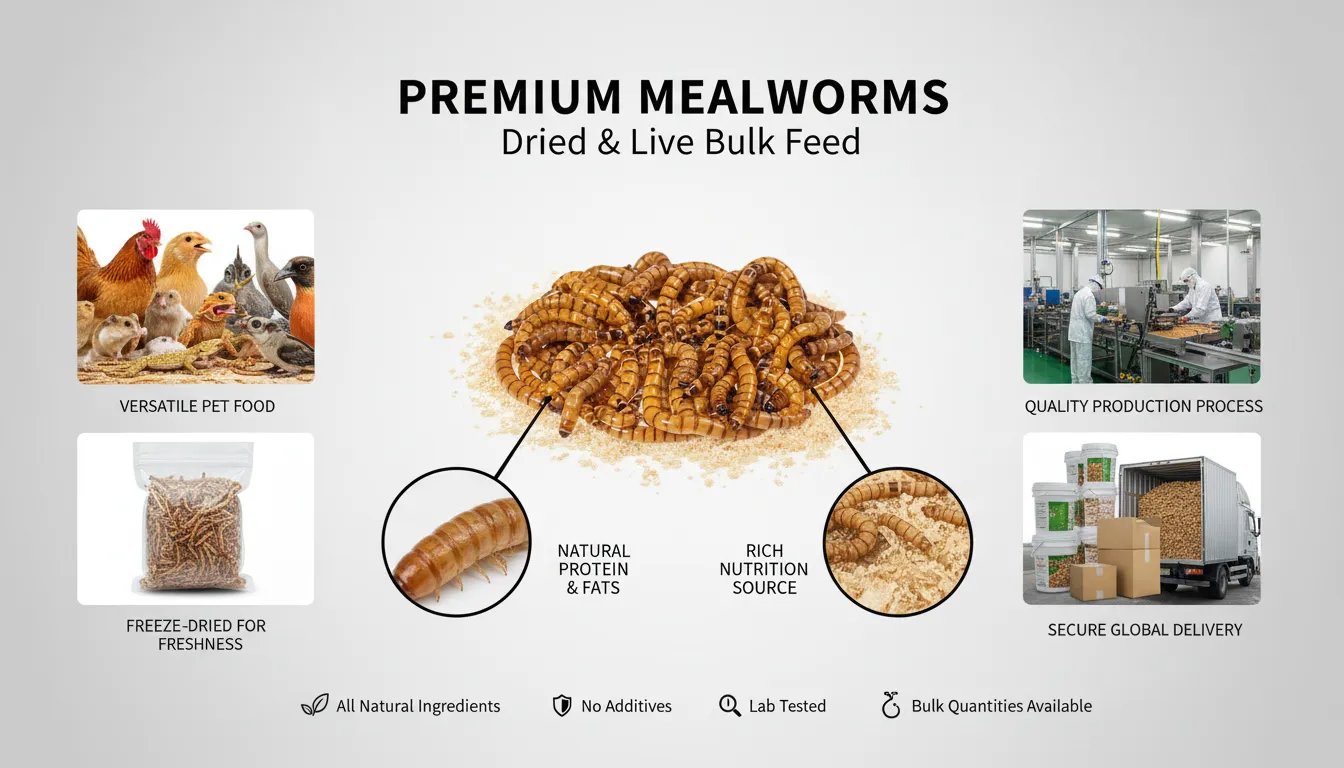
What are Dried Mealworms for Aquaculture Feed?
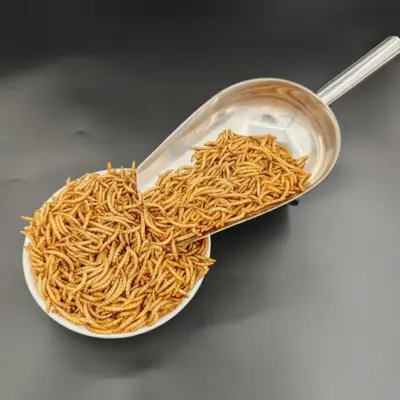
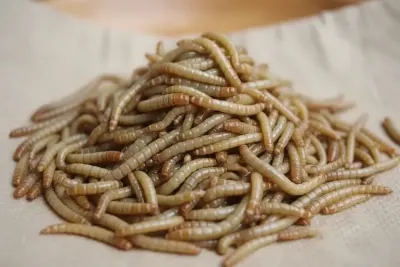
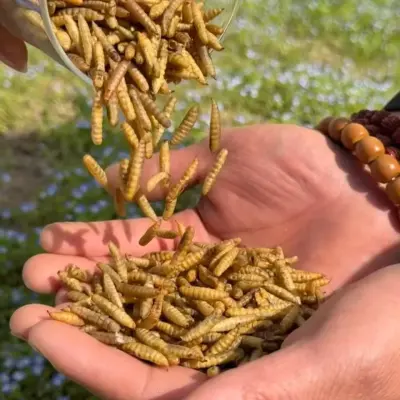
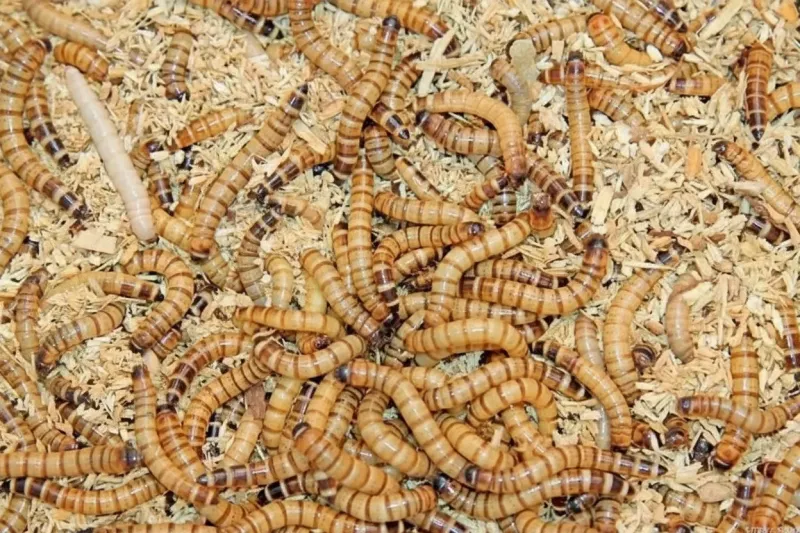
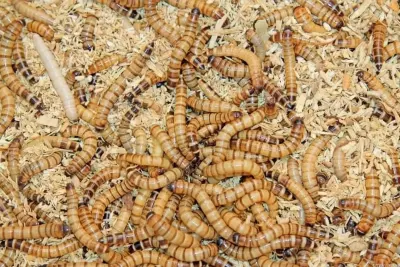
Dried mealworms are the desiccated larval stage of Tenebrio molitor, a beetle belonging to the family Tenebrionidae. In aquaculture feed applications, the larvae are harvested at peak biomass, then thermally dried to remove moisture while preserving their nutritional integrity. The resulting product is a shelf-stable, pathogen-reduced ingredient compatible with pelleted and extruded aquafeed formulations for species including Atlantic salmon, rainbow trout, tilapia, and Pacific white shrimp.
Dried Mealworms Breeding and Rearing Process
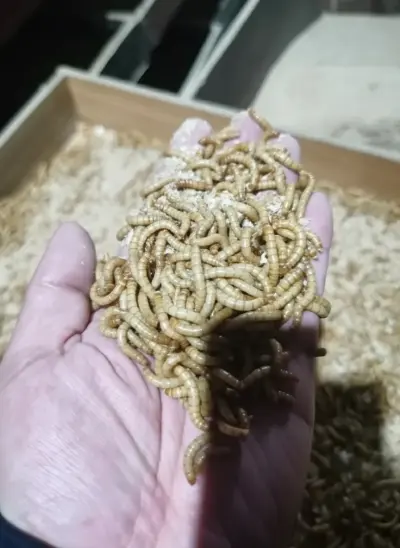
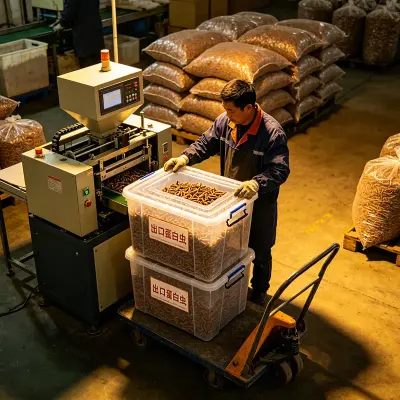
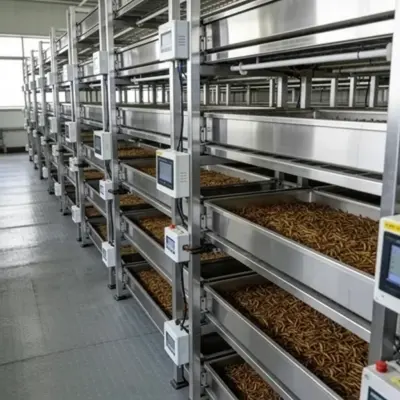
Our Tenebrio molitor colonies are raised in climate-controlled indoor facilities maintained at 26–28°C with 60–70% relative humidity. Larvae are fed certified non-GMO grain substrates free of pesticides and heavy metals. Rearing cycles span approximately 8–12 weeks from egg to harvest-ready larvae. Upon reaching an average body length of 25–30 mm, larvae are collected, blanched, and processed through industrial belt dryers at controlled temperatures to achieve a final moisture content below 8%, ensuring microbiological safety and extended shelf life.
Dried Mealworms Biological Specifications
Dried Tenebrio molitor larvae for aquaculture feed deliver a crude protein content of 48–53% on a dry matter basis, with a fat content of 28–32% and a chitin level of approximately 5–6%. The amino acid profile is particularly favorable, with lysine at 3.2 g/100g protein and methionine at 1.8 g/100g protein, closely matching the nutritional requirements of carnivorous fish species. Particle size after milling ranges from 0.5 mm to 3 mm, suitable for direct inclusion in extruded pellet formulations at inclusion rates of 10–25% without compromising pellet durability.
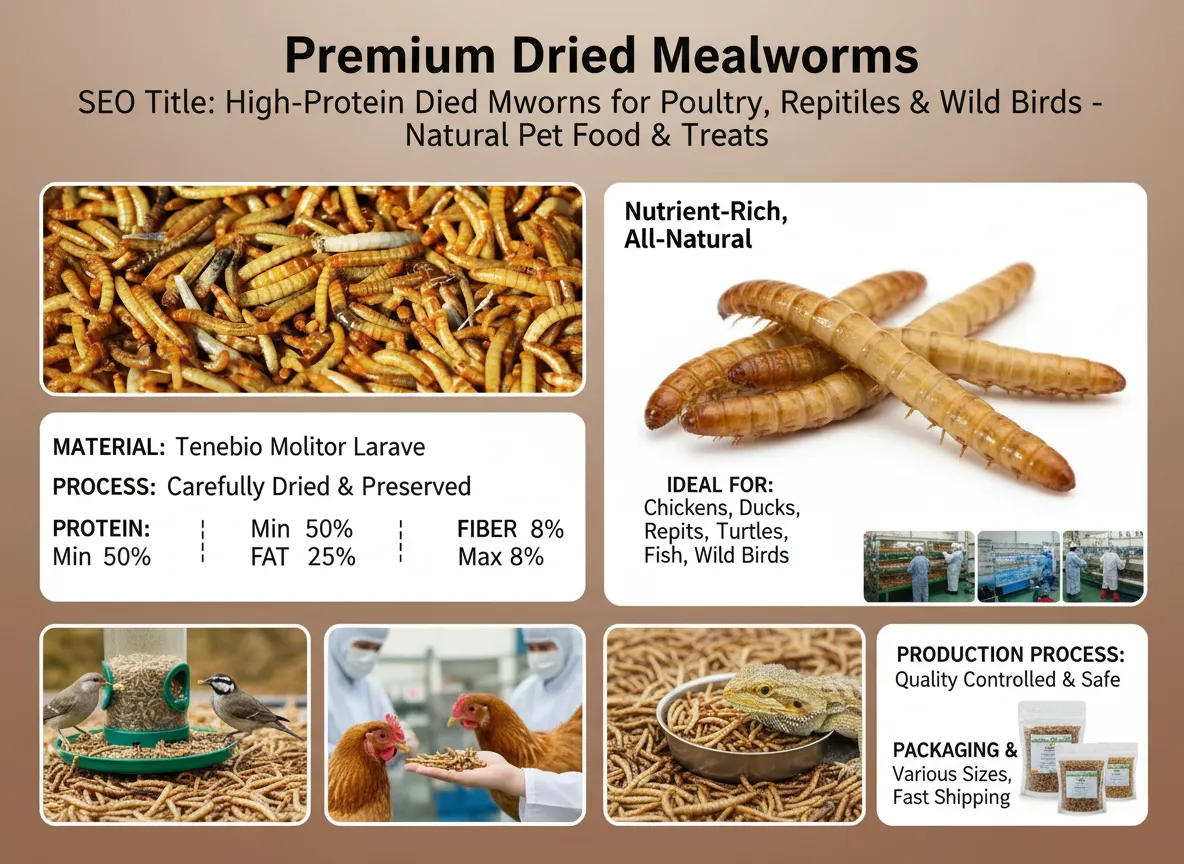
Get a Competitive Quote for Dried Mealworms Aquaculture Feed Supply
Partner with a reliable dried mealworms for aquaculture feed supplier committed to batch consistency, food-safety certification (ISO 22000, HACCP), and flexible MOQ options starting from 500 kg. We offer custom particle sizes, moisture specifications, and private-label packaging to meet your feed mill's exact requirements.
- 24/7 expert entomologist support
- Live arrival guarantee (LAG) for all shipments
- Wholesale discounts for bulk laboratory/pet shop orders
- Detailed care sheets and technical guidance included
Contact us today to get your free quote and availability list within 24 hours!