 English
  Español
  Français
  Deutsch
  Português (Brasil)
  Русский
  العربية
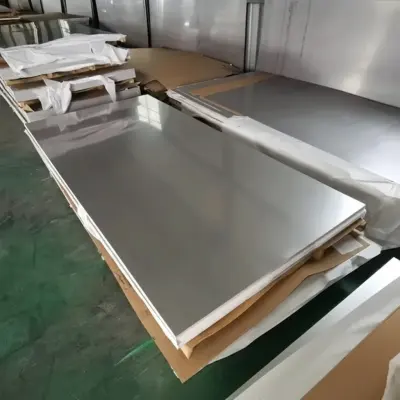
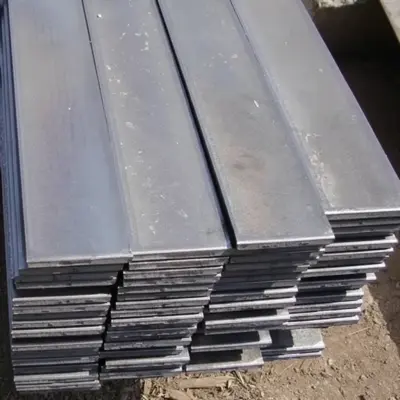
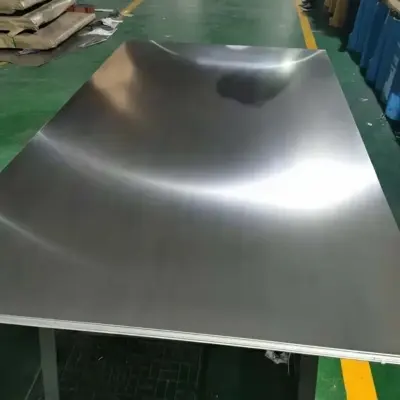
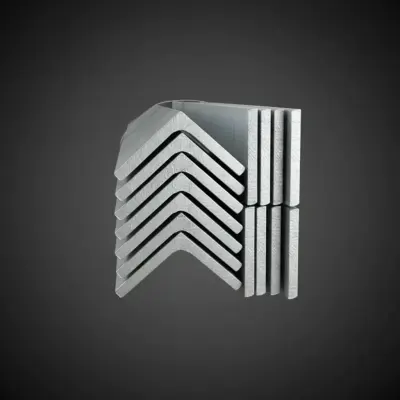
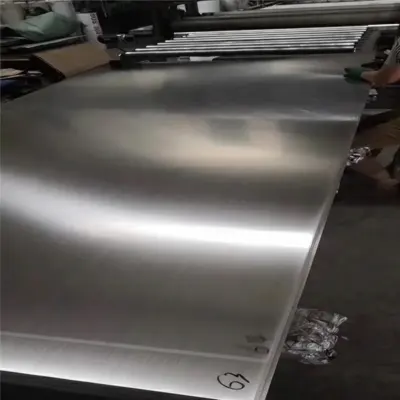
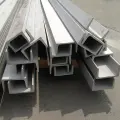
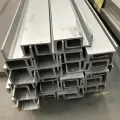
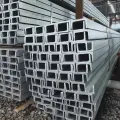
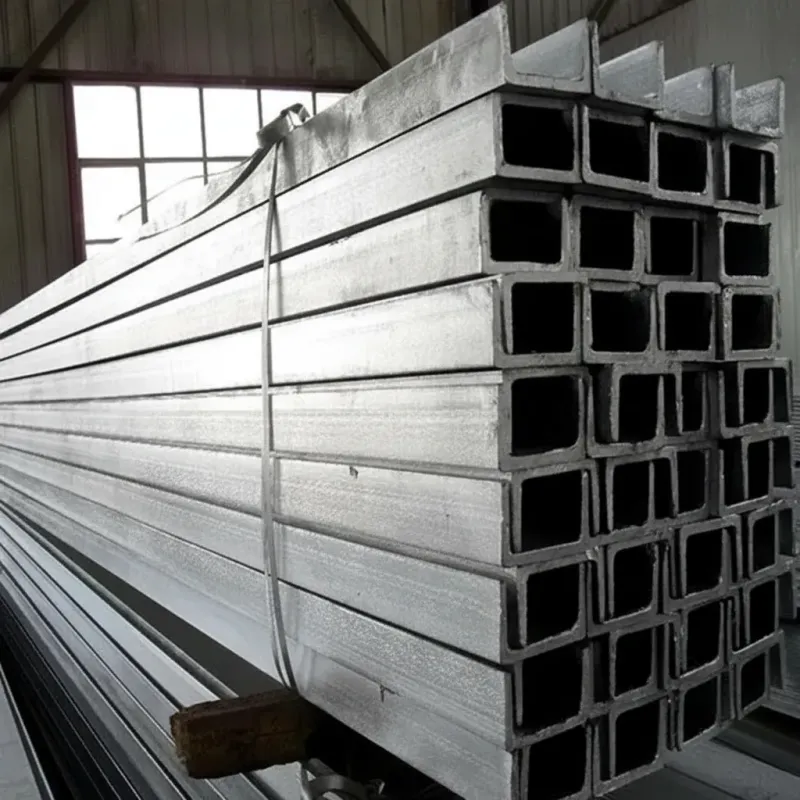
304 Grade Stainless Steel Profile For Industrial Use

 China
China
Supplier's customization ability
- Drawing-based customization
- Sample-based customization
- Full customization
Minimum order quantity: 1 Ton
Shipping total: To be negotiated
- Lead time:
- confirmed with the quotation
- Packaging:
- standard export packing
- Samples:
- available on request
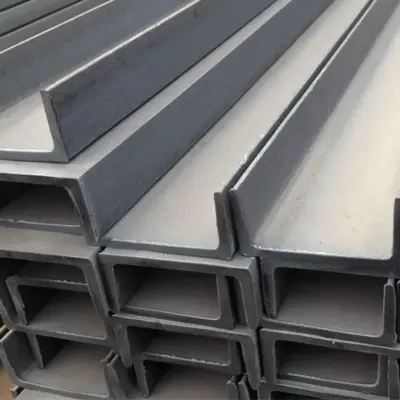
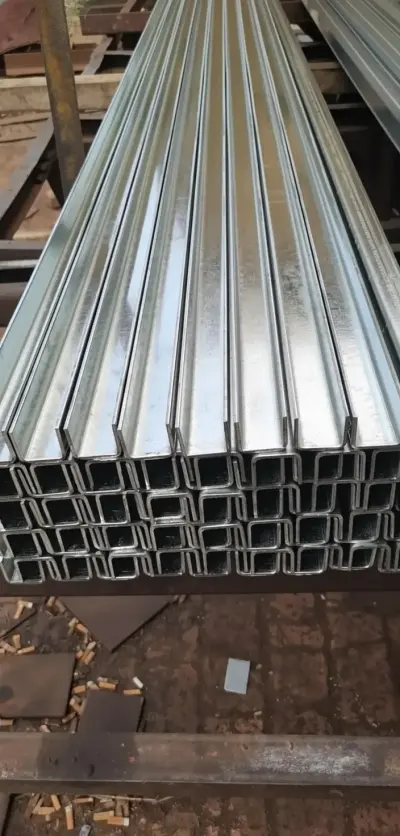
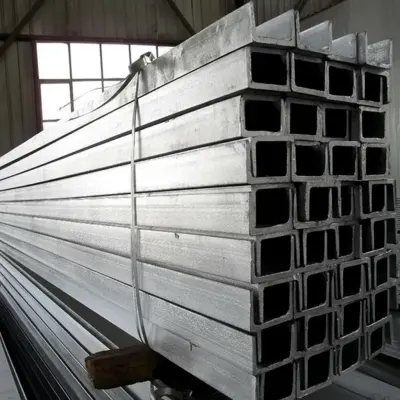
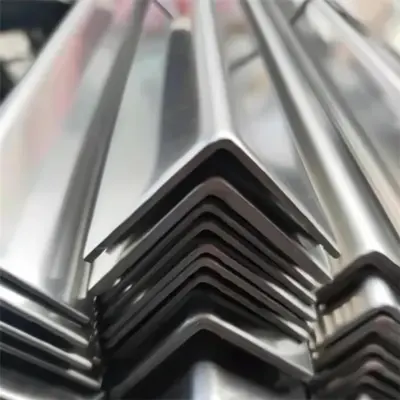
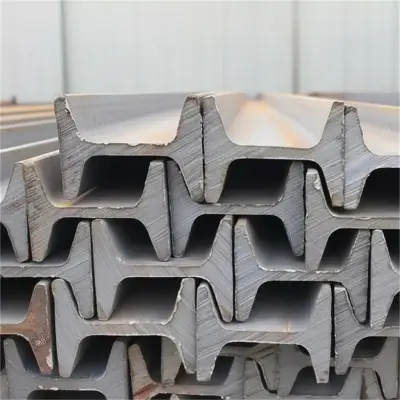
Product details
Technical Specifications of 304 Grade Stainless Steel Profile
| Property | Parameter | Description |
|---|---|---|
| Product Name | 304 Grade Stainless Steel Profile | Structural stainless steel profile including angle, channel, flat, round, and square bar forms |
| Material Grade | AISI 304 / UNS S30400 | Equivalent to EN 1.4301, JIS SUS304, GB 06Cr19Ni10 |
| Standard Compliance | ASTM A276 / ASTM A484 / EN 10088-3 / JIS G4303 | Covers hot-rolled and cold-finished stainless steel bars and profiles |
| Chemical Composition – C | ≤ 0.08% | Low carbon content ensures good weldability and corrosion resistance |
| Chemical Composition – Cr / Ni | Cr: 18.0–20.0% / Ni: 8.0–10.5% | Core alloying elements providing austenitic structure and oxidation resistance |
| Chemical Composition – Mn / Si | Mn: ≤ 2.0% / Si: ≤ 1.0% | Deoxidizers improving strength and surface quality |
| Chemical Composition – P / S | P: ≤ 0.045% / S: ≤ 0.030% | Controlled impurity levels per ASTM A276 |
| Tensile Strength | ≥ 515 MPa (75 ksi) | Per ASTM A276; hot-rolled and annealed condition |
| Yield Strength | ≥ 205 MPa (30 ksi) | 0.2% proof stress per ASTM A276 / EN 10088-3 |
| Elongation | ≥ 40% | Minimum elongation in 50 mm gauge length; excellent ductility and formability |
| Hardness | ≤ 201 HBW (Brinell) | Annealed condition; equivalent to ≤ 92 HRB Rockwell |
| Dimension Range | Thickness/Width: 3–200 mm; Length: up to 6,000 mm (custom available) | Covers flat bar, angle bar, channel, round bar, square bar, and hex bar profiles |
| Surface Finish | No.1 (Hot Rolled Annealed Pickled) / No.2B / Brushed / Polished | Surface selected based on application; No.1 standard for structural profiles |
| Application | Construction, food processing equipment, chemical industry, marine fittings, architectural structures | Suitable for environments requiring moderate corrosion resistance and hygienic surfaces |
| Certification | Mill Test Certificate (MTC) per EN 10204 3.1 / SGS / BV / TÜV available | Full traceability with heat number and chemical/mechanical test reports |
| Packaging | Bundled with steel strapping; wooden pallet or as per customer requirement | Export-standard seaworthy packaging; moisture-proof wrapping available |
| MOQ | 1 Ton (stock items); 5 Tons (custom dimensions) | Mixed specifications accepted; prompt delivery from warehouse stock |
304 Grade Stainless Steel Profile For Industrial Use
304 grade stainless steel profile is one of the most widely specified structural materials in global manufacturing and construction procurement. Combining reliable corrosion resistance, consistent mechanical performance, and broad fabrication compatibility, it serves engineers and purchasing managers across food processing, chemical handling, architectural, and marine-adjacent industries. This guide covers everything an international buyer needs to evaluate before placing an order — from alloy composition and applicable standards to cross-industry applications and sourcing considerations.
Product Overview of 304 Grade Stainless Steel Profile
A stainless steel profile is a long, extruded or roll-formed structural section produced in a defined cross-sectional shape — angles, channels, flat bars, T-bars, I-beams, hexagons, and custom configurations. When manufactured in 304 grade, the base alloy contains nominally 18% chromium and 8% nickel (the classic "18/8" composition), which forms a passive chromium-oxide surface layer that resists oxidation and a wide range of corrosive media.
Compared with carbon steel sections, 304 grade stainless steel profiles eliminate the need for protective coatings in most indoor and moderate outdoor environments, reducing lifecycle maintenance costs. Compared with 316 grade, 304 offers a cost advantage where chloride exposure is not a primary concern. The material is non-magnetic in the annealed condition (though cold working can induce slight magnetism), which matters in electronic, medical, and instrumentation applications. [[INTERNAL_LINK]]
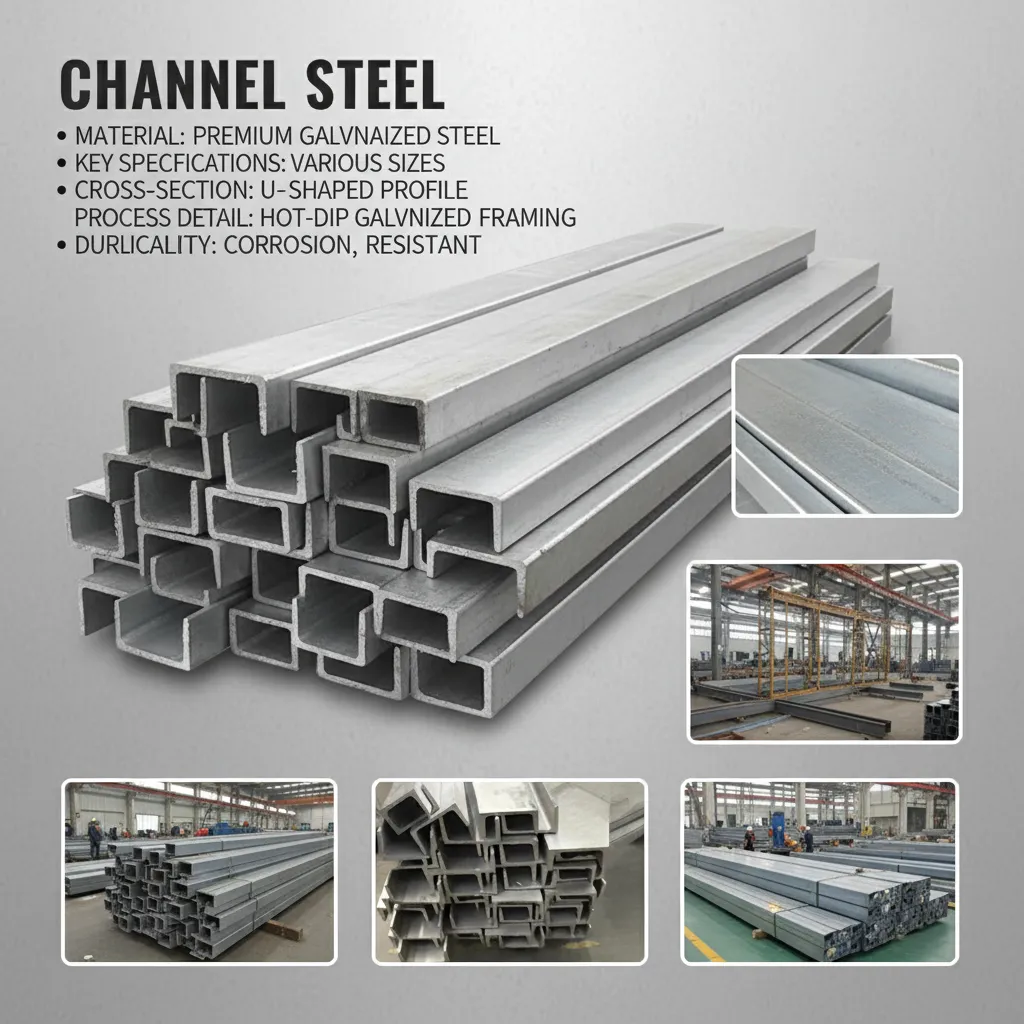
Available surface finishes include mill/hot-rolled (No.1), cold-drawn bright (No.2D/2B equivalent on flat faces), and polished (No.4 or mirror) depending on the profile geometry and downstream requirements.
Specifications & Standards for 304 Grade Stainless Steel Profile
International buyers should verify that supplied profiles conform to one or more of the following recognized standards:
- ASTM A276 / A276M — Standard Specification for Stainless Steel Bars and Shapes (covers hot-finished and cold-finished profiles in UNS S30400)
- ASTM A484 / A484M — General Requirements for Stainless Steel Bars, Billets, and Forgings
- EN 10088-3 — Stainless steels: Technical delivery conditions for semi-finished products, bars, rods, wire, sections and bright products (grade designation 1.4301, equivalent to 304)
- JIS G4303 — Stainless Steel Bars (grade SUS304)
- GB/T 1220 — Stainless Steel Bars (grade 06Cr19Ni10, Chinese equivalent of 304)
Chemical Composition — 304 Grade (UNS S30400 / 1.4301)
| Element | ASTM A276 Min (%) | ASTM A276 Max (%) |
|---|---|---|
| Carbon (C) | — | 0.08 |
| Manganese (Mn) | — | 2.00 |
| Silicon (Si) | — | 0.75 |
| Phosphorus (P) | — | 0.045 |
| Sulfur (S) | — | 0.030 |
| Chromium (Cr) | 18.00 | 20.00 |
| Nickel (Ni) | 8.00 | 10.50 |
| Nitrogen (N) | — | 0.10 |
Mechanical Properties (Annealed Condition, per ASTM A276)
| Property | Typical Value |
|---|---|
| Tensile Strength (min) | 515 MPa (75 ksi) |
| Yield Strength 0.2% offset (min) | 205 MPa (30 ksi) |
| Elongation in 50 mm (min) | 40% |
| Hardness (max, Brinell) | 202 HBW |
| Density | 7.93 g/cm³ |
[[INTERNAL_LINK]] For projects requiring enhanced intergranular corrosion resistance — particularly after welding — consider the low-carbon variant 304L (UNS S30403, max 0.03% C), which is often dual-certified and available in the same profile geometries.
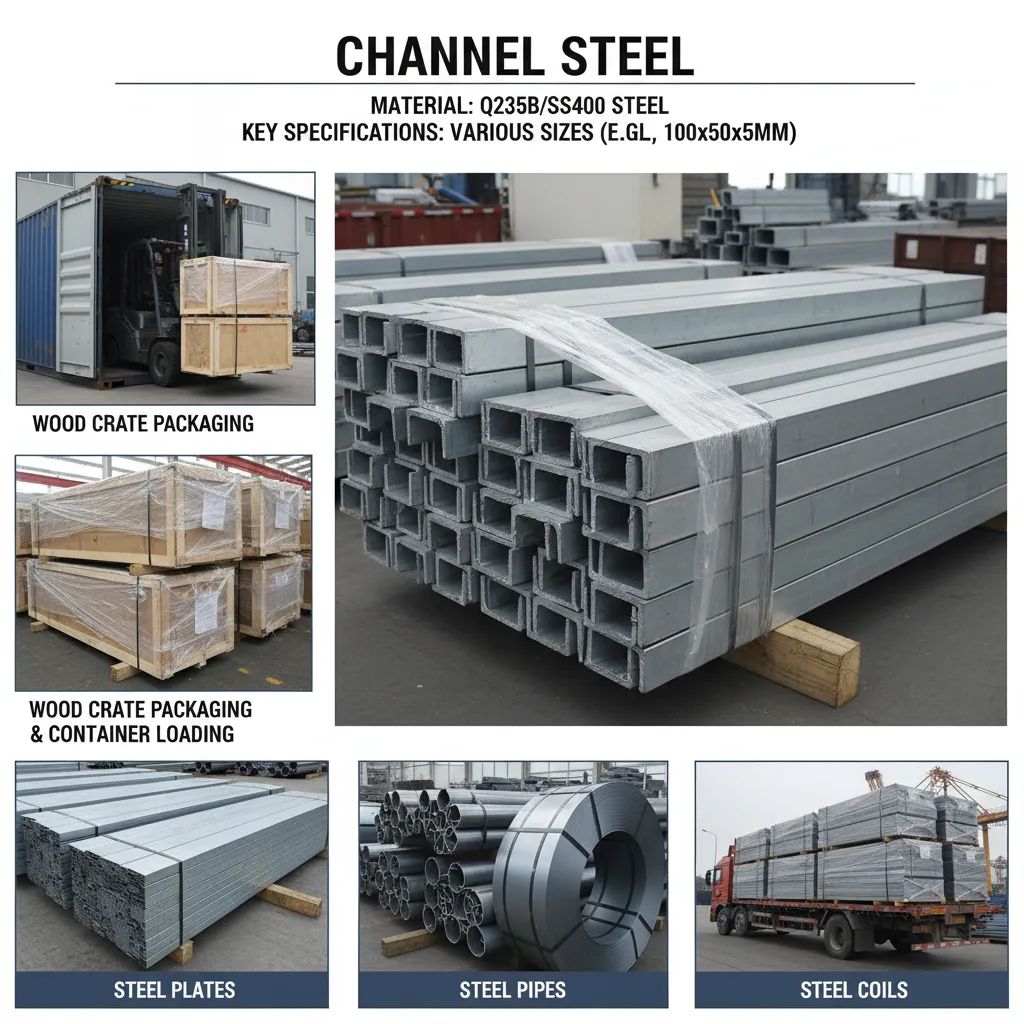
Applications of 304 Grade Stainless Steel Profile
The versatility of 304 grade stainless steel profiles means they appear across a broad range of industries. Below are five sectors where procurement volumes are consistently significant:
1. Food Processing & Beverage Equipment
Hygienic frameworks, conveyor supports, tank legs, and structural brackets in food-grade environments rely on 304 profiles because the alloy resists weak organic acids, cleaning agents, and steam sterilization cycles. Smooth surface finishes (No.4 or electropolished) prevent bacterial harboring, meeting FDA and EU food-contact material requirements. [[INTERNAL_LINK]]
2. Architectural & Interior Construction
Angle sections and flat bars in 304 grade are used for curtain wall subframes, handrail systems, stair stringers, and decorative cladding supports in commercial buildings. Their aesthetic appeal in polished or brushed finish reduces the need for additional cladding materials.
3. Chemical & Pharmaceutical Processing
Pipe supports, equipment frames, and structural channels in 304 grade handle exposure to dilute acids, alkalis, and process chemicals in pharmaceutical manufacturing and general chemical plants. Where stronger chloride resistance is needed, buyers are guided toward 316 — but for many inland chemical facilities, 304 profiles are the cost-effective standard. [[INTERNAL_LINK]]
4. Pulp, Paper & Wastewater Treatment
Structural profiles for screen frames, grating supports, and walkway systems in wet industrial environments benefit from the corrosion resistance of 304. The alloy withstands the mildly acidic or alkaline conditions common in water treatment infrastructure.
5. Transportation & Rail Infrastructure
Interior trim sections, seat frame components, and equipment mounting profiles in rail vehicles and transit stations are frequently specified in 304 grade for their combination of strength, weldability, and surface finish retention over long service lives. [[INTERNAL_LINK]]
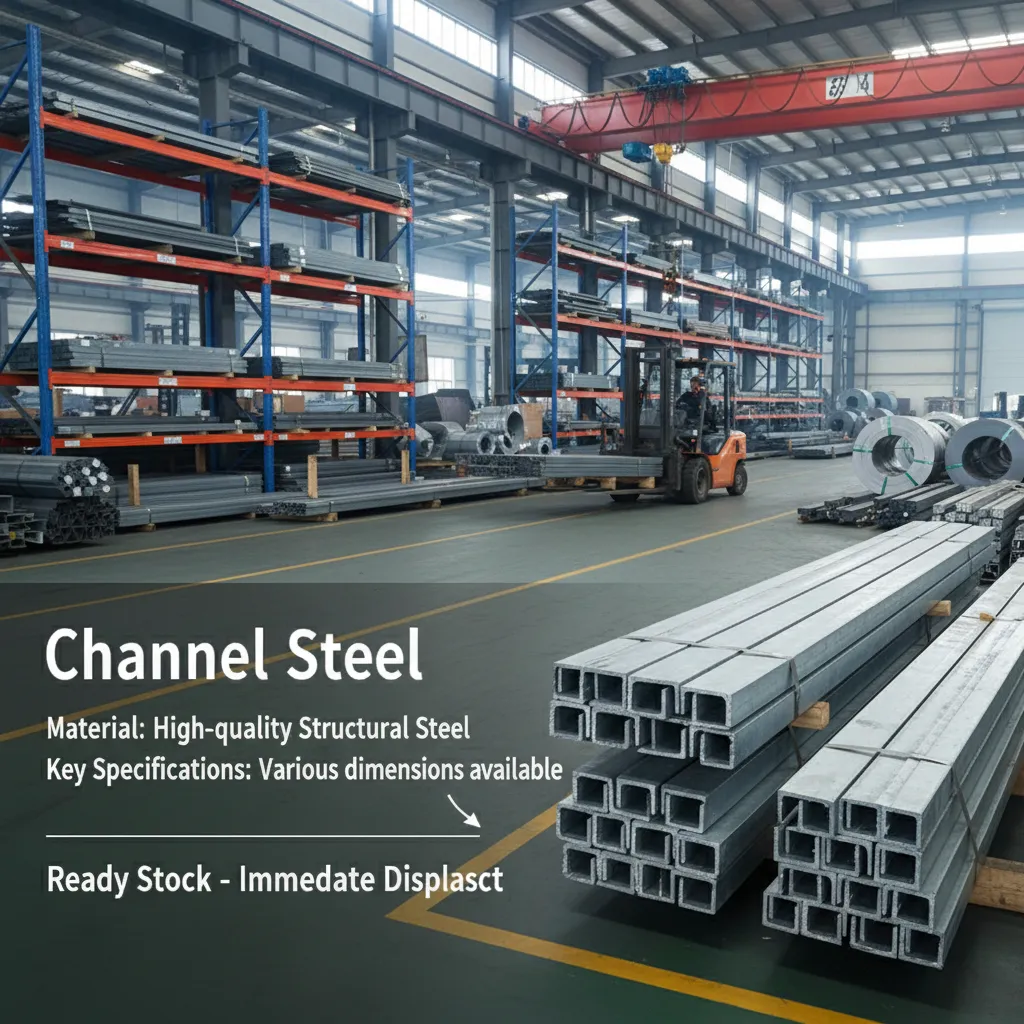
How to Choose 304 Grade Stainless Steel Profile: A Buying Guide
Purchasing managers evaluating 304 grade stainless steel profiles for the first time — or reviewing an existing supply chain — should work through the following selection criteria systematically:
Define the Profile Geometry and Tolerance Class
Structural sections such as equal-leg angles, unequal angles, channels (U/C), T-bars, and flat bars each have distinct dimensional tolerance standards. ASTM A276 and EN 10088-3 specify tolerance classes; confirm which applies to your downstream fabrication process. Custom extrusion profiles are feasible for larger volumes but require tooling lead time and minimum order commitments.
Confirm the Applicable Grade Variant
Standard 304 is suitable for most non-welded or post-weld annealed applications. If profiles will be welded without post-weld heat treatment, 304L is the safer choice to prevent sensitization. Dual-certified 304/304L material — common in the market — satisfies both specifications simultaneously and is worth specifying explicitly in your purchase order. [[INTERNAL_LINK]]
Verify Mill Test Certificates (MTC)
Require EN 10204 Type 3.1 mill test certificates as a minimum for industrial procurement. These certificates, issued by the manufacturer, confirm that the specific heat/batch tested meets the chemical and mechanical requirements of the declared standard. For critical applications, Type 3.2 (third-party witness) certification may be required.
Assess Surface Finish Requirements
Hot-rolled (No.1) finish is standard for structural applications where appearance is secondary. Cold-drawn or ground bright finish is specified where tight dimensional tolerances are needed. Polished finishes (No.4, No.6, mirror) carry a price premium and longer lead times — only specify them where hygiene or aesthetics genuinely demand it.
Clarify MOQ, Lead Time, and Logistics
For standard section sizes, many distributors and trading companies can supply from stock with short lead times. Mill direct orders typically carry higher MOQ requirements (often measured in metric tons per section size) and longer production lead times. Confirm incoterms carefully — FOB, CIF, and DDP each shift different cost and risk elements. For sea freight, standard profile lengths (typically 6 m) pack efficiently into 20-ft or 40-ft containers, but oversized lengths require open-top or flat-rack containers at higher freight cost. [[INTERNAL_LINK]]
Request Relevant Certifications
Depending on your end market, additional certifications may be required: PED (Pressure Equipment Directive) compliance for EU pressure applications, NORSOK M-630 for offshore, or specific national approvals for construction use. Clarify these requirements before requesting quotations to avoid re-certification costs later.
Frequently Asked Questions
Q: What is the difference between 304 and 316 stainless steel profiles?
A: Both grades share the austenitic structure and similar mechanical properties, but 316 contains 2–3% molybdenum, which significantly improves resistance to chloride-induced pitting and crevice corrosion. For marine environments, coastal architecture, or applications involving chloride-rich process fluids, 316 profiles are the correct choice. For most inland industrial, food processing, and architectural uses where chloride exposure is limited, 304 provides adequate corrosion resistance at a lower material cost. [[INTERNAL_LINK]]
Q: Can 304 grade stainless steel profiles be welded on-site?
A: Yes. 304 profiles weld readily using TIG (GTAW), MIG (GMAW), and resistance welding processes. Use 308L filler wire for most structural welds. If post-weld annealing is not performed, the heat-affected zone may be susceptible to intergranular corrosion in aggressive environments — in such cases, specify 304L profiles and ER308L filler to keep carbon content low and minimize sensitization risk.
Q: What is the typical minimum order quantity (MOQ) for 304 stainless steel profiles?
A: MOQ varies by supplier type and section geometry. Stock distributors may supply as little as a single length or a small bundle, making them suitable for project-specific or trial orders. Mill-direct procurement typically requires a minimum of several metric tons per size and grade, with lead times of several weeks. For custom cross-sections, tooling costs and production minimums are negotiated separately. Always confirm MOQ in writing before finalizing a sourcing decision.
Q: What payment terms are standard in international stainless steel profile trade?
A: T/T (telegraphic transfer) is the most common method — typically 30% deposit against order confirmation and 70% balance against copy of shipping documents or before release of original bill of lading. For larger orders or new supplier relationships, irrevocable Letters of Credit (L/C) at sight provide additional security for both parties. Some established buyers negotiate open account terms (30–60 days) after building a payment track record with a supplier.
Q: How do I verify that 304 profiles are not substituted with lower-grade material?
A: Require EN 10204 Type 3.1 or 3.2 mill test certificates traceable to the specific heat number marked on the material. For high-value shipments, commission pre-shipment inspection by a recognized third-party inspector (SGS, Bureau Veritas, Intertek) including PMI (Positive Material Identification) testing using XRF analyzers, which can confirm alloy composition on-site at the warehouse or port before loading.
Q: Are 304 stainless steel profiles available in custom lengths and cross-sections?
A: Standard mill lengths are typically 6 meters, with cut-to-length service available from most distributors for a small processing fee. Custom cross-section profiles (beyond standard angle, channel, flat bar, and T-bar geometries) are produced via hot rolling or extrusion against customer drawings, subject to tooling development and minimum volume commitments. Lead times for custom profiles are generally 8–16 weeks depending on mill capacity and complexity.
Q: What surface finish should I specify for a food processing application?
A: For food-contact structural components, a minimum No.4 (brushed/satin) finish with Ra ≤ 0.8 µm is typically specified to satisfy hygienic design guidelines such as EHEDG and 3-A Sanitary Standards. Electropolished surfaces (Ra ≤ 0.5 µm) offer the highest cleanability and are specified for pharmaceutical and ultra-clean food environments. Confirm finish requirements with your quality or regulatory team before ordering, as upgrading finish after fabrication is costly. [[INTERNAL_LINK]]
Q: What documentation is required for importing stainless steel profiles into the EU or USA?
A: For EU imports, a Declaration of Conformity and EN 10204 Type 3.1 MTC are standard. Steel imports into the USA may be subject to Section 232 tariffs; buyers should confirm current HTS codes and applicable duty rates with a licensed customs broker. Country-of-origin documentation (certificate of origin, sometimes notarized) is required for both markets and is critical for determining tariff treatment under applicable trade agreements.
For project-specific requirements or volume pricing on 304 grade stainless steel profiles, contact our technical sales team directly. Provide your required section type, dimensions, standard, surface finish, quantity, and destination port — and we will respond with a detailed quotation and lead time within one business day. [[INTERNAL_LINK]]