 English
  Español
  Français
  Deutsch
  Português (Brasil)
  Русский
  العربية
Stainless Steel Channel Profile for Industrial Use

 China
China


Supplier's customization ability
- Drawing-based customization
- Sample-based customization
- Full customization
Minimum order quantity: 1 Ton
Shipping total: To be negotiated
- Lead time:
- confirmed with the quotation
- Packaging:
- standard export packing
- Samples:
- available on request
Product details
Technical Specifications of Stainless Steel Channel Profile
| Property | Parameter | Description |
|---|---|---|
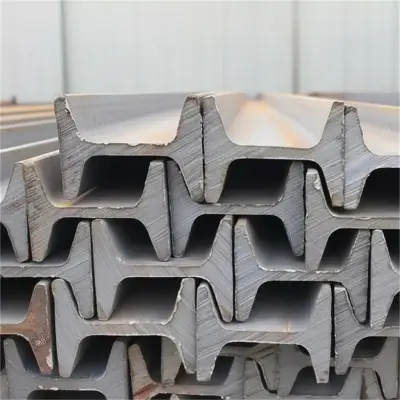
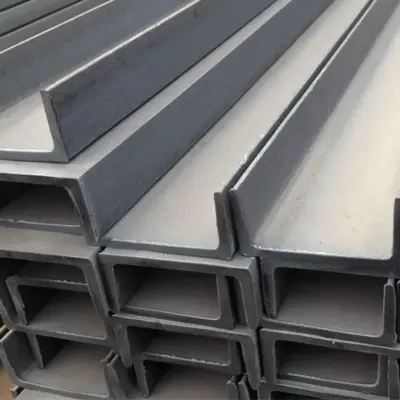
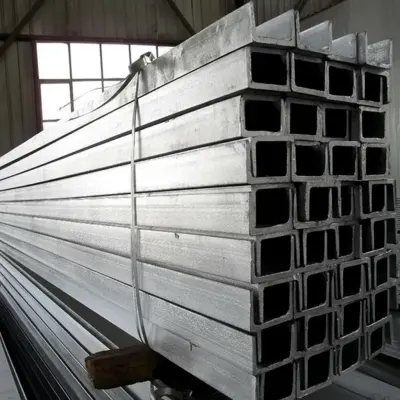
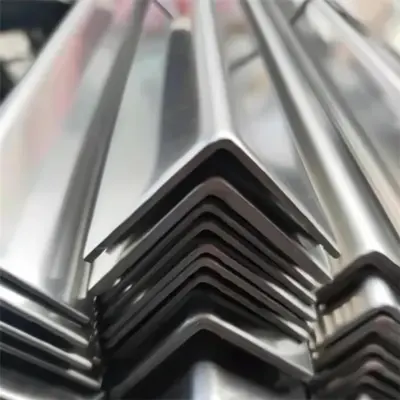
| Product Name | Stainless Steel Channel Profile | Hot-rolled or cold-formed U/C-shaped structural stainless steel section |
| Material Grade | 304 / 304L / 316 / 316L / 430 | EN: 1.4301 / 1.4307 / 1.4401 / 1.4404 / 1.4016; JIS: SUS304 / SUS316 |
| Standard Compliance | ASTM A276 / A484; EN 10088-3; JIS G4303; GB/T 1220 | Dimensional tolerances per ASTM A484 / EN 10279 |
| Chemical Composition (304) | C ≤0.08%, Cr 18.0–20.0%, Ni 8.0–10.5%, Mn ≤2.0%, Si ≤1.0%, P ≤0.045%, S ≤0.030% | 316L: Mo 2.0–3.0%, C ≤0.03% for enhanced corrosion resistance |
| Tensile Strength | ≥515 MPa (304/316); ≥450 MPa (430) | Per ASTM A276 / EN 10088-3 at room temperature |
| Yield Strength | ≥205 MPa (304/316); ≥205 MPa (430) | 0.2% proof stress; higher values available in cold-worked condition |
| Elongation | ≥40% (304/316); ≥22% (430) | Measured on gauge length 50 mm per ASTM A370 |
| Hardness | ≤202 HB (304/316); ≤183 HB (430) | Brinell hardness; Rockwell B ≤92 for austenitic grades |
| Section Dimensions | Web height: 20–400 mm; Flange width: 10–100 mm; Wall thickness: 2–20 mm | Custom sizes available; standard lengths 3 m, 6 m, 12 m |
| Tolerance | Height ±1.5 mm; Flange ±1.0 mm; Thickness ±0.3 mm | Per EN 10279 or ASTM A484 as applicable |
| Surface Finish | No.1 / 2B / BA / No.4 / Brushed / Pickled | 2B most common for structural use; No.4 for decorative applications |
| Heat Treatment | Solution annealed (1010–1120°C, water quenched) | Ensures optimal corrosion resistance and mechanical properties |
| Application | Construction framing, food processing equipment, marine structures, chemical plants, architectural trim | Suitable for corrosive, hygienic, and high-temperature environments |
| Certification | ISO 9001:2015; Mill Test Certificate (MTC) per EN 10204 3.1/3.2; PED 2014/68/EU | Third-party inspection by SGS, BV, TÜV available on request |
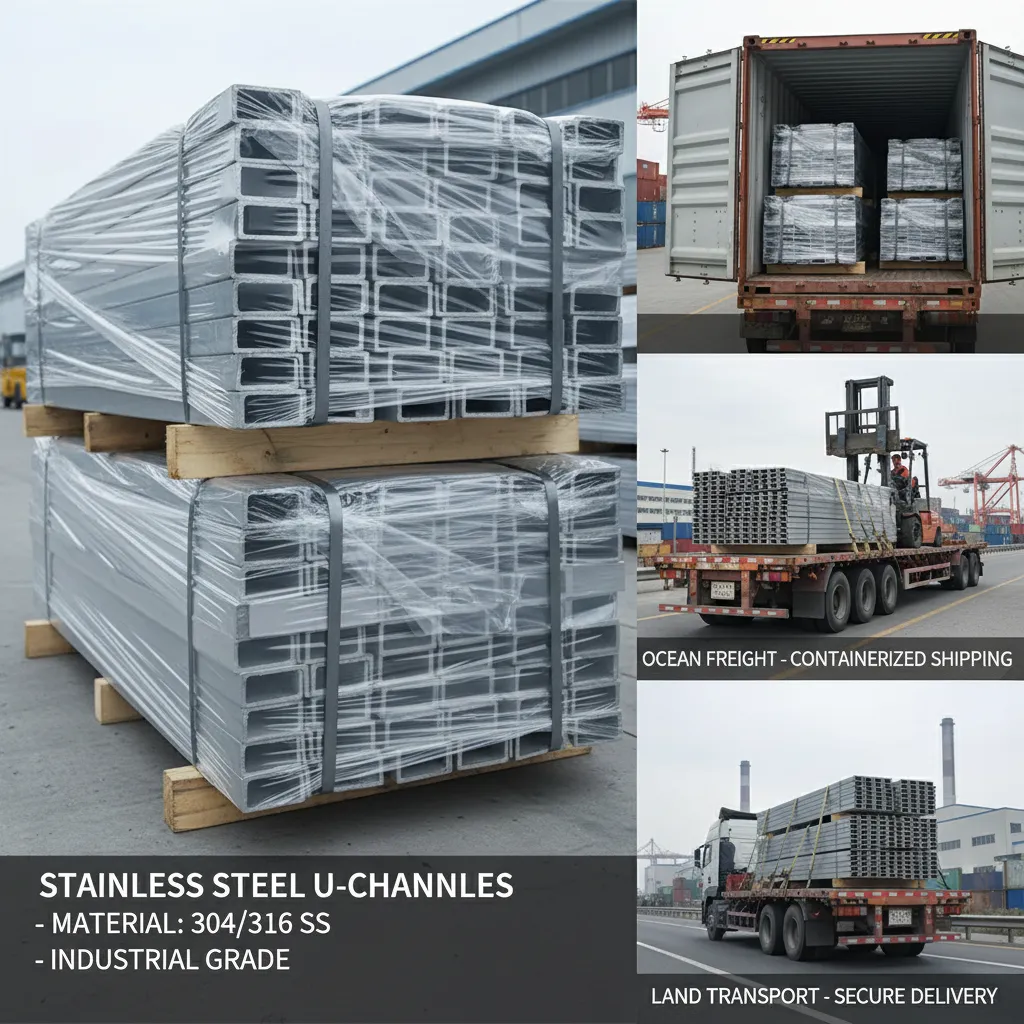
| Packaging | Bundled with steel strapping; wooden pallet or wooden case for export | Each bundle labeled with grade, heat number, dimensions, and weight |
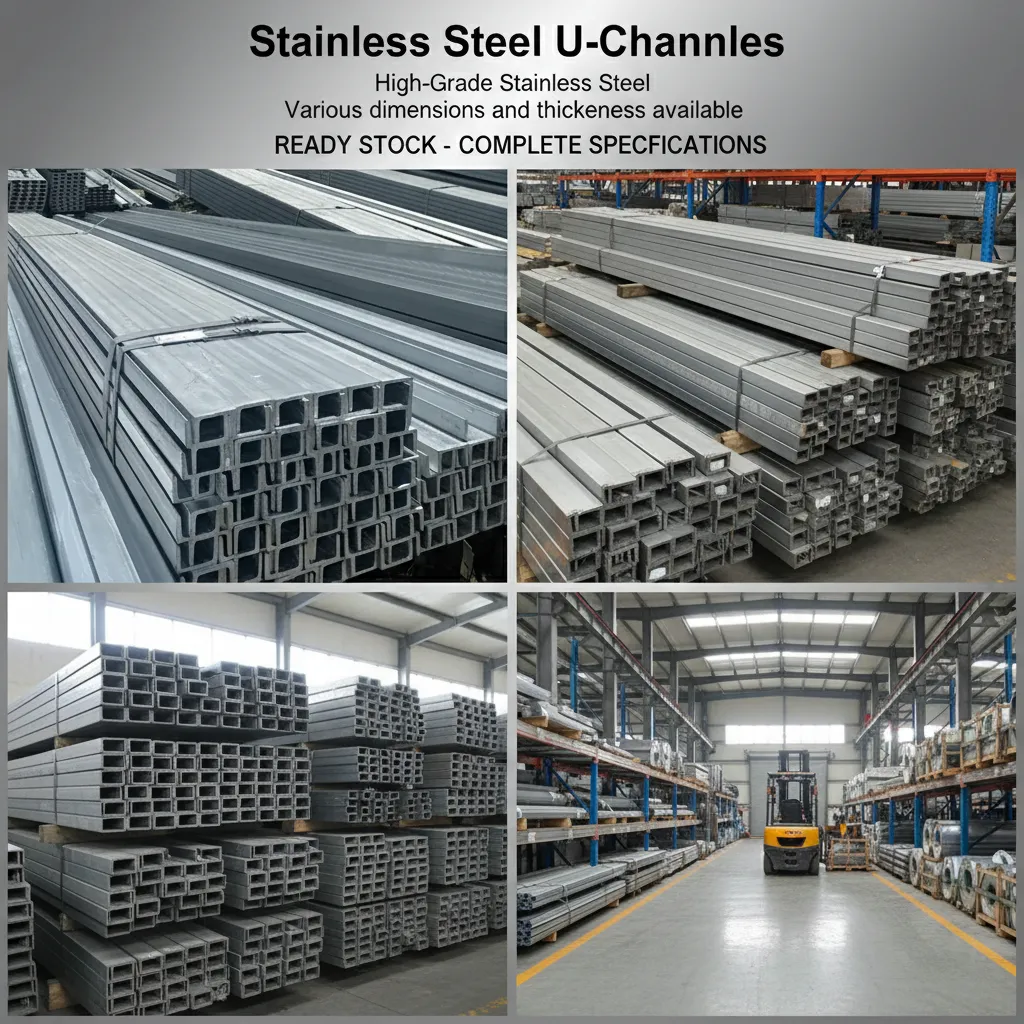
| MOQ | 1 Ton (standard grades); 5 Tons (custom dimensions) | Mixed grades accepted per order; spot stock available for 304/316 |
Stainless Steel Channel Profile for Industrial Use
Stainless steel channel profile is a fundamental structural component widely used across construction, manufacturing, and engineering industries due to its exceptional corrosion resistance, mechanical strength, and long service life. Whether you are designing load-bearing frameworks, support structures, or architectural installations, stainless steel channel sections deliver consistent performance in demanding environments where ordinary carbon steel would fail.
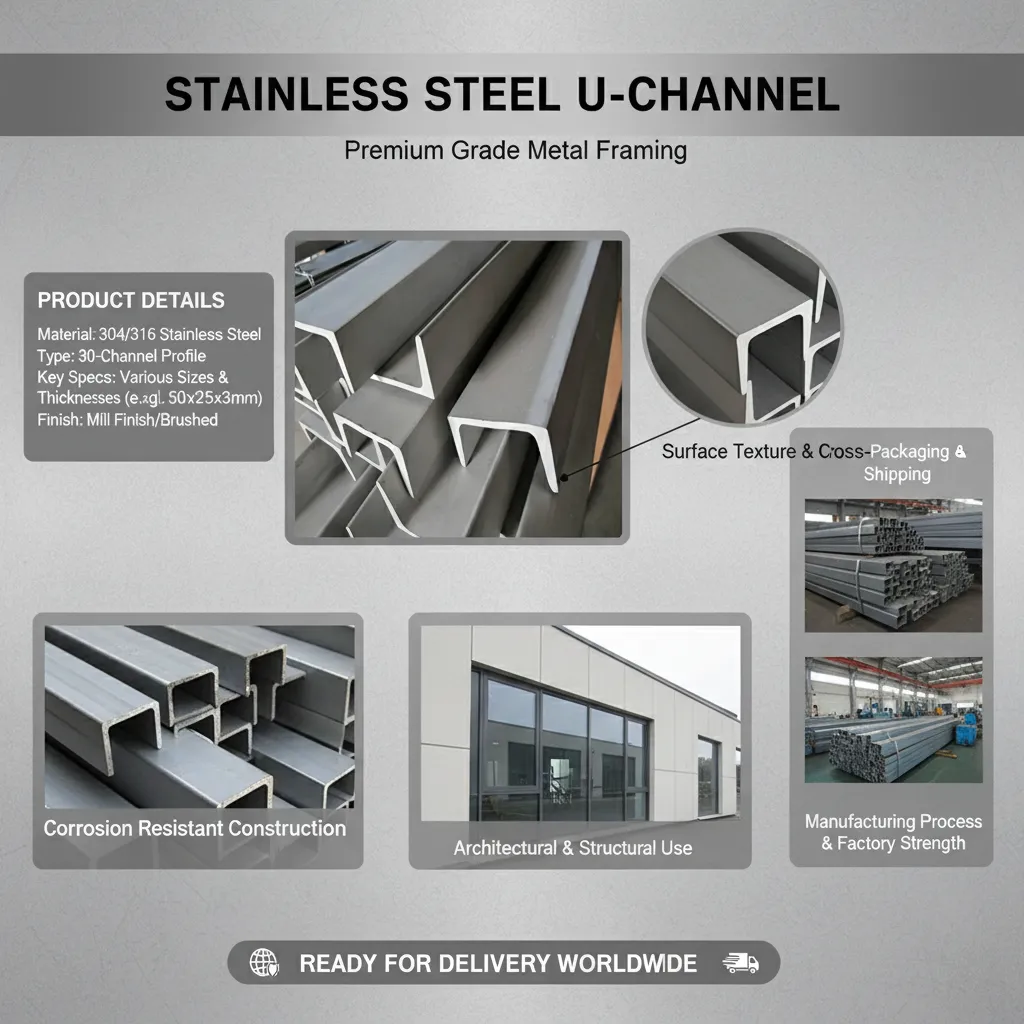
What Is a Stainless Steel Channel Profile?
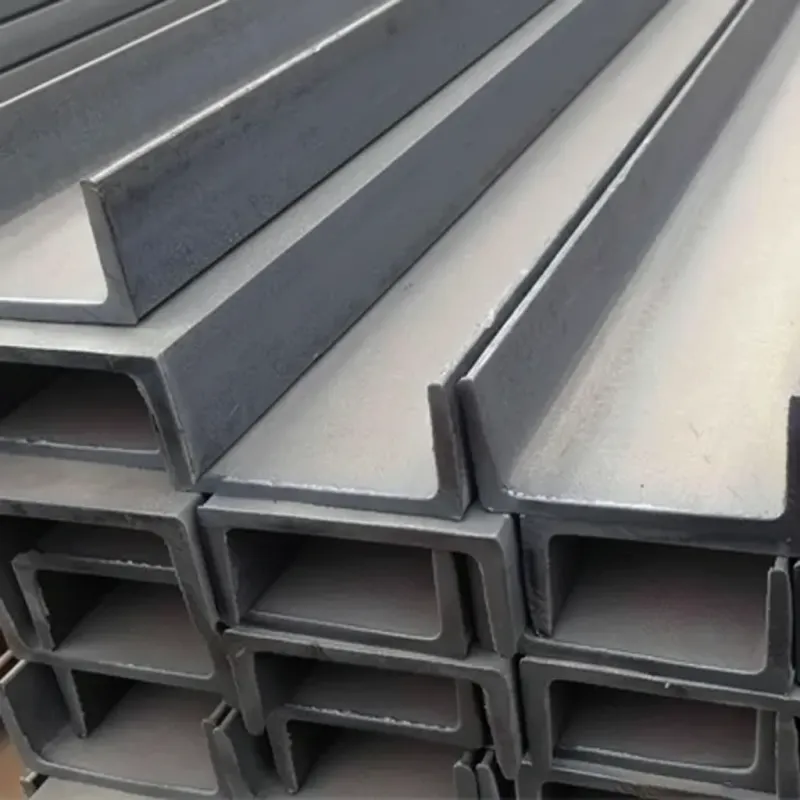
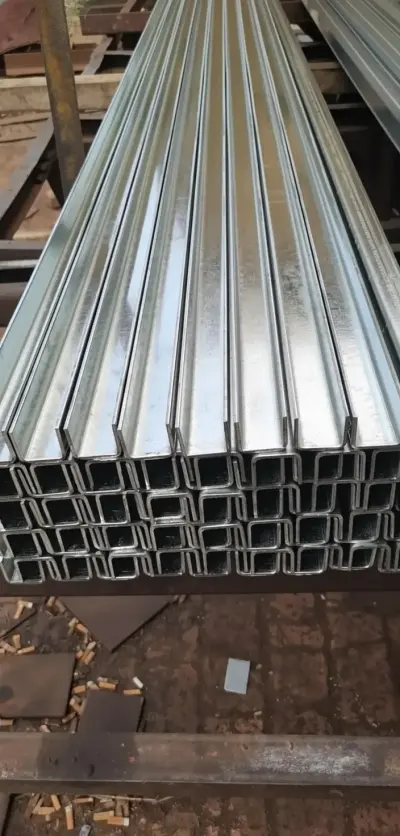
A stainless steel channel profile, also referred to as a C-channel or U-channel, is a hot-rolled or cold-drawn steel section with a characteristic C-shaped or U-shaped cross-section. The profile consists of a flat web and two parallel flanges extending perpendicularly from each side. This geometry provides excellent resistance to bending and torsional forces, making the channel profile an ideal choice for structural support applications. Available in standard and custom dimensions, these profiles can be fabricated to meet precise project requirements.
Material Grades and Specifications
Stainless steel channel profiles are produced in a variety of grades to suit different operational environments:
- Grade 304 (1.4301): The most common austenitic grade, offering good corrosion resistance in general atmospheric and mild chemical environments. Suitable for food processing equipment, architectural cladding, and general fabrication.
- Grade 316 (1.4401): Contains molybdenum for enhanced resistance to chloride corrosion and pitting, making it the preferred choice for marine, chemical processing, and pharmaceutical applications.
- Grade 430 (Ferritic): A cost-effective option for mildly corrosive environments where magnetic properties are required.
- Duplex Grades (2205): Combining the properties of austenitic and ferritic stainless steel, duplex grades offer superior strength and stress corrosion cracking resistance for heavy industrial use.
Standard dimensions typically range from 20×10 mm to 300×90 mm in web height and flange width, with wall thicknesses from 2 mm to 15 mm. Custom lengths and profiles can be supplied based on project specifications.
Key Performance Advantages of Stainless Steel Channel Sections
Choosing a stainless steel channel profile over alternative materials offers multiple technical and economic benefits:
- Corrosion Resistance: The chromium oxide passive layer inherent to stainless steel provides long-term protection against rust, oxidation, and chemical attack without the need for additional coatings or treatments.
- High Strength-to-Weight Ratio: Stainless steel channel profiles deliver superior structural integrity while maintaining manageable weight, reducing overall construction loads and installation costs.
- Hygienic Surface Properties: The smooth, non-porous surface is easy to clean and resistant to bacterial growth, making it essential in food, beverage, and pharmaceutical environments.
- Temperature Resistance: Stainless steel retains its mechanical properties across a wide temperature range, from cryogenic conditions to elevated operating temperatures exceeding 800°C for certain grades.
- Low Maintenance and Long Lifespan: With minimal maintenance requirements, stainless steel channel sections offer a significantly lower total cost of ownership compared to painted or galvanized alternatives.
- Aesthetic Appeal: Available in various surface finishes including No. 1, 2B, BA, and brushed finishes, stainless steel channels are also used in architectural and decorative applications.
Industry Applications of Stainless Steel Channel Profile
The versatility of the stainless steel channel profile makes it indispensable across a broad spectrum of industries:
- Construction and Architecture: Used as structural supports, curtain wall framing, stair stringers, and decorative trim elements in commercial and residential buildings.
- Food and Beverage Processing: Hygienic channel sections form the structural backbone of conveyor systems, processing lines, and storage racks in food-grade facilities.
- Chemical and Petrochemical Industry: Grade 316 and duplex channels resist aggressive chemicals, acids, and saline environments in refineries and processing plants.
- Marine and Offshore: Channel profiles withstand saltwater exposure and harsh marine climates in shipbuilding, offshore platforms, and dock structures.
- Pharmaceutical and Medical: Clean-room compatible channel profiles support equipment frames, shelving, and cleanroom partitions in sterile manufacturing environments.
- Transportation and Automotive: Lightweight yet strong channel sections are used in vehicle chassis, rail carriages, and aerospace ground support structures.
Customization and Supply Options
Leading suppliers of stainless steel channel profiles offer comprehensive customization services including cutting to length, drilling, welding, and surface finishing. Profiles can be supplied in standard mill lengths of 6 m or 12 m, or cut to exact customer specifications to minimize material waste. Certifications such as EN 10088, ASTM A276, and ISO 9001 quality management standards ensure product traceability and compliance with international project requirements.
When selecting a stainless steel channel profile for your application, consider the operating environment, load requirements, required surface finish, and applicable industry standards. Partnering with an experienced supplier ensures access to the correct grade, dimension, and finish to optimize both performance and project economics.