 English
  Español
  Français
  Deutsch
  Português (Brasil)
  Русский
  العربية
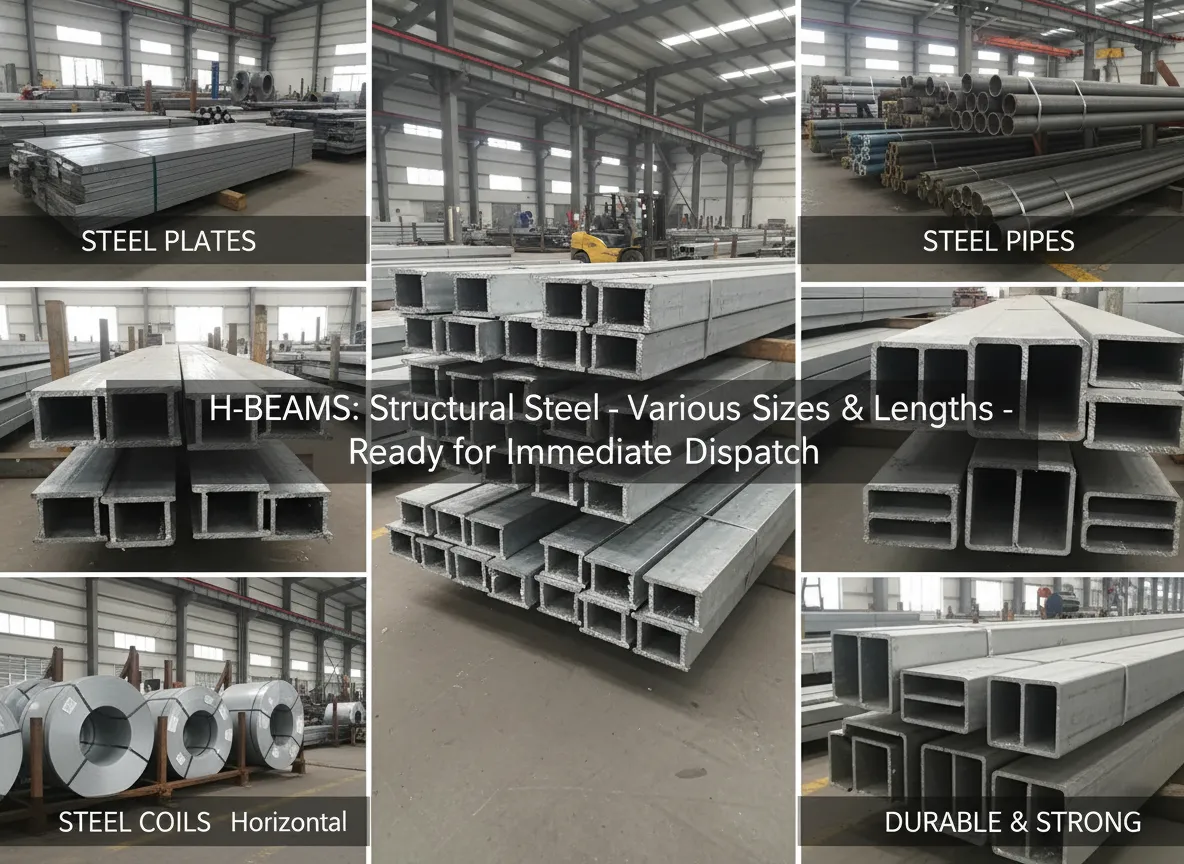
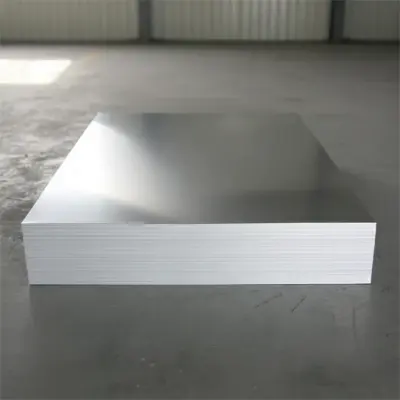
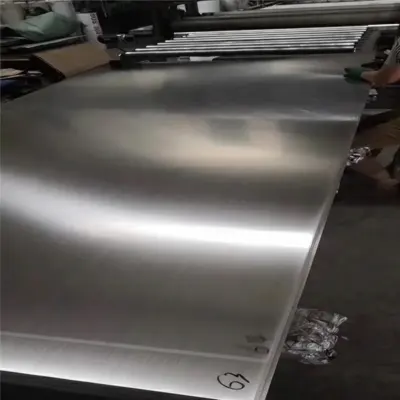
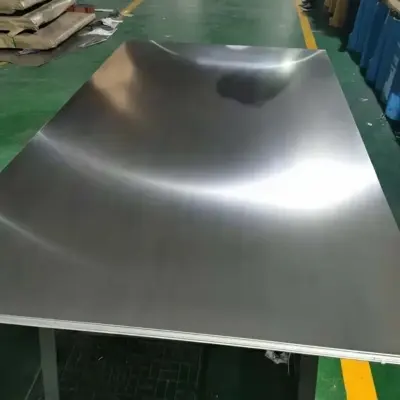
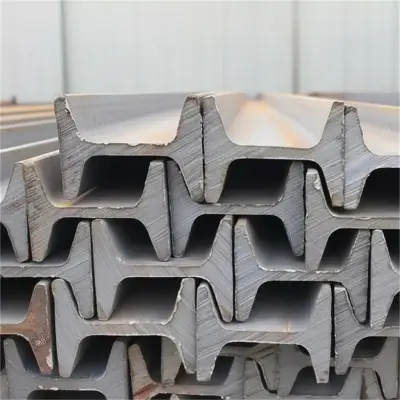
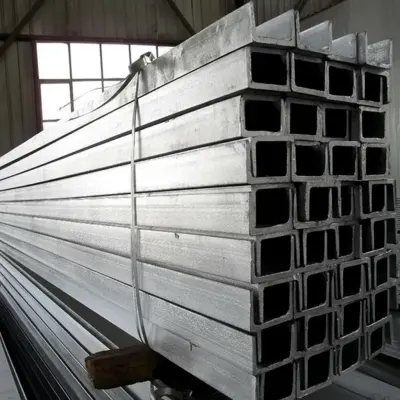
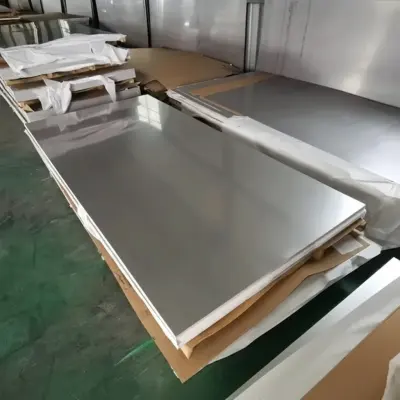
Stainless Steel Profile for Building Construction

 China
China
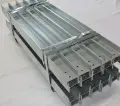
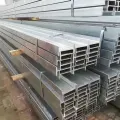
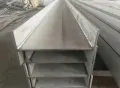
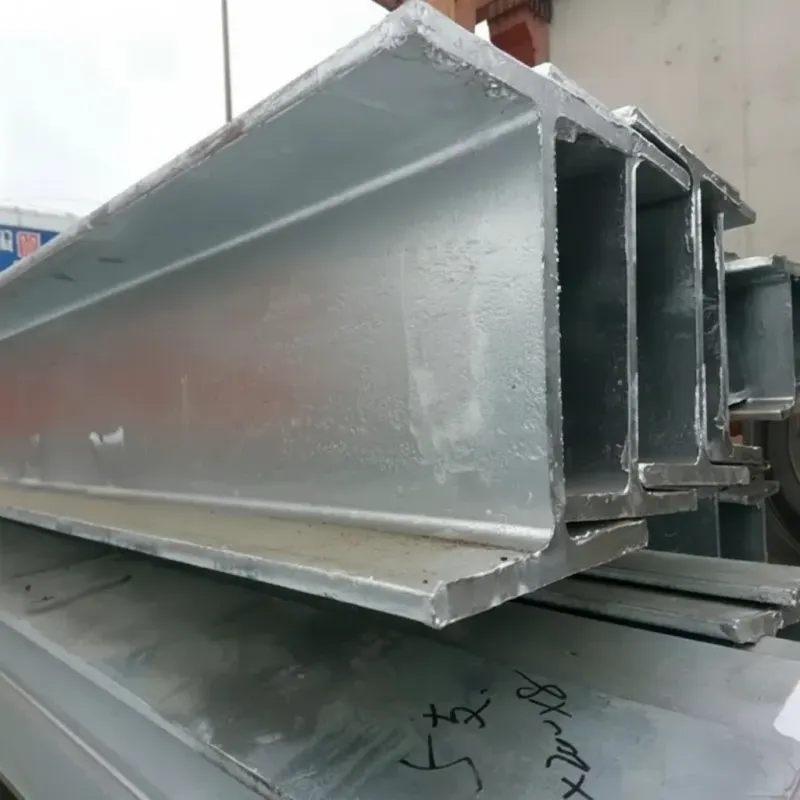
Supplier's customization ability
- Drawing-based customization
- Sample-based customization
- Full customization
Minimum order quantity: 1 Ton
Shipping total: To be negotiated
- Lead time:
- confirmed with the quotation
- Packaging:
- standard export packing
- Samples:
- available on request
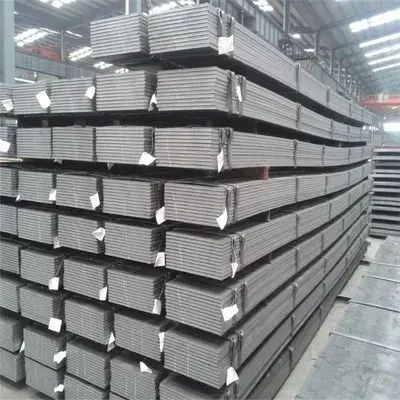
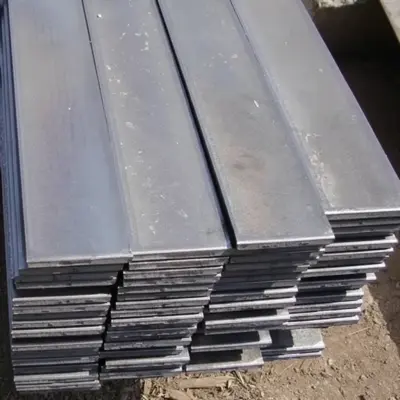
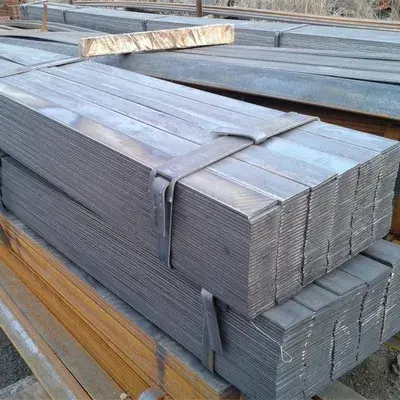
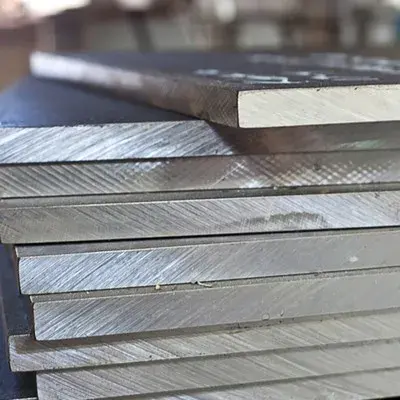
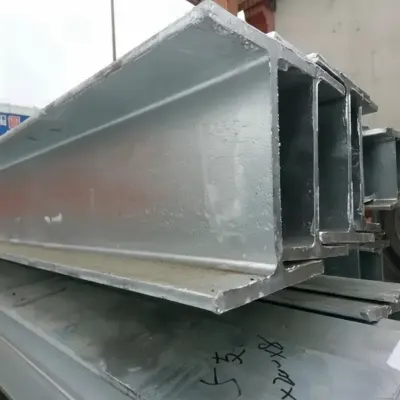
Product details
Technical Specifications of Stainless Steel Profile for Building
| Property | Parameter | Description |
|---|---|---|
| Product Name | Stainless Steel Profile for Building | Structural and decorative stainless steel profiles used in construction applications |
| Material Grade | 304 (1.4301), 316 (1.4401), 316L (1.4404), 430 (1.4016) | Austenitic and ferritic grades; 316/316L recommended for corrosive environments |
| Standard Compliance | ASTM A276 / EN 10088-3 / JIS G4303 / GB/T 1220 | Meets international standards for stainless steel bars and profiles |
| Chemical Composition (304) | C≤0.08%, Cr 18.0–20.0%, Ni 8.0–10.5%, Mn≤2.0%, Si≤1.0%, P≤0.045%, S≤0.030% | Standard austenitic composition providing good corrosion resistance |
| Chemical Composition (316L) | C≤0.03%, Cr 16.0–18.0%, Ni 10.0–14.0%, Mo 2.0–3.0%, Mn≤2.0%, Si≤1.0% | Low carbon with molybdenum addition for enhanced pitting resistance |
| Tensile Strength | ≥515 MPa (304); ≥485 MPa (316L) | Per ASTM A276; suitable for load-bearing structural applications |
| Yield Strength | ≥205 MPa (304); ≥170 MPa (316L) | 0.2% proof stress; ensures structural integrity under building loads |
| Elongation | ≥40% (304); ≥40% (316L) | Minimum elongation in 50 mm gauge length per ASTM A276 |
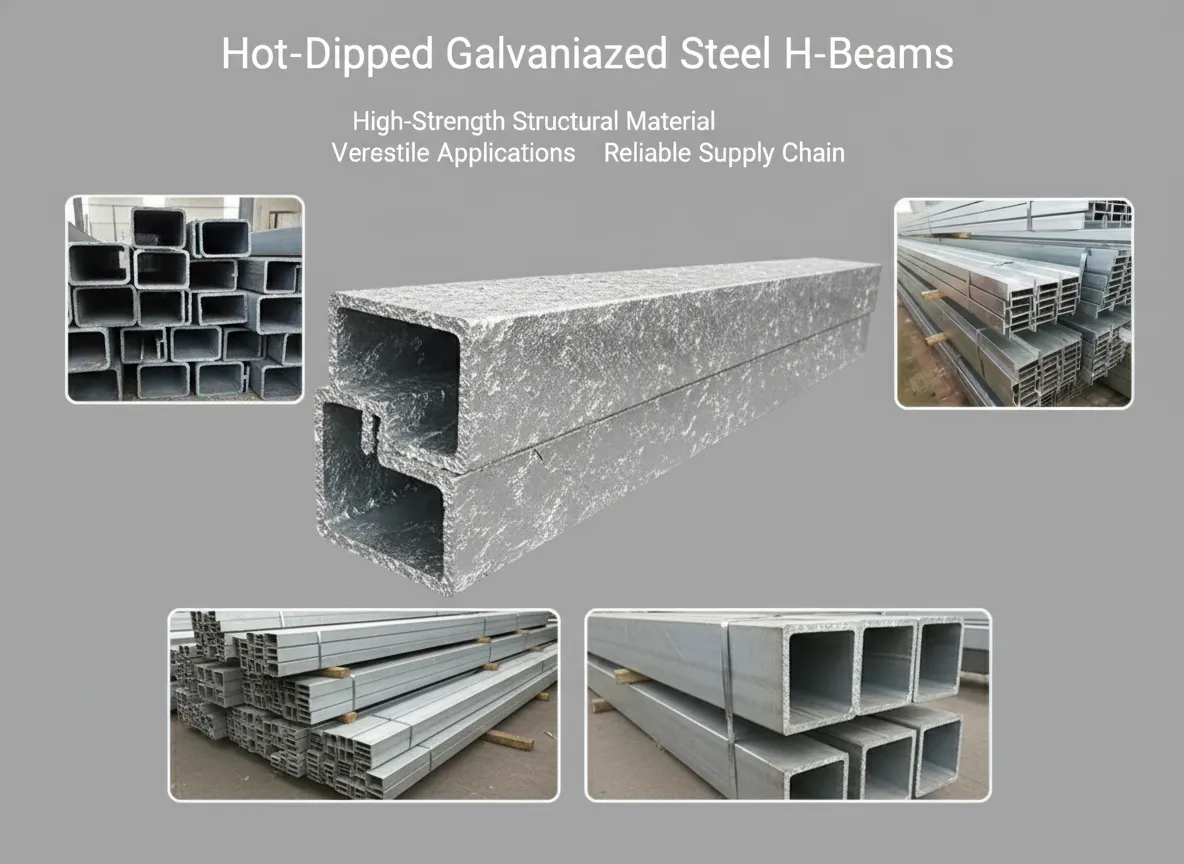
| Profile Types | Angle, Channel (U/C), T-bar, Flat Bar, I-beam, H-beam, Round/Square Bar | Wide range of cross-section shapes for diverse structural and decorative needs |
| Dimension Range | Thickness: 1.0–20 mm; Width: 10–300 mm; Length: 1,000–12,000 mm | Custom cutting available; tolerances per EN 10056 / ASTM A276 |
| Surface Finish | No.1, 2B, BA, No.4 (Brushed), No.8 (Mirror), Hairline (HL) | Finish selected based on aesthetic and corrosion resistance requirements |
| Hardness | ≤187 HB (304); ≤217 HB (316L) | Brinell hardness; ensures machinability and formability for fabrication |
| Application | Curtain walls, handrails, door/window frames, structural supports, facades, staircases | Widely used in commercial, residential, and industrial building construction |
| Certification | ISO 9001, CE Marking, SGS, Mill Test Certificate (EN 10204 3.1/3.2) | Full traceability with material test reports available upon request |
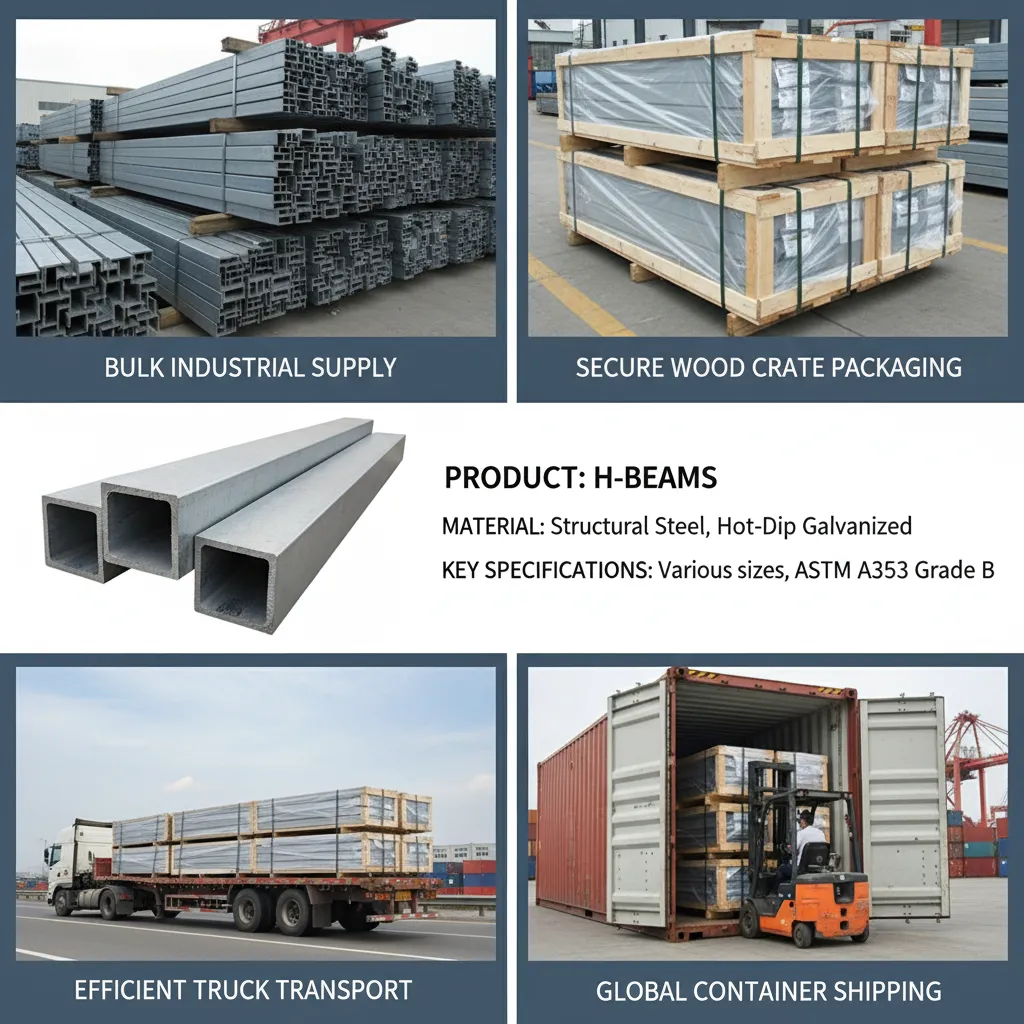
| Packaging | Bundled with steel straps; wrapped in waterproof paper or PE film; wooden pallet or crate | Export-standard packaging to prevent surface damage during transit |
| MOQ | 1 Ton (standard grades); 500 kg (custom dimensions) | Mixed grades and sizes accepted to meet minimum order requirements |
Stainless Steel Profile for Building Construction
Stainless steel profile for building construction is a structural and architectural metal product widely specified by contractors, developers, and procurement teams across commercial, industrial, and residential projects. Manufactured from corrosion-resistant austenitic or duplex stainless steel, these profiles deliver long service life, dimensional stability, and a clean aesthetic that conventional carbon steel simply cannot match. Whether the application demands load-bearing angles in a curtain wall system, decorative channels in a façade, or precision tubes in a structural frame, stainless steel building profiles offer the mechanical strength and surface finish that modern construction specifications require. This guide covers product definitions, international standards, typical applications, and practical buying considerations for global procurement teams.
Product Overview of Stainless Steel Profile for Building
A stainless steel profile is a long, prismatic metal section produced by hot rolling, cold drawing, or cold forming, then finished by annealing and pickling, polishing, or brushing depending on the end-use requirement. The term covers a broad family of cross-sectional shapes:
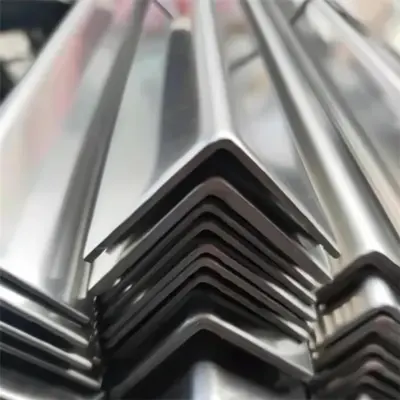
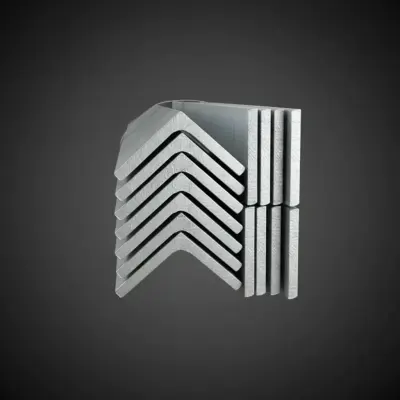
- Angles (L-section): Equal-leg and unequal-leg angles used in framing, brackets, and support structures.
- Channels (U/C-section): Structural channels for curtain wall tracks, door frames, and cable management.
- Flat bars: Versatile strips used for cladding clips, reinforcement, and decorative trims.
- T-sections and I-beams: Load-bearing profiles for mezzanine floors, staircases, and bridge parapets.
- Hollow sections (SHS/RHS/CHS): Square, rectangular, and circular tubes for columns, handrails, and canopy frames.
- Custom extruded profiles: Architect-specified shapes for unitised façade systems and brise-soleil.
The most widely used grades in building applications are AISI 304 / 1.4301 and AISI 316 / 1.4401. Grade 304 provides excellent general corrosion resistance for interior and sheltered exterior use. Grade 316 adds molybdenum (2–3 %), making it the standard choice for coastal environments, swimming pools, and chemical-exposure zones. Duplex grades such as 2205 / 1.4462 are increasingly specified where higher strength-to-weight ratio or chloride resistance is critical. [[INTERNAL_LINK]]
Specifications & Standards for Stainless Steel Building Profiles
Procurement teams should verify that supplied profiles conform to one or more of the following internationally recognised standards. Specifying the standard number in your purchase order protects against grade substitution and dimensional non-conformance.
Dimensional & Product Standards
- ASTM A276 / A276M – Standard Specification for Stainless Steel Bars and Shapes (USA)
- ASTM A554 – Standard Specification for Welded Stainless Steel Mechanical Tubing
- EN 10088-3 – Stainless steels: Technical delivery conditions for semi-finished products, bars, rods, wire, sections and bright products (Europe)
- EN 10219-1 / EN 10210-1 – Cold/hot formed welded structural hollow sections
- JIS G4303 / G4304 – Stainless steel bars and hot-rolled plates (Japan)
- GB/T 1220 / GB/T 3280 – Stainless steel bars / cold-rolled stainless steel plate and strip (China)
- ISO 9445-1 – Continuously cold-rolled stainless steel narrow strip, wide strip, plate/sheet and cut lengths
Chemical Composition — Key Grades (EN 10088-3)
| Grade (EN / AISI) | C max (%) | Cr (%) | Ni (%) | Mo (%) | N (%) |
|---|---|---|---|---|---|
| 1.4301 / 304 | 0.07 | 17.5–19.5 | 8.0–10.5 | — | ≤ 0.10 |
| 1.4401 / 316 | 0.07 | 16.5–18.5 | 10.0–13.0 | 2.0–2.5 | ≤ 0.10 |
| 1.4462 / 2205 | 0.03 | 21.0–23.0 | 4.5–6.5 | 2.5–3.5 | 0.10–0.22 |
| 1.4003 / 3Cr12 | 0.03 | 10.5–12.5 | ≤ 1.0 | — | ≤ 0.03 |
Mechanical Properties — Minimum Values (EN 10088-3, Condition A)
| Grade | Rp0.2 (MPa) | Rm (MPa) | A (% min) |
|---|---|---|---|
| 1.4301 / 304 | 210 | 520–720 | 45 |
| 1.4401 / 316 | 220 | 520–670 | 45 |
| 1.4462 / 2205 | 460 | 640–880 | 25 |
Surface finish designations follow EN 10088-2 (e.g., 2B, 2D, BA, No.4 brushed, No.8 mirror) or equivalent ASTM A480/A480M designations. Always specify the finish code in your RFQ to avoid disputes on delivery. [[INTERNAL_LINK]]
Applications of Stainless Steel Profile for Building
The combination of structural performance, corrosion resistance, and aesthetic versatility makes stainless steel building profiles the material of choice across multiple construction segments:
1. Façade and Curtain Wall Systems
Architects specify stainless steel channels and T-profiles as mullion and transom components in unitised curtain wall systems. The material's thermal expansion coefficient (approx. 16 × 10⁻⁶/°C for austenitic grades) is compatible with glass and aluminium sub-frames, reducing differential movement stress. Grade 316 is standard in marine or high-pollution urban environments. [[INTERNAL_LINK]]
2. Structural Handrails, Balustrades, and Staircases
Round and square hollow sections in grade 304 or 316 are the industry standard for handrail systems in commercial buildings, airports, shopping centres, and public transport hubs. Their smooth surface finish simplifies cleaning and meets hygiene standards required in food-processing facilities and hospitals.
3. Roofing, Cladding, and Rainscreen Systems
Flat bars and custom extruded profiles form the fixing clips and sub-frame elements of ventilated rainscreen cladding systems. The absence of maintenance painting over a 50+ year design life reduces whole-life cost substantially compared with galvanised or painted carbon steel alternatives. [[INTERNAL_LINK]]
4. Civil Engineering and Infrastructure
Bridges, pedestrian walkways, coastal promenades, and marine terminals regularly specify duplex 2205 angles and flat bars for primary structural members where chloride-induced corrosion would compromise carbon steel within a decade. The higher yield strength of duplex grades also allows section size reduction, saving weight.
5. Interior Fit-Out and Architectural Detailing
Brushed No.4 or mirror-polished stainless steel angles, channels, and trims are extensively used in hotel lobbies, retail interiors, and commercial kitchens for column cladding, skirting trims, and display fixtures. The material's reflectivity and resistance to fingerprint marking (with appropriate finish treatment) make it a premium specification choice. [[INTERNAL_LINK]]
How to Choose Stainless Steel Profile for Building — Buying Guide
Procurement managers sourcing stainless steel building profiles for the first time or switching suppliers should evaluate the following criteria systematically:
Grade Selection
Match the grade to the corrosion environment. Interior, dry applications can use 304; exterior urban or industrial environments should default to 316; coastal or chemically aggressive sites warrant 316L or duplex 2205. Confirm the grade with a mill test certificate (MTC) that references the specific standard (e.g., EN 10204 3.1 or 3.2 inspection certificate).
Dimensional Tolerances
Specify tolerances explicitly — EN 10088-3 and ASTM A276 define different tolerance classes. For precision fit-out work, tighter tolerances (e.g., h9 or h11 per ISO 286) may be required and should be agreed before order placement.
Surface Finish
Structural profiles hidden within assemblies typically require only a 2B or No.1 (hot-rolled, annealed, pickled) finish. Visible architectural profiles require No.4 brushed, BA (bright annealed), or mirror finish. Mixing finish batches from different production runs can cause visible colour variation — order full project quantities from a single heat where possible.
Certification and Traceability
For structural applications, require EN 10204 3.1 MTCs as a minimum. Projects under CE marking obligations (e.g., EN 1090 execution standard) may require 3.2 witness inspection. Confirm that the supplier's quality management system is certified to ISO 9001. [[INTERNAL_LINK]]
MOQ, Lead Time, and Logistics
Standard section profiles (angles, channels, flat bars) are typically held in stock in common grades and lengths (3 m, 6 m). Custom profiles or non-standard lengths generally require a minimum order quantity — confirm this before finalising your BOM. Sea freight from major producing countries (China, South Korea, India, EU) typically takes 18–35 days to main destination ports; factor this into project schedules. Request packing specifications (bundled, banded, moisture-proof wrapping) to prevent transit damage and surface contamination. [[INTERNAL_LINK]]
Price Benchmarking
Stainless steel pricing is indexed to the nickel LME price and the stainless steel surcharge (alloy surcharge), which fluctuates monthly. Request price validity periods in writing and clarify whether the quoted price is EXW, FOB, CFR, or CIF — this significantly affects landed cost calculations.
Frequently Asked Questions
Q: What is the difference between grade 304 and grade 316 stainless steel profile for building?
A: Both are austenitic stainless steels with similar mechanical properties, but grade 316 (1.4401 per EN 10088) contains 2–3 % molybdenum, which significantly improves resistance to chloride-induced pitting and crevice corrosion. For interior applications or sheltered exterior use in non-coastal, non-industrial environments, 304 is generally adequate and more cost-effective. For coastal façades, swimming pool surrounds, marine infrastructure, or environments with de-icing salts, 316 or 316L is the standard specification. When in doubt, consult the corrosion resistance tables in EN ISO 9227 or ASTM G48 test data.
Q: What international certifications should I require when importing stainless steel building profiles?
A: At minimum, require a Mill Test Certificate (MTC) to EN 10204 Type 3.1, which is issued by the manufacturer's own inspection department and confirms chemical composition and mechanical properties against the specified standard. For structural applications under European CE marking (EN 1090), a 3.2 certificate with third-party witness inspection is required. Additionally, confirm that the mill holds ISO 9001 certification and, for certain markets, PED (Pressure Equipment Directive) or equivalent approvals if the profiles are used in pressurised systems. [[INTERNAL_LINK]]
Q: What is the typical minimum order quantity (MOQ) for stainless steel profiles?
A: MOQ varies by product type. For standard sections (equal angles, flat bars, channels) in grades 304 and 316, many distributors and trading companies can supply from 100–500 kg per size. Mill direct orders typically start from 3–5 metric tonnes per specification. Custom profiles — non-standard cross-sections or special alloys — generally require higher MOQs due to tooling and production scheduling. Always clarify MOQ, packaging, and bundling specifications before issuing a purchase order.
Q: How long does delivery take for stainless steel building profiles from overseas suppliers?
A: Lead time depends on whether the product is ex-stock or made-to-order. Stock items can ship within 5–15 business days of order confirmation. Made-to-order or custom profiles typically require 4–8 weeks production time. Sea freight transit from major exporting hubs (Shanghai, Tianjin, Busan, Mumbai, Antwerp) to destination ports in Europe, the Middle East, Southeast Asia, or the Americas generally adds 15–35 days. Plan total procurement lead times of 6–12 weeks for custom or large-volume orders to avoid project delays.
Q: What payment terms are standard for international procurement of stainless steel profiles?
A: The most common payment terms in the stainless steel trade are 30 % T/T deposit with 70 % balance against copy of bill of lading, or an irrevocable Letter of Credit (L/C) at sight. For established buyer-supplier relationships, open account terms (net 30–60 days) may be available. L/C is generally preferred for first-time transactions as it protects both parties. Confirm currency (USD, EUR, or CNY) and whether the price is fixed or subject to alloy surcharge adjustment at time of shipment.
Q: Can stainless steel profiles be cut, welded, or fabricated on-site?
A: Yes. Stainless steel profiles can be cut using plasma cutting, laser cutting, or cold sawing (avoid abrasive cutting wheels used for carbon steel to prevent iron contamination). Welding should follow procedures qualified to EN ISO 15614-1 or AWS D1.6 (structural welding of stainless steel), using matching or overalloyed filler metals (e.g., ER316L for 316 base material). Post-weld treatment — pickling paste or electropolishing — is strongly recommended to restore the passive chromium oxide layer and maintain corrosion resistance. Avoid contact with carbon steel tools or work surfaces to prevent iron contamination and subsequent rust staining. [[INTERNAL_LINK]]
Q: How do I verify that the stainless steel profile supplied matches the grade I ordered?
A: The most reliable method is Positive Material Identification (PMI) using a portable X-ray fluorescence (XRF) analyser, which provides elemental composition results in seconds without damaging the material. Cross-reference the XRF reading against the MTC and the applicable standard (e.g., EN 10088-3 Table 1 or ASTM A276 Table 1). For critical structural applications, independent third-party laboratory testing per EN ISO 6892-1 (tensile) and EN ISO 6507 (hardness) provides additional assurance. Reputable suppliers will support PMI testing and provide full heat traceability.
Request a Quote for Stainless Steel Profile for Building
Our team specialises in supplying certified stainless steel profiles for building and construction projects worldwide — from standard angles and channels to architect-specified custom sections in grades 304, 316, 316L, and duplex 2205. Whether you need a small consignment for a fit-out project or a full structural package for a major development, we can provide competitive pricing, EN 10204 3.1 mill certificates, and reliable logistics to your port of destination. Contact us today to submit your specifications and receive a detailed quotation within 24 hours. Share your drawings, grade requirements, surface finish, and required quantities, and our technical sales team will respond with a tailored proposal. [[INTERNAL_LINK]]